Search by dates and destination
About

About this power spot

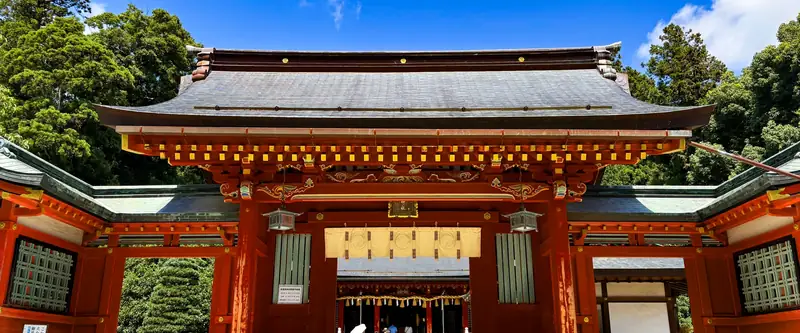
Together with Mount Gassan and Mount Yudono, Mount Haguro forms the "Dewa Sanzan" (Three Mountains of Dewa), a sacred site of mountain worship long known as a center of Shugendo ascetic practice. Tsuruoka City's tourism site introduces it as a power spot, and at the Sanjin Gosaiden hall on the summit you can pay respects to the deities of all three mountains at once.

History

History

Tradition holds that Prince Hachiko, a son of Emperor Sushun, was guided up Mount Haguro by a sacred three-legged crow and founded a shrine on the summit. Mount Haguro is said to represent the present, Gassan the past and Yudono the future, and the journey through the three mountains has been recognized as Japan Heritage under the theme "a journey of rebirth."

Highlights

Highlights

✨ Sanjin Gosaiden

A large shrine hall on the summit enshrining the deities of Gassan, Haguro and Yudono together. Even in winter, when Gassan and Yudono cannot be reached, it is said you can pay respects to the gods of all three mountains here.

✨ Five-Story Pagoda of Mount Haguro (National Treasure)

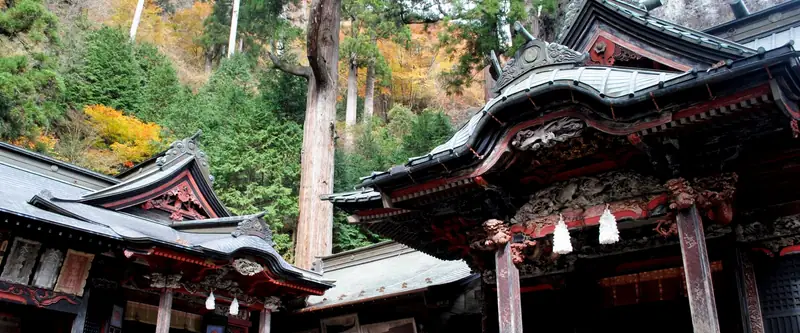
Standing among the cedar trees along the approach, it is said to be the oldest pagoda in the Tohoku region and, according to tradition, was founded by Taira no Masakado.

✨ Jiji-sugi and the cedar avenue

Jiji-sugi (the "Grandfather Cedar"), towering beside the pagoda, is a Special Natural Monument. Giant cedars line the approach, wrapping it in a sacred atmosphere.

✨ The 2,446 stone steps

Stone steps leading from the Zuishinmon gate to the summit. Part of the fun is looking for the pictures of sake cups, gourds and other shapes carved into the steps along the way.

🙏 Known for

It is described as a place visited by people praying for business prosperity, family safety and a happy marriage. Hanimayahime Shrine, partway along the approach, is known for prayers for matchmaking (enmusubi).

Based on information from the shrine or temple and official tourism sites.

Etiquette

Etiquette & things to know

  • ✓Bow once before the torii gate and the Zuishinmon gate, and avoid walking down the center of the approach.
  • ✓This is a mountain where Shugendo faith is still very much alive. If you come across yamabushi (mountain ascetics) in training or a ritual, watch quietly.
  • ✓The stone steps become very slippery in rain or snow. They are not cleared in winter, so don't push yourself; head to the summit by the road instead.
  • ✓Stay on the approach so as not to damage the cedar avenue, Jiji-sugi or other parts of the natural environment.
Tips

Tips for your visit

  • •The traditional pilgrimage route runs from the Zuishinmon gate past the Five-Story Pagoda and up the stone steps. If you are not confident in your stamina, you can take a bus or car to the summit and pray at the Sanjin Gosaiden.
  • •On rainy or snowy days, you can borrow rubber boots at the Idewa Cultural Memorial Hall.
  • •Extend your trip to Gassan and Yudono to experience the "journey of rebirth" (note that Gassan and Yudono cannot be visited in winter).
Map

Map

🗺 Map ↗
Power Spots

More power spots for “Prosperity & business”

⛩️ Shrine

Konpira Shrine (Shosanbetsu)

Hokkaido ・ Shosanbetsu, Tomamae District, Hokkaido

🛡️ Safe travels💰 Prosperity & business

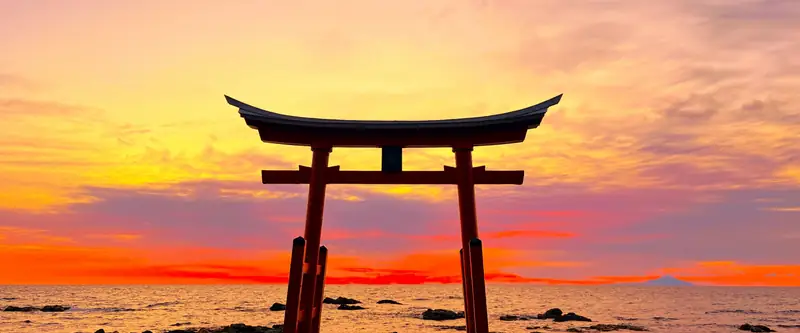
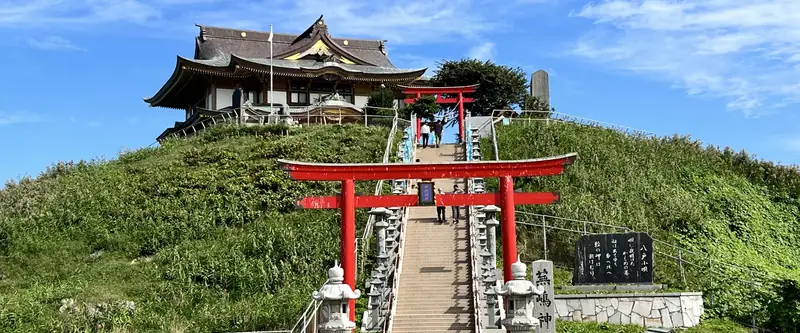
A shrine below Cape Konpira facing the Sea of Japan, symbolized by its vermilion "torii in the sea" standing at the water's edge. Hokkaido's official tourism site introduces it as a power spot where you can feel the energy of the sea breeze and rough waves.
⛩️ Shrine

Iwakiyama Shrine

Tohoku ・ Hirosaki, Aomori

💞 Love & relationships💰 Prosperity & business

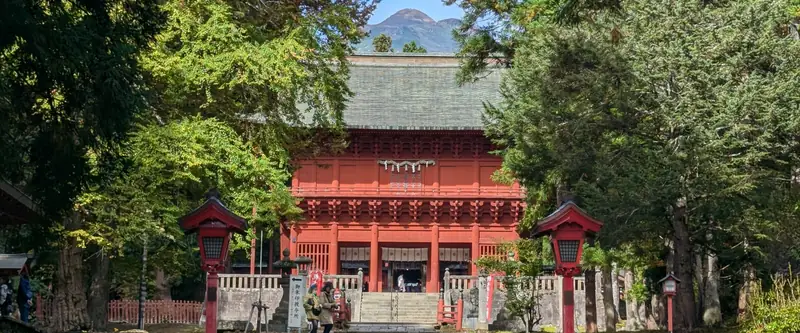
A shrine at the foot of Mount Iwaki, known as "Tsugaru Fuji," affectionately called "Oiwaki-sama" or "Oyama" by locals. Aomori Prefecture's official tourism site introduces it as a power spot rooted in mountain worship.

⛩️ Shrine

Kabushima Shrine

Tohoku ・ Hachinohe, Aomori

💰 Prosperity & business🍀 Good fortune & protection🛡️ Safe travels

A shrine on the top of Kabushima Island, a breeding ground for black-tailed gulls designated a national Natural Monument. Aomori Prefecture's official tourism site introduces it as a power spot associated with blessings for good luck and wealth.

⛩️ Shrine

Shiogama Shrine

Tohoku ・ Shiogama, Miyagi

🛡️ Safe travels💰 Prosperity & business

Standing on Mount Ichimori overlooking the town of Shiogama, this shrine, affectionately known as "Shiogama-sama," is a guardian of the Tohoku region and the Ichinomiya (highest-ranking shrine) of the former Mutsu Province. Miyagi Prefecture's tourism site introduces it as "one of Miyagi's top power spots," and Shiwahiko Shrine is enshrined on the same grounds.

⛩️ Shrine

Haruna Shrine

Tokyo & Around ・ Takasaki, Gunma

🍀 Good fortune & protection💰 Prosperity & business

A shrine on the slopes of Mount Haruna, its grounds surrounded by strange rock formations and ancient trees. Takasaki City's official tourism site introduces it as a power spot filled with a sacred atmosphere, and Gunma Prefecture's tourism site calls it "one of the leading power spots in the Kanto region."

⛩️ Shrine

Ise Jingu

Kansai ・ Ise, Mie

💰 Prosperity & business

A shrine centered on two main sanctuaries, the Naiku (Kotai Jingu, the Inner Shrine) and the Geku (Toyouke Daijingu, the Outer Shrine), long famous as the destination of the "Oise-mairi" pilgrimage. Mie Prefecture's official tourism site presents the Geku and Naiku, standing in vast and mystical forests, as the heart of a power spot tour.

Power Spots

More power spots in Tohoku

⛩️ Shrine

Towada Shrine

Tohoku ・ Towada, Aomori

🍀 Good fortune & protection⛰️ Nature power spots

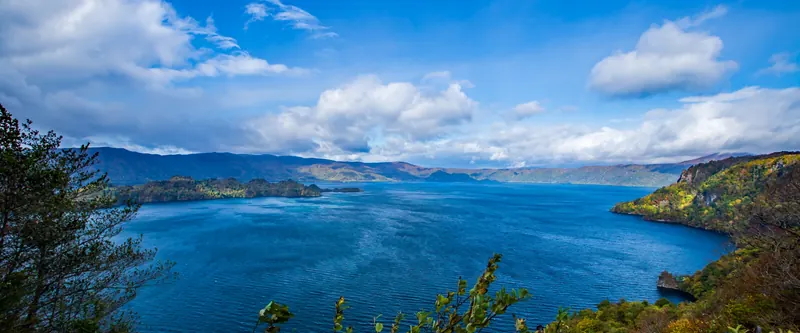
An ancient shrine standing among cedar trees at the base of the Nakayama Peninsula, which juts out into Lake Towada. It was once worshipped as a sacred site on a par with Osorezan, and Aomori Prefecture's official tourism site introduces it as one of the leading power spots in Tohoku.

🛕 Temple

Yamadera (Hojusan Risshaku-ji Temple)

Tohoku ・ Yamagata, Yamagata

📚 Study & exams

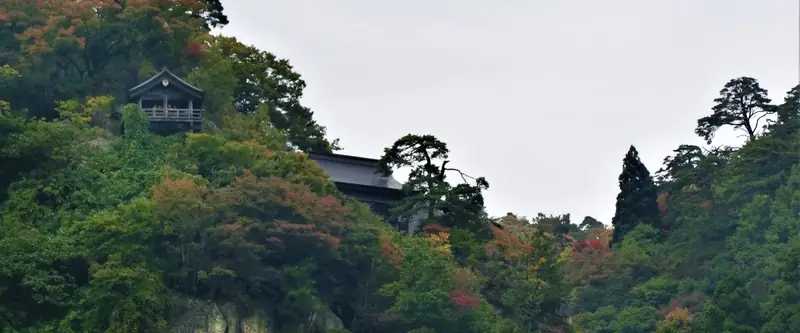
An ancient Tendai Buddhist temple with halls dotted across a steep rocky mountain, affectionately known as "Yamadera" (Mountain Temple). Yamagata Prefecture's official tourism site lists it first among places to visit on a spiritual journey, and a superb view awaits at the top of its 1,015 stone steps.

History and what each place is known for are based on the shrine or temple’s official site and on local government and tourism association information. Opening hours, fees and limited-time items are not listed — please check the official site before you go.

Sources

Checked: 2026-10-14