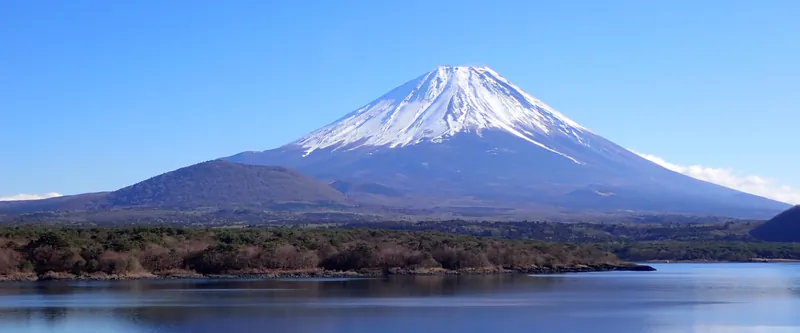
 January–February
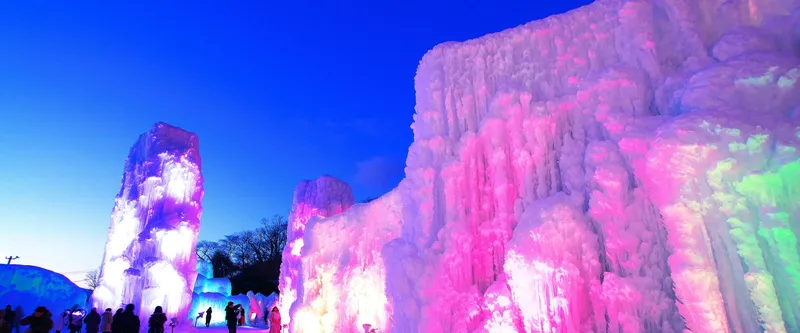
Chitose-Lake Shikotsu Ice Festival
Hokkaido ・ Sapporo
Usually late January to late February (about 3–4 weeks)
2027: Jan 30 – Feb 23
Japan stretches a long way from north to south, so even in the same month the climate can be very different from region to region. In January, the average high is -0.4°C in Sapporo but 19.8°C in Naha — a gap of more than 20°C. Based on Japan Meteorological Agency climate normals, this guide covers monthly temperatures, what to wear and what to see in 8 regions: Hokkaido, Tohoku, Tokyo & Around, Chubu & Hokuriku, Kansai, Chugoku & Shikoku, Kyushu and Okinawa. Use it to decide when and where to go.
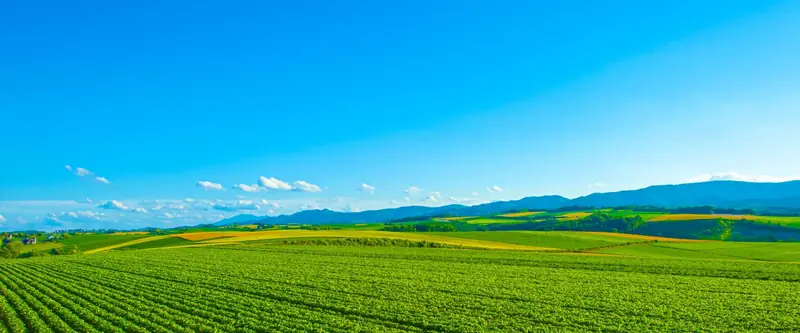
Cool summers with almost no rainy season, and a snow and ski paradise in winter
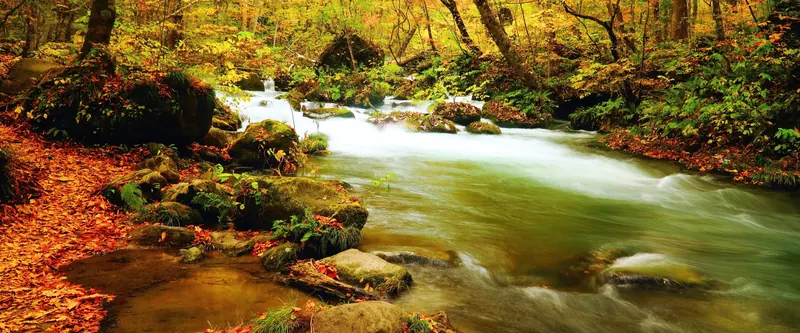
Sendai, Aomori, Yamagata and Aizu: summer festivals, cherry blossoms, autumn leaves, snow and hot springs
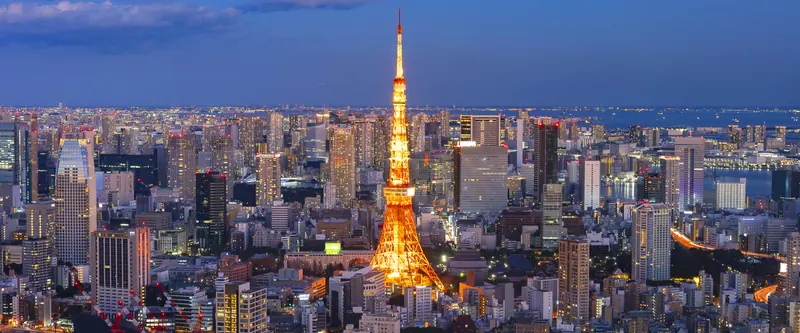
Four distinct seasons: cherry blossoms in spring, hot and humid summers, sunny and dry winters
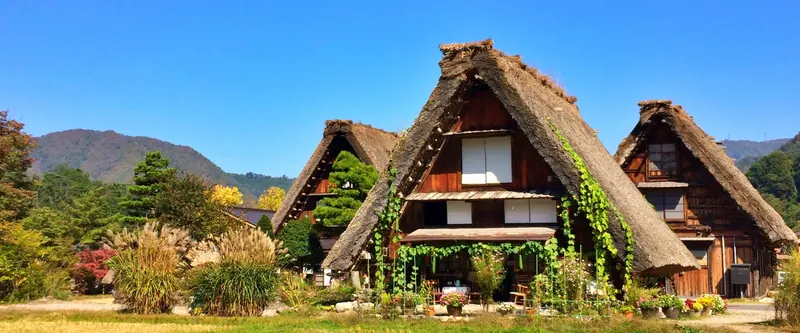
Nagoya, Kanazawa, Takayama, Shirakawa-go and Nagano: the Japan Alps and snow country
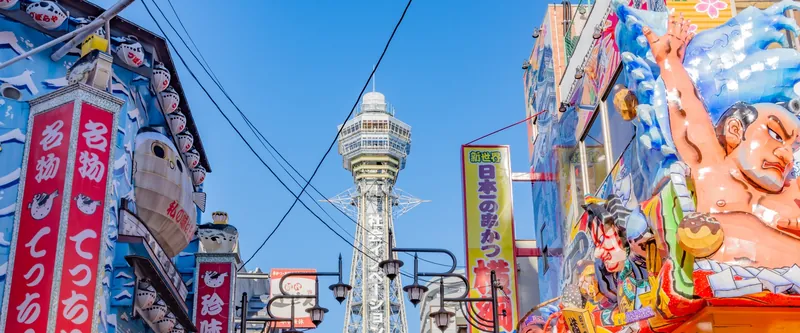
Kyoto, Osaka and Nara: Japan's historic heartland, packed with famous cherry blossom and autumn leaf spots
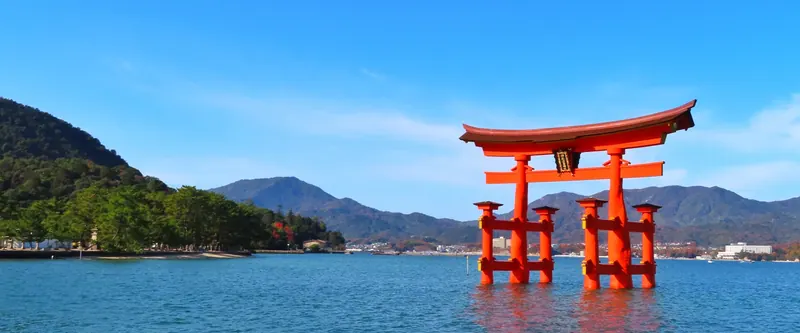
Hiroshima, Miyajima, Kurashiki, Izumo and Dogo Onsen: the sunny Seto Inland Sea and its islands
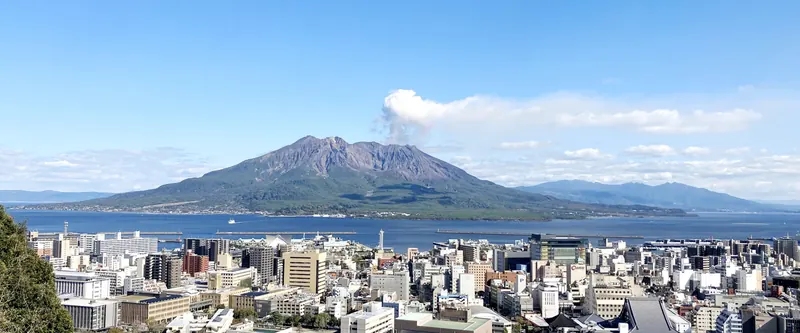
Fukuoka, Nagasaki, Kumamoto, Beppu and Kagoshima: hot springs, volcanoes and mild winters
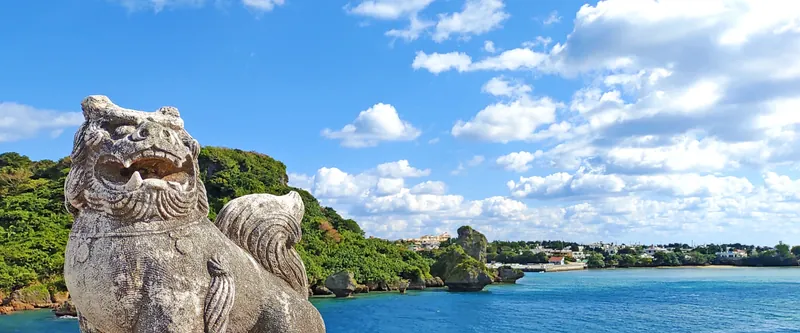
Southern islands that stay warm all year. The best beach season is June–September
Average highs and lows (°C, climate normals) for each region's main city. Tap a number to open that region's page for the month.
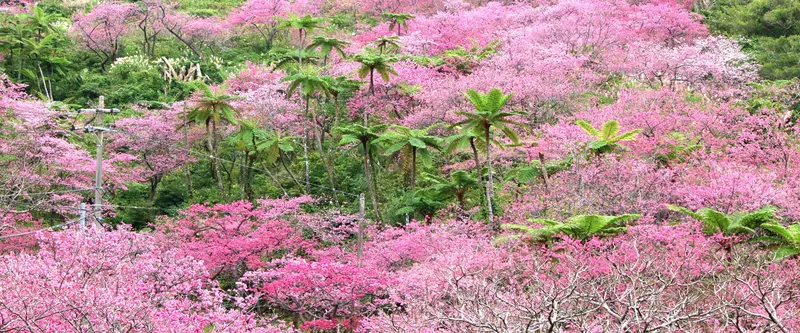
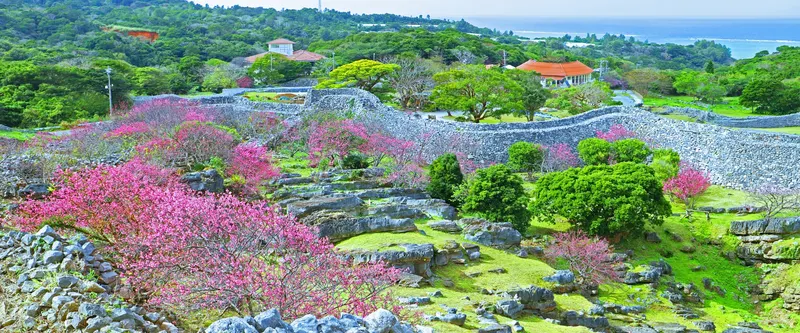
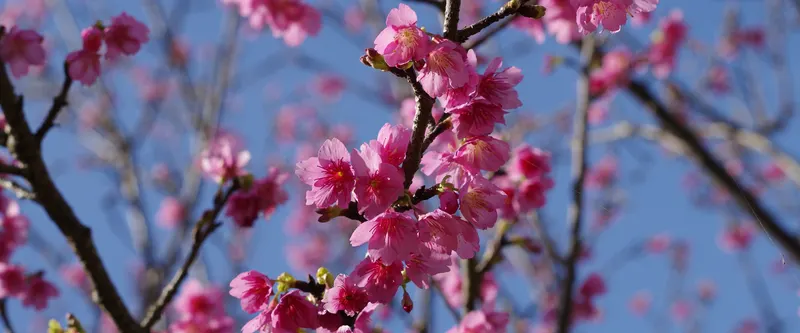
Okinawa's Kanhizakura cherry blossoms bloom from mid-January to early February. In Tokyo and Kyoto, cherry blossoms usually open in late March and are at their best from the end of March to early April. In Hokkaido they bloom about 1 month later than on Honshu, from late April to early May.
In Hokkaido, the colors start in the Daisetsuzan mountains in mid-September and reach the streets of Sapporo by late October. On the Tateyama Kurobe Alpine Route, Murodo starts turning in mid-September. Kyoto is at its best from mid-November to early December, and central Tokyo from late November to early December — the leaves turn from north to south, and from the mountains down to the cities.
Hokkaido's snow season runs from December to March. The Sapporo Snow Festival in early February and the powder snow of Niseko and Furano are especially popular. On Honshu, the snow country of Chubu & Hokuriku is also a winter highlight, with the thatched farmhouses of Shirakawa-go, the ski slopes of Hakuba and the snow monkeys of Jigokudani.
Okinawa's beaches open for the season from late March to April. Swimming is most pleasant from late June, after the rainy season, through September, and October is still enjoyable on sunny days.
In July and August, when Honshu is hot and humid, Sapporo in Hokkaido stays comfortable with highs of around 25–26°C, and there's almost no rainy season. Furano's lavender is usually at its best from mid- to late July.
Every season brings local festivals: the Sapporo Snow Festival in February, the Aomori Nebuta and Sendai Tanabata festivals in early August, Kyoto's Gion Matsuri in July, the Hakata Gion Yamakasa in July, the Awa Odori in Tokushima and the Yosakoi in Kochi in August, Tokyo's fireworks festivals in summer, and Okinawa's Eisa during Kyu-Bon (lunar Obon, around mid-August to early September).
January–FebruaryHokkaido ・ Sapporo
Usually late January to late February (about 3–4 weeks)
2027: Jan 30 – Feb 23
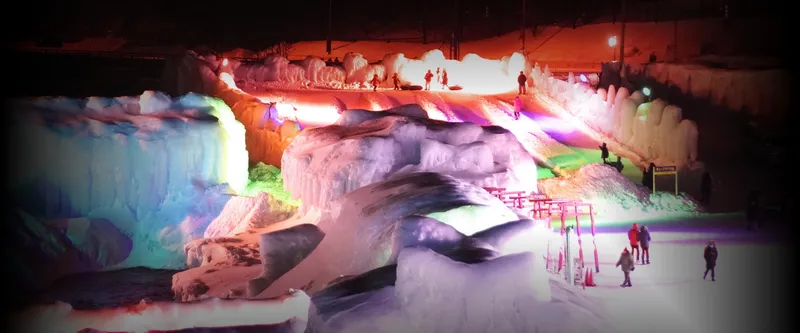 January–March
Hokkaido ・ Asahikawa & Biei
Usually late January to early March (about 6 weeks)
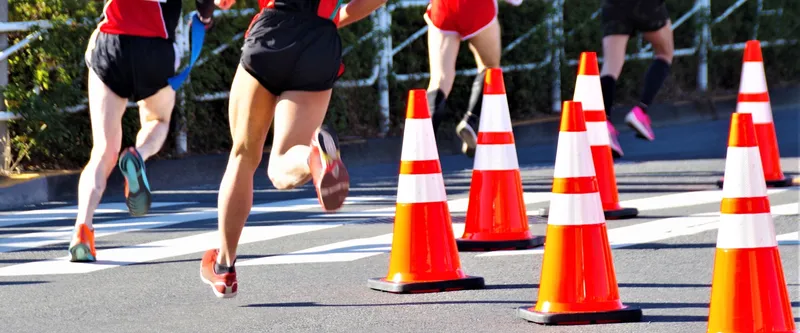 January
Tokyo & Around ・ Hakone
Every year on January 2 (outbound) and January 3 (return)
103rd race: Jan 2, 2027 (Sat) outbound, Jan 3 (Sun) return
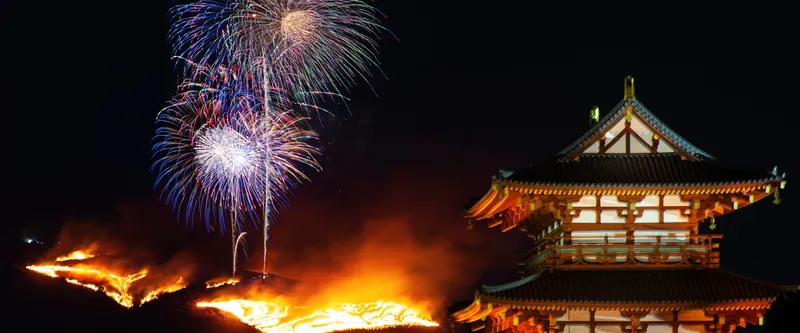 January
Kansai ・ Nara
Usually the fourth Saturday of January (fireworks from around 18:15 in the evening, ignition around 18:30)
 January–February
Kansai ・ Kobe & Arima Onsen
Usually about 10 days from late January to early February (lit from dusk to around 21:30)
2027 (32nd): Jan 29 – Feb 7
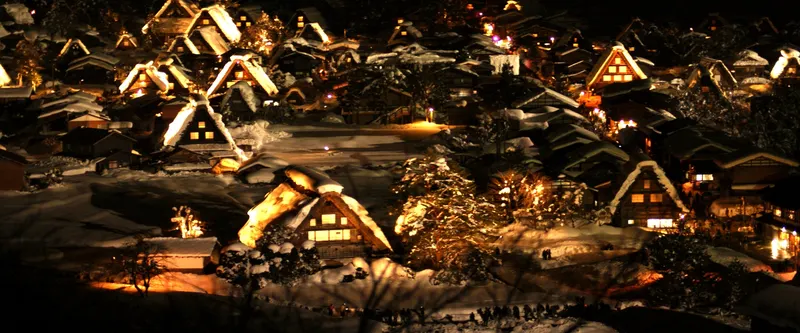 January–February
Chubu & Hokuriku ・ Shirakawa-go
Usually a few days in January–February (fully reservation-only)
2027 (41st): 4 days, Jan 11 (Mon, holiday), Jan 17 (Sun), Jan 24 (Sun) & Jan 31 (Sun)
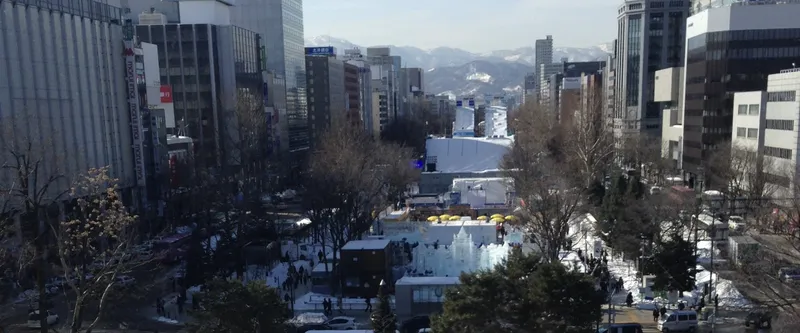 February
Hokkaido ・ Sapporo
Usually early February (about one week)
2027 (77th): Feb 4 (Thu) – Feb 11 (Thu, holiday), 8 days
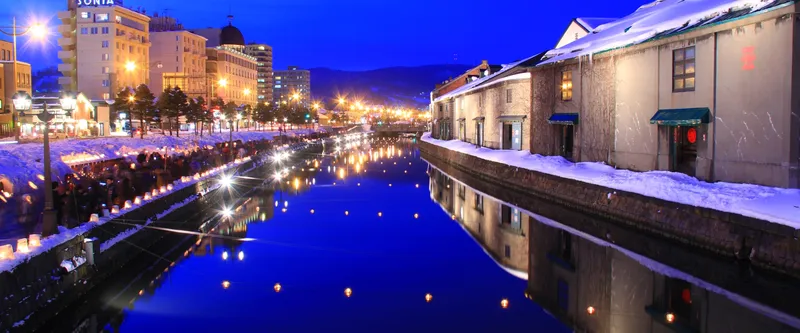 February
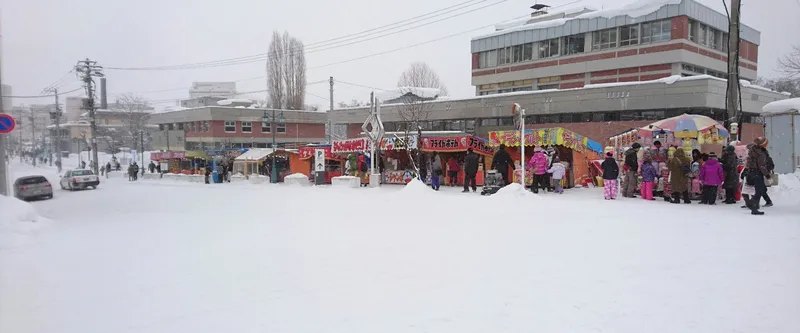
Hokkaido ・ Otaru
Usually about one week in early to mid-February (around the same time as the Sapporo Snow Festival)
2027: Feb 6 – Feb 13
 February
Hokkaido ・ Asahikawa & Biei
Usually about 6 days in early to mid-February (around the same time as the Sapporo Snow Festival)
2027 (68th): Feb 6 – Feb 11
 February–March
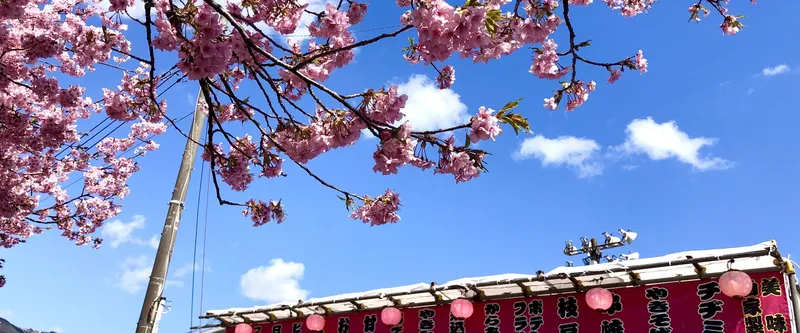
Tokyo & Around ・ Izu
Usually early February to early March (about one month). Peak bloom is usually mid- to late February
 February–December
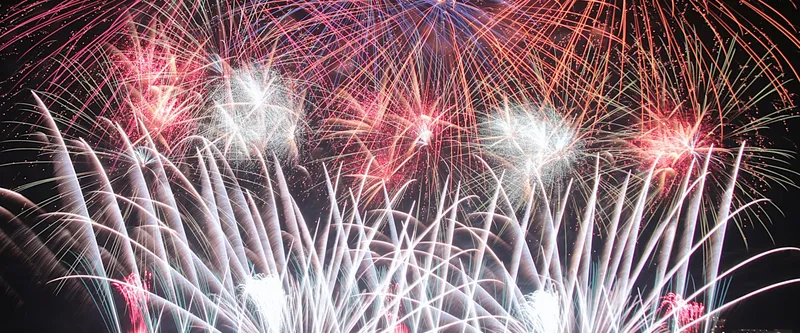
Tokyo & Around ・ Izu
Usually held a dozen or more times a year in spring (April–May), summer (July–August), autumn (September–November), and winter (December–February). Each show runs around 20:20–20:40 (from 20:15 in July and August)
Next show: Oct 25, 2026 (Sun), followed by Nov 8, Nov 23, Dec 6, Dec 25, and Feb 21, 2027 (all 20:20–20:40)
 February
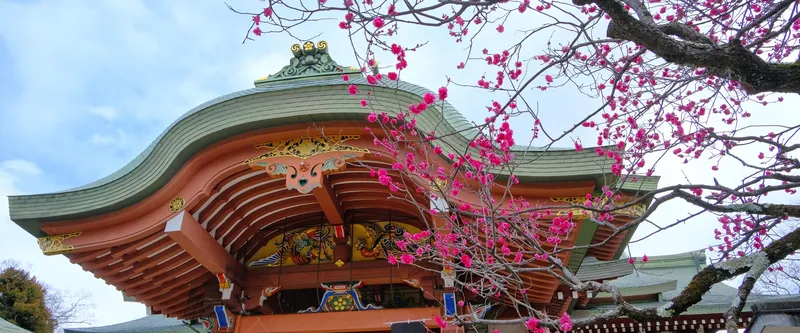
Kansai ・ Kyoto City
Every year on February 25 (outdoor tea ceremony 10:00–15:00)
Every year on February 25 (Feb 25 in 2027)
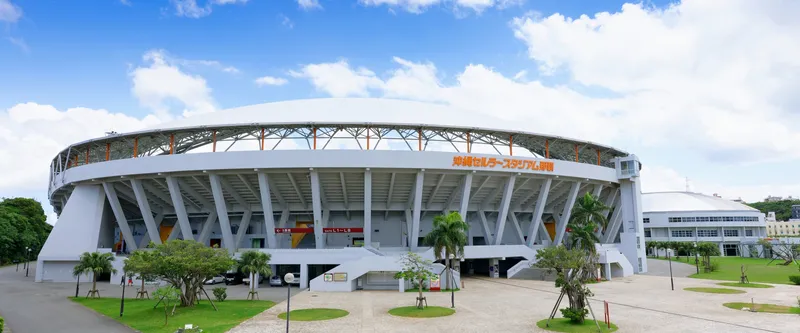 February–March
Okinawa ・ Naha
Usually February 1 to late February (the Yomiuri Giants' Naha camp runs from mid-February to early March)
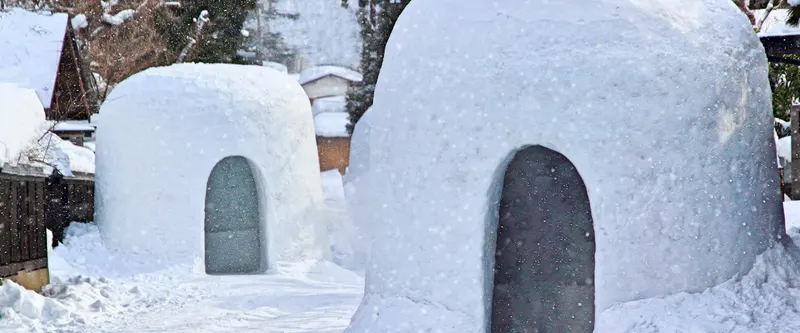 February
Tohoku ・ Kakunodate, Lake Tazawa & Nyuto Onsen
From 2026, held every year on the second Friday and Saturday of February (the Friday and Saturday just before the Bonden events; changed to the second Friday and Saturday on a trial basis through 2029)
2027: Feb 12 (Fri) & Feb 13 (Sat)
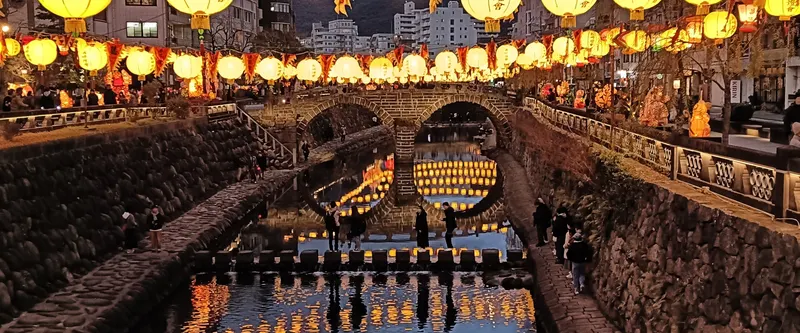 February
Kyushu ・ Nagasaki
Usually around February, at the time of the Lunar New Year (Spring Festival) (17 days from February 5 to 21 in 2027)
2027: Feb 5 (Fri) – Feb 21 (Sun), 17 days
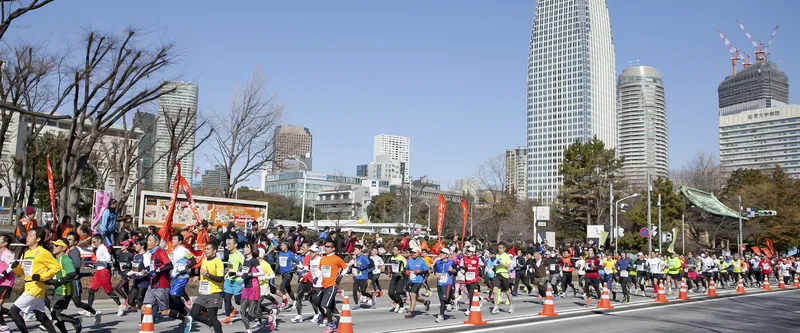 March
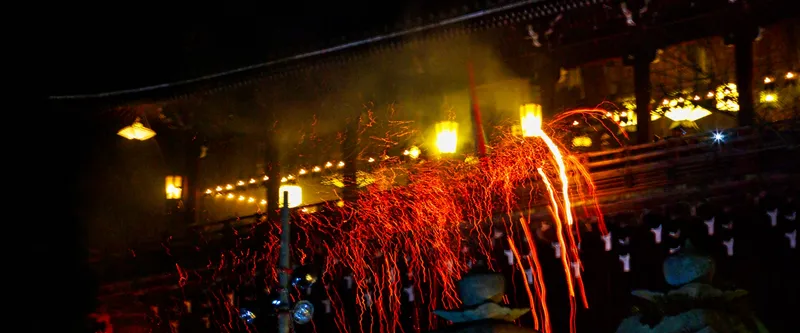 March
Kansai ・ Nara
Every year, March 1–14 (Otaimatsu nightly around 19:00; 19:30 on the 12th, 18:30 on the 14th)
2027 (the 1,276th): Mar 1 – Mar 14
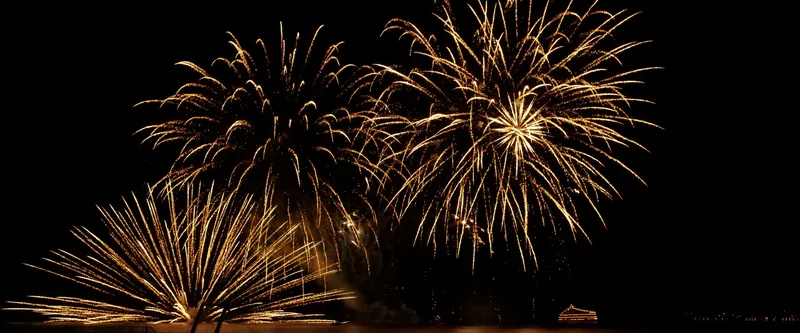 April–October
Hokkaido ・ Noboribetsu & Lake Toya
Usually every night from late April to October 31 (about 20 minutes from 20:45)
2026: Apr 28 – Oct 31 (held nightly; currently underway)
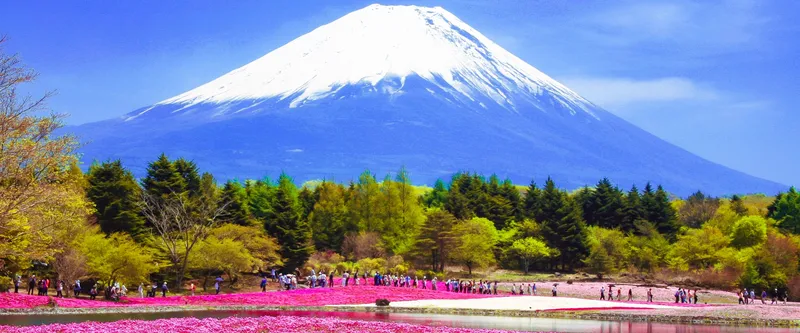 April–May
Tokyo & Around ・ Fuji Five Lakes
Usually mid-April to late May (April 11 – May 24 in 2026; may vary with bloom conditions)
AprilTokyo & Around ・ Central Tokyo
Usually around April 1–30 (the 55th festival was held April 1–30, 2026). Peak bloom is usually mid- to late April
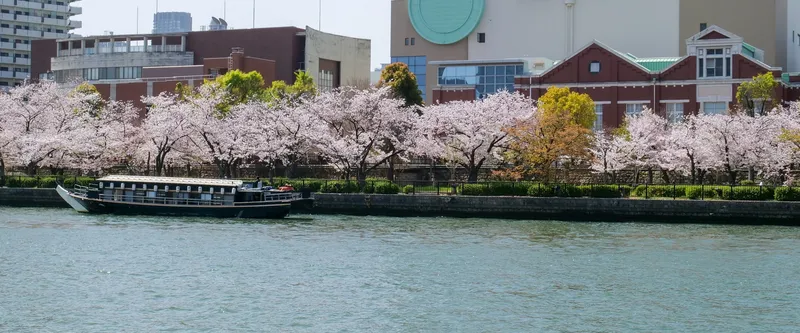 April
Kansai ・ Osaka
Usually 7 days in early to mid-April (dates set according to the bloom)
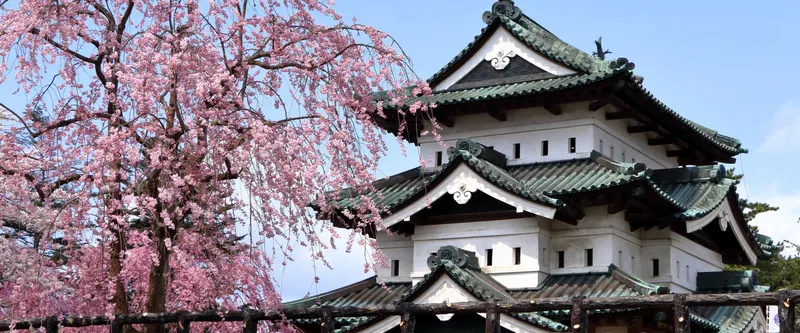 April–May
Tohoku ・ Hirosaki
Usually late April to early May (timed to the cherry blossom season; April 10 – May 5 in 2026)
2027: Apr 16 (Fri) – May 5 (Wed, holiday), 20 days
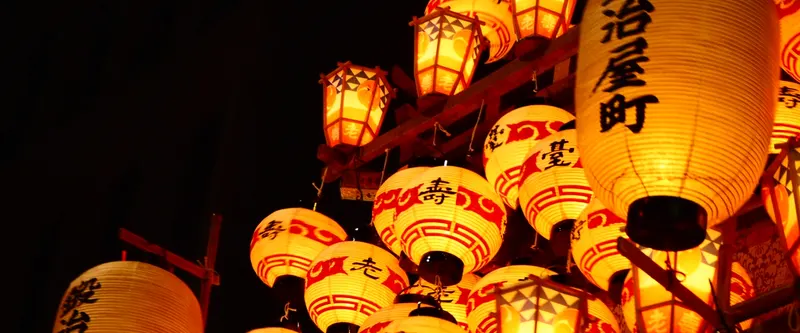 April
Chubu & Hokuriku ・ Nagoya
Usually the first Saturday and Sunday of April (Saturday is the Shigaku-sai, Sunday the Honraku-sai)
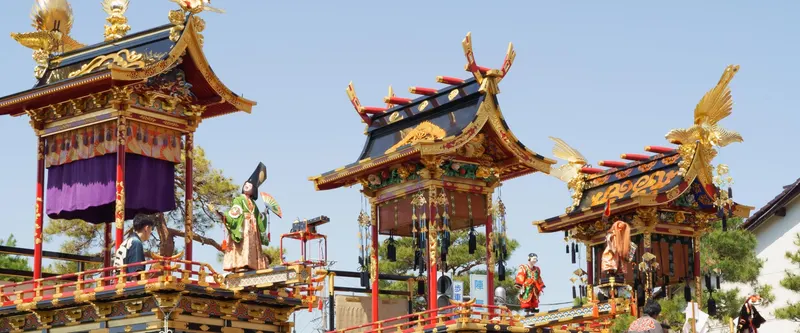 April
Chubu & Hokuriku ・ Takayama
Every year April 14 and 15
2027: Apr 14 (Wed) – Apr 15 (Thu), 2 days
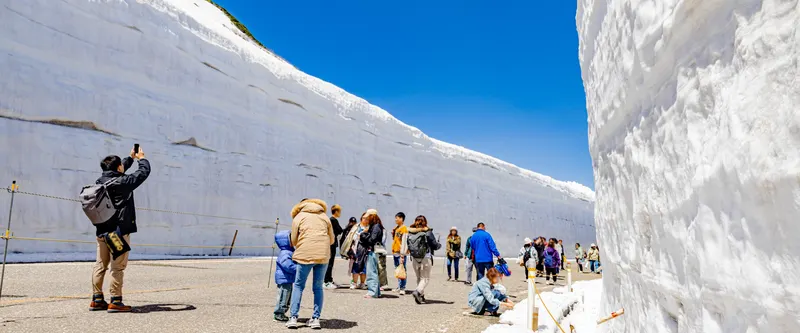 April–June
Chubu & Hokuriku ・ Toyama / Tateyama Kurobe Alpine Route
Usually mid-April (the day the Alpine Route fully opens) to late June
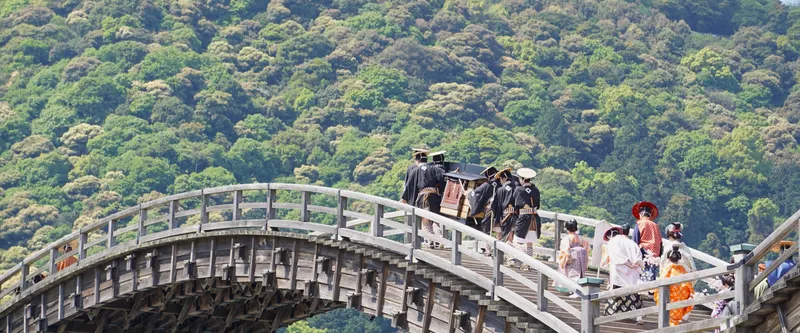 April
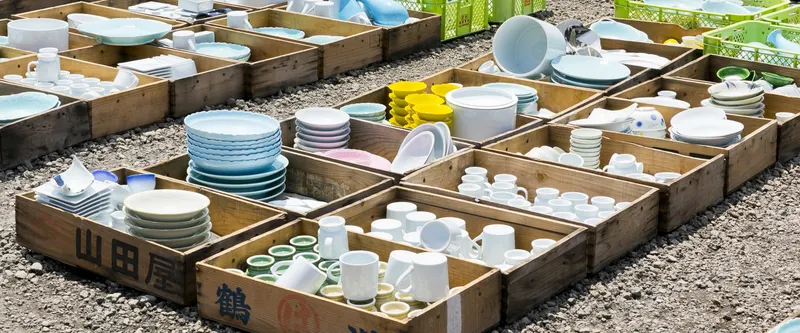 April–May
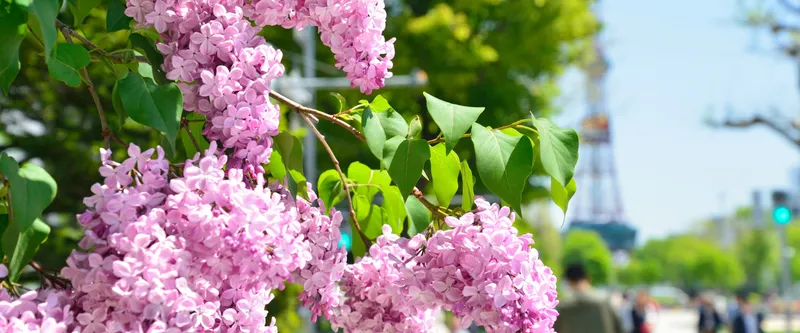 May
Hokkaido ・ Sapporo
Usually mid- to late May (about 10 days at the Odori Site, and 2 days on the final weekend at the Kawashimo Site)
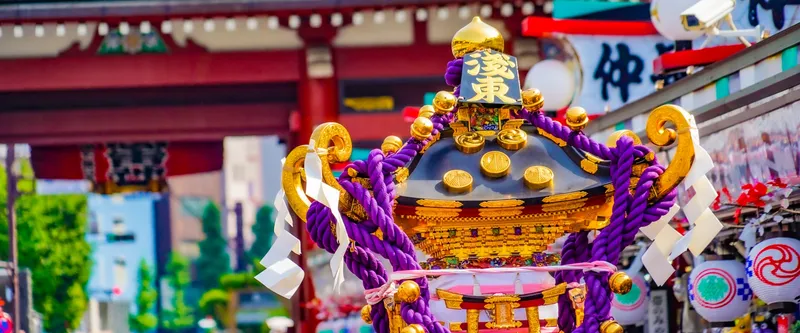 May
Tokyo & Around ・ Central Tokyo
Usually mid-May, on the Friday, Saturday, and Sunday around the third Saturday of May (May 15–17 in 2026, with the ceremony to install the deities in the mikoshi on the Thursday evening before)
 May
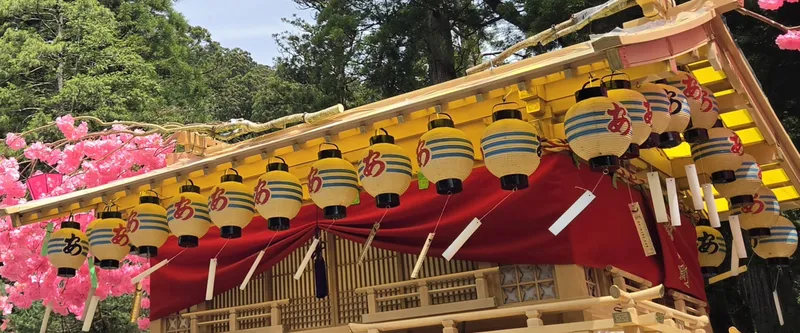
Tokyo & Around ・ Nikko
Every year on May 17 and 18 (fixed dates as a Shinto ritual)
2027: May 17 (Mon) – May 18 (Tue)
 May
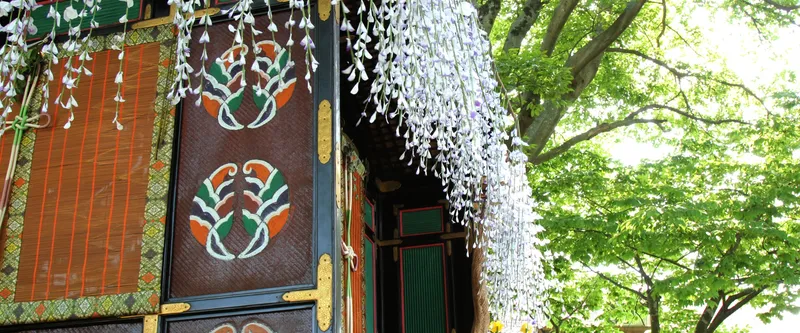
Kansai ・ Kyoto City
Every year on May 15 (postponed to the 16th if it rains; if it also rains on the 16th, the procession is canceled). Preliminary rites such as Yabusame horseback archery (May 3) and the Saio-dai purification ceremony (May 4) are held in early May
2027: May 15 (held every year on May 15; postponed to the 16th if it rains)
 May–October
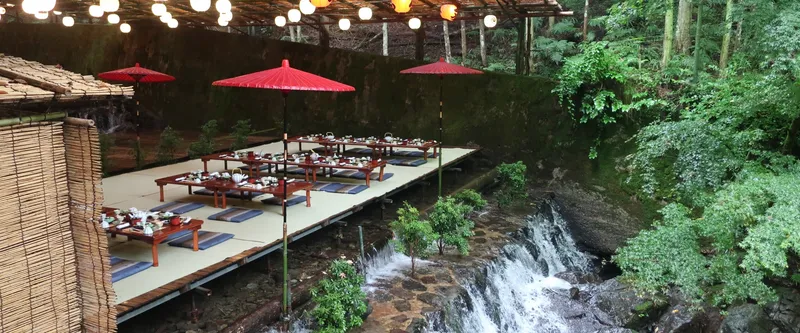
Kansai ・ Kyoto City
Kamogawa Noryo Yuka usually runs May 1 – October 15, and Kibune Kawadoko usually runs May 1 – September 30 (season and hours vary by restaurant). In 2026, Kamogawa Noryo Yuka runs until October 15
 MayMay
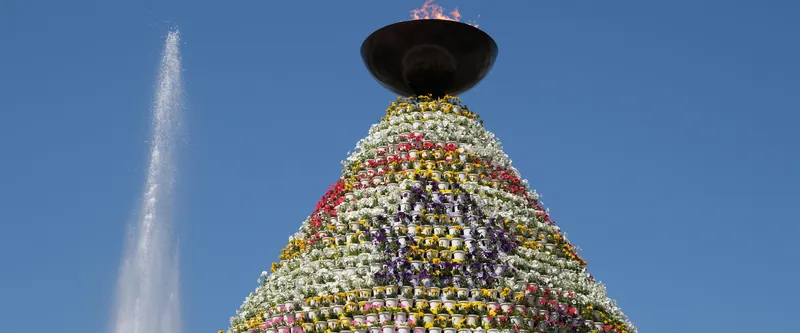 MayMay
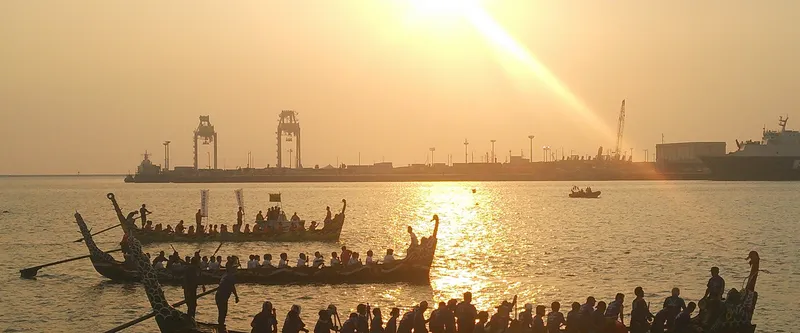
Kyushu ・ Fukuoka & Dazaifu
Every year May 3 and 4 (eve festival on May 2)
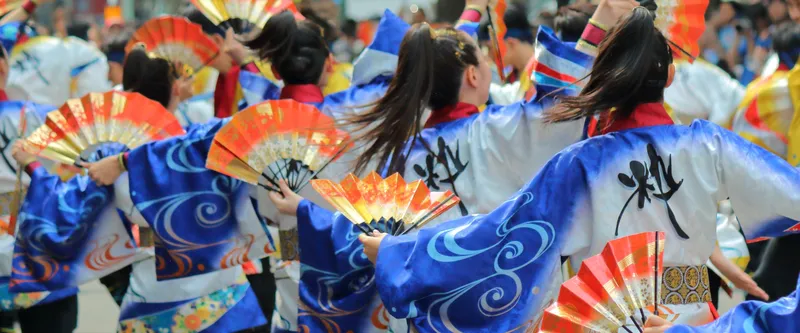 June
Hokkaido ・ Sapporo
Usually Wednesday to Sunday (5 days) in early to mid-June
2027 (36th): Jun 9 (Wed) – Jun 13 (Sun), 5 days
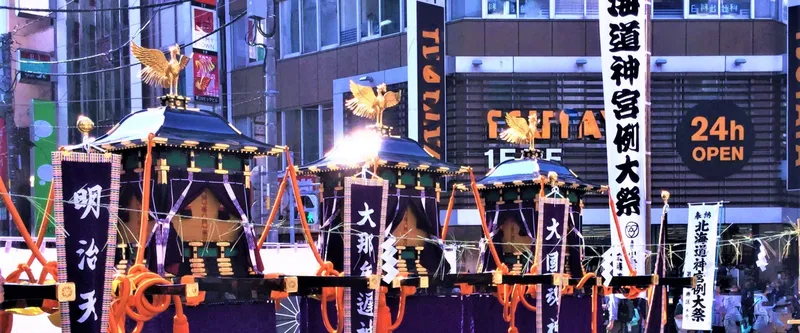 June
Hokkaido ・ Sapporo
Usually June 14–16 (14th: eve festival, 15th: main festival, 16th: mikoshi procession)
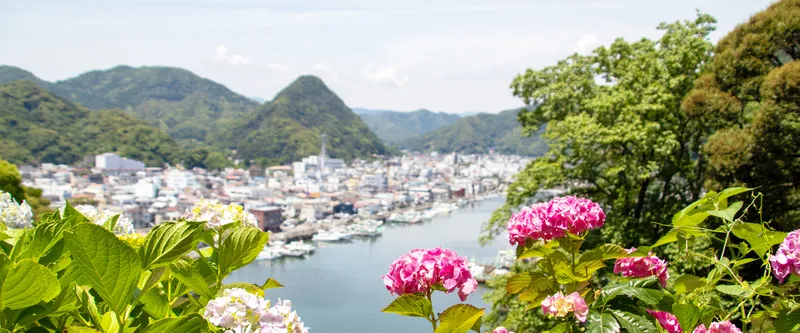 June
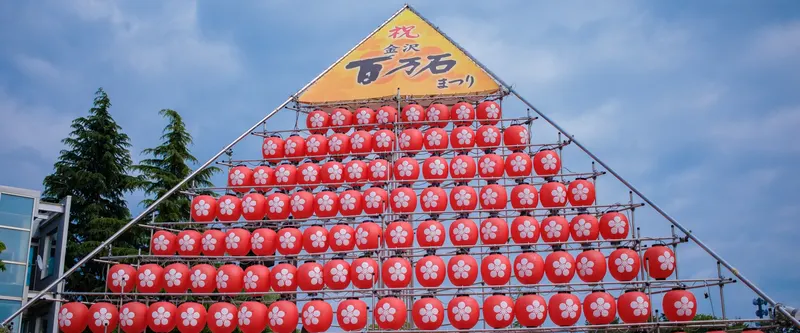 June
Chubu & Hokuriku ・ Kanazawa
Usually 3 days in early June (the Hyakumangoku Procession is on Saturday; June 5–7 in 2026, procession on June 6)
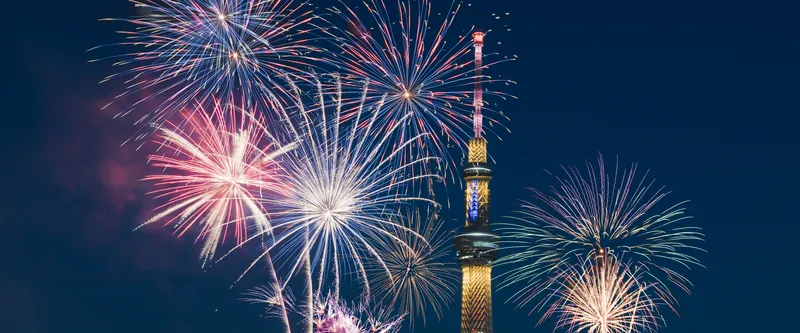 July
Tokyo & Around ・ Central Tokyo
Usually the last Saturday of July (19:00–20:30)
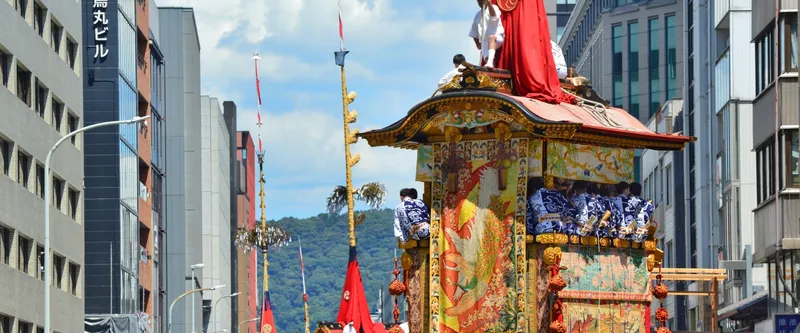 July
Kansai ・ Kyoto City
Usually July 1–31 (Yamahoko procession: Saki Matsuri July 17, Ato Matsuri July 24; Yoiyama eves: Saki Matsuri July 14–16, Ato Matsuri July 21–23)
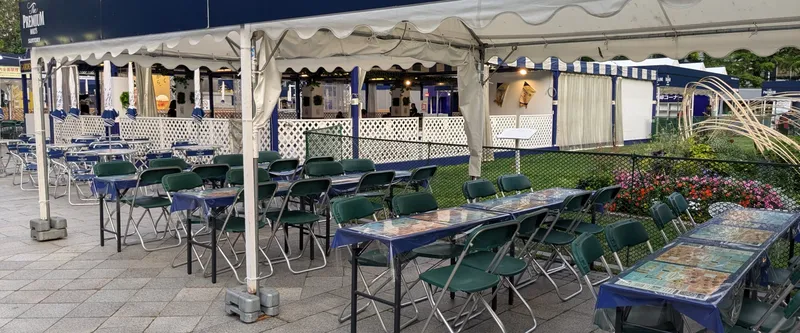 July–August
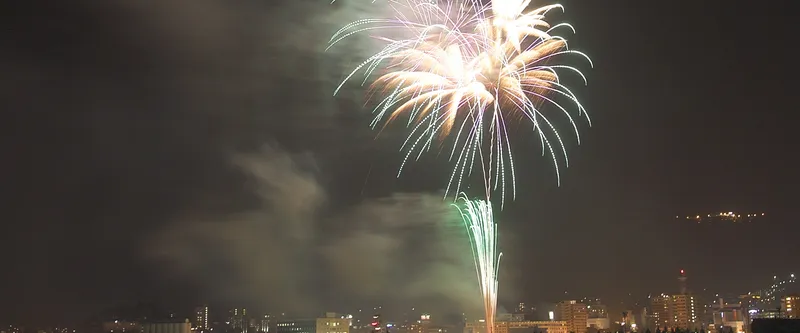
Hokkaido ・ Sapporo
Usually late July to mid-August (the beer gardens run for about 4 weeks; Hokkai Bon Odori is held during Obon, and the Susukino Festival for 3 days in early August)
 July
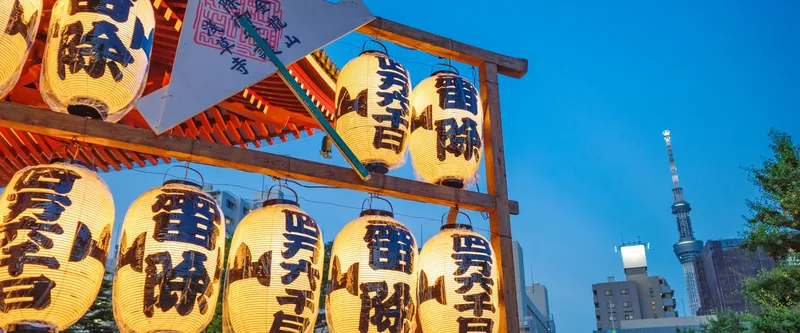
Hokkaido ・ Otaru
Usually Friday to Sunday in late July (3 days, with a grand fireworks display on the final night)
 July
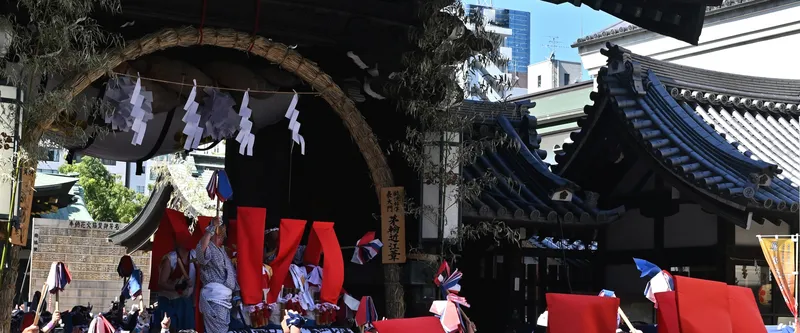
Tokyo & Around ・ Central Tokyo
Every year on July 9 and 10
Every year on July 9 and 10 (same dates in 2027)
 July
Kansai ・ Osaka
Every year on July 24 (Yoimiya) and 25 (Hongu). Related events from late June
2027: Jul 24 (Yoimiya) & Jul 25 (Hongu) (held on the same dates every year)
JulyKansai ・ Shirahama & Nanki
Every year on July 14 (held during the day; Yoimiya offering events are also held the day before, on the 13th)
2027: Jul 14 (held every year on July 14)
 July–August
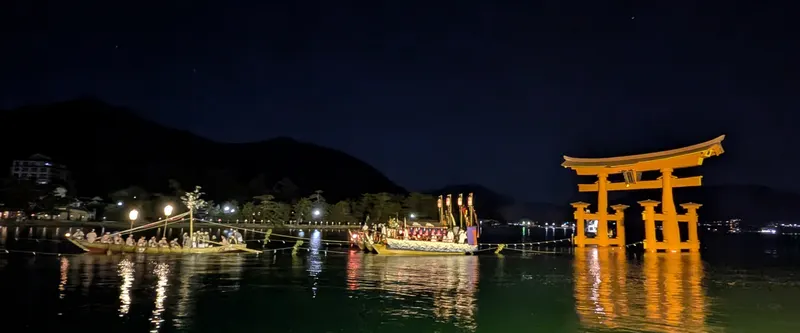
Chugoku & Shikoku ・ Hiroshima & Miyajima
Every year on the 17th day of the 6th lunar month (between July and early August on the modern calendar, depending on the year)
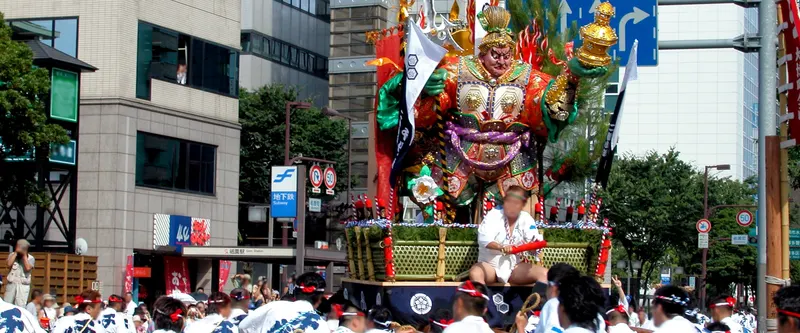 July
Kyushu ・ Fukuoka & Dazaifu
Every year July 1–15 (the Oiyama race starts at 4:59 in the early morning of the 15th)
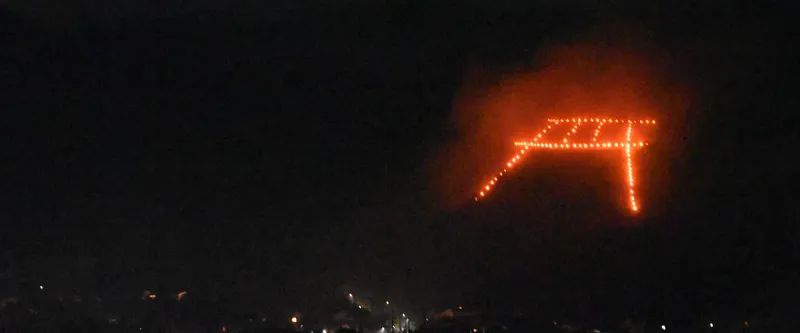 August
Kansai ・ Kyoto City
Every year on August 16 (from 20:00)
2027: Aug 16 (Mon)
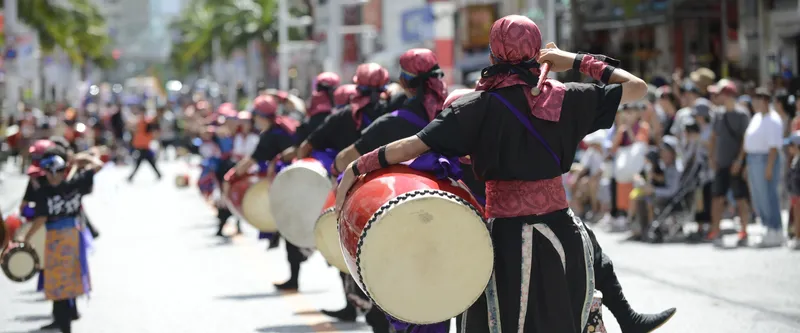 August–September
Okinawa ・ Naha
Usually three days, Friday to Sunday, on the weekend after the lunar Obon (late August to early September)
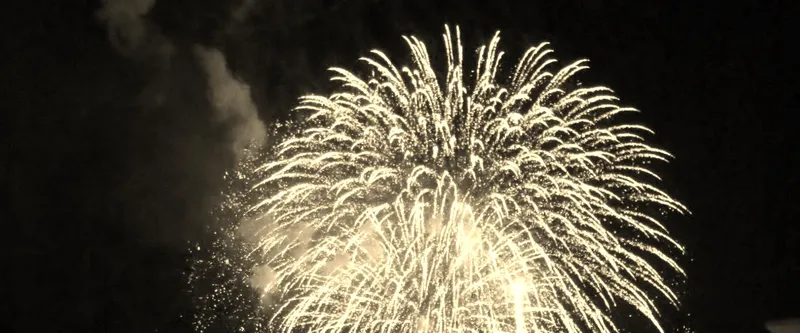 August
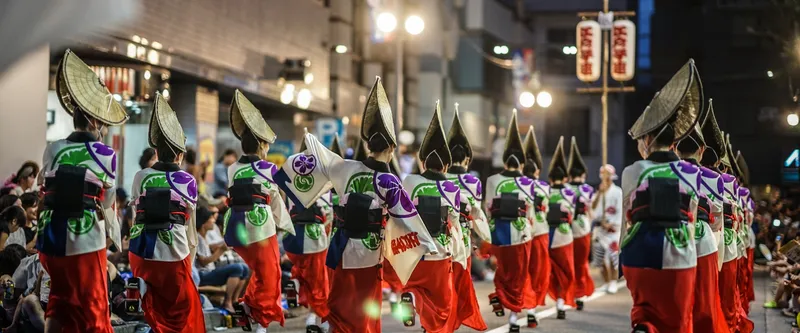
Hokkaido ・ Hakodate
Usually August 1–5 (fireworks on the first day, parades on the 2nd and 3rd)
AugustHokkaido ・ Noboribetsu & Lake Toya
Usually a Saturday and Sunday in late August (2 days)
 August
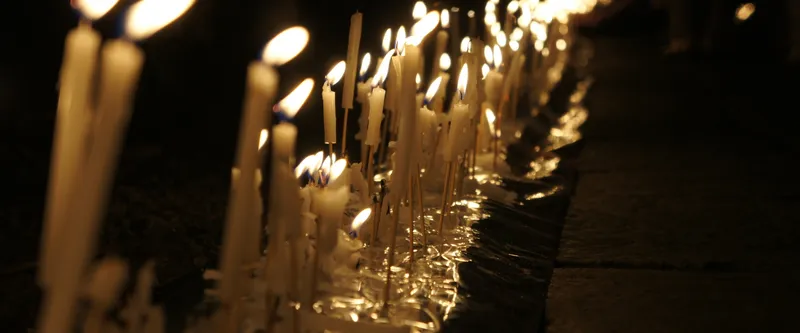
Tokyo & Around ・ Central Tokyo
Usually the last Saturday and Sunday of August (around 17:00–20:00)
 August
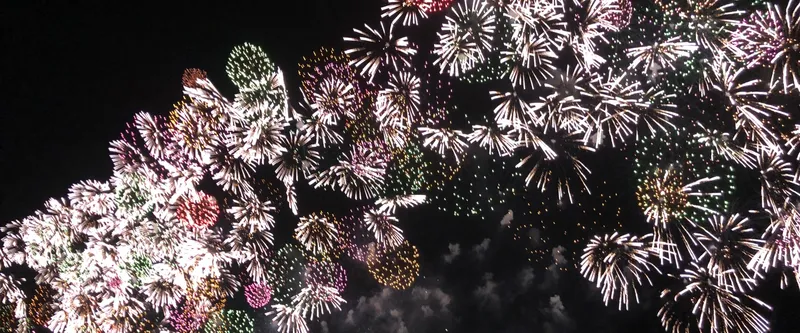
Kansai ・ Koyasan
Every year on August 13 (the candle festival runs from evening into the night; the Mando Kuyo-e memorial service starts at 20:00)
2027: Aug 13 (held every year on August 13)
 August
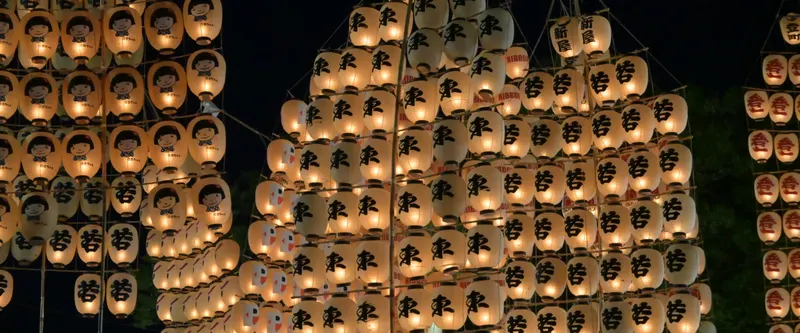
Kansai ・ Lake Biwa
Usually a weekday evening in early August (about 1 hour)
 August
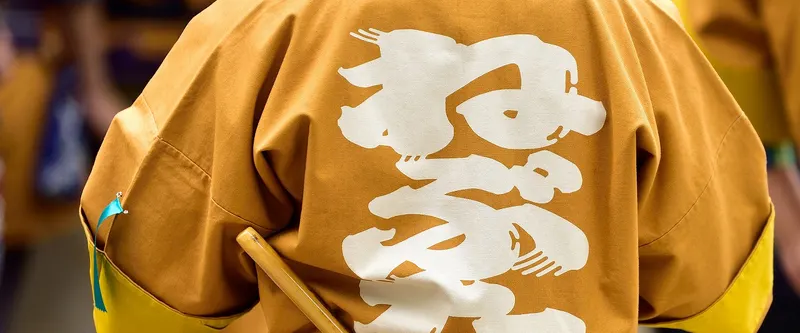
Tohoku ・ Kakunodate, Lake Tazawa & Nyuto Onsen
Every year August 3–6 (night kanto on all 4 days; daytime kanto = Myogi Taikai skills competition on the 4th–6th)
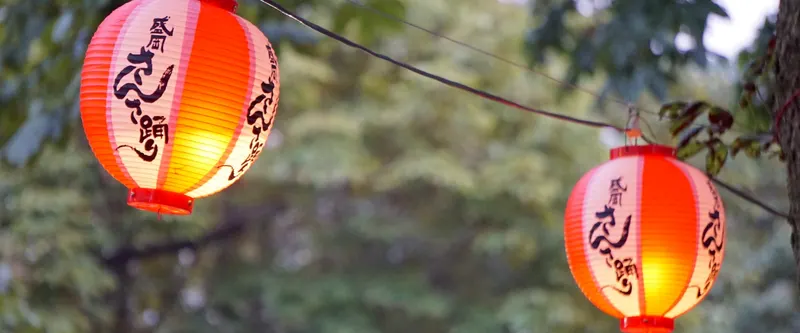
 August
Tohoku ・ Aomori & Hakkoda
Every year August 2–7 (eve festival on August 1; night parades August 2–6; daytime parade, evening sea parade and Aomori Fireworks Festival on the 7th)
 August
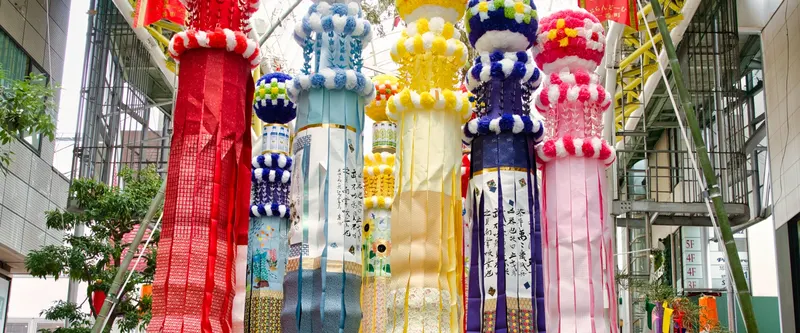 August
Tohoku ・ Sendai & Matsushima
Every year August 6–8 (Sendai Tanabata Fireworks Festival as the eve event on August 5)
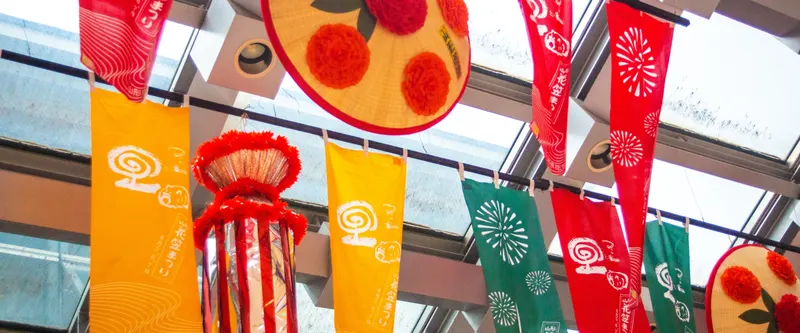 August
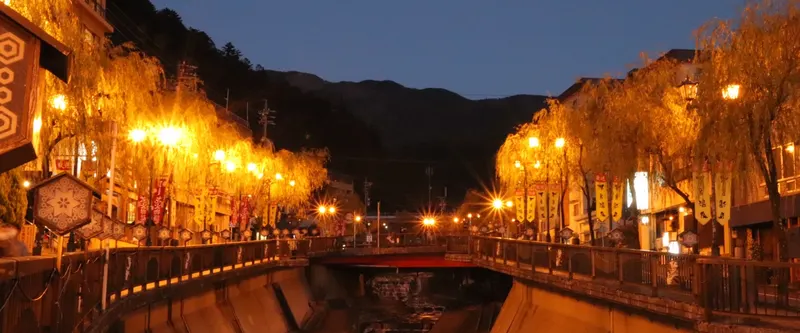 August
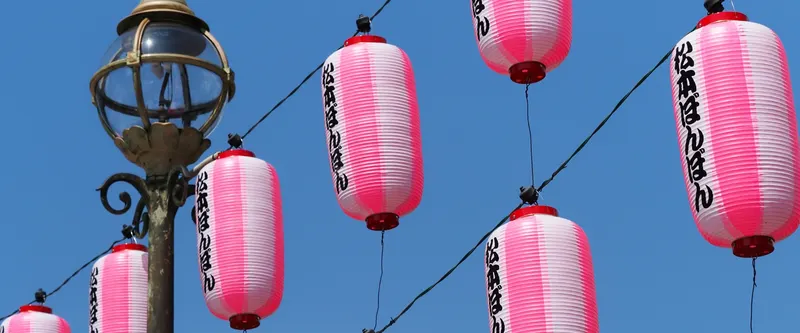 August
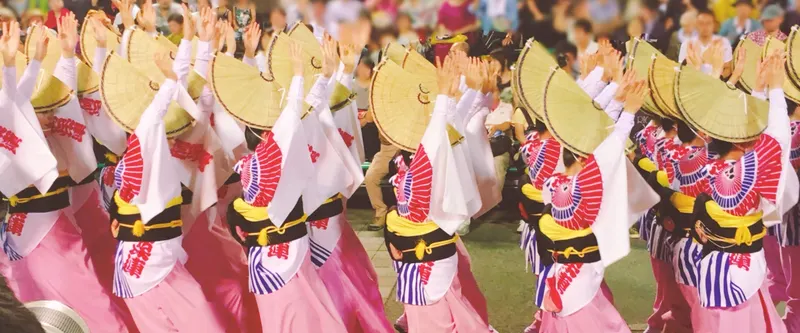 August
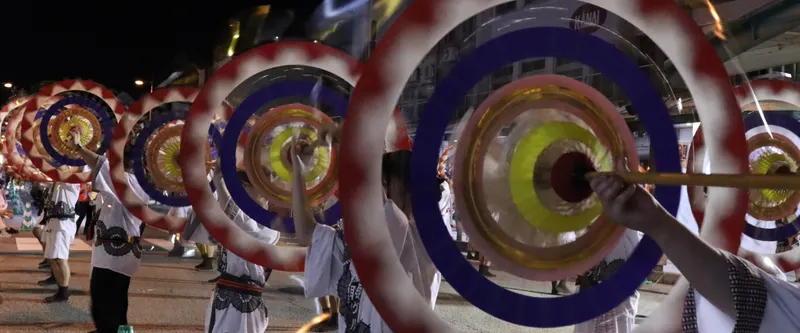 August
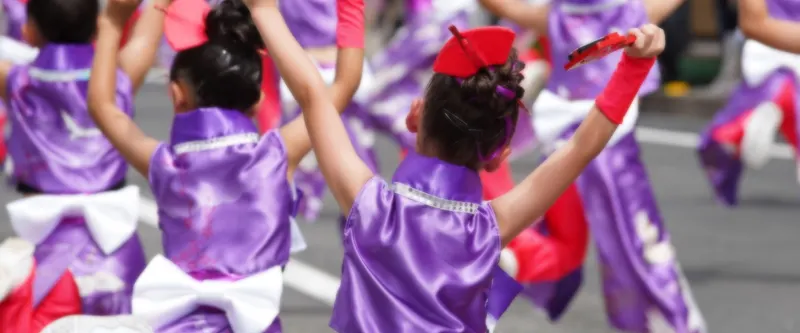
Chugoku & Shikoku ・ Tottori
Every year August 13–15 (eve festival on the 13th, mass umbrella dance on the 14th, Civic Summer Fireworks Festival on the 15th)
 August
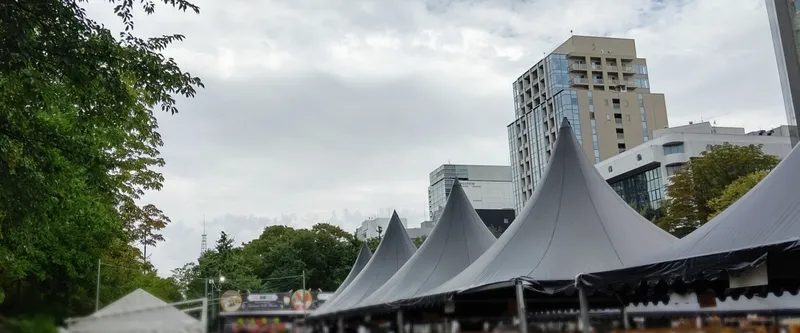
Chugoku & Shikoku ・ Kochi & Shimanto
Every year August 9–12 (eve festival on the 9th, main festival on the 10th and 11th, national contest and after-party on the 12th)
 September–October
Hokkaido ・ Sapporo
Usually early to late September, or into early October (about 3 weeks)
2026: Sep 11 – Oct 3 (currently underway)
 September
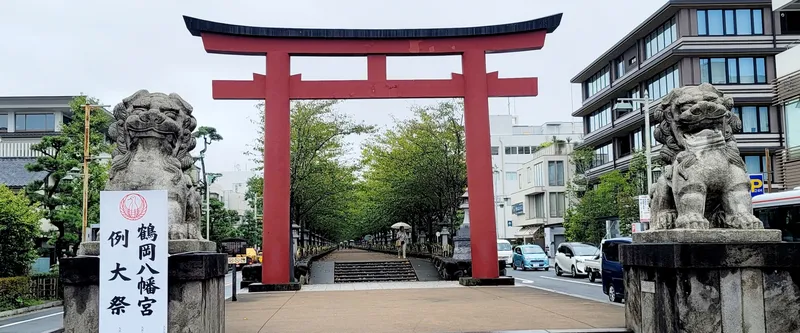
Tokyo & Around ・ Kamakura & Enoshima
Every year September 14–16 (yabusame on the 16th)
Every year September 14–16 (same dates in 2027)
 September–October
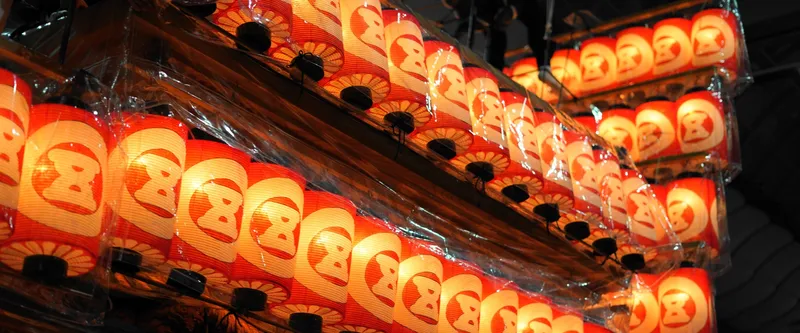
Kansai ・ Osaka
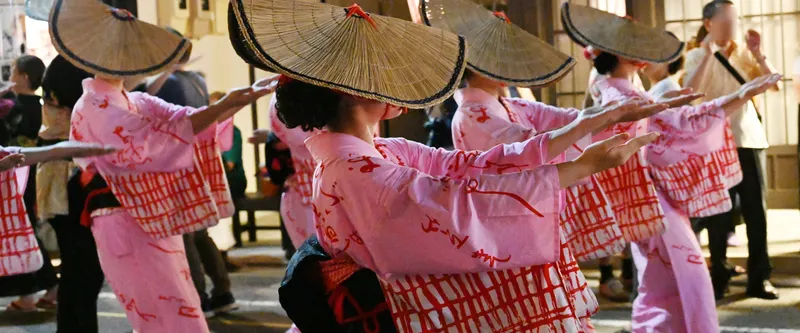
The September festival is usually on a weekend in mid- to late September, and the October festival on a weekend in early to mid-October (2 days each)
Next: 2026 October festival (Higashi-Kishiwada district and others), Oct 10 – Oct 11. The 2026 September festival was held Sep 19 – Sep 20
 September
 SeptemberOctober
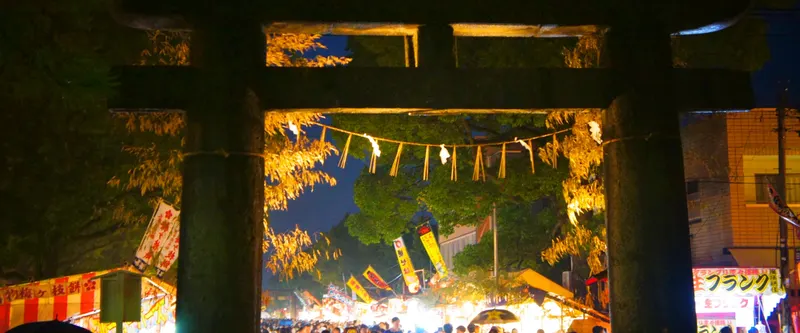
Kansai ・ Kyoto City
Every year on October 22 (postponed to the 23rd if it rains)
2026: Oct 22 (Thu). Postponed to Oct 23 if it rains
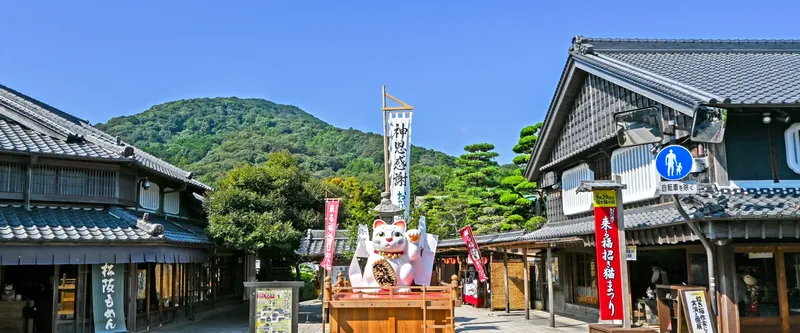
October–NovemberKansai ・ Nara
Usually late October to early November (about 2–3 weeks)
2026 (78th): Oct 24 – Nov 9, open every day during the exhibition
 October
Kansai ・ Ise & Shima
Usually October 15–17 (Geku first, then Naiku). Hatsuhobiki is usually on October 15 and 16
2026: Oct 15 – Oct 17 (Geku: night of Oct 15 – Oct 16; Naiku: night of Oct 16 – Oct 17)
 October
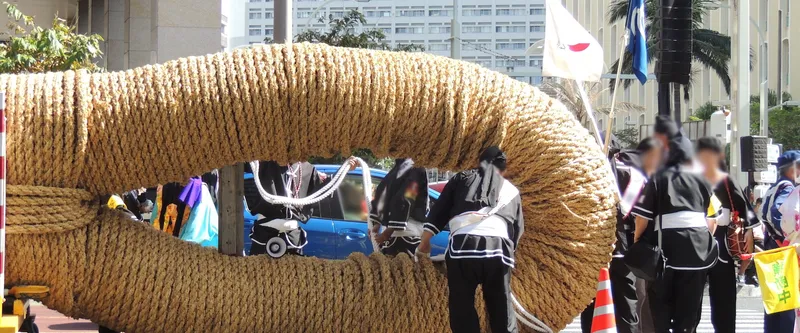
Okinawa ・ Naha
Usually the three-day weekend around Sports Day (formerly Health and Sports Day) in October. The tug-of-war is on the Sunday in the middle of the long weekend
2026 (56th): Oct 10 (Sat) – Oct 12 (Mon, holiday); Hatagashira procession and tug-of-war on Oct 11 (Sun)
OctoberChubu & Hokuriku ・ Nagoya
Usually a Saturday and Sunday in mid-October
2026 (72nd): Oct 17 (Sat) – Oct 18 (Sun), 2 days (no Nagoya Festival processions)
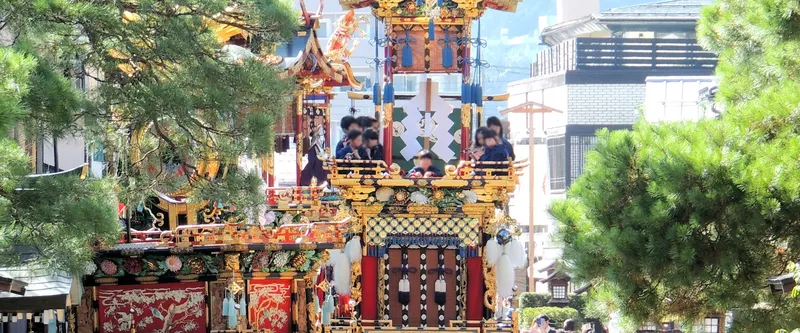 October
Chubu & Hokuriku ・ Takayama
Every year October 9 and 10
2026: Oct 9 (Fri) – Oct 10 (Sat), 2 days
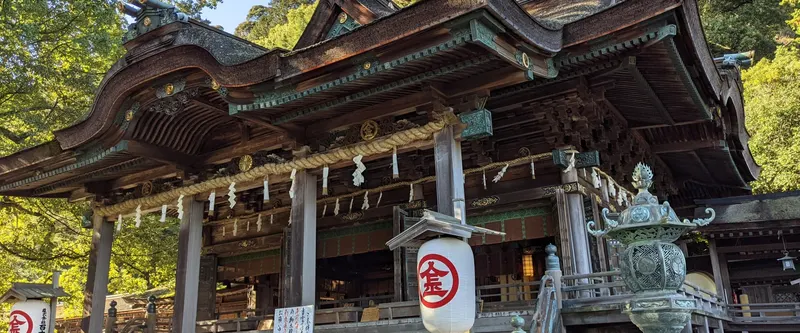 October
Chugoku & Shikoku ・ Takamatsu, Naoshima & Shodoshima
Every year October 9–11 (mikoshi procession on the night of the 10th, return procession on the night of the 11th)
2026 (Reiwa 8): Oct 9 (Fri) – Oct 11 (Sun); mikoshi procession from 21:00 on the 10th
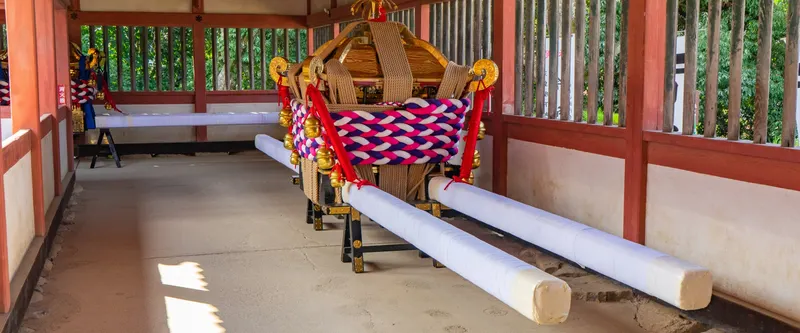 October
Chugoku & Shikoku ・ Matsuyama & Dogo Onsen
Every year October 5–7 (Yoimiya on the 5th, main festival on the 6th, Honmiya on the 7th; the hachiawase in front of Dogo Onsen Station is early in the morning of the 7th)
2026: Oct 5 (Mon) – Oct 7 (Wed); hachiawase in front of Dogo Onsen Station early in the morning of the 7th
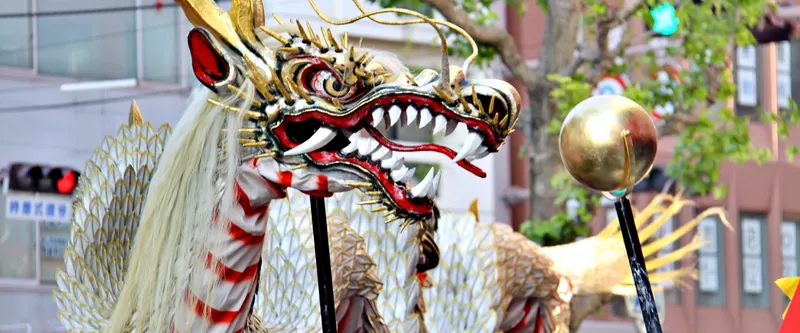 October
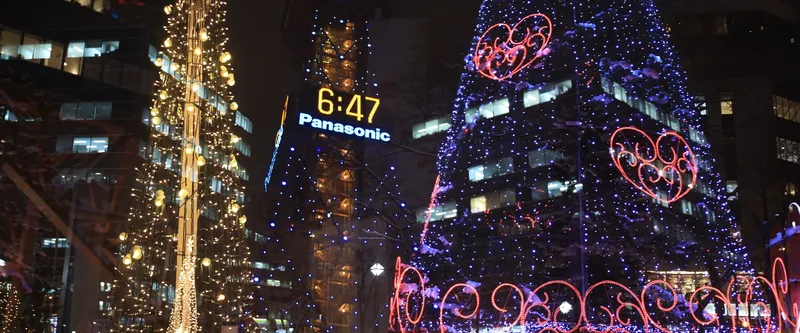 November–March
Hokkaido ・ Sapporo
Usually late November to mid-March of the following year (the Odori Site runs from late November to December 25)
2026: Opens Nov 20 (Odori Site until Dec 25; Ekimae-dori Site until Feb 11, 2027; Minami 1-jo-dori, Kita 3-jo Plaza, and Sapporo Station South Exit until Mar 14, 2027)
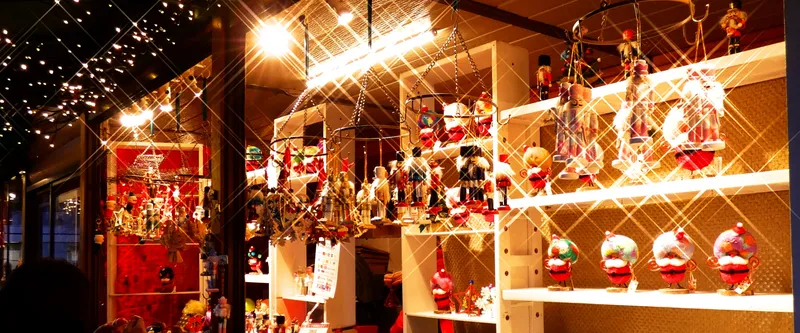 November–December
Hokkaido ・ Sapporo
Usually late November to December 25 (about 1 month)
2026: Nov 20 (Fri) – Dec 25 (Fri)
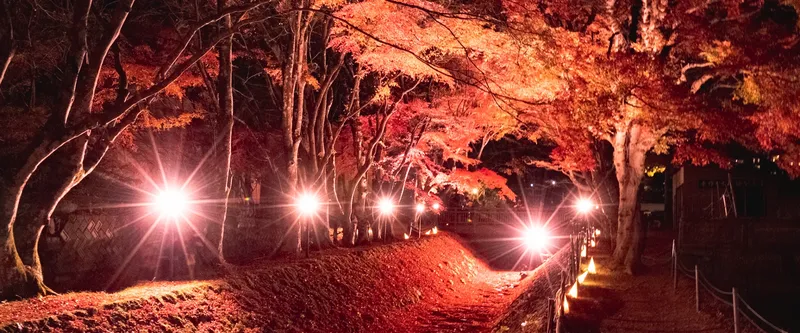 November
Tokyo & Around ・ Fuji Five Lakes
Usually early to late November (about 3–4 weeks). The leaves are usually at their best in early to mid-November
2026: Nov 7 (Sat) – Nov 29 (Sun)
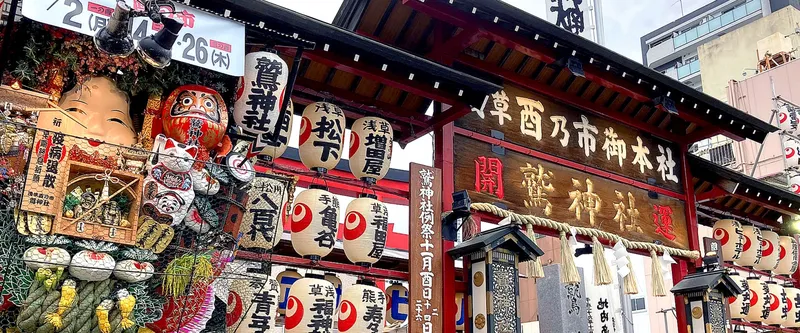 November
Tokyo & Around ・ Central Tokyo
Usually on the Days of the Rooster in November (2–3 days, 12 days apart). At Otori Shrine in Asakusa, it runs from midnight to midnight (0:00–24:00) on each Rooster Day
2026: two days, Ichi-no-Tori on Nov 7 (Sat) and Ni-no-Tori on Nov 19 (Thu) (no market on the days in between)
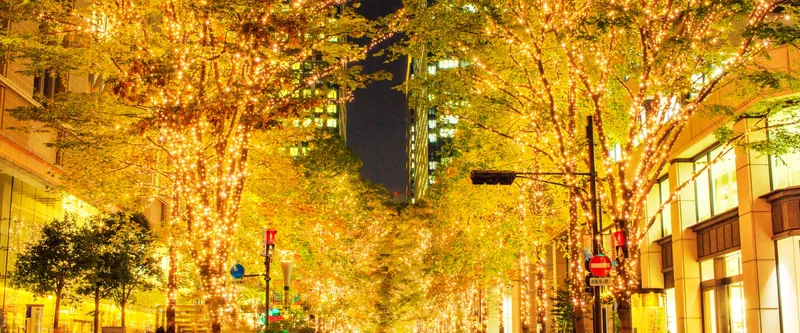 November–February
Tokyo & Around ・ Central Tokyo
Usually mid-November to mid-February of the following year (about 3 months)
2026: Nov 12 (Thu) – Feb 14, 2027 (Sun)
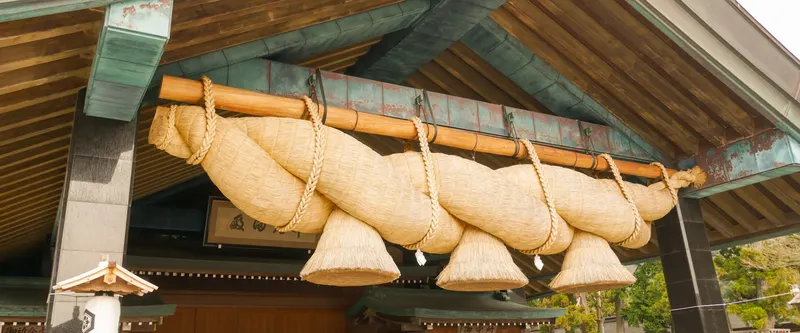 November
Chugoku & Shikoku ・ Izumo & Matsue
Every year on the 10th to 17th days of the 10th lunar month (varies by year on the modern calendar, usually around November)
2026: Nov 18 (Wed) Kamimukaesai – Nov 25 (Wed) Karasadesai
November–FebruaryKyushu ・ Sasebo & Huis Ten Bosch
Usually early November to late February
2026–27 season: Nov 6 (Fri) – Feb 25, 2027 (Thu)
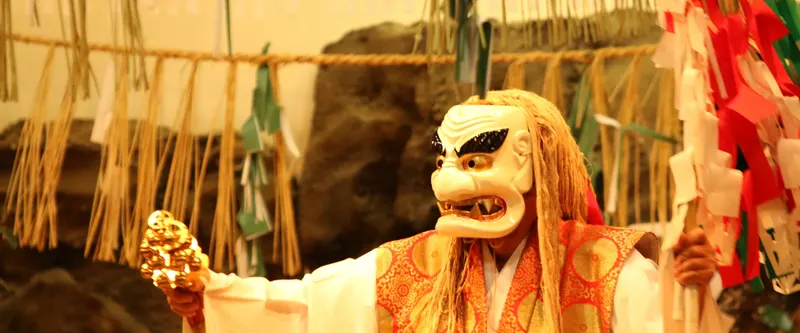 November–February
Kyushu ・ Takachiho
Usually mid-November to early February the following year (dates differ by village)
NovemberKyushu ・ Kagoshima, Sakurajima & Ibusuki
Every year November 2 (Yoru Matsuri) and 3 (Hon Matsuri)
2026: Nov 2 (Mon) Yoru Matsuri & Nov 3 (Tue, holiday) Hon Matsuri
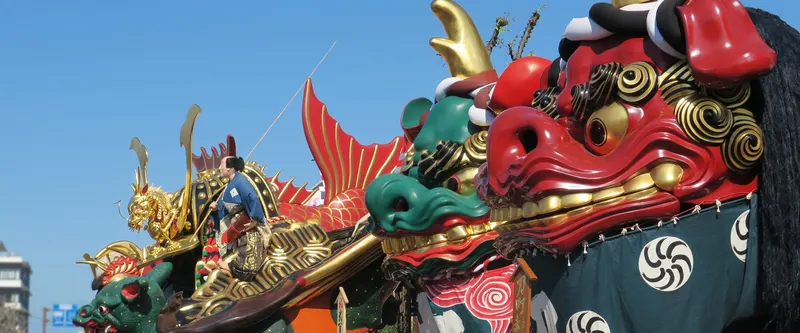 November
Kyushu ・ Karatsu, Arita & Ureshino Onsen
Every year November 2–4 (Yoiyama on the 2nd, Otabisho Shinko on the 3rd, Yokujitsu-sai town tour on the 4th)
2026: Nov 2 (Mon) – Nov 4 (Wed), 3 days
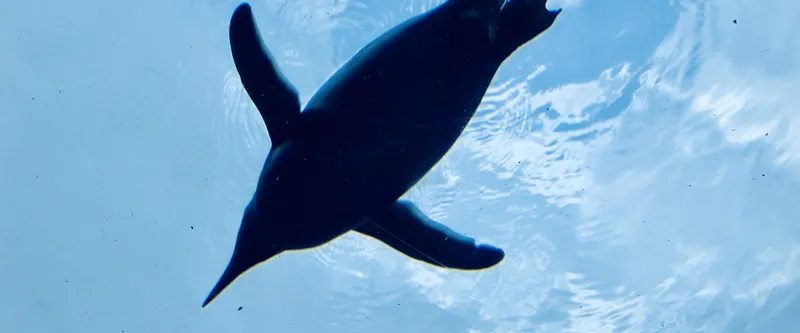 December–March
Hokkaido ・ Asahikawa & Biei
Usually held daily from mid- to late December (once there is enough snow) until around mid-March
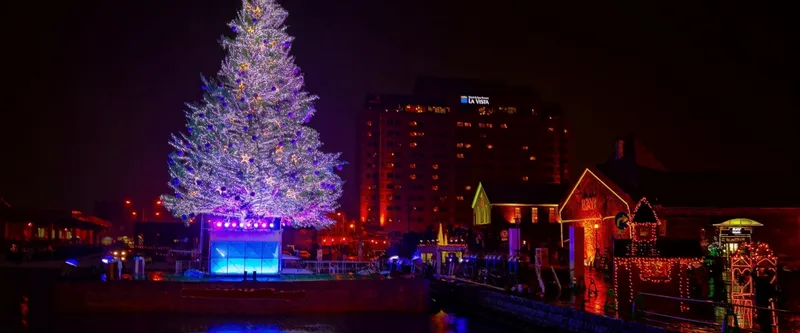 December
Hokkaido ・ Hakodate
Usually starts in late November to early December and runs until December 25
2026: Dec 1 (Tue) – Dec 25 (Fri)
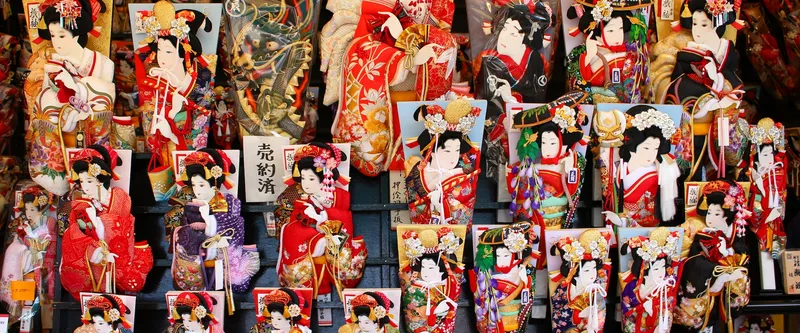 December
Tokyo & Around ・ Central Tokyo
Every year December 17–19 (Senso-ji explicitly states "the three days from December 17 to 19")
2026: Dec 17 (Thu) – Dec 19 (Sat)
DecemberKansai ・ Nara
Usually December 15–18 (the Owatari-shiki starts at noon on December 17)
2026: Dec 15 (Tue) – Dec 18 (Fri); Owatari-shiki on Dec 17 (Thu)
 December
Okinawa ・ Naha
Usually the first Sunday of December
2026 (40th anniversary race): Dec 6 (Sun), 9:00 start
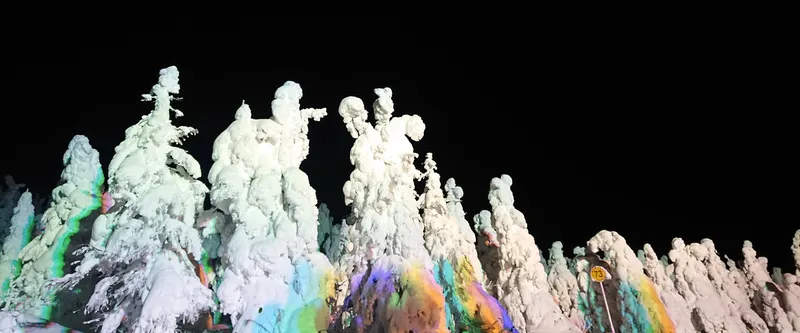 December–February
Tohoku ・ Yamagata, Zao & Yamadera
The light-up is usually held on selected days from late December to late February (36 days between December 27 and February 22 in the 2025–2026 season). The best season for the snow monsters is late January to late February
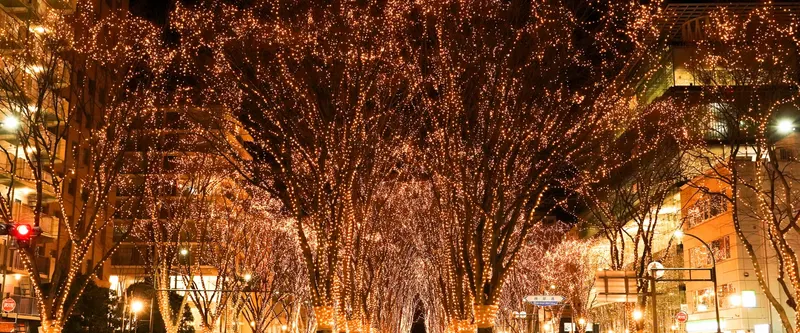 December
 🎆 April
Okinawa ・ Ginowan, Okinawa
🎆 Usually in April (April 11 (Sat), 2026)
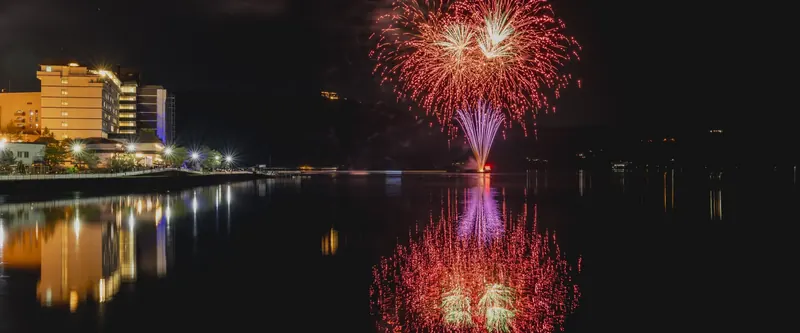 🎆 April
Hokkaido ・ Toyako, Abuta District, Hokkaido
🎆 Usually every night from late April to the end of October (April 28–October 31 in 2026)
 🎆 July
Tokyo & Around ・ Kamakura, Kanagawa
🎆 Usually July (Friday, July 10 in 2026)
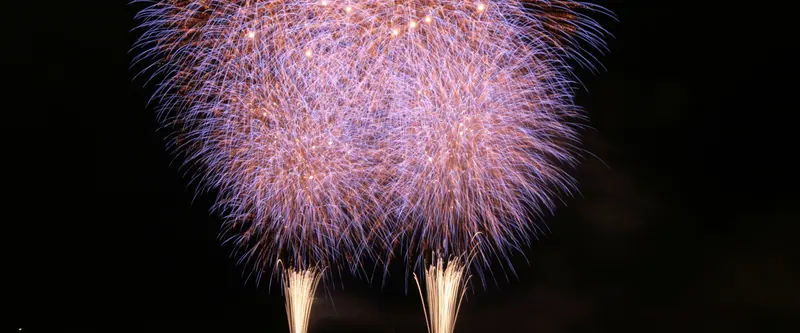 🎆 July
Hokkaido ・ Hakodate, Hokkaido
🎆 Usually mid-July (Sunday, July 19 in 2026)
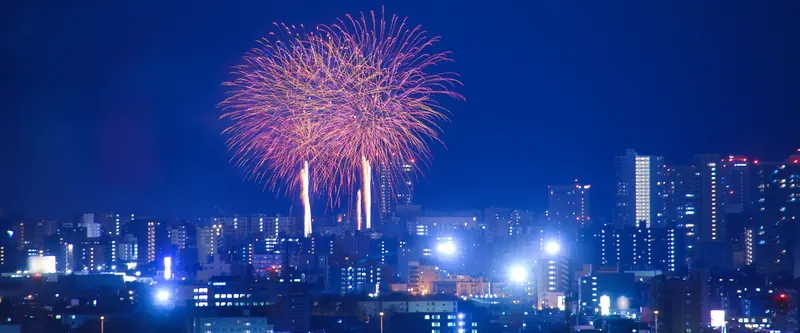 🎆 July
Hokkaido ・ Chuo-ku, Sapporo, Hokkaido
🎆 Late July (July 31 (Fri), 2026)
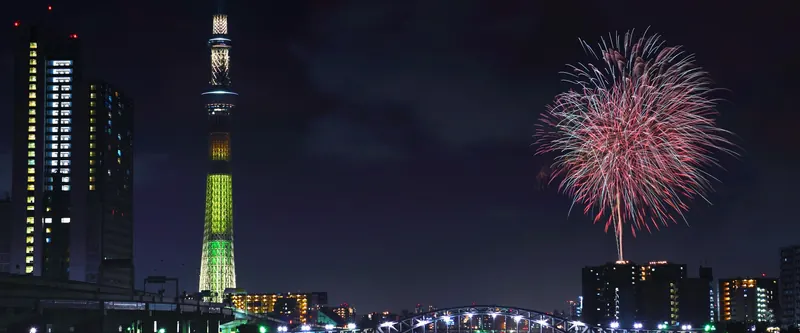 🎆 July
Tokyo & Around ・ Taito-ku and Sumida-ku, Tokyo
🎆 Usually in late July (July 25 (Sat), 2026)
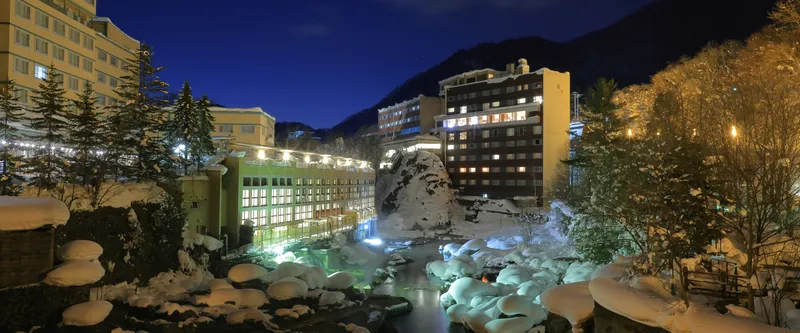
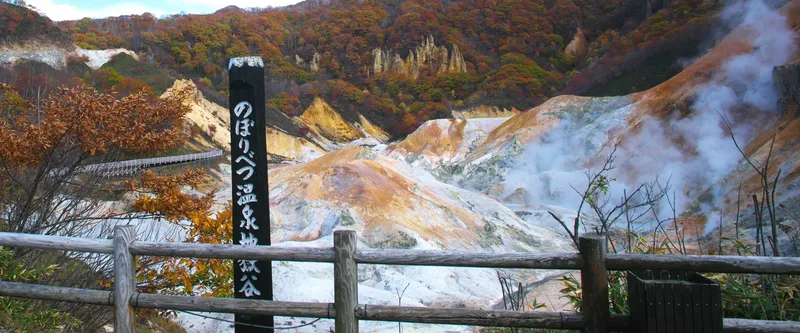 ♨ Onsen
Hokkaido ・ Noboribetsu, Hokkaido
♨ Day use Adults ¥2,500, children (age 3 to elementary school) ¥1,500, towels included (as of October 2026)
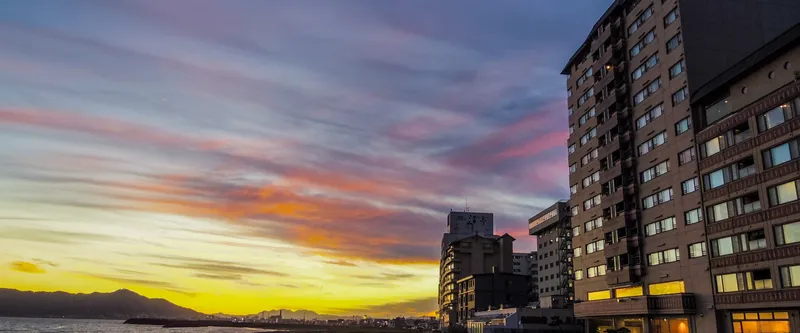
 ♨ Onsen
Hokkaido ・ Minami-ku, Sapporo, Hokkaido
♨ Day use Adults (junior high school and up) ¥1,300, children (age 3 to elementary school) ¥600, free for ages 0–2 (as of October 2026)
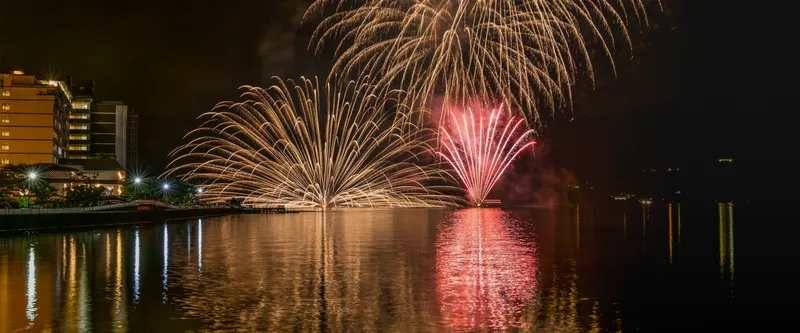
 ♨ Onsen
Hokkaido ・ Hakodate, Hokkaido
♨ Day use ¥500, under elementary school age ¥300 (as of October 2026)
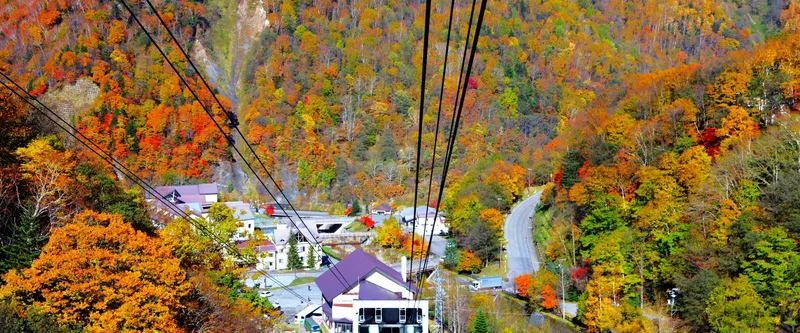
 ♨ Onsen
Hokkaido ・ Toyako, Hokkaido
♨ Day use Weekdays: adults ¥1,200, age 3 to elementary school ¥600; weekends and holidays: adults ¥1,500, age 3 to elementary school ¥750; free for ages 0–2 (as of October 2026)
 ♨ Onsen
Hokkaido ・ Kamikawa, Hokkaido
♨ Day use Adults ¥800, children ¥400 (as of October 2026)
 ♨ Onsen
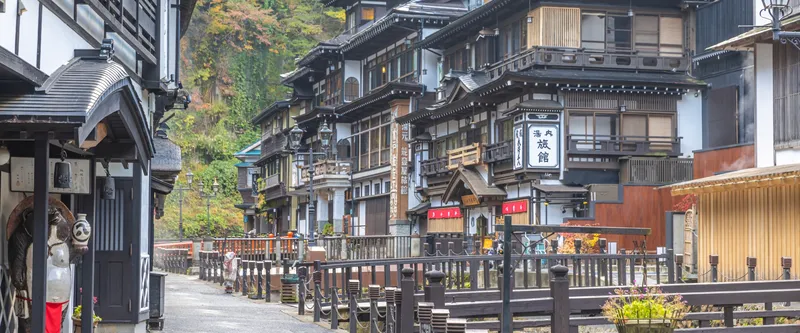
Tohoku ・ Obanazawa, Yamagata
♨ Day use Adults ¥500, elementary school students and younger ¥200 (as of October 2026)
 Mountain
Okinawa ・ Motobu & Churaumi
🌸 Typical peak: Mid Jan – Early Feb
 Castle
 Park
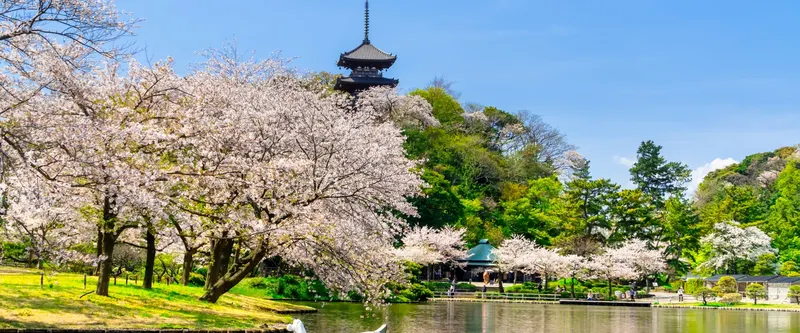 Garden
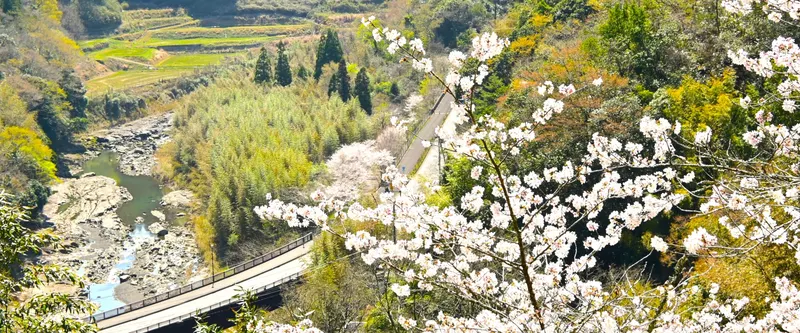 Castle
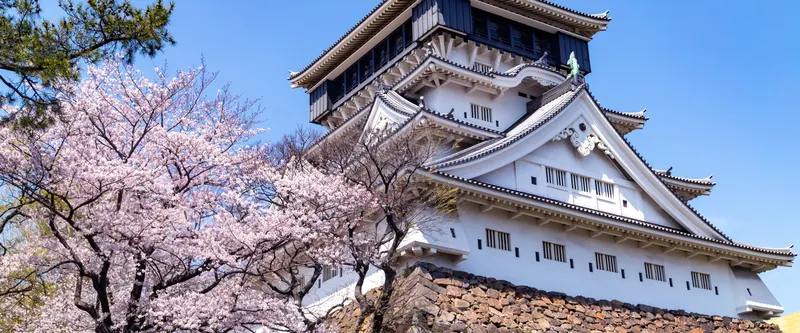 Castle
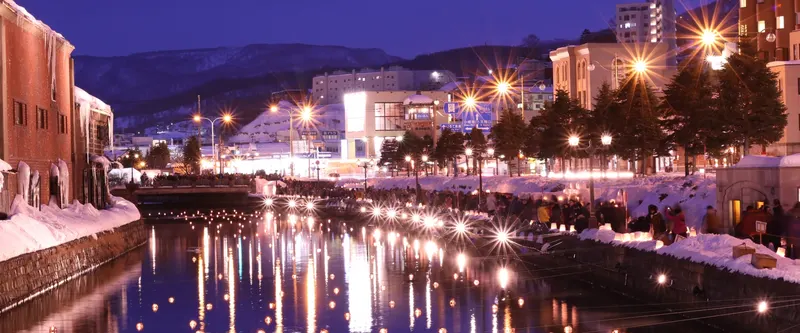 Old town
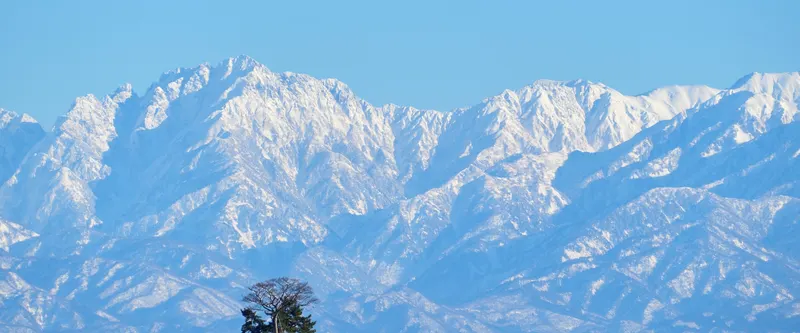 Mountain & highland
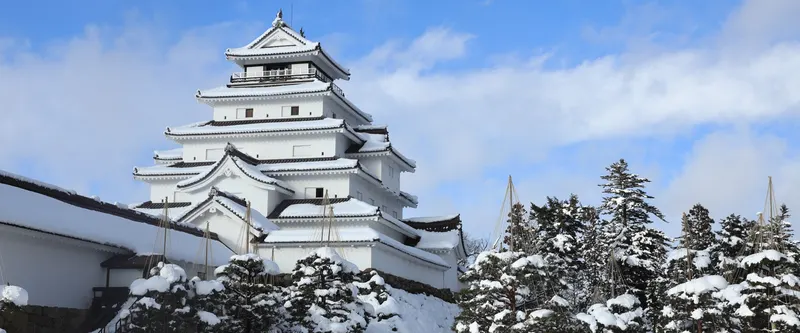 Castle
Tohoku ・ Aizu-Wakamatsu & Ouchi-juku
❄ Best season: Mid Nov – Mid Mar
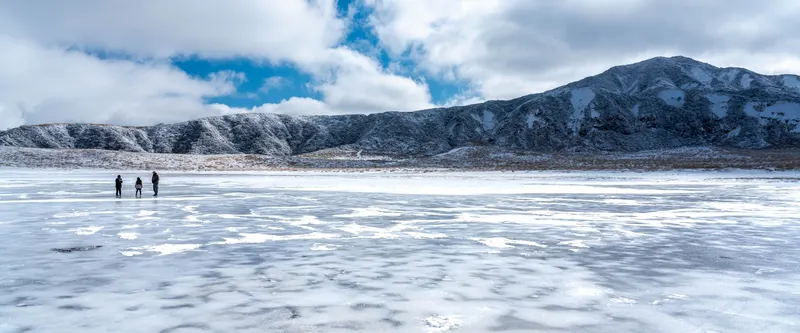 Rime ice
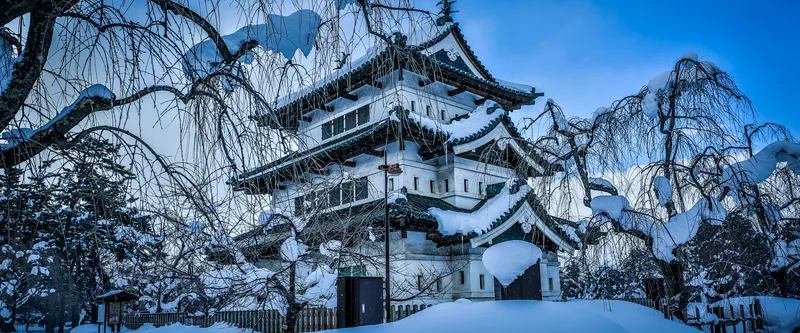 Castle
Tohoku ・ Hirosaki
❄ Best season: Early Dec – Late Feb
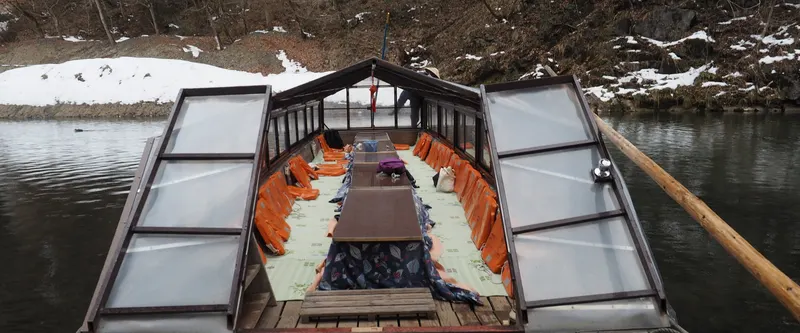 Gorge
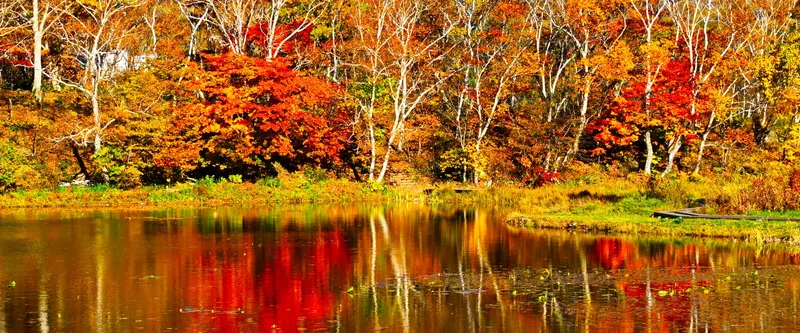 Mountain & highland🍁 Typical peak
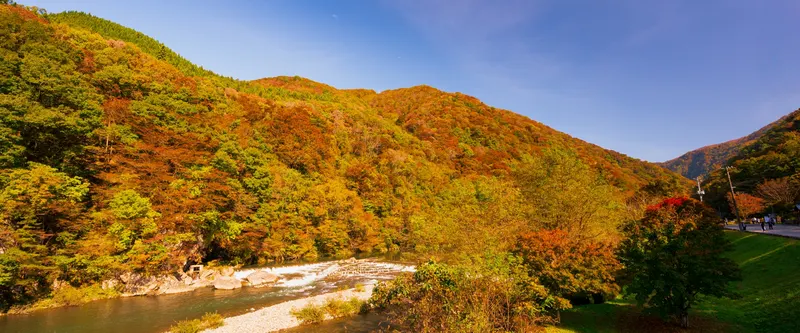 Gorge🍁 Typical peak
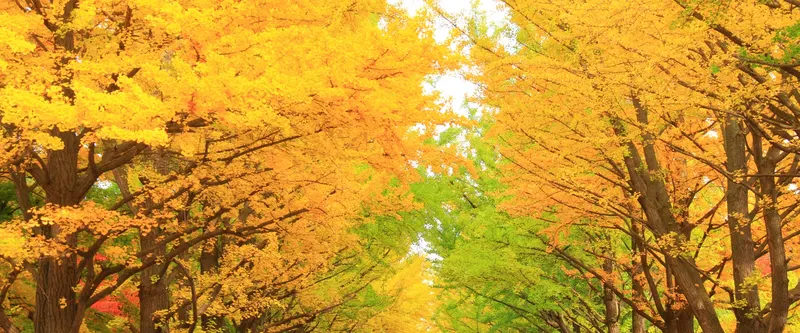 Avenue & old town🍁 Typical peak
Hokkaido ・ Hokkaido University, Sapporo
🍁 Typical peak: Mid Oct – Late Oct
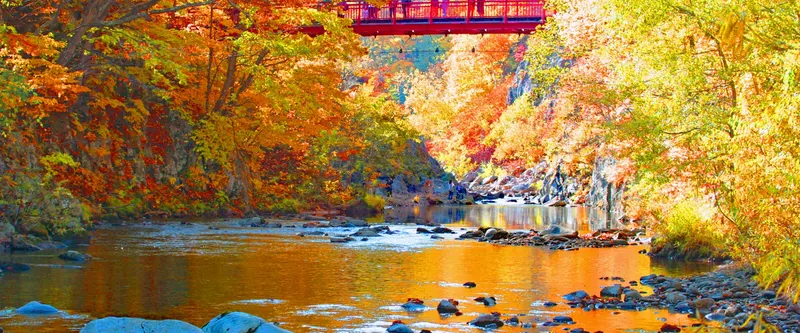 Hot spring town🍁 Typical peak
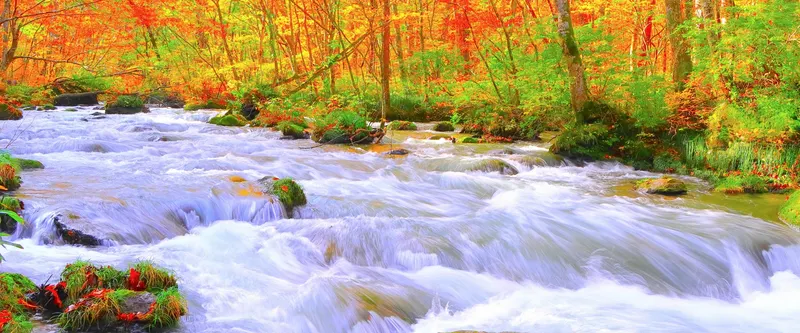 Gorge🍁 Typical peak
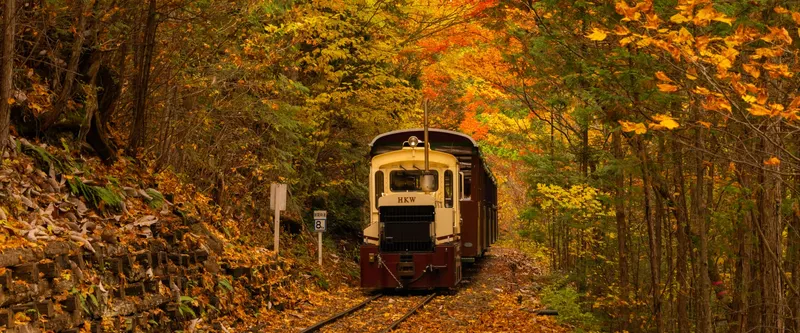 Park🍁 Typical peak
Chubu & Hokuriku ・ Agematsu, Nagano
🍁 Typical peak: Mid Oct – Late Oct
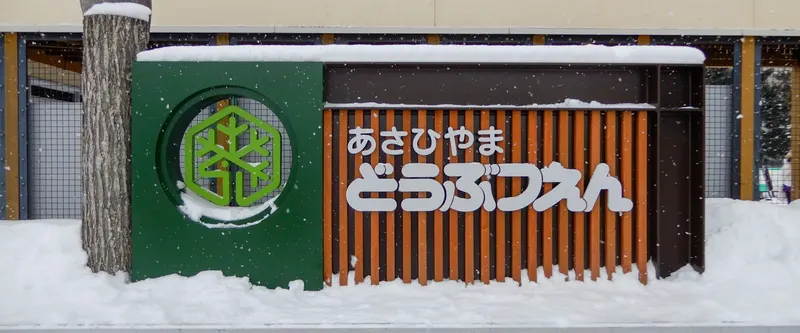 Zoo
Hokkaido ・ Asahikawa & Biei
Run by the City of Asahikawa, this zoo is famous for its “behavioral exhibits,” which let animals show off their natural movements and abilities. It opens in separate summer and winter seasons, with closure periods in spring and autumn.
 Zoo
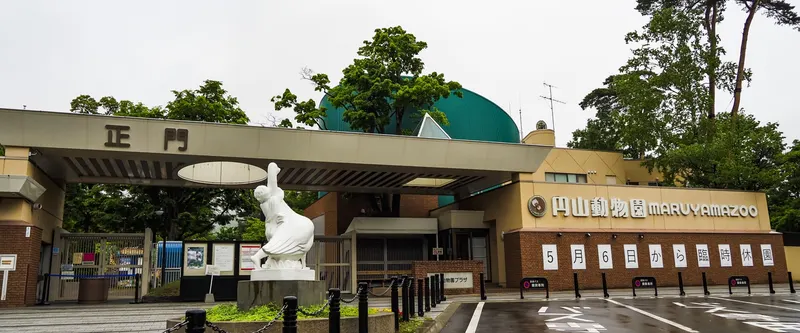
Hokkaido ・ Sapporo / Maruyama
Opened in 1951, this is Hokkaido's oldest zoo and is run by the City of Sapporo. Set next to Maruyama Park, its grounds cover about 22 hectares and are home to around 140 species of animals.
 Aquarium
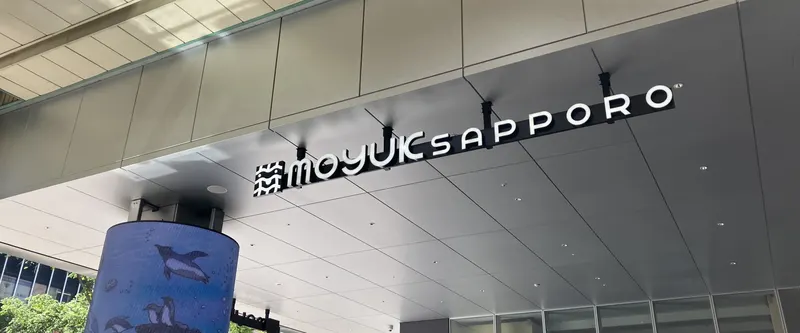
Hokkaido ・ Sapporo / Tanukikoji
An urban aquarium on the 4th to 6th floors of moyuk SAPPORO, a shopping complex facing the Tanukikoji shopping arcade. Built around the concept "The Wonder of Life: Seeing the Unseen," it serves as a gateway to nature in the middle of the city and stays open until 22:00.
 Aquarium
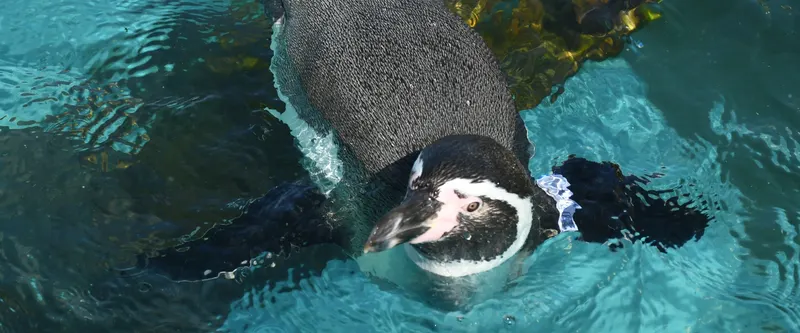
Hokkaido ・ Otaru / Shukutsu
Located on the coast at Shukutsu in Otaru, this aquarium consists of an indoor main building and the outdoor "Marine Mammal Park," built by partitioning off part of the Sea of Japan. It operates with different dates and hours in winter, and closes from late November to early December and from late February to mid-March.
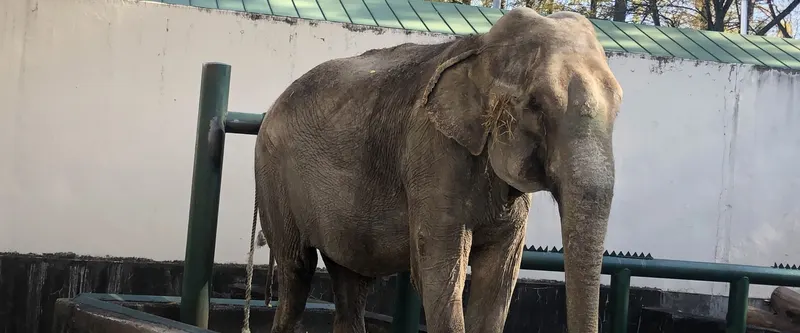 Zoo
Hokkaido ・ Obihiro & Tokachi
A city-run zoo inside Midorigaoka Park in Obihiro. In addition to its summer season from spring to autumn, it opens on weekends and holidays from December to February for the winter season. Admission is free for junior high school age and under, and with its play area it's a family-friendly zoo.
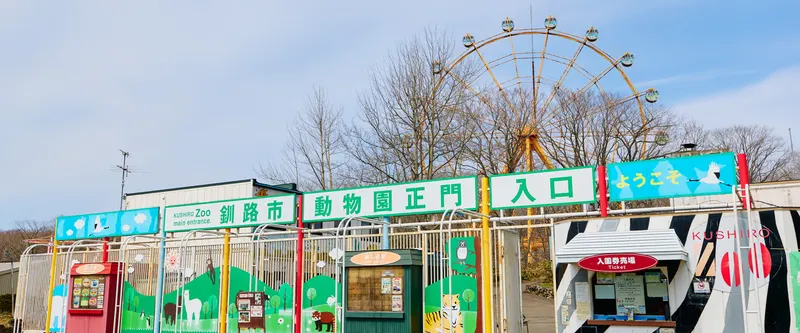 Zoo
Hokkaido ・ Kushiro & Akan
A city-run zoo about 11 minutes by car from Kushiro Airport. It's open year-round, so you can watch the animals in the snow in winter too. Admission is free for junior high school age and under.
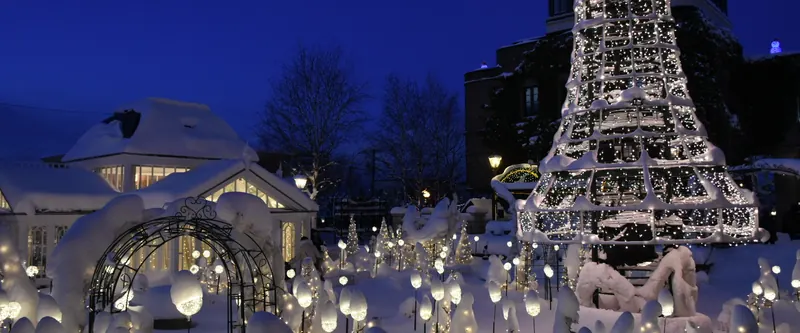 Experience
Hokkaido ・ Sapporo
A confectionery theme park attached to the factory of Ishiya, the maker of Shiroi Koibito, a classic Hokkaido souvenir. It offers production line tours, sweets-making experiences, cafés, and shops, and the shops and rose garden can be used without an admission ticket. It's about a 5-minute walk from Miyanosawa Station on the Tozai subway line, making it easy to reach from central Sapporo.
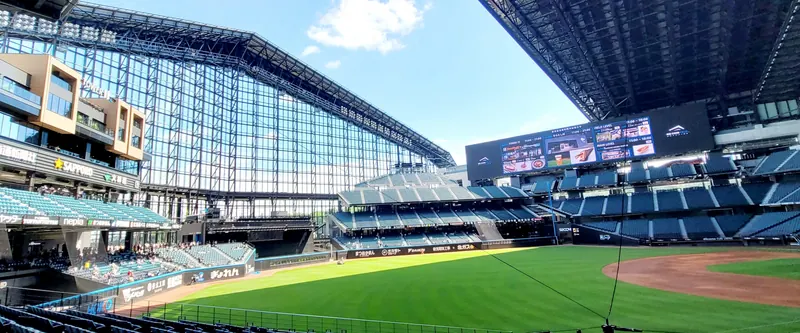 Experience
Hokkaido ・ Kitahiroshima
A ballpark centered on ES CON FIELD HOKKAIDO, home of the Hokkaido Nippon-Ham Fighters, open 365 days a year. On non-game days, you can enter the stadium's outfield area for free and enjoy stadium tours, hot springs, kids' facilities, and restaurants. It's about 17 minutes from Sapporo Station to Kitahiroshima Station on the JR Rapid Airport, then about 5 minutes by shuttle bus from the station.
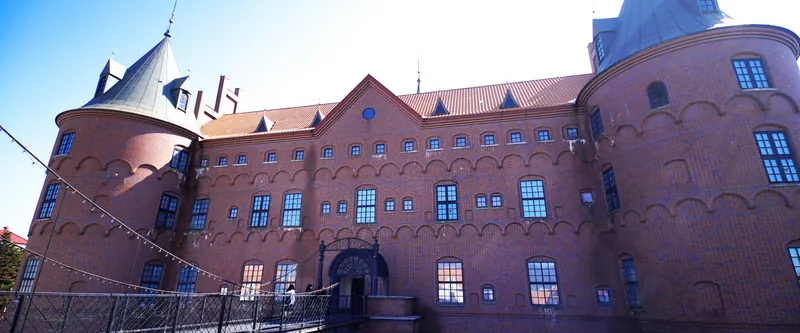 Aquarium
Hokkaido ・ Noboribetsu & Lake Toya
A marine park centered on a castle-shaped aquarium, a 5-minute walk from JR Noboribetsu Station. It exhibits about 20,000 creatures of some 400 species, making it one of the largest in Hokkaido. It's easy to stop by from Noboribetsu Onsen or New Chitose Airport.
 Zoo
Hokkaido ・ Noboribetsu & Lake Toya
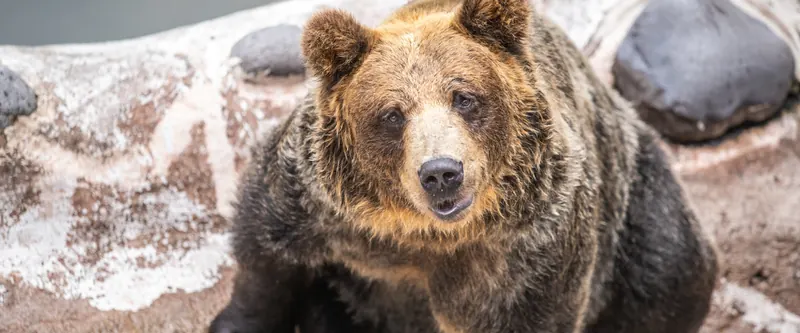
A zoo of Ezo brown bears on a mountaintop 550 m above sea level, about 7 minutes by ropeway from the center of Noboribetsu Onsen. More than 70 brown bears live here, and the round-trip ropeway fare is included in admission. The park also has a Brown Bear Museum and facilities introducing Ainu culture.
 Theme park
Tokyo & Around ・ Central Tokyo
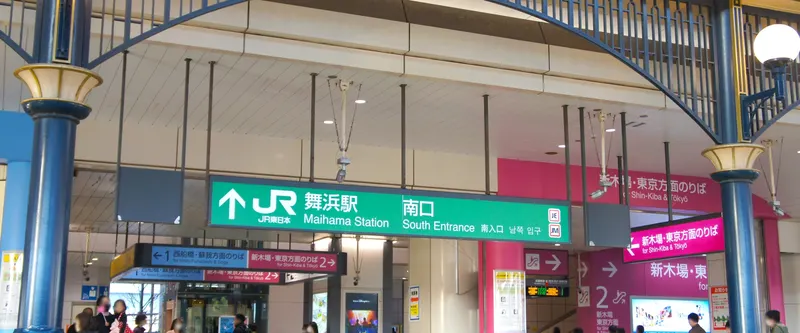
Located in Maihama, Urayasu, Chiba Prefecture, this resort centers on two theme parks: Tokyo Disneyland and Tokyo DisneySea. It’s about 20 minutes from Tokyo Station on the JR Keiyo Line, close enough for a day trip from central Tokyo. Park tickets are date-specific with variable pricing and must be bought in advance on the official website or official app.
 Studio tour
Tokyo & Around ・ Central Tokyo
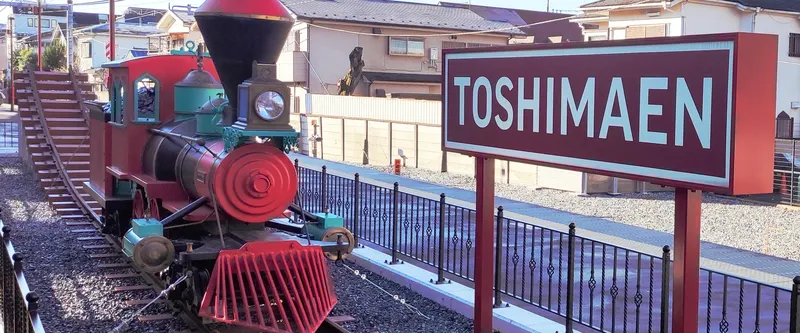
This indoor walk-through attraction takes you behind the scenes of the Harry Potter and Fantastic Beasts film series. It opened in June 2023 on the former site of Toshimaen. There are no rides; instead, you explore sets, props, and costumes on foot at your own pace.
 Theme park
Tokyo & Around ・ Tokyo / Tama
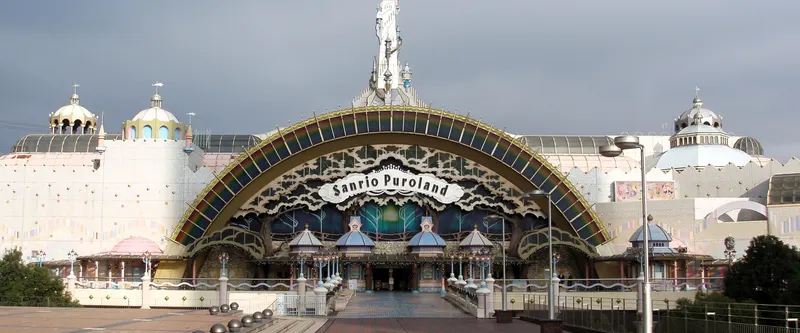
A fully indoor theme park where you can meet Hello Kitty, Cinnamoroll, and other Sanrio characters. Parades, musical shows, rides, and character greetings are packed into a four-story building, so you can enjoy a full day regardless of the weather.
 Experience
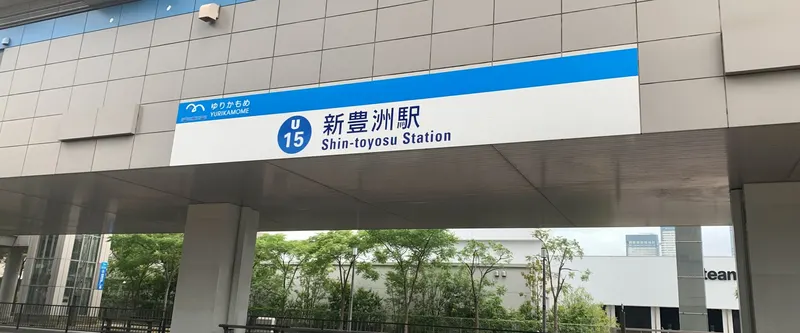
Tokyo & Around ・ Tokyo / Toyosu
An immersive museum by the art collective teamLab where you walk barefoot into the artworks. It's a series of vast spaces, including works you wade through water to experience, where your whole body becomes one with the art. It's scheduled to run until the end of 2027.
 Zoo
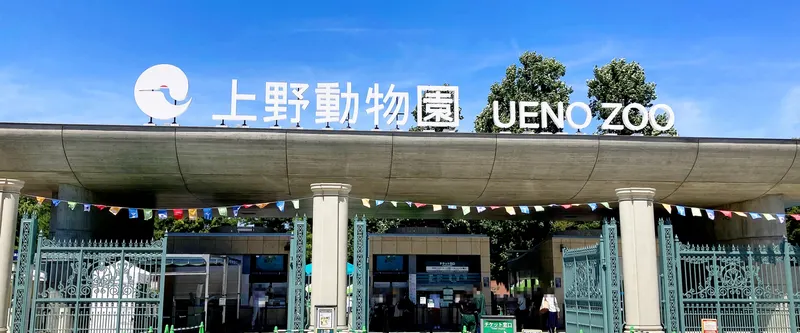
Tokyo & Around ・ Tokyo / Ueno
Japan's oldest zoo, located inside Ueno Park. With affordable admission, it's a central Tokyo zoo that's easy to combine with Ueno's art galleries and museums.
 Aquarium
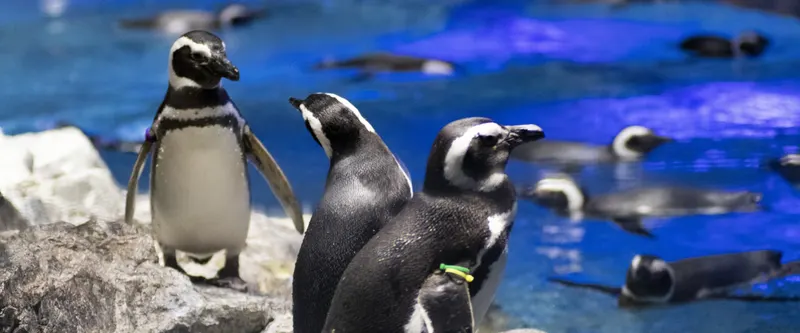
Tokyo & Around ・ Oshiage / Tokyo Skytree Town
An urban aquarium on the 5th and 6th floors of Tokyo Skytree Town Solamachi. It's entirely indoors and directly connected to the station, so you can drop by whatever the weather. It stays open into the evening, making it easy to pair with the Skytree observation decks or sightseeing in Asakusa.
ExperienceTokyo & Around ・ Hakone / Kowakidani
A hot spring theme park in Kowakidani, Hakone. It has two areas: "Yunessun," a hot spring and spa area where you wear swimsuits, and "Mori no Yu," a day-use hot spring where you bathe without clothes. Families and groups can enjoy Hakone's hot springs regardless of the weather.
 Amusement park
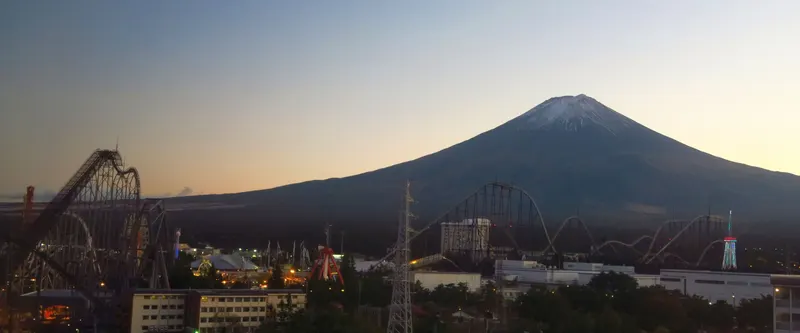
Tokyo & Around ・ Fuji Five Lakes
A free-admission amusement park at the foot of Mt. Fuji. Known for its record-breaking thrill coasters, it's one of Japan's top thrill parks and draws visitors from Japan and abroad. There are also areas for small children, such as Thomas Land.
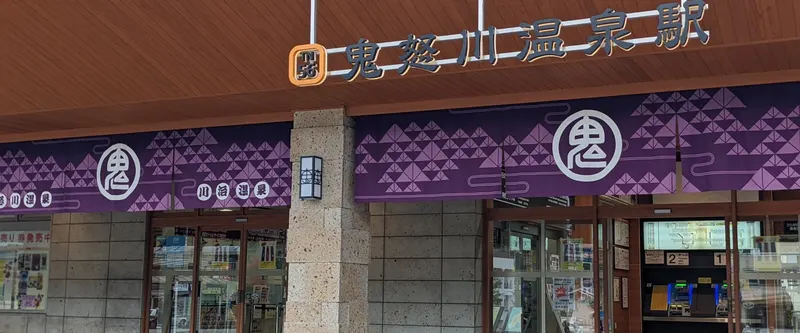 Theme park
Tokyo & Around ・ Nikko / Kinugawa
A cultural theme park that recreates an Edo-period townscape. Stroll through a town where staff dressed as villagers go about their lives, watch plays and ninja shows, and experience Edo culture firsthand. Popular with international visitors, it's a place to both watch and join in.
ZooTokyo & Around ・ Kusatsu Onsen
This privately run zoo in the Kusatsu Onsen hot spring town is known as the highest-altitude zoo in Japan. Inside a 15 m-tall dome heated by hot spring water, a subtropical climate lets you see tropical plants and animals even in chilly Kusatsu.
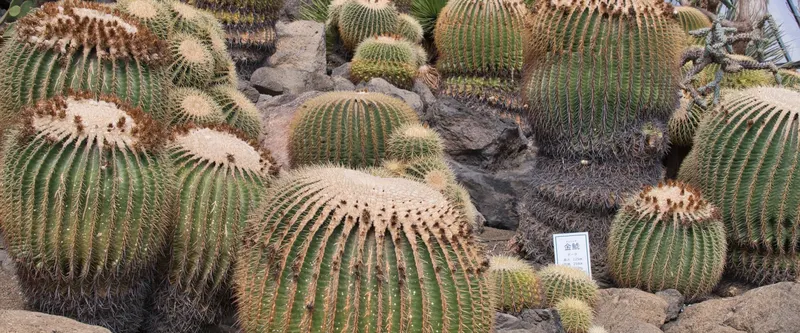 Zoo
Tokyo & Around ・ Ito / Izu Kogen
This zoo in Izu Kogen lets you enjoy animals alongside cacti and succulents. Ring-tailed lemurs and peacocks roam freely, so you can get unusually close to the animals.
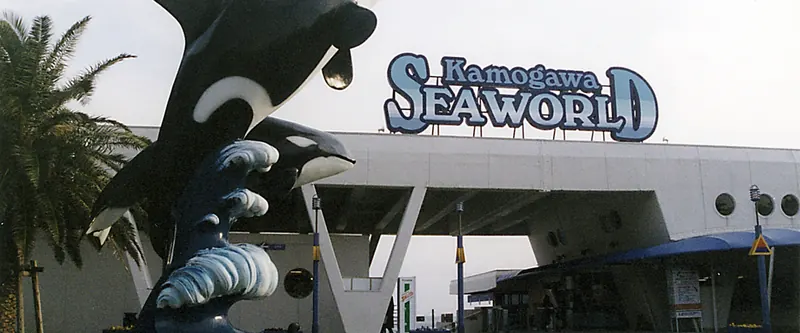 Aquarium
Tokyo & Around ・ Kamogawa, Chiba
An aquarium on the Pacific coast of the Boso Peninsula where you can see performances by four species: orcas, belugas, dolphins, and sea lions. Admission includes all performances. It's about 2 hours from Tokyo Station by the Limited Express Wakashio or the direct Akushi-go highway bus (アクシー号), so it works as a day trip.
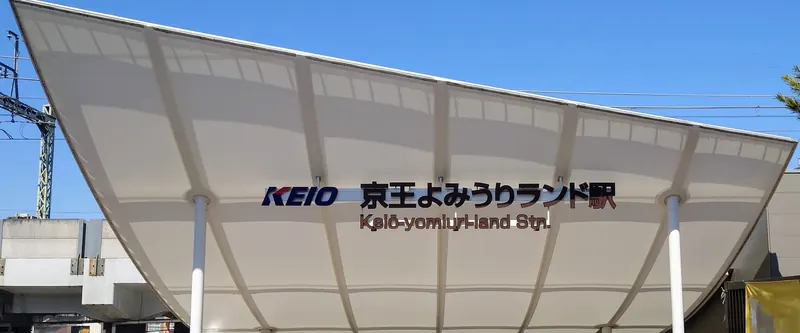 Amusement park
Tokyo & Around ・ Inagi
An amusement park in Inagi, Tokyo, with something to enjoy year-round: pools in summer and illuminations in winter. Inside the park is PokéPark KANTO, an area where more than 600 Pokémon live. It's about 10 minutes from Keio-yomiuri-land Station by the Sky Shuttle gondola.
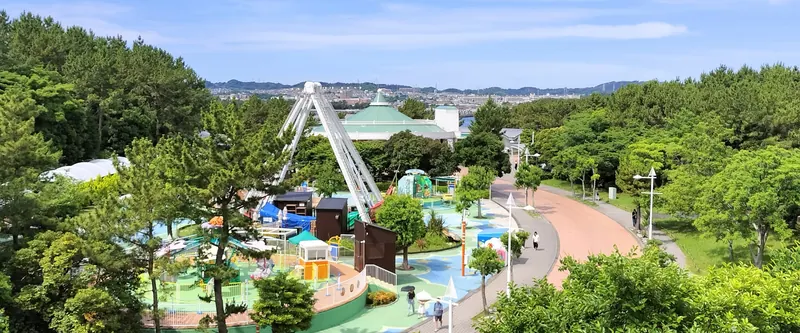 Aquarium
Tokyo & Around ・ Yokohama
A marine leisure complex on Hakkeijima, an artificial island in Kanazawa-ku, Yokohama, with aquariums, an amusement park, a shopping mall, restaurants, a hotel, and a marina. Entry to the island is free, and you buy passes to enjoy the four aquariums and the rides. You can choose tickets to suit what you want to do.
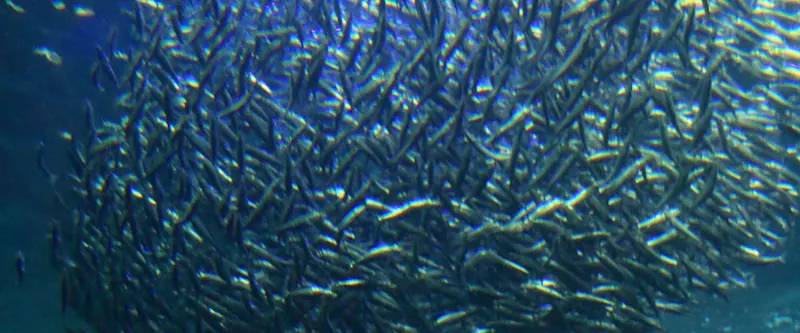 Aquarium
Tokyo & Around ・ Kamakura & Enoshima
An aquarium on Katase Beach in Shonan. Centered on zones introducing the creatures of Sagami Bay, it features jellyfish, deep-sea creatures, dolphin shows, and more. It's just a 3-minute walk from Katase-Enoshima Station on the Odakyu Line, making it easy to combine with sightseeing in Enoshima and Kamakura.
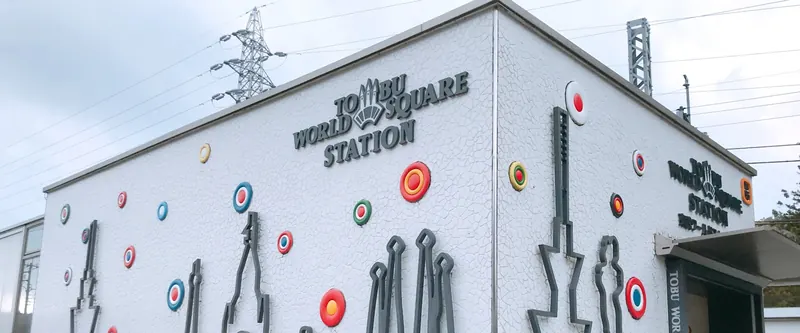 Theme park
Tokyo & Around ・ Kinugawa
A miniature theme park in Kinugawa Onsen that recreates famous buildings and World Heritage Sites at 1/25 scale. With 102 structures from 22 countries and regions, you can feel like you're traveling around the world in about half a day. Dogs are also welcome.
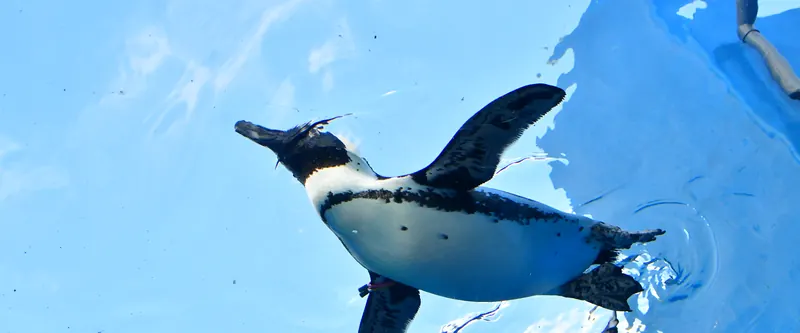 Aquarium
Tokyo & Around ・ Ikebukuro
An urban aquarium on the roof of the World Import Mart Building in Ikebukuro's Sunshine City. Themed as an oasis in the sky, it consists of indoor exhibits on two floors and the outdoor Marine Garden. It's within walking distance of Ikebukuro and Higashi-Ikebukuro stations, making it easy to drop by between other Tokyo sightseeing.
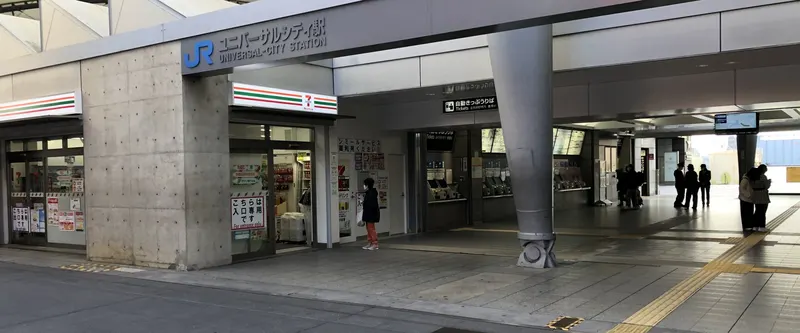 Theme park
Kansai ・ Osaka
This large theme park in Osaka’s Bay Area lets you step into the worlds of Hollywood movies and popular characters. Ride attractions, shows, and seasonal events can easily fill a full day.
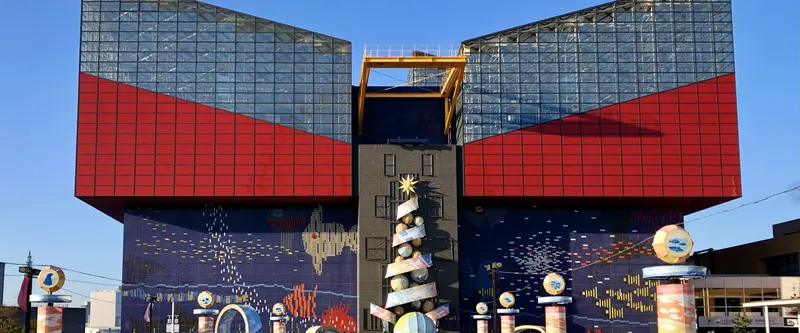 Aquarium
Kansai ・ Osaka
Located in Tempozan Harbor Village in Osaka, this is one of the world’s largest aquariums. Tanks recreating the natural environments of the Pacific Rim are arranged along a route that leads from the top floors down. It houses about 30,000 creatures of some 620 species.
AquariumKansai ・ Suita
A "living museum" inside EXPOCITY, the large entertainment complex next to Expo '70 Commemorative Park in Osaka. Blending elements of an aquarium, zoo, and art museum, it's built around the theme of "touching" the individuality of living creatures. It's run by the same company as Kaiyukan.
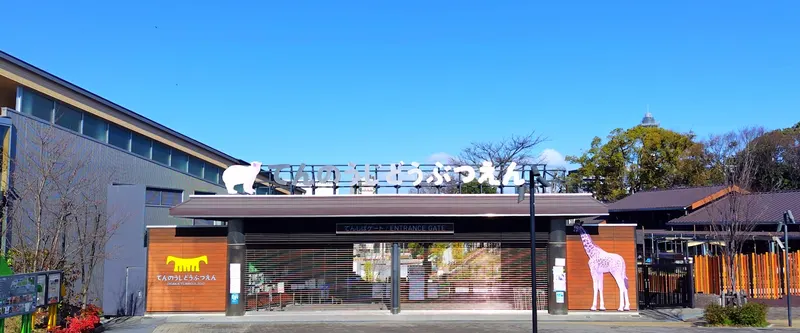 Zoo
Kansai ・ Osaka
Opened in 1915, this urban zoo run by the City of Osaka has more than 100 years of history. It sits in Tennoji Park right next to Shinsekai and Tsutenkaku Tower, and keeps about 1,000 animals of some 170 species across roughly 11 hectares. Admission prices were revised in July 2026.
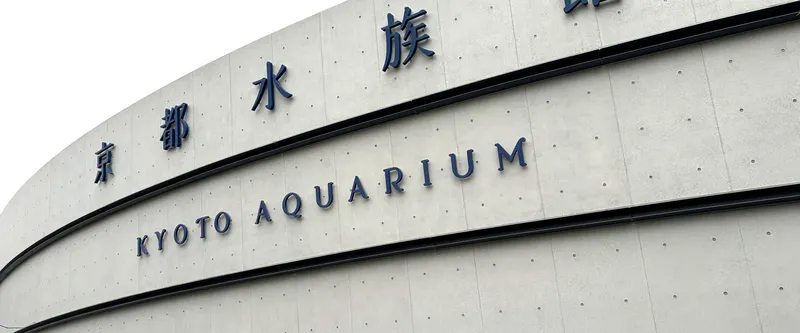 Aquarium
Kansai ・ Kyoto City
An inland aquarium in Umekoji Park, within walking distance of Kyoto Station. Its exhibits explore Kyoto's waterside nature and how it connects, from the "Kyoto River" to the "Kyoto Sea." With a dolphin stadium and jellyfish displays, it's an easy stop between Kyoto sightseeing spots.
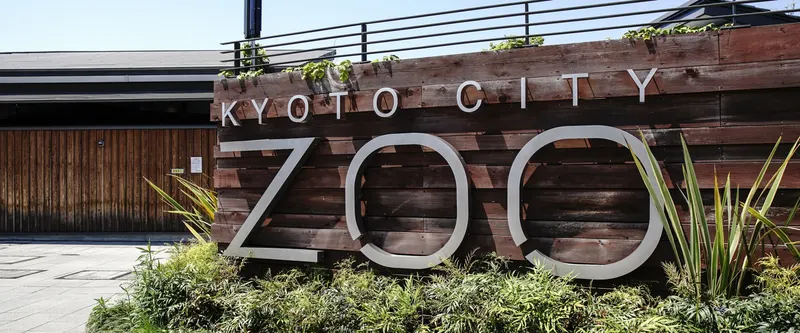 Zoo
Kansai ・ Okazaki, Kyoto
A city-run zoo inside Okazaki Park, home to Heian Shrine and several art museums. In its compact grounds you can see elephants, gorillas, and wild animals from Kyoto's forests. Admission is free for junior high students and younger, and just ¥750 for adults.
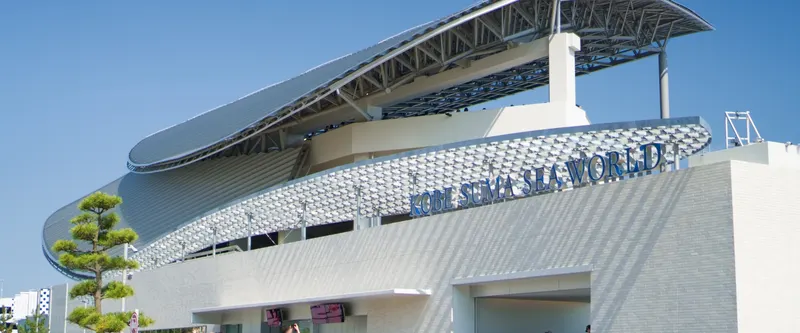 Aquarium
Kansai ・ Suma, Kobe
An aquarium with orcas that opened in Suma Beach Park in 2024. Along with orca and dolphin performances, you can enjoy exhibits of all kinds of marine life. It faces the Suma seaside and has an adjoining hotel.
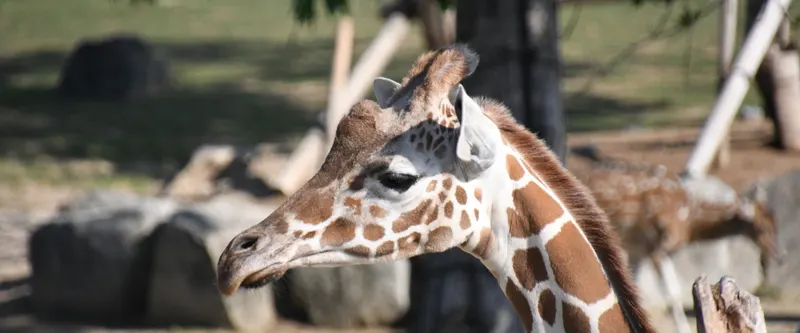 Zoo
Kansai ・ Himeji, Hyogo
The only safari park in the Kansai region, combining a safari park and an amusement park in one. You can enjoy both a drive-through safari, cruising among big predators in your own car or a safari bus, and a walking safari on foot. Seasonal facilities include a pool in summer and an ice rink in winter.
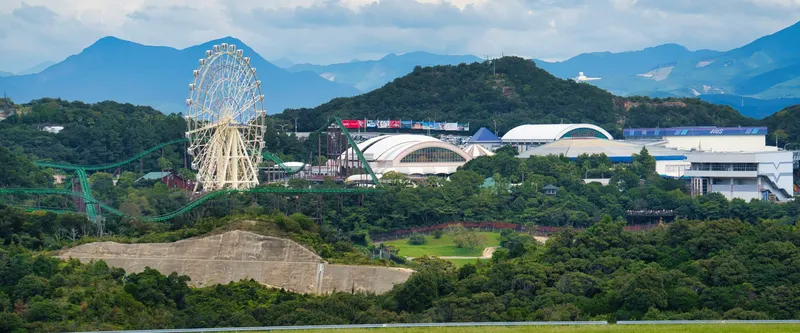 Zoo
Kansai ・ Shirahama, Wakayama
A theme park in Nanki-Shirahama that combines a zoo, an aquarium, and an amusement park. With Safari World for land animals, Marine World for sea creatures, a petting area, and the "Play Zone" amusement park, it easily fills a full day. All four giant pandas left for China in June 2025, so the highlights now center on penguins, the safari, and marine shows.
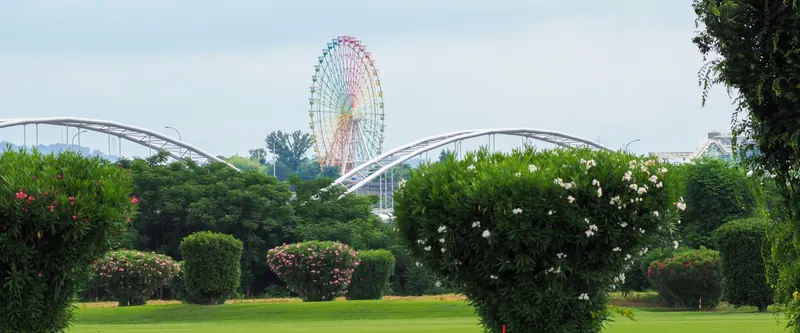 Amusement park
Kansai ・ Hirakata
Opened at its current location in 1912 (Taisho 1), it's the oldest continuously operating amusement park in Japan. It has about 40 kinds of attractions and is just a short walk from Hirakatakoen Station on the Keihan Main Line. It's about 30 minutes by train from both Osaka and Kyoto.
ExperienceKansai ・ Uji
A museum in Uji, Kyoto, that displays Nintendo's products through the years and lets you play hands-on exhibits. Tickets are date- and time-specific and must be reserved in advance, through a monthly lottery or first-come, first-served sales of slots that open up. If you want to include it in your itinerary, applying from the lottery 3 months before your visit is the surest way.
 Aquarium
Kansai ・ Ise & Shima
An aquarium facing Toba Bay that claims the largest number of species kept in Japan (about 1,200). It's the only aquarium in Japan where you can see a dugong, and its sea otters and walruses are also popular. The building is all-weather, and it's within walking distance of JR/Kintetsu Toba Station.
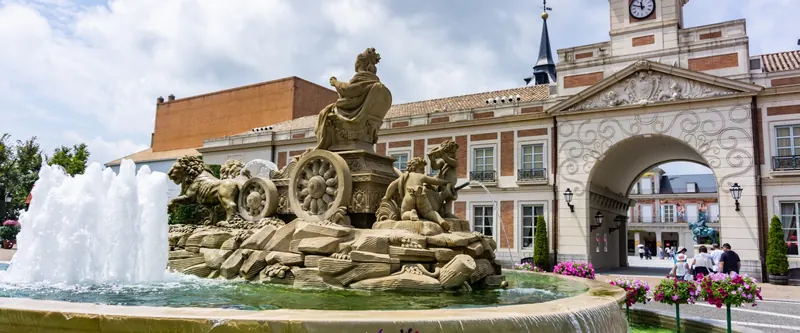 Theme park
Kansai ・ Ise & Shima
A Spain-themed park in Ise-Shima. From thrilling roller coasters to rides for kids, parades, and flamenco shows, it offers a full day of fun. A hotel and the Himawari no Yu hot spring are also on site.
Theme parkKansai ・ Uzumasa
Toei Kyoto Studio Park, a samurai-drama theme park that opened in 1975, reopened on March 28, 2026 as UZUMASA KYOTO VILLAGE after the first phase of its renewal. It is now an immersive park for adults built around the concept of wandering into Kyoto in the Edo period, with the second phase scheduled to open in spring 2027. It stays open until 21:00.
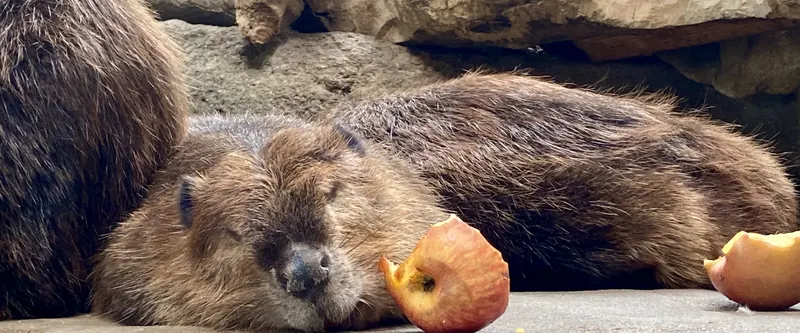 Zoo
Kansai ・ Port Island, Kobe
A zoo on Kobe's Port Island where you can interact with flowers and animals. Its exhibits bring you close to the animals, including shoebills, capybaras, and alpacas. It has extensive indoor areas and is easy to reach, about 14 minutes from Sannomiya on the Port Liner.
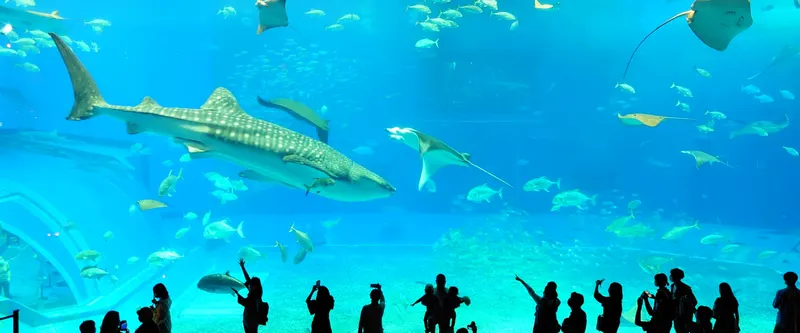 Aquarium
Okinawa ・ Motobu & Churaumi
This aquarium sits in Ocean Expo Park on the Motobu Peninsula in northern Okinawa Island. Its exhibits trace the creatures of Okinawa’s waters in sequence, from coral reefs out to the open ocean. It’s about 2 hours by car or about 2.5 hours by express bus from Naha Airport.
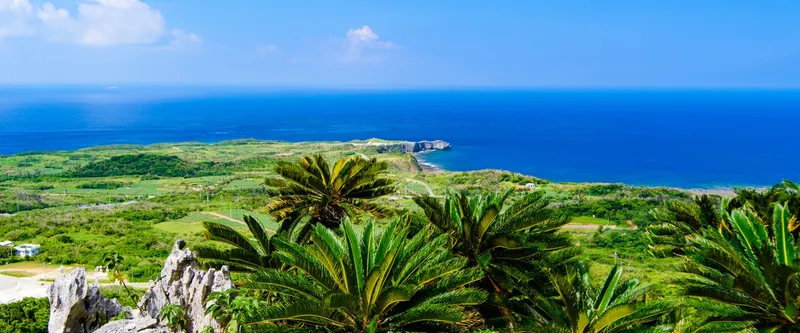 Theme park
Okinawa ・ Nakijin / Nago
An immersive, nature-themed park that opened in July 2025 near the Yanbaru forest in northern Okinawa Island. Set on vast grounds that were once a golf course, it offers a dinosaur safari, aerial attractions, a spa with spectacular views, and restaurants serving Okinawan ingredients.
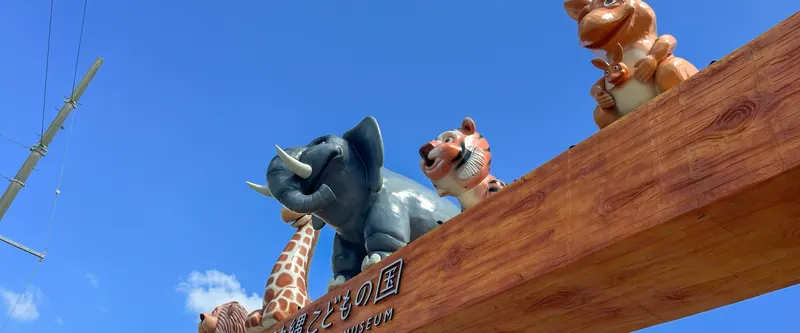 Zoo
Okinawa ・ Okinawa City
A facility in Okinawa City that combines a zoo with a hands-on museum. With the outdoor Animal Zone and the indoor Wonder Museum, it's fun rain or shine. Admission is free for ages 15 and under.
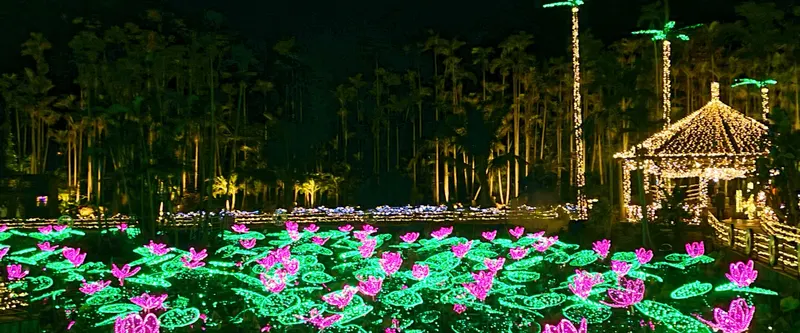 Botanical garden
Okinawa ・ Okinawa City
An outdoor botanical garden in Okinawa City, officially named "Churayashi Park Okinawa Southeast Botanical Gardens." You can see about 1,300 species of tropical and subtropical plants, and an evening illumination is usually held from autumn through spring.
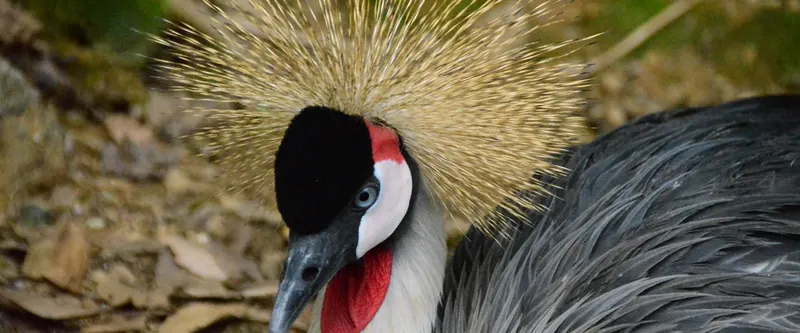 Zoo
Okinawa ・ Nago
A zoo in Nago City whose official name is Nago Nature Botanical and Zoological Park. It uses what is said to be Japan's largest flying-cage system, and many animals roam freely in the park. Walking through areas themed on Africa, South America, and Oceania, you can experience how close you get to the animals.
AquariumOkinawa ・ Tomigusuku
An aquarium inside the iias Okinawa Toyosaki shopping center, about 20 minutes by car from Naha Airport. Opened in 2020, it combines spatial effects using video and light with hands-on encounters with marine life. It's open until 19:00, making it easy to drop by on your arrival day or before departure.
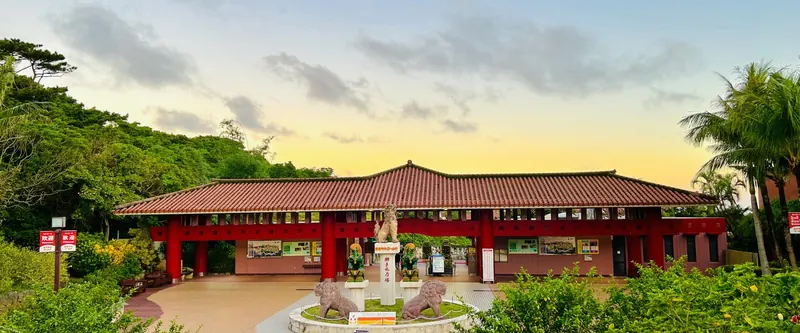 Theme park
Okinawa ・ Nanjo
A theme park in Nanjo City in the south of Okinawa Island, centered on the Gyokusendo limestone cave. Besides exploring the cave, you can watch Eisa dance and try crafts in the Ryukyu Kingdom castle town lined with old houses, visit the Habu Museum Park, and experience Okinawa's nature and culture all in one place. It's about 30 minutes by car from Naha Airport.
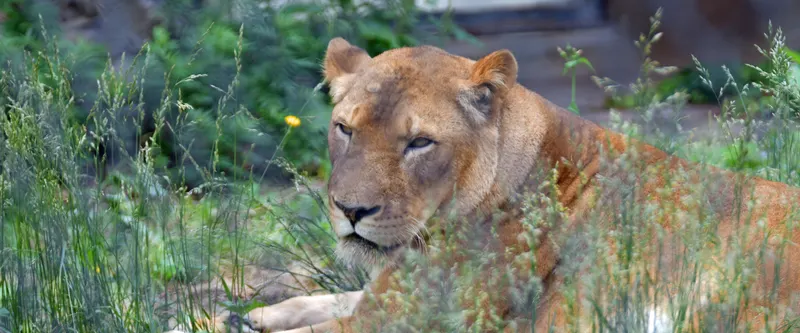 Zoo
Tohoku ・ Akita City, Akita
A zoo in Omoriyama Park run by Akita City. As of August 2026, it keeps 524 animals of 88 species. Admission is free for high school students and younger, and with the Anipa amusement park and large play equipment on site, families can spend a whole day here.
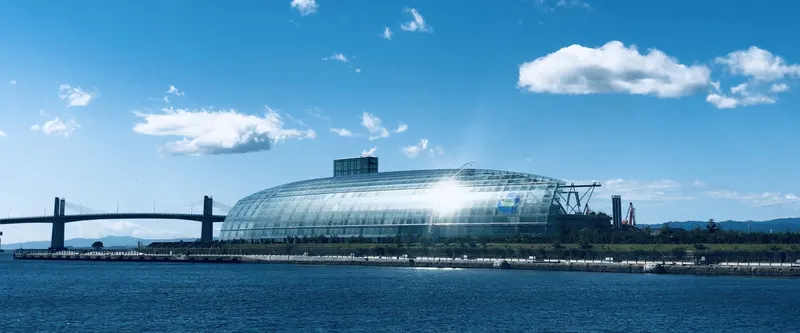 Aquarium
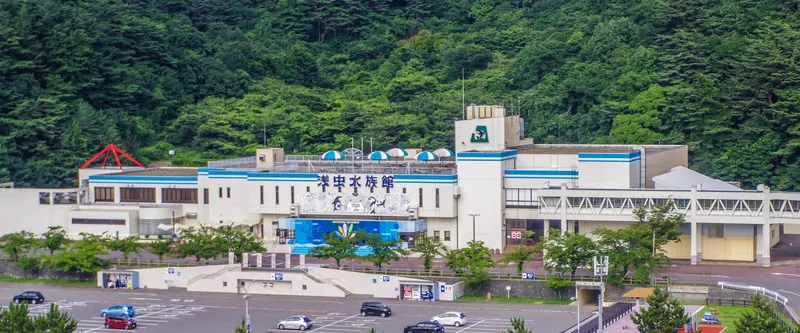
Tohoku ・ Iwaki, Fukushima
An environmental aquarium at Onahama Port in Iwaki. It showcases a wide range of waterside nature and wildlife, from the rivers and sea of Fukushima to the Shiome no Umi, where the Kuroshio and Oyashio currents meet, as well as northern seas and coral reefs. It's open year-round, and a visit typically takes 1.5 to 3 hours.
 Aquarium
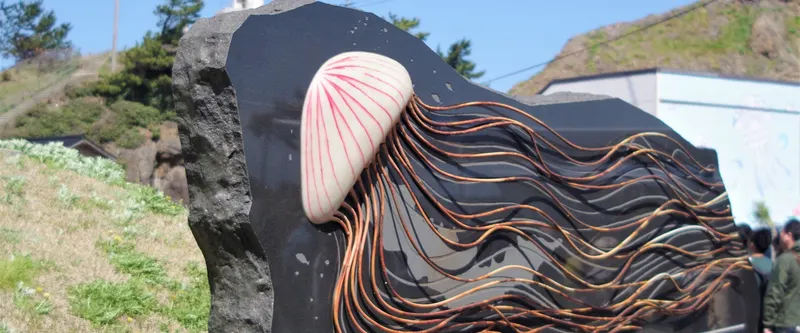
Tohoku ・ Aomori & Hakkoda
An Aomori Prefecture-run aquarium in Asamushi Onsen, facing Mutsu Bay. Admission is free for high school students and younger, and just ¥1,200 for general visitors. It's about a 10-minute walk from Asamushi-Onsen Station on the Aoimori Railway and about 20 minutes by train from Aomori Station, making it easy to combine with sightseeing in Aomori City.
 Aquarium
Tohoku ・ Tsuruoka, Yamagata
An aquarium in Tsuruoka facing the Sea of Japan, known for its jellyfish exhibits. After a five-month closure, it reopened after renovation on April 1, 2026 under the nickname Tohoku Epson Aquarium Kamosui. It displays about 100 species of jellyfish.
 Experience
Tohoku ・ Morioka & Koiwai
The visitor area of Koiwai Farm in Shizukuishi, Iwate Prefecture. You can tour cattle barns designated as Important Cultural Properties, ride horses, and join programs that take you around the farm. It's about 35 minutes by bus from Morioka Station, or about 15 minutes by car from Morioka IC.
 Aquarium
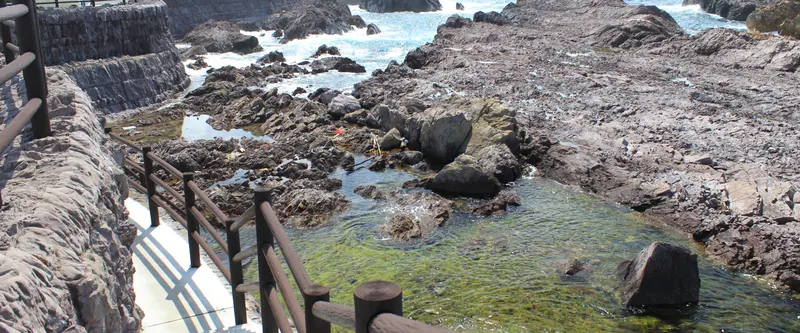
Tohoku ・ Oga, Akita
An aquarium on the Sea of Japan coast of the Oga Peninsula. It has a large tank recreating the Oga sea, exhibits of polar bears, seals, penguins, and more, and a museum devoted to hatahata (sandfish), an Akita specialty. From Akita Station, take the JR Oga Line to Oga Station (about 1 hour), then a bus or shared taxi.
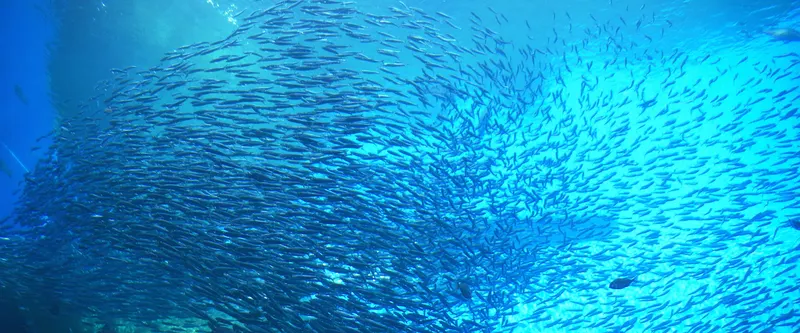 Aquarium
Tohoku ・ Sendai & Matsushima
An aquarium near Sendai Port. Across two floors, it shows sea life from Tohoku, Japan, and the world's oceans, starting with the large Sanriku-themed tank Inochi Kirameku Umi. It's about 18 minutes from Sendai Station to Nakanosakae Station on the JR Senseki Line, so it's easy to fit in between sightseeing in the city.
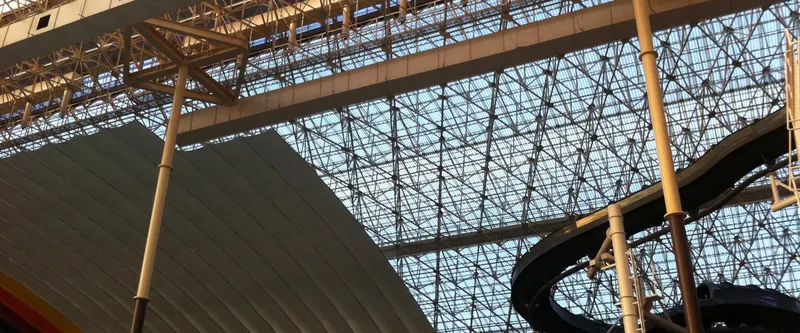 Experience
Tohoku ・ Iwaki, Fukushima
A hot spring and pool leisure complex in Iwaki, Fukushima Prefecture. A single admission ticket gives access to the Water Park's pools and water slides, the Spring Park hot spring area, the open-air bath Edo Jowa Yoichi, and more. Polynesian shows run from midday into the night, so you can enjoy it on a day trip or an overnight stay.
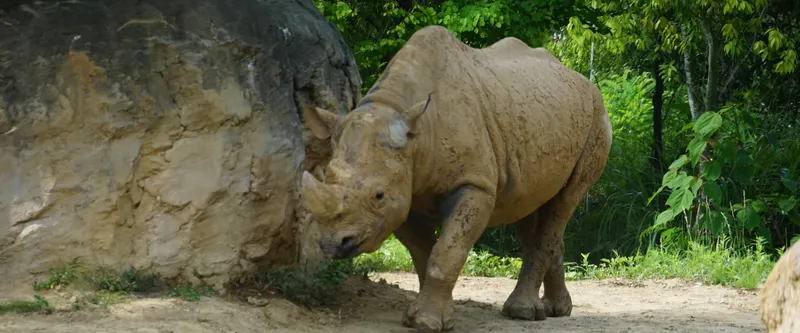 Zoo
Tohoku ・ Sendai & Matsushima
A zoo run by Sendai City on Yagiyama hill. It's close to Yagiyama Zoological Park Station on the Tozai Subway Line, about 12 minutes from Sendai Station. General admission is an affordable ¥480, making it a good half-day trip from central Sendai.
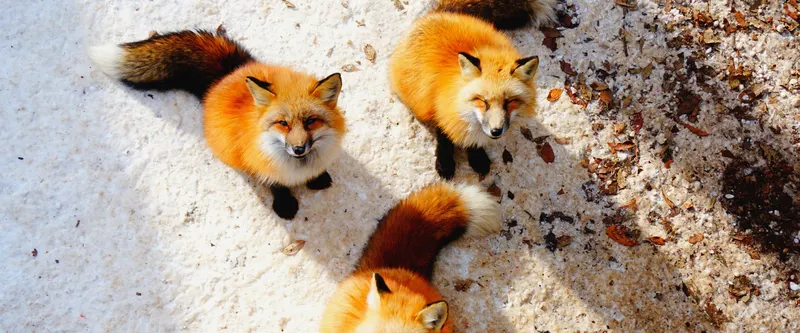 Zoo
Tohoku ・ Shiroishi, Miyagi
A facility in Shiroishi, Miyagi Prefecture, where you can see foxes. The foxes roam freely inside, and you walk among them. Admission is free for elementary school students and younger.
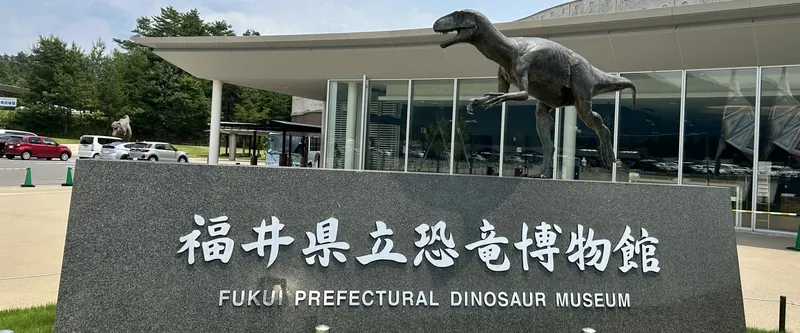 Experience
Chubu & Hokuriku ・ Katsuyama, Fukui
A dinosaur-themed museum in Katsuyama, Fukui Prefecture. It displays 51 complete dinosaur skeletons along with fossils, dioramas, and life-size models, and a new wing was added in 2023. Tickets are generally bought in advance for a specific date and time, so book on the official website once your itinerary is set.
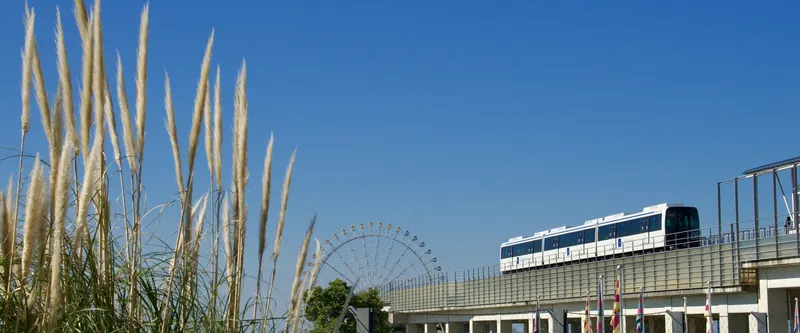 Theme park
Chubu & Hokuriku ・ Nagakute, Aichi
A park facility recreating the worlds of Studio Ghibli films, located inside Expo 2005 Aichi Commemorative Park in Nagakute, Aichi Prefecture. It's divided into five areas, and all tickets are date-specific and must be bought in advance; you cannot buy admission at a ticket window on the day. Tickets go on sale at 14:00 on the 10th of the month two months before your visit, so plan your purchase early once your itinerary is set.
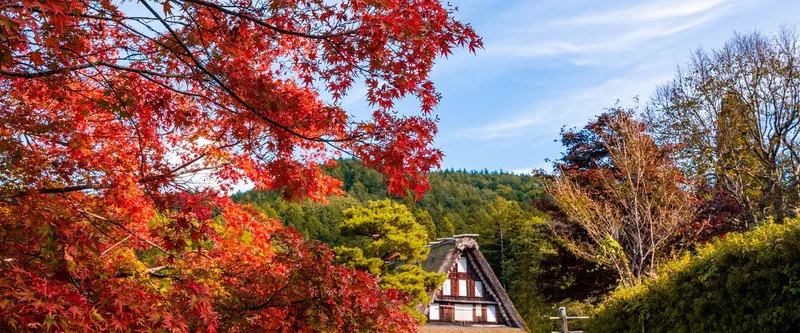 Experience
Chubu & Hokuriku ・ Takayama
An open-air museum in Takayama where more than 30 buildings, including thatched- and shingle-roofed farmhouses relocated from across the Hida region, are arranged like a village. It's about 9 minutes by Sarubobo Bus from the Takayama Nohi Bus Center, making it easy to combine with sightseeing in Takayama's old town.
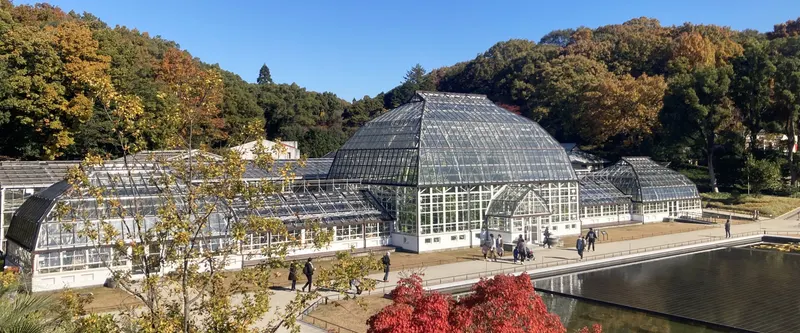 Zoo
Chubu & Hokuriku ・ Nagoya
A zoo and botanical garden run by Nagoya City, home to about 450 animal species and about 7,000 plant species on roughly 60 ha. It's a 3-minute walk from Higashiyama-koen Station on the Higashiyama Subway Line, easy to reach from the city center, and you can spend a full day enjoying the zoo, the botanical garden, and Higashiyama Sky Tower. Admission fees were revised on October 1, 2026.
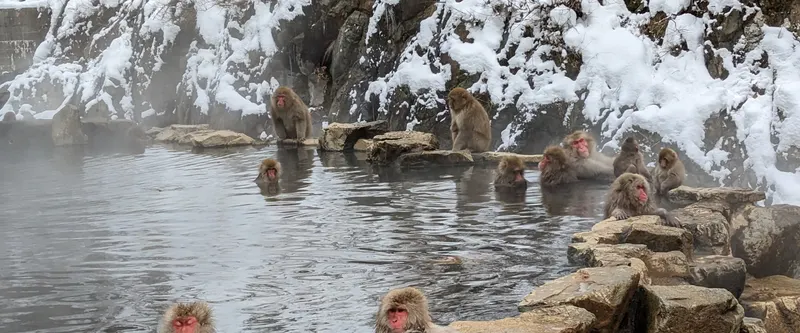 Zoo
Chubu & Hokuriku ・ Nagano / Yudanaka-Shibu Onsen
A park in the mountains of Yamanouchi, Nagano Prefecture, where you can observe wild Japanese macaques up close. It's famous for its monkeys bathing in hot springs in winter. The entrance is about a 30-minute walk along a mountain path from the parking lot or bus stop, so wear shoes and clothing suited to the season.
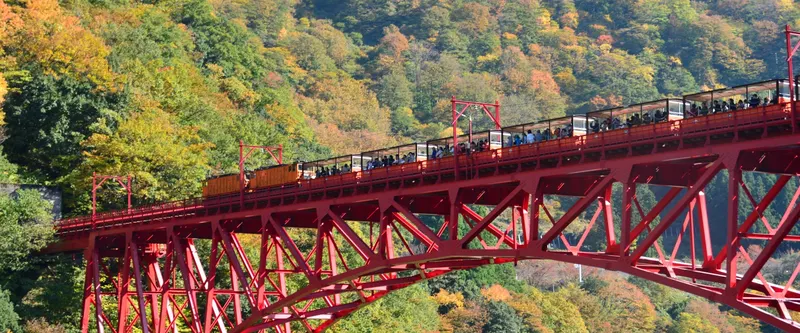 Experience
Chubu & Hokuriku ・ Toyama / Tateyama Kurobe Alpine Route
A torokko (open-air) train running from Unazuki Onsen deep into the Kurobe Gorge. Full-line service between Unazuki and Keyakidaira resumed on October 1, 2026, and you can ride all the way to the Keyakidaira terminus during the operating season until November 30. From the windowless open cars, you can enjoy the beauty of the gorge and the views from the railway bridges.
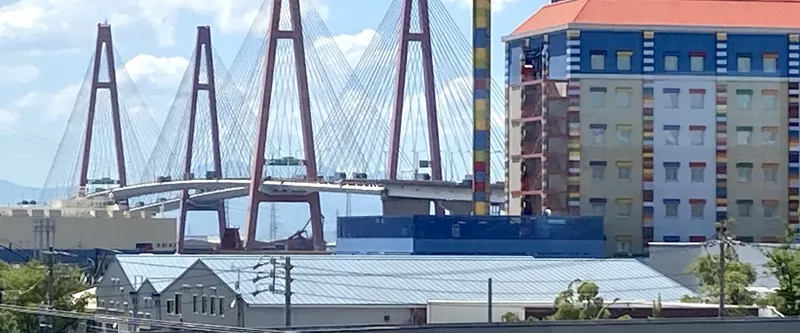 Theme park
Chubu & Hokuriku ・ Nagoya
An outdoor theme park based on the world of LEGO bricks, located at Kinjo Pier in Nagoya Port. Aimed mainly at children aged 2–12 and their families, it has more than 40 rides, shows, and attractions. Together with the adjoining SEA LIFE Nagoya aquarium and hotel, it forms a resort.
ExperienceChubu & Hokuriku ・ Inuyama, Aichi
An open-air museum in Inuyama, Aichi Prefecture, where buildings from the Meiji era have been relocated, preserved, and opened to the public. The buildings are spread across the large village grounds, and you can walk through Meiji-era streetscapes while touring their interiors. You can also ride the SL (steam locomotive) and streetcar that run through the village.
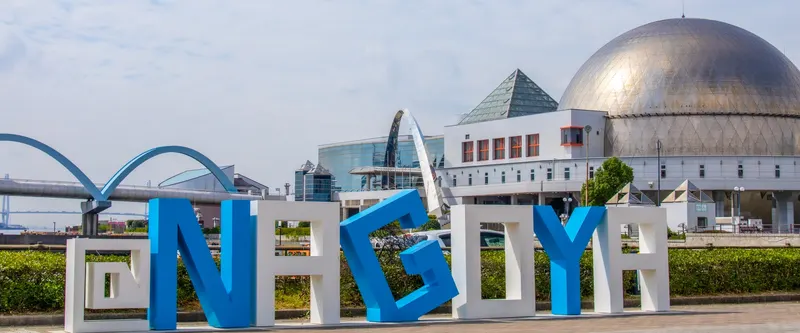 Aquarium
Chubu & Hokuriku ・ Nagoya
A large aquarium at Garden Pier in Nagoya Port, made up of two buildings: the North Building, showing marine mammals such as orcas, belugas, and dolphins, and the South Building, themed on a journey to Antarctica. It's a 5-minute walk from Nagoyako Station on the Meiko Subway Line, and conveniently reachable from central Nagoya by subway alone.
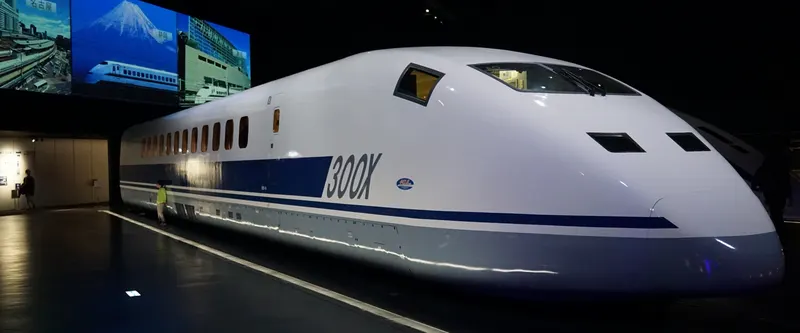 Experience
Chubu & Hokuriku ・ Nagoya
A railway museum run by JR Central, displaying real Shinkansen, conventional line, and superconducting maglev vehicles. It's entirely indoors and about a 2-minute walk from Kinjofuto Station on the Aonami Line. With driving simulators and a large diorama, it's fun for families as well as railway fans.
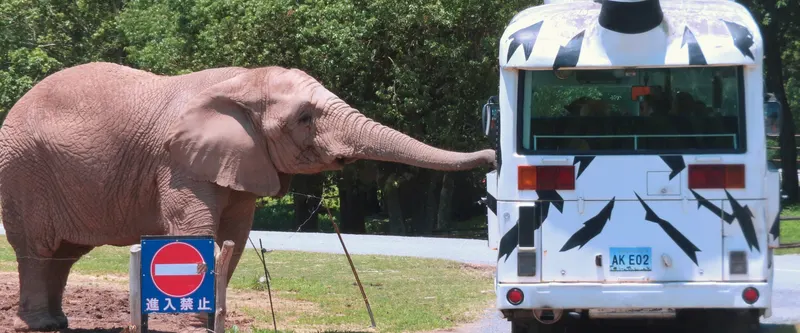 Zoo
Chugoku & Shikoku ・ Hagi, Tsunoshima & Akiyoshidai
A safari-style animal park in the Akiyoshidai area where you can see animals without leaving your car. Besides the Safari Zone that you drive through in your own car, there's a feeding bus that tours by dedicated bus, a Walking Zone where you can interact with animals on foot, and an amusement park with free admission.
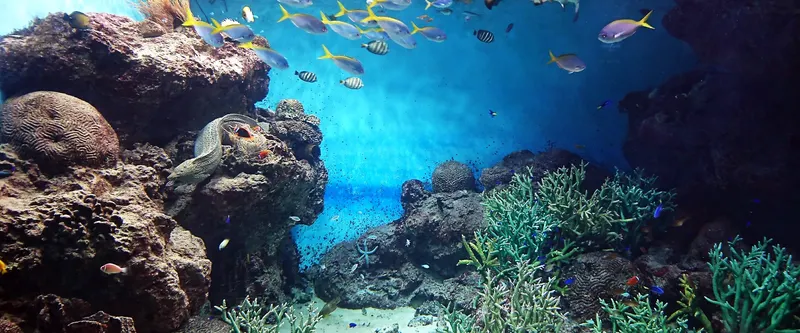 Aquarium
Chugoku & Shikoku ・ Shimonoseki, Yamaguchi
A Shimonoseki City aquarium facing the Kanmon Straits. Under the concept Life in the Sea, the Sea and Life, it's known for a tank recreating the Kanmon Straits currents and its world-leading display of about 100 species of pufferfish. It reopened after renovation in August 2025, adding Hireashi Beach, a new California sea lion exhibit.
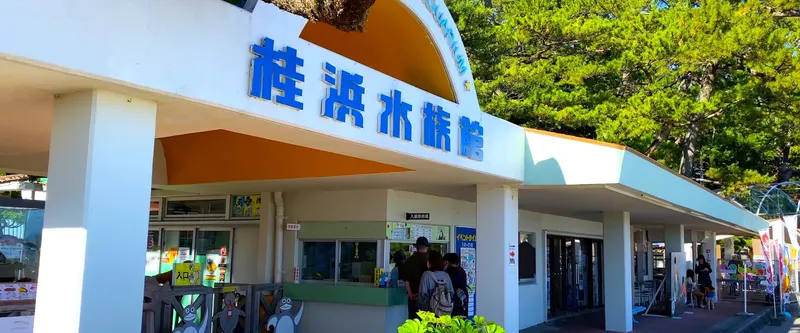 Aquarium
Chugoku & Shikoku ・ Kochi & Shimanto
An aquarium inside Katsurahama Park, right in front of Katsurahama, one of Kochi's most famous scenic spots. It keeps about 4,000 creatures of around 220 species, and most of the facility is an open-air outdoor area with views of Katsurahama Beach and Tosa Bay. You can also bring your pet inside.
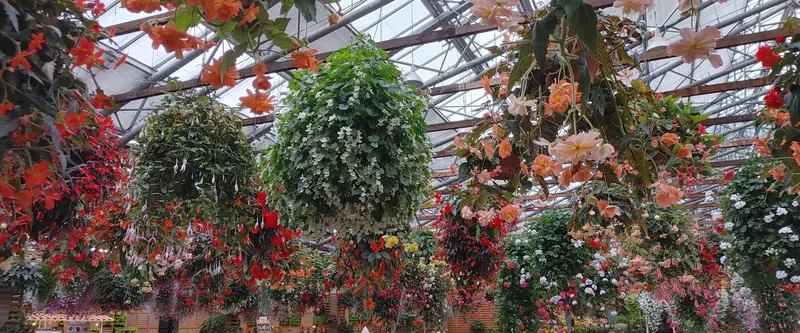 Zoo
Chugoku & Shikoku ・ Izumo & Matsue
A flower and bird themed park spread over hills on the shore of Lake Shinji. Its 320,000㎡ grounds include display greenhouses totaling 12,000㎡, and the main facilities are linked by covered walkways, so you can get around without an umbrella even on rainy days. The Ichibata Electric Railway station connects directly to the park.
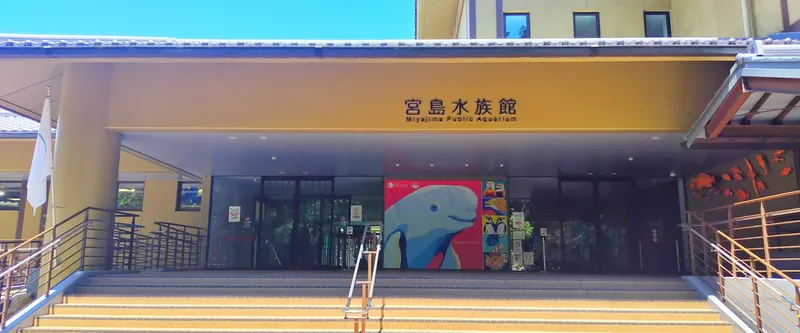 Aquarium
Chugoku & Shikoku ・ Hiroshima & Miyajima
An aquarium themed on the Seto Inland Sea, on Miyajima, home of the World Heritage-listed Itsukushima Shrine. It reopened after renovation in 2011 and displays more than 15,000 creatures of 380 species, centered on Seto Inland Sea life. It will be closed from December 1, 2026 to March 31, 2027 for equipment upgrades and repair work, so visit by November 30.
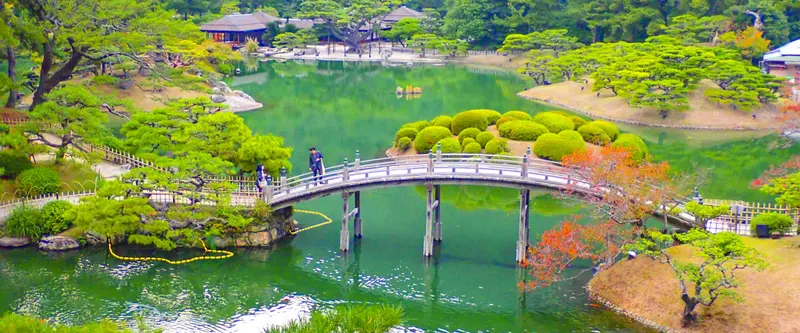 Botanical garden
Chugoku & Shikoku ・ Takamatsu, Naoshima & Shodoshima
A feudal lord's garden in central Takamatsu, designated a national Special Place of Scenic Beauty. With 6 ponds and 13 artificial hills, and Mt. Shiun and its pine forest behind it as borrowed scenery, it offers views that change with every step. It opens early in the morning, making it good for a morning stroll.
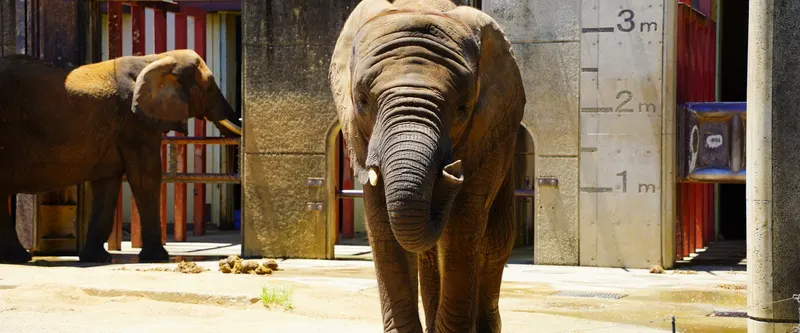
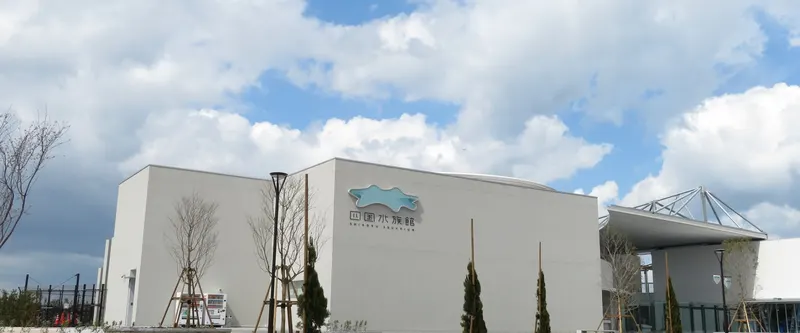 Aquarium
Chugoku & Shikoku ・ Utazu, Kagawa
An aquarium that opened in Utazu, Kagawa Prefecture, in 2020. Themed on Shikoku Waterscapes, it recreates the waters surrounding Shikoku, including the Seto Inland Sea, the Pacific Ocean with the Kuroshio Current, and clear rivers such as the Shimanto and Niyodo, in about 70 waterscape exhibits. It's about a 12-minute walk from JR Utazu Station.
 Zoo
Chugoku & Shikoku ・ Tobe, Ehime
An Ehime Prefecture-run zoo in Tobe, about 20 minutes by car from central Matsuyama. Under the concept A Zoo Full of Everyone's Smiles, it keeps many animals, including polar bears, African elephants, Malayan tapirs, sea lions, and flamingos. Admission is an affordable ¥600 for adults.
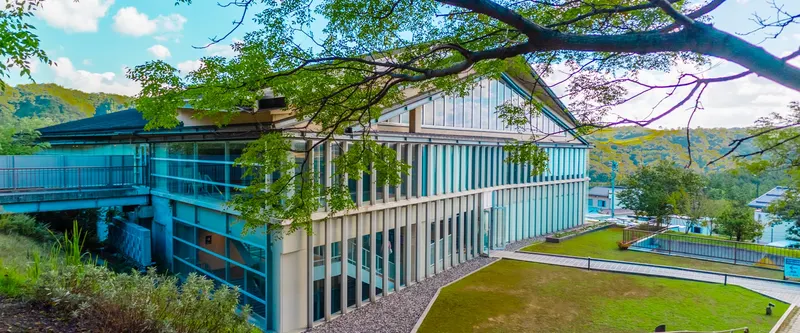 Experience
Chugoku & Shikoku ・ Tottori
The world's first museum dedicated to sand sculptures, right next to the Tottori Sand Dunes. The theme changes every year, and works by sand sculptors from Japan and abroad are displayed indoors. From April 24, 2026 to January 3, 2027, the 17th exhibition, Travel Around the World in Sand: Spain, is on.
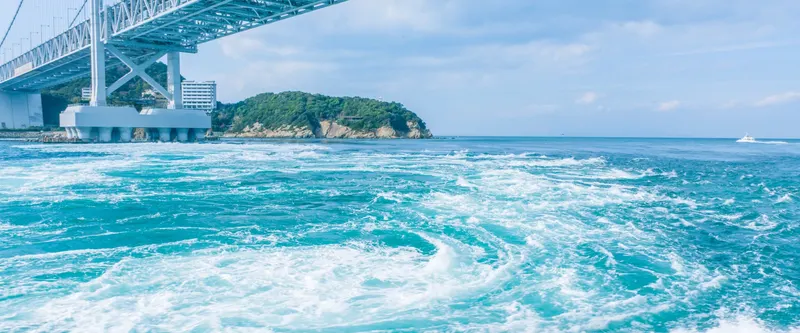 Experience
Chugoku & Shikoku ・ Naruto, Tokushima
A 450m-long walkway built inside the girders of the Onaruto Bridge. From 45m above the sea, you can look straight down on the whirlpools of the Naruto Strait. It's a Tokushima Prefecture facility inside Naruto Park and can be visited together with the neighboring Onaruto Bridge Memorial Hall Eddy.
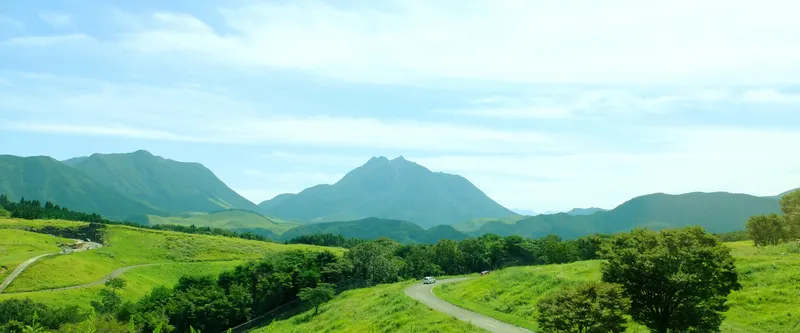 Zoo
Kyushu ・ Usa, Oita
A safari park in Ajimu, Usa City, Oita Prefecture, where you tour free-roaming animals by car or bus. You can explore in two ways: the My Car Safari, driving your own car through the Safari Zone with lions, elephants, and more, or the Jungle Bus, which moves along as you feed the animals. It's about 7 minutes by car from Beppuwan Smart IC, making it easy to combine with sightseeing in Beppu and Yufuin.
 Zoo
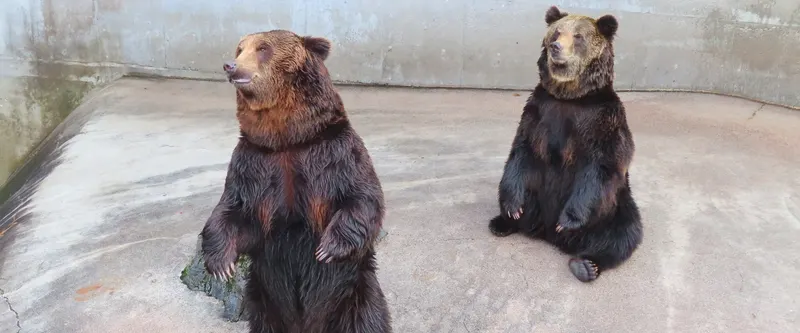
Kyushu ・ Kumamoto & Aso
A zoo in Aso City where you can interact with 350 animals of 60 species. It centers on animal shows and close-contact facilities with bear cubs, capybaras, and penguins. It's about 1.5 km from JR Aso Station, and highway buses between Kumamoto and Oita/Beppu stop in front of the park.
 Experience
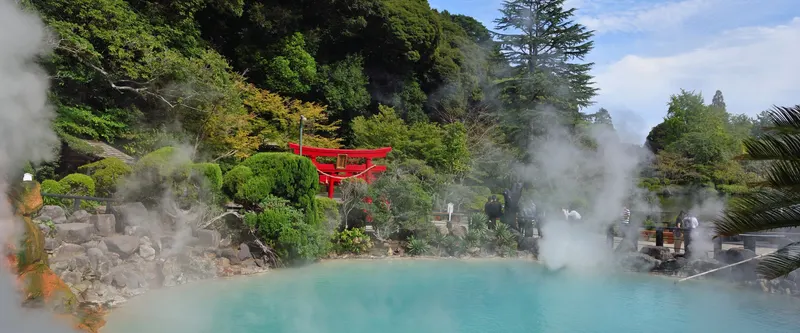
Kyushu ・ Beppu & Yufuin
A Beppu sightseeing classic: touring the seven hot spring sources known as jigoku (hells) in the Kannawa and Kamegawa areas of the hot spring town of Beppu. The hells each differ in color and form, from the cobalt-blue Umi Jigoku and the red Chinoike Jigoku to Tatsumaki Jigoku, which erupts at regular intervals. A combined ticket covers all seven, and you can tour them in about 2.5 hours including travel.
 Theme park
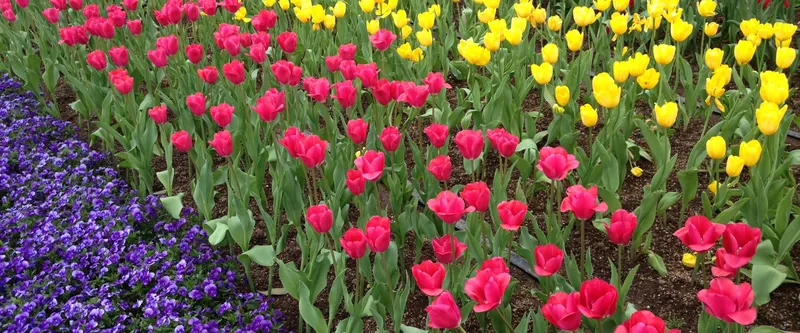
Kyushu ・ Sasebo & Huis Ten Bosch
A theme park resort in Sasebo, Nagasaki Prefecture, recreating Dutch townscapes. Attractions, shops, restaurants, and hotels are spread across large grounds laced with canals. It's about a 5-minute walk from JR Huis Ten Bosch Station and about 1 hour 45 minutes by limited express from Hakata, so a day trip from Fukuoka is possible.
 Aquarium
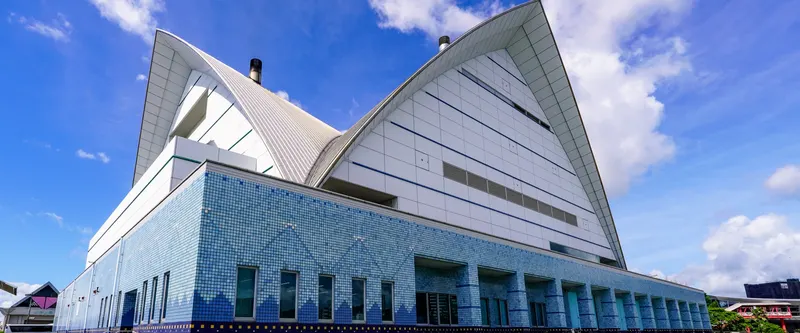
Kyushu ・ Kagoshima, Sakurajima & Ibusuki
An aquarium in Honkoshin-machi, Kagoshima City, themed on Kagoshima's seas, from Kinko Bay to the Nansei Islands. It displays about 800 species, and the large Kuroshio tank with its whale shark and the dolphin programs are popular. It's about 15 minutes by streetcar from Kagoshima-Chuo Station, making it easy to drop by while sightseeing in the city.
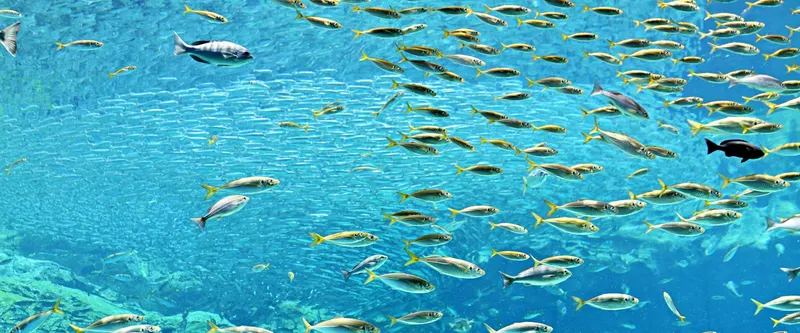 Aquarium
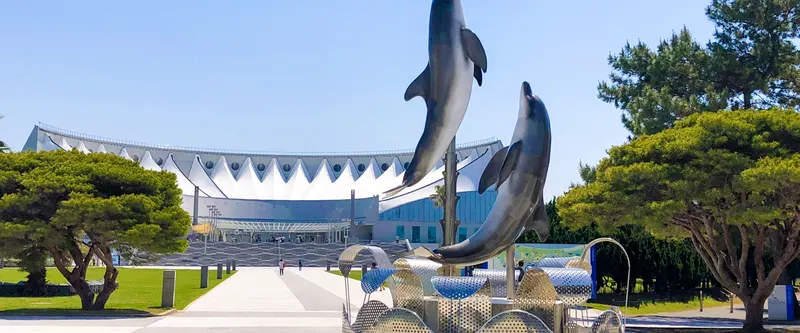
Kyushu ・ Sasebo & Huis Ten Bosch
An aquarium in Kujukushima Pearl Sea Resort in Sasebo. It focuses on sea life from the Kujukushima Islands, and its jellyfish exhibit and dolphin shows are popular. The Kujukushima sightseeing boat pier is in the same resort, so you can enjoy it together with a cruise.
 Aquarium
Kyushu ・ Fukuoka & Dazaifu
An aquarium themed on the seas of Kyushu, located at Uminonakamichi in Higashi-ku, Fukuoka City. It mainly shows sea life from the four seas surrounding Kyushu, and also holds dolphin and sea lion shows and a penguin parade. From Hakata Station it's one transfer by JR, and you can also get there by boat from Bayside Place Hakata.
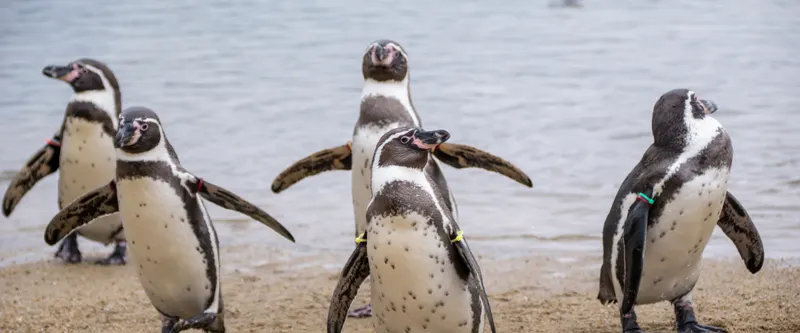 Aquarium
Kyushu ・ Nagasaki
An aquarium specializing in penguins, keeping 9 of the world's 18 penguin species. It's said to keep the most penguin species in the world and has one of Japan's largest penguin pools. Admission is an affordable ¥800 for adults, and it can be reached by bus from central Nagasaki.
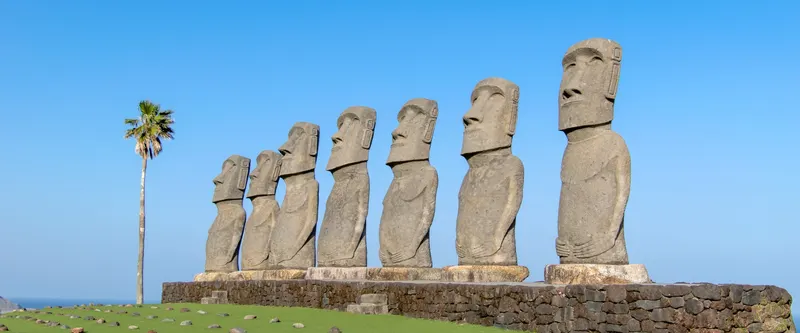 Botanical garden
Kyushu ・ Miyazaki & Nichinan
A park on a hill overlooking the Nichinan coastline, known for its seven Moai statues, reproduced with permission from the Council of Elders of Easter Island. The highlights are the Moai standing with their backs to the sea and the views across the spacious grounds. It's about 40 minutes by car from Miyazaki Airport and can also be reached by local bus from Miyazaki Station.
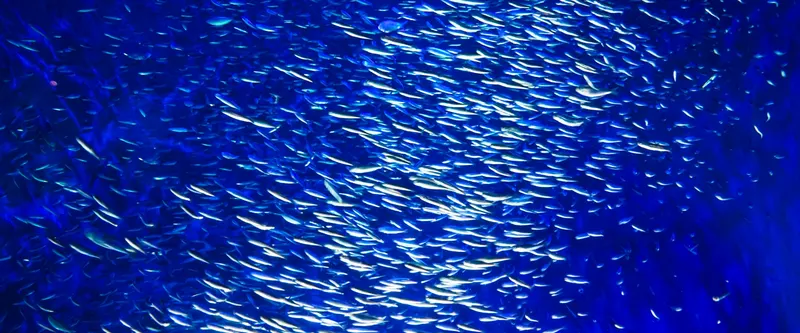 Aquarium
Kyushu ・ Takasakiyama, Oita
An aquarium near Mt. Takasaki in Oita City, themed on becoming friends with animals. Performances by dolphins, walruses, and others are held many times a day, and you can get close to the animals. It can be reached by bus from Beppu Station and Oita Station, making it easy to combine with sightseeing in Beppu.
On Honshu, cherry blossoms bloom from late March to early April, and May is sunny and pleasant. Temperatures swing a lot during the day, so wear layers that are easy to take off and put on.
The rainy season usually runs from around May 10 to around June 21 in Okinawa, and from early June to mid-July in Kanto and Kinki. Rainy days increase and it gets hot and humid. Hokkaido has almost no rainy season.
On Honshu, hot and humid days with highs over 30°C continue, and Kyoto and Tokyo can reach 35°C or more. Heatstroke prevention is a must. Hokkaido stays relatively cool.
Typhoons are most likely to approach from July to October, especially in August and September. The farther south you go, as in Okinawa, the more likely you are to be affected, and flights and ferries may be canceled.
September brings lingering summer heat and typhoons. From October, sunny and comfortable days increase, and autumn colors spread from north to south.
Hokkaido and the Sea of Japan side get lots of snow, and Sapporo's January highs hover around 0°C. Tokyo and Osaka are sunny and dry, with highs around 10°C. Okinawa stays warm at around 20°C.
For comfortable weather, go for the cherry blossoms from the end of March to early April, in May, or for the autumn leaves from late October to November. The best time and place depend on what you want to do: Hokkaido in summer, Okinawa from June to September for the beach, and Hokkaido from December to March for snow.
On average, it runs from around May 10 to around June 21 in Okinawa, from around June 7 to around July 19 in Kanto-Koshin, and from around June 6 to around July 19 in Kinki. Hokkaido has almost no rainy season.
The average January high is -0.4°C in Sapporo and 19.8°C in Naha — a gap of more than 20°C. In August, it's 26.4°C in Sapporo and 31.8°C in Naha. If you're visiting both on the same trip, pack separate clothes for each.
Typhoons are most likely to approach from July to October, especially in August and September. Check the forecast during your trip and leave some slack in your schedule in case flights or ferries are canceled.
In Hokkaido, snow covers the ground from December to March, and the Sapporo Snow Festival is held in early February. On Honshu, snow piles up in winter in the mountains and on the Sea of Japan side of Chubu & Hokuriku, such as Shirakawa-go, Hakuba and Takayama. Snow rarely settles in the cities of Tokyo and Osaka.
Source: Japan Meteorological Agency (climate normals 1991-2020). Compiled by tripuuu.log. Temperatures are from a representative station in each area; actual weather varies from year to year.