Japanese Culture

Wagashi (Nerikiri) Making Guide

📍 6 placesChubu & HokurikuKansaiChugoku & Shikoku
Search by dates and destination
About

About this experience

Learn from wagashi artisans and instructors as you shape jo-namagashi (fine fresh confections) such as nerikiri (sweet bean paste confections) with your own hands. You can easily join in Kyoto and Kanazawa, where tea culture runs deep, and in Matsue and Izumo, known as wagashi towns.

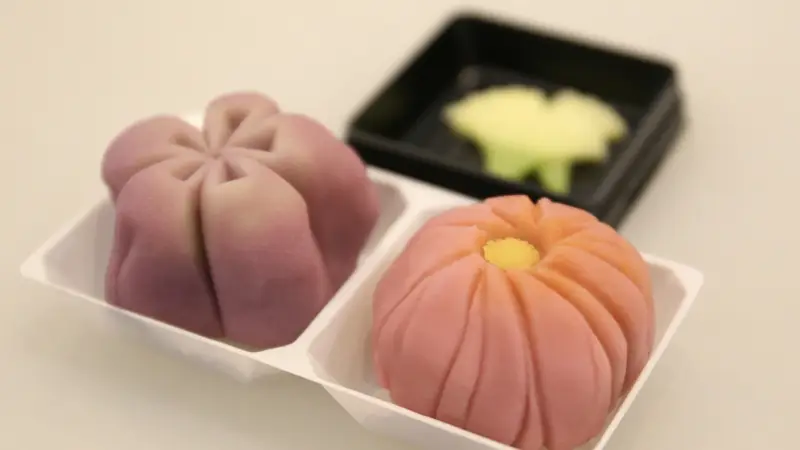
Wagashi are traditional Japanese confections that capture seasonal flowers and scenery in miniature, long enjoyed with matcha at tea gatherings. Nerikiri, made by coloring and shaping white bean paste, is the classic jo-namagashi, and in a session you work with artisans' tools and techniques to express seasonal motifs.

How it works

How it works

  1. 1Wash your hands and hear from the instructor about the origins of wagashi and their seasonal designs
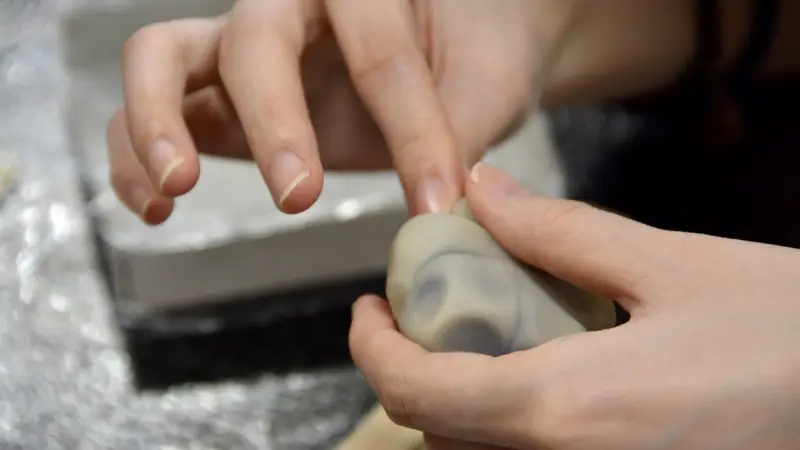
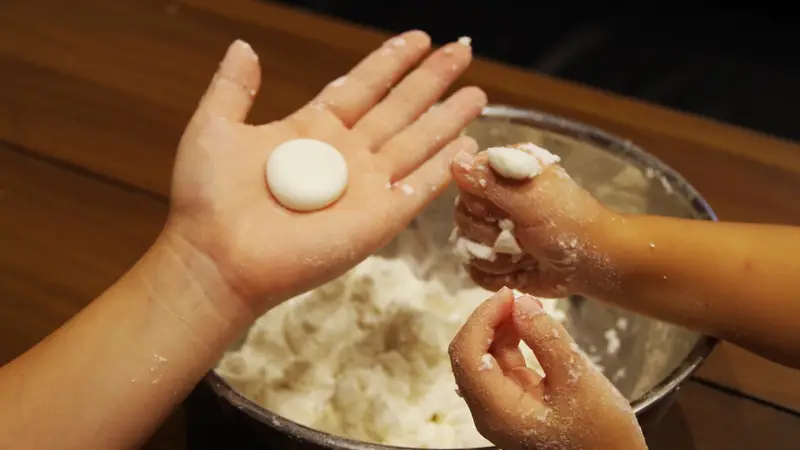
  2. 2Roll the colored bean paste into a ball in your palm and wrap it around a bean paste filling
  3. 3Shape flowers and leaves using tools such as spatulas, cloths and wooden molds
  4. 4Enjoy your finished wagashi with matcha, or pack them in a box to take home
Where to try

Where to try it

Places introduced on official tourism sites of local governments and tourism associations. Check each official site for prices, hours and booking.

  1. 1

    Ishikawa Prefectural Tourism and Products Center (Wagashi Making Experience)

    📍 Kanazawa, Ishikawa

    At this tourism and products center next to Kenroku-en, a craftsman from a long-established Kanazawa wagashi shop teaches you to make seasonal jo-namagashi. You can enjoy your creations with tea in the center or take them home.

    💡 Its location makes it easy to combine with a stroll around Kenroku-en and Kanazawa Castle Park.

  2. 2

    Koshiyama Kanseido Main Store

    📍 Kanazawa, Ishikawa

    A long-established Kanazawa wagashi shop where you can hand-make beautiful jo-namagashi with guidance from a craftsman.

    💡 It is within walking distance of Omicho Market, so you can drop by before or after exploring the market.

  3. 3

    Karakoro Kobo

    📍 Matsue, Shimane

    Make nerikiri and kinton jo-namagashi under the guidance of a craftsman from Saiundo, a long-established Matsue wagashi shop.

    💡 Pair it with a stroll around the Matsue Castle town, where tea culture is deeply rooted.

  4. 4

    Sakaneya

    📍 Izumo, Shimane

    A wagashi shop near Izumo Taisha offering a plan where you make wagashi with the owner's guidance and then take a break in the adjoining cafe.

    💡 It is easy to visit together with a trip to Izumo Taisha.

  5. 5

    Shichijo Kanshundo Kyoto Tower Sando Kyogashi Making Class

    📍 Shimogyo Ward, Kyoto

    In front of Kyoto Station, you can try making kyogashi (Kyoto-style jo-namagashi), and enjoy one of your creations with matcha you whisk yourself.

    💡 Artisans are always on site, so same-day bookings are accepted, though your preferred time may not be available when it is busy.

  6. 6

    Japanese Culture Experience An Kyoto

    📍 Shimogyo Ward, Kyoto

    A Japanese culture experience facility at Karasuma Gojo where you can make wagashi such as nerikiri and higashi (dry sweets) made from wasanbon sugar.

    💡 They also offer other Japanese cultural experiences such as tea ceremony, so consider booking a combination.

Bookable experience plansPR
Etiquette

Etiquette & notes

  • ✓You will be handling food, so wash your hands and take off rings and watches before you start
  • ✓Bean paste softens quickly from the warmth of your hands, so shape it quickly without overhandling it
  • ✓Watch the instructor's demonstration closely and handle the tools with care
  • ✓When matcha is served, it is customary to eat the wagashi first and then drink the tea
  • ✓Fresh confections should be eaten soon if you take them home; keep them level while carrying them
Tips

Tips

  • •Designs change with the seasons, so you can enjoy wagashi inspired by the flowers and seasonal scenes of your time of travel
  • •Choose a plan that includes matcha to also learn how wagashi are enjoyed at a tea gathering
  • •Many classes offer English support, making it easy to join with family and friends from overseas
Plan your trip

Plan your trip

Culture

More culture experiences

👘 7 places

Kimono and Yukata Experience

Tokyo & Around ・ Chubu & Hokuriku ・ Kansai

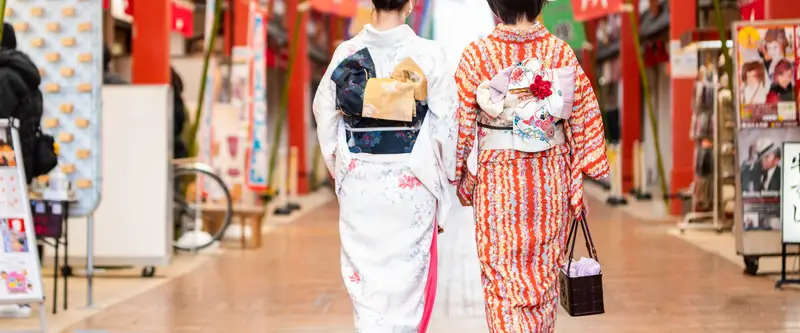
At a kimono rental shop you pick a pattern you love, get dressed by the staff, and head straight out to stroll historic streets. Specialist shops cluster in towns with old streetscapes, temples and shrines, such as Asakusa in Tokyo, Higashiyama in Kyoto, the Higashi Chaya District in Kanazawa and Kamakura. Many shops also offer yukata in summer, so you can enjoy a different look each season.
🍵 7 places

Tea Ceremony Experience

Tokyo & Around ・ Chubu & Hokuriku ・ Kansai

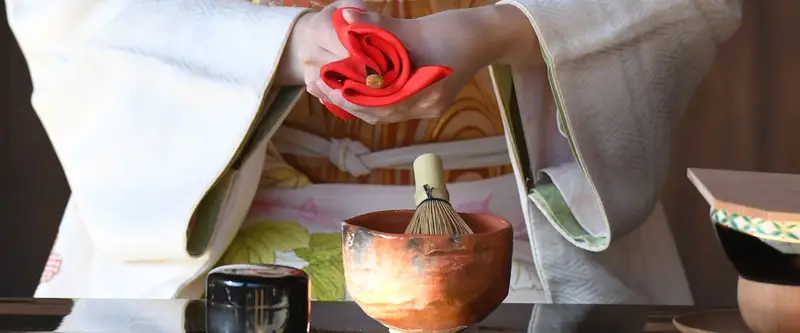
In a tea room you watch the host's otemae (tea preparation), enjoy wagashi (Japanese sweets) and matcha, and then try whisking matcha yourself. Beginners and overseas travelers can easily join in Uji, home of Uji tea, in Kyoto city, in Kanazawa with its deep-rooted tea culture, and in Ginza, Tokyo.

🍣 5 places

Sushi and Japanese Cooking Experience

Tokyo & Around ・ Chubu & Hokuriku ・ Kansai

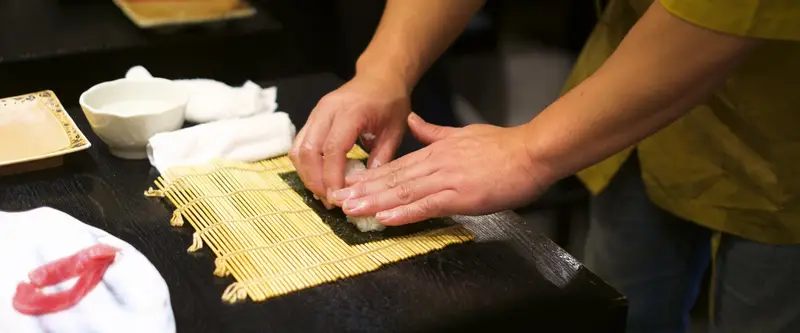
Under the guidance of chefs and instructors, you make nigiri and rolled sushi or hand-made soba noodles yourself and enjoy them on the spot. Classes are easy to join everywhere, from city-center studios in Tokyo, Osaka and Kyoto to soba country such as Togakushi in Nagano and Nikko in Tochigi.

🖌️ 6 places

Calligraphy Experience

Tokyo & Around ・ Kansai ・ Chugoku & Shikoku

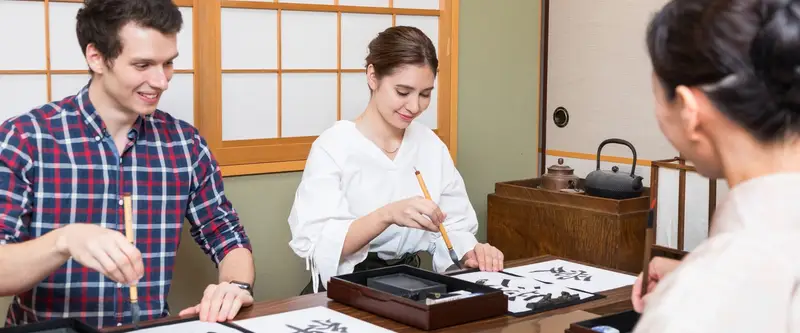
Using a brush and ink, you practice your favorite kanji or your own name on hanshi practice paper, then write a final copy on shikishi (a decorative square board). Studios in Ginza and Yushima in Tokyo and in a Kyoto machiya townhouse welcome beginners and overseas travelers, while in Nara and Kumano, Hiroshima, you can also get hands-on with making the ink and brushes that calligraphy depends on.

💐 5 places

Ikebana (Flower Arranging) Experience

Tokyo & Around ・ Kansai

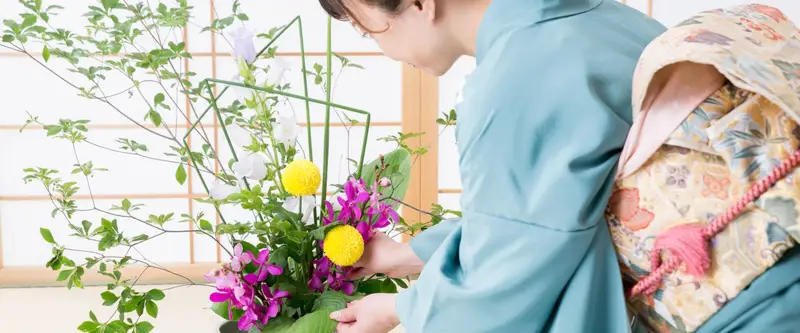
Arrange seasonal flowers and branches in a vase and discover a uniquely Japanese sense of beauty through ikebana. You can try it at places that welcome beginners and overseas travelers, including Ikenobo at Rokkakudo in Kyoto, considered the birthplace of ikebana, the Sogetsu Kaikan in Tokyo and small studios in Osaka.

🏺 6 places

Traditional Crafts Experience

Tokyo & Around ・ Chubu & Hokuriku ・ Chugoku & Shikoku ・ Kyushu

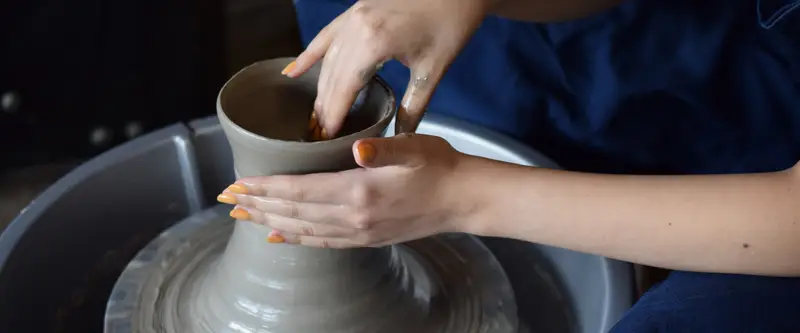
In the regions where artisans have handed down their skills, you can try pottery, indigo dyeing, gold leaf application, Edo Kiriko cut glass and papermaking with your own hands. From Mashiko and Arita ceramics to Edo Kiriko in Tokyo, Kanazawa gold leaf, Mino washi and Tokushima indigo, workshops and public facilities around Japan welcome first-timers.

🥁 5 places

Taiko Drumming Experience

Tokyo & Around ・ Chubu & Hokuriku ・ Kansai

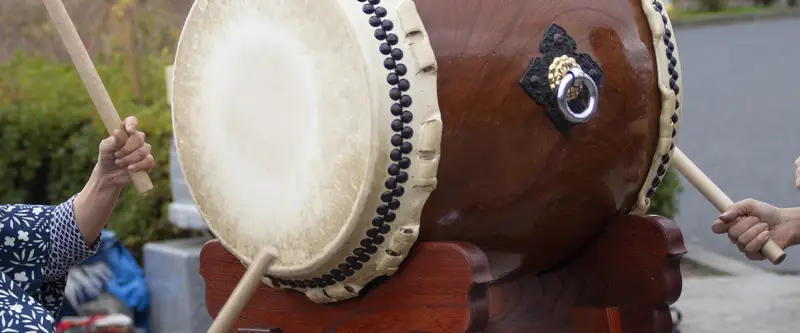
Use your whole body to beat taiko drums large and small, and feel the sound and rhythm resonate deep in your chest. Besides dedicated studios in Tokyo, Kyoto and Osaka, you can try it on Sado Island, home base of the taiko performing group Kodo, and in Hamamatsu, home to a long-established taiko maker.

🧘 6 places

Zazen and Shakyo Experience

Tokyo & Around ・ Chubu & Hokuriku ・ Kansai

Zazen (seated meditation) in a Zen temple and shakyo, copying a sutra one character at a time, are temple experiences that let you calm your mind in the middle of your travels. Temples that welcome first-timers include Eiheiji, head temple of the Soto school; Engakuji and Kenchoji, among the Five Great Zen Temples of Kamakura; Tofukuji and Ryosokuin in Kyoto; and Yakushiji in Nara.

🛕 6 places

Shukubo (Temple Lodging) Experience

Tohoku ・ Chubu & Hokuriku ・ Kansai

A shukubo is lodging for pilgrims visiting a temple or shrine, where you can savor shojin ryori (Buddhist vegetarian cuisine), join the morning service and experience a day in a place of prayer. You can stay in long-standing centers of faith such as Koyasan in Wakayama, Mt. Hiei in Shiga, Zenkoji and Togakushi in Nagano, and Mt. Haguro of the Dewa Sanzan in Yamagata.

Place information is based on official tourism sites of local governments and tourism associations and on each place’s official site. Experiences and availability may change.

Sources

Checked: 2026-10-16