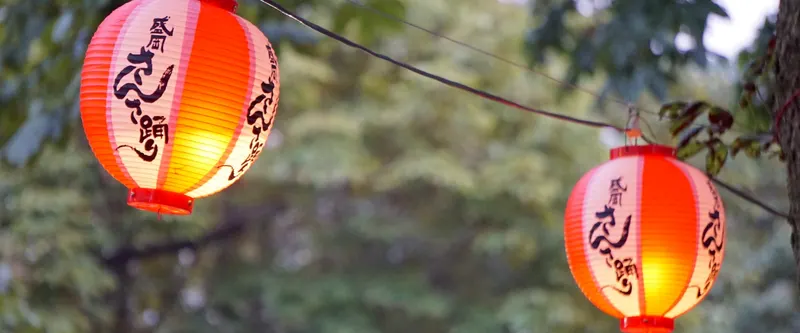
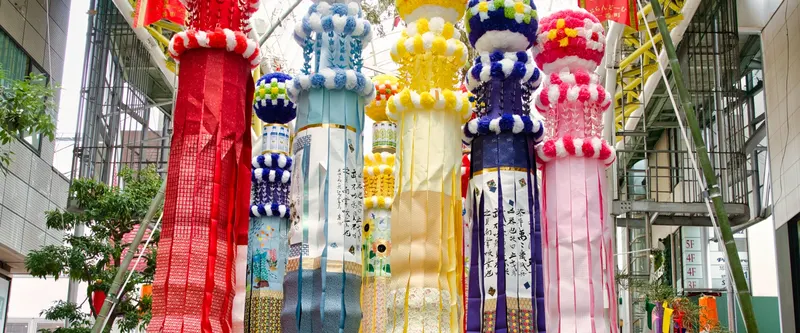
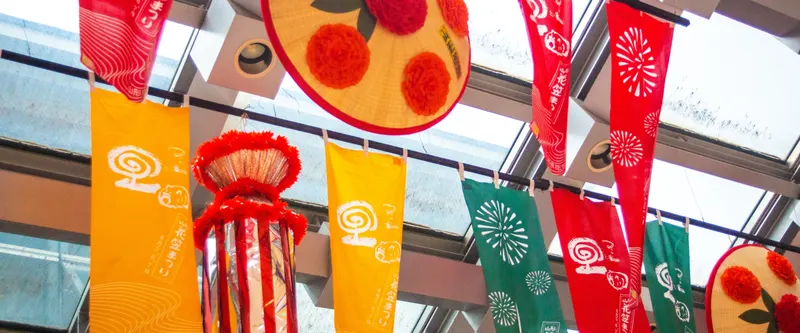
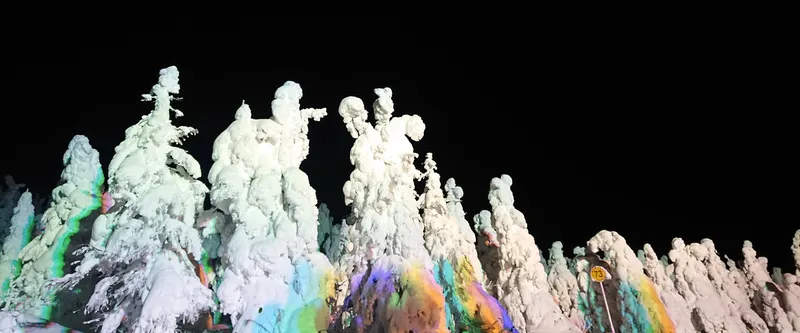
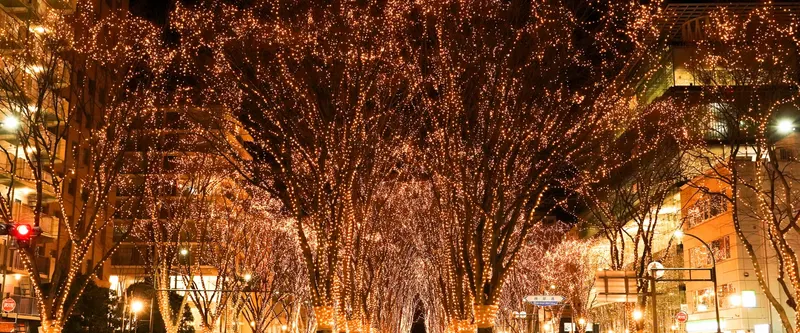
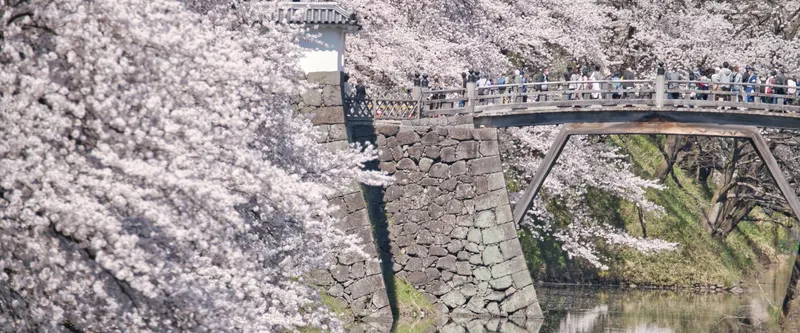
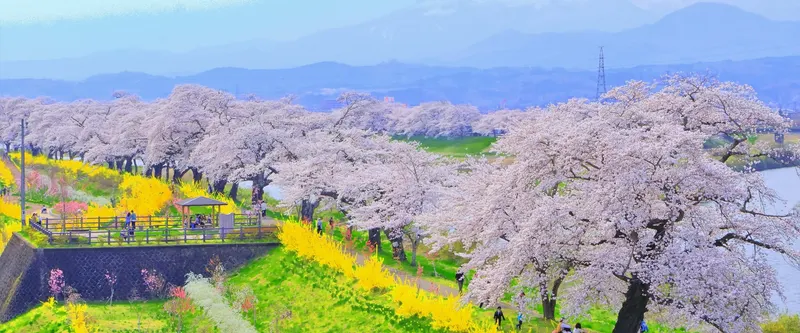
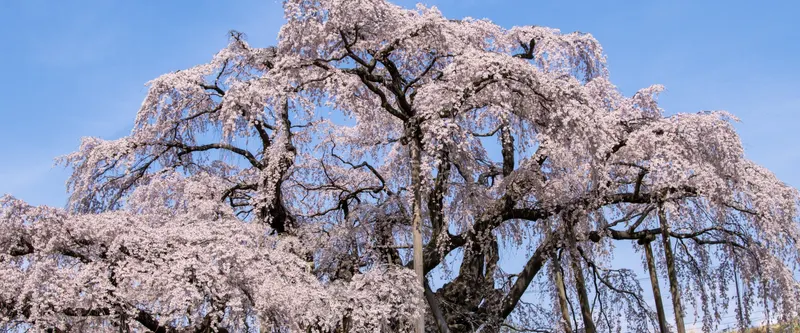
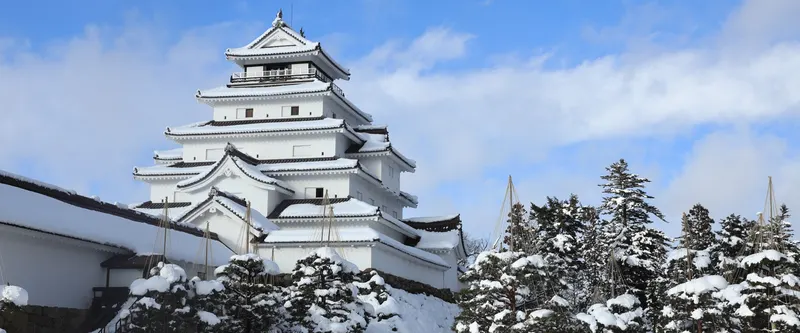
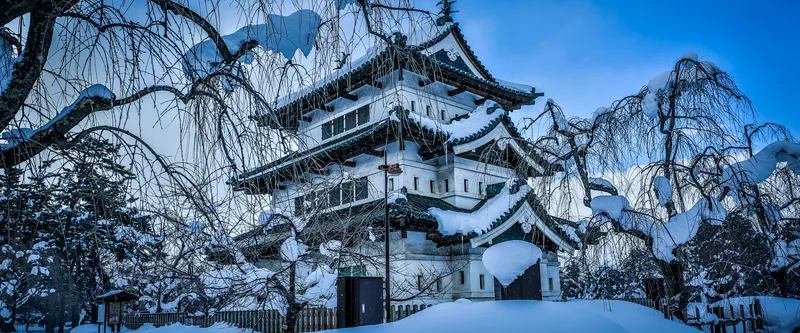
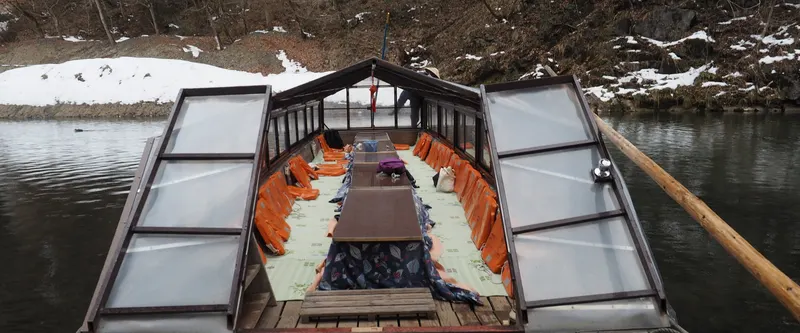
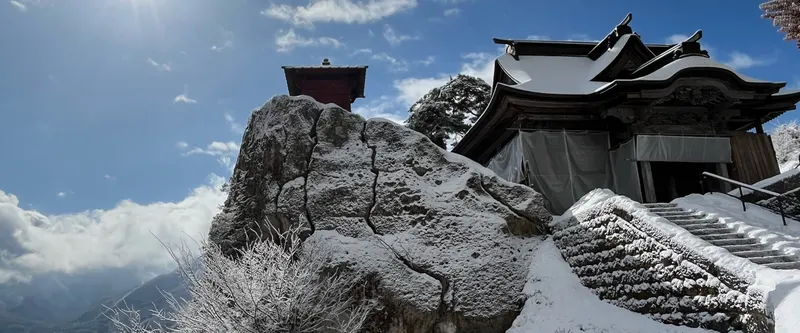
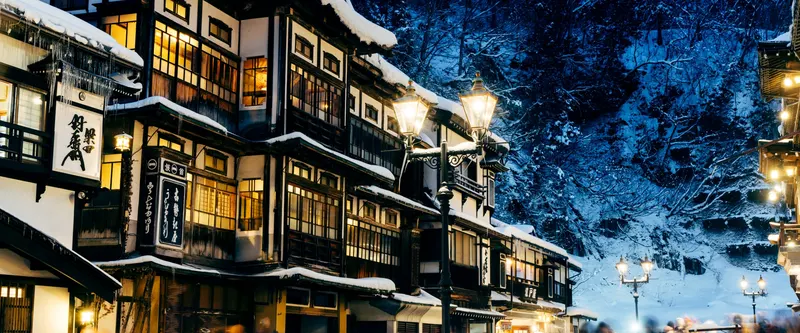
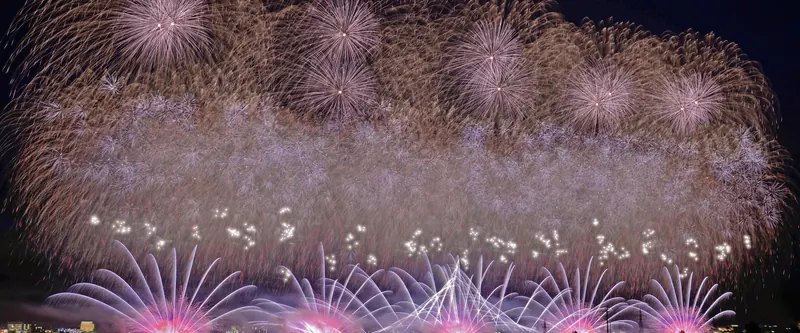
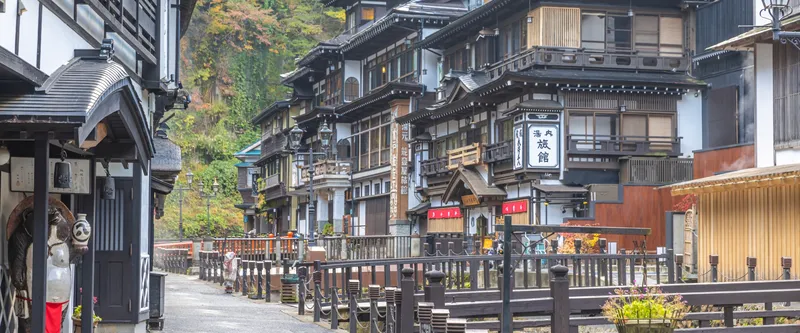
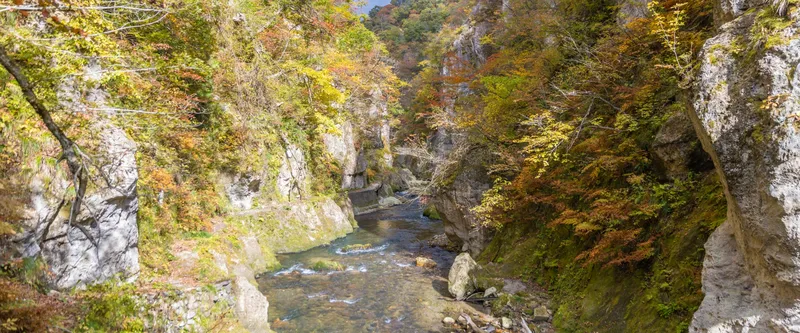
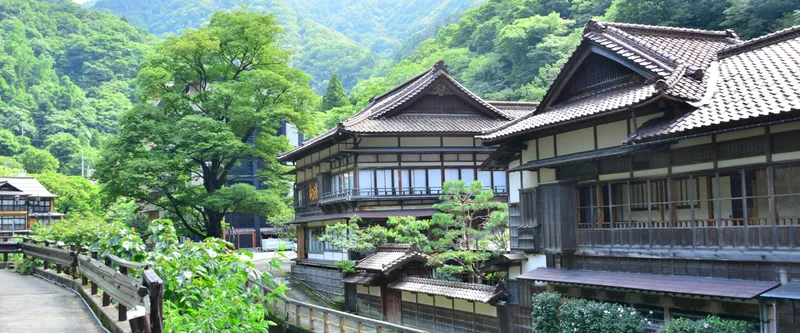
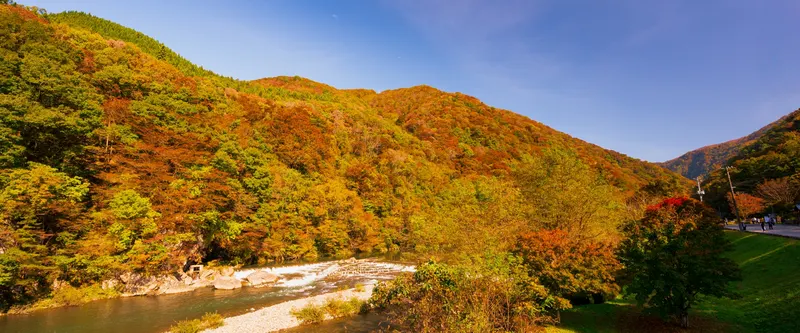
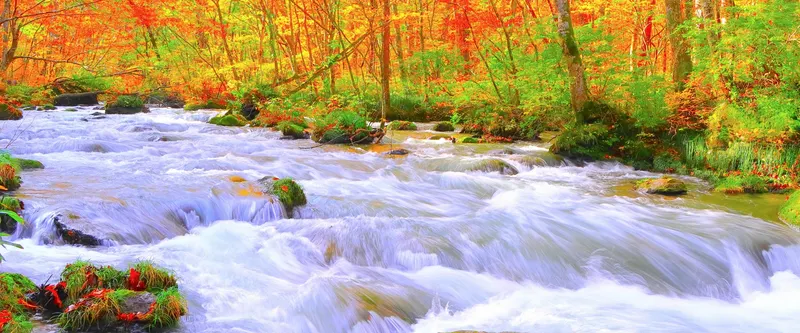
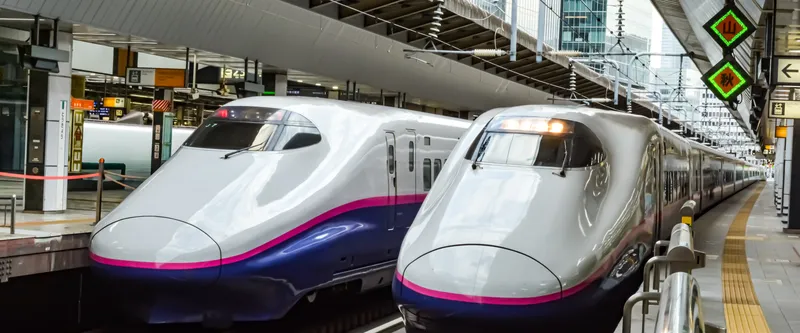
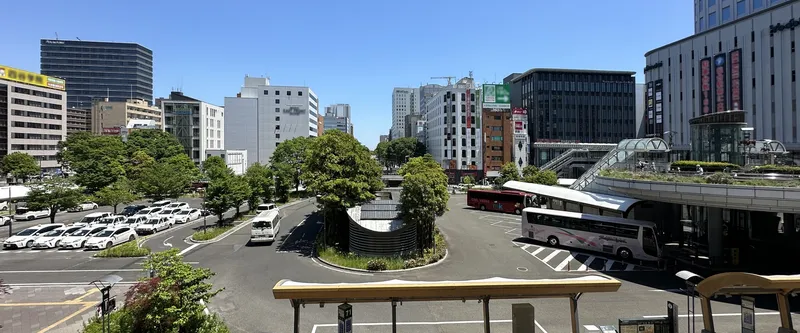
Summers in Tohoku are more bearable than in the Kanto region, with Sendai's August high around 28°C. Winters, on the other hand, bring deep snow to the Sea of Japan side and the inland areas: Aomori, Kakunodate and Obanazawa (home of Ginzan Onsen) get around 1 m of snow on the ground, or even more. Sendai, on the Pacific side, has lots of sunny days and relatively little snow. The highlights change with the seasons: summer festivals in early August, cherry blossoms moving north in late April, autumn leaves, and in winter, snow monsters (frost-covered trees) and hot springs with snow views. This guide covers 10 areas popular with travelers, with monthly temperatures based on Japan Meteorological Agency climate normals, plus what to wear and what to see.
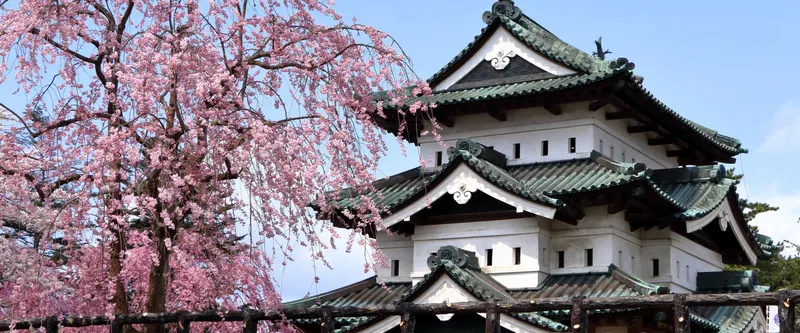
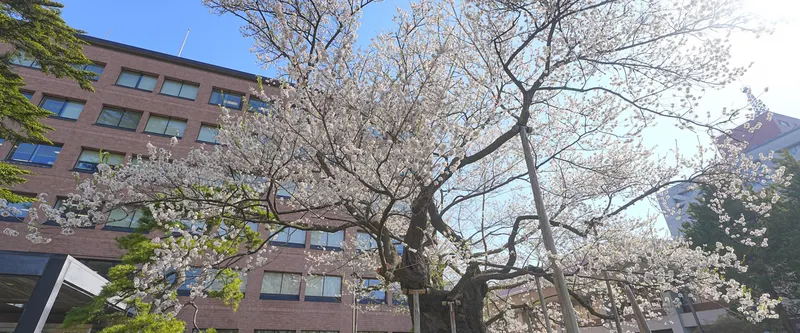
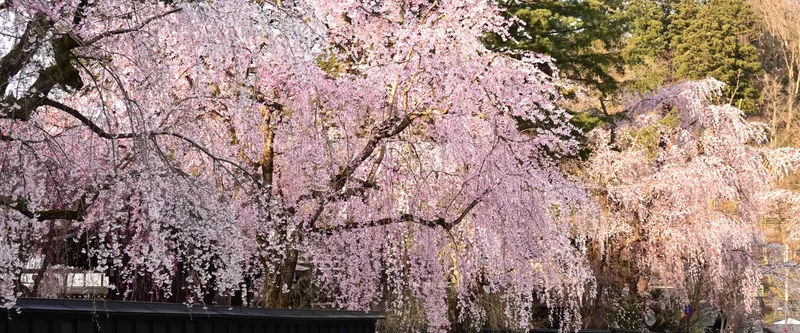
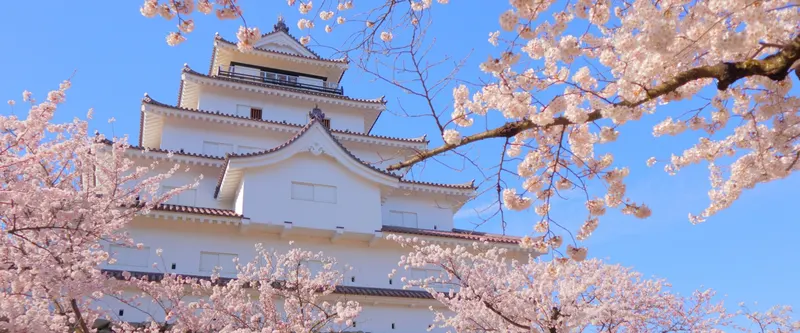
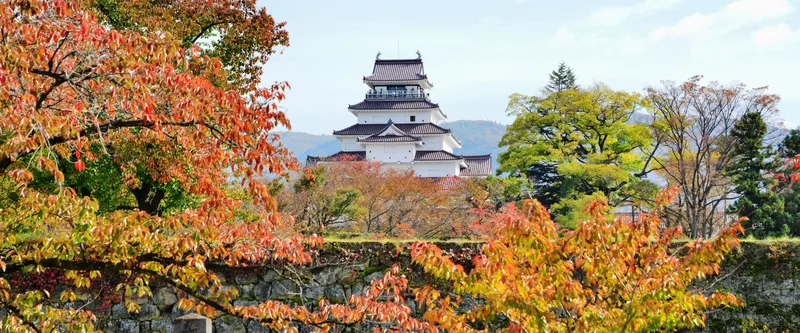
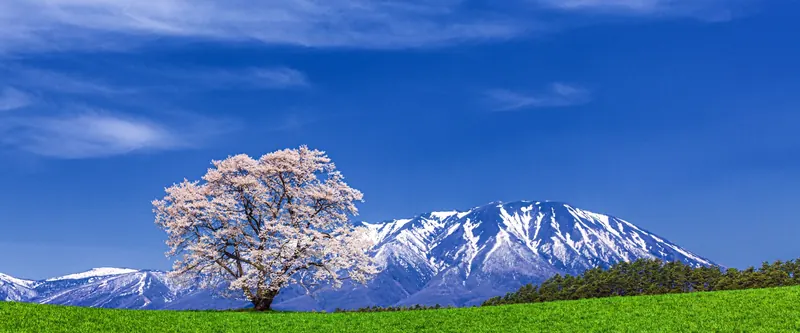
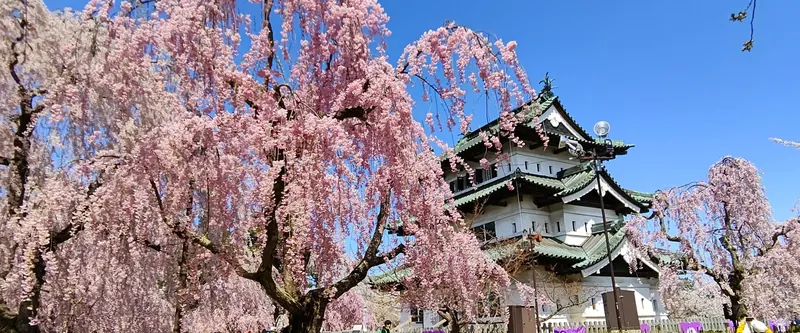
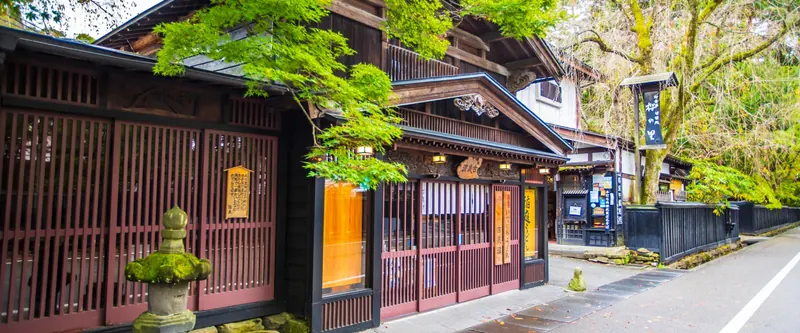
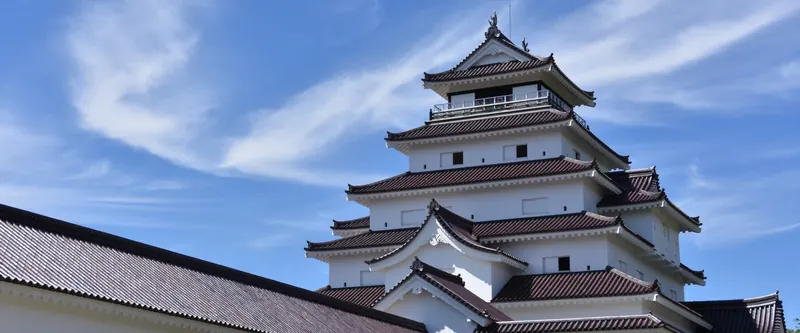
Cherry blossoms move from south to north, usually opening around April 8 in Sendai, April 18 in Morioka and April 22 in Aomori. At Tsuruga Castle they are best from mid to late April; the weeping cherry trees of Kakunodate's samurai district have reached full bloom in mid to late April in recent years; and Hirosaki Park's blossoms start to open around late April.
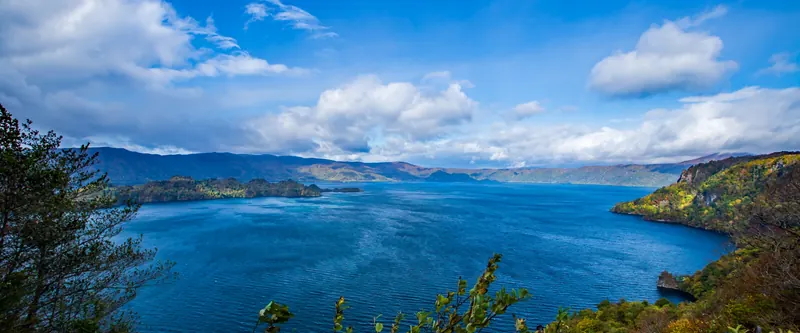
The best season for fresh greenery at Oirase Stream is mid-May to mid-June. The shores of Lake Towada stay cool, with highs around 25°C even in August, making them a great summer escape from the heat.
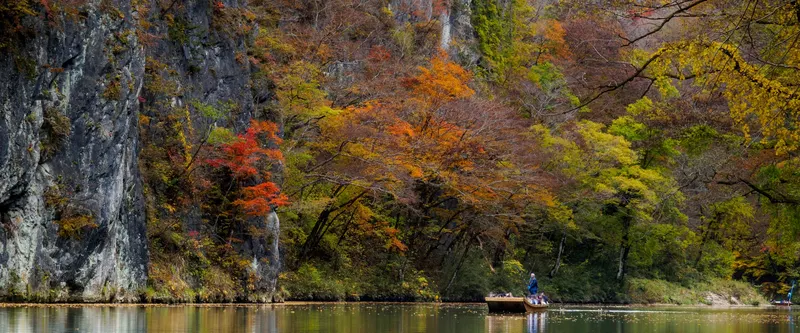
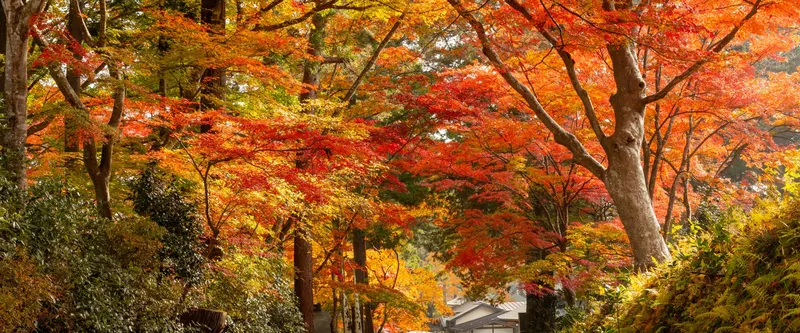
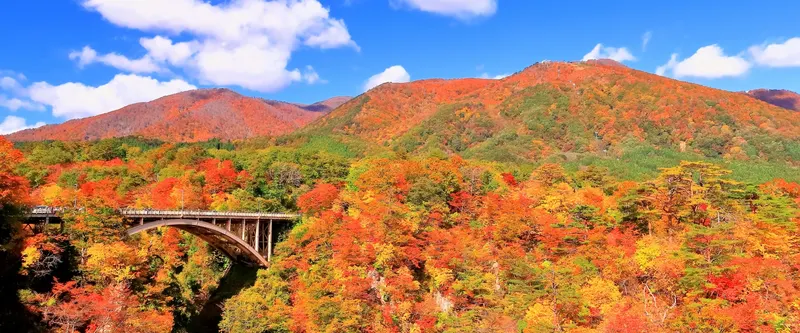
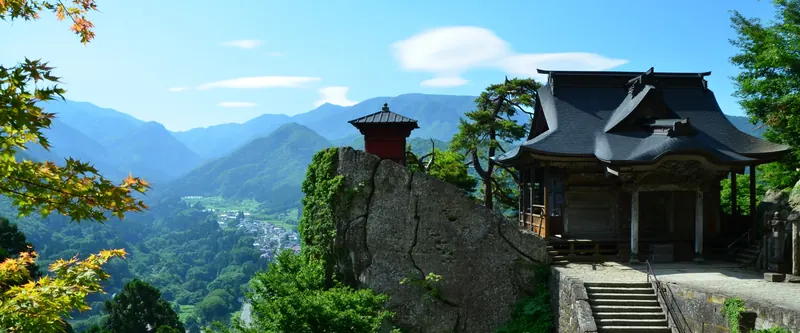
The colors peak in Hakkoda from late September to mid-October, and at Oirase Stream from mid to late October. In Hiraizumi, the Autumn Fujiwara Festival on November 1–3 is held amid the autumn leaves.
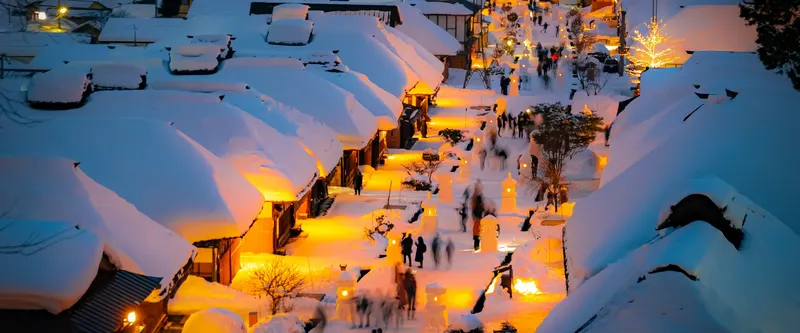
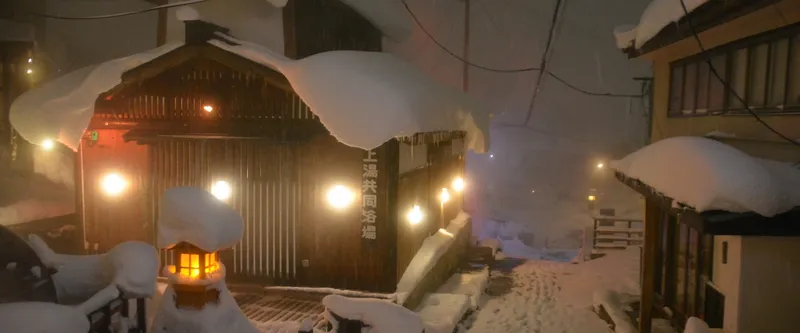
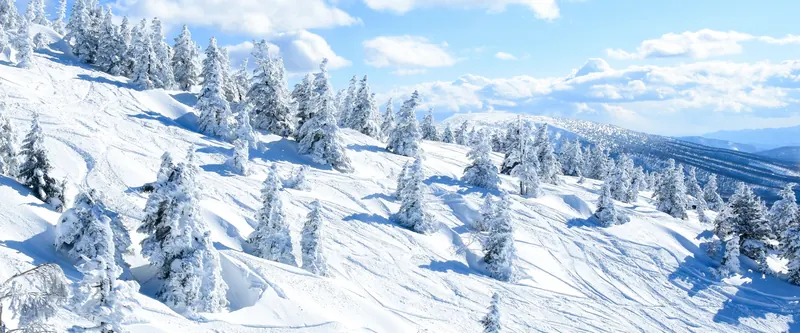
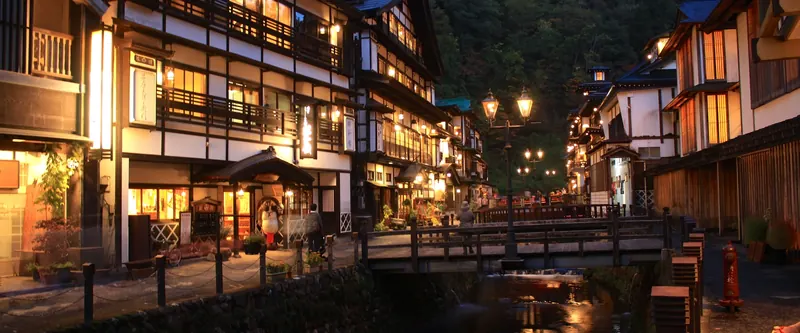
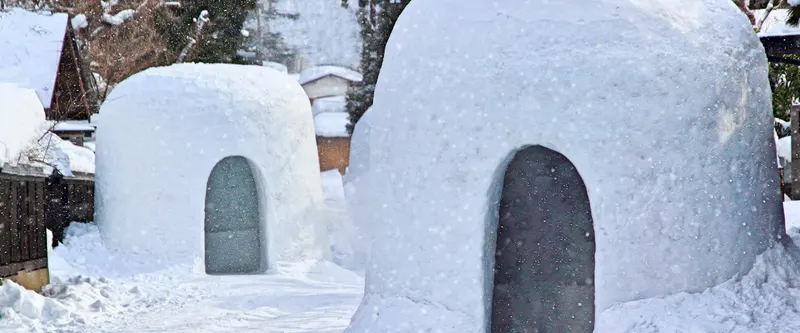
Zao's snow monsters (frost-covered trees) are usually at their best from late January to the end of February. Ginzan Onsen, with its gas lamps glowing on snowy nights, and the Ouchi-juku Snow Festival held every February are also scenes only winter can offer.
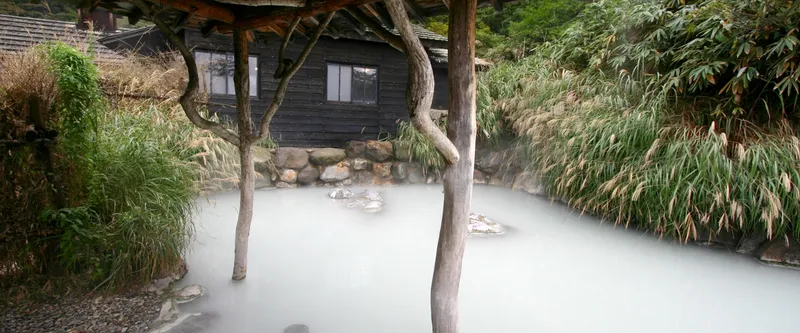
Tohoku is full of hot springs, including Sukayu Onsen, Nyuto Onsen, Zao Onsen, Ginzan Onsen and Higashiyama Onsen. Winter, when you can soak in an outdoor bath while gazing at the snow, is the best season.
From 2026, held every year on the second Friday and Saturday of February (the Friday and Saturday just before the Bonden events; changed to the second Friday and Saturday on a trial basis through 2029)
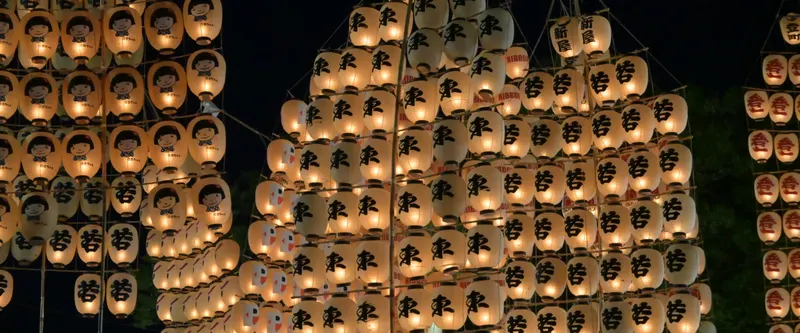
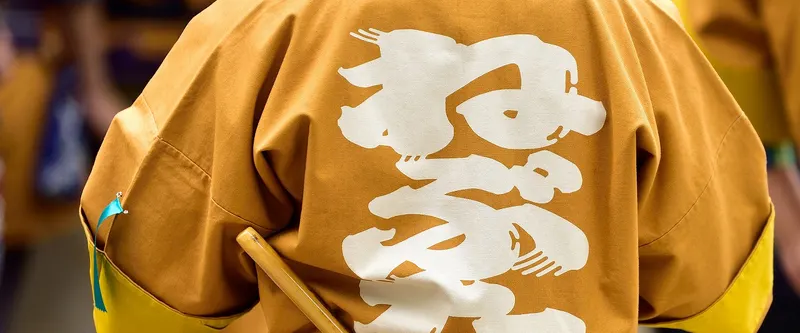
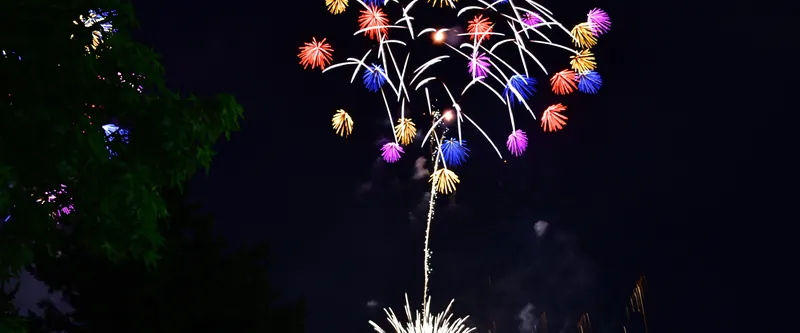
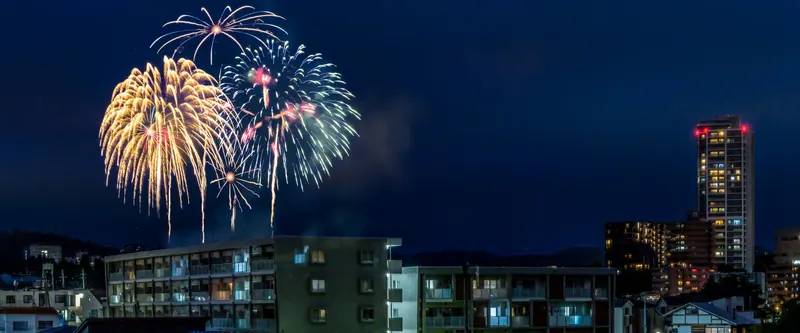
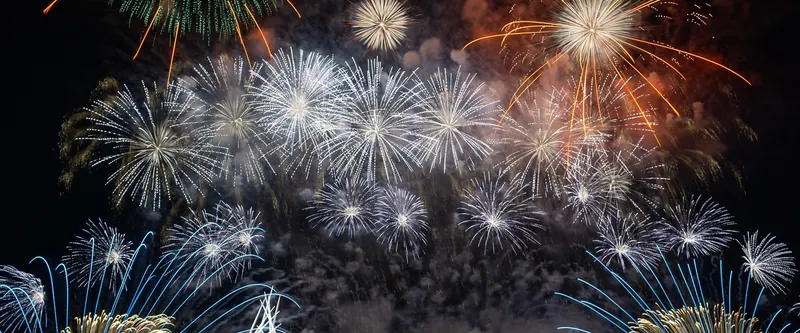
Every year August 2–7 (eve festival on August 1; night parades August 2–6; daytime parade, evening sea parade and Aomori Fireworks Festival on the 7th)
The light-up is usually held on selected days from late December to late February (36 days between December 27 and February 22 in the 2025–2026 season). The best season for the snow monsters is late January to late February
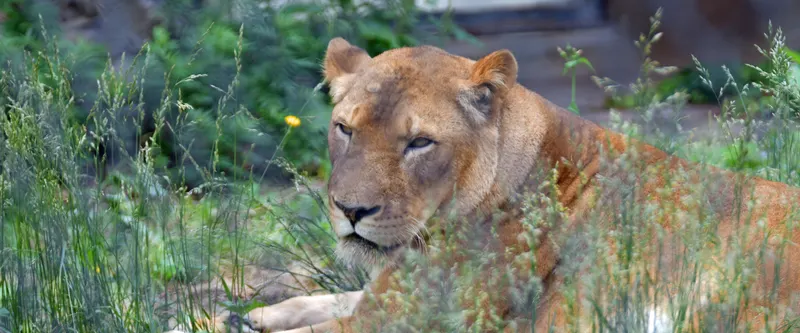
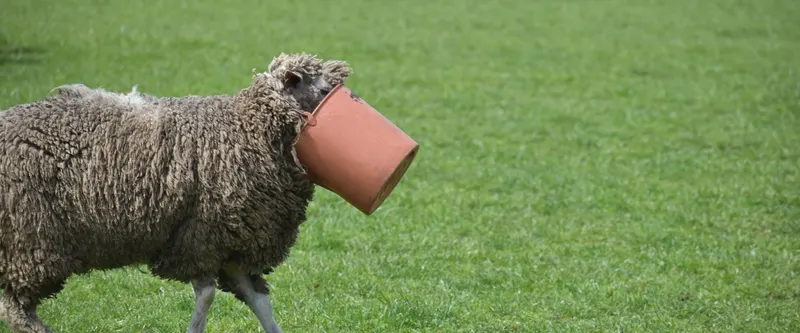
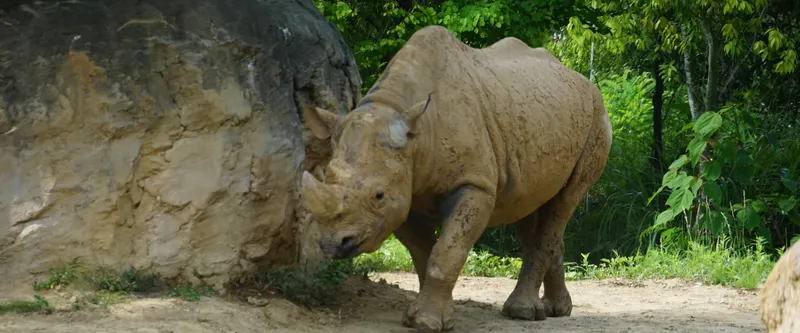
A zoo in Omoriyama Park run by Akita City. As of August 2026, it keeps 524 animals of 88 species. Admission is free for high school students and younger, and with the Anipa amusement park and large play equipment on site, families can spend a whole day here.
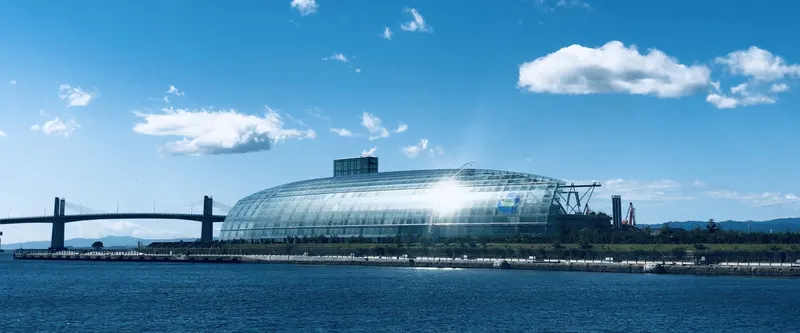
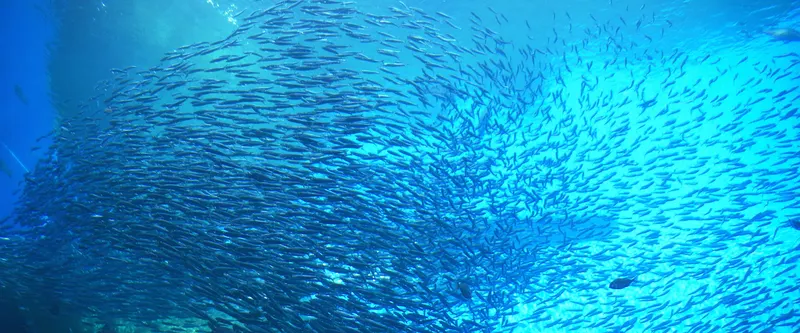
An environmental aquarium at Onahama Port in Iwaki. It showcases a wide range of waterside nature and wildlife, from the rivers and sea of Fukushima to the Shiome no Umi, where the Kuroshio and Oyashio currents meet, as well as northern seas and coral reefs. It's open year-round, and a visit typically takes 1.5 to 3 hours.
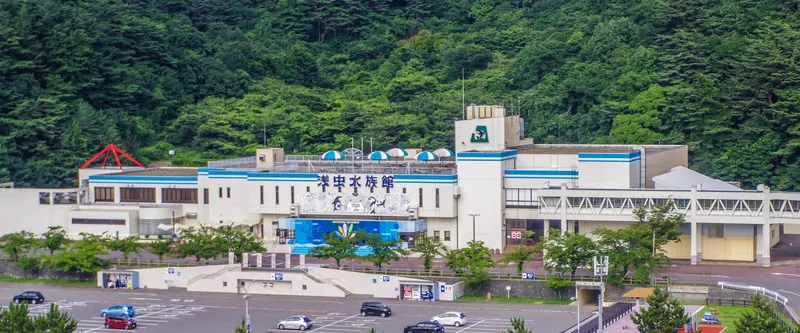
An Aomori Prefecture-run aquarium in Asamushi Onsen, facing Mutsu Bay. Admission is free for high school students and younger, and just ¥1,200 for general visitors. It's about a 10-minute walk from Asamushi-Onsen Station on the Aoimori Railway and about 20 minutes by train from Aomori Station, making it easy to combine with sightseeing in Aomori City.
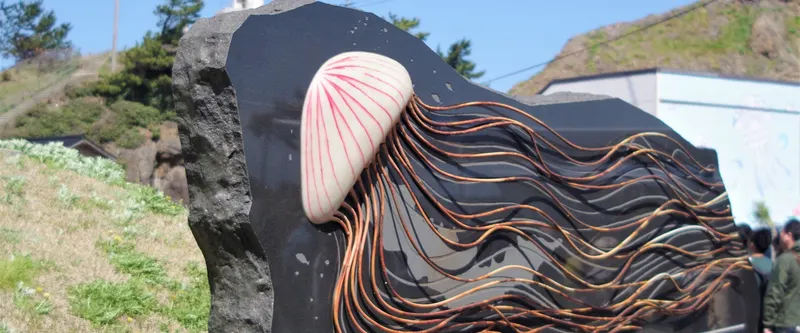
An aquarium in Tsuruoka facing the Sea of Japan, known for its jellyfish exhibits. After a five-month closure, it reopened after renovation on April 1, 2026 under the nickname Tohoku Epson Aquarium Kamosui. It displays about 100 species of jellyfish.
The visitor area of Koiwai Farm in Shizukuishi, Iwate Prefecture. You can tour cattle barns designated as Important Cultural Properties, ride horses, and join programs that take you around the farm. It's about 35 minutes by bus from Morioka Station, or about 15 minutes by car from Morioka IC.
An aquarium on the Sea of Japan coast of the Oga Peninsula. It has a large tank recreating the Oga sea, exhibits of polar bears, seals, penguins, and more, and a museum devoted to hatahata (sandfish), an Akita specialty. From Akita Station, take the JR Oga Line to Oga Station (about 1 hour), then a bus or shared taxi.
An aquarium near Sendai Port. Across two floors, it shows sea life from Tohoku, Japan, and the world's oceans, starting with the large Sanriku-themed tank Inochi Kirameku Umi. It's about 18 minutes from Sendai Station to Nakanosakae Station on the JR Senseki Line, so it's easy to fit in between sightseeing in the city.
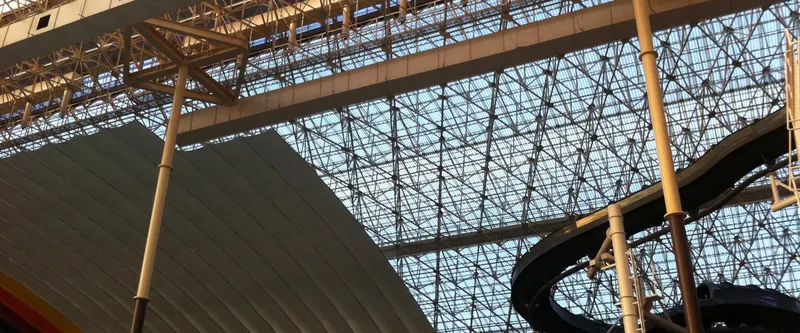
A hot spring and pool leisure complex in Iwaki, Fukushima Prefecture. A single admission ticket gives access to the Water Park's pools and water slides, the Spring Park hot spring area, the open-air bath Edo Jowa Yoichi, and more. Polynesian shows run from midday into the night, so you can enjoy it on a day trip or an overnight stay.
A zoo run by Sendai City on Yagiyama hill. It's close to Yagiyama Zoological Park Station on the Tozai Subway Line, about 12 minutes from Sendai Station. General admission is an affordable ¥480, making it a good half-day trip from central Sendai.
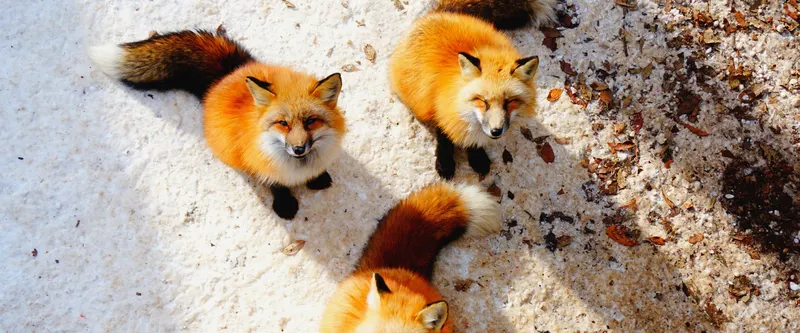
A facility in Shiroishi, Miyagi Prefecture, where you can see foxes. The foxes roam freely inside, and you walk among them. Admission is free for elementary school students and younger.
For the most comfortable weather, we recommend May to June and late September to October. For cherry blossoms, go in April; for summer festivals, early August; for autumn leaves, October; and for snow monsters and snowscapes, late January to February. In winter, snow is deep on the Sea of Japan side and inland, so plan your travel with plenty of time to spare.
Q. How much snow does Tohoku get in winter?+
Average maximum snow depth in February is 97 cm in Aomori, 100 cm in Kakunodate and 149 cm in Obanazawa (home of Ginzan Onsen), so the Sea of Japan side and inland areas get deep snow. At Sukayu in Hakkoda, it reaches 373 cm in February. Sendai, on the Pacific side, gets around 10 cm, relatively little snow.
Q. Is summer cool in Tohoku?+
The average August high is 28.2°C in Sendai and 27.8°C in Aomori, making summer more bearable than in Kanto. However, Yamagata and Aizu-Wakamatsu, both in basins, get hot, at 30.5°C and 30.8°C. The shores of Lake Towada are cool at 25.1°C, a good place to escape the heat.
Q. When is the rainy season in Tohoku?+
In southern Tohoku, the rainy season usually starts around June 12 and ends around July 24. In northern Tohoku, it starts around June 15 and ends around July 28. By the time of the summer festivals in early August, the rainy season is usually over.
Q. What should I wear in Tohoku in winter?+
The average January low is -1.3°C in Sendai, -5.2°C in Morioka and -3.5°C in Aomori. You'll need a down coat, gloves and a hat, plus non-slip shoes for walking on snowy roads. At Sukayu in Hakkoda, even the January high is -5.1°C, so if you're heading into the mountains, dress as warmly as you would for skiing.
Source: Japan Meteorological Agency (climate normals 1991-2020). Compiled by tripuuu.log. Temperatures are from a representative station in each area; actual weather varies from year to year.

 February