
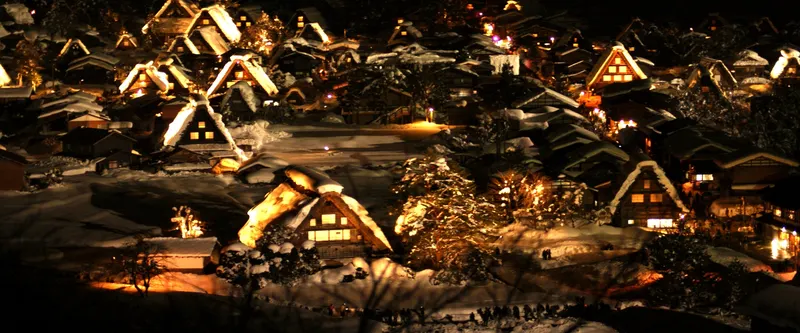
 January–February
Shirakawa-go Winter Light-up
Chubu & Hokuriku ・ Shirakawa-go
Usually a few days in January–February (fully reservation-only)
2027 (41st): 4 days, Jan 11 (Mon, holiday), Jan 17 (Sun), Jan 24 (Sun) & Jan 31 (Sun)
Chubu & Hokuriku is a region where the weather varies enormously from place to place. Nagoya on the Pacific side has hot, humid summers with highs around 33°C, but its winters bring lots of sunny days and snow hardly ever settles. By contrast, Kanazawa and Toyama on the Sea of Japan side, Shirakawa-go and Takayama in the mountains, and Hakuba and Nagano in Shinshu get heavy snow in winter, with Shirakawa-go's average maximum snow depth in February reaching 173 cm. Kamikochi in the Northern Alps (about 1,500 m above sea level) and Murodo on Tateyama (2,450 m) are a mountain world much cooler than the lowlands. This guide covers 10 areas popular with travelers, with monthly temperatures based on Japan Meteorological Agency climate normals, plus what to wear and what to see.
The coldest month of the year: the season for snowy gassho-zukuri villages and hot springs
The snowiest time of year: perfect for skiing and hot springs with snow views
Cherry blossoms open in Nagoya late in the month; the mountains are still under snow
Cherry blossoms in Hokuriku and Shinshu, plus the spring Takayama Festival; the Alpine Route opens mid-month
The Yuki-no-Otani snow walls and fresh greenery: a dry, comfortable season
The rainy season begins; Kurobe Dam's sightseeing water discharge starts late in the month
Intense heat in Nagoya after the rainy season ends; the highlands and mountains offer an escape from the heat
The hottest month of the year: stay cool in Kamikochi or Hakuba
Lingering heat and frequent rain; autumn leaves begin on Tateyama from mid-month
The autumn Takayama Festival and autumn leaves in Kamikochi: clear skies and sightseeing season
Autumn leaves move down to the lowlands; yukitsuri snow ropes go up at Kenrokuen
Snow season arrives in Hokuriku, Hida and Shinshu: the best time for winter hot springs
Nagoya high / low (climate normals).
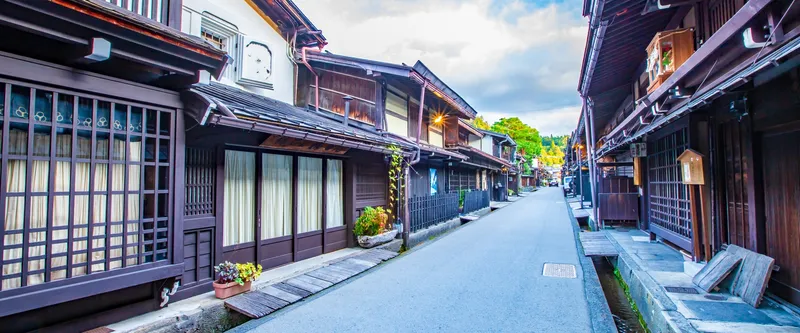
The season when the gassho-zukuri farmhouse villages of Shirakawa-go and Gokayama are blanketed in snow. In Shirakawa-go, the village is illuminated on a few days each January and February (advance reservation required).
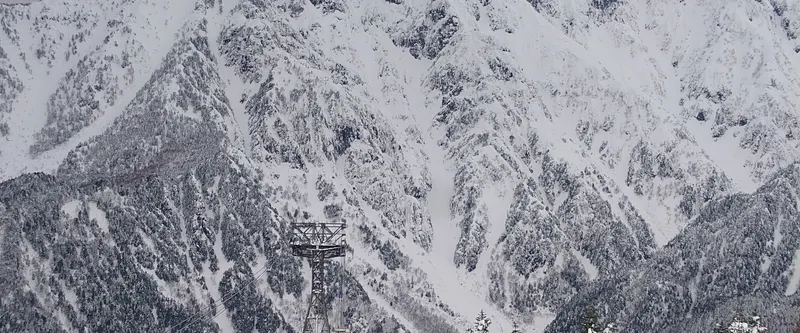
The Tateyama Kurobe Alpine Route usually opens fully in mid-April and operates until the end of November. You can walk through Yuki-no-Otani, the snow walls on the Murodo plateau, from mid-April to late June. Kurobe Dam's sightseeing water discharge can also be seen from June 26 to October 15.
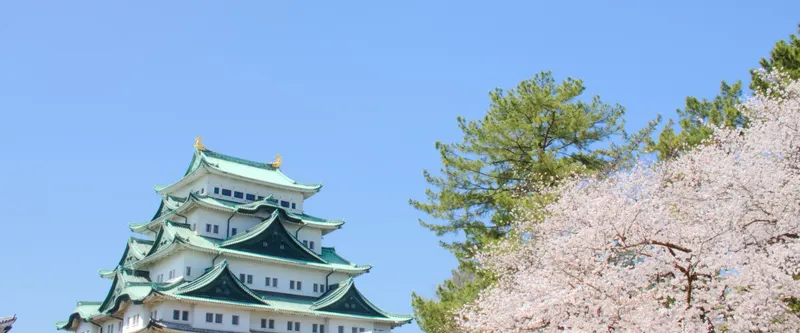
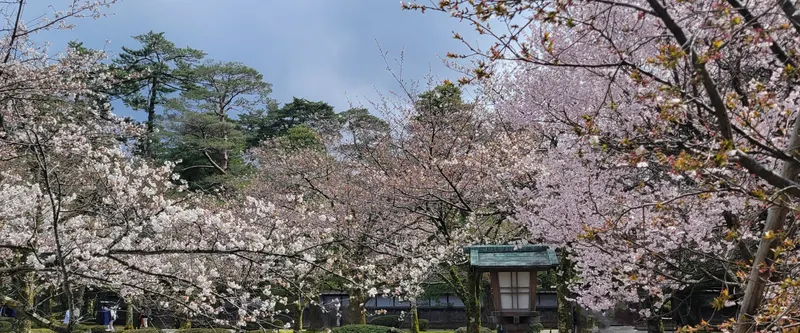
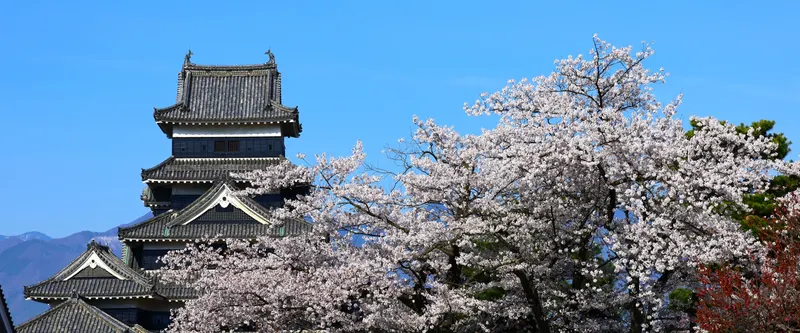
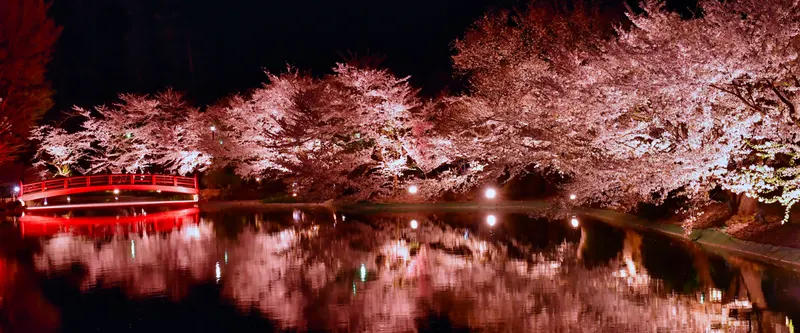
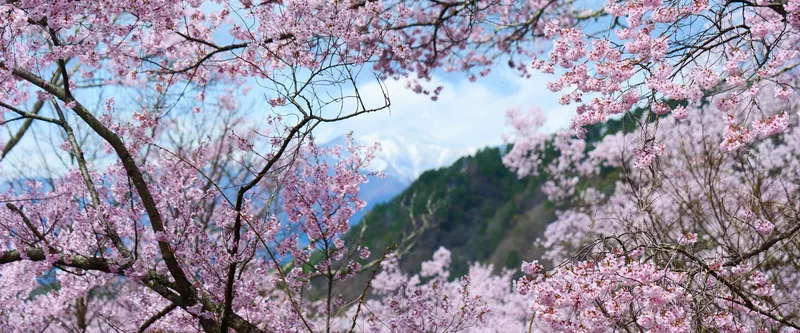
On average, cherry blossoms open on March 24 in Nagoya, April 3 in Kanazawa and Toyama, and April 11 in Nagano. They bloom in turn from south to north and from the lowlands up into the mountains, so you can catch them at different times.
Takayama's spring festival (Sanno Matsuri) is held every year on April 14–15, and the autumn festival (Hachiman Matsuri) every year on October 9–10. Ornate festival floats line the old streets.
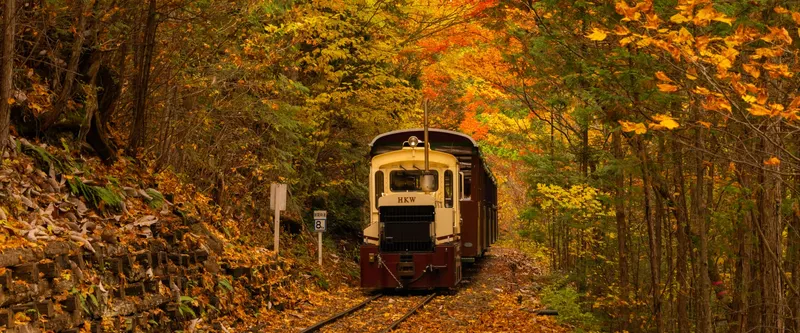
The colors move down from the highest ground: the Murodo plateau on Tateyama from mid-September to early October, Kamikochi from early to late October, and Tateyama Station and Shomyo Falls from late October to mid-November.
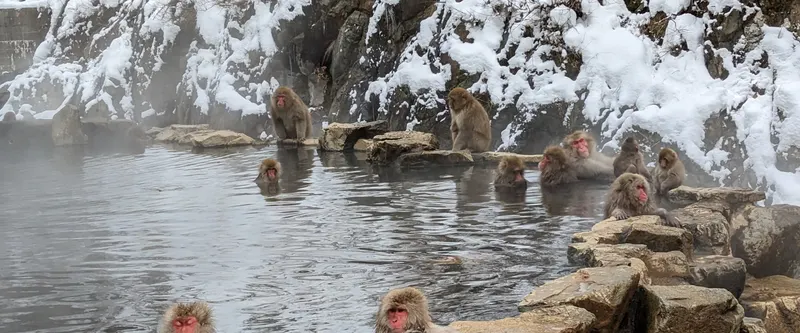
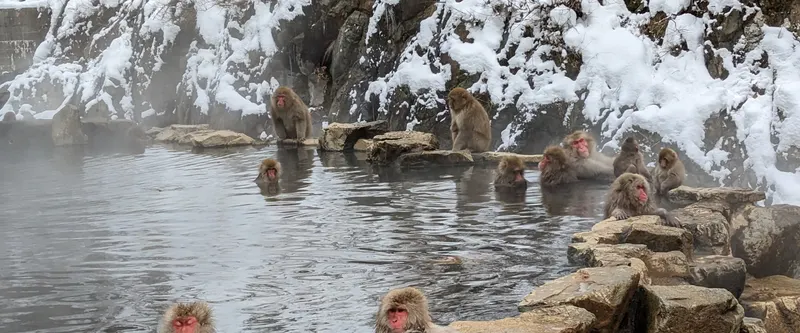
Hakuba is a snowy ski area, with an average maximum snow depth of 97 cm in February. Only in winter can you see monkeys bathing in the hot spring at Jigokudani Monkey Park, and Gero Onsen, Okuhida Onsen and Shibu Onsen are also popular in winter.
The average August high is 28.4°C in Hakuba, compared with 33.2°C in Nagoya. Kamikochi and Murodo on Tateyama are much cooler than the lowlands and ideal for summer walks in the highlands.
Average temperature normals (°C). Blue is colder, deeper orange is warmer. Tap a month to see the full guide.
| Area | Jan | Feb | Mar | Apr | May | Jun | Jul | Aug | Sep | Oct | Nov | Dec |
|---|---|---|---|---|---|---|---|---|---|---|---|---|
| Nagoya | 4.8 | 5.5 | 9.2 | 14.6 | 19.4 | 23.0 | 26.9 | 28.2 | 24.5 | 18.6 | 12.6 | 7.2 |
| Kanazawa | 4.0 | 4.2 | 7.3 | 12.6 | 17.7 | 21.6 | 25.8 | 27.3 | 23.2 | 17.6 | 11.9 | 6.8 |
| Shirakawa-go | -1.0 | -0.8 | 2.5 | 8.8 | 14.9 | 19.0 | 22.7 | 23.6 | 19.4 | 13.2 | 7.1 | 1.7 |
| Takayama | -1.2 | -0.6 | 3.4 | 9.7 | 15.6 | 19.7 | 23.5 | 24.4 | 20.0 | 13.5 | 7.1 | 1.6 |
| Gero Onsen | 0.6 | 1.3 | 5.1 | 10.9 | 16.3 | 20.2 | 23.7 | 24.8 | 20.9 | 14.9 | 8.5 | 3.1 |
| Toyama / Tateyama Kurobe Alpine Route | 3.0 | 3.4 | 6.9 | 12.3 | 17.5 | 21.4 | 25.5 | 26.9 | 22.8 | 17.0 | 11.2 | 5.7 |
| Matsumoto / Kamikochi | -0.3 | 0.6 | 4.6 | 10.8 | 16.5 | 20.2 | 24.2 | 25.1 | 20.4 | 13.9 | 7.8 | 2.5 |
| Hakuba | -2.8 | -2.4 | 1.2 | 7.6 | 13.8 | 17.7 | 21.5 | 22.6 | 18.2 | 11.9 | 5.5 | -0.1 |
| Nagano / Yudanaka-Shibu Onsen | -0.4 | 0.4 | 4.3 | 10.6 | 16.4 | 20.4 | 24.3 | 25.4 | 21.0 | 14.4 | 7.9 | 2.3 |
| Kiso Valley (Tsumago & Magome) | -0.6 | 0.4 | 4.6 | 10.2 | 15.2 | 19.0 | 22.6 | 23.5 | 19.8 | 13.7 | 7.5 | 1.9 |
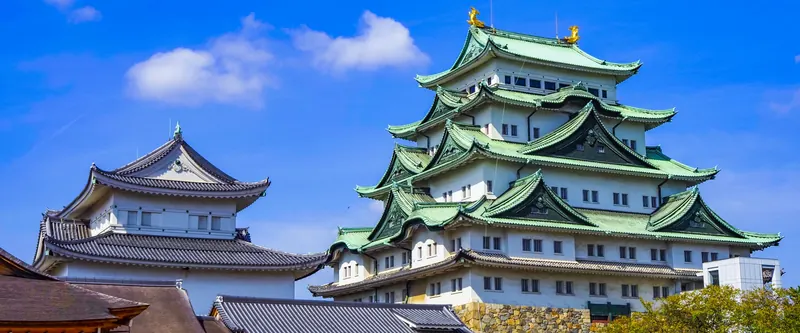
Nagoya, Nagoya Castle, Atsuta Jingu, Inuyama
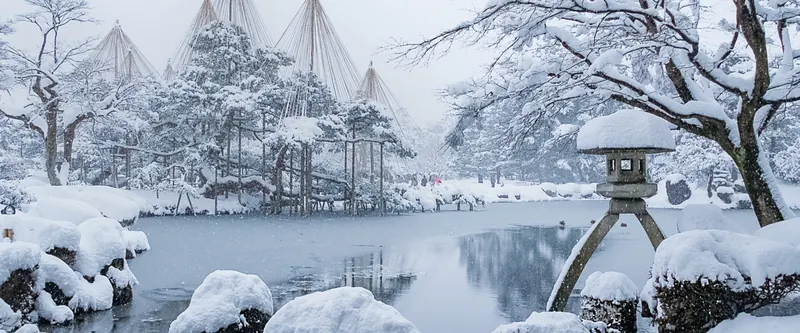
Kanazawa, Kenrokuen, Higashi Chaya District, 21st Century Museum
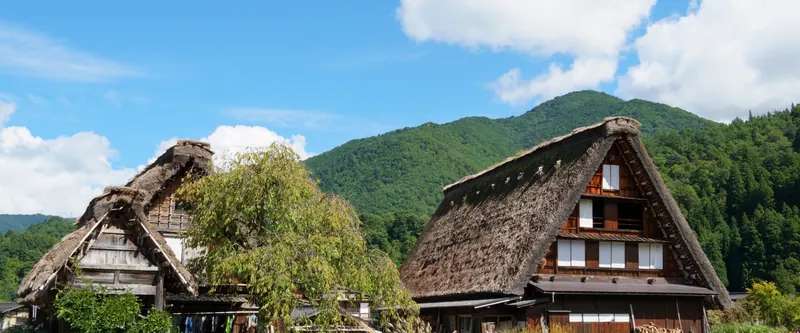
Shirakawa-go, Gassho-zukuri Farmhouses, Ogimachi Observatory, Gokayama
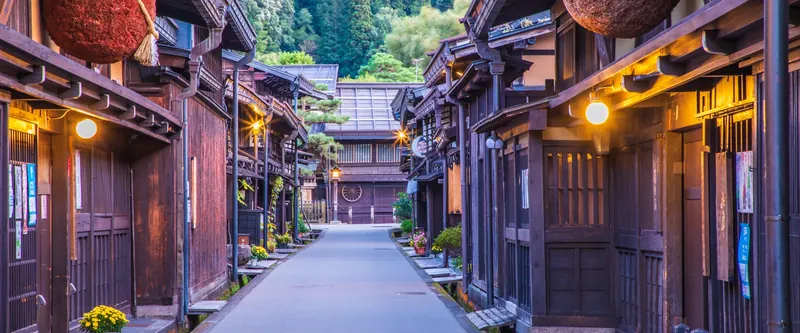
Takayama, Sanmachi, Miyagawa Morning Market, Okuhida Onsen
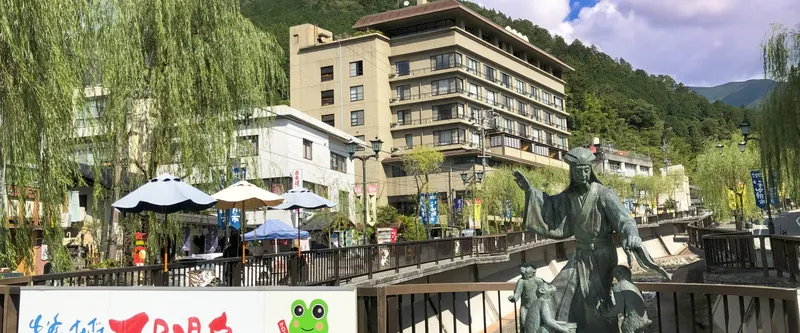
Gero Onsen, Hida River, Gassho Village
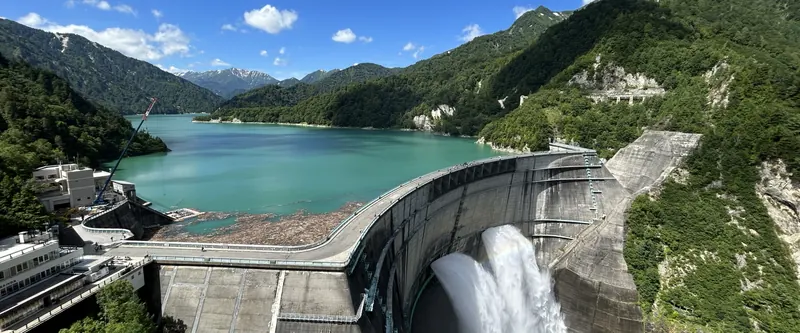
Toyama, Tateyama Kurobe Alpine Route, Kurobe Dam, Unazuki Onsen
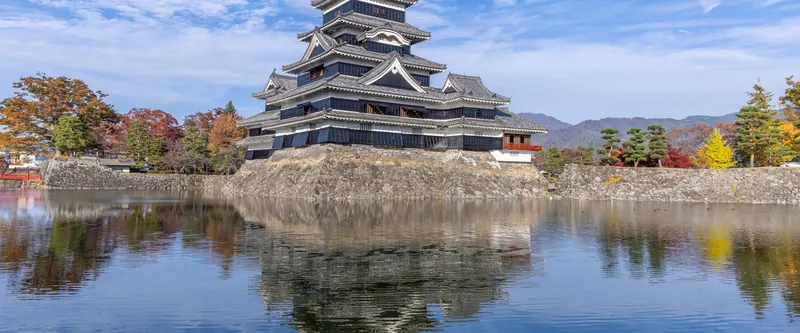
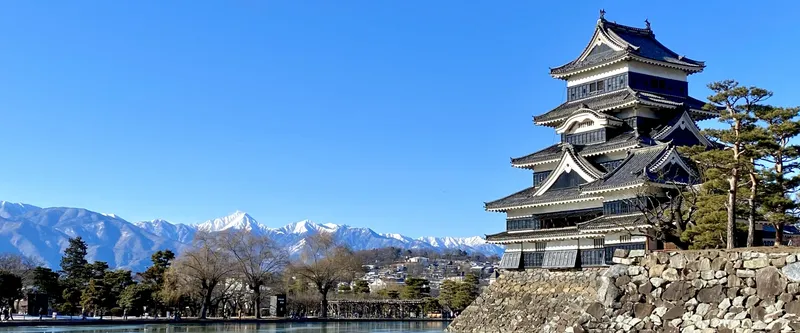
Matsumoto, Matsumoto Castle, Kamikochi, Norikura Highlands
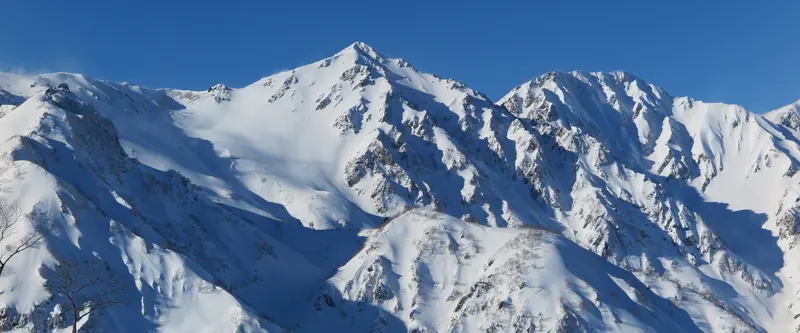
Hakuba, Happo-one, Tsugaike Kogen, Hakuba Goryu
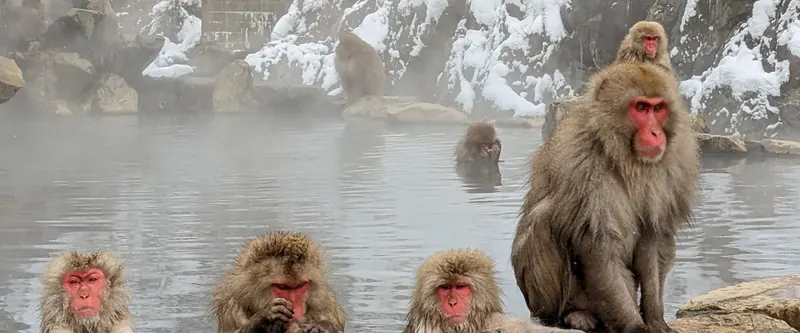
Nagano, Zenkoji, Jigokudani Monkey Park, Shibu Onsen, Shiga Kogen
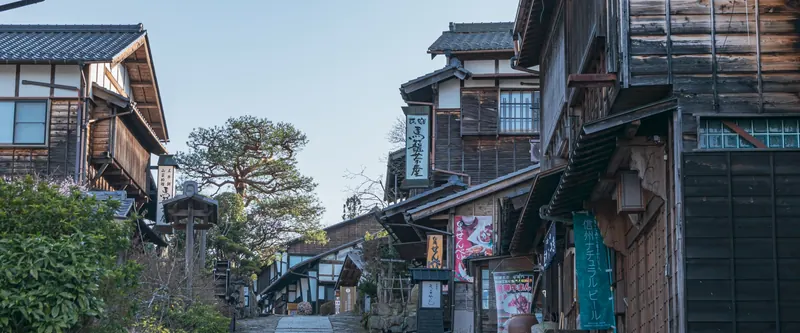
Tsumago-juku, Magome-juku, Narai-juku
Max snow depth is the normal for the snowiest month of the year.
January–FebruaryChubu & Hokuriku ・ Shirakawa-go
Usually a few days in January–February (fully reservation-only)
2027 (41st): 4 days, Jan 11 (Mon, holiday), Jan 17 (Sun), Jan 24 (Sun) & Jan 31 (Sun)
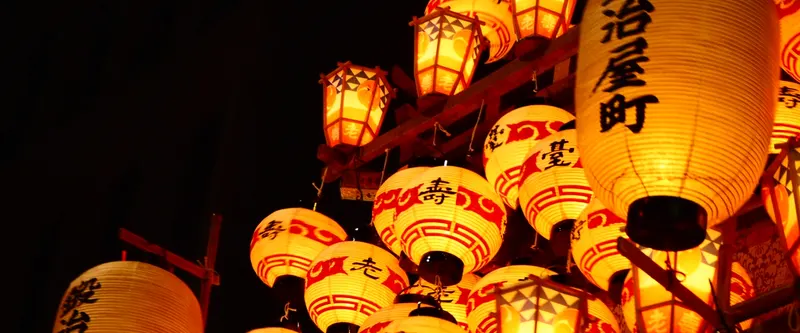 April
Chubu & Hokuriku ・ Nagoya
Usually the first Saturday and Sunday of April (Saturday is the Shigaku-sai, Sunday the Honraku-sai)
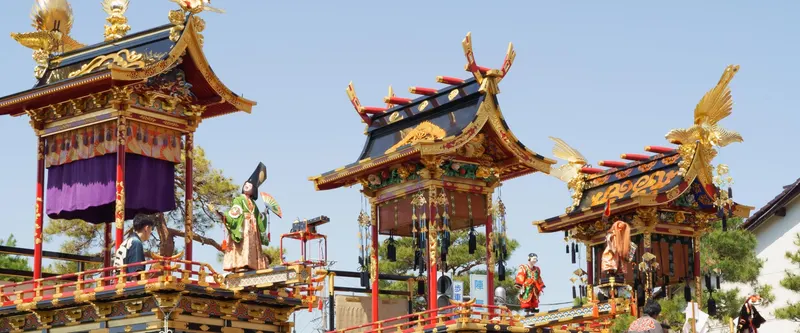 April
Chubu & Hokuriku ・ Takayama
Every year April 14 and 15
2027: Apr 14 (Wed) – Apr 15 (Thu), 2 days
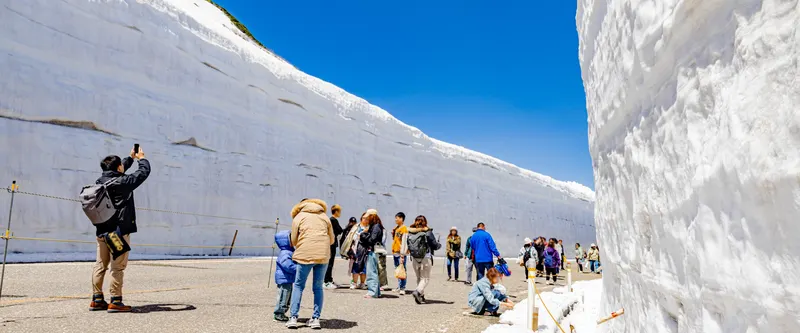 April–June
Chubu & Hokuriku ・ Toyama / Tateyama Kurobe Alpine Route
Usually mid-April (the day the Alpine Route fully opens) to late June
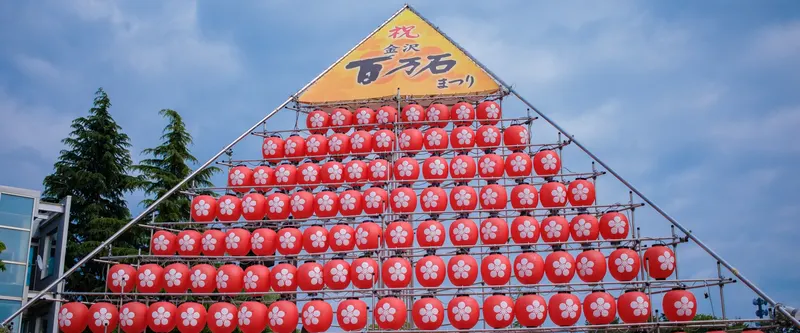 June
Chubu & Hokuriku ・ Kanazawa
Usually 3 days in early June (the Hyakumangoku Procession is on Saturday; June 5–7 in 2026, procession on June 6)
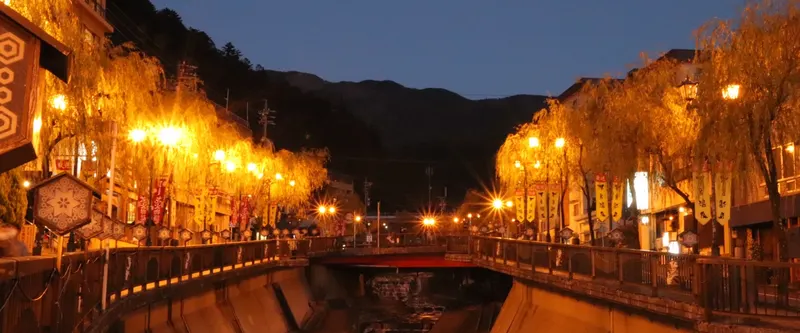 August
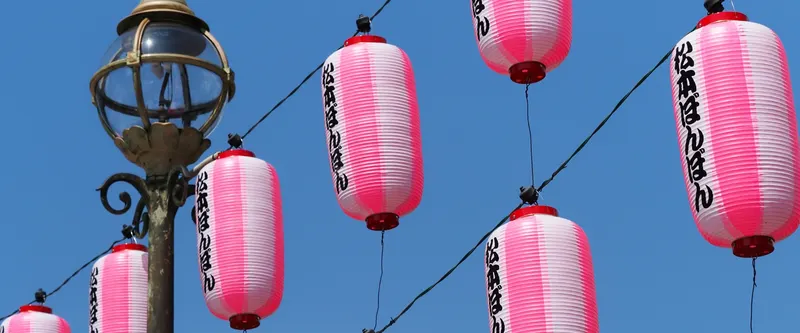 August
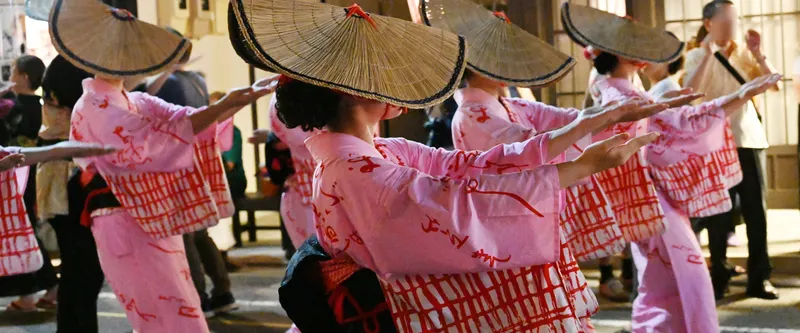 September
 October
Chubu & Hokuriku ・ Nagoya
Usually a Saturday and Sunday in mid-October
2026 (72nd): Oct 17 (Sat) – Oct 18 (Sun), 2 days (no Nagoya Festival processions)
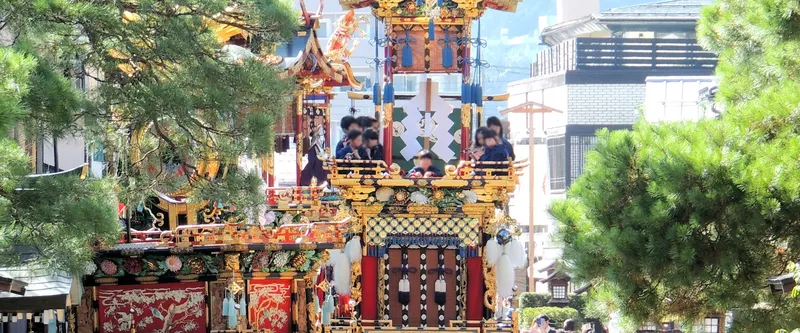 October
Chubu & Hokuriku ・ Takayama
Every year October 9 and 10
2026: Oct 9 (Fri) – Oct 10 (Sat), 2 days
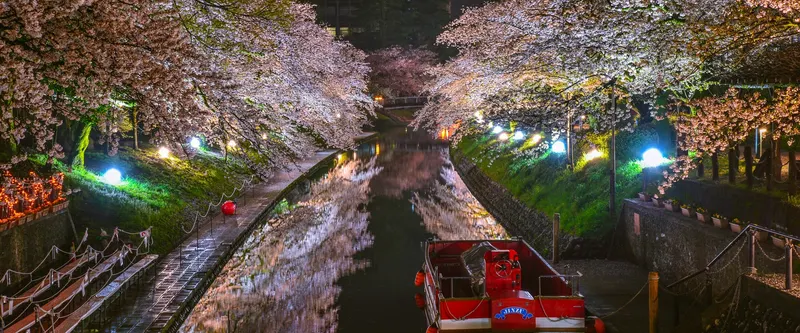 Riverside
Chubu & Hokuriku ・ Toyama / Tateyama Kurobe Alpine Route
🌸 Typical peak: Late Mar – Early Apr
 Castle
 Garden
 Castle
Chubu & Hokuriku ・ Matsumoto / Kamikochi
🌸 Typical peak: Early Apr – Mid Apr
 Park
 Castle
Chubu & Hokuriku ・ Ina, Nagano
🌸 Typical peak: Early Apr – Mid Apr
 Mountain & highland
 Mountain & highland
 Park & nature
Chubu & Hokuriku ・ Nagano / Yudanaka-Shibu Onsen
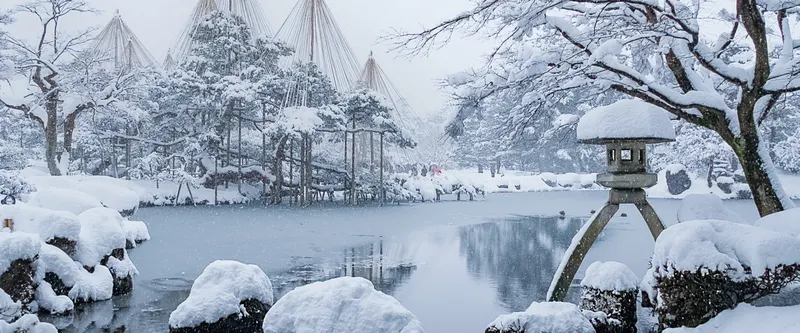
❄ Best season: Mid Dec – Late Feb
 Park & nature
Chubu & Hokuriku ・ Kanazawa
❄ Best season: Mid Dec – Late Feb
 Mountain & highland
 Frozen waterfall & icicles
Chubu & Hokuriku ・ Okuhida, Gifu
❄ Best season: Late Dec – Late Feb
 🎆 August
Chubu & Hokuriku ・ Gifu, Gifu
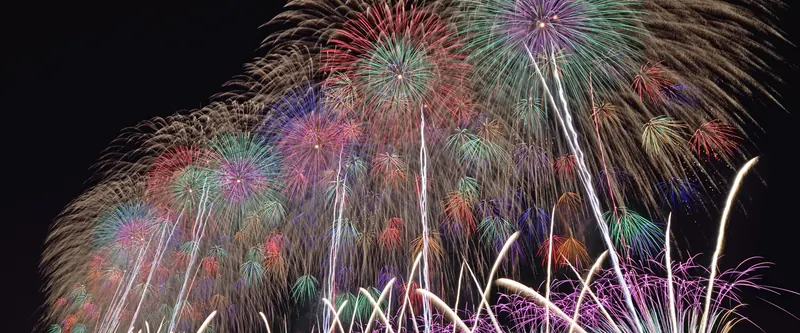
🎆 Early August (Saturday, August 8 in 2026)
 🎆 August
Chubu & Hokuriku ・ Nagaoka, Niigata
🎆 Every year on August 2 and 3 (August 2 (Sun) and 3 (Mon), 2026)
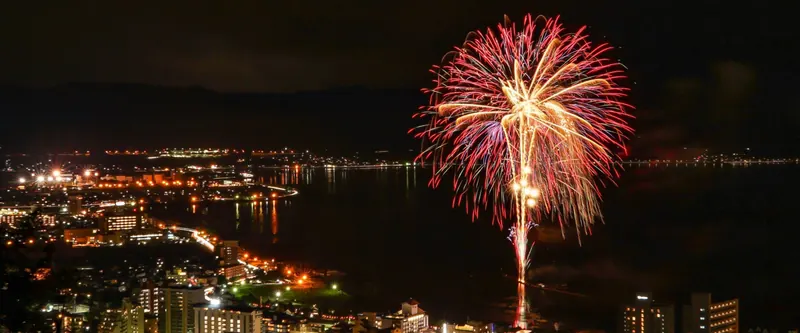 🎆 August
Chubu & Hokuriku ・ Suwa, Nagano
🎆 Every year on August 15 (August 15 (Sat), 2026)
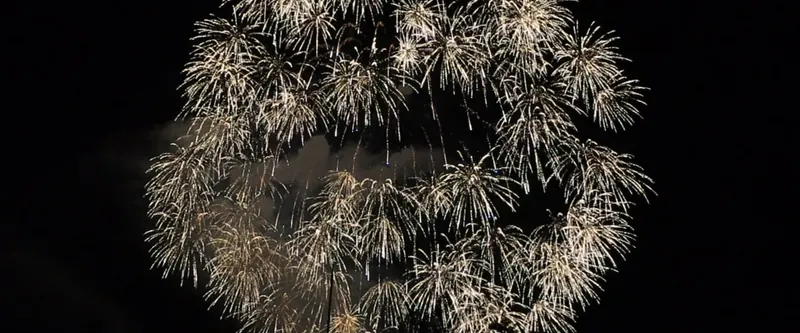 🎆 September
Chubu & Hokuriku ・ Katakai-machi, Ojiya, Niigata
🎆 Every year on the second Saturday of September and the Friday before (Friday, September 11 and Saturday, September 12 in 2026)
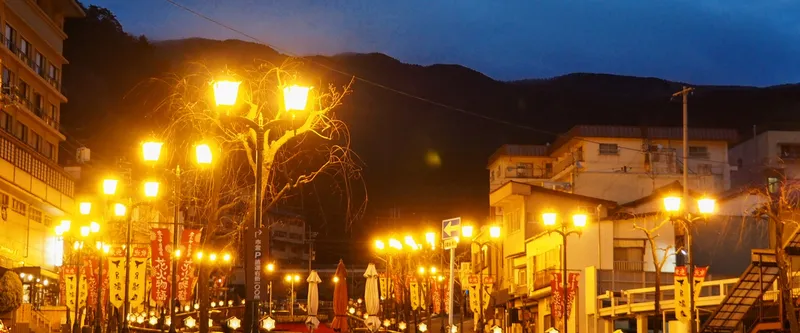 ♨ Onsen
Chubu & Hokuriku ・ Gero, Gifu
♨ Day use Adults ¥470, elementary school students ¥180, preschoolers ¥100 (as of October 2026)
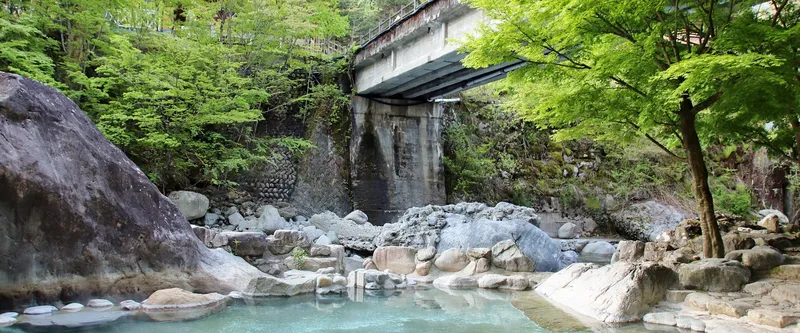 ♨ Onsen
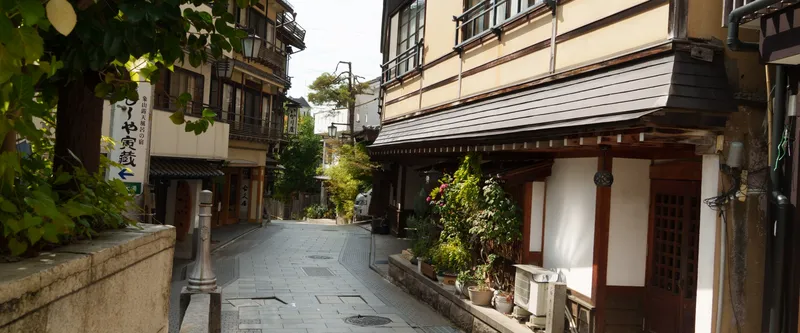
Chubu & Hokuriku ・ Takayama, Gifu
♨ Day use Adults ¥700, children ¥500 (as of October 2026)
 ♨ Onsen
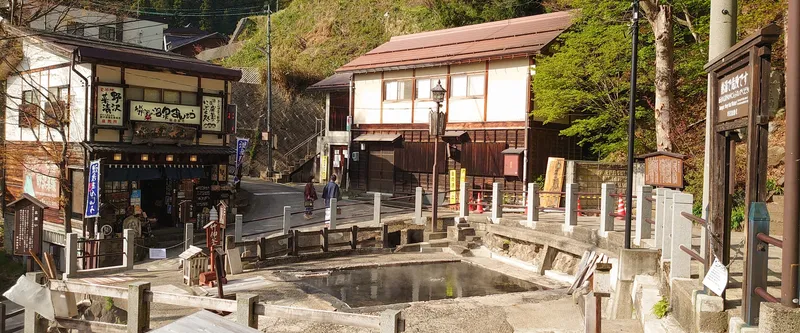
Chubu & Hokuriku ・ Yamanouchi, Nagano
♨ Day use Junior high school students and up ¥500, elementary school students ¥300 (bathing tax included) (as of October 2026)
 ♨ Onsen
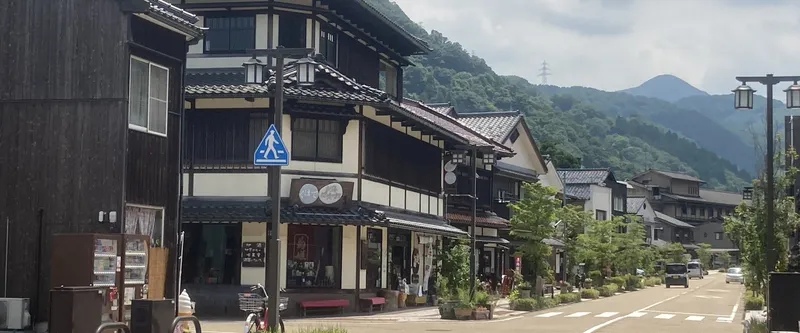
Chubu & Hokuriku ・ Nozawaonsen, Nagano
♨ Day use Free (a small donation as a contribution to the yunakama) (as of October 2026)
 ♨ Onsen
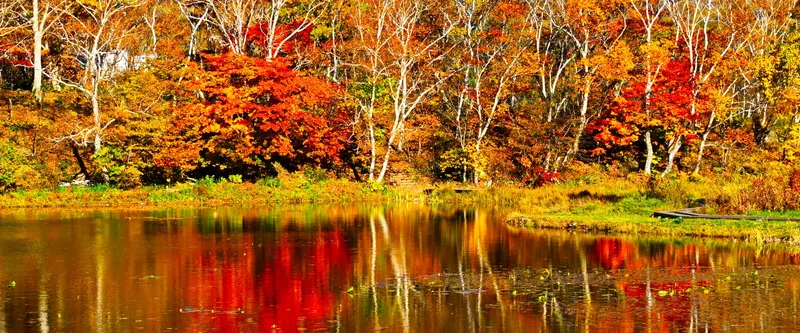
Chubu & Hokuriku ・ Kaga, Ishikawa
♨ Day use Age 12 and up ¥500, ages 6–11 ¥150, ages 3–5 ¥70, under 3 free (as of October 2026)
 Mountain & highland🍁 Typical peak
 Park🍁 Typical peak
Chubu & Hokuriku ・ Agematsu, Nagano
🍁 Typical peak: Mid Oct – Late Oct
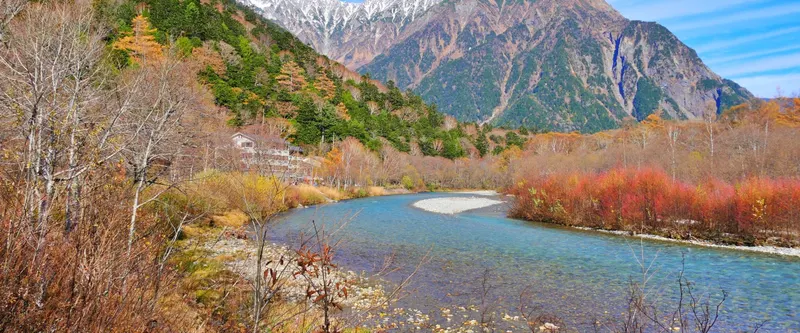 Mountain & highland🍁 Typical peak
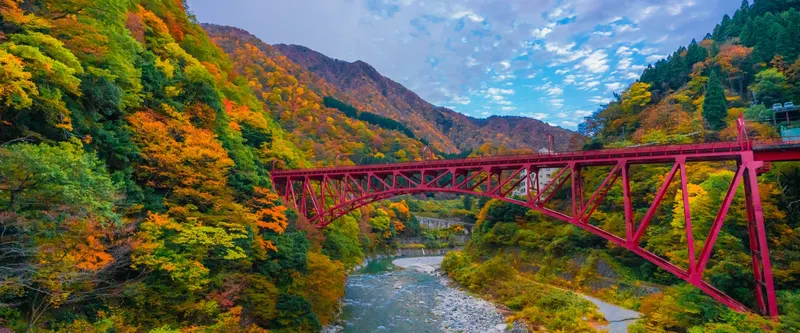 Gorge🍁 Typical peak
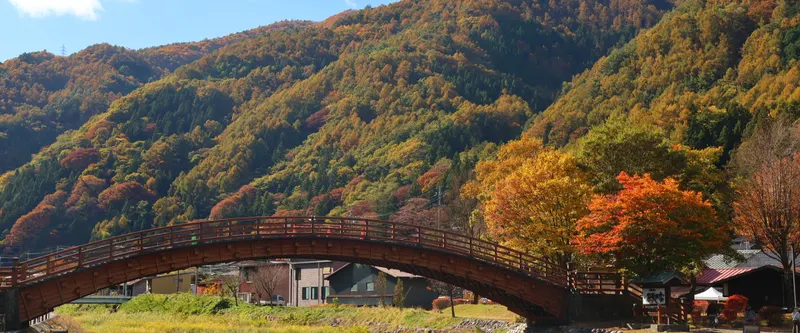 Avenue & old town🍁 Typical peak
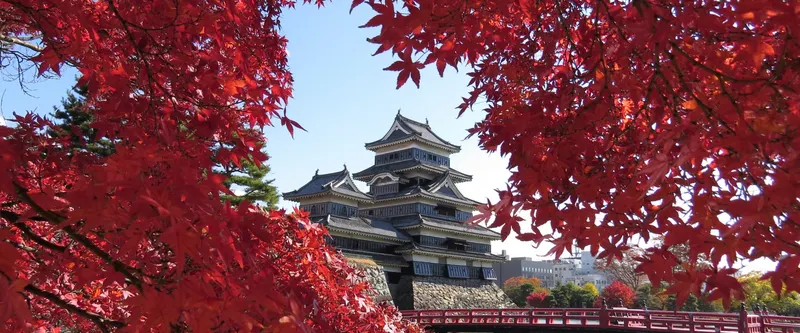 Castle🍁 Typical peak
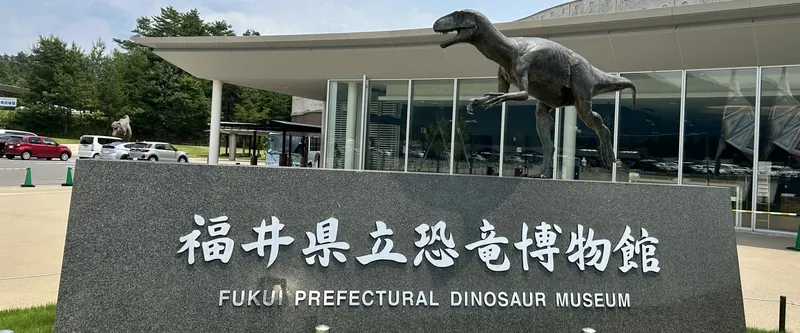 Experience
Chubu & Hokuriku ・ Katsuyama, Fukui
A dinosaur-themed museum in Katsuyama, Fukui Prefecture. It displays 51 complete dinosaur skeletons along with fossils, dioramas, and life-size models, and a new wing was added in 2023. Tickets are generally bought in advance for a specific date and time, so book on the official website once your itinerary is set.
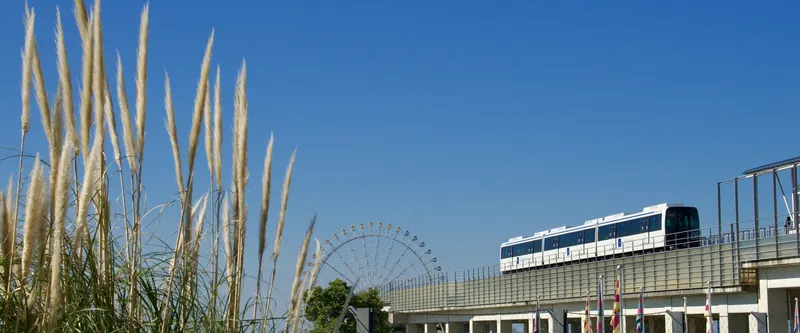 Theme park
Chubu & Hokuriku ・ Nagakute, Aichi
A park facility recreating the worlds of Studio Ghibli films, located inside Expo 2005 Aichi Commemorative Park in Nagakute, Aichi Prefecture. It's divided into five areas, and all tickets are date-specific and must be bought in advance; you cannot buy admission at a ticket window on the day. Tickets go on sale at 14:00 on the 10th of the month two months before your visit, so plan your purchase early once your itinerary is set.
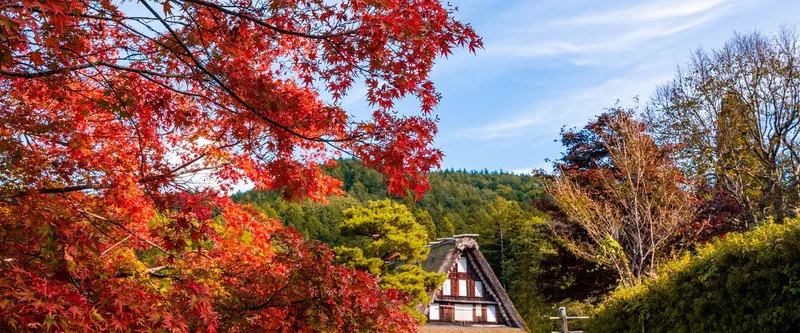 Experience
Chubu & Hokuriku ・ Takayama
An open-air museum in Takayama where more than 30 buildings, including thatched- and shingle-roofed farmhouses relocated from across the Hida region, are arranged like a village. It's about 9 minutes by Sarubobo Bus from the Takayama Nohi Bus Center, making it easy to combine with sightseeing in Takayama's old town.
 Zoo
Chubu & Hokuriku ・ Nagoya
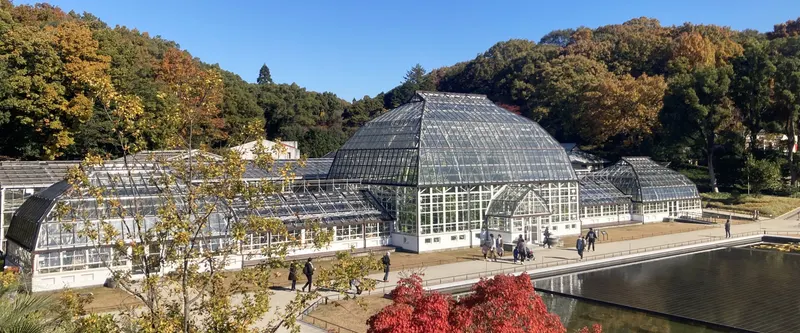
A zoo and botanical garden run by Nagoya City, home to about 450 animal species and about 7,000 plant species on roughly 60 ha. It's a 3-minute walk from Higashiyama-koen Station on the Higashiyama Subway Line, easy to reach from the city center, and you can spend a full day enjoying the zoo, the botanical garden, and Higashiyama Sky Tower. Admission fees were revised on October 1, 2026.
 Zoo
Chubu & Hokuriku ・ Nagano / Yudanaka-Shibu Onsen
A park in the mountains of Yamanouchi, Nagano Prefecture, where you can observe wild Japanese macaques up close. It's famous for its monkeys bathing in hot springs in winter. The entrance is about a 30-minute walk along a mountain path from the parking lot or bus stop, so wear shoes and clothing suited to the season.
 Experience
Chubu & Hokuriku ・ Toyama / Tateyama Kurobe Alpine Route
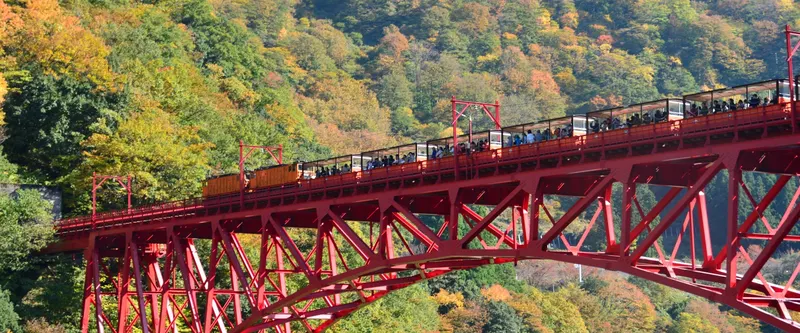
A torokko (open-air) train running from Unazuki Onsen deep into the Kurobe Gorge. Full-line service between Unazuki and Keyakidaira resumed on October 1, 2026, and you can ride all the way to the Keyakidaira terminus during the operating season until November 30. From the windowless open cars, you can enjoy the beauty of the gorge and the views from the railway bridges.
 Theme park
Chubu & Hokuriku ・ Nagoya
An outdoor theme park based on the world of LEGO bricks, located at Kinjo Pier in Nagoya Port. Aimed mainly at children aged 2–12 and their families, it has more than 40 rides, shows, and attractions. Together with the adjoining SEA LIFE Nagoya aquarium and hotel, it forms a resort.
ExperienceChubu & Hokuriku ・ Inuyama, Aichi
An open-air museum in Inuyama, Aichi Prefecture, where buildings from the Meiji era have been relocated, preserved, and opened to the public. The buildings are spread across the large village grounds, and you can walk through Meiji-era streetscapes while touring their interiors. You can also ride the SL (steam locomotive) and streetcar that run through the village.
 Aquarium
Chubu & Hokuriku ・ Nagoya
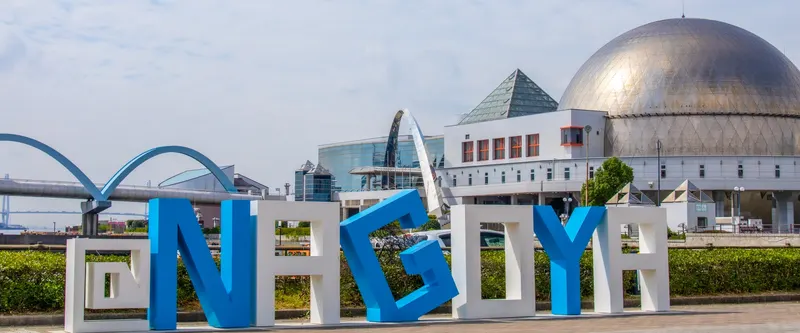
A large aquarium at Garden Pier in Nagoya Port, made up of two buildings: the North Building, showing marine mammals such as orcas, belugas, and dolphins, and the South Building, themed on a journey to Antarctica. It's a 5-minute walk from Nagoyako Station on the Meiko Subway Line, and conveniently reachable from central Nagoya by subway alone.
 Experience
Chubu & Hokuriku ・ Nagoya
A railway museum run by JR Central, displaying real Shinkansen, conventional line, and superconducting maglev vehicles. It's entirely indoors and about a 2-minute walk from Kinjofuto Station on the Aonami Line. With driving simulators and a large diorama, it's fun for families as well as railway fans.
Compare trains, buses and taxis from the airport by travel time and fare.
 🎫 Combo ticket
 🎫 Combo ticket
Chubu & Hokuriku ・ 5 consecutive days (in 2026, usable from April 15 to November 10)
From ¥24,500
 🚄 JR
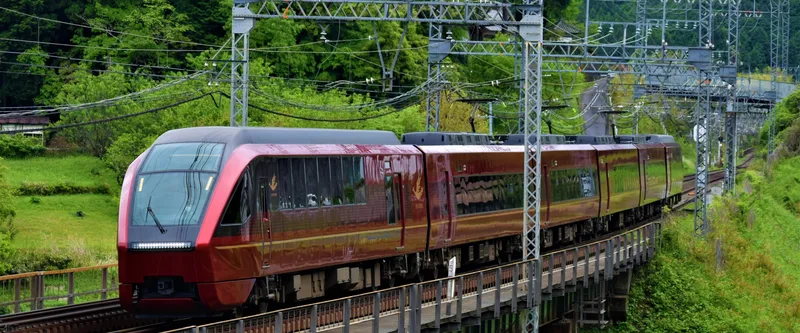 🚃 Private railway
Kansai ・ 1day is valid for 1 day of use, 2day for 2 consecutive days, and 5day and 5day plus for 5 consecutive days (from the first day of use)
From ¥1,900
 🚄 JR
Nationwide ・ Three types: 7, 14 or 21 days. The period of use cannot be extended or changed
From ¥50,000
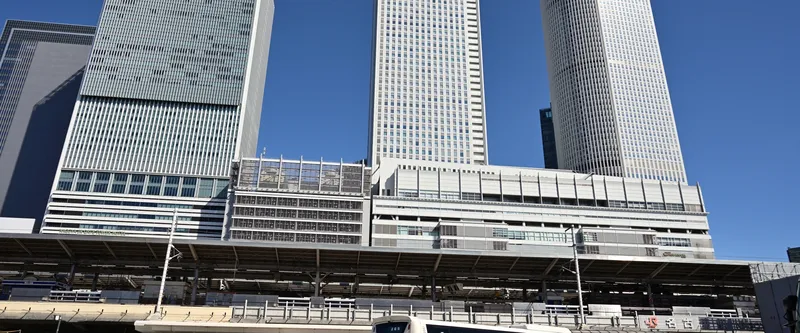
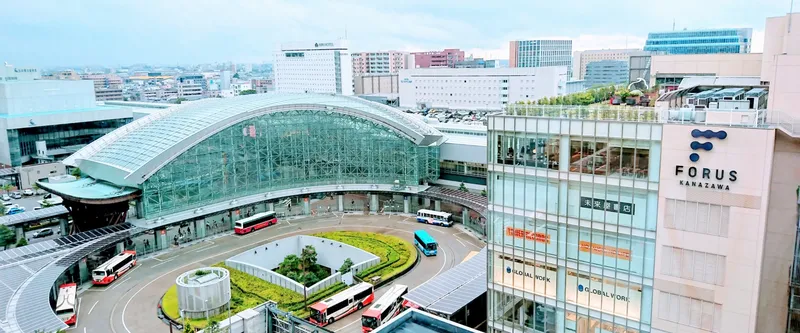
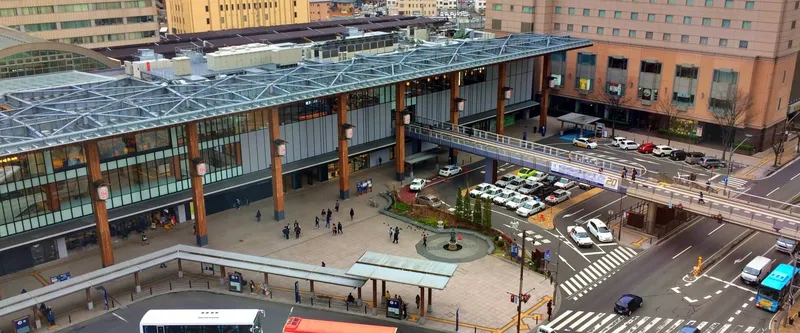
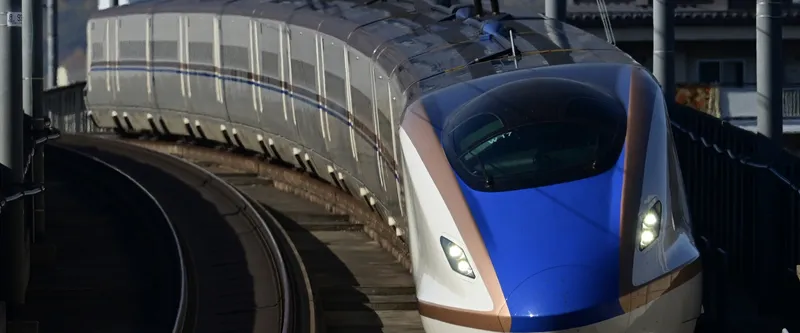
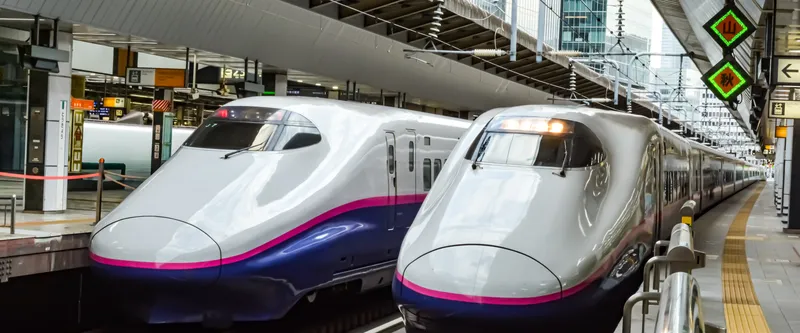
Fastest: Approx. 1 hr 20 min (example timetable: Kagayaki 501)
Fastest: Fastest 2 hr 9 min (change at Tsuruga)
For the most comfortable weather, we recommend May and October. For the Yuki-no-Otani snow walls, go from mid-April to late June; for autumn leaves in the mountains, from mid-September to October; and for snowy gassho-zukuri scenery, in January and February. Watch out for the rainy season in June and July, and intense heat in Nagoya from late July through August.
The average August high is 33.2°C and the low is 24.7°C, so it stays hot and humid even at night. Some days top 35°C, so combine daytime sightseeing with indoor attractions and drink water frequently.
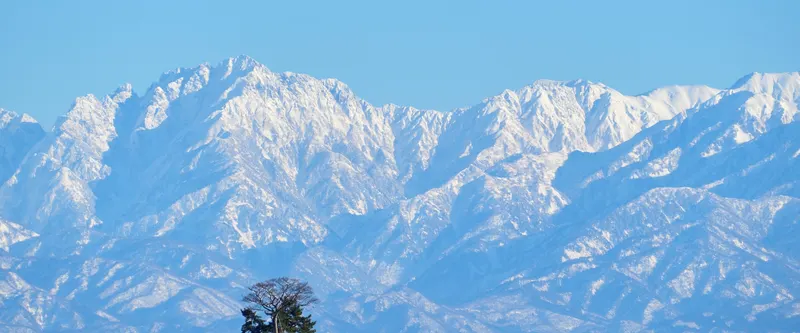
Average maximum snow depths are 173 cm in Shirakawa-go (Shirakawa) in February, 97 cm in Hakuba in February, 45 cm in Takayama in February, 40 cm in Toyama in January and 27 cm in Kanazawa in January. Nagoya, by contrast, gets only about 3 cm, and snow settles on very few days. Non-slip shoes are a must for the snowy areas.
On average, the rainy season starts around June 6 in Tokai (including Nagoya), around June 11 in Hokuriku (Kanazawa and Toyama) and around June 7 in Kanto-Koshin, which includes Nagano and Matsumoto. It ends around July 19 in Tokai and Kanto-Koshin, and around July 23 in Hokuriku.
Murodo sits at 2,450 m and Kamikochi at about 1,500 m in the mountains, so temperatures are much lower than down in Toyama City or Matsumoto City, and the weather changes quickly. Bring a long-sleeved jacket even in summer, and pack near-winter warm clothing for the Yuki-no-Otani snow walls in spring and the autumn leaf season.
Source: Japan Meteorological Agency (climate normals 1991-2020). Compiled by tripuuu.log. Temperatures are from a representative station in each area; actual weather varies from year to year.