
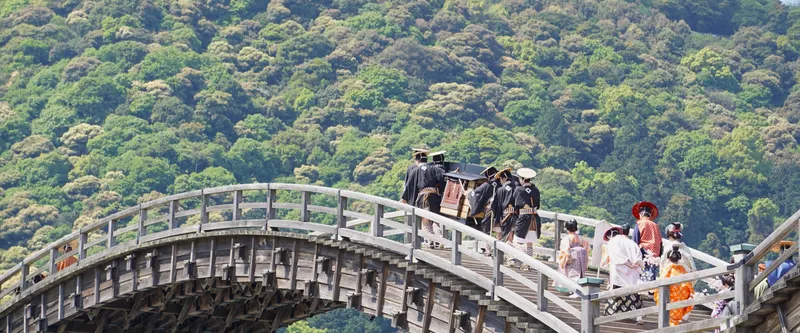
 April
Chugoku & Shikoku Weather Guide
Chugoku & Shikoku: Weather & What to Wear Guide
Hiroshima, Okayama, Takamatsu, Matsuyama and other cities facing the Seto Inland Sea get lots of sunny days and little rain, with a mild climate all year round. By contrast, Matsue and Tottori on the Sea of Japan side see many cloudy and snowy days in winter, while Kochi on the Pacific side is rainy, with 2667mm of precipitation a year, and is prone to typhoons from summer into autumn. Up in the mountains, Iya is cooler than Tokushima City and stays relatively cool even in summer. This guide covers 10 areas popular with travelers, with monthly temperatures based on Japan Meteorological Agency climate normals, plus what to wear and what to see.
By Month
Chugoku & Shikoku Weather by Month
January
The coldest month of the year: snow in San'in, lots of sunny days along the Seto Inland Sea
Hiroshima 9.9℃ / 2.0℃
February
Still cold; Hiroshima oysters and San'in crab are in season
Hiroshima 10.9℃ / 2.4℃
March
Cherry blossoms open late in the month, especially early in Kochi and Matsuyama
Hiroshima 14.5℃ / 5.1℃
April
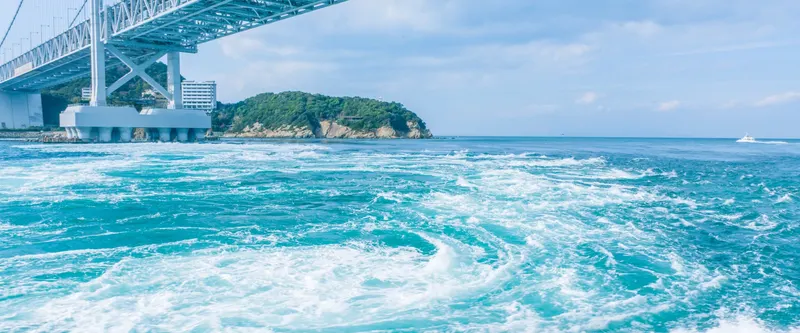
Cherry blossoms peak until early April; spring tides make the Naruto whirlpools bigger
Hiroshima 19.8℃ / 10.1℃
May
Fresh greenery and sunny days: perfect for cycling the Shimanami Kaido
Hiroshima 24.4℃ / 15.1℃
June
The rainy season starts early in the month, with especially heavy rain in Kochi
Hiroshima 27.2℃ / 19.8℃
July
The rainy season ends around mid-month and summer heat sets in
Hiroshima 30.9℃ / 24.1℃
August
The hottest month of the year: the Yosakoi Festival and Awa Odori
Hiroshima 32.8℃ / 25.1℃
September
Lingering heat and typhoons; watch out for heavy rain on Shikoku's Pacific side
Hiroshima 29.1℃ / 21.1℃
October
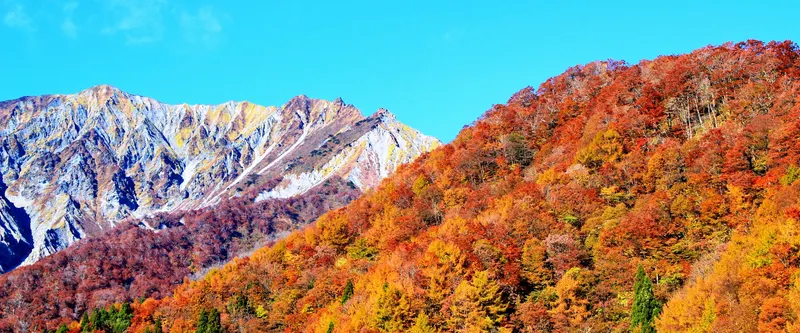
Clear autumn skies and sightseeing season; autumn leaves on Mt. Daisen from late October
Hiroshima 23.7℃ / 14.9℃
November
Autumn leaves at their peak, and matsuba crab fishing season opens
Hiroshima 17.7℃ / 8.9℃
December
Winter begins, with more snowy days in San'in
Hiroshima 12.1℃ / 4.0℃
Hiroshima high / low (climate normals).
Best Time to Visit
Best Time to Visit
🌸
Cherry Blossoms
Late March–Early April
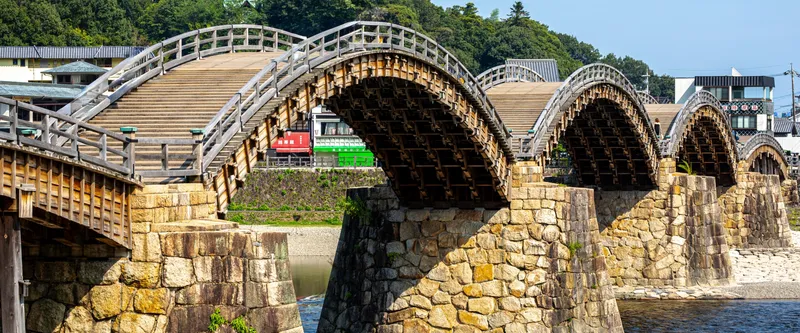
The Japan Meteorological Agency's average blooming dates are March 22 in Kochi, March 24 in Matsuyama, March 25 in Hiroshima, March 28 in Okayama and Tokushima, and March 29 in Matsue and Tottori. At Kintaikyo Bridge in Iwakuni, around 1500 cherry trees are usually at their best from late March to early April.
🚲
Cycling (Shimanami Kaido)
April–May & October–November
A route linking Onomichi and Imabari via 7 bridges spanning the islands of the Seto Inland Sea, about 70km at its shortest. Spring and autumn, which avoid the heat and the rainy season, are the easiest times to ride, with the scenery of the low-rainfall Seto Inland Sea at its best.
💃
Festivals (Awa Odori & Yosakoi)
August
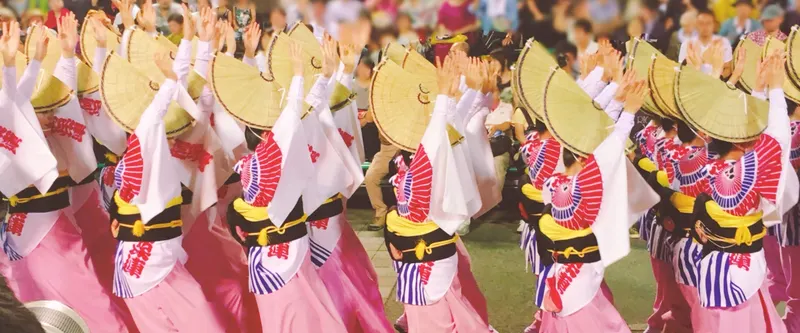
Kochi's Yosakoi Festival is held every year on August 9–12, and Tokushima City's Awa Odori usually takes place in mid-August. They're outdoors in midsummer, so don't forget a hat and plenty to drink.
🍁
Autumn Leaves
Late October–Early December
The colors usually peak on Mt. Daisen from late October to mid-November, at Miyajima's Momijidani Park from mid- to late November, and at Ritsurin Garden in Takamatsu from mid-November to early December.
♨️
Hot Springs (Dogo)
November–March
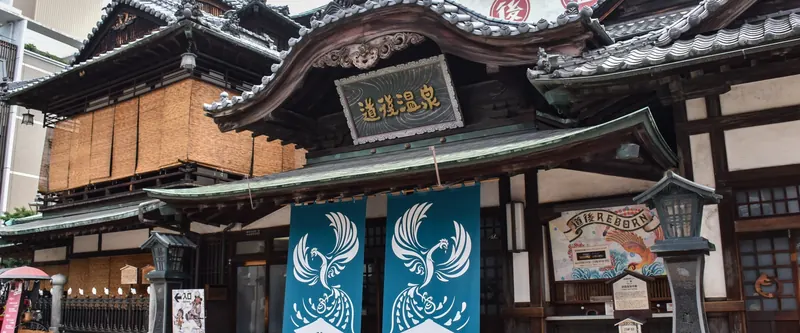
In the cold season, Dogo Onsen in Matsuyama is the place to go. The Dogo Onsen Honkan main building completed its preservation and restoration work and reopened in full in July 2024.
🦀
Winter Delicacies (Oysters & Crab)
November–March
Tottori's matsuba crab fishing season runs from early November to March. Hiroshima oysters are shipped from October to May, and are at their most delicious in January and February.
Temperature
Average Temperature by Area and Month
Average temperature normals (°C). Blue is colder, deeper orange is warmer. Tap a month to see the full guide.
| Area | Jan | Feb | Mar | Apr | May | Jun | Jul | Aug | Sep | Oct | Nov | Dec |
|---|---|---|---|---|---|---|---|---|---|---|---|---|
| Hiroshima & Miyajima | 5.4 | 6.2 | 9.5 | 14.8 | 19.6 | 23.2 | 27.2 | 28.5 | 24.7 | 18.8 | 12.9 | 7.5 |
| Onomichi & Shimanami Kaido | 5.7 | 5.8 | 8.6 | 13.4 | 18.1 | 21.8 | 25.9 | 27.5 | 24.1 | 18.6 | 12.9 | 8.0 |
| Okayama & Kurashiki | 4.6 | 5.2 | 8.7 | 14.1 | 19.1 | 22.7 | 27.0 | 28.1 | 23.9 | 18.0 | 11.6 | 6.6 |
| Izumo & Matsue | 4.6 | 5.0 | 8.0 | 13.1 | 18.0 | 21.7 | 25.8 | 27.1 | 22.9 | 17.4 | 12.0 | 7.0 |
| Tottori | 4.2 | 4.7 | 7.9 | 13.2 | 18.1 | 22.0 | 26.2 | 27.3 | 22.9 | 17.2 | 11.9 | 6.8 |
| Hagi, Tsunoshima & Akiyoshidai | 5.7 | 6.4 | 9.1 | 13.6 | 18.3 | 21.9 | 26.2 | 27.0 | 23.1 | 17.7 | 12.8 | 8.0 |
| Takamatsu, Naoshima & Shodoshima | 5.9 | 6.3 | 9.4 | 14.7 | 19.8 | 23.3 | 27.5 | 28.6 | 24.7 | 19.0 | 13.2 | 8.1 |
| Tokushima, Naruto & Iya | 6.3 | 6.8 | 9.9 | 15.0 | 19.6 | 23.0 | 26.8 | 28.1 | 24.8 | 19.3 | 13.8 | 8.7 |
| Matsuyama & Dogo Onsen | 6.2 | 6.8 | 9.9 | 14.8 | 19.4 | 22.9 | 27.1 | 28.1 | 24.6 | 19.1 | 13.6 | 8.5 |
| Kochi & Shimanto | 6.7 | 7.8 | 11.2 | 15.8 | 20.0 | 23.1 | 27.0 | 27.9 | 25.0 | 19.9 | 14.2 | 8.8 |
Areas
10 Areas of Chugoku & Shikoku
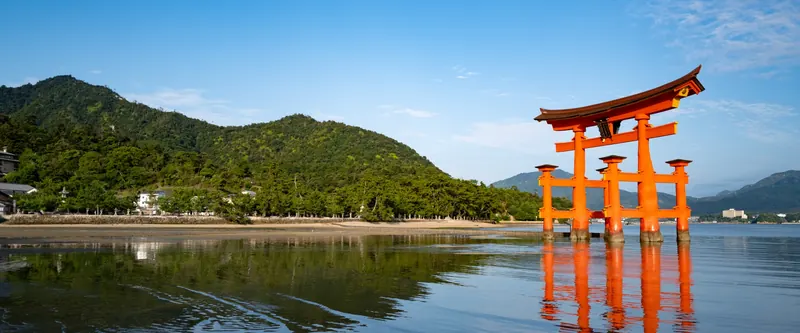
Hiroshima & Miyajima→
Station: HiroshimaHiroshima, Miyajima, Itsukushima Shrine, Atomic Bomb Dome
- Jan low
- 2.0℃
- Aug high
- 32.8℃
- Max snow depth
- 3cm
TodaySunny25° / 16°
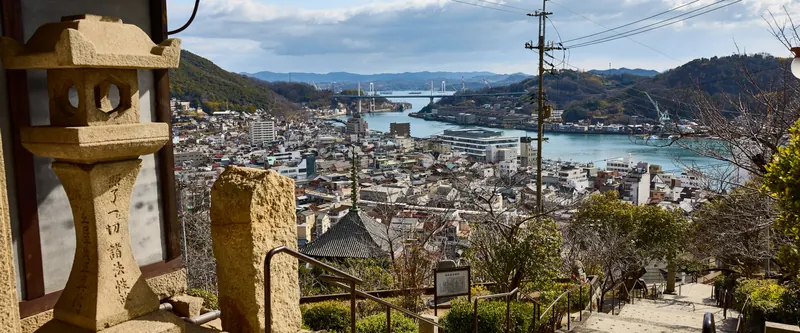
Onomichi & Shimanami Kaido→
Station: IkuchijimaOnomichi, Shimanami Kaido, Ikuchijima, Imabari
- Jan low
- 1.6℃
- Aug high
- 31.9℃
- Max snow depth
- —
TodaySunny25° / 15°
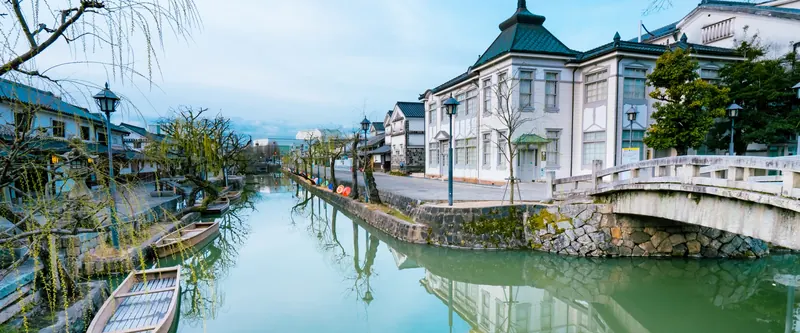
Okayama & Kurashiki→
Station: OkayamaOkayama, Kurashiki Bikan Historical Quarter, Okayama Korakuen, Okayama Castle
- Jan low
- 0.1℃
- Aug high
- 33.3℃
- Max snow depth
- 1cm
TodaySunny24° / 16°
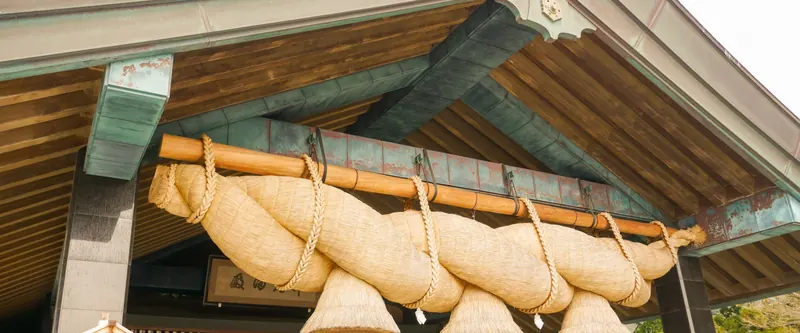
Izumo & Matsue→
Station: MatsueMatsue, Izumo Taisha, Matsue Castle, Lake Shinji
- Jan low
- 1.5℃
- Aug high
- 31.6℃
- Max snow depth
- 13cm
TodayCloudy, sunny at times21° / 15°
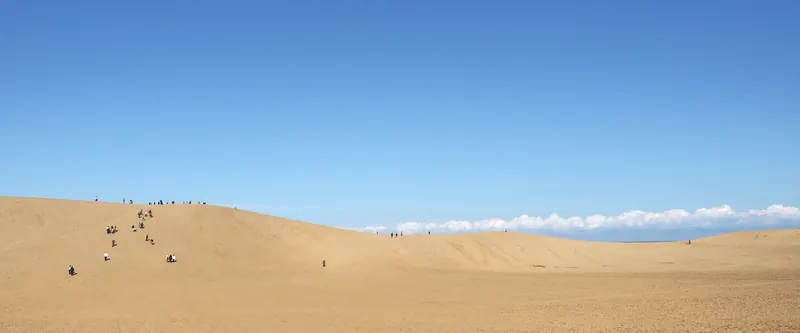
Tottori→
Station: TottoriTottori, Tottori Sand Dunes, Uradome Coast, Mt. Daisen
- Jan low
- 1.1℃
- Aug high
- 32.6℃
- Max snow depth
- 28cm
TodayCloudy, sunny at times22° / 15°
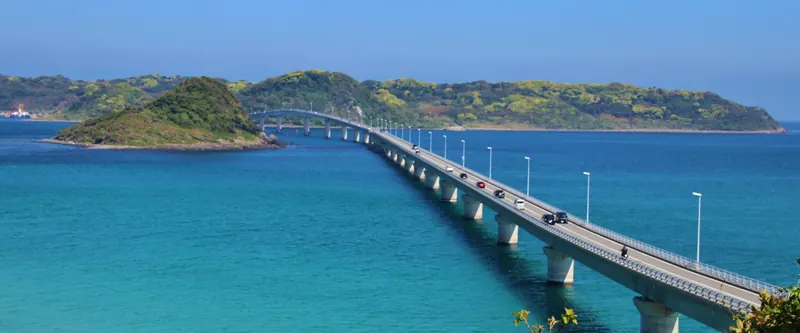
Hagi, Tsunoshima & Akiyoshidai→
Station: HagiHagi, Tsunoshima, Akiyoshidai, Kintaikyo Bridge
- Jan low
- 2.4℃
- Aug high
- 31.1℃
- Max snow depth
- 2cm
TodaySunny22° / 16°
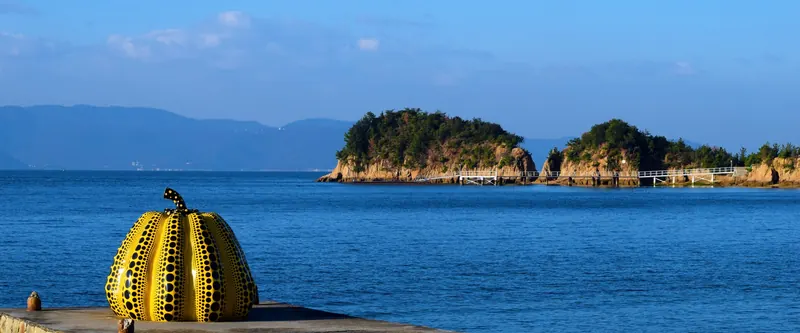
Takamatsu, Naoshima & Shodoshima→
Station: TakamatsuTakamatsu, Naoshima, Shodoshima, Kotohiragu, Ritsurin Garden
- Jan low
- 2.1℃
- Aug high
- 33.0℃
- Max snow depth
- 1cm
TodaySunny25° / 18°
Tokushima, Naruto & Iya→
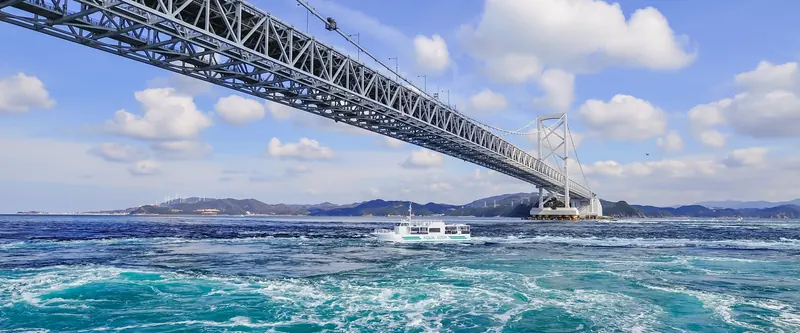
Station: TokushimaTokushima, Naruto Whirlpools, Iya Vine Bridge, Oboke
- Jan low
- 2.9℃
- Aug high
- 32.3℃
- Max snow depth
- 1cm
TodaySunny24° / 19°
Matsuyama & Dogo Onsen→
Station: MatsuyamaMatsuyama, Dogo Onsen, Matsuyama Castle, Uchiko
- Jan low
- 2.6℃
- Aug high
- 32.6℃
- Max snow depth
- —
TodaySunny25° / 16°
Kochi & Shimanto→
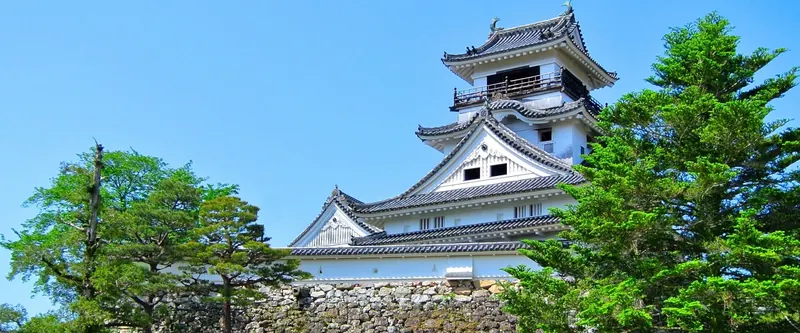
Station: KochiKochi, Katsurahama Beach, Kochi Castle, Shimanto River
- Jan low
- 2.1℃
- Aug high
- 32.1℃
- Max snow depth
- —
TodaySunny27° / 19°
Max snow depth is the normal for the snowiest month of the year.
Events
Events & festivals in Chugoku & Shikoku
April May
 July–August
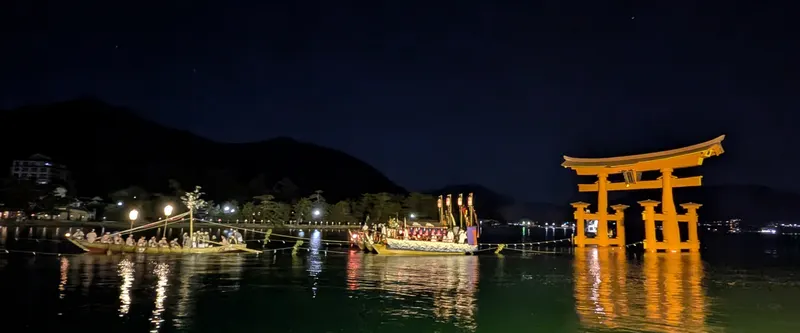
Kangensai Festival at Itsukushima Shrine
Chugoku & Shikoku ・ Hiroshima & Miyajima
Every year on the 17th day of the 6th lunar month (between July and early August on the modern calendar, depending on the year)
 August
 August
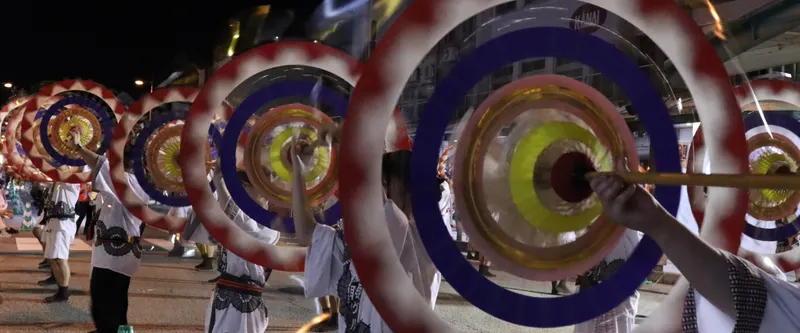
Tottori Shan-Shan Festival
Chugoku & Shikoku ・ Tottori
Every year August 13–15 (eve festival on the 13th, mass umbrella dance on the 14th, Civic Summer Fireworks Festival on the 15th)
 August
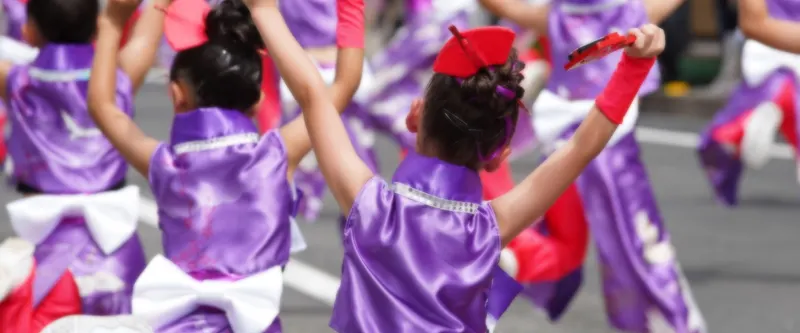
Yosakoi Festival
Chugoku & Shikoku ・ Kochi & Shimanto
Every year August 9–12 (eve festival on the 9th, main festival on the 10th and 11th, national contest and after-party on the 12th)
 October
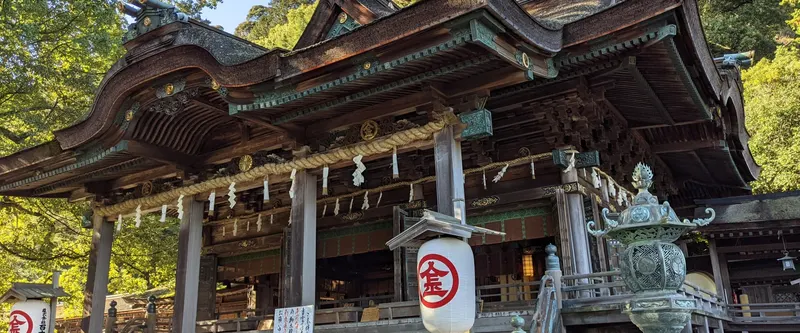
Kotohiragu Shrine Annual Grand Festival
Chugoku & Shikoku ・ Takamatsu, Naoshima & Shodoshima
Every year October 9–11 (mikoshi procession on the night of the 10th, return procession on the night of the 11th)
2026 (Reiwa 8): Oct 9 (Fri) – Oct 11 (Sun); mikoshi procession from 21:00 on the 10th
 October
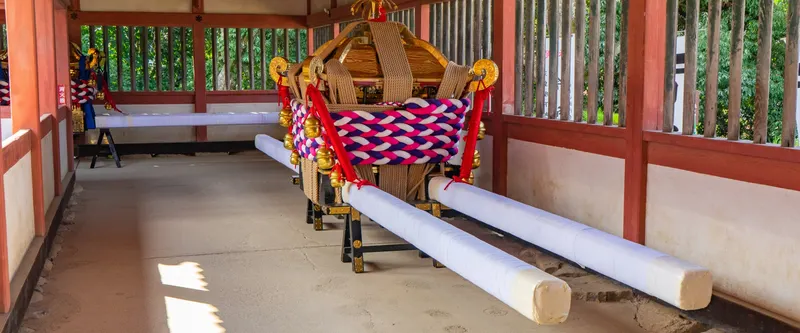
Matsuyama Autumn Festival
Chugoku & Shikoku ・ Matsuyama & Dogo Onsen
Every year October 5–7 (Yoimiya on the 5th, main festival on the 6th, Honmiya on the 7th; the hachiawase in front of Dogo Onsen Station is early in the morning of the 7th)
2026: Oct 5 (Mon) – Oct 7 (Wed); hachiawase in front of Dogo Onsen Station early in the morning of the 7th
 November
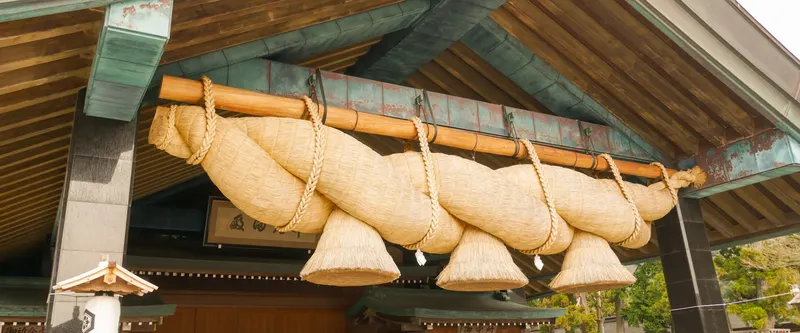
Kamiarisai at Izumo Taisha
Chugoku & Shikoku ・ Izumo & Matsue
Every year on the 10th to 17th days of the 10th lunar month (varies by year on the modern calendar, usually around November)
2026: Nov 18 (Wed) Kamimukaesai – Nov 25 (Wed) Karasadesai
Cherry Blossoms
Cherry Blossoms in Chugoku & Shikoku
 Famous single tree
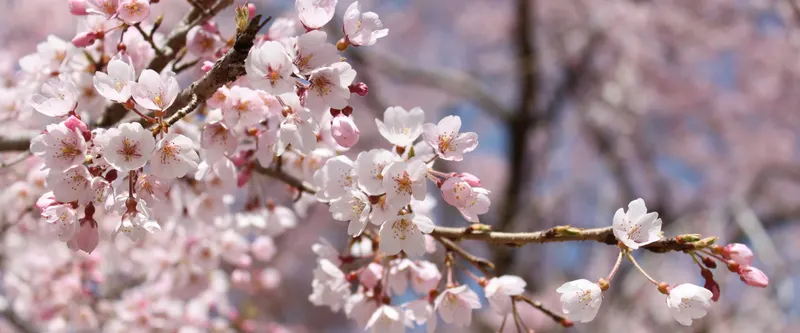
Daigo-zakura Cherry Tree
Chugoku & Shikoku ・ Maniwa, Okayama
🌸 Typical peak: Late Mar – Early Apr
✦ Night sakura
 Castle
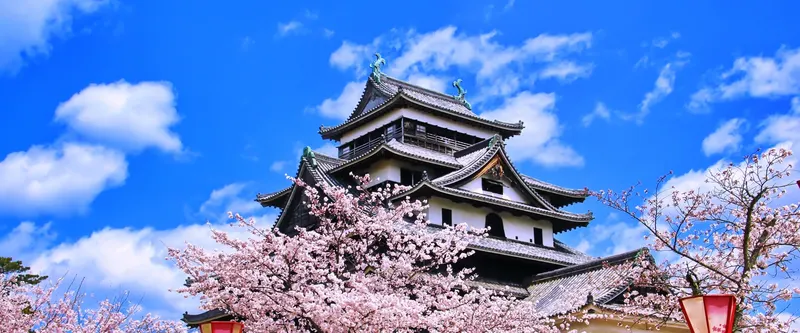
Matsue Castle (Matsue Shiroyama Park)
Chugoku & Shikoku ・ Izumo & Matsue
🌸 Typical peak: Late Mar – Early Apr
✦ Night sakura
 Castle
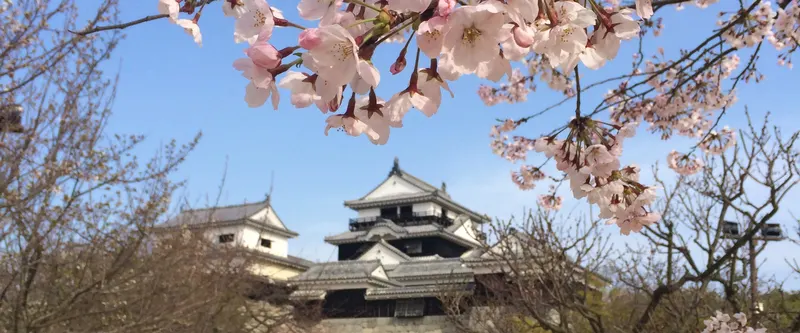
Matsuyama Castle (Shiroyama Park)
Chugoku & Shikoku ・ Matsuyama & Dogo Onsen
🌸 Typical peak: Late Mar – Early Apr
✦ Night sakura
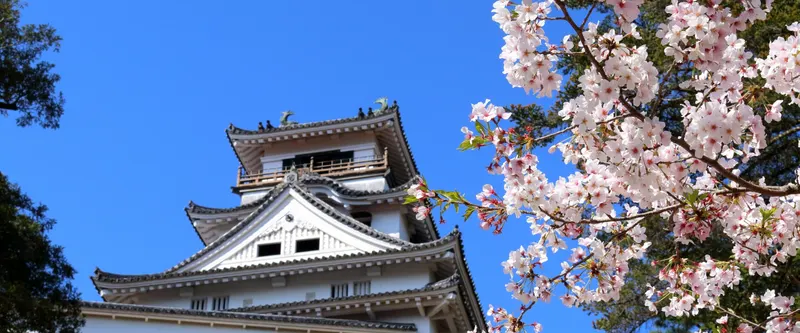 Castle
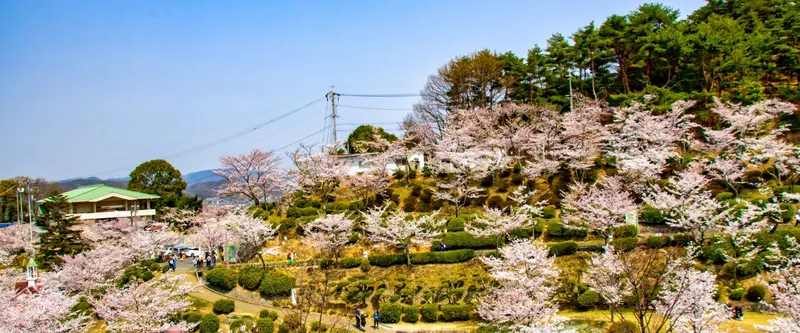 Park
Fireworks
Fireworks festivals in Chugoku & Shikoku
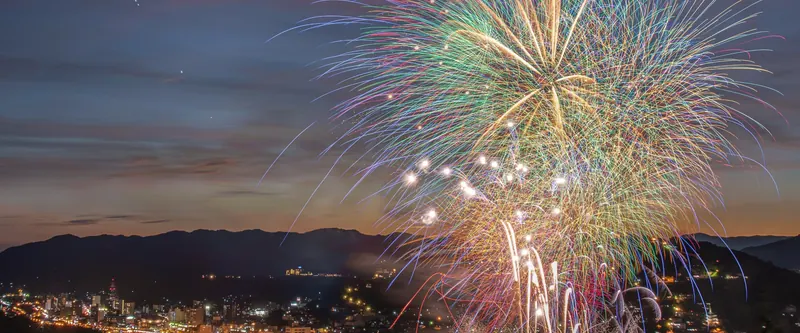 🎆 July
Onomichi Sumiyoshi Fireworks Festival
Chugoku & Shikoku ・ Onomichi, Hiroshima
🎆 Every year on the Saturday around the 27th day of the 6th month of the lunar calendar (July 25 in 2026)
About 13,000 shells (2026, official)Paid seats
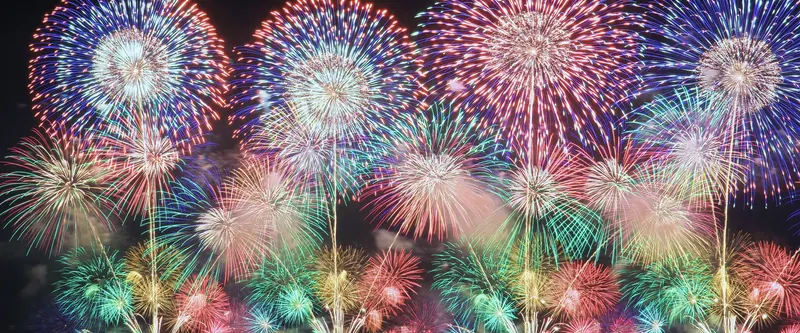 🎆 AugustDate announced
Matsue Suigosai Lake Fireworks Festival
Chugoku & Shikoku ・ Matsue, Shimane
🎆 To be held on Saturday, July 31 and Sunday, August 1, 2027
About 21,000 shells in total over 2 days (2026: 10,000 on day 1, 11,000 on day 2)Paid seats
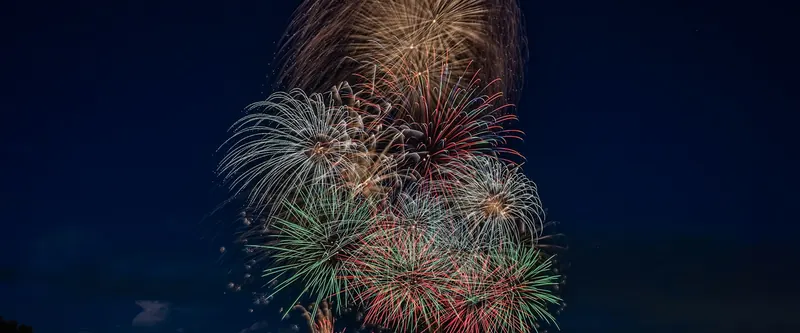 🎆 August
Matsuyama Port Festival Mitsuhama Fireworks
Chugoku & Shikoku ・ Matsuyama, Ehime
🎆 Every year on the first Saturday of August
About 10,000 shells (2026, City of Matsuyama)Paid seats
Onsen
Onsen towns in Chugoku & Shikoku
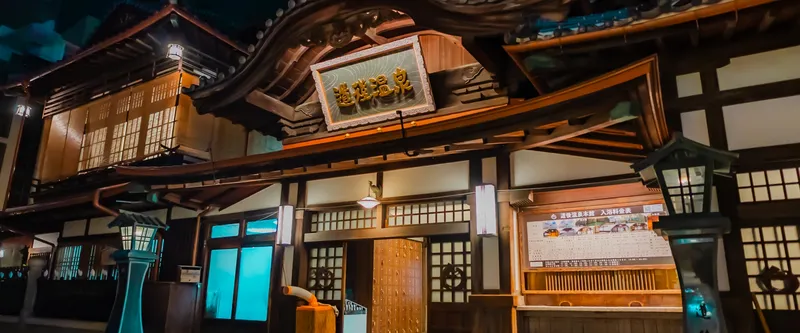 ♨ Onsen
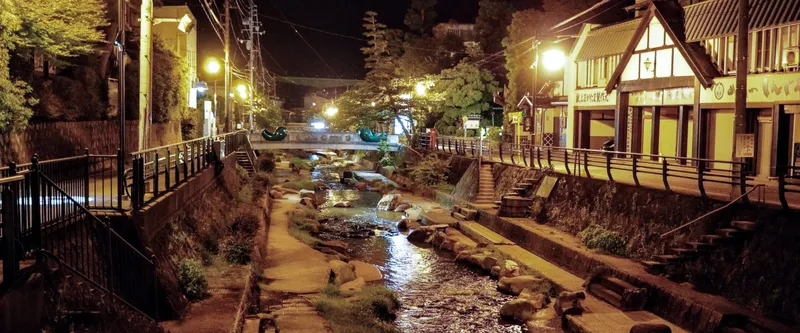
Dogo Onsen
Chugoku & Shikoku ・ Matsuyama, Ehime
♨ Day use Kami-no-Yu ground floor adults ¥700, children (ages 2–11) ¥350; Kami-no-Yu second-floor seats adults ¥1,300; Tama-no-Yu second-floor seats adults ¥2,000; Tama-no-Yu third-floor private room adults ¥2,500 (as of October 2026)
Private baths
 ♨ Onsen
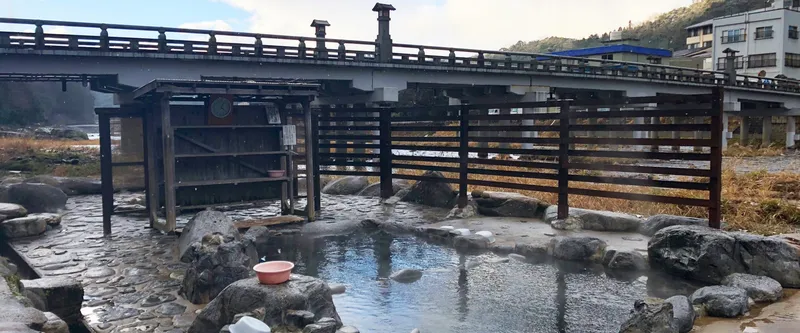
Tamatsukuri Onsen
Chugoku & Shikoku ・ Matsue, Shimane
♨ Day use Adults (junior high school students and up) ¥600, children (age 3 and up) ¥300 (as of October 2026)
Private baths
 ♨ Onsen
Misasa Onsen
Chugoku & Shikoku ・ Misasa, Tottori
♨ Day use Adults ¥400, children (age 3 to elementary school) ¥250 (as of October 2026)
Autumn Leaves
Autumn Leaves in Chugoku & Shikoku
 Mountain & highland🍁 Typical peak
 Gorge🍁 Typical peak
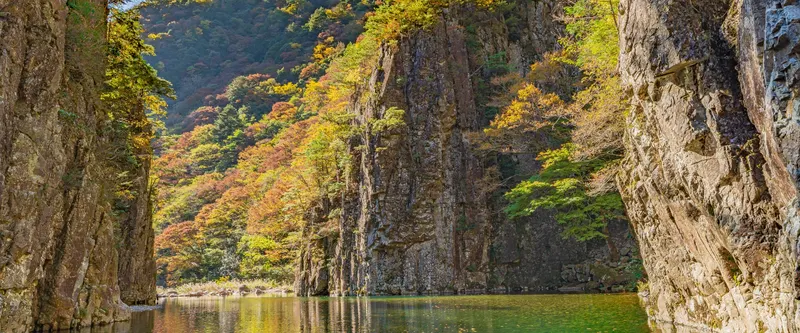 Gorge🍁 Typical peak
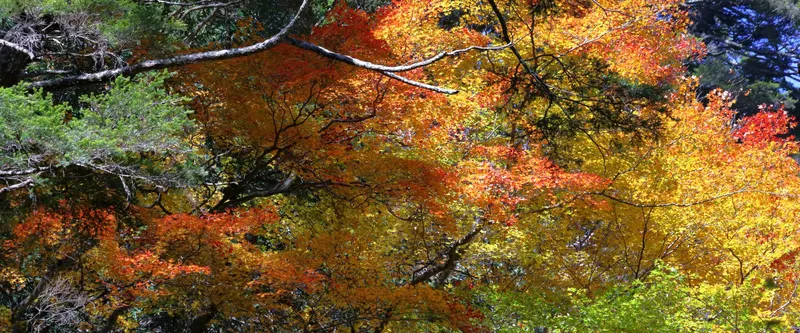 Gorge
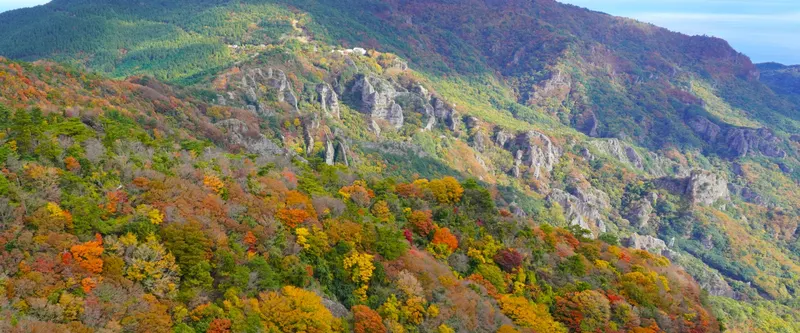 Gorge
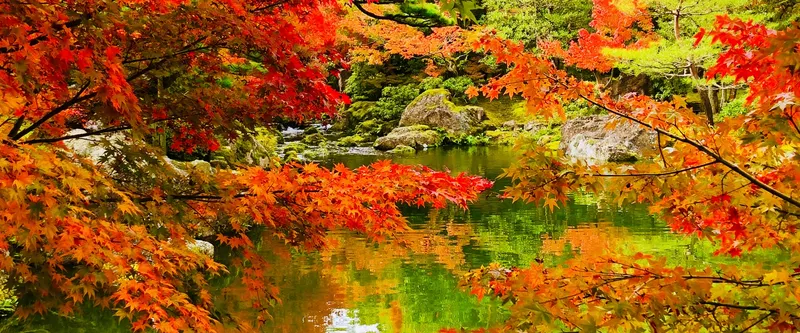 Garden
Yuushien Garden
Chugoku & Shikoku ・ Izumo & Matsue
🍁 Typical peak: Early Nov – Early Dec
✦ Illumination
Attractions
Attractions in Chugoku & Shikoku
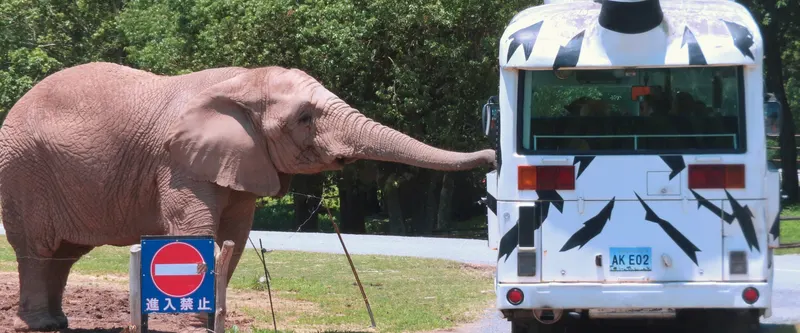 Zoo
Akiyoshidai Safari Land
Chugoku & Shikoku ・ Hagi, Tsunoshima & Akiyoshidai
A safari-style animal park in the Akiyoshidai area where you can see animals without leaving your car. Besides the Safari Zone that you drive through in your own car, there's a feeding bus that tours by dedicated bus, a Walking Zone where you can interact with animals on foot, and an amusement park with free admission.
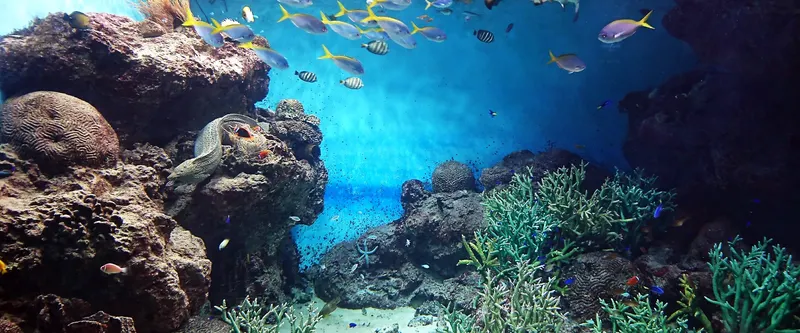 Aquarium
Shimonoseki Marine Science Museum Kaikyokan
Chugoku & Shikoku ・ Shimonoseki, Yamaguchi
A Shimonoseki City aquarium facing the Kanmon Straits. Under the concept Life in the Sea, the Sea and Life, it's known for a tank recreating the Kanmon Straits currents and its world-leading display of about 100 species of pufferfish. It reopened after renovation in August 2025, adding Hireashi Beach, a new California sea lion exhibit.
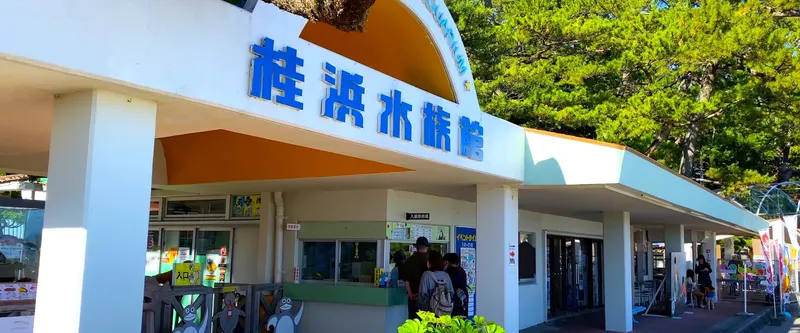 Aquarium
Katsurahama Aquarium
Chugoku & Shikoku ・ Kochi & Shimanto
An aquarium inside Katsurahama Park, right in front of Katsurahama, one of Kochi's most famous scenic spots. It keeps about 4,000 creatures of around 220 species, and most of the facility is an open-air outdoor area with views of Katsurahama Beach and Tosa Bay. You can also bring your pet inside.
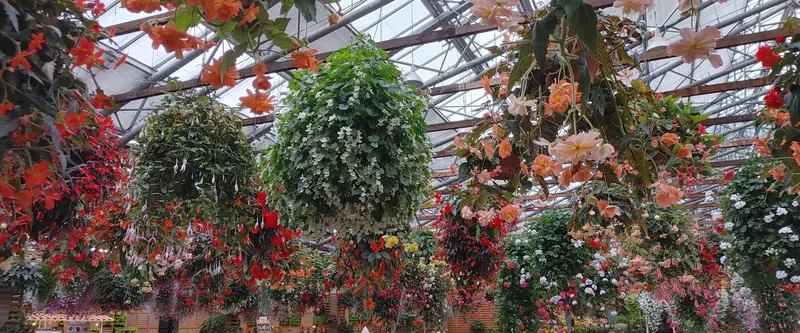 Zoo
Matsue Vogel Park
Chugoku & Shikoku ・ Izumo & Matsue
A flower and bird themed park spread over hills on the shore of Lake Shinji. Its 320,000㎡ grounds include display greenhouses totaling 12,000㎡, and the main facilities are linked by covered walkways, so you can get around without an umbrella even on rainy days. The Ichibata Electric Railway station connects directly to the park.
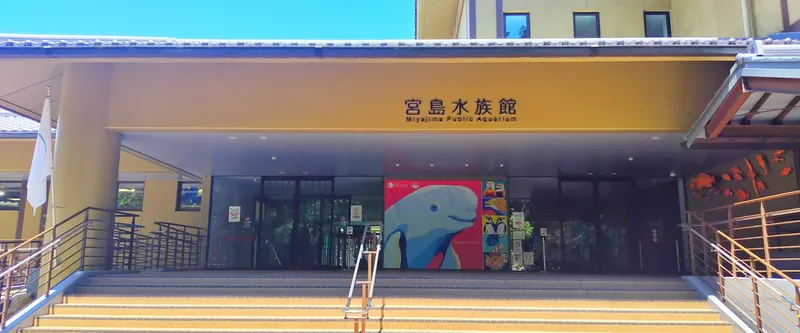 Aquarium
Miyajima Public Aquarium (Miyaji-Marine)
Chugoku & Shikoku ・ Hiroshima & Miyajima
An aquarium themed on the Seto Inland Sea, on Miyajima, home of the World Heritage-listed Itsukushima Shrine. It reopened after renovation in 2011 and displays more than 15,000 creatures of 380 species, centered on Seto Inland Sea life. It will be closed from December 1, 2026 to March 31, 2027 for equipment upgrades and repair work, so visit by November 30.
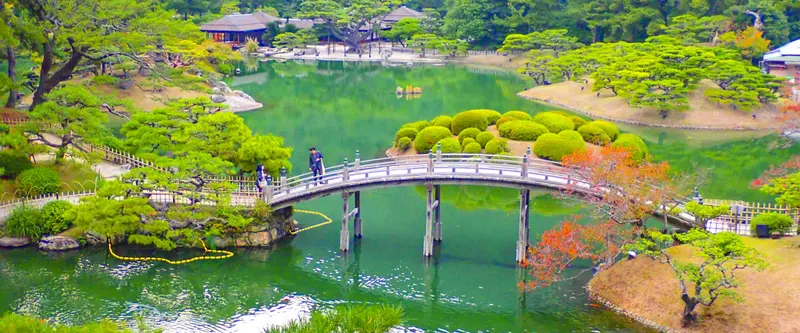 Botanical garden
Ritsurin Garden
Chugoku & Shikoku ・ Takamatsu, Naoshima & Shodoshima
A feudal lord's garden in central Takamatsu, designated a national Special Place of Scenic Beauty. With 6 ponds and 13 artificial hills, and Mt. Shiun and its pine forest behind it as borrowed scenery, it offers views that change with every step. It opens early in the morning, making it good for a morning stroll.
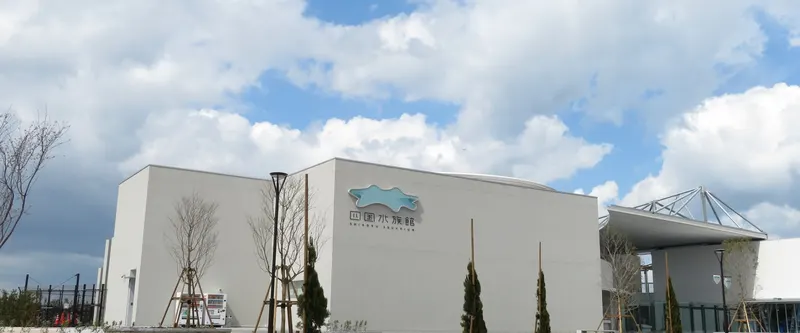 Aquarium
Shikoku Aquarium
Chugoku & Shikoku ・ Utazu, Kagawa
An aquarium that opened in Utazu, Kagawa Prefecture, in 2020. Themed on Shikoku Waterscapes, it recreates the waters surrounding Shikoku, including the Seto Inland Sea, the Pacific Ocean with the Kuroshio Current, and clear rivers such as the Shimanto and Niyodo, in about 70 waterscape exhibits. It's about a 12-minute walk from JR Utazu Station.
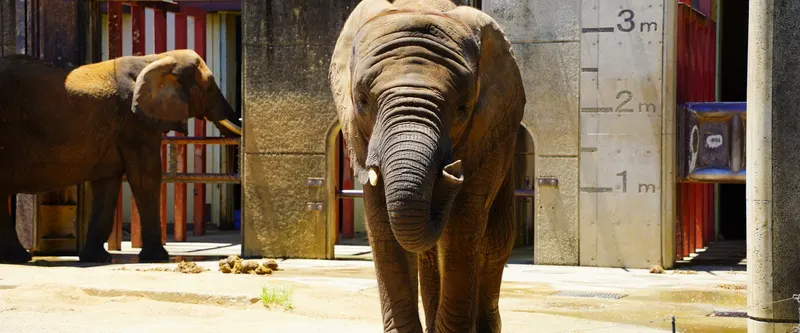 Zoo
Ehime Prefectural Tobe Zoological Park
Chugoku & Shikoku ・ Tobe, Ehime
An Ehime Prefecture-run zoo in Tobe, about 20 minutes by car from central Matsuyama. Under the concept A Zoo Full of Everyone's Smiles, it keeps many animals, including polar bears, African elephants, Malayan tapirs, sea lions, and flamingos. Admission is an affordable ¥600 for adults.
 Experience
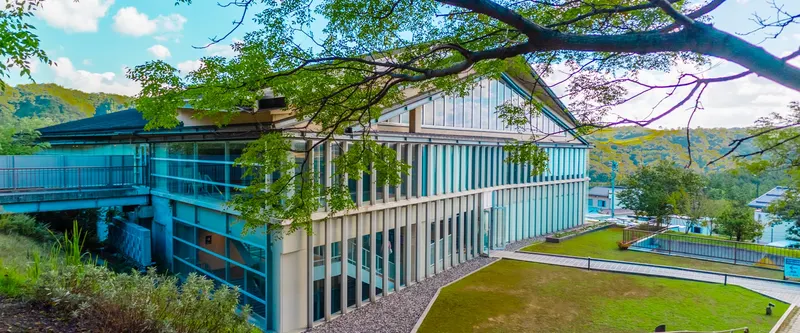
Tottori Sand Dunes Sand Museum
Chugoku & Shikoku ・ Tottori
The world's first museum dedicated to sand sculptures, right next to the Tottori Sand Dunes. The theme changes every year, and works by sand sculptors from Japan and abroad are displayed indoors. From April 24, 2026 to January 3, 2027, the 17th exhibition, Travel Around the World in Sand: Spain, is on.
☂ Mostly indoors · rain-friendly
 Experience
Onaruto Bridge Walkway Uzu-no-Michi
Chugoku & Shikoku ・ Naruto, Tokushima
A 450m-long walkway built inside the girders of the Onaruto Bridge. From 45m above the sea, you can look straight down on the whirlpools of the Naruto Strait. It's a Tokushima Prefecture facility inside Naruto Park and can be visited together with the neighboring Onaruto Bridge Memorial Hall Eddy.
Travel Passes
Travel passes you can use in Chugoku & Shikoku
 🚄 JR
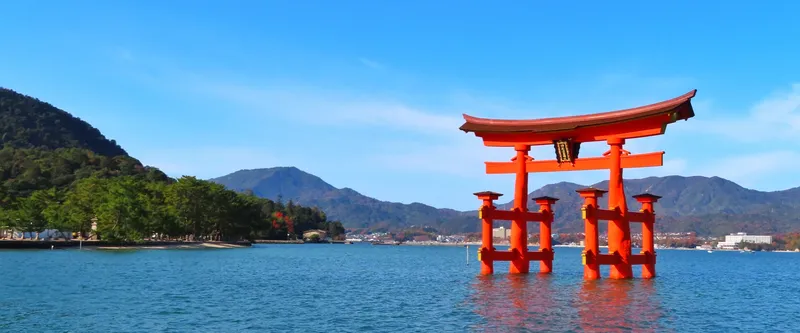
Kansai-Hiroshima Area Pass
Kansai ・ 5 consecutive days (from 0:00 on the first day to 24:00 on the last day)
From ¥17,000
 🚄 JR
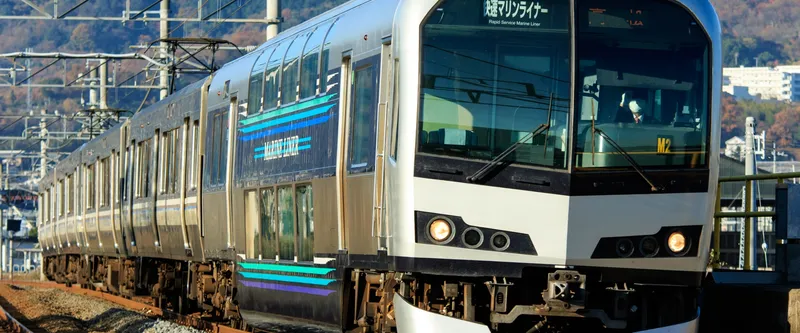
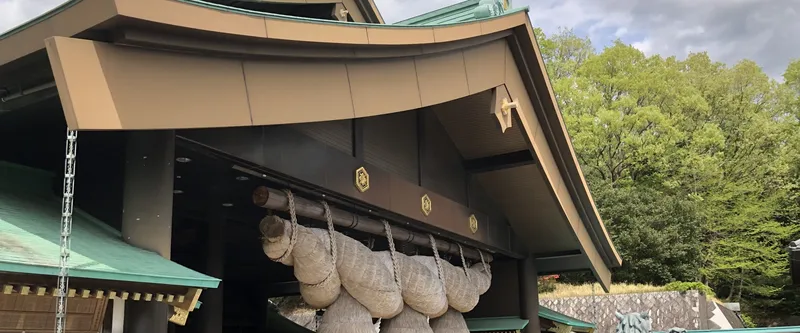 🚄 JR
Sanyo-San'in Area Pass
Chugoku & Shikoku ・ 7 consecutive days (from 0:00 on the first day to 24:00 on the last day)
From ¥23,000
 🎫 Combo ticket
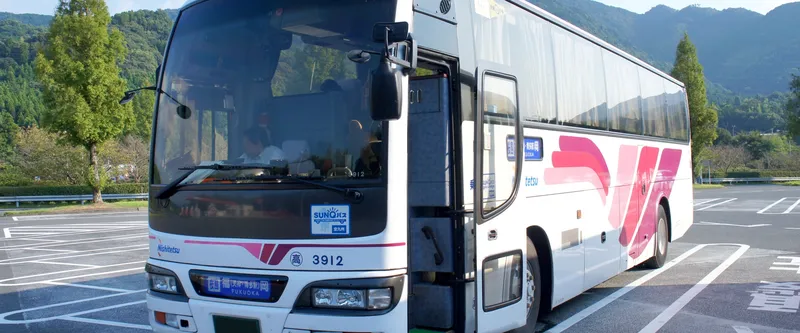 🚌 Bus
SUNQ PASS
Kyushu ・ Paper passes are valid for 3 or 4 consecutive days. Digital passes: the 3-day pass covers any 3 days within 5 days from the start date, and the 4-day pass any 4 days within 7 days (each day runs from 3:00 to 26:59)
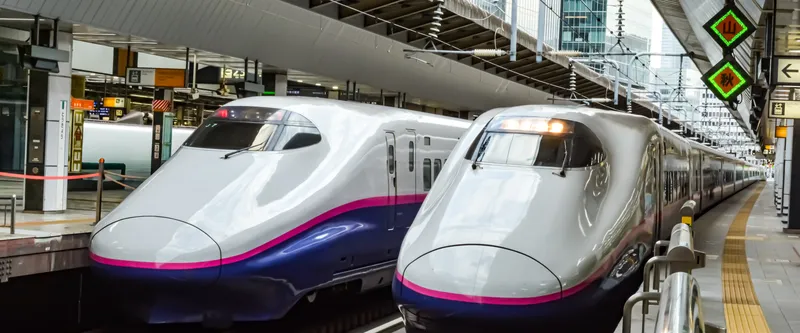 🚄 JR
Japan Rail Pass
Nationwide ・ Three types: 7, 14 or 21 days. The period of use cannot be extended or changed
From ¥50,000
Getting Around
Getting to and from Chugoku & Shikoku
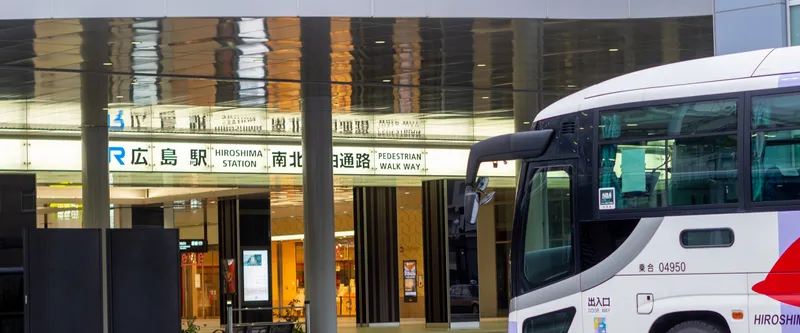
Tokyo → Hiroshima
Fastest: Approx. 4 hr (example: Nozomi 89, dep. Tokyo 20:00 → arr. Hiroshima 23:54)
🚄 Shinkansen✈ Flight🌙 Overnight bus
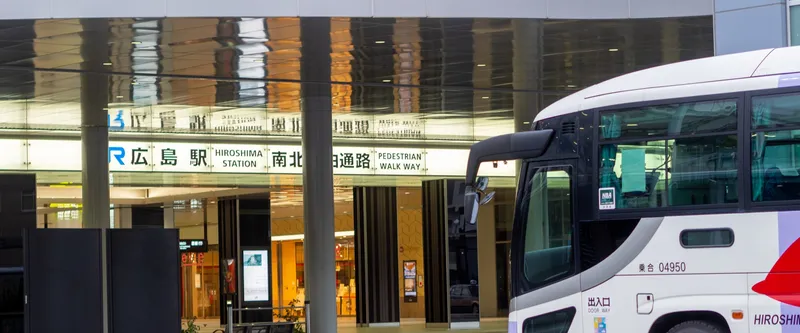
Osaka → Hiroshima
Fastest: About 1 hr 25 min (e.g. Nozomi No. 89 departs Shin-Osaka 22:29 → arrives Hiroshima 23:54)
🚄 Shinkansen🚌 Highway bus🌙 Overnight bus
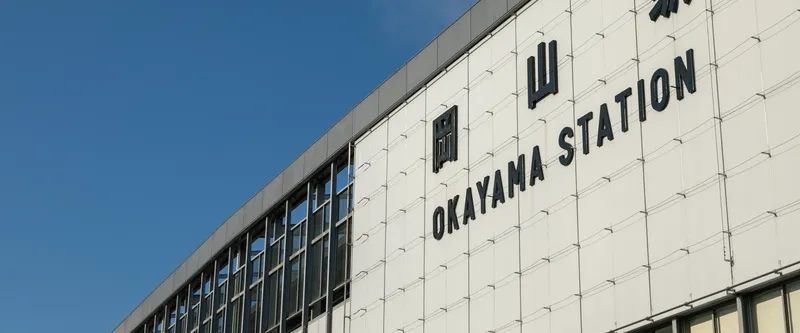
Osaka → Okayama
Fastest: About 45 min (e.g. Nozomi No. 89 departs Shin-Osaka 22:29 → arrives Okayama 23:13)
🚄 Shinkansen🚌 Highway bus
FAQ
FAQ
Q. When is the best time to visit Chugoku & Shikoku?+
For the most comfortable weather, we recommend late April to May and October to November. For cherry blossoms, go from late March to early April; for autumn leaves, from late October to early December. Watch out for the rainy season from June to mid-July, intense heat in August, and typhoons in September.
Q. Does the Seto Inland Sea area really get little rain?+
Yes. Average annual precipitation is on the low side: 1143mm in Okayama, 1150mm in Takamatsu and 1138mm on Ikuchijima along the Shimanami Kaido. By contrast, Kochi on the Pacific side gets 2667mm and Tottori on the Sea of Japan side 1931mm, so it varies a lot even within the same region.
Q. Does it snow in Matsue and Tottori in winter?+
San'in sees many cloudy and snowy days in winter, and Tottori's average January snowfall is 55cm. January sunshine in Tottori is 69.0 hours, about half of Okayama's 149.0 hours. Highs are around 8°C, so bring warm clothing and non-slip shoes.
Q. When is the rainy season in Chugoku & Shikoku?+
According to Japan Meteorological Agency averages, the rainy season in the Chugoku region (excluding Yamaguchi Prefecture) starts around June 6 and ends around July 19, and in the Shikoku region it runs from around June 5 to around July 17. Yamaguchi Prefecture is included in the northern Kyushu region, where it runs from around June 4 to around July 19.
Q. How much cooler is Iya than Tokushima City?+
Based on observations at Kyojo in Higashi-Iya, the annual average temperature is 12.3°C, lower than Tokushima City's 16.8°C. The August high is a relatively cool 29.6°C, while January mornings drop to around -2°C.
Plan Your Trip
Plan Your Chugoku & Shikoku TripPR
More Guides
Weather Guides for Other Regions
🗾 Japan Weather →Hokkaido Weather & What to Wear Guide →Tohoku: Weather & What to Wear Guide →Tokyo & Around: Weather & What to Wear Guide →Chubu & Hokuriku: Weather & What to Wear Guide →Kansai: Weather & What to Wear Guide →Kyushu: Weather & What to Wear Guide →Okinawa: Weather & What to Wear Guide →
Source: Japan Meteorological Agency (climate normals 1991-2020). Compiled by tripuuu.log. Temperatures are from a representative station in each area; actual weather varies from year to year.