
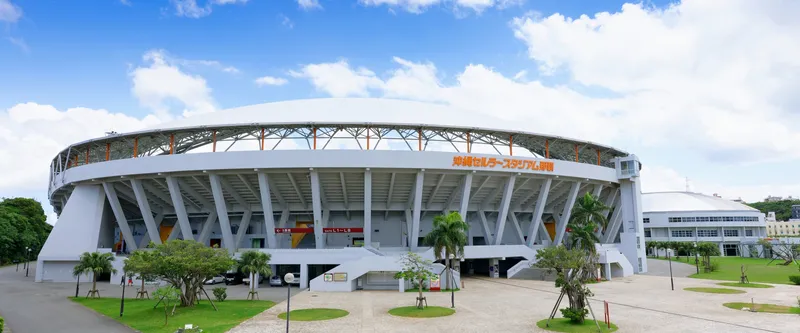
 February–March
Okinawa Pro Baseball Spring Camp
Okinawa ・ Naha
Usually February 1 to late February (the Yomiuri Giants' Naha camp runs from mid-February to early March)
Okinawa is warm all year round: even in January, the depths of winter, Naha's high is 19.8°C, and in summer highs sit around 32°C. Days over 35°C are rarer than in mainland Japan's cities, but the sun and humidity are intense. The rainy season runs from mid-May to late June, and typhoon season from July to October. In winter, northerly winds make it feel chillier than the numbers suggest. This guide covers 8 areas, from the main island of Okinawa to Miyakojima, Ishigaki and Iriomote, with monthly temperatures based on Japan Meteorological Agency climate normals, plus what to wear and what to see.
Even the coolest month has highs around 20°C; kanhizakura cherry blossoms bloom
Cherry blossoms and whale watching: pro baseball spring training season
Warmth returns and beaches around the islands open for the season
Sunny and comfortable: the start of beach season
Haari dragon-boat races early in the month; the rainy season starts mid-month
The rainy season ends late in the month and summer beach season begins
Midsummer with long sunny spells: the best time for the beach
Peak summer and typhoon season; Eisa dances for Kyu-Bon (lunar Obon)
Lingering heat and typhoons; the sea is still warm enough to swim
The heat eases and the Naha Otsunahiki tug-of-war draws crowds
The northerly winds begin: a pleasant, comfortable season
Highs around 20°C; the northerly winds turn cold
Naha high / low (climate normals).
Beaches open for the season from late March to April. Swimming is most pleasant from late June, after the rainy season, through September, but April–May and October are also great on sunny days. In summer, swim at beaches with nets to keep out habu jellyfish (box jellyfish).
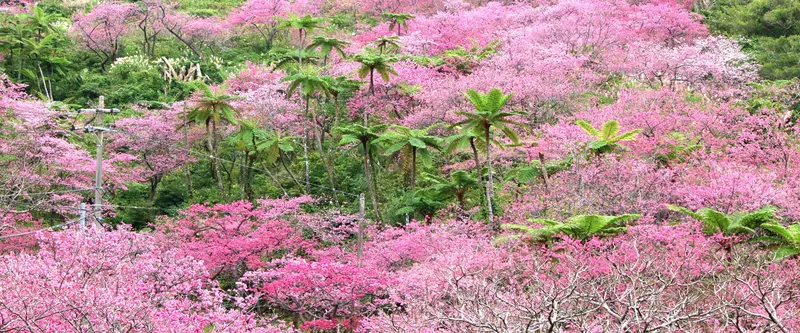
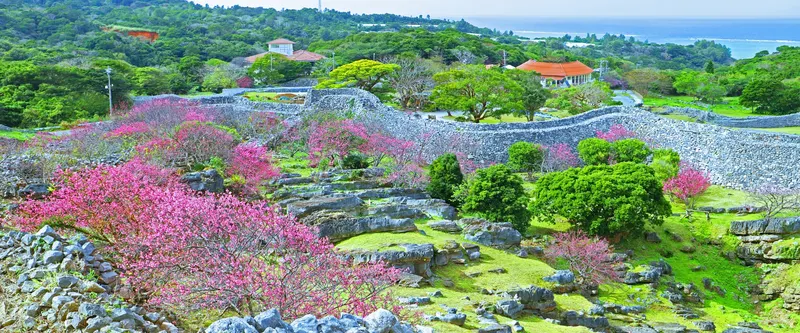
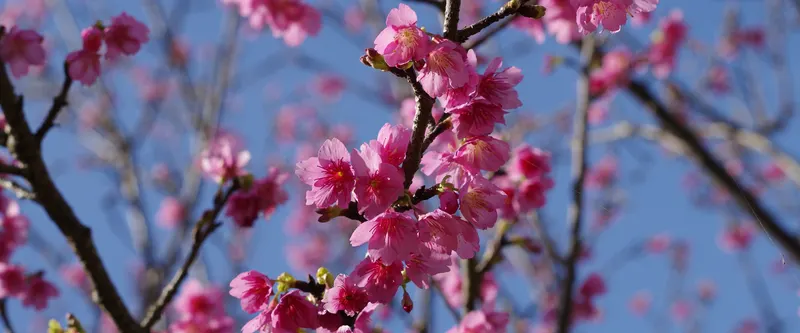
Okinawa's cherry blossoms are kanhizakura (Taiwan cherry), with deep pink flowers. They start blooming at Mt. Yaedake in Motobu and in Nago in the north of the main island, and move from north to south — the opposite of mainland Japan.
Winter is the season when humpback whales come to Okinawa to raise their calves. You can take a boat out to see them from Naha or the Kerama Islands.
Okinawa's signature events are the Naha Haari dragon-boat races in early May, Eisa drum dances during Kyu-Bon (lunar Obon, around mid-August to early September), and the Naha Otsunahiki tug-of-war in October.
The forests of Yanbaru, the jungles of Iriomote and mangrove canoe trips are best from autumn to spring, when the heat eases. In summer, go early in the morning or in the evening.
Not too hot, with relatively little risk of rainy-season downpours or typhoons. April and late October to November are ideal for both sightseeing and walks along the coast.
Average temperature normals (°C). Blue is colder, deeper orange is warmer. Tap a month to see the full guide.
| Area | Jan | Feb | Mar | Apr | May | Jun | Jul | Aug | Sep | Oct | Nov | Dec |
|---|---|---|---|---|---|---|---|---|---|---|---|---|
| Naha | 17.3 | 17.5 | 19.1 | 21.5 | 24.2 | 27.2 | 29.1 | 29.0 | 27.9 | 25.5 | 22.5 | 19.0 |
| Onna & West Coast Resorts | 17.3 | 17.5 | 19.1 | 21.5 | 24.2 | 27.2 | 29.1 | 29.0 | 27.9 | 25.5 | 22.5 | 19.0 |
| Motobu & Churaumi | 16.5 | 16.8 | 18.5 | 20.9 | 23.8 | 26.9 | 28.9 | 28.8 | 27.6 | 25.0 | 21.9 | 18.2 |
| Yanbaru | 14.7 | 14.9 | 16.5 | 19.0 | 21.8 | 25.0 | 26.9 | 26.7 | 25.6 | 23.1 | 20.1 | 16.5 |
| Kerama Islands | 15.6 | 15.7 | 17.2 | 19.5 | 22.2 | 25.1 | 26.9 | 26.8 | 25.8 | 23.5 | 20.7 | 17.4 |
| Miyakojima | 18.3 | 18.6 | 20.1 | 22.5 | 25.0 | 27.7 | 28.9 | 28.6 | 27.6 | 25.5 | 23.1 | 20.0 |
| Ishigaki | 18.9 | 19.4 | 20.9 | 23.4 | 25.9 | 28.4 | 29.6 | 29.4 | 28.2 | 26.0 | 23.6 | 20.5 |
| Iriomote & Taketomi | 18.5 | 19.0 | 20.2 | 22.8 | 25.5 | 27.8 | 28.9 | 28.5 | 27.6 | 25.4 | 23.1 | 20.0 |
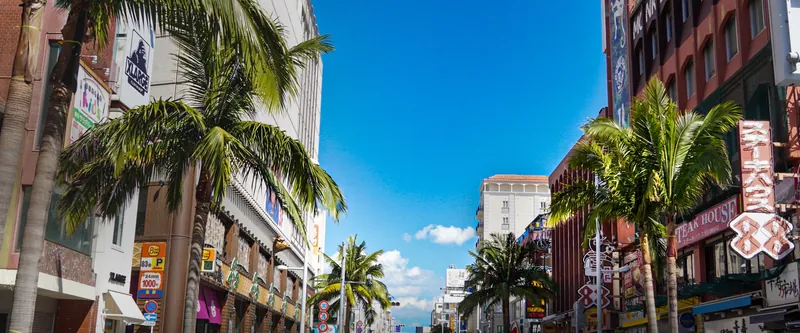
Naha, Kokusai-dori, Shurijo Castle, Naminoue Shrine
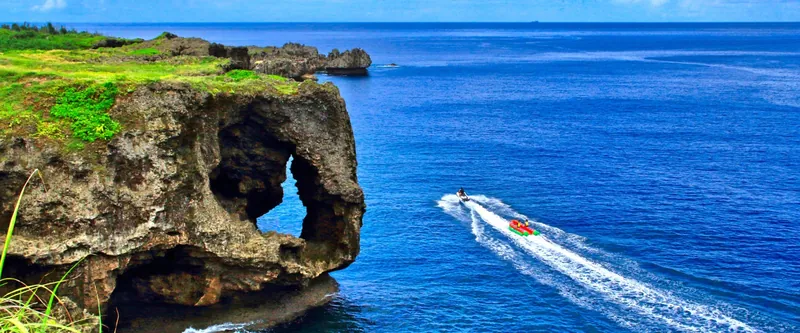
Onna, Cape Manzamo, Blue Cave, Chatan
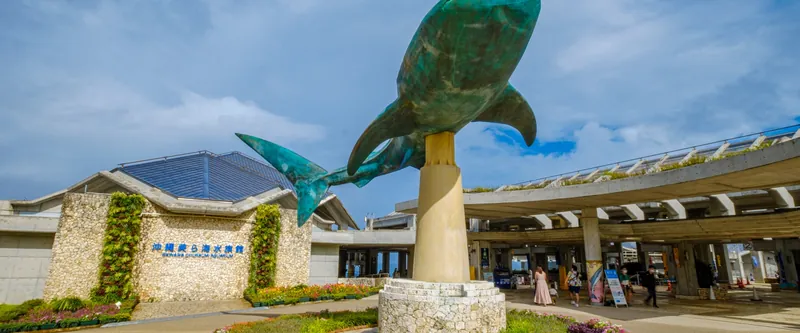
Churaumi Aquarium, Kouri Island, Sesoko Island, Nago
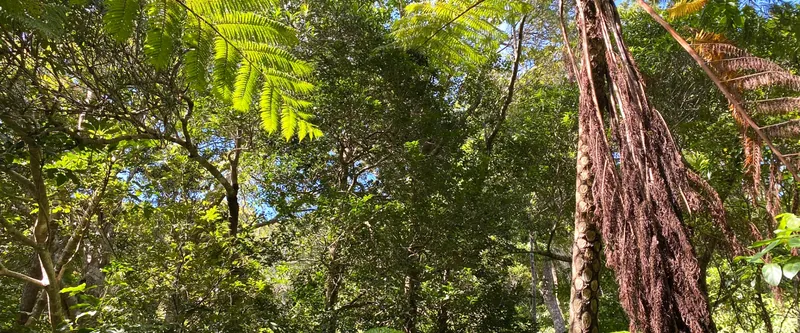
Kunigami, Cape Hedo, Daisekirinzan, Hiji Falls
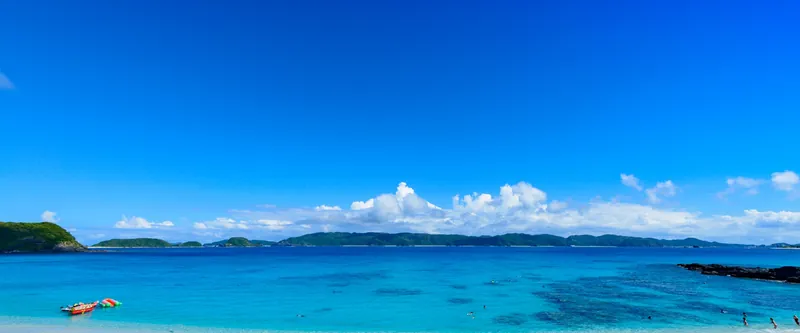
Tokashiki Island, Zamami Island, Aka Island
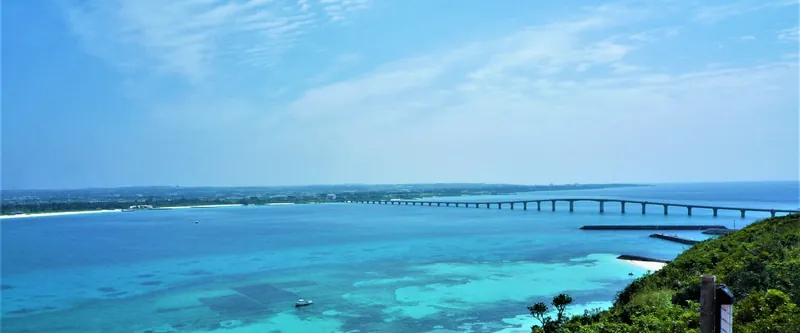
Yonaha Maehama Beach, Irabu Bridge, Cape Higashi-Hennazaki
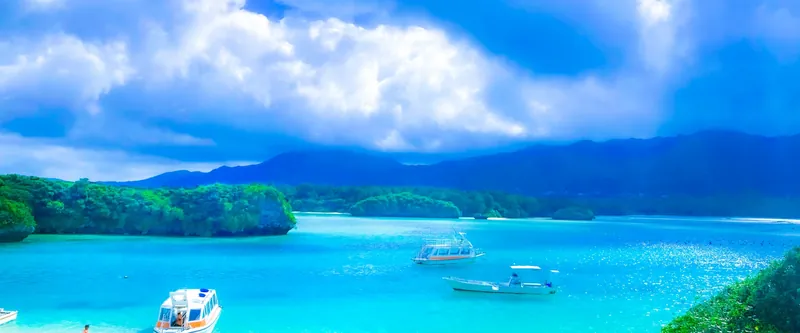
Kabira Bay, Ishigaki Port, Cape Tamatorizaki
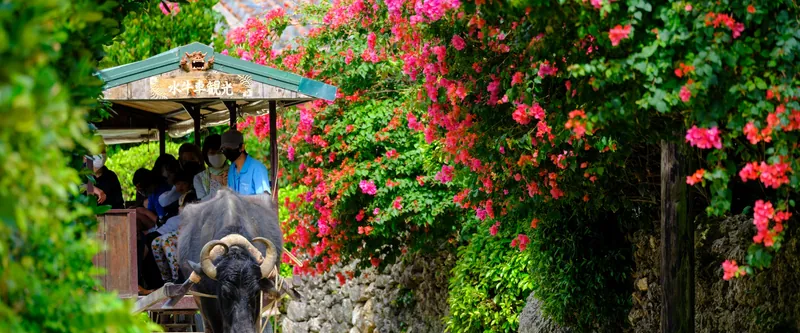
Iriomote, Taketomi, Yubu Island, Urauchi River
Annual rain is the sum of the monthly precipitation normals.
February–MarchOkinawa ・ Naha
Usually February 1 to late February (the Yomiuri Giants' Naha camp runs from mid-February to early March)
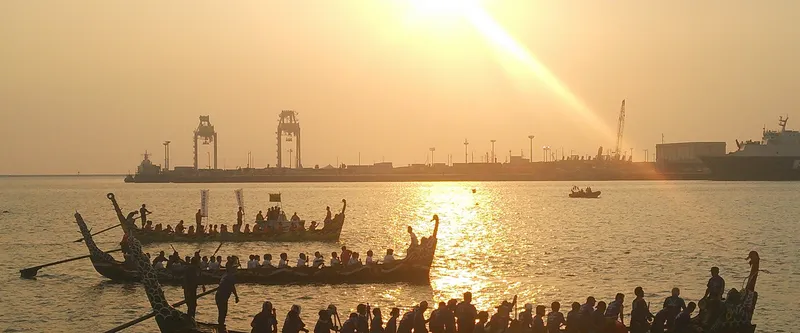 May
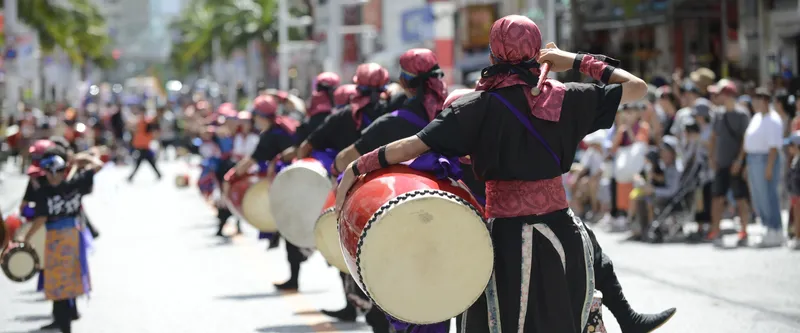 August–September
Okinawa ・ Naha
Usually three days, Friday to Sunday, on the weekend after the lunar Obon (late August to early September)
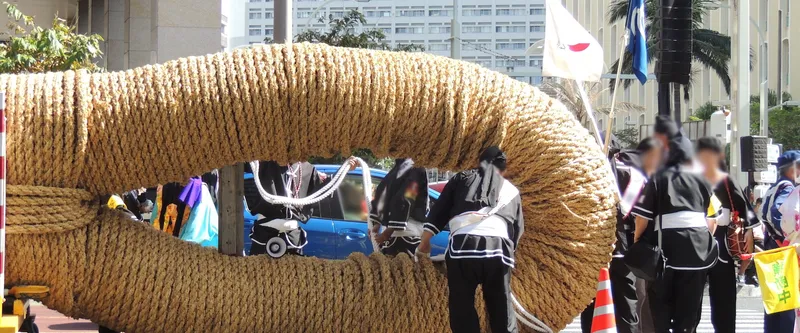 October
Okinawa ・ Naha
Usually the three-day weekend around Sports Day (formerly Health and Sports Day) in October. The tug-of-war is on the Sunday in the middle of the long weekend
2026 (56th): Oct 10 (Sat) – Oct 12 (Mon, holiday); Hatagashira procession and tug-of-war on Oct 11 (Sun)
 December
Okinawa ・ Naha
Usually the first Sunday of December
2026 (40th anniversary race): Dec 6 (Sun), 9:00 start
 Mountain
Okinawa ・ Motobu & Churaumi
🌸 Typical peak: Mid Jan – Early Feb
 Castle
 Park
 🎆 April
Okinawa ・ Ginowan, Okinawa
🎆 Usually in April (April 11 (Sat), 2026)
 Aquarium
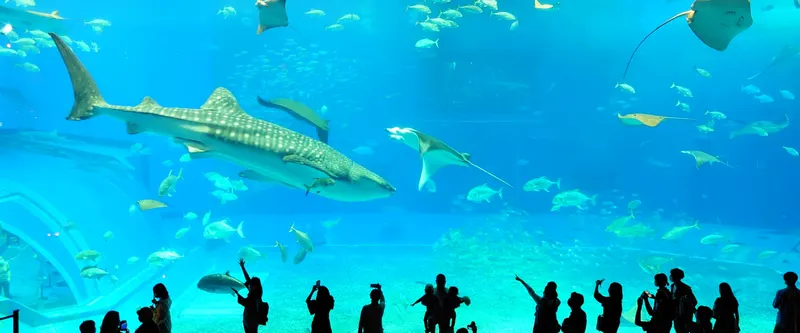
Okinawa ・ Motobu & Churaumi
This aquarium sits in Ocean Expo Park on the Motobu Peninsula in northern Okinawa Island. Its exhibits trace the creatures of Okinawa’s waters in sequence, from coral reefs out to the open ocean. It’s about 2 hours by car or about 2.5 hours by express bus from Naha Airport.
 Theme park
Okinawa ・ Nakijin / Nago
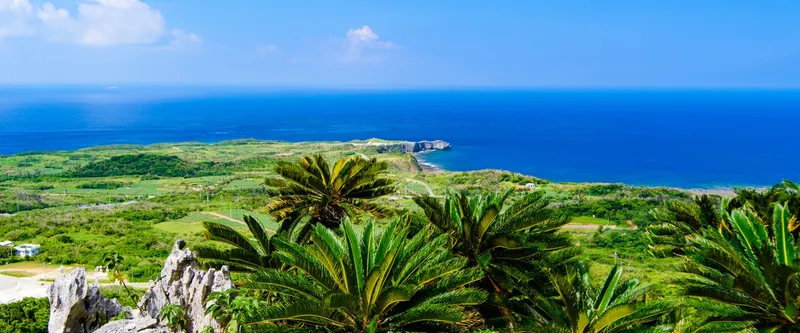
An immersive, nature-themed park that opened in July 2025 near the Yanbaru forest in northern Okinawa Island. Set on vast grounds that were once a golf course, it offers a dinosaur safari, aerial attractions, a spa with spectacular views, and restaurants serving Okinawan ingredients.
 Zoo
Okinawa ・ Okinawa City
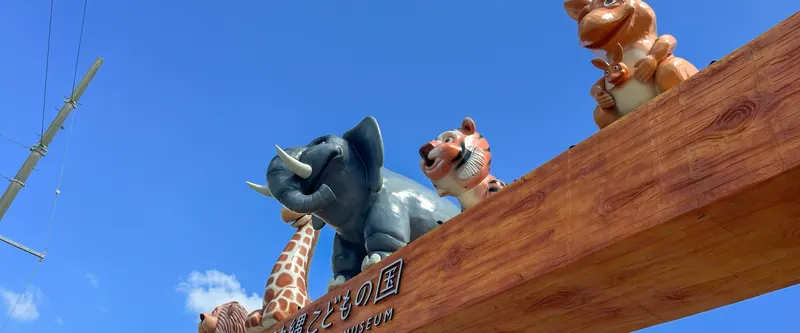
A facility in Okinawa City that combines a zoo with a hands-on museum. With the outdoor Animal Zone and the indoor Wonder Museum, it's fun rain or shine. Admission is free for ages 15 and under.
 Botanical garden
Okinawa ・ Okinawa City
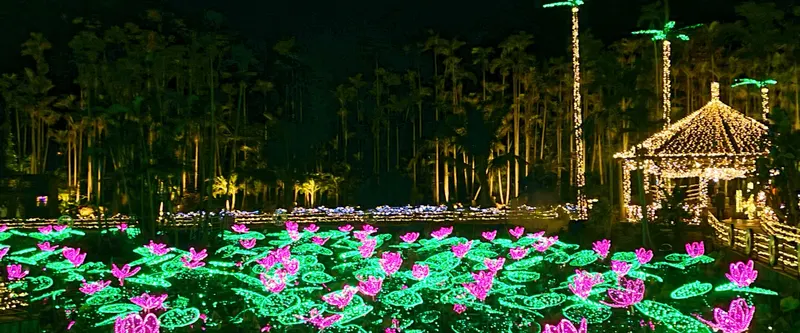
An outdoor botanical garden in Okinawa City, officially named "Churayashi Park Okinawa Southeast Botanical Gardens." You can see about 1,300 species of tropical and subtropical plants, and an evening illumination is usually held from autumn through spring.
 Zoo
Okinawa ・ Nago
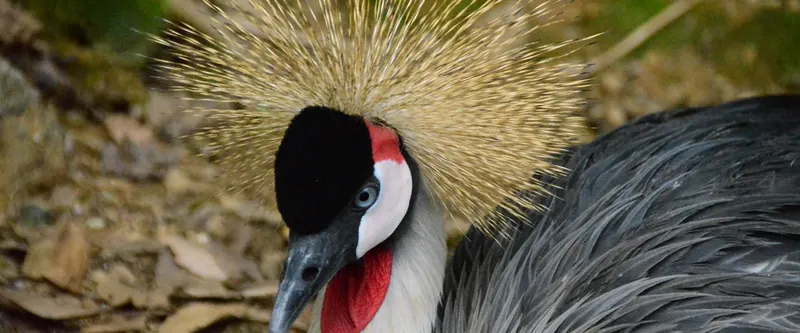
A zoo in Nago City whose official name is Nago Nature Botanical and Zoological Park. It uses what is said to be Japan's largest flying-cage system, and many animals roam freely in the park. Walking through areas themed on Africa, South America, and Oceania, you can experience how close you get to the animals.
 Aquarium
Okinawa ・ Tomigusuku
An aquarium inside the iias Okinawa Toyosaki shopping center, about 20 minutes by car from Naha Airport. Opened in 2020, it combines spatial effects using video and light with hands-on encounters with marine life. It's open until 19:00, making it easy to drop by on your arrival day or before departure.
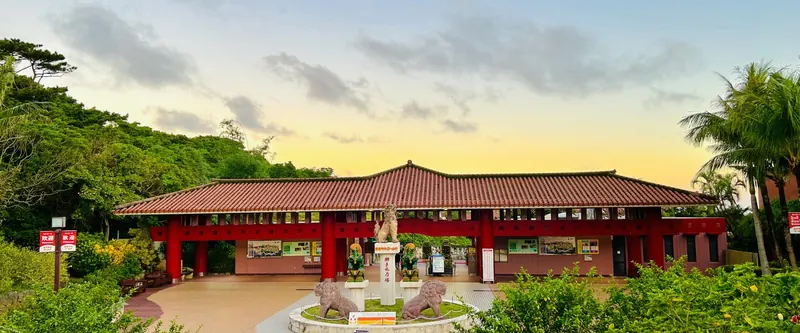 Theme park
Okinawa ・ Nanjo
A theme park in Nanjo City in the south of Okinawa Island, centered on the Gyokusendo limestone cave. Besides exploring the cave, you can watch Eisa dance and try crafts in the Ryukyu Kingdom castle town lined with old houses, visit the Habu Museum Park, and experience Okinawa's nature and culture all in one place. It's about 30 minutes by car from Naha Airport.
Compare trains, buses and taxis from the airport by travel time and fare.
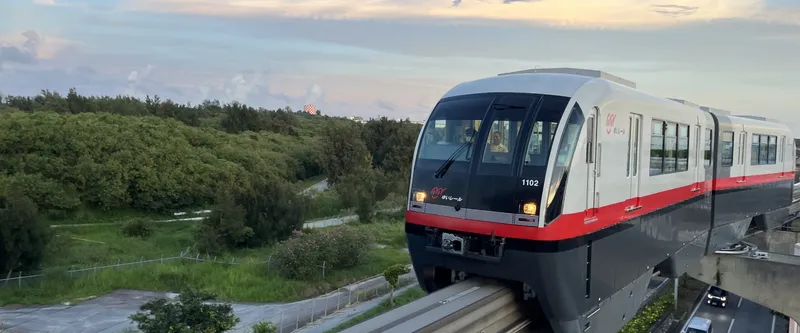 🚃 Private railway
Okinawa ・ The 1-day pass is valid for 24 hours from purchase, the 2-day pass for 48 hours from purchase
From ¥1,000
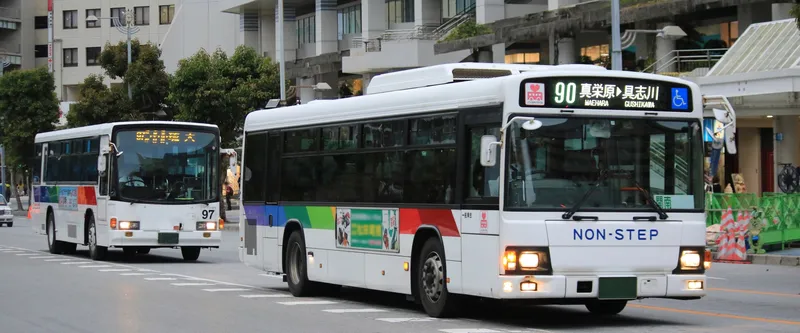 🎫 Combo ticket
Okinawa ・ 1 day (QR tickets from Yui Rail ticket machines are valid only on the day of issue)
From ¥1,500
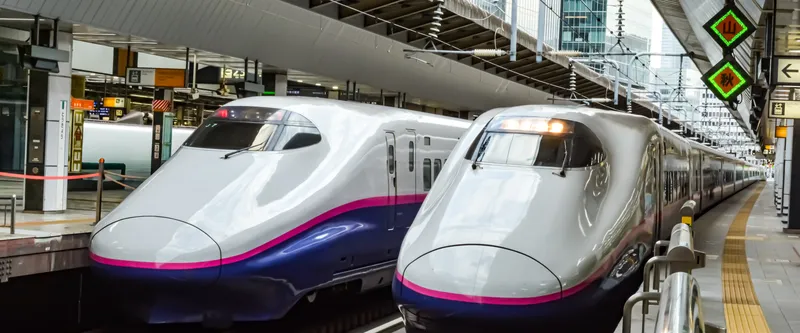 🚄 JR
Nationwide ・ Three types: 7, 14 or 21 days. The period of use cannot be extended or changed
From ¥50,000
For the beach, we recommend late June to September, after the rainy season ends; for the most comfortable weather, April and late October to November. The rainy season runs from mid-May to late June, and typhoons can approach from July to October, so plan with an eye on the weather forecast.
Beaches open for the season from late March to April. The water warms up enough for comfortable swimming from around May to around October. In spring and autumn, a rash guard or wetsuit will keep you comfortable.
In Naha, the average January high is 19.8°C and the low is 14.9°C, and it never snows. However, strong northerly winds and frequent cloudy days make it feel colder than the numbers suggest. Long sleeves plus a light jacket or hoodie will keep you comfortable.
In the Okinawa region, the rainy season usually starts around May 10 and ends around June 21. That's about 1 month earlier than in mainland Japan, and once it ends, sunny days follow one after another.
Typhoons are most likely to approach from July to October, especially in August and September. Typhoons can ground flights and halt ferries to the outlying islands, so check the latest information during your trip and leave some slack in your schedule.
Source: Japan Meteorological Agency (climate normals 1991-2020). Compiled by tripuuu.log. Temperatures are from a representative station in each area; actual weather varies from year to year.