Japanese Culture

Traditional Crafts Guide (Pottery, Indigo Dyeing, Gold Leaf, Edo Kiriko and Washi)

📍 6 placesTokyo & AroundChubu & HokurikuChugoku & ShikokuKyushu
Search by dates and destination
About

About this experience

In the regions where artisans have handed down their skills, you can try pottery, indigo dyeing, gold leaf application, Edo Kiriko cut glass and papermaking with your own hands. From Mashiko and Arita ceramics to Edo Kiriko in Tokyo, Kanazawa gold leaf, Mino washi and Tokushima indigo, workshops and public facilities around Japan welcome first-timers.

All over Japan, traditional crafts born of local materials and artisans' skills are still very much alive. In a hands-on session you work with the same tools and materials the artisans use to turn a dish or small item into a piece all your own, getting a close-up feel for each region's craft culture.

How it works

How it works

  1. 1Arrive at the workshop at your booked time, check in and put on work clothes or an apron
  2. 2Staff or artisans explain the craft's origins, how to use the tools and the steps involved
  3. 3Choose the item and the pattern or design you want, then make it while following a sample
  4. 4Finish your piece and take it home on the spot, or arrange for it to be shipped later if it needs firing or other processing
Where to try

Where to try it

Places introduced on official tourism sites of local governments and tourism associations. Check each official site for prices, hours and booking.

  1. 1

    Tsukamoto (Mashiko Ware)

    📍 Mashiko, Haga District, Tochigi

    A large Mashiko ware kiln where, guided by artisans, you can try the electric potter's wheel, hand-building or painting a bisque-fired piece. With a shop and gallery on site, it is also a great place to browse Mashiko ware.

    💡 Firing takes time, so finished pieces are usually shipped to you later.

  2. 2

    Sumida Edo Kiriko-kan

    📍 Sumida, Tokyo

    A workshop and shop that sells Edo Kiriko and displays artisans' work, where you can cut patterns into glass with a diamond wheel. After some practice cuts, you take on a real glass, which you can take home.

    💡 Sessions require a reservation, and if you have long hair, bring a hair tie.

  3. 3

    Imai Kinpaku Main Store

    📍 Kanazawa, Ishikawa

    A Kanazawa gold leaf specialist where you can apply gold leaf to postcards, tumblers, bags and more to make your own one-of-a-kind item. Children and adults alike can easily join in while following the staff's explanations.

    💡 Gold leaf sessions at the main store require a reservation, so book in advance through the official website.

  4. 4

    Mino Washi no Sato Kaikan

    📍 Mino, Gifu

    A facility introducing the history and techniques of Mino washi, where you can try papermaking with the same tools and raw materials the artisans use. Besides washi made with the traditional nagashi-zuki method, you can choose to make patterned washi or postcards.

    💡 Bring a towel to dry your hands, and arrive early since there is an explanation beforehand.

  5. 5

    Aizumi Town History Museum Ai no Yakata

    📍 Aizumi, Itano District, Tokushima

    A history museum in the former residence of an indigo merchant who prospered on Awa indigo, where you can try indigo dyeing with a naturally fermented dye vat. You create patterns using rubber bands and disposable chopsticks, and can take your finished piece home the same day.

    💡 Exhibits cover everything from growing indigo to dyeing, so viewing them before or after your session deepens your understanding.

  6. 6

    Taiken Kobo Rokuroza

    📍 Arita, Nishimatsuura District, Saga

    A hands-on workshop in the Arita ware heartland where you can try shaping clay on the potter's wheel or painting dishes.

Etiquette

Etiquette & notes

  • ✓Workshops are also artisans' workplaces, so don't touch work areas or pieces unnecessarily, and ask before taking photos
  • ✓Indigo dyeing, papermaking and pottery can leave you stained with water, dye or clay, so wear clothes you don't mind getting dirty
  • ✓For activities that use rotating machines or blades, tie back long hair and follow the steps and safety instructions you are given
  • ✓Many sessions require a reservation, so let the workshop know early if you will be late or need to cancel
  • ✓Items on display or for sale are often delicate, so use both hands and handle them with care
Tips

Tips

  • •Combining your session with visits to local kilns or museums on the same trip helps you understand the background of the craft you tried
  • •Pottery needs drying and firing, so it is usually shipped to your home after the trip
  • •If it is your first time, quick activities such as painting or gold leaf application are an easy way to start
Plan your trip

Plan your trip

Culture

More culture experiences

👘 7 places

Kimono and Yukata Experience

Tokyo & Around ・ Chubu & Hokuriku ・ Kansai

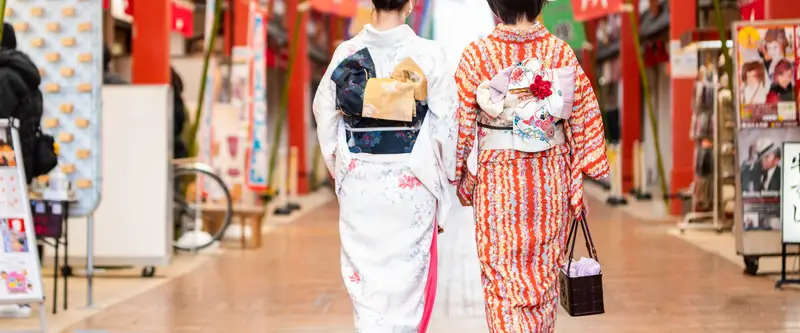
At a kimono rental shop you pick a pattern you love, get dressed by the staff, and head straight out to stroll historic streets. Specialist shops cluster in towns with old streetscapes, temples and shrines, such as Asakusa in Tokyo, Higashiyama in Kyoto, the Higashi Chaya District in Kanazawa and Kamakura. Many shops also offer yukata in summer, so you can enjoy a different look each season.
🍵 7 places

Tea Ceremony Experience

Tokyo & Around ・ Chubu & Hokuriku ・ Kansai

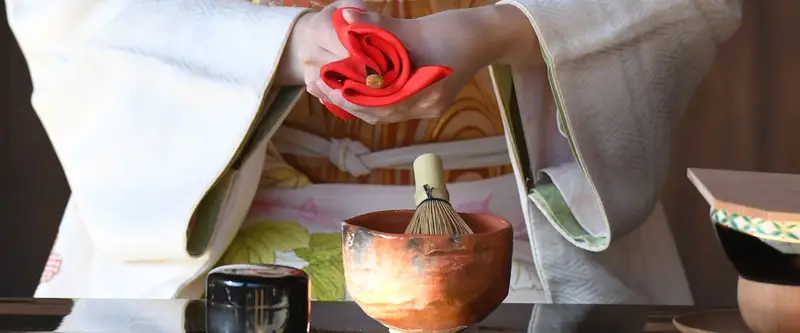
In a tea room you watch the host's otemae (tea preparation), enjoy wagashi (Japanese sweets) and matcha, and then try whisking matcha yourself. Beginners and overseas travelers can easily join in Uji, home of Uji tea, in Kyoto city, in Kanazawa with its deep-rooted tea culture, and in Ginza, Tokyo.

🍡 6 places

Wagashi Making Experience

Chubu & Hokuriku ・ Kansai ・ Chugoku & Shikoku

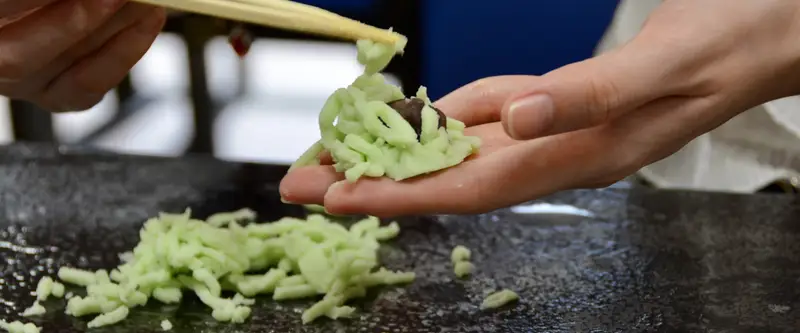
Learn from wagashi artisans and instructors as you shape jo-namagashi (fine fresh confections) such as nerikiri (sweet bean paste confections) with your own hands. You can easily join in Kyoto and Kanazawa, where tea culture runs deep, and in Matsue and Izumo, known as wagashi towns.

🍣 5 places

Sushi and Japanese Cooking Experience

Tokyo & Around ・ Chubu & Hokuriku ・ Kansai

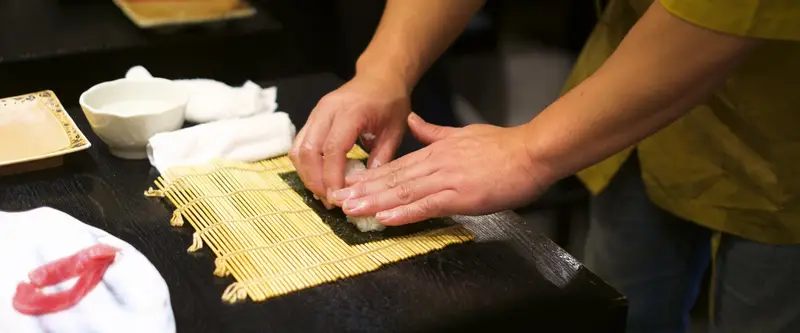
Under the guidance of chefs and instructors, you make nigiri and rolled sushi or hand-made soba noodles yourself and enjoy them on the spot. Classes are easy to join everywhere, from city-center studios in Tokyo, Osaka and Kyoto to soba country such as Togakushi in Nagano and Nikko in Tochigi.

🖌️ 6 places

Calligraphy Experience

Tokyo & Around ・ Kansai ・ Chugoku & Shikoku

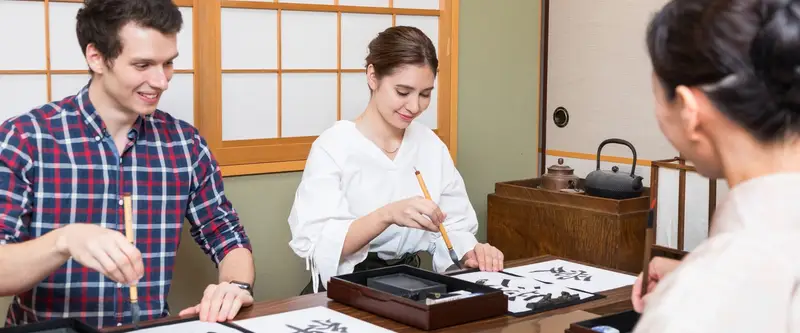
Using a brush and ink, you practice your favorite kanji or your own name on hanshi practice paper, then write a final copy on shikishi (a decorative square board). Studios in Ginza and Yushima in Tokyo and in a Kyoto machiya townhouse welcome beginners and overseas travelers, while in Nara and Kumano, Hiroshima, you can also get hands-on with making the ink and brushes that calligraphy depends on.

💐 5 places

Ikebana (Flower Arranging) Experience

Tokyo & Around ・ Kansai

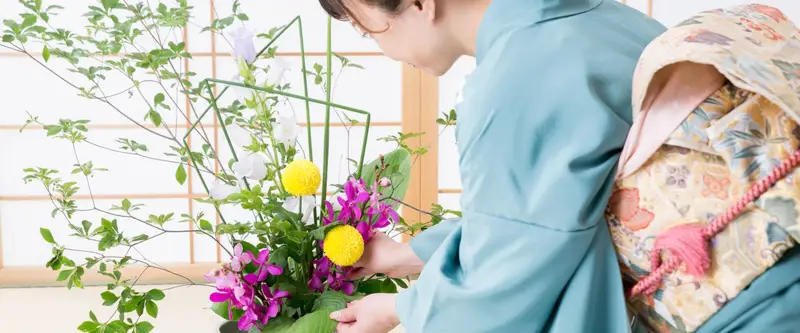
Arrange seasonal flowers and branches in a vase and discover a uniquely Japanese sense of beauty through ikebana. You can try it at places that welcome beginners and overseas travelers, including Ikenobo at Rokkakudo in Kyoto, considered the birthplace of ikebana, the Sogetsu Kaikan in Tokyo and small studios in Osaka.

🥁 5 places

Taiko Drumming Experience

Tokyo & Around ・ Chubu & Hokuriku ・ Kansai

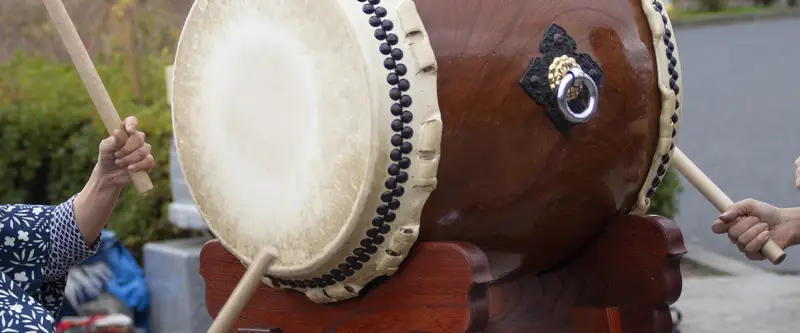
Use your whole body to beat taiko drums large and small, and feel the sound and rhythm resonate deep in your chest. Besides dedicated studios in Tokyo, Kyoto and Osaka, you can try it on Sado Island, home base of the taiko performing group Kodo, and in Hamamatsu, home to a long-established taiko maker.

🧘 6 places

Zazen and Shakyo Experience

Tokyo & Around ・ Chubu & Hokuriku ・ Kansai

Zazen (seated meditation) in a Zen temple and shakyo, copying a sutra one character at a time, are temple experiences that let you calm your mind in the middle of your travels. Temples that welcome first-timers include Eiheiji, head temple of the Soto school; Engakuji and Kenchoji, among the Five Great Zen Temples of Kamakura; Tofukuji and Ryosokuin in Kyoto; and Yakushiji in Nara.

🛕 6 places

Shukubo (Temple Lodging) Experience

Tohoku ・ Chubu & Hokuriku ・ Kansai

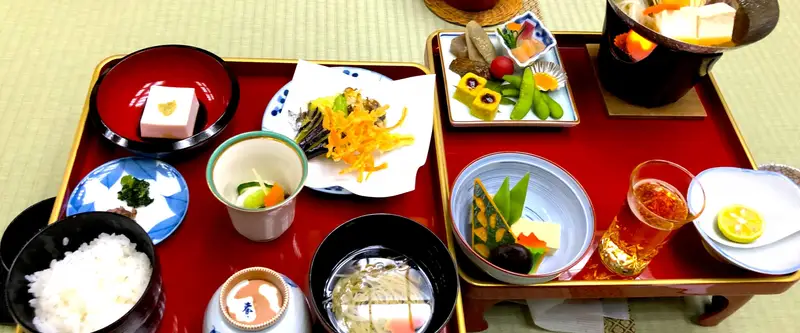
A shukubo is lodging for pilgrims visiting a temple or shrine, where you can savor shojin ryori (Buddhist vegetarian cuisine), join the morning service and experience a day in a place of prayer. You can stay in long-standing centers of faith such as Koyasan in Wakayama, Mt. Hiei in Shiga, Zenkoji and Togakushi in Nagano, and Mt. Haguro of the Dewa Sanzan in Yamagata.

Place information is based on official tourism sites of local governments and tourism associations and on each place’s official site. Experiences and availability may change.

Sources

Checked: 2026-10-16