 January
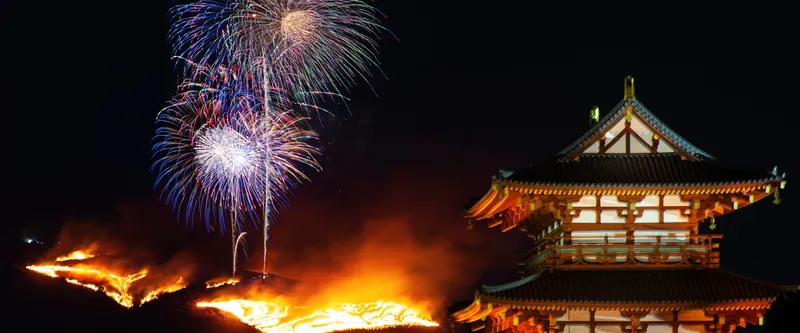
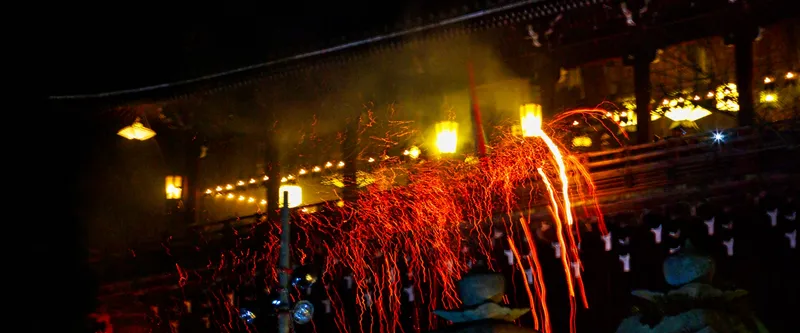
Wakakusa Yamayaki
Kansai ・ Nara
Usually the fourth Saturday of January (fireworks from around 18:15 in the evening, ignition around 18:30)
Kansai's core cities of Kyoto, Osaka and Nara have sharply distinct seasons: hot, humid summers with highs approaching 35°C, and winters with a penetrating, bone-deep chill known as sokobie. Elsewhere, mountaintop Koyasan is around 5°C cooler than Kyoto, Amanohashidate on the Sea of Japan coast and the northern shores of Lake Biwa get snow cover in winter, and Shirahama on the Kii Peninsula stays fairly mild even in winter. This guide covers 10 areas popular with travelers, with monthly temperatures based on Japan Meteorological Agency climate normals, plus what to wear and what to see.
The coldest month of the year: the season for New Year shrine visits and hot springs
Still cold, but plum blossoms begin to bloom
Spring arrives with Omizutori; cherry blossoms open late in the month
Cherry blossoms peak in early April, and on Mt. Yoshino until mid-April
Fresh greenery and the Aoi Matsuri: a dry, comfortable season
Rainy season brings lots of wet days, and hydrangeas are at their best
Gion Matsuri and Tenjin Matsuri; intense heat after the rainy season ends
The hottest month of the year; Gozan no Okuribi bonfires close the Obon holidays
Lingering heat and typhoons; autumn slowly arrives from mid-month
Clear autumn skies and sightseeing season, with the Jidai Matsuri and autumn festivals
Autumn leaves at their peak: Kyoto's busiest season
Autumn leaves last into early December; winter begins, with year-end events
Kyoto high / low (climate normals).
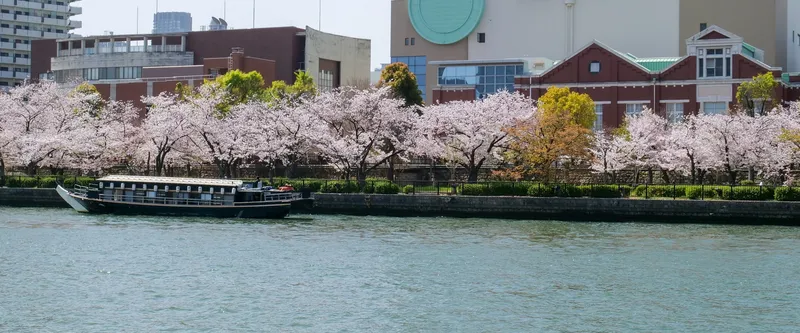
Cherry blossoms in Kyoto and Osaka usually open in late March and are best from the end of March to early April. On mountainous Mt. Yoshino, they bloom in early to mid-April, working their way from the bottom of the mountain to the top.
The colors peak at Koyasan from late October to early November, and in Kyoto City from mid-November to early December. Popular temples are relatively quiet early in the morning.
Kyoto's three great festivals are the Aoi Matsuri in May, the Gion Matsuri in July and the Jidai Matsuri in October. Osaka's Tenjin Matsuri in July and the Gozan no Okuribi bonfires in August are also signature summer events in Kyoto and Osaka.
The hot springs of Arima and Shirahama are at their best in the cold season. On the Sea of Japan coast, winter crab season starts in November around Amanohashidate and Ine.
July and August are beach season at Shirahama's Shirarahama Beach and along the Ise-Shima coast — a chance to get away from the humid heat of Kyoto and Osaka.
Not too hot, not too cold, and relatively little rain. That said, Kyoto gets very crowded on weekends during cherry blossom and autumn leaf season, so we recommend booking accommodation early.
Average temperature normals (°C). Blue is colder, deeper orange is warmer. Tap a month to see the full guide.
| Area | Jan | Feb | Mar | Apr | May | Jun | Jul | Aug | Sep | Oct | Nov | Dec |
|---|---|---|---|---|---|---|---|---|---|---|---|---|
| Kyoto City | 4.8 | 5.4 | 8.8 | 14.4 | 19.5 | 23.3 | 27.3 | 28.5 | 24.4 | 18.4 | 12.5 | 7.2 |
| Osaka | 6.2 | 6.6 | 9.9 | 15.2 | 20.1 | 23.6 | 27.7 | 29.0 | 25.2 | 19.5 | 13.8 | 8.7 |
| Nara | 4.5 | 5.1 | 8.5 | 14.0 | 19.0 | 22.9 | 26.8 | 27.8 | 23.8 | 17.7 | 11.8 | 6.8 |
| Kobe & Arima Onsen | 6.2 | 6.5 | 9.8 | 15.0 | 19.8 | 23.4 | 27.1 | 28.6 | 25.4 | 19.8 | 14.2 | 8.8 |
| Himeji | 4.4 | 5.0 | 8.3 | 13.6 | 18.5 | 22.4 | 26.4 | 27.8 | 23.8 | 17.9 | 11.9 | 6.6 |
| Lake Biwa | 3.9 | 4.2 | 7.3 | 12.4 | 17.6 | 21.8 | 26.1 | 27.5 | 23.6 | 17.7 | 11.7 | 6.5 |
| Shirahama & Nanki | 7.1 | 7.9 | 11.0 | 15.1 | 19.4 | 22.5 | 26.1 | 27.6 | 24.7 | 20.0 | 14.6 | 9.5 |
| Koyasan | -0.3 | 0.4 | 4.0 | 9.4 | 14.4 | 18.1 | 22.1 | 22.8 | 19.1 | 13.2 | 7.5 | 2.2 |
| Amanohashidate & Ine | 3.7 | 4.1 | 7.4 | 12.7 | 17.8 | 21.6 | 25.9 | 27.1 | 22.9 | 17.0 | 11.3 | 6.2 |
| Ise & Shima | 4.8 | 5.2 | 8.5 | 13.8 | 18.7 | 22.2 | 26.3 | 27.2 | 23.7 | 17.9 | 12.1 | 7.0 |
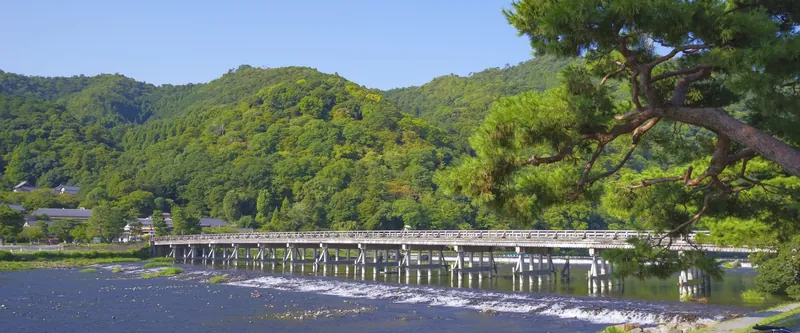
Kyoto, Arashiyama, Gion, Fushimi Inari
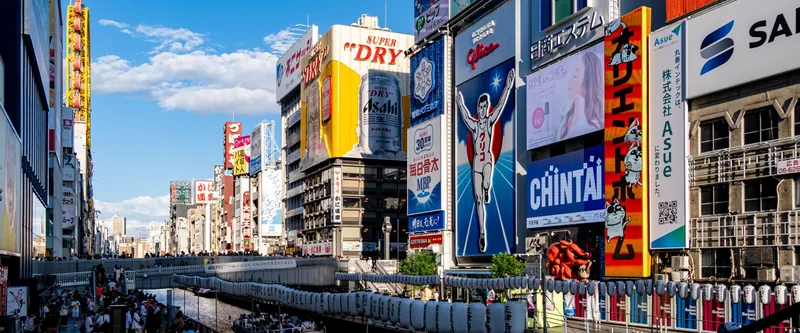
Osaka, Namba, Umeda, Osaka Castle
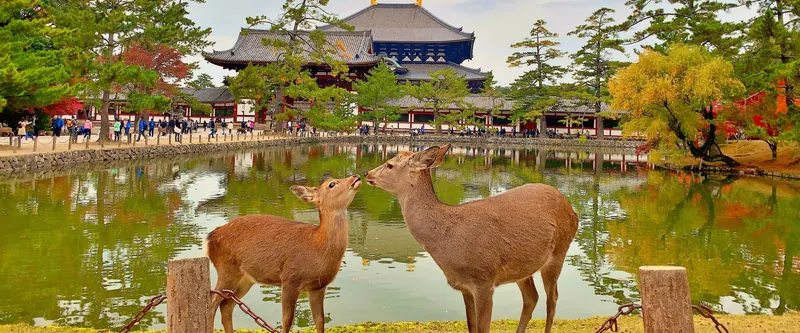
Nara, Nara Park, Todaiji, Mt. Yoshino
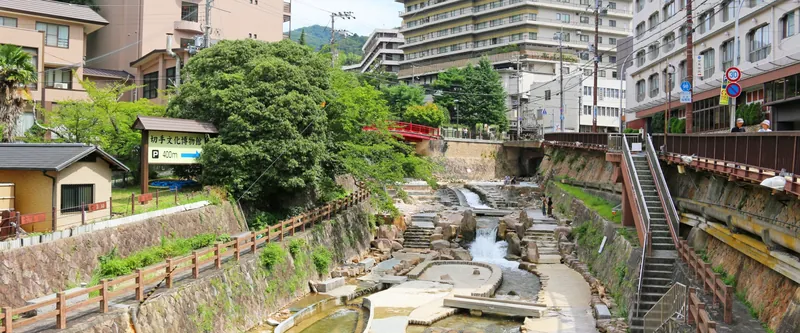
Kobe, Arima Onsen, Kitano Ijinkan, Mt. Rokko
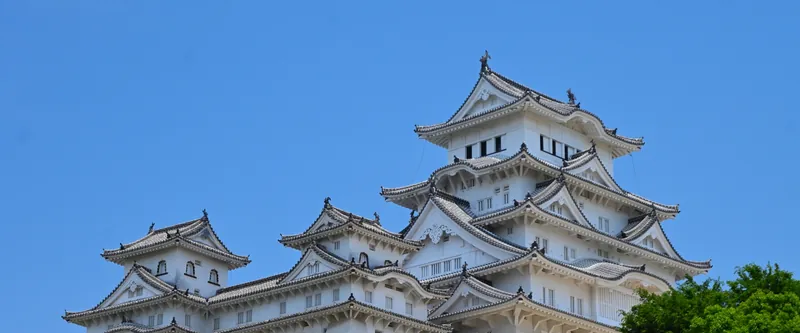
Himeji, Himeji Castle, Mt. Shosha
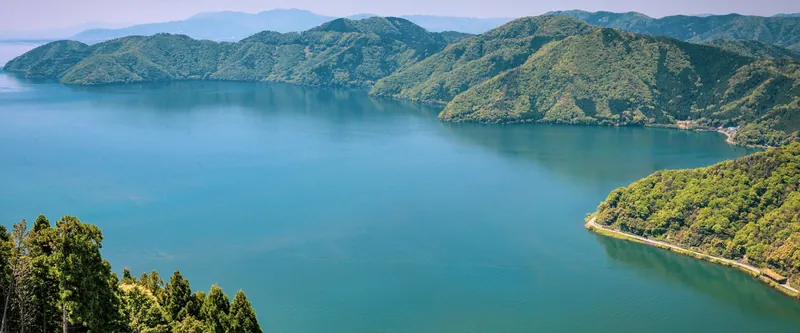
Otsu, Hikone, Omihachiman, Nagahama
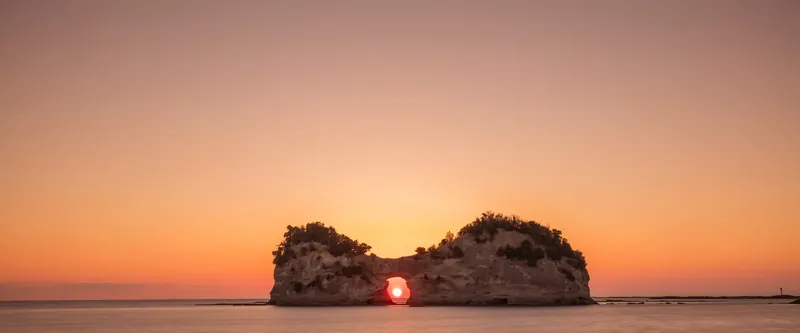
Shirahama, Kumano Kodo, Nachikatsuura, Kushimoto
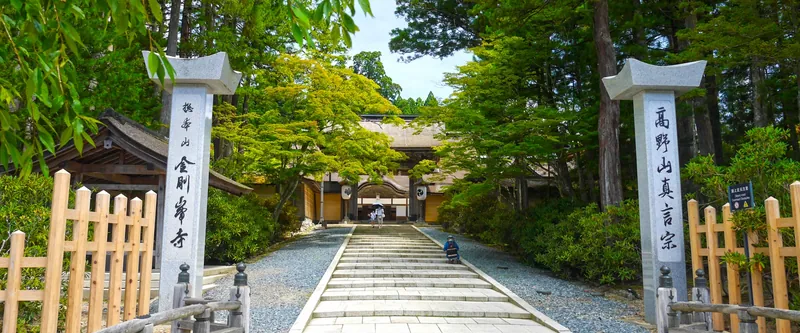
Koyasan, Okunoin, Danjo Garan
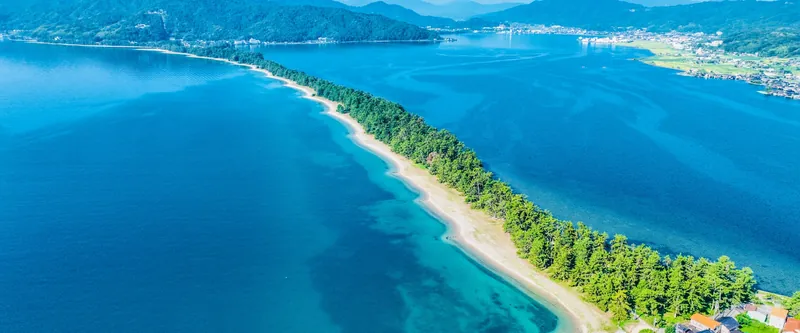
Miyazu, Amanohashidate, Ine
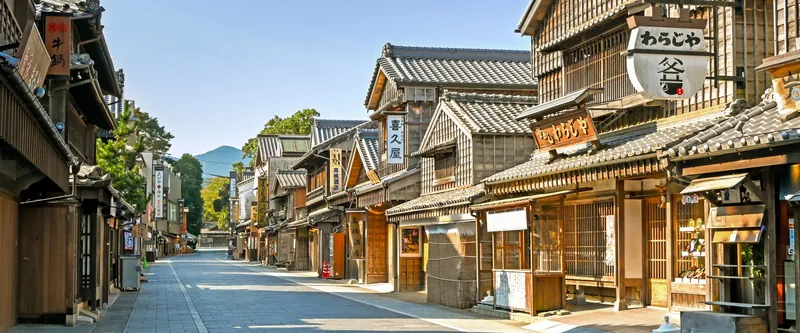
Ise, Ise Jingu, Toba, Shima
Max snow depth is the normal for the snowiest month of the year.
JanuaryKansai ・ Nara
Usually the fourth Saturday of January (fireworks from around 18:15 in the evening, ignition around 18:30)
 January–February
Kansai ・ Kobe & Arima Onsen
Usually about 10 days from late January to early February (lit from dusk to around 21:30)
2027 (32nd): Jan 29 – Feb 7
 February
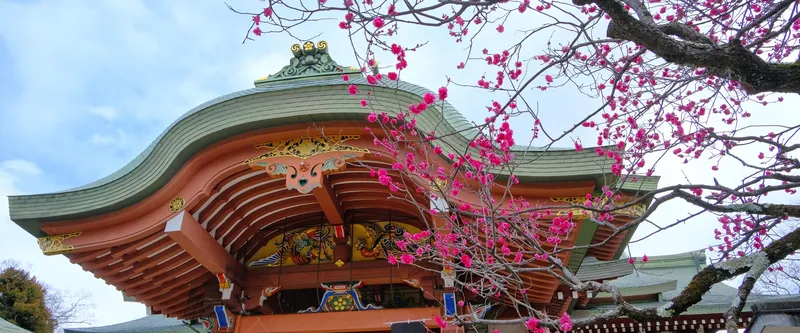
Kansai ・ Kyoto City
Every year on February 25 (outdoor tea ceremony 10:00–15:00)
Every year on February 25 (Feb 25 in 2027)
 March
Kansai ・ Nara
Every year, March 1–14 (Otaimatsu nightly around 19:00; 19:30 on the 12th, 18:30 on the 14th)
2027 (the 1,276th): Mar 1 – Mar 14
 April
Kansai ・ Osaka
Usually 7 days in early to mid-April (dates set according to the bloom)
 May
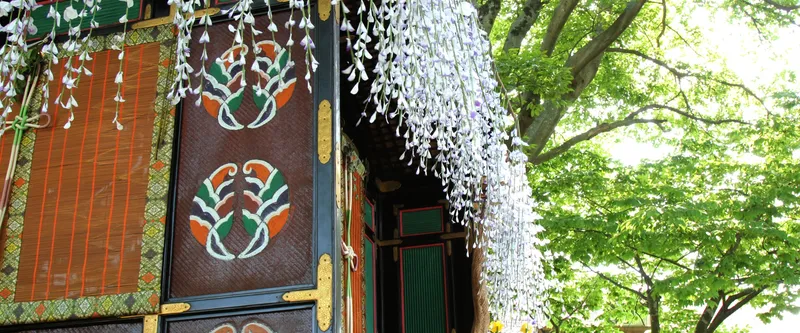
Kansai ・ Kyoto City
Every year on May 15 (postponed to the 16th if it rains; if it also rains on the 16th, the procession is canceled). Preliminary rites such as Yabusame horseback archery (May 3) and the Saio-dai purification ceremony (May 4) are held in early May
2027: May 15 (held every year on May 15; postponed to the 16th if it rains)
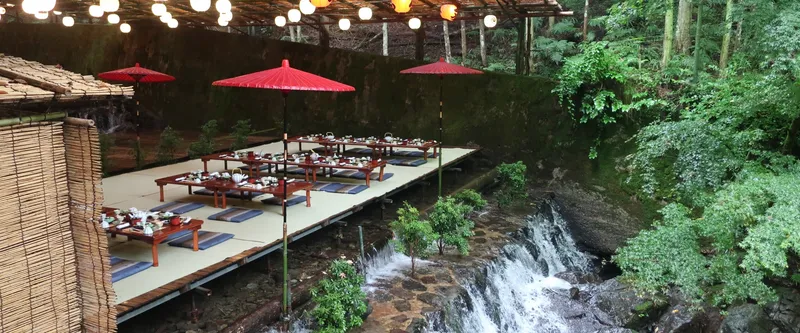 May–October
Kansai ・ Kyoto City
Kamogawa Noryo Yuka usually runs May 1 – October 15, and Kibune Kawadoko usually runs May 1 – September 30 (season and hours vary by restaurant). In 2026, Kamogawa Noryo Yuka runs until October 15
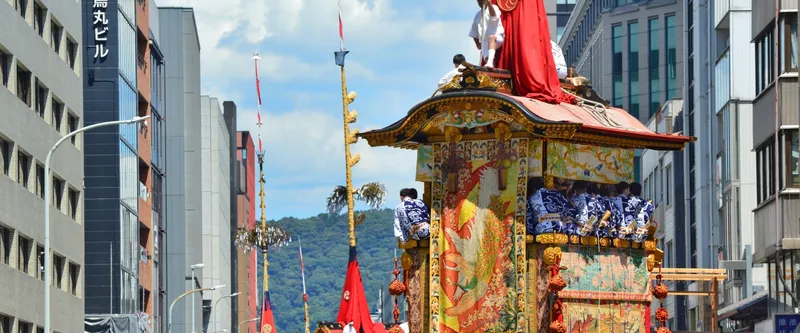 July
Kansai ・ Kyoto City
Usually July 1–31 (Yamahoko procession: Saki Matsuri July 17, Ato Matsuri July 24; Yoiyama eves: Saki Matsuri July 14–16, Ato Matsuri July 21–23)
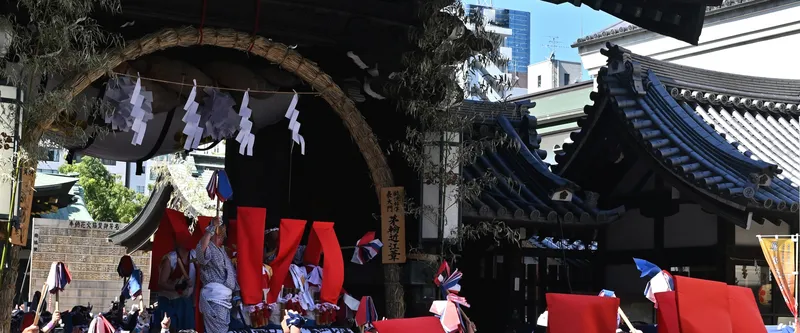 July
Kansai ・ Osaka
Every year on July 24 (Yoimiya) and 25 (Hongu). Related events from late June
2027: Jul 24 (Yoimiya) & Jul 25 (Hongu) (held on the same dates every year)
JulyKansai ・ Shirahama & Nanki
Every year on July 14 (held during the day; Yoimiya offering events are also held the day before, on the 13th)
2027: Jul 14 (held every year on July 14)
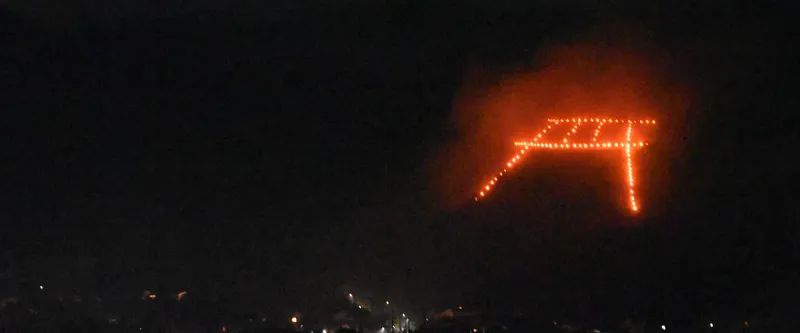 August
Kansai ・ Kyoto City
Every year on August 16 (from 20:00)
2027: Aug 16 (Mon)
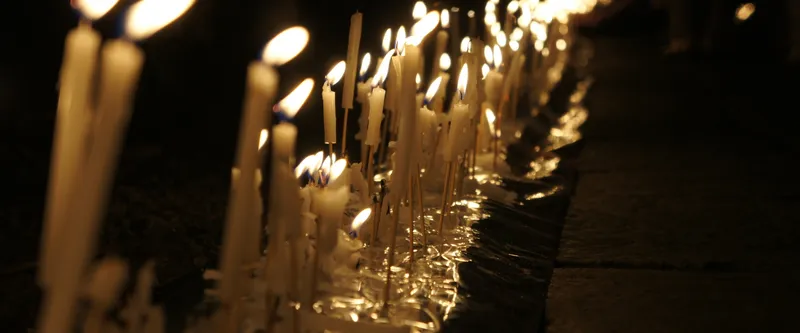 August
Kansai ・ Koyasan
Every year on August 13 (the candle festival runs from evening into the night; the Mando Kuyo-e memorial service starts at 20:00)
2027: Aug 13 (held every year on August 13)
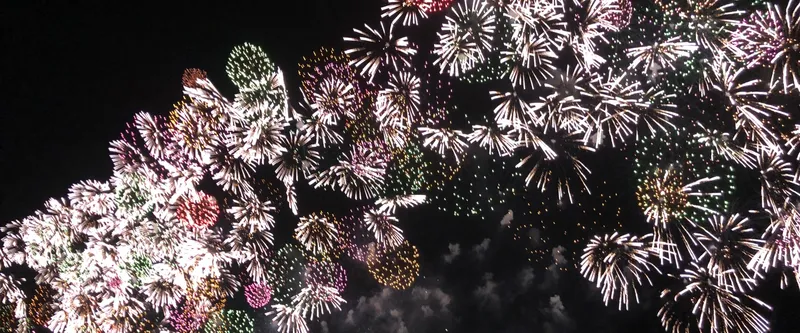 August
Kansai ・ Lake Biwa
Usually a weekday evening in early August (about 1 hour)
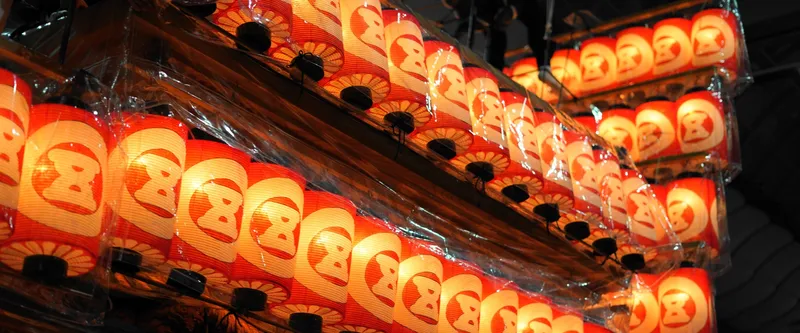 September–October
Kansai ・ Osaka
The September festival is usually on a weekend in mid- to late September, and the October festival on a weekend in early to mid-October (2 days each)
Next: 2026 October festival (Higashi-Kishiwada district and others), Oct 10 – Oct 11. The 2026 September festival was held Sep 19 – Sep 20
OctoberKansai ・ Kyoto City
Every year on October 22 (postponed to the 23rd if it rains)
2026: Oct 22 (Thu). Postponed to Oct 23 if it rains
October–NovemberKansai ・ Nara
Usually late October to early November (about 2–3 weeks)
2026 (78th): Oct 24 – Nov 9, open every day during the exhibition
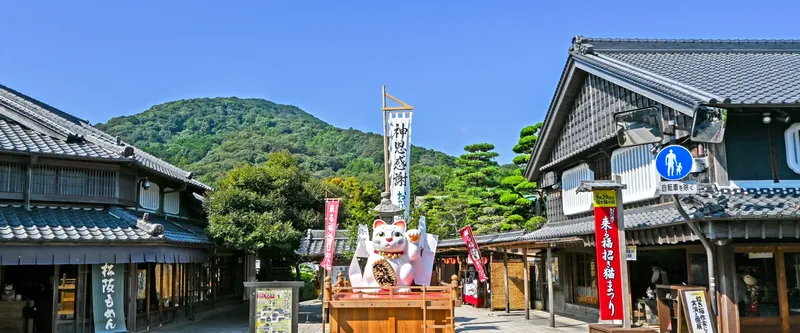 October
Kansai ・ Ise & Shima
Usually October 15–17 (Geku first, then Naiku). Hatsuhobiki is usually on October 15 and 16
2026: Oct 15 – Oct 17 (Geku: night of Oct 15 – Oct 16; Naiku: night of Oct 16 – Oct 17)
DecemberKansai ・ Nara
Usually December 15–18 (the Owatari-shiki starts at noon on December 17)
2026: Dec 15 (Tue) – Dec 18 (Fri); Owatari-shiki on Dec 17 (Thu)
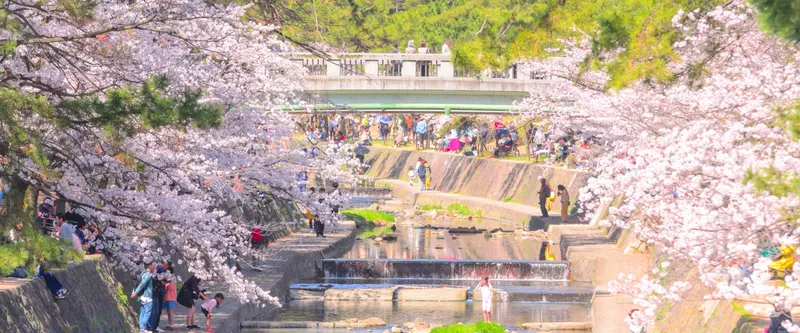 Riverside
Kansai ・ Nishinomiya, Hyogo
🌸 Typical peak: Late Mar – Early Apr
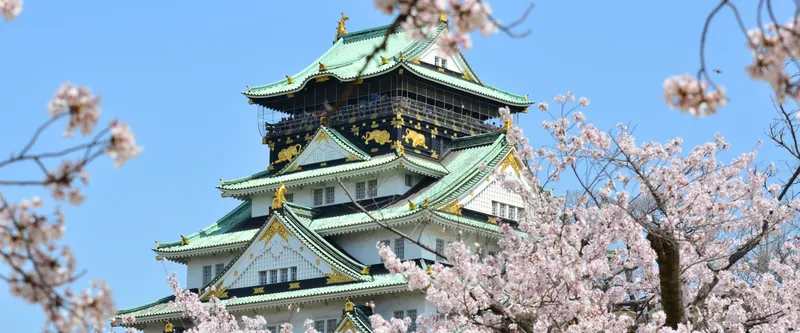 Park
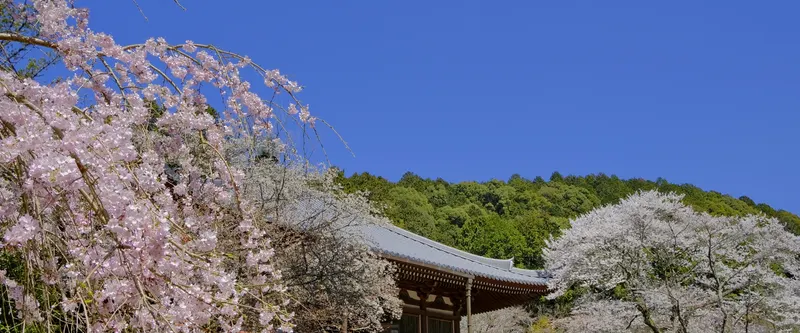 Temple
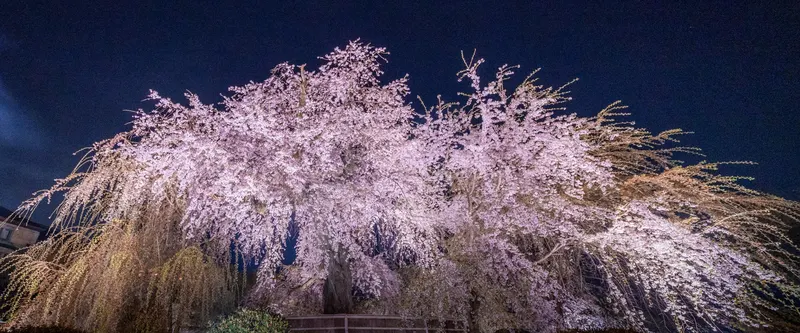 Park
Kansai ・ Kyoto City
🌸 Typical peak: Late Mar – Early Apr
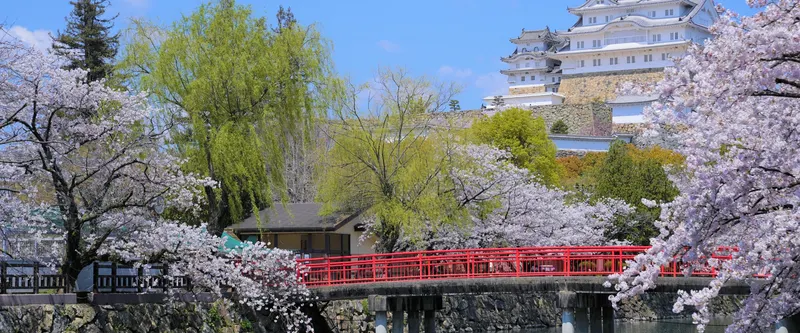 Castle
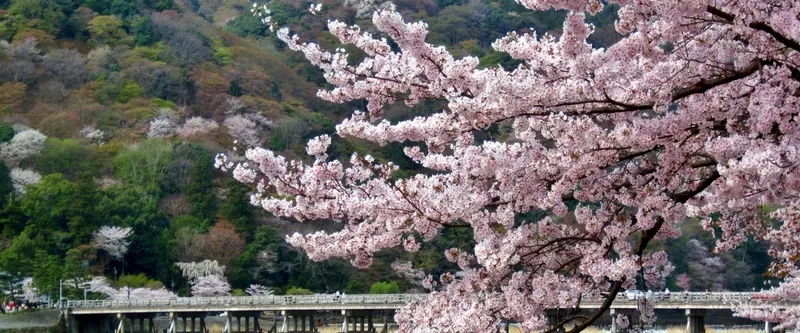 Mountain
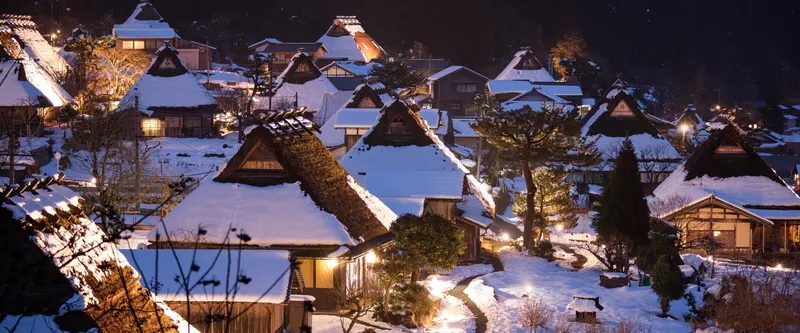 Snowy village
Kansai ・ Miyama, Kyoto
❄ Best season: Early Dec – Late Feb
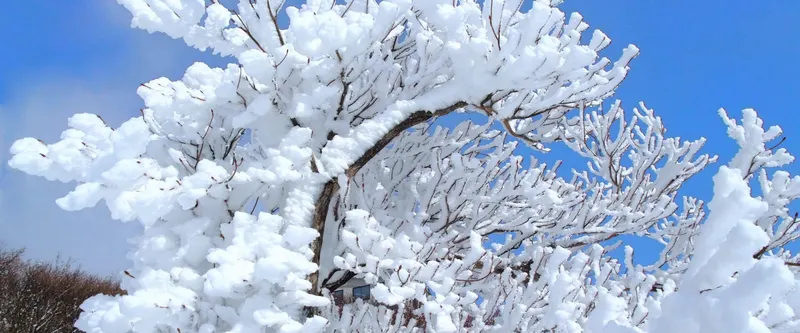 Rime ice
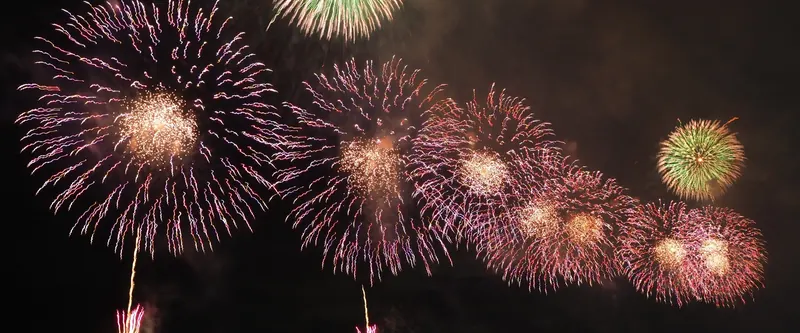 🎆 August
Kansai ・ Otsu, Shiga
🎆 Early August (held on Thursday, August 6 in 2026)
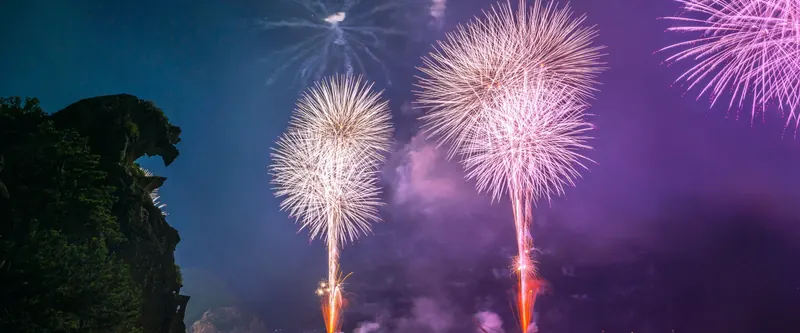 🎆 August
Kansai ・ Kumano, Mie
🎆 August 17 every year
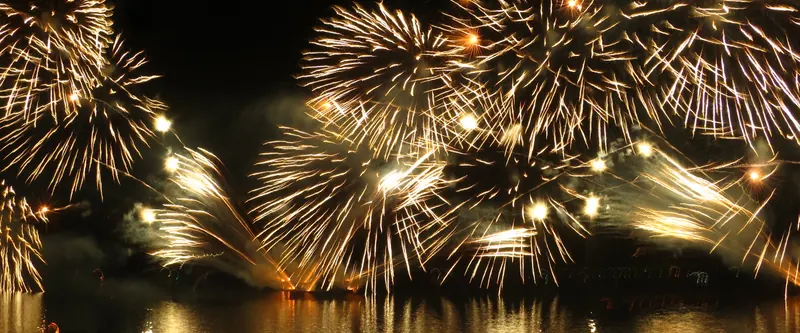 🎆 August
Kansai ・ Miyazu, Kyoto
🎆 Every year on August 16
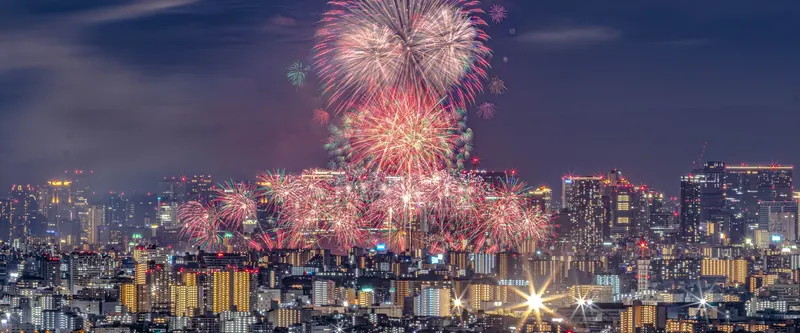 🎆 October
Kansai ・ Yodogawa-ku, Osaka, Osaka
🎆 In recent years, a Saturday in mid-October (October 18 in 2025, October 17 in 2026)
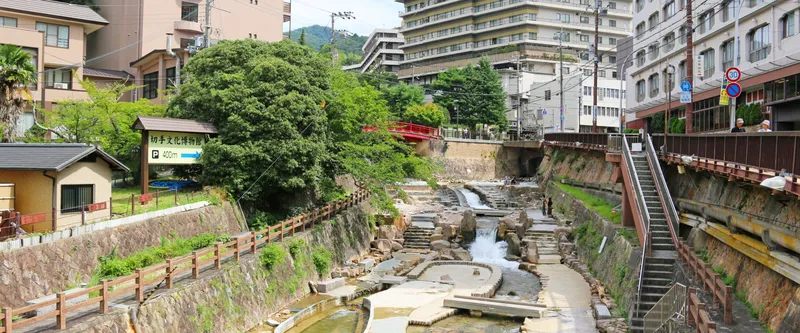 ♨ Onsen
Kansai ・ Kita-ku, Kobe, Hyogo
♨ Day use Adults ¥800 (weekdays ¥650), elementary and junior high school students ¥350, preschoolers free; Kin no Yu and Gin no Yu combined ticket ¥1,200 (as of October 2026)
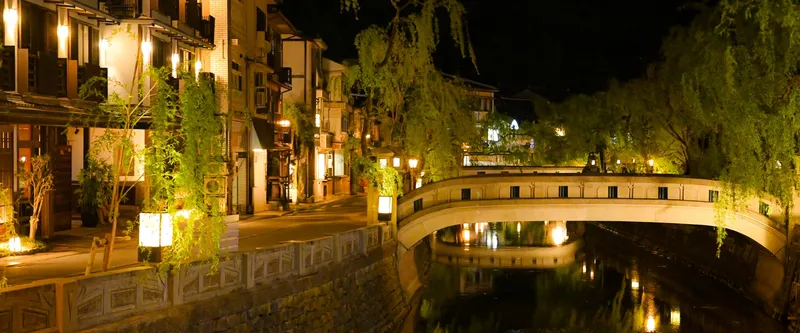 ♨ Onsen
Kansai ・ Toyooka, Hyogo
♨ Day use Adults ¥800, children (age 3 to elementary school) ¥400 (as of October 2026)
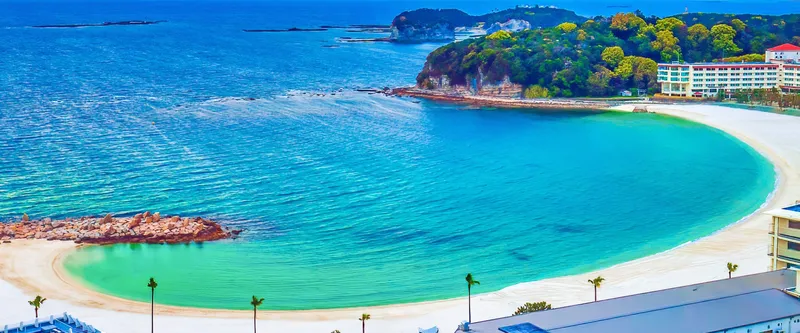 ♨ Onsen
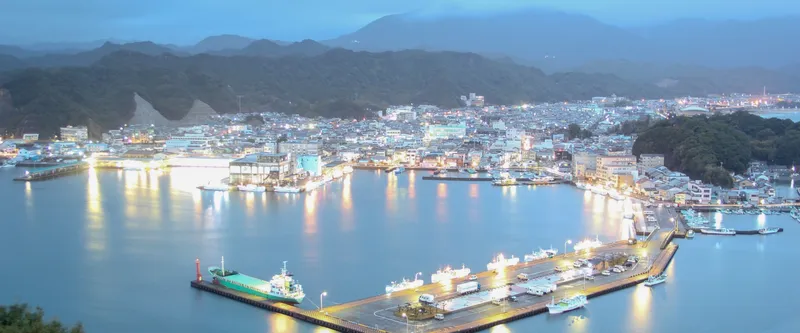 ♨ Onsen
Kansai ・ Nachikatsuura, Wakayama
♨ Day use Adults ¥2,500, children (age 3 to elementary school) ¥1,250, towel included (as of October 2026)
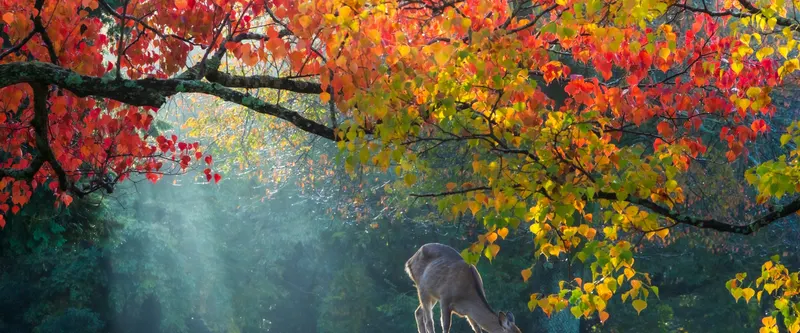 Park🍁 Typical peak
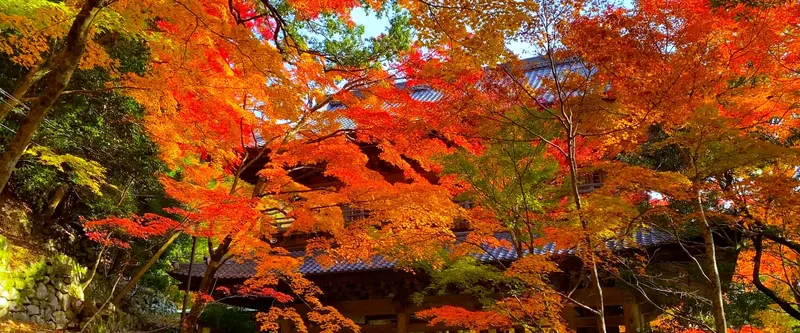 Temple
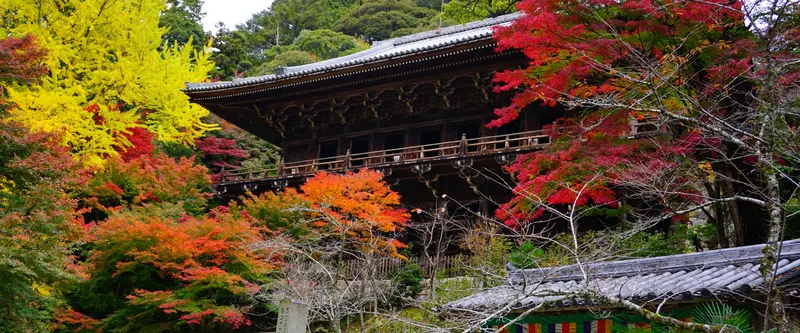 Temple
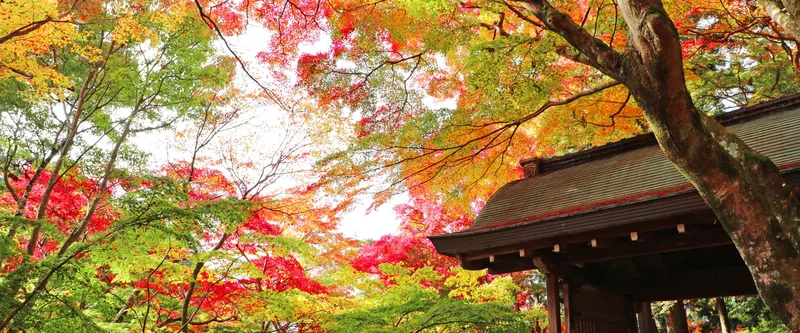 Park
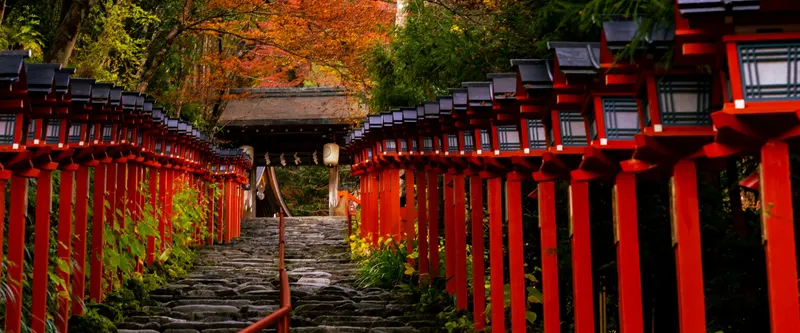 Shrine
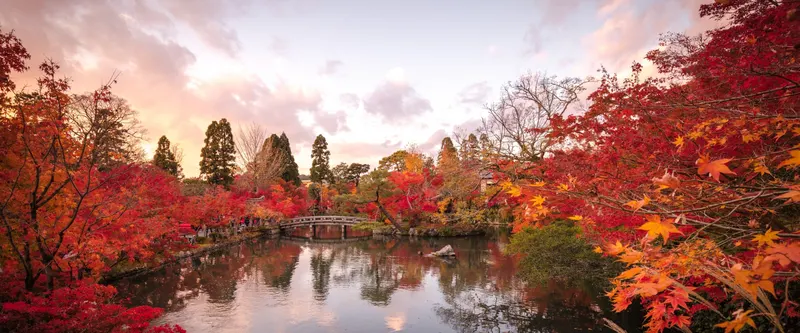 Temple
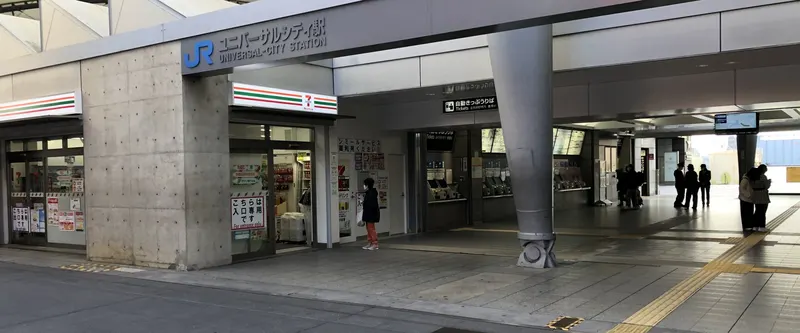 Theme park
Kansai ・ Osaka
This large theme park in Osaka’s Bay Area lets you step into the worlds of Hollywood movies and popular characters. Ride attractions, shows, and seasonal events can easily fill a full day.
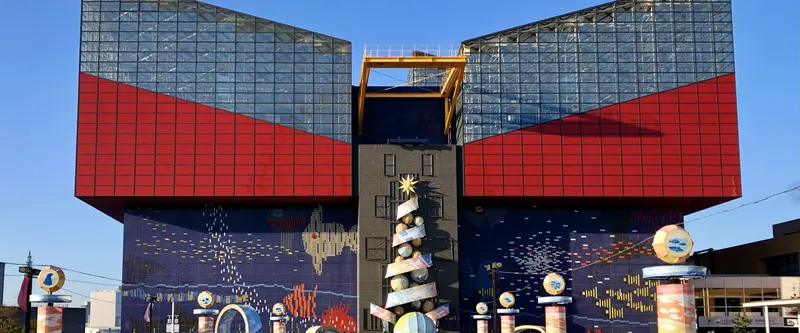 Aquarium
Kansai ・ Osaka
Located in Tempozan Harbor Village in Osaka, this is one of the world’s largest aquariums. Tanks recreating the natural environments of the Pacific Rim are arranged along a route that leads from the top floors down. It houses about 30,000 creatures of some 620 species.
AquariumKansai ・ Suita
A "living museum" inside EXPOCITY, the large entertainment complex next to Expo '70 Commemorative Park in Osaka. Blending elements of an aquarium, zoo, and art museum, it's built around the theme of "touching" the individuality of living creatures. It's run by the same company as Kaiyukan.
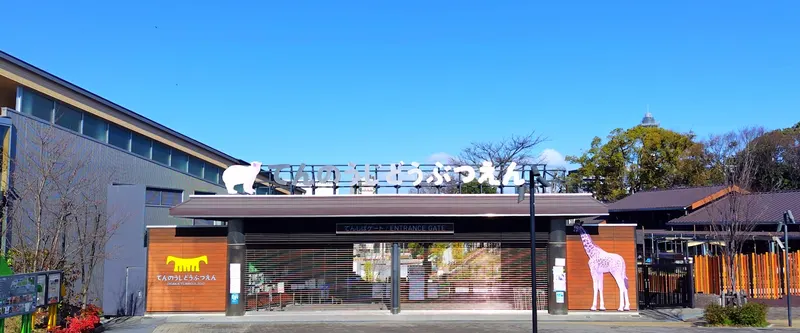 Zoo
Kansai ・ Osaka
Opened in 1915, this urban zoo run by the City of Osaka has more than 100 years of history. It sits in Tennoji Park right next to Shinsekai and Tsutenkaku Tower, and keeps about 1,000 animals of some 170 species across roughly 11 hectares. Admission prices were revised in July 2026.
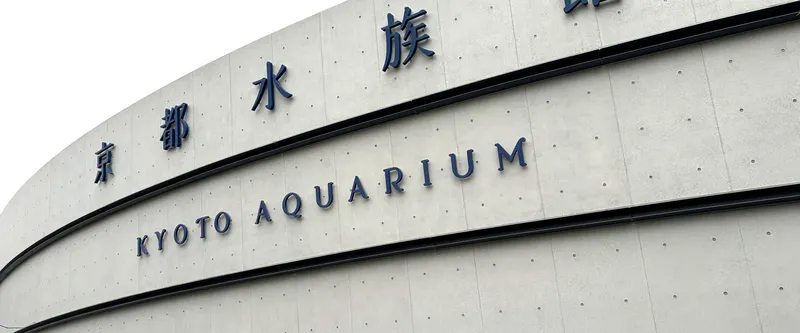 Aquarium
Kansai ・ Kyoto City
An inland aquarium in Umekoji Park, within walking distance of Kyoto Station. Its exhibits explore Kyoto's waterside nature and how it connects, from the "Kyoto River" to the "Kyoto Sea." With a dolphin stadium and jellyfish displays, it's an easy stop between Kyoto sightseeing spots.
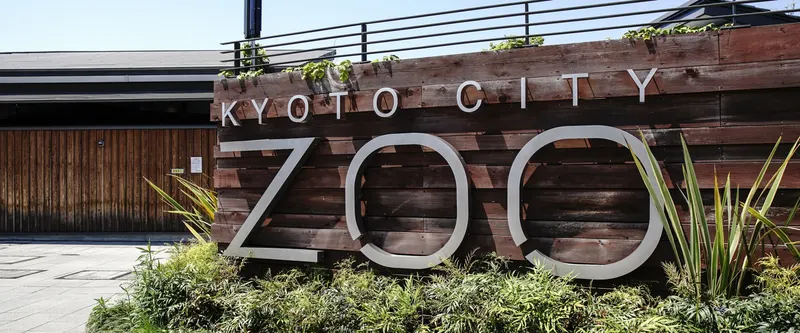 Zoo
Kansai ・ Okazaki, Kyoto
A city-run zoo inside Okazaki Park, home to Heian Shrine and several art museums. In its compact grounds you can see elephants, gorillas, and wild animals from Kyoto's forests. Admission is free for junior high students and younger, and just ¥750 for adults.
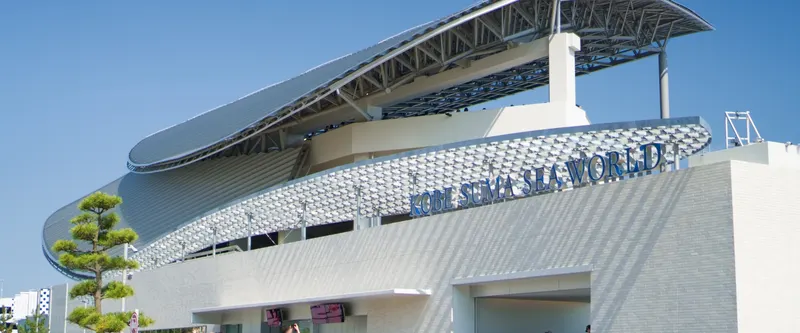 Aquarium
Kansai ・ Suma, Kobe
An aquarium with orcas that opened in Suma Beach Park in 2024. Along with orca and dolphin performances, you can enjoy exhibits of all kinds of marine life. It faces the Suma seaside and has an adjoining hotel.
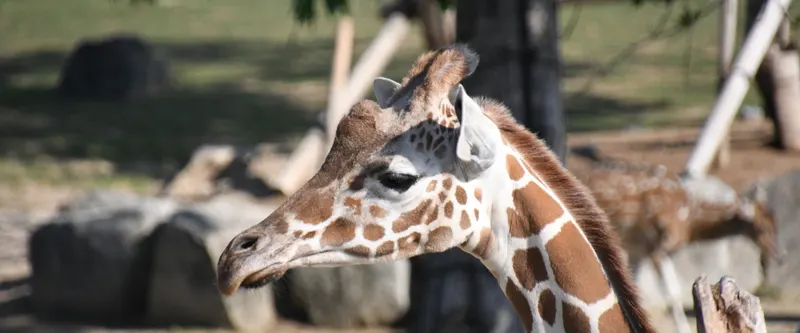 Zoo
Kansai ・ Himeji, Hyogo
The only safari park in the Kansai region, combining a safari park and an amusement park in one. You can enjoy both a drive-through safari, cruising among big predators in your own car or a safari bus, and a walking safari on foot. Seasonal facilities include a pool in summer and an ice rink in winter.
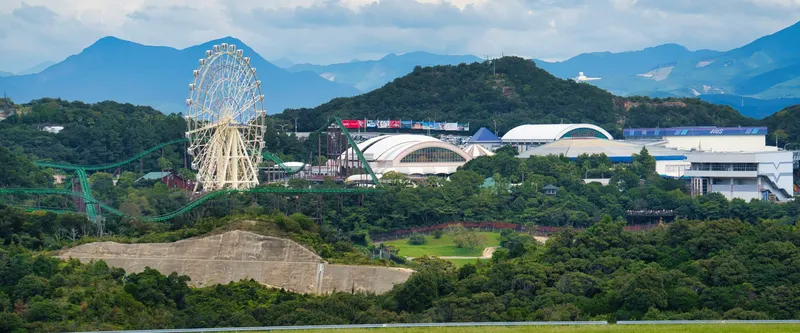 Zoo
Kansai ・ Shirahama, Wakayama
A theme park in Nanki-Shirahama that combines a zoo, an aquarium, and an amusement park. With Safari World for land animals, Marine World for sea creatures, a petting area, and the "Play Zone" amusement park, it easily fills a full day. All four giant pandas left for China in June 2025, so the highlights now center on penguins, the safari, and marine shows.
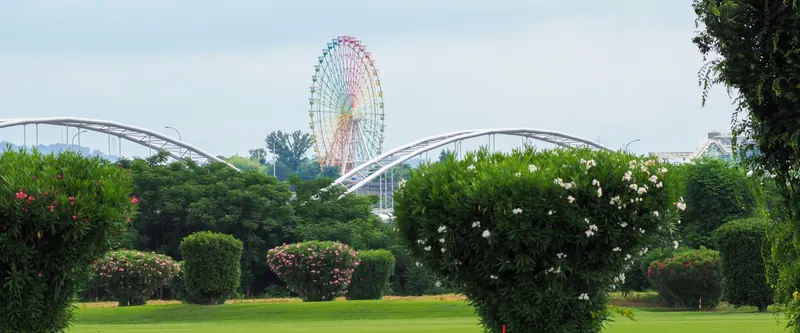 Amusement park
Kansai ・ Hirakata
Opened at its current location in 1912 (Taisho 1), it's the oldest continuously operating amusement park in Japan. It has about 40 kinds of attractions and is just a short walk from Hirakatakoen Station on the Keihan Main Line. It's about 30 minutes by train from both Osaka and Kyoto.
ExperienceKansai ・ Uji
A museum in Uji, Kyoto, that displays Nintendo's products through the years and lets you play hands-on exhibits. Tickets are date- and time-specific and must be reserved in advance, through a monthly lottery or first-come, first-served sales of slots that open up. If you want to include it in your itinerary, applying from the lottery 3 months before your visit is the surest way.
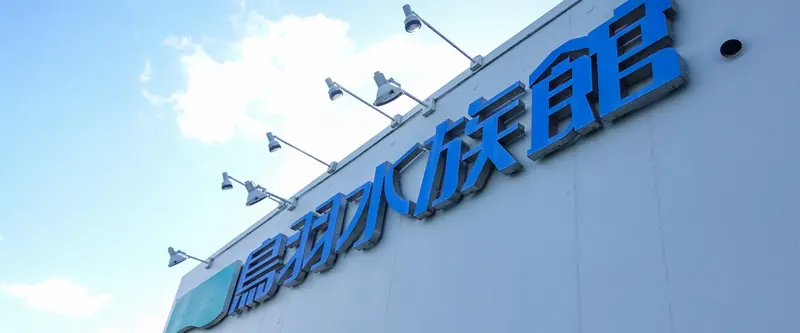 Aquarium
Kansai ・ Ise & Shima
An aquarium facing Toba Bay that claims the largest number of species kept in Japan (about 1,200). It's the only aquarium in Japan where you can see a dugong, and its sea otters and walruses are also popular. The building is all-weather, and it's within walking distance of JR/Kintetsu Toba Station.
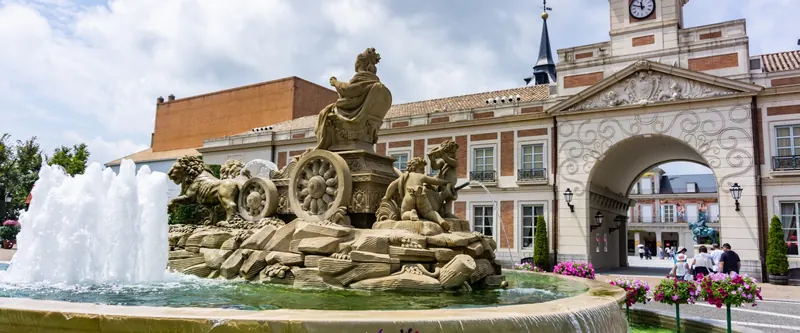 Theme park
Kansai ・ Ise & Shima
A Spain-themed park in Ise-Shima. From thrilling roller coasters to rides for kids, parades, and flamenco shows, it offers a full day of fun. A hotel and the Himawari no Yu hot spring are also on site.
Theme parkKansai ・ Uzumasa
Toei Kyoto Studio Park, a samurai-drama theme park that opened in 1975, reopened on March 28, 2026 as UZUMASA KYOTO VILLAGE after the first phase of its renewal. It is now an immersive park for adults built around the concept of wandering into Kyoto in the Edo period, with the second phase scheduled to open in spring 2027. It stays open until 21:00.
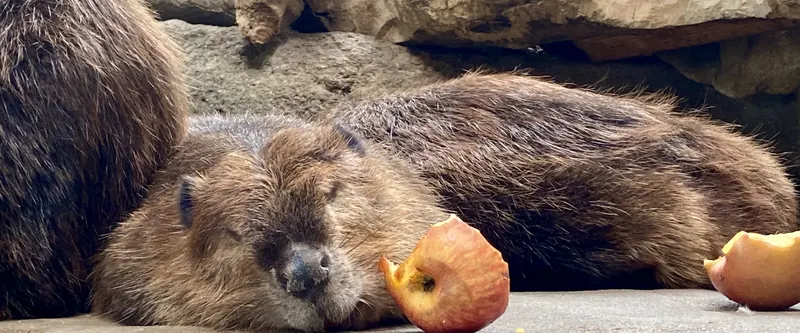 Zoo
Kansai ・ Port Island, Kobe
A zoo on Kobe's Port Island where you can interact with flowers and animals. Its exhibits bring you close to the animals, including shoebills, capybaras, and alpacas. It has extensive indoor areas and is easy to reach, about 14 minutes from Sannomiya on the Port Liner.
Compare trains, buses and taxis from the airport by travel time and fare.
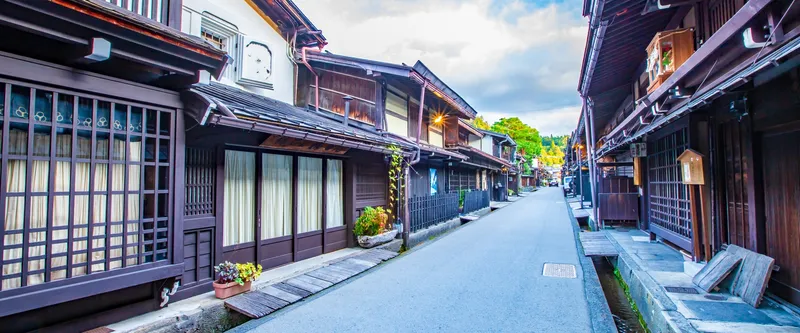 🎫 Combo ticket
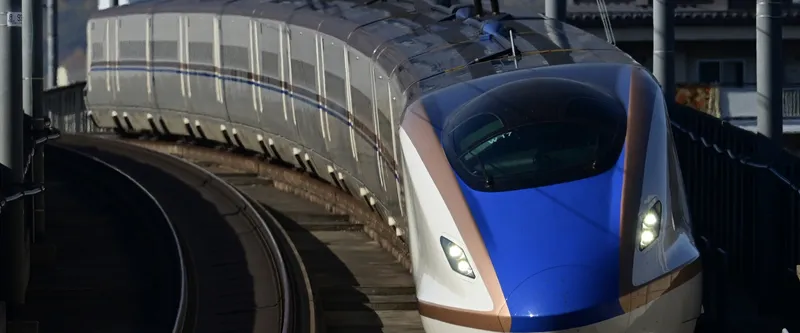 🚄 JR
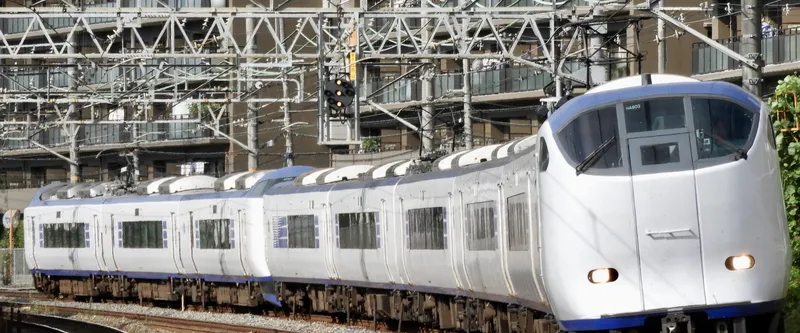 🚄 JR
Kansai ・ 1, 2 or 4 consecutive days (from 4:00 on the first day of use to 24:00 on the last day, Japan time)
From ¥2,700
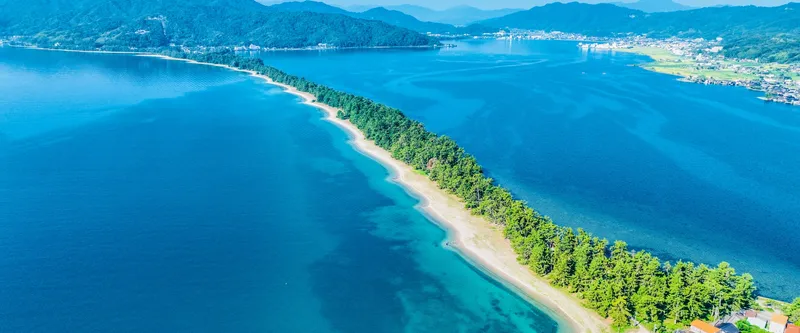 🚄 JR
Kansai ・ 5 consecutive days (from 0:00 on the first day to 24:00 on the last day)
From ¥12,000
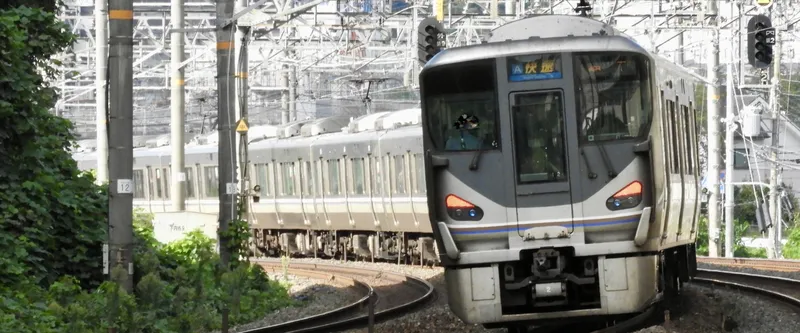 🚄 JR
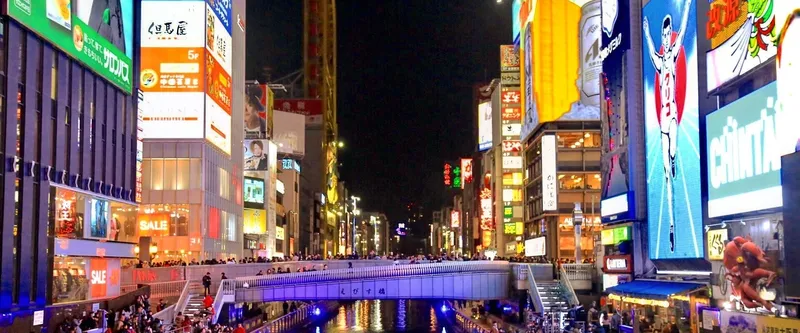 🎫 Combo ticket
Kansai ・ 1day is valid for 1 day of use, 2day for 2 consecutive days (each day runs from 3:00 to 2:59 the next morning). Start using within 3 months of purchase; the last day to start is March 31, 2027
From ¥3,500
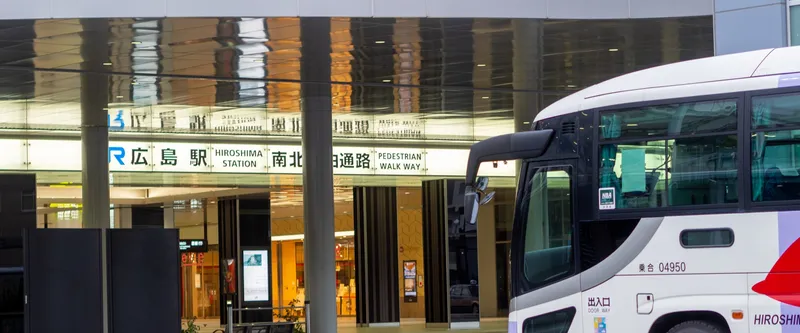
Fastest: About 1 hr 25 min (e.g. Nozomi No. 89 departs Shin-Osaka 22:29 → arrives Hiroshima 23:54)
For the most comfortable weather, we recommend May and late October to November. For cherry blossoms, go from the end of March to early April; for autumn leaves, from mid-November to early December. Watch out for the rainy season in June, intense heat from late July through August, and typhoons in September.
Kyoto sits in a basin that traps heat, and its average August high is 33.7°C, making it, along with Osaka, one of the hottest places in Japan. Days over 35°C are common, so keep daytime sightseeing short and take frequent breaks.
Snow rarely settles in Kyoto City, but the cold is severe — a penetrating chill known as sokobie (literally "cold from the ground up"). In the north, Amanohashidate and the area north of Lake Biwa get snow cover in winter.
In the Kinki region, the rainy season usually starts around June 6 and ends around July 19. Carry a folding umbrella, and on rainy days mix in museums and other indoor sightseeing.
Comparing annual average temperatures, Koyasan is about 5°C cooler than Kyoto City — cool even in summer, but below freezing in winter. Amanohashidate (based on Maizuru data) is about 1.5°C cooler, with more snow in winter. Shirahama is about 1°C warmer than Kyoto and relatively mild even in winter.
Source: Japan Meteorological Agency (climate normals 1991-2020). Compiled by tripuuu.log. Temperatures are from a representative station in each area; actual weather varies from year to year.