 Tickets on sale
Kyushu Basho
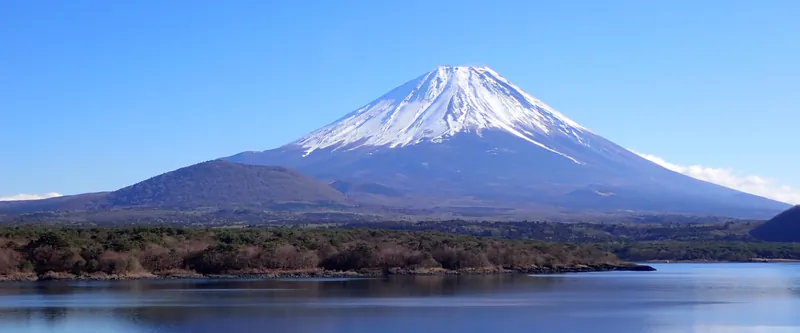
November 2026 Grand Sumo Tournament
📅 Sun, Nov 8 – Sun, Nov 22, 2026
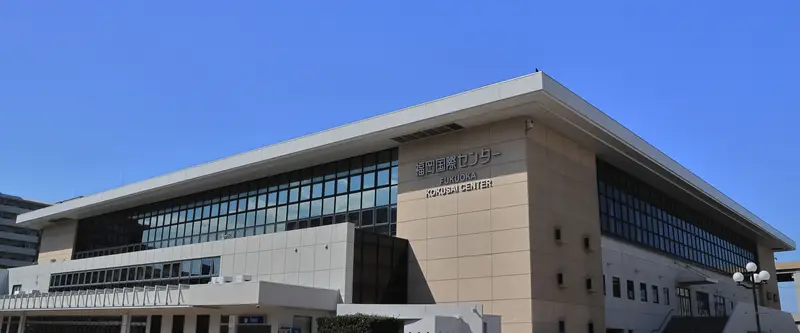
📍 Fukuoka Kokusai Center · Hakata, Fukuoka
🎫 Tickets go on sale: Sat, Sep 19, 2026
Grand Sumo tournaments (honbasho) are held six times a year in Tokyo, Osaka, Nagoya and Fukuoka, each running for 15 days. Dates, ticket sale days, how to get to each venue, which seats to choose and how a day unfolds: everything you need for your first visit.
Tickets on sale📅 Sun, Nov 8 – Sun, Nov 22, 2026
📍 Fukuoka Kokusai Center · Hakata, Fukuoka
🎫 Tickets go on sale: Sat, Sep 19, 2026
 Tickets not on sale yet
📅 Sun, Jan 10 – Sun, Jan 24, 2027
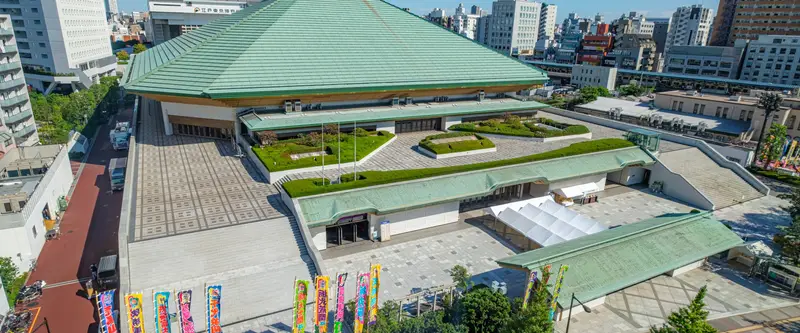
📍 Ryogoku Kokugikan · Sumida, Tokyo
🎫 Tickets go on sale: Sat, Dec 5, 2026
 Tickets not on sale yet
📅 Sun, Mar 14 – Sun, Mar 28, 2027
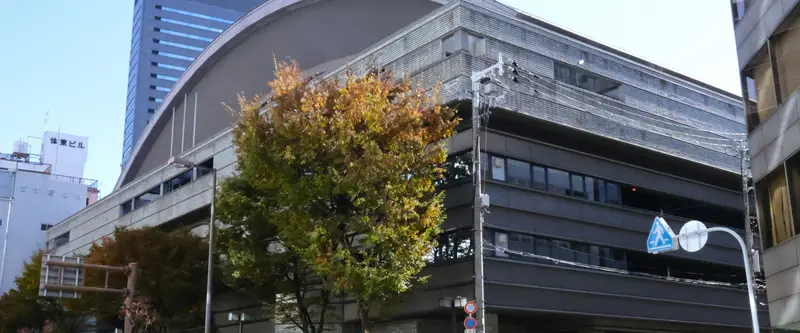
📍 Edion Arena Osaka · Naniwa, Osaka
🎫 Tickets go on sale: Sat, Feb 6, 2027
Tickets not on sale yet📅 Sun, May 9 – Sun, May 23, 2027
📍 Ryogoku Kokugikan · Sumida, Tokyo
🎫 Tickets go on sale: Sat, Apr 10, 2027
 Tickets not on sale yet
📅 Sun, Jul 11 – Sun, Jul 25, 2027
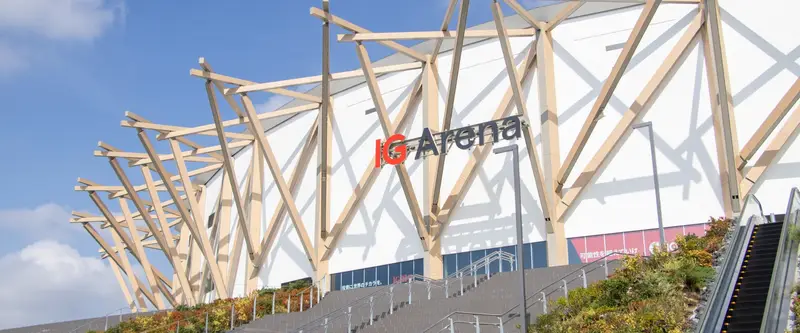
📍 IG Arena · Kita, Nagoya, Aichi
🎫 Tickets go on sale: Sat, May 15, 2027
Tickets not on sale yet📅 Sun, Sep 12 – Sun, Sep 26, 2027
📍 Ryogoku Kokugikan · Sumida, Tokyo
🎫 Tickets go on sale: Sat, Aug 7, 2027
Tickets not on sale yet📅 Sun, Nov 14 – Sun, Nov 28, 2027
📍 Fukuoka Kokusai Center · Hakata, Fukuoka
🎫 Tickets go on sale: Sat, Sep 18, 2027
Dates are from the Japan Sumo Association’s annual schedule. Check the official site for ticket availability and same-day tickets.
🎫 Official ticket information (Japan Sumo Association) ↗Seat types, how to buy tickets, how a tournament day unfolds and etiquette: what to know before your first visit to a sumo tournament.
📍 Sumida, Tokyo
🚉 Ryogoku Station (JR Sobu Line, local trains) · about 2 min walk
Venue guide: Ryogoku Kokugikan📍 Naniwa, Osaka
🚉 Nankai Namba Station (Nankai Line) · about 2 min walk
Venue guide: Edion Arena Osaka📍 Kita, Nagoya, Aichi
🚉 Meijo Koen Station (Nagoya Municipal Subway Meijo Line) · about 0 min walk
Venue guide: IG Arena📍 Hakata, Fukuoka
🚉 Nishitetsu bus stop "Kokusai Center / Sun Palace-mae" · about 1 min walk
Venue guide: Fukuoka Kokusai CenterPlaces introduced on official sites of the Japan Sumo Association, local governments and tourism bodies.
📍 Sumida, Tokyo
The Japan Sumo Association's museum on the 1st floor of Ryogoku Kokugikan, with rotating themed exhibitions of historical sumo materials such as woodblock prints (nishiki-e) and ornate ceremonial aprons (kesho-mawashi). Admission is free on weekdays when no tournament is being held.
💡 During a tournament, only visitors with a ticket for that day's sumo can enter, so drop in while you're there to watch.
📍 Sumida, Tokyo
A "sumo town" centered on the Kokugikan, full of sumo stables (heya) and chanko nabe (sumo hot pot) restaurants. You may even spot wrestlers in yukata walking around the streets.
💡 You can watch a sumo stable's morning practice by joining a guided tour.
📍 Sumida, Tokyo
Along Kokugikan-dori, the street near Ryogoku Station, you'll find statues of wrestlers performing the ring-entering ceremony and handprints of past yokozuna. You can compare the size of your hand with theirs.
💡 Striking a ring-entering pose for a souvenir photo is a classic.
📍 Sumida, Tokyo
A dining complex in the former Ryogoku Station building from the early Showa era. In the center is a sumo ring supervised by the Japan Sumo Association, surrounded by Japanese restaurants. On weekends there are events where you can grapple with former wrestlers.
💡 The tourist information center inside is a good place to pick up information on Ryogoku, including chanko nabe restaurants.
📍 Sumida, Tokyo
A temple where sumo tournaments were held from the Edo period until the end of the Meiji era; the first Kokugikan was also built on its grounds. It is home to the Chikara-zuka, a memorial erected by the Sumo Association.
💡 It's a short walk from the West Exit of Ryogoku Station, so you can visit it together with the Kokugikan.
📍 Sumida, Tokyo
A shrine dedicated to Nomi no Sukune, the god of sumo, with a monument on its grounds engraved with the names of past yokozuna. Before each Tokyo tournament, an annual festival is held here, attended by senior officials of the Sumo Association.
💡 The quickest way there is from Exit A4 of Ryogoku Station on the Toei Oedo Line.
📍 Koto, Tokyo
Known as "Fukagawa no Hachiman-sama," this is the largest Hachiman shrine in Edo-era Tokyo. On its grounds stands the Yokozuna Monument, engraved with the names of past yokozuna.
💡 It's a short walk from Monzen-nakacho Station. It's a bit far from Ryogoku, so we recommend fitting it into a different day of sightseeing.
📍 Katsuragi, Nara
A sumo museum in the area associated with Taima no Kehaya, considered one of the founders of sumo. It has a ring the same size as those used in official tournaments, and exhibits where you can learn about the history of sumo.
💡 If you book in advance, you can put on a mawashi (sumo belt) and try sumo in the ring.
Dates, venues and directions are based on official information from the Japan Sumo Association, the venues, railway companies and local governments. Check each official site for the latest details.