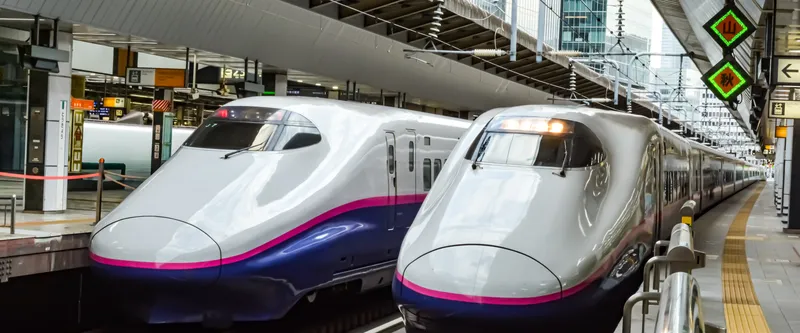
 🚄 JR
Japan Rail Pass
Nationwide ・ Three types: 7, 14 or 21 days. The period of use cannot be extended or changed
From ¥50,000
A hot spring area in Gunma known for its stone steps. It has two types of water: the Kogane no Yu (golden water), which contains iron and turns reddish brown, and the clear, colorless Shirogane no Yu (silver water). Partway up the stone steps is a city-run bathhouse open to day visitors.
The stone steps, said to have been built about 440 years ago, are the symbol of the hot spring town and are counted among the Three Great Stone Stairways of Japan. Nearby are Ikaho Shrine and the vermilion Kajika Bridge, near the source of the Kogane no Yu. Two day-use facilities, Ishidan no Yu and Ikaho Rotenburo, make it easy to enjoy a hot spring hopping tour.
Public baths, day-use spas and foot baths open to non-staying visitors.
Prices and hours are as of the date shown and may change, with occasional closures. Check each facility’s official website before you go.
Varies by facility, so please check with each one. Some facilities allow bathing if tattoos are covered with cover stickers
♨ Kogane no Yu (sulfate spring) and Shirogane no Yu (clear, colorless water containing metasilicic acid)
According to the tourism association, the Kogane no Yu is listed for a wide range of indications such as poor circulation, chronic joint and muscle pain and recovery from fatigue, and the Shirogane no Yu for recovery after illness, recovery from fatigue and health promotion
The symbol of the hot spring town, said to have been built about 440 years ago. One of the Three Great Stone Stairways of Japan
A vermilion arched bridge near the source of the Kogane no Yu. Autumn leaves and illumination in autumn
The third-ranked shrine of Kozuke Province, enshrining the deities of hot springs and medicine
🚄 JRNationwide ・ Three types: 7, 14 or 21 days. The period of use cannot be extended or changed
From ¥50,000
 PR8.7
 PR8.4
 PR8.5
 PR9.2
 PR9.1
 PR8.2
Prices and availability are shown on Agoda.
 Zoo
Tokyo & Around ・ Kusatsu Onsen
This privately run zoo in the Kusatsu Onsen hot spring town is known as the highest-altitude zoo in Japan. Inside a 15 m-tall dome heated by hot spring water, a subtropical climate lets you see tropical plants and animals even in chilly Kusatsu.
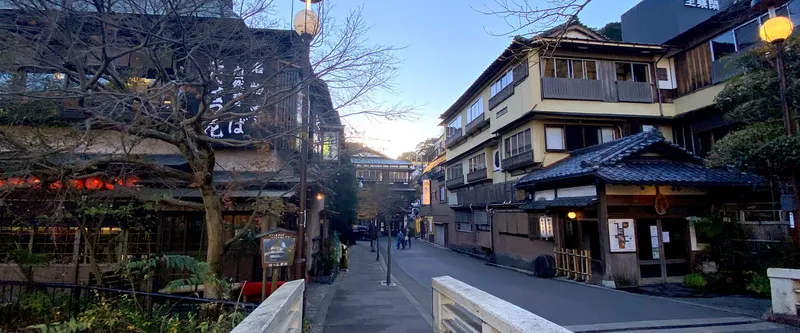 ♨ Onsen
Tokyo & Around ・ Hakone, Kanagawa
♨ Day use Adults: weekdays ¥1,700, weekends and holidays ¥2,000; elementary school students ¥1,000 (as of October 2026)
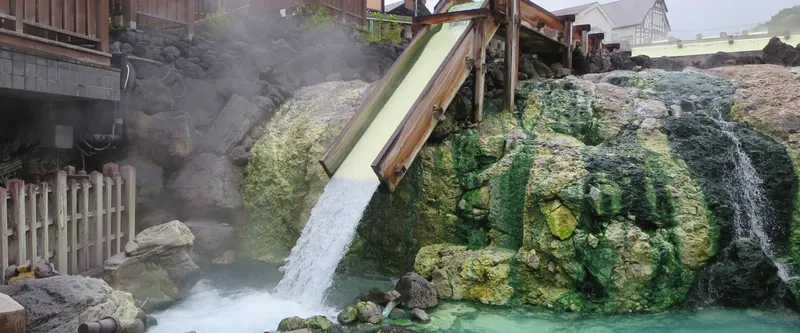 ♨ Onsen
Tokyo & Around ・ Kusatsu, Gunma
♨ Day use Adults ¥800, children (age 3 to elementary school) ¥400 (as of October 2026)
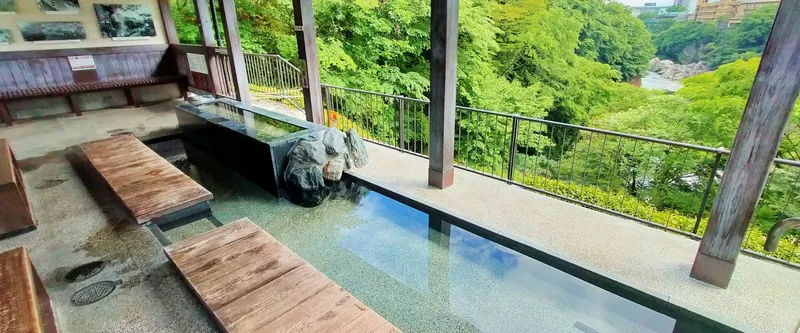 ♨ Onsen
Tokyo & Around ・ Nikko, Tochigi
♨ Day use Adults ¥1,650, children (ages 3–12) ¥880, plus ¥50 bathing tax (as of October 2026)
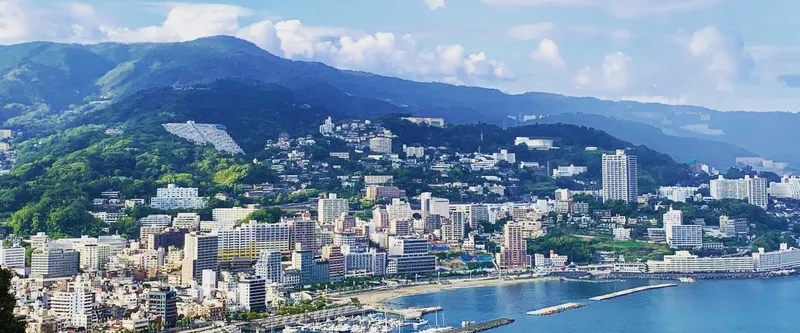 ♨ Onsen
Tokyo & Around ・ Atami, Shizuoka
♨ Day use Adults (junior high school and up): weekdays ¥3,080, weekends and holidays ¥3,410; children (age 4 to elementary school): weekdays ¥2,310, weekends and holidays ¥2,530; plus ¥150 bathing tax (as of October 2026)
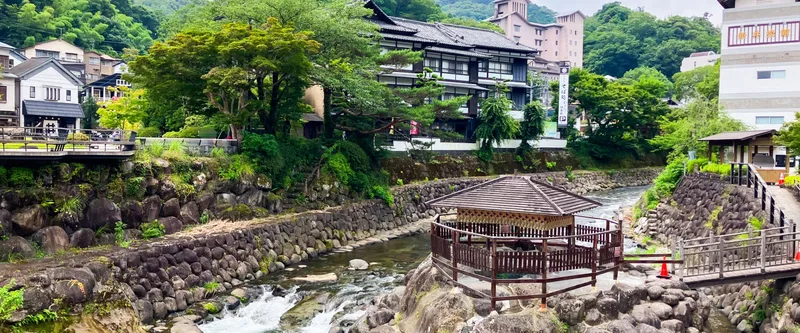 ♨ Onsen
Tokyo & Around ・ Izu, Shizuoka
♨ Day use Adults (junior high school and up) ¥700, elementary school students ¥400 (as of October 2026)
Prices, hours, tattoo policies and spring types are based on official facility, municipal and tourism association information. They can change, so check the official websites before you go.
Last checked: 2026-10-08