Power Spot · Chubu & Hokuriku

Fujisan Hongu Sengen Taisha

📍 Fujinomiya, Shizuoka

Search by dates and destination
About

About this power spot

Standing at the foot of Mount Fuji, this is the head shrine of all Sengen shrines in Japan. It worships Mount Fuji itself as its sacred body, and Shizuoka Prefecture's official tourism site introduces it as a power spot. On the grounds, such as at Wakutama Pond where Fuji's spring water wells up, you can feel the blessings of the mountain up close.

History

History

The principal deity is Konohanasakuya-hime, also known as Sengen no Okami. The shrine is said to have begun when Sakanoue no Tamuramaro built a shrine on its present site in Omiya. The part of Mount Fuji above the eighth station belongs to the shrine, and its Okumiya (inner shrine) stands at the summit. The current main hall is said to have been built by Tokugawa Ieyasu.

Highlights

Highlights

✨ Main Hall (Sengen-zukuri style)

A vermilion main hall in the unique two-story Sengen-zukuri style, said to have been built by Tokugawa Ieyasu and designated a national Important Cultural Property.

✨ Wakutama Pond

A pond fed by Mount Fuji's snowmelt, which flows underground before welling up here. Pilgrims climbing Mount Fuji in the past are said to have purified themselves in this clear water before setting off for the mountain.

✨ Kagami Pond

A pond where, in the right conditions, an upside-down reflection of Mount Fuji is said to appear on the water.

✨ Yabusame (horseback archery) ritual

Horseback archery said to have been dedicated by Minamoto no Yoritomo is still carried on as a Shinto ritual.

🙏 Known for

The shrine is known for prayers for protection from fire, safe childbirth and safe voyages, and some visitors also come to pray for protection from misfortune.

Based on information from the shrine or temple and official tourism sites.

🖋 Goshuin (shrine/temple stamp)

Goshuin (shrine stamps) are available at the shrine office.

Etiquette

Etiquette & things to know

  • ✓Bow once before passing through the torii gate, and avoid walking down the center of the approach.
  • ✓Purify your hands and mouth at the temizu fountain before heading to the worship hall.
  • ✓Wakutama Pond is treasured as a pond of sacred water. Do not enter it or throw anything in, and follow the signs as you look around.
Tips

Tips for your visit

  • •Walk around the grounds from Wakutama Pond to Kagami Pond to enjoy both Mount Fuji's water and its views.
  • •It is also nice to stroll along the Kanda River, which carries water from Wakutama Pond, and through the streets in front of the shrine.
Map

Map

🗺 Map ↗
Plan your trip

Plan your trip

Where to Stay · Agoda

Places to Stay near Fujisan Hongu Sengen TaishaPR

Prices and availability are shown on Agoda.

Power Spots

More power spots for “Safe travels”

⛩️ Shrine

Konpira Shrine (Shosanbetsu)

Hokkaido ・ Shosanbetsu, Tomamae District, Hokkaido

🛡️ Safe travels💰 Prosperity & business

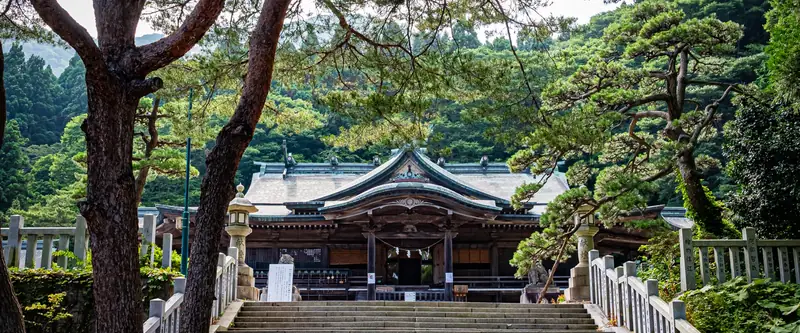
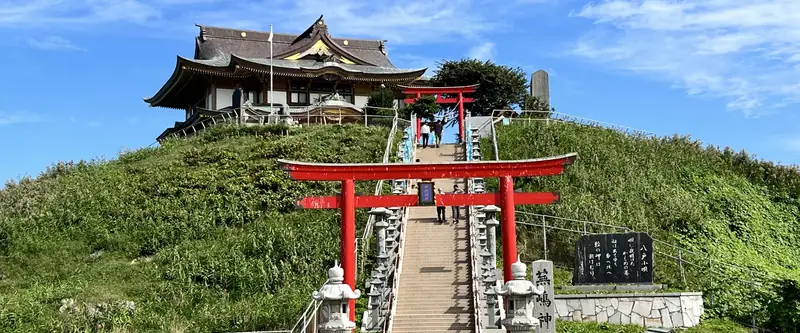
A shrine below Cape Konpira facing the Sea of Japan, symbolized by its vermilion "torii in the sea" standing at the water's edge. Hokkaido's official tourism site introduces it as a power spot where you can feel the energy of the sea breeze and rough waves.
⛩️ Shrine

Hakodate Hachimangu

Hokkaido ・ Hakodate, Hokkaido

🛡️ Safe travels

A shrine on high ground at the foot of Mount Hakodate, surrounded by a forest of Yezo spruce and other trees. Locals affectionately call it "Hachiman-san," and Hakodate's tourism guide introduces it as "one of Hakodate's leading power spots, filled with crisp, dignified air."

⛩️ Shrine

Kabushima Shrine

Tohoku ・ Hachinohe, Aomori

💰 Prosperity & business🍀 Good fortune & protection🛡️ Safe travels

A shrine on the top of Kabushima Island, a breeding ground for black-tailed gulls designated a national Natural Monument. Aomori Prefecture's official tourism site introduces it as a power spot associated with blessings for good luck and wealth.

⛩️ Shrine

Dewa Sanzan (Mount Haguro)

Tohoku ・ Tsuruoka, Yamagata

💰 Prosperity & business🛡️ Safe travels💞 Love & relationships

Together with Mount Gassan and Mount Yudono, Mount Haguro forms the "Dewa Sanzan" (Three Mountains of Dewa), a sacred site of mountain worship long known as a center of Shugendo ascetic practice. Tsuruoka City's tourism site introduces it as a power spot, and at the Sanjin Gosaiden hall on the summit you can pay respects to the deities of all three mountains at once.

⛩️ Shrine

Shiogama Shrine

Tohoku ・ Shiogama, Miyagi

🛡️ Safe travels💰 Prosperity & business

Standing on Mount Ichimori overlooking the town of Shiogama, this shrine, affectionately known as "Shiogama-sama," is a guardian of the Tohoku region and the Ichinomiya (highest-ranking shrine) of the former Mutsu Province. Miyagi Prefecture's tourism site introduces it as "one of Miyagi's top power spots," and Shiwahiko Shrine is enshrined on the same grounds.

⛩️ Shrine

Nikko Toshogu

Tokyo & Around ・ Nikko, Tochigi

🍀 Good fortune & protection🛡️ Safe travels

A shrine dedicated to Tokugawa Ieyasu, representative of the "Shrines and Temples of Nikko" World Heritage Site. It is famous for its lavishly decorated buildings, and Tochigi Prefecture's tourism site notes that several powerful power spots are said to lie on the grounds and in the surrounding area, such as the path beyond the Sleeping Cat leading to the Okumiya (inner shrine) and the approach leading to Nikko Futarasan Shrine.

Power Spots

More power spots in Chubu & Hokuriku

⛩️ Shrine

Yahiko Shrine

Chubu & Hokuriku ・ Yahiko Village, Niigata

💞 Love & relationships

The Ichinomiya (highest-ranking shrine) of the former Echigo Province, standing in a deep forest with Mount Yahiko behind it, affectionately known as "Oyahiko-sama." Niigata Prefecture's official tourism site introduces it as "one of the prefecture's top power spots," and because it enshrines a married couple of deities, it is also popular as a power spot for love.

⛩️ Shrine

Togakushi Shrine

Chubu & Hokuriku ・ Nagano, Nagano

🍀 Good fortune & protection📚 Study & exams💞 Love & relationships

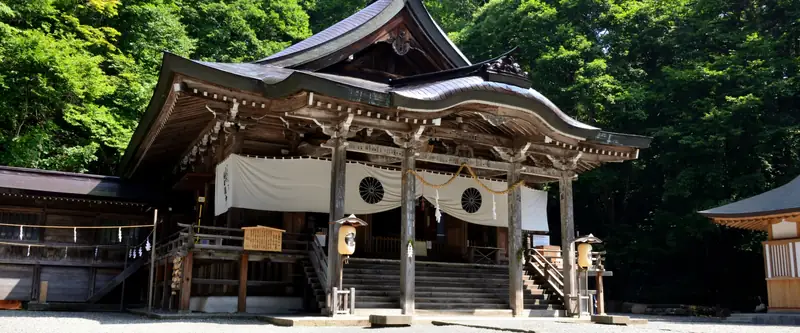
A shrine made up of five shrines, Okusha, Chusha, Hokosha, Kuzuryusha and Hinomikosha, scattered at the foot of the sacred Mount Togakushi. Connected to the Ama-no-Iwato myth, it is introduced on the official tourism sites of Nagano City and Nagano Prefecture as "a power spot of myth and faith." The "Five Shrines Pilgrimage," walking along cedar-lined approaches to visit all five, is well known.

⛩️ Shrine

Shirayama Hime Shrine

Chubu & Hokuriku ・ Hakusan, Ishikawa

💞 Love & relationships🍀 Good fortune & protection🛡️ Safe travels

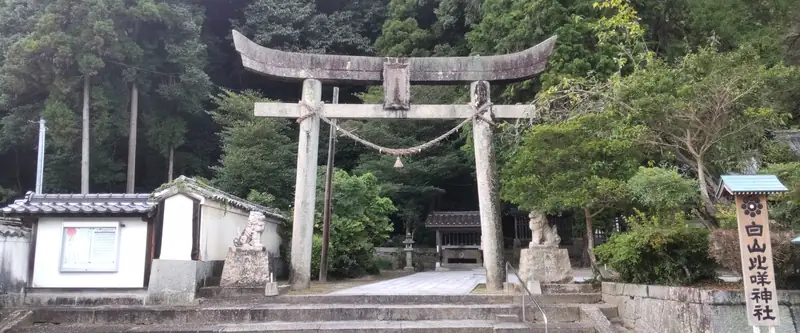
The head shrine of some three thousand Hakusan shrines across Japan, worshipping the sacred Mount Hakusan as its sacred body. Locals affectionately call it "Shirayama-san," and Ishikawa Prefecture's official tourism site introduces it, together with the shrine town of Tsurugi, as "the most powerful power spot in Hokuriku." The pure air of the main approach, surrounded by giant trees, is a big part of its appeal.

⛩️ Shrine

Hotaka Shrine

Chubu & Hokuriku ・ Azumino, Nagano

🛡️ Safe travels🍀 Good fortune & protection⛰️ Nature power spots

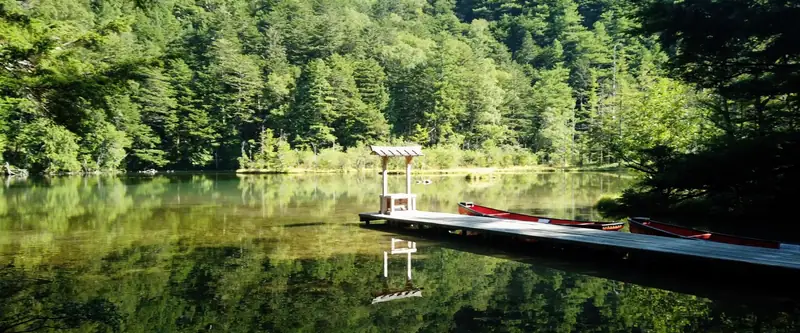
Made up of the main shrine in Azumino, the Okumiya (inner shrine) on the shore of Myojin Pond in Kamikochi, and the Minemiya (summit shrine) on the peak of Mount Okuhotaka, this shrine is known as the "chief guardian of the Japan Alps." Nagano Prefecture's official tourism site introduces it as a power spot, and the shrine's official website also describes the Myojin Pond area as a power spot. It is a place where the nature of the Northern Alps and faith are closely intertwined.

⛰️ Nature

Bungui Pass

Chubu & Hokuriku ・ Ina, Nagano

⛰️ Nature power spots

A mountain pass on the border between Ina City and Oshika Village, sitting directly on the Median Tectonic Line, one of Japan's largest fault lines. Known as a "zero magnetic field" spot, it is listed as a power spot on Nagano Prefecture's official tourism site as a place where the mind feels calm. Visitors come to spend quiet time at the "kiba" (energy spot) in the forest.

⛩️ Shrine

Atsuta Jingu

Chubu & Hokuriku ・ Nagoya, Aichi

🍀 Good fortune & protection🛡️ Safe travels

An ancient shrine in the leafy "Forest of Atsuta" in southern Nagoya, affectionately known to locals as "Atsuta-san." It enshrines the Kusanagi sword, one of the Three Sacred Treasures of Japan, and Nagoya's official tourism site features it on a model power spot route. A deep forest spreads out here that feels far removed from the surrounding city.

History and what each place is known for are based on the shrine or temple’s official site and on local government and tourism association information. Opening hours, fees and limited-time items are not listed — please check the official site before you go.

Sources

Checked: 2026-10-14