Search by dates and destination
About

About this power spot

A shrine that worships Mount Miwa itself as its sacred body, regarded as one of the oldest shrines in Japan. Nara Prefecture's official tourism site introduces it with phrases such as "Power Spot Miwa" and "all of Mount Miwa is a power spot."

History

History

The enshrined deity is Omononushi no Okami, also called "Miwa Myojin." There is no main hall; instead, worshippers pray to Mount Miwa through the Mitsu Torii (triple torii) behind the worship hall, preserving an ancient form of worship to this day.

Highlights

Highlights

✨ Worship Hall (Haiden)

A worship hall rebuilt in the Edo period and designated a national Important Cultural Property. From here, worshippers pray to Mount Miwa, the shrine's sacred body.

✨ Mitsu Torii (triple torii)

An unusual torii made by combining three Myojin-style torii gates, located behind the worship hall.

✨ Sai Shrine

An auxiliary shrine to the back left of the worship hall. The sacred water from its medicine well is known as "Sai no Goshinsui."

🙏 Known for

As the deity said to have quelled disease, it is worshipped as a deity of medicine and of sake brewing, and people also visit to pray for matchmaking.

Based on information from the shrine or temple and official tourism sites.

Etiquette

Etiquette & things to know

  • ✓Bow once before passing through the torii gate. The center of the approach is considered the path of the gods, so walk along the sides.
  • ✓Purify your hands and mouth at the temizu fountain before praying.
  • ✓Mount Miwa is a sacred mountain, so if you climb it as a form of worship, follow the rules set by the shrine.
  • ✓Do not take photos where signs indicate photography is prohibited.
Tips

Tips for your visit

  • •You can walk to the shrine from JR Miwa Station, and many people combine a visit with a walk along the Yamanobe-no-michi, said to be the oldest road in Japan.
  • •After the worship hall, extend your visit to the auxiliary Sai Shrine.
Map

Map

🗺 Map ↗
Plan your trip

Plan your trip

Where to Stay · Agoda

Places to Stay near Omiwa ShrinePR

Prices and availability are shown on Agoda.

Power Spots

More power spots for “Love & relationships”

⛩️ Shrine

Iwakiyama Shrine

Tohoku ・ Hirosaki, Aomori

💞 Love & relationships💰 Prosperity & business

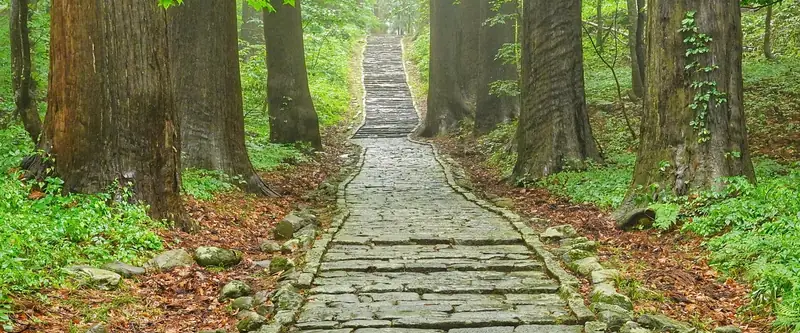
A shrine at the foot of Mount Iwaki, known as "Tsugaru Fuji," affectionately called "Oiwaki-sama" or "Oyama" by locals. Aomori Prefecture's official tourism site introduces it as a power spot rooted in mountain worship.
⛩️ Shrine

Dewa Sanzan (Mount Haguro)

Tohoku ・ Tsuruoka, Yamagata

💰 Prosperity & business🛡️ Safe travels💞 Love & relationships

Together with Mount Gassan and Mount Yudono, Mount Haguro forms the "Dewa Sanzan" (Three Mountains of Dewa), a sacred site of mountain worship long known as a center of Shugendo ascetic practice. Tsuruoka City's tourism site introduces it as a power spot, and at the Sanjin Gosaiden hall on the summit you can pay respects to the deities of all three mountains at once.

⛩️ Shrine

Nikko Futarasan Shrine

Tokyo & Around ・ Nikko, Tochigi

💞 Love & relationships

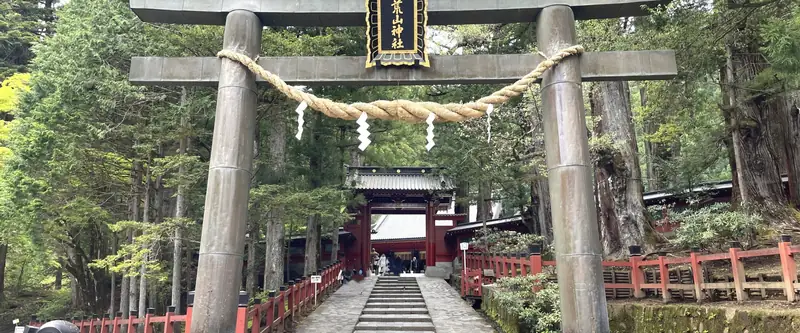
An ancient shrine that marks the beginning of worship on Mount Nikko, with Mount Nantai (Mount Futara) as its sacred body. It is one of the "Shrines and Temples of Nikko" World Heritage Site. Tochigi Prefecture's tourism site introduces it as a power spot where the deity of "victory" grants strength, and a Nikko City Tourism Association feature calls it a power spot popular with people hoping for a good match.

⛩️ Shrine

Tokyo Daijingu

Tokyo & Around ・ Chiyoda, Tokyo

💞 Love & relationships🍀 Good fortune & protection

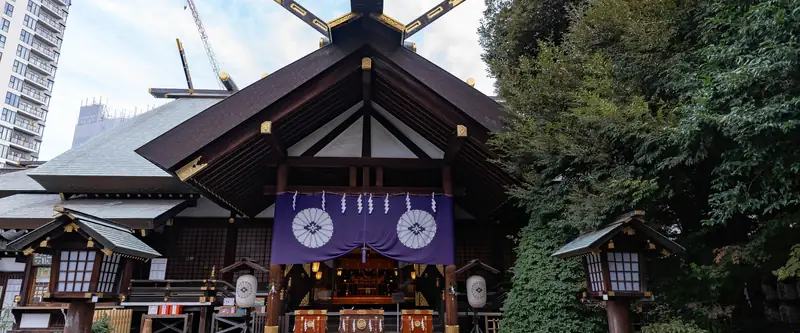
A shrine near Iidabashi Station that enshrines the deities of Ise Jingu. It is known for blessings of matchmaking, and the official website of the Chiyoda City Tourism Association introduces it as a "Chiyoda power spot" bustling with visitors hoping for a good match.

⛩️ Shrine

Hakone Shrine

Tokyo & Around ・ Hakone, Ashigarashimo District, Kanagawa

🍀 Good fortune & protection🛡️ Safe travels💞 Love & relationships

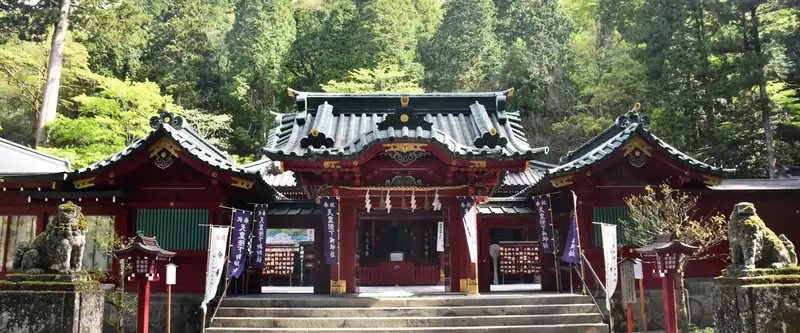
Standing on the shore of Lake Ashi, this shrine has long been revered as "Kanto Soumoju Hakone Daigongen," the guardian deity of the Kanto region. Kanagawa Prefecture's tourism site introduces it as "Hakone's foremost power spot," surrounded by Lake Ashi, an avenue of old cedars and a pure stand of Japanese stewartia trees designated a Natural Monument.

⛩️ Shrine

Yahiko Shrine

Chubu & Hokuriku ・ Yahiko Village, Niigata

💞 Love & relationships

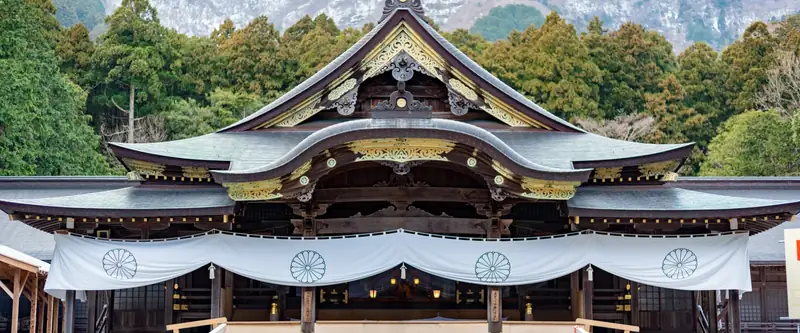
The Ichinomiya (highest-ranking shrine) of the former Echigo Province, standing in a deep forest with Mount Yahiko behind it, affectionately known as "Oyahiko-sama." Niigata Prefecture's official tourism site introduces it as "one of the prefecture's top power spots," and because it enshrines a married couple of deities, it is also popular as a power spot for love.

Power Spots

More power spots in Kansai

🛕 Temple

Kurama-dera Temple

Kansai ・ Sakyo Ward, Kyoto

⛰️ Nature power spots

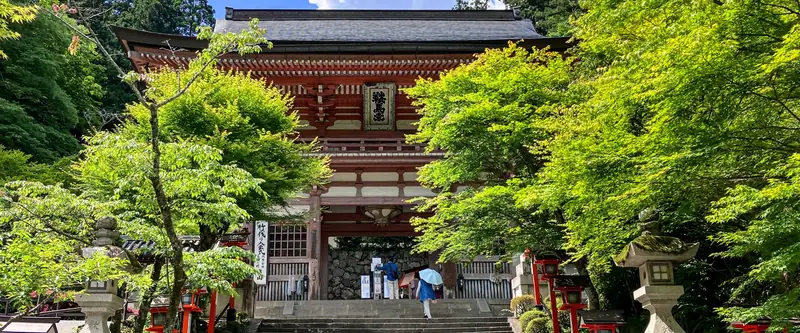
A temple spread across Mount Kurama in northern Kyoto, famous as the setting of the legend in which the young Ushiwakamaru (Minamoto no Yoshitsune) trained with tengu (mountain goblins). The official site of the Kyoto City Tourism Association introduces the "Kinone-michi" (tree-root path), the mountain trail running from Kurama-dera to Kifune Shrine, as a popular power spot.

⛩️ Shrine

Ikuta Shrine

Kansai ・ Chuo Ward, Kobe, Hyogo

💞 Love & relationships

An ancient shrine in the heart of Sannomiya, Kobe, said to be the origin of the name "Kobe." Hyogo Prefecture's official tourism site introduces it as "Kobe's foremost power spot," and many people visit it as a shrine for matchmaking (enmusubi).

⛩️ Shrine

Ise Jingu

Kansai ・ Ise, Mie

💰 Prosperity & business

A shrine centered on two main sanctuaries, the Naiku (Kotai Jingu, the Inner Shrine) and the Geku (Toyouke Daijingu, the Outer Shrine), long famous as the destination of the "Oise-mairi" pilgrimage. Mie Prefecture's official tourism site presents the Geku and Naiku, standing in vast and mystical forests, as the heart of a power spot tour.

⛩️ Shrine

Kumano Hongu Taisha

Kansai ・ Hongu, Tanabe, Wakayama

⛰️ Nature power spots

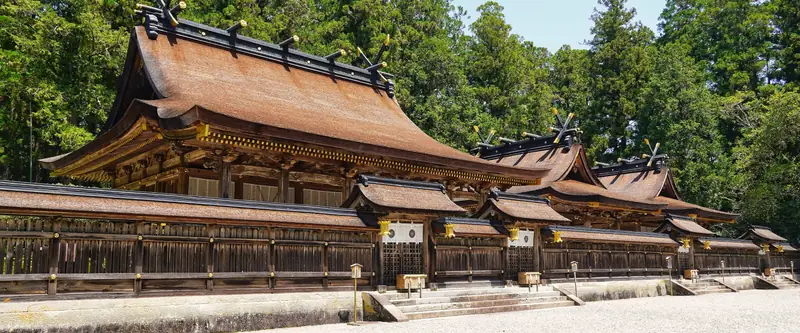
One of the Kumano Sanzan (Three Grand Shrines of Kumano), regarded as the head shrine of all Kumano shrines in Japan. Wakayama Prefecture's official tourism site introduces it as a destination on a "power spot tour" from Ise Jingu to the Kumano Sanzan, and notes that Oyunohara, the shrine's former site, is also popular as a power spot.

⛩️ Shrine

Kumano Nachi Taisha (Nachi Falls)

Kansai ・ Nachikatsuura, Higashimuro District, Wakayama

💞 Love & relationships⛰️ Nature power spots🌿 Health & longevity

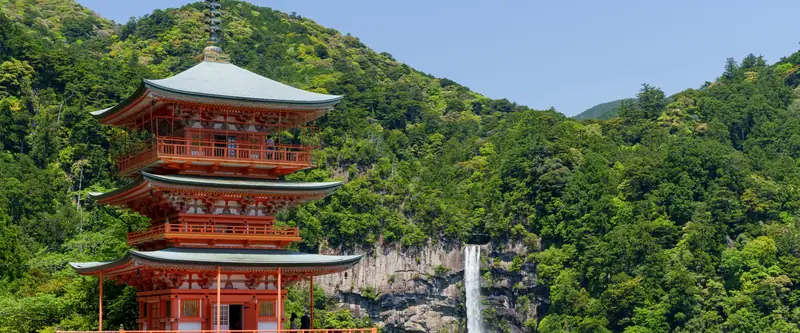
One of the Kumano Sanzan (Three Grand Shrines of Kumano), which can be visited together with its separate shrine, Hiro Shrine, whose sacred body is Nachi Falls, one of Japan's three most famous waterfalls. Wakayama Prefecture's official tourism site introduces it as a destination on a "power spot tour" of the Kumano Sanzan.

History and what each place is known for are based on the shrine or temple’s official site and on local government and tourism association information. Opening hours, fees and limited-time items are not listed — please check the official site before you go.

Sources

Checked: 2026-10-14