Search by dates and destination
About

About this power spot

A shrine near Iidabashi Station that enshrines the deities of Ise Jingu. It is known for blessings of matchmaking, and the official website of the Chiyoda City Tourism Association introduces it as a "Chiyoda power spot" bustling with visitors hoping for a good match.

History

History

It was founded in the Meiji era as a place in Tokyo for worshipping Ise Jingu from afar. In addition to Amaterasu Sume Omikami and Toyouke no Okami, it enshrines the three deities of creation, who govern the power of "musubi" (binding) in all things, and Yamatohime-no-Mikoto. The Shinto wedding ceremony, widely practiced today, is said to have originated at this shrine.

Highlights

Highlights

✨ Birthplace of the Shinto wedding

Known as the shrine that originated the Shinto wedding ceremony, it still holds traditional weddings before the deities.

✨ Iitomi Inari Shrine

An Inari shrine worshipped on the grounds since the days when Tokyo Daijingu stood in Hibiya. It has deep ties to the performing arts, and people visit to pray for progress in their art.

✨ Omikuji and omamori

Its omikuji (fortune slips) for love and its unique omamori (amulets) and ema (votive plaques) are popular, and omikuji in English are also available.

🙏 Known for

Because it enshrines the three deities of creation, it is known for blessings of matchmaking, and many people visit to pray for a good match or success in love. The official website also lists prayers for family safety, business prosperity, protection from misfortune and good luck, traffic safety, academic success and more.

Based on information from the shrine or temple and official tourism sites.

🖋 Goshuin (shrine/temple stamp)

Goshuin (shrine stamps) are offered, and an original-design goshuin book is also introduced.

Etiquette

Etiquette & things to know

  • ✓Bow once before passing through the torii gate, and avoid walking down the center of the approach.
  • ✓Purify your hands and mouth at the temizu fountain before praying.
  • ✓Weddings are sometimes held here, so refrain from photographing the wedding procession or guests, and avoid disrupting the ceremony.
Tips

Tips for your visit

  • •The grounds are compact, making it easy to combine with a stroll around Iidabashi and Kudanshita.
  • •It is a popular shrine, so if you want to pray at leisure, an early weekday visit is recommended.
Map

Map

🗺 Map ↗
Plan your trip

Plan your trip

Where to Stay · Agoda

Places to Stay near Tokyo DaijinguPR

Prices and availability are shown on Agoda.

Power Spots

More power spots for “Love & relationships”

⛩️ Shrine

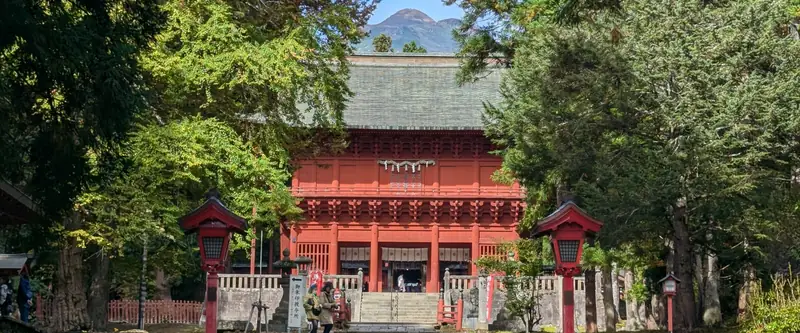
Iwakiyama Shrine

Tohoku ・ Hirosaki, Aomori

💞 Love & relationships💰 Prosperity & business

A shrine at the foot of Mount Iwaki, known as "Tsugaru Fuji," affectionately called "Oiwaki-sama" or "Oyama" by locals. Aomori Prefecture's official tourism site introduces it as a power spot rooted in mountain worship.
⛩️ Shrine

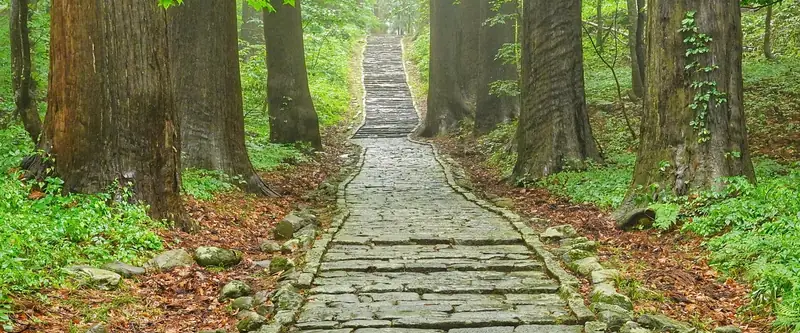
Dewa Sanzan (Mount Haguro)

Tohoku ・ Tsuruoka, Yamagata

💰 Prosperity & business🛡️ Safe travels💞 Love & relationships

Together with Mount Gassan and Mount Yudono, Mount Haguro forms the "Dewa Sanzan" (Three Mountains of Dewa), a sacred site of mountain worship long known as a center of Shugendo ascetic practice. Tsuruoka City's tourism site introduces it as a power spot, and at the Sanjin Gosaiden hall on the summit you can pay respects to the deities of all three mountains at once.

⛩️ Shrine

Nikko Futarasan Shrine

Tokyo & Around ・ Nikko, Tochigi

💞 Love & relationships

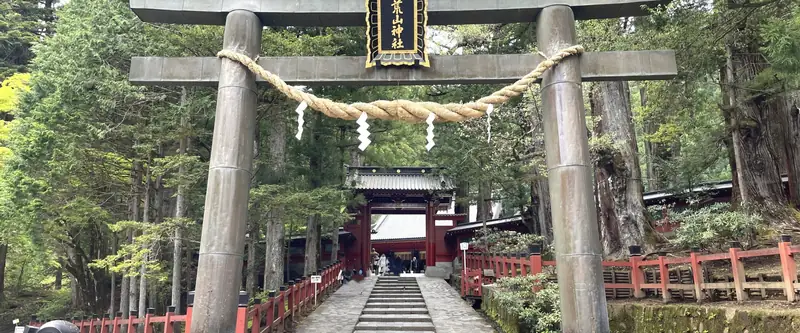
An ancient shrine that marks the beginning of worship on Mount Nikko, with Mount Nantai (Mount Futara) as its sacred body. It is one of the "Shrines and Temples of Nikko" World Heritage Site. Tochigi Prefecture's tourism site introduces it as a power spot where the deity of "victory" grants strength, and a Nikko City Tourism Association feature calls it a power spot popular with people hoping for a good match.

⛩️ Shrine

Hakone Shrine

Tokyo & Around ・ Hakone, Ashigarashimo District, Kanagawa

🍀 Good fortune & protection🛡️ Safe travels💞 Love & relationships

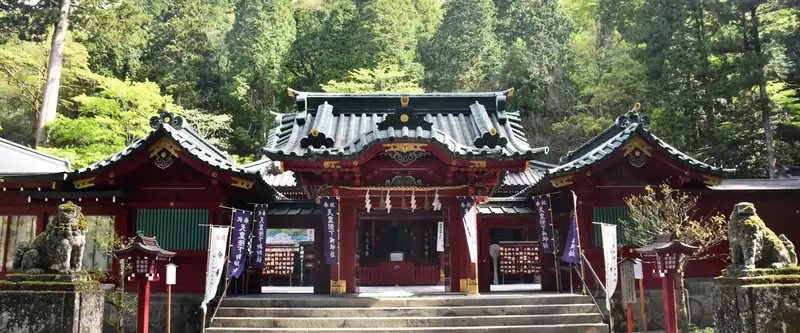
Standing on the shore of Lake Ashi, this shrine has long been revered as "Kanto Soumoju Hakone Daigongen," the guardian deity of the Kanto region. Kanagawa Prefecture's tourism site introduces it as "Hakone's foremost power spot," surrounded by Lake Ashi, an avenue of old cedars and a pure stand of Japanese stewartia trees designated a Natural Monument.

⛩️ Shrine

Yahiko Shrine

Chubu & Hokuriku ・ Yahiko Village, Niigata

💞 Love & relationships

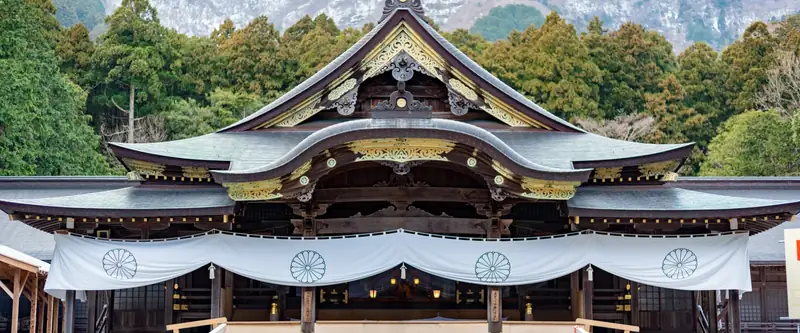
The Ichinomiya (highest-ranking shrine) of the former Echigo Province, standing in a deep forest with Mount Yahiko behind it, affectionately known as "Oyahiko-sama." Niigata Prefecture's official tourism site introduces it as "one of the prefecture's top power spots," and because it enshrines a married couple of deities, it is also popular as a power spot for love.

⛩️ Shrine

Togakushi Shrine

Chubu & Hokuriku ・ Nagano, Nagano

🍀 Good fortune & protection📚 Study & exams💞 Love & relationships

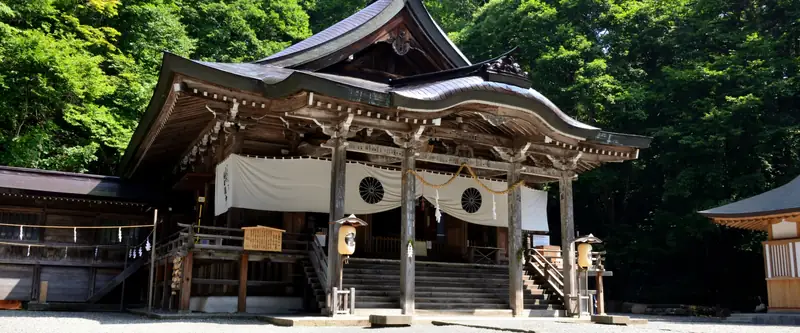
A shrine made up of five shrines, Okusha, Chusha, Hokosha, Kuzuryusha and Hinomikosha, scattered at the foot of the sacred Mount Togakushi. Connected to the Ama-no-Iwato myth, it is introduced on the official tourism sites of Nagano City and Nagano Prefecture as "a power spot of myth and faith." The "Five Shrines Pilgrimage," walking along cedar-lined approaches to visit all five, is well known.

Power Spots

More power spots in Tokyo & Around

⛩️ Shrine

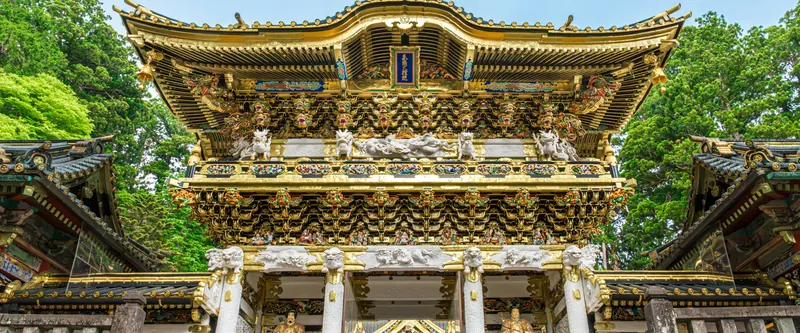
Nikko Toshogu

Tokyo & Around ・ Nikko, Tochigi

🍀 Good fortune & protection🛡️ Safe travels

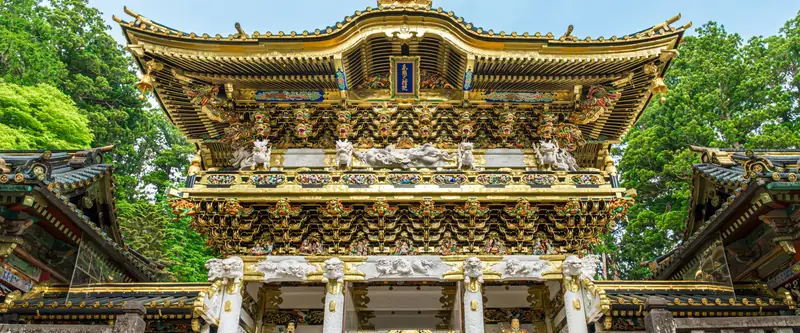
A shrine dedicated to Tokugawa Ieyasu, representative of the "Shrines and Temples of Nikko" World Heritage Site. It is famous for its lavishly decorated buildings, and Tochigi Prefecture's tourism site notes that several powerful power spots are said to lie on the grounds and in the surrounding area, such as the path beyond the Sleeping Cat leading to the Okumiya (inner shrine) and the approach leading to Nikko Futarasan Shrine.

⛩️ Shrine

Haruna Shrine

Tokyo & Around ・ Takasaki, Gunma

🍀 Good fortune & protection💰 Prosperity & business

A shrine on the slopes of Mount Haruna, its grounds surrounded by strange rock formations and ancient trees. Takasaki City's official tourism site introduces it as a power spot filled with a sacred atmosphere, and Gunma Prefecture's tourism site calls it "one of the leading power spots in the Kanto region."

⛩️ Shrine

Kashima Jingu

Tokyo & Around ・ Kashima, Ibaraki

🍀 Good fortune & protection

A shrine dedicated to Takemikazuchi no Okami, known as a deity of the founding of Japan and of the martial arts. Ibaraki Prefecture's tourism feature "Power Spots of Ibaraki" describes it as a place where you can feel the strength of a warrior deity who drives away obstacles and moves forward, and as a place that can make a difference at life's turning points.

⛩️ Shrine

Mitsumine Shrine

Tokyo & Around ・ Chichibu, Saitama

⛰️ Nature power spots

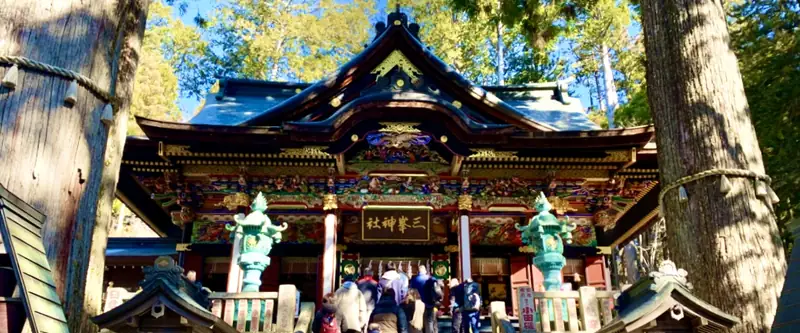
One of the Three Shrines of Chichibu, standing on Mount Mitsumine deep in the Chichibu mountains. Saitama Prefecture's website introduces it as "one of the leading power spots in the Kanto region," and it is also known for its rare triple torii gate and mountaintop views of seas of clouds and sunrises.

⛩️ Shrine

Katori Jingu

Tokyo & Around ・ Katori, Chiba

🍀 Good fortune & protection🛡️ Safe travels

The head shrine of the Katori shrines found across Japan, mainly in the Kanto region, and the Ichinomiya (highest-ranking shrine) of the former Shimousa Province. Chiba Prefecture's official tourism site features it on a model "power spot tour" together with Kashima Jingu, and its highlights include the legendary Kanameishi stone and the Okumiya (inner shrine).

⛩️ Shrine

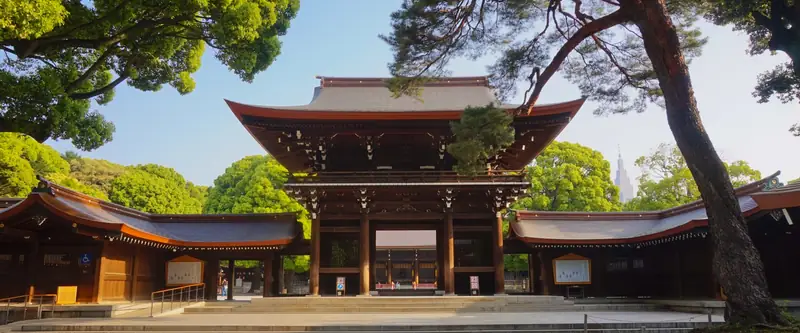
Meiji Jingu

Tokyo & Around ・ Shibuya, Tokyo

⛰️ Nature power spots

A shrine dedicated to Emperor Meiji and Empress Shoken, spreading out right next to Harajuku Station in Tokyo. It is wrapped in a deep forest that is hard to believe exists in the city center, and the Japan National Tourism Organization (JNTO) introduces Kiyomasa's Well (Kiyomasa-no-ido) in the Inner Garden as a power spot visited by people seeking energy to heal body and mind.

History and what each place is known for are based on the shrine or temple’s official site and on local government and tourism association information. Opening hours, fees and limited-time items are not listed — please check the official site before you go.

Sources

Checked: 2026-10-14