About

About this castle

Rising against the Northern Alps, Matsumoto Castle has the oldest surviving five-tier, six-floor keep in Japan. Five structures — the main keep, Inui Small Keep, Watari Turret, Tatsumi Annex and Tsukimi Turret — are National Treasures, and the way a wartime keep connects to the elegant moon-viewing turret of a peaceful era is the highlight.

Official website ↗
Visit

Admission & opening hours

Hours
  • Opening hours8:30–17:00 (last entry 16:30). Hours change during Golden Week, the first three days of the New Year and other periods
Closed
Dec 29–31 (open every other day)
Admission
  • General (e-ticket, date and time specified) ¥1,200
  • General (paper ticket on the day) ¥1,300
  • Elementary and junior high school students ¥400
Time needed
An average of 45–60 minutes inside the keep
Access
  • About a 20-minute walk from JR Matsumoto Station.
  • Or take the Matsumoto Town Sneaker loop bus (North Course) to Matsumotojo/Shiyakusho-mae (about 10 minutes).

Fees and hours may change. Check the official website for the latest information before you go.

Book tickets & toursPR
History

History

The main keep, Inui Small Keep and Watari Turret are thought to have been built around 1593–94, at the end of the Warring States period, by Ishikawa Kazumasa and his son Yasunaga. The Tatsumi Annex and Tsukimi Turret were added in the early Edo period. The castle was designated a National Treasure in 1936.

Highlights

Highlights

🏯 Keep complex (five National Treasures)

A connected complex of keeps and turrets. It has 115 loopholes for guns and 11 stone-dropping openings, so you can see its defensive design up close.

🏯 Tsukimi Turret

A moon-viewing turret added in the peaceful Edo period. Its contrast with the Warring States-era keep is part of the appeal.

🏯 Inner moat and the reflected castle

The inner moat is about 60 m wide, designed with the range of matchlock guns in mind. From the southwest you can see the castle reflected in the water.

🏯 View with the Northern Alps

From the east you can see the keep against the Northern Alps. In winter, the snow-capped peaks make a striking backdrop.

Seasons

Cherry blossoms, autumn leaves & events

Cherry blossoms (night viewing)

Cherry trees usually bloom in early April, and the Yozakura-kai night viewing is held for eight days starting three days after the official blooming announcement. During this period the Honmaru Garden is open free at night (17:30–21:00); the keep cannot be entered.

Autumn leaves

In autumn you can also enjoy the foliage in the Honmaru Garden.

Tips

Visiting tips

  • •The keep has only stairs — about 140 steps, with slopes of up to about 61 degrees. Wear clothes that are easy to move in.
  • •Golden Week and the Obon holidays are very crowded, and entry is restricted. E-tickets are for a set date and time and cost ¥100 less than paper tickets.
  • •The only entrance is the Kuromon Gate.
Etiquette

Etiquette

  • ✓Shoes must be removed inside the keep. Carry them in the bag handed out at the entrance.
  • ✓Photography is not allowed near the stairs.
  • ✓Flying drones is prohibited.
Map

Map

🗺 Open in Google Maps ↗
Plan your trip

Plan your trip

Nearby

Nearby spots around Matsumoto Castle

Spots within about 20 km that are worth visiting at this time of year.

📍 Find more nearby on the map →
Where to Stay · Agoda

Places to Stay near Matsumoto CastlePR

Prices and availability are shown on Agoda.

Castles

More castles in Chubu & Hokuriku

🏯 Original keep

Inuyama Castle

Chubu & Hokuriku ・ Inuyama City, Aichi

🏅 National Treasure🖋 Castle stamps (gojoin)

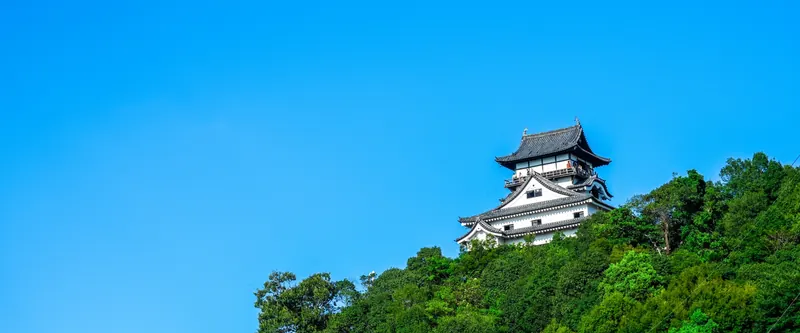
Standing on a hill beside the Kiso River, Inuyama Castle has the oldest surviving keep in Japan. The top floor of the National Treasure keep has an outer balcony that runs all the way around, with views of the Kiso River and the castle town — and on clear days, as far as Mt. Ontake and the high-rises around Nagoya Station. At the foot of the hill is a castle town with an old streetscape.
🏯 Reconstructed keep

Nagoya Castle

Chubu & Hokuriku ・ Naka-ku, Nagoya City, Aichi

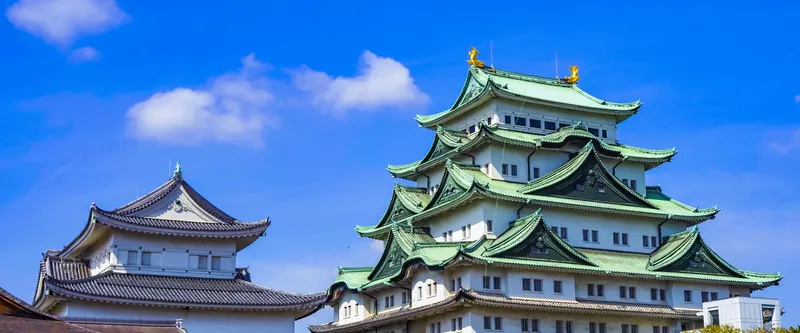
Built by Tokugawa Ieyasu and famous for its golden shachihoko, Nagoya Castle is the symbol of Nagoya. The main keep is closed while a project to rebuild it in wood is under way, but you can visit the restored Hommaru Palace, Important Cultural Property corner turrets and Ninomaru Garden, one of Japan's largest daimyo gardens.

Based on official websites and public tourism websites. Fees, hours and open areas may change.

Sources

Information checked: 2026-11-23