Event Guide · Kansai

Noryo Yuka / Kawadoko (Kamogawa & Kibune)

May–OctoberKyoto City
Search by dates and destination
Overview

Overview

A Kyoto summer tradition from early summer to autumn, when restaurants build wooden dining platforms over or beside the river and serve meals on them. Along the Kamo River in the city center they are called "noryo yuka," with about 90 restaurants lining the west bank between Nijo and Gojo. In Kibune in northern Kyoto they are called "kawadoko," and you can enjoy the cool air on platforms set right above the mountain stream.

When
Kamogawa Noryo Yuka usually runs May 1 – October 15, and Kibune Kawadoko usually runs May 1 – September 30 (season and hours vary by restaurant). In 2026, Kamogawa Noryo Yuka runs until October 15
Venue
West bank of the Kamo River (Nijo to Gojo) / along the Kibune River (Kurama-Kibune-cho, Sakyo-ku, Kyoto)
Highlights

Highlights

On the Kamo River, enjoy Kyoto cuisine while taking in the Higashiyama hills and the evening river breeze; in Kibune, the appeal is the clear stream flowing right beneath your feet and the coolness of the surrounding trees. Beyond Kyoto cuisine, the range of restaurants is wide, including French, yakiniku and cafés.

Times

Times

Opening hoursVaries by restaurant

Whether morning, lunch and evening platforms are offered, and their times, differ by restaurant, so check with each one when booking (Kyoto Kamogawa Noryo Yuka Cooperative)

Rain decision at Hirobun (Kibune)10:00 on the day

If it is raining at 10:00 on the day, kawadoko service is canceled (Hirobun official)

Times can change from year to year. Check the official website for the latest information.

Tips

Tips for travelers

  • ✓Popular restaurants, especially evening platforms on summer weekends, fill up quickly, so book directly with each restaurant (by phone or on its official website)
  • ✓The Kamo River and Kibune have very different atmospheres. Choose the Kamo River if you are sightseeing in the city, or Kibune (about 1 hour from Kyoto Station by train and bus) if you want to cool off in nature
  • ✓On rainy days or when the river is high, many restaurants cancel platform service and move guests to indoor seating. Check the rain policy when booking
  • ✓Platforms mainly serve set-course meals, and prices vary widely by restaurant. Check the budget, minimum charge and any seating fee when booking
  • ✓Dusk is especially popular on the Kamo River, and the hot daytime hours are especially popular in Kibune
Access

Getting there

Nearest stations
  • Kyoto-kawaramachi Station (Hankyu Kyoto Line)A few minutes' walk (west bank of the Kamo River)Convenient for platforms in the Shijo – Pontocho area
  • Gion-Shijo Station / Sanjo Station (Keihan Main Line)A few minutes' walk (west bank of the Kamo River)Cross a bridge from the east side of the Kamo River to the west bank
  • Kyoto Shiyakusho-mae Station (Subway Tozai Line)A few minutes' walk (platforms between Nijo and Sanjo)
  • Kibuneguchi Station (Eizan Railway Kurama Line)About 7 min on Kyoto Bus route 33 to "Kibune"The Kibuneguchi Station – Kibune section is not covered by the Subway & Bus One-Day Pass
From major stations
  • Kyoto Station: Subway Karasuma Line to Shijo Station, then walk toward the Kamo River (Shijo Ohashi Bridge) (About 15–20 min)
  • Kyoto Station: JR Nara Line to Tofukuji → Keihan to Demachiyanagi → Eizan Railway to Kibuneguchi → Kyoto Bus route 33 to Kibune (About 55–60 min)
Extra buses & shuttles
Kyoto Bus route 33 (regular route bus) runs between Kibuneguchi Station and Kibune. No information on special shuttles
IC cards (Suica etc.)
IC cards such as ICOCA and Suica can be used on the subway, Hankyu and Keihan
Getting back
  • Returning from Kibune, both the Eizan Railway and buses run infrequently. After an evening platform meal, check the last departure times in advance
  • In 2026, traffic restrictions were in place in the Kibune area from 11:00 to 15:00 on August weekends and holidays and on August 14. During the summer peak, avoid coming by car and use public transportation
  • Around the Kamo River, trains run frequently into the night and getting home is easy, but Kyoto-kawaramachi and Gion-Shijo stations get crowded on weekend nights
Open in Google Maps ↗
Crowds

Crowds & best timing

Busiest times
Weekend and Obon evenings in July–August (Kamo River), and weekend daytimes during summer vacation (Kibune)
Quieter times
Weekdays in May and September, and early in the lunch period
Time needed
Allow 1.5–2 hours for a meal. For Kibune, allow half a day including the round trip
Weather

Weather & what to wear

Evening temperatures
Average night lows in central Kyoto are about 15°C in May, about 24–25°C in July–August and about 14°C in October (reference values based on JMA normals). Kibune, in the mountains, is often cooler than the city
What to wear
Breathable clothing in midsummer. Evening platforms in Kibune or in May and October can get chilly, so bring a light layer. Insect repellent is handy
Rain, snow & typhoons
In rain, high water or weather warnings, many restaurants cancel platform service and switch to indoor seating or close for the day (each restaurant decides)
Where to check for cancellations
Check directly with the restaurant you booked. For overall Kamogawa Noryo Yuka information, see the Kyoto Kamogawa Noryo Yuka Cooperative (https://www.kyoto-yuka.com/); for Kibune, the Kibune Tourism Association (https://kibune-kanko.jp/)
Etiquette

Local rules & etiquette

  • !Many restaurants give priority to reservations for platform seating. If you need to cancel, let the restaurant know early
  • !Do not throw things from the platforms or into the river, and do not dump trash in the river
  • !The Kamo River platforms can be seen from the riverbank below, so do not photograph other diners without reason
  • !Smoking on the street is restricted in designated areas under Kyoto city ordinance
  • !If you visit Kifune Shrine, bow once before the torii gate and avoid walking down the center of the approach
  • !Public trash bins are rare in Japan. Bring a small bag and take your trash with you.
Facilities

Facilities

Toilets
Use the restaurant's toilets. Public toilets are limited while walking around Kibune
Lockers & luggage
Traveling to Kibune with large luggage is difficult, so it is best to leave it in a coin locker at Kyoto Station or elsewhere first
Paying at food stalls
Many restaurants accept cards, but small teahouses in Kibune may be cash only, so bring some cash too
ATMs
There are many convenience store ATMs around the Kamo River (Shijo and Sanjo). There are almost no ATMs around Kibune, so get cash beforehand
Seven Bank ATMs (inside 7-Eleven stores) usually accept cards issued overseas.
Wheelchairs & strollers
Many restaurants require going up or down stairs to reach the platforms, and wheelchair access can be difficult depending on the restaurant. Consult the restaurant in advance
Food

Food

Local favorites
Hamo (pike conger) dishesSalt-grilled ayu (sweetfish)Nagashi somen (flowing noodles, Kibune)Kyo-kaiseki (Kyoto multi-course cuisine)
Vegetarian & halal
Some restaurants can provide shojin (Buddhist vegetarian) or vegetarian meals, but this varies. Tell the restaurant about allergies and dietary restrictions when booking
Tours & tickets for this eventPR
Where to Stay · Agoda

Places to Stay near Noryo Yuka / Kawadoko (Kamogawa & Kibune)PR

Prices and availability are shown on Agoda.

Attractions

Attractions in Kyoto City

Aquarium

Kyoto Aquarium

Kansai ・ Kyoto City

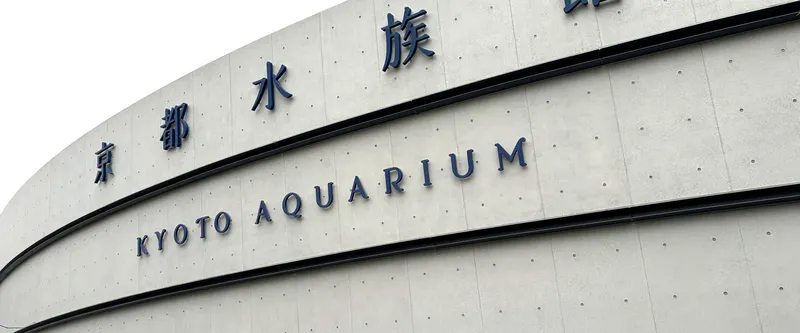
An inland aquarium in Umekoji Park, within walking distance of Kyoto Station. Its exhibits explore Kyoto's waterside nature and how it connects, from the "Kyoto River" to the "Kyoto Sea." With a dolphin stadium and jellyfish displays, it's an easy stop between Kyoto sightseeing spots.

Zoo

Kyoto City Zoo

Kansai ・ Okazaki, Kyoto

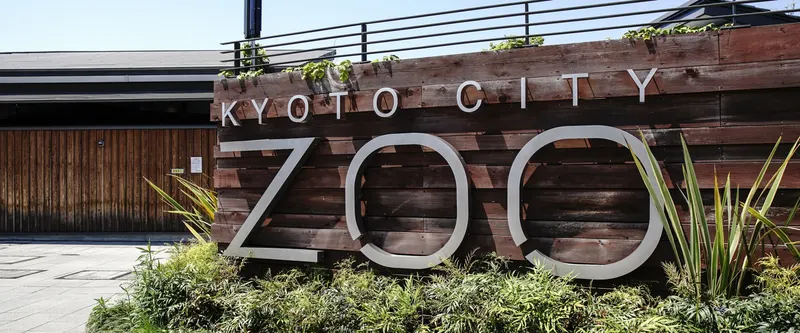
A city-run zoo inside Okazaki Park, home to Heian Shrine and several art museums. In its compact grounds you can see elephants, gorillas, and wild animals from Kyoto's forests. Admission is free for junior high students and younger, and just ¥750 for adults.

Photo coming soonExperience

Nintendo Museum

Kansai ・ Uji

A museum in Uji, Kyoto, that displays Nintendo's products through the years and lets you play hands-on exhibits. Tickets are date- and time-specific and must be reserved in advance, through a monthly lottery or first-come, first-served sales of slots that open up. If you want to include it in your itinerary, applying from the lottery 3 months before your visit is the surest way.

☂ Mostly indoors · rain-friendlyAdvance, date-specific tickets required
Photo coming soonTheme park

UZUMASA KYOTO VILLAGE

Kansai ・ Uzumasa

Toei Kyoto Studio Park, a samurai-drama theme park that opened in 1975, reopened on March 28, 2026 as UZUMASA KYOTO VILLAGE after the first phase of its renewal. It is now an immersive park for adults built around the concept of wandering into Kyoto in the Edo period, with the second phase scheduled to open in spring 2027. It stays open until 21:00.

Events

Events & festivals in Kansai

January

Wakakusa Yamayaki

Kansai ・ Nara

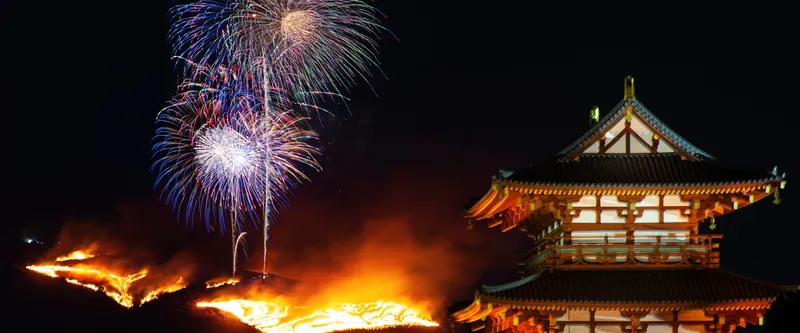
Usually the fourth Saturday of January (fireworks from around 18:15 in the evening, ignition around 18:30)

Photo coming soonJanuary–February

Kobe Luminarie

Kansai ・ Kobe & Arima Onsen

Usually about 10 days from late January to early February (lit from dusk to around 21:30)

2027 (32nd): Jan 29 – Feb 7

February

Baikasai (Plum Blossom Festival)

Kansai ・ Kyoto City

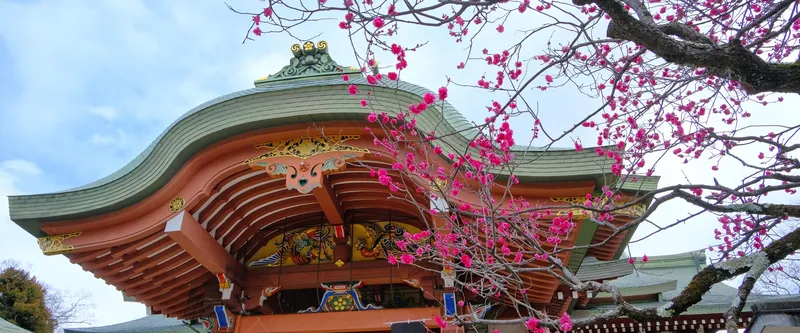
Every year on February 25 (outdoor tea ceremony 10:00–15:00)

Every year on February 25 (Feb 25 in 2027)

May

Aoi Matsuri

Kansai ・ Kyoto City

Every year on May 15 (postponed to the 16th if it rains; if it also rains on the 16th, the procession is canceled). Preliminary rites such as Yabusame horseback archery (May 3) and the Saio-dai purification ceremony (May 4) are held in early May

2027: May 15 (held every year on May 15; postponed to the 16th if it rains)

July

Gion Matsuri

Kansai ・ Kyoto City

Usually July 1–31 (Yamahoko procession: Saki Matsuri July 17, Ato Matsuri July 24; Yoiyama eves: Saki Matsuri July 14–16, Ato Matsuri July 21–23)

July

Tenjin Matsuri

Kansai ・ Osaka

Every year on July 24 (Yoimiya) and 25 (Hongu). Related events from late June

2027: Jul 24 (Yoimiya) & Jul 25 (Hongu) (held on the same dates every year)

Photo coming soonJuly

Nachi Fire Festival (Nachi no Ogi Matsuri)

Kansai ・ Shirahama & Nanki

Every year on July 14 (held during the day; Yoimiya offering events are also held the day before, on the 13th)

2027: Jul 14 (held every year on July 14)

August

Koyasan Candle Festival (Mando Kuyo-e)

Kansai ・ Koyasan

Every year on August 13 (the candle festival runs from evening into the night; the Mando Kuyo-e memorial service starts at 20:00)

2027: Aug 13 (held every year on August 13)

September–October

Kishiwada Danjiri Festival

Kansai ・ Osaka

The September festival is usually on a weekend in mid- to late September, and the October festival on a weekend in early to mid-October (2 days each)

Next: 2026 October festival (Higashi-Kishiwada district and others), Oct 10 – Oct 11. The 2026 September festival was held Sep 19 – Sep 20

Photo coming soonOctober–November

Annual Exhibition of Shōsōin Treasures

Kansai ・ Nara

Usually late October to early November (about 2–3 weeks)

2026 (78th): Oct 24 – Nov 9, open every day during the exhibition

October

Kanname-sai

Kansai ・ Ise & Shima

Usually October 15–17 (Geku first, then Naiku). Hatsuhobiki is usually on October 15 and 16

2026: Oct 15 – Oct 17 (Geku: night of Oct 15 – Oct 16; Naiku: night of Oct 16 – Oct 17)

Photo coming soonDecember

Kasuga Wakamiya On-matsuri Festival

Kansai ・ Nara

Usually December 15–18 (the Owatari-shiki starts at noon on December 17)

2026: Dec 15 (Tue) – Dec 18 (Fri); Owatari-shiki on Dec 17 (Thu)

Dates, times and access are based on official and other primary sources. Only dates confirmed by official sources are shown as “Confirmed dates”; otherwise the usual timing is given.

Last checked: 2026-09-30