Event Guide · Kansai

Kanname-sai

OctoberIse & Shima2026: Oct 15 – Oct 17 (Geku: night of Oct 15 – Oct 16; Naiku: night of Oct 16 – Oct 17)
Search by dates and destination
Overview

Overview

The most important festival at Ise Grand Shrine, in which the first rice of the year's harvest is offered to the sun goddess Amaterasu-Omikami in thanks for the harvest. It is the centerpiece of the roughly 1,500 ceremonies held at the shrine each year, and together with the Tsukinami-sai in June and December is known as one of the "Sansetsu-sai" (three major festivals). Rites are held late at night into the following day, first at the Geku (Outer Shrine) and then at the Naiku (Inner Shrine), and local people also make offerings of new rice in the Hatsuhobiki procession.

When
Usually October 15–17 (Geku first, then Naiku). Hatsuhobiki is usually on October 15 and 16
Confirmed dates: 2026: Oct 15 – Oct 17 (Geku: night of Oct 15 – Oct 16; Naiku: night of Oct 16 – Oct 17)
Venue
Ise Grand Shrine – Geku (Toyouke Daijingu) and Naiku (Kotai Jingu)
Highlights

Highlights

At the noon Hohei, you can watch from the approach as the imperial envoy, the Emperor's messenger, presents offerings (heihaku) and priests advance in a solemn procession. In the Hatsuhobiki, people in matching happi coats sing kiyari work songs as they pull carts and sleds loaded with new rice; the river procession up the Isuzu River is especially impressive.

Times

Times

Geku – Yuki no Yu-Omike (evening offering)22:00

October 15, 2026. A night rite held after visiting hours, so it cannot be viewed

Geku – Yuki no Asa-Omike (morning offering)2:00

October 16, 2026. Held at night, so it cannot be viewed

Geku – Hohei (offering of imperial gifts)12:00

October 16, 2026. Rites during visiting hours can be viewed respectfully from the approach and other areas

Geku – Mikagura (sacred music and dance)18:00

October 16, 2026

Naiku – Yuki no Yu-Omike (evening offering)22:00

October 16, 2026. Held at night, so it cannot be viewed

Naiku – Yuki no Asa-Omike (morning offering)2:00

October 17, 2026. Held at night, so it cannot be viewed

Naiku – Hohei (offering of imperial gifts)12:00

October 17, 2026. Rites during visiting hours can be viewed respectfully from the approach and other areas

Naiku – Mikagura (sacred music and dance)18:00

October 17, 2026

Hatsuhobiki (Geku – overland procession)9:30 – around 15:00

October 15, 2026 (carts 1 and 2: around 9:30–12:30; cart 3: around 13:00–15:00)

Hatsuhobiki (Naiku – river procession)10:00 – around 15:00

October 16, 2026. From Urata Bridge via Uji Bridge to the Naiku

Visiting hours (October–December)5:00–17:00

Ise Grand Shrine official

Times can change from year to year. Check the official website for the latest information.

Tips

Tips for travelers

  • ✓The only rites you can see are those held during visiting hours (5:00–17:00 in October), such as the noon Hohei. The late-night Yuki no Omike rites cannot be viewed
  • ✓The Hohei is held at noon on the 16th at the Geku and on the 17th at the Naiku (2026). To see the procession of priests, go to the approach early and wait quietly, following staff instructions
  • ✓By long-standing custom, you visit the Geku first and then the Naiku. The two shrines are far apart, so travel between them by bus
  • ✓The Hatsuhobiki is a celebratory event by local people, and the public is welcome to watch. On the 16th, with the river procession, Uji Bridge and Oharai-machi around the Naiku get crowded
  • ✓Refrain from taking photos during rituals and do not use flash. When taking photos on the grounds, be careful not to disturb worshippers or priests
Access

Getting there

Nearest stations
  • Iseshi Station (JR Sangu Line / Kintetsu Yamada Line)About a 5 min walk to the GekuThe gateway to the Geku
  • Ujiyamada Station (Kintetsu)About a 10 min walk to the GekuAbout 25 min by route bus to the Naiku
  • Isuzugawa Station (Kintetsu Toba Line)About 10 min by bus to the NaikuBuses run to the Naiku
From major stations
  • Geku: Route bus (CAN Bus, etc.) to the Naiku (About 20 min)
  • Nagoya Station: Kintetsu Limited Express to Iseshi Station or Ujiyamada Station (About 1 hour 20 min)
  • Osaka-Namba Station: Kintetsu Limited Express to Iseshi Station or Ujiyamada Station (About 1 hour 45 min)
Extra buses & shuttles
No information on dedicated shuttles could be confirmed. Route buses run frequently between the Geku and the Naiku
IC cards (Suica etc.)
IC cards such as ICOCA and Suica can be used on JR and Kintetsu. They can also be used on many Mie Kotsu bus routes
Getting back
  • Lines tend to form at the bus stop in front of the Naiku in the late afternoon. It gets crowded just before visiting hours end (17:00), so leave early
  • Kintetsu limited express trains get crowded on weekends and festival days, so reserve your return limited express ticket in advance
  • On Hatsuhobiki days, traffic restrictions may be in place around the Naiku and Geku, and travel by car takes time
Open in Google Maps ↗
Crowds

Crowds & best timing

Busiest times
The approach around noon during the Hohei, around the Geku on the 15th and around the Naiku and Oharai-machi on the 16th during the Hatsuhobiki
Quieter times
Early morning right after visiting hours begin (5:00–7:00s)
Saving a spot
To watch the Hohei from the approach, try to be there by around 11:00
Time needed
Half a day to visit the Geku and Naiku including travel; a full day if you also stroll Oharai-machi
Weather

Weather & what to wear

Evening temperatures
Based on JMA normals, mid-October in Ise is around 15°C in the mornings and evenings, and a comfortable low 20s°C during the day
What to wear
A single long-sleeved layer is comfortable during the day, but bring a light jacket for an early-morning visit. The grounds have many gravel paths, so wear comfortable walking shoes
Rain, snow & typhoons
Shinto rites are customarily performed even in stormy weather. For changes to celebratory events such as the Hatsuhobiki, follow the organizer's announcements
Where to check for cancellations
Ise Grand Shrine official website (https://www.isejingu.or.jp/); for the Hatsuhobiki, Ise Jingu Hoshikai (0596-25-5154)
Etiquette

Local rules & etiquette

  • !Bow once before the torii gate and avoid walking down the center of the approach. Purify your hands and mouth at the temizusha water basin before praying
  • !At the main sanctuaries of Ise Grand Shrine, it is customary to express gratitude for daily life rather than make personal wishes. Some places have no offering box
  • !Photography is prohibited in some places, such as inside the sacred fences and above the stone steps of the main sanctuary. Refrain from taking photos during rituals
  • !Do not block the path of the priests' procession or the imperial envoy. Follow staff instructions
  • !Take your trash home. Smoking is prohibited on the shrine grounds
  • !Public trash bins are rare in Japan. Bring a small bag and take your trash with you.
Facilities

Facilities

Toilets
Toilets are available near the entrances to both the Geku and Naiku grounds
Lockers & luggage
Coin lockers are available at Iseshi Station and Ujiyamada Station. Leaving suitcases at the station before visiting makes things easier
Paying at food stalls
Many shops in Oharai-machi and Okage Yokocho accept cashless payment, but some are cash only, so bring cash too
ATMs
Convenience store and bank ATMs are available around Iseshi Station and Oharai-machi
Seven Bank ATMs (inside 7-Eleven stores) usually accept cards issued overseas.
Wheelchairs & strollers
The grounds are covered in gravel, and some areas are hard to navigate with a wheelchair or stroller. Take care around Uji Bridge when it's crowded, too
Food

Food

Local favorites
Ise udonAkafuku mochiTekone-zushi (marinated bonito sushi)Grilled Matsusaka beef skewers (Oharai-machi)
Vegetarian & halal
Ise udon is usually made with bonito broth, and vegetarian and halal labels are rare. If this concerns you, check with the restaurant
Tours & tickets for this eventPR
🏨 Where to stay during the event

The Kanname-sai period overlaps with the autumn travel season, and accommodation in Ise fills up on weekends. Staying in Toba, Shima or Matsusaka is another option

Where to Stay · Agoda

Places to Stay near Kanname-saiPR

Prices and availability are shown on Agoda.

Attractions

Attractions in Ise & Shima

Aquarium

Toba Aquarium

Kansai ・ Ise & Shima

An aquarium facing Toba Bay that claims the largest number of species kept in Japan (about 1,200). It's the only aquarium in Japan where you can see a dugong, and its sea otters and walruses are also popular. The building is all-weather, and it's within walking distance of JR/Kintetsu Toba Station.

☂ Mostly indoors · rain-friendly
Theme park

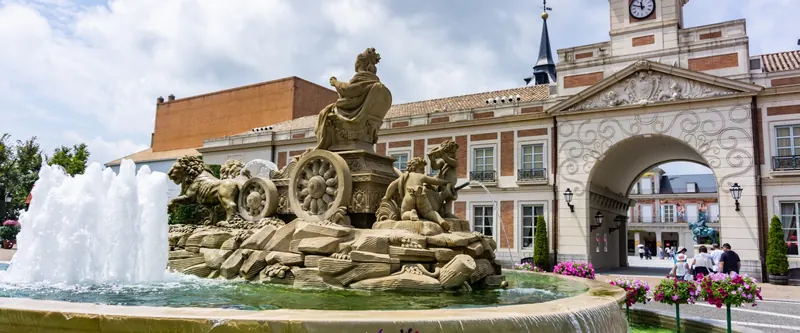
Shima Spain Village PARQUE ESPAÑA

Kansai ・ Ise & Shima

A Spain-themed park in Ise-Shima. From thrilling roller coasters to rides for kids, parades, and flamenco shows, it offers a full day of fun. A hotel and the Himawari no Yu hot spring are also on site.

Events

Events & festivals in Kansai

January

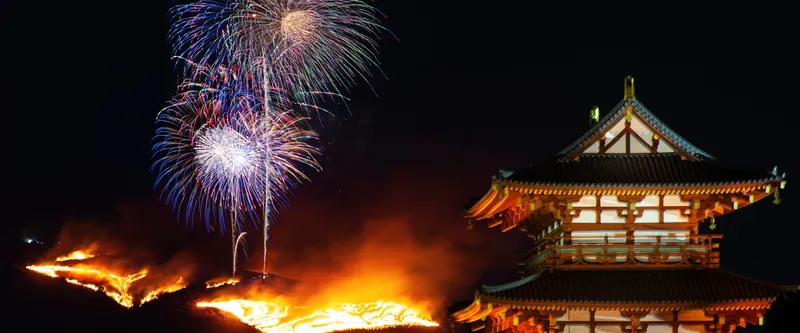
Wakakusa Yamayaki

Kansai ・ Nara

Usually the fourth Saturday of January (fireworks from around 18:15 in the evening, ignition around 18:30)

Photo coming soonJanuary–February

Kobe Luminarie

Kansai ・ Kobe & Arima Onsen

Usually about 10 days from late January to early February (lit from dusk to around 21:30)

2027 (32nd): Jan 29 – Feb 7

February

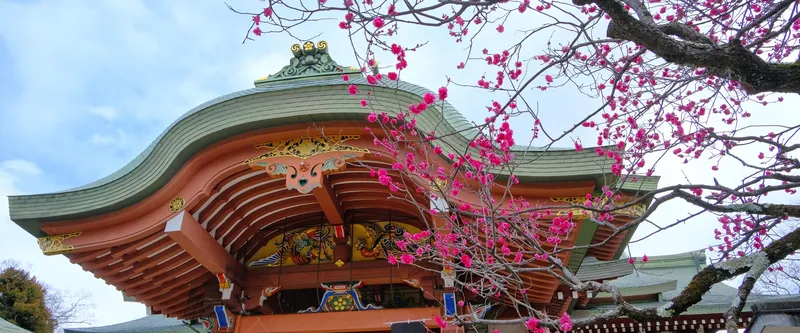
Baikasai (Plum Blossom Festival)

Kansai ・ Kyoto City

Every year on February 25 (outdoor tea ceremony 10:00–15:00)

Every year on February 25 (Feb 25 in 2027)

May

Aoi Matsuri

Kansai ・ Kyoto City

Every year on May 15 (postponed to the 16th if it rains; if it also rains on the 16th, the procession is canceled). Preliminary rites such as Yabusame horseback archery (May 3) and the Saio-dai purification ceremony (May 4) are held in early May

2027: May 15 (held every year on May 15; postponed to the 16th if it rains)

May–October

Noryo Yuka / Kawadoko (Kamogawa & Kibune)

Kansai ・ Kyoto City

Kamogawa Noryo Yuka usually runs May 1 – October 15, and Kibune Kawadoko usually runs May 1 – September 30 (season and hours vary by restaurant). In 2026, Kamogawa Noryo Yuka runs until October 15

July

Gion Matsuri

Kansai ・ Kyoto City

Usually July 1–31 (Yamahoko procession: Saki Matsuri July 17, Ato Matsuri July 24; Yoiyama eves: Saki Matsuri July 14–16, Ato Matsuri July 21–23)

July

Tenjin Matsuri

Kansai ・ Osaka

Every year on July 24 (Yoimiya) and 25 (Hongu). Related events from late June

2027: Jul 24 (Yoimiya) & Jul 25 (Hongu) (held on the same dates every year)

Photo coming soonJuly

Nachi Fire Festival (Nachi no Ogi Matsuri)

Kansai ・ Shirahama & Nanki

Every year on July 14 (held during the day; Yoimiya offering events are also held the day before, on the 13th)

2027: Jul 14 (held every year on July 14)

August

Koyasan Candle Festival (Mando Kuyo-e)

Kansai ・ Koyasan

Every year on August 13 (the candle festival runs from evening into the night; the Mando Kuyo-e memorial service starts at 20:00)

2027: Aug 13 (held every year on August 13)

September–October

Kishiwada Danjiri Festival

Kansai ・ Osaka

The September festival is usually on a weekend in mid- to late September, and the October festival on a weekend in early to mid-October (2 days each)

Next: 2026 October festival (Higashi-Kishiwada district and others), Oct 10 – Oct 11. The 2026 September festival was held Sep 19 – Sep 20

Photo coming soonOctober–November

Annual Exhibition of Shōsōin Treasures

Kansai ・ Nara

Usually late October to early November (about 2–3 weeks)

2026 (78th): Oct 24 – Nov 9, open every day during the exhibition

Photo coming soonDecember

Kasuga Wakamiya On-matsuri Festival

Kansai ・ Nara

Usually December 15–18 (the Owatari-shiki starts at noon on December 17)

2026: Dec 15 (Tue) – Dec 18 (Fri); Owatari-shiki on Dec 17 (Thu)

Dates, times and access are based on official and other primary sources. Only dates confirmed by official sources are shown as “Confirmed dates”; otherwise the usual timing is given.

Last checked: 2026-09-30