Event Guide · Tokyo & Around

Sanja Matsuri

MayCentral Tokyo
Search by dates and destination
Overview

Overview

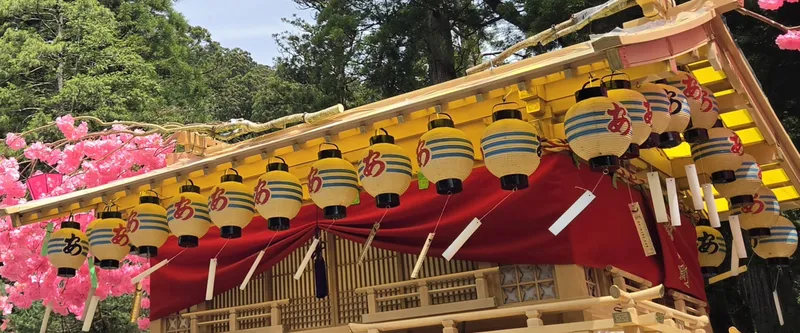
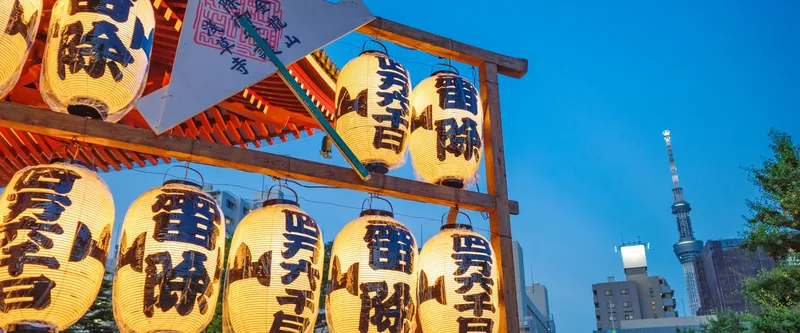
The grand annual festival of Asakusa Shrine, which fills the streets of Asakusa for three days — Friday, Saturday, and Sunday — centered on the third Saturday of May. About 100 neighborhood mikoshi (portable shrines) parade through Asakusa, and on the final day the shrine's three main mikoshi tour each neighborhood from their departure to their return to the shrine. Drawing about 1.8 million people over three days, it's one of Tokyo's signature festivals.

When
Usually mid-May, on the Friday, Saturday, and Sunday around the third Saturday of May (May 15–17 in 2026, with the ceremony to install the deities in the mikoshi on the Thursday evening before)
Venue
Around Asakusa Shrine and Senso-ji Temple (the 44 parish neighborhoods of Asakusa Shrine)
Highlights

Highlights

Mikoshi processions brimming with old Edo spirit, as bearers shout rousing chants and jostle the shrines almost as if colliding with each other. The climaxes are the early-morning departure of the main mikoshi on the final day and their return to the shrine at night.

Times

Times

Ceremony installing the deities in the main mikoshi19:00

2026 example (May 14, Thu)

Grand processionDeparts 13:00

2026 example (May 15, Fri). Features festival music floats, kiyari work songs by traditional firefighters, the White Heron Dance, and more

Binzasara dance offeringAround 14:20 and 15:00

2026 example (May 15). A Tokyo-designated Intangible Folk Cultural Property

Joint procession of neighborhood mikoshiFrom around 12:00

2026 example (May 16, Sat). About 100 neighborhood mikoshi gather at Asakusa Shrine and receive purification one by one

Main mikoshi departure (Miyadashi)7:00

2026 example (May 17, Sun). Procession through each neighborhood from around 8:00

Main mikoshi return (Miyairi)From around 18:30

2026 example (May 17)

Times can change from year to year. Check the official website for the latest information.

Tips

Tips for travelers

  • ✓For mikoshi viewing, Saturday's joint procession of neighborhood mikoshi (from around noon) is easiest to see and has the most shrines. The Sunday early-morning departure makes the shrine grounds extremely crowded, and viewing may be restricted
  • ✓Don't get too close to a mikoshi's path. The bearers' movements are hard to predict, and you may get pushed or stepped on
  • ✓Senso-ji, Nakamise, and the area around Kaminarimon get so crowded you can barely move, so don't bring suitcases or large bags
  • ✓During the festival, pedestrian-only zones and road closures are in place on Kaminarimon-dori, Namiki-dori, and other streets, and bus stops are relocated (announced as about 9:30–19:00 in 2026)
  • ✓Many people walk around in kimono or yukata. The correct way to wear a kimono is with the left side wrapped over the right
Access

Getting there

Nearest stations
  • Asakusa Station (Tokyo Metro Ginza Line, Toei Asakusa Line, Tobu Skytree Line)About 7–9 min on footVery crowded during the festival
  • Asakusa Station (Tsukuba Express)About 7–9 min on footFrom the Kokusai-dori side
From major stations
  • Ueno Station: Tokyo Metro Ginza Line to Asakusa Station (About 5 min)
  • Tokyo Station: JR Yamanote or Keihin-Tohoku Line to Kanda Station, then transfer to the Ginza Line for Asakusa Station (About 20 min)
  • Haneda Airport: Keikyu Line through-service on the Toei Asakusa Line to Asakusa Station (About 45 min)
Extra buses & shuttles
None
IC cards (Suica etc.)
IC cards such as Suica and PASMO can be used on the subway, Tobu Line, Tsukuba Express, and Toei buses
Getting back
  • Asakusa Station gets crowded after the evening return of the mikoshi and on Saturday night. Using a slightly farther station, such as Asakusa Station on the Tsukuba Express or Tawaramachi Station (Ginza Line), is usually smoother
  • Road closures shut nearby streets, making taxis and buses hard to use. Getting around by train is the best option
  • Another option is to walk along the Sumida River toward Tokyo Skytree (Oshiage Station / Tokyo Skytree Station)
Open in Google Maps ↗
Crowds

Crowds & best timing

Busiest times
Saturday from midday to evening, and Sunday early morning (departure) and from evening (return)
Quieter times
Before and after Friday's grand procession, and side streets away from Senso-ji in the mornings
Saving a spot
If you want to see the Sunday 7:00 departure near the shrine grounds, it gets crowded from early morning. There are no reserved viewing areas; standing along the route is the norm
Time needed
2–3 hours to watch the mikoshi and explore Asakusa
Weather

Weather & what to wear

Evening temperatures
The normal low in Tokyo in May is around 15°C (a reference value based on JMA normals). Some days go above 25°C
What to wear
Many days are warm enough for short sleeves, but bring a light jacket for mornings and evenings. You'll be standing a long time, so wear comfortable shoes. Don't forget sun protection and staying hydrated
Rain, snow & typhoons
As a Shinto ritual, it generally goes ahead as usual in light rain. Follow official announcements for changes in severe weather
Where to check for cancellations
Asakusa Shrine Hosankai (official Sanja Matsuri site) https://www.sanjasama.jp/, Asakusa Shrine (03-3844-1575)
Etiquette

Local rules & etiquette

  • !Do not block the path of mikoshi or bearers. Do not touch a mikoshi or join the bearers without permission
  • !Organizers call for people not to ride on top of the mikoshi and similar acts. Spectators should also stay out of dangerous areas
  • !Avoid using selfie sticks and tripods in crowded places. Flying drones without permission is prohibited
  • !Take your trash home or sort it into the bins provided
  • !Smoking on the street is banned in some areas of Taito City. Do not smoke outside designated smoking areas
  • !At Asakusa Shrine, bow once before the torii gate, avoid walking down the center of the approach, purify your hands at the water basin, then pray (two bows, two claps, one bow)
  • !Public trash bins are rare in Japan. Bring a small bag and take your trash with you.
Facilities

Facilities

Toilets
Public toilets are available around Senso-ji and at the Asakusa Culture Tourist Information Center, among others. They get crowded during the festival
Lockers & luggage
Coin lockers around Asakusa Station fill up quickly. It's best to leave suitcases at your accommodation or at Ueno or Tokyo Station before you come
Paying at food stalls
Many stalls on the shrine grounds and along the streets are cash only. Bring small change
ATMs
Plenty of convenience store ATMs (Seven Bank, etc.) around Kaminarimon and Asakusa Station
Seven Bank ATMs (inside 7-Eleven stores) usually accept cards issued overseas.
Wheelchairs & strollers
The mikoshi routes get extremely crowded, making it hard to get around with a wheelchair or stroller. Watching from a calmer spot such as the Asakusa Culture Tourist Information Center is the safer choice
Food

Food

Local favorites
Festival street food (yakisoba, takoyaki, etc.)Ningyo-yaki (small filled cakes)Kaminari-okoshi (puffed rice crackers)Age-manju (deep-fried sweet buns)Classic Asakusa dishes such as tendon (tempura rice bowl) and dojo-nabe (loach hot pot)
Vegetarian & halal
Stalls rarely show vegetarian or halal labels, so be careful. Some restaurants around Asakusa advertise halal or vegetarian options, so research them in advance
Tours & tickets for this eventPR
🏨 Where to stay during the event

Hotels around Asakusa get busy on festival weekend. If you want to stay in Asakusa to see the early-morning departure, book early

Where to Stay · Agoda

Places to Stay near Sanja MatsuriPR

Prices and availability are shown on Agoda.

Attractions

Attractions in Central Tokyo

Theme park

Tokyo Disney Resort (Tokyo Disneyland / Tokyo DisneySea)

Tokyo & Around ・ Central Tokyo

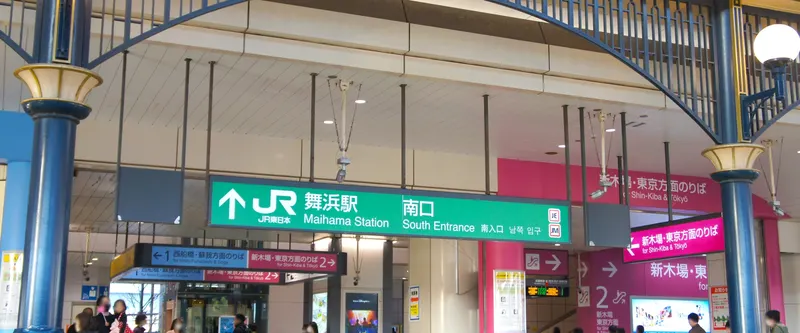
Located in Maihama, Urayasu, Chiba Prefecture, this resort centers on two theme parks: Tokyo Disneyland and Tokyo DisneySea. It’s about 20 minutes from Tokyo Station on the JR Keiyo Line, close enough for a day trip from central Tokyo. Park tickets are date-specific with variable pricing and must be bought in advance on the official website or official app.

Advance, date-specific tickets required
Studio tour

Warner Bros. Studio Tour Tokyo – The Making of Harry Potter

Tokyo & Around ・ Central Tokyo

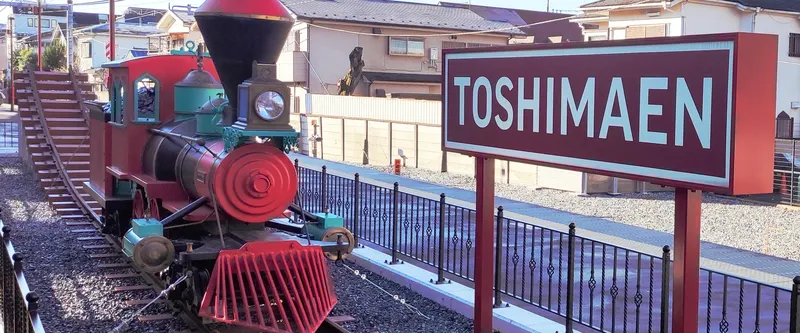
This indoor walk-through attraction takes you behind the scenes of the Harry Potter and Fantastic Beasts film series. It opened in June 2023 on the former site of Toshimaen. There are no rides; instead, you explore sets, props, and costumes on foot at your own pace.

☂ Mostly indoors · rain-friendlyAdvance, date-specific tickets required
Theme park

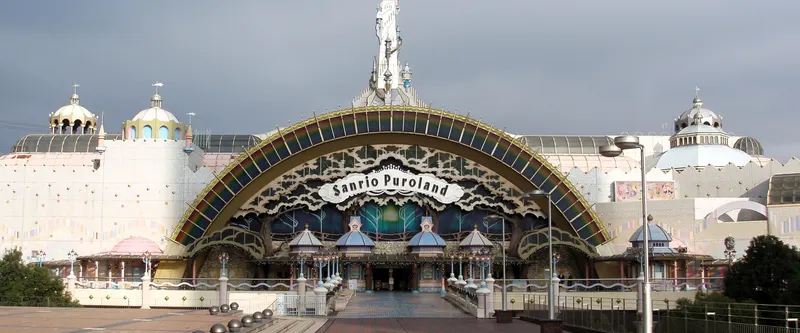
Sanrio Puroland

Tokyo & Around ・ Tokyo / Tama

A fully indoor theme park where you can meet Hello Kitty, Cinnamoroll, and other Sanrio characters. Parades, musical shows, rides, and character greetings are packed into a four-story building, so you can enjoy a full day regardless of the weather.

☂ Mostly indoors · rain-friendlyAdvance, date-specific tickets required
Experience

teamLab Planets TOKYO DMM

Tokyo & Around ・ Tokyo / Toyosu

An immersive museum by the art collective teamLab where you walk barefoot into the artworks. It's a series of vast spaces, including works you wade through water to experience, where your whole body becomes one with the art. It's scheduled to run until the end of 2027.

☂ Mostly indoors · rain-friendly
Zoo

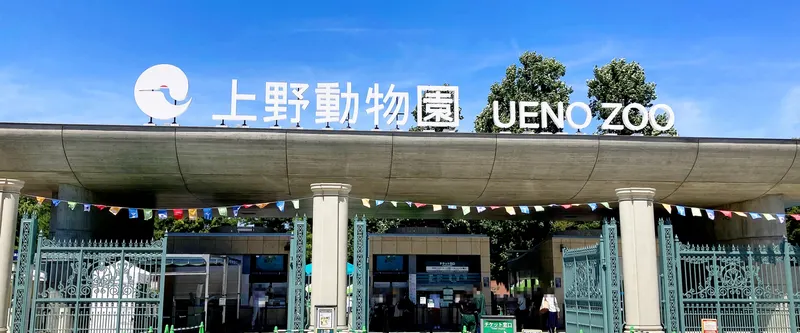
Ueno Zoological Gardens

Tokyo & Around ・ Tokyo / Ueno

Japan's oldest zoo, located inside Ueno Park. With affordable admission, it's a central Tokyo zoo that's easy to combine with Ueno's art galleries and museums.

Aquarium

Sumida Aquarium

Tokyo & Around ・ Oshiage / Tokyo Skytree Town

An urban aquarium on the 5th and 6th floors of Tokyo Skytree Town Solamachi. It's entirely indoors and directly connected to the station, so you can drop by whatever the weather. It stays open into the evening, making it easy to pair with the Skytree observation decks or sightseeing in Asakusa.

☂ Mostly indoors · rain-friendly
Aquarium

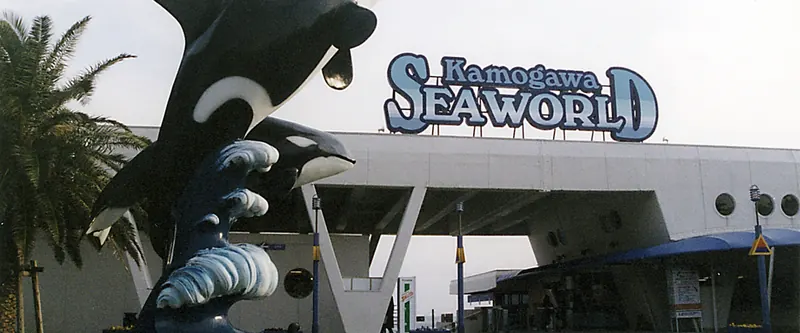
Kamogawa Sea World

Tokyo & Around ・ Kamogawa, Chiba

An aquarium on the Pacific coast of the Boso Peninsula where you can see performances by four species: orcas, belugas, dolphins, and sea lions. Admission includes all performances. It's about 2 hours from Tokyo Station by the Limited Express Wakashio or the direct Akushi-go highway bus (アクシー号), so it works as a day trip.

Amusement park

Yomiuriland

Tokyo & Around ・ Inagi

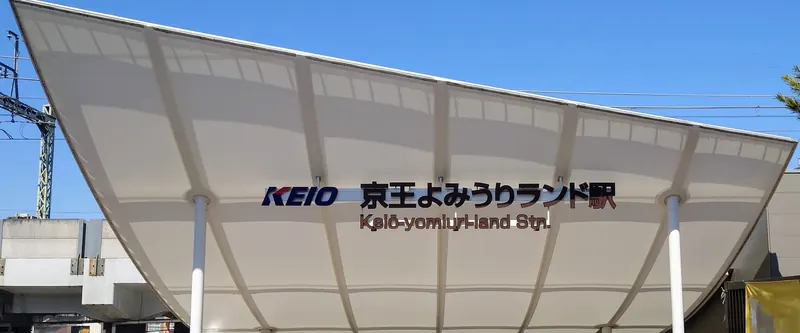
An amusement park in Inagi, Tokyo, with something to enjoy year-round: pools in summer and illuminations in winter. Inside the park is PokéPark KANTO, an area where more than 600 Pokémon live. It's about 10 minutes from Keio-yomiuri-land Station by the Sky Shuttle gondola.

Aquarium

Sunshine Aquarium

Tokyo & Around ・ Ikebukuro

An urban aquarium on the roof of the World Import Mart Building in Ikebukuro's Sunshine City. Themed as an oasis in the sky, it consists of indoor exhibits on two floors and the outdoor Marine Garden. It's within walking distance of Ikebukuro and Higashi-Ikebukuro stations, making it easy to drop by between other Tokyo sightseeing.

Events

Events & festivals in Tokyo & Around

February–March

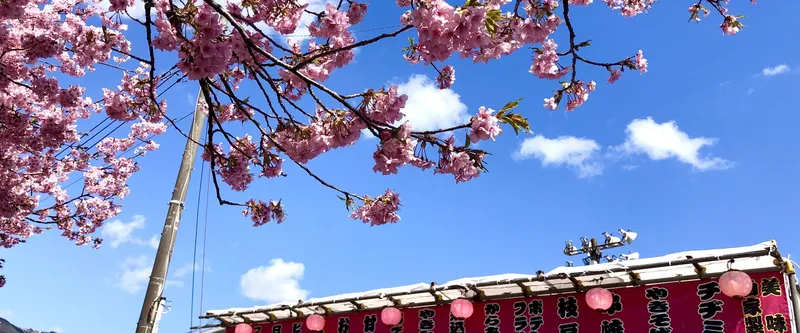
Kawazu Cherry Blossom Festival

Tokyo & Around ・ Izu

Usually early February to early March (about one month). Peak bloom is usually mid- to late February

February–December

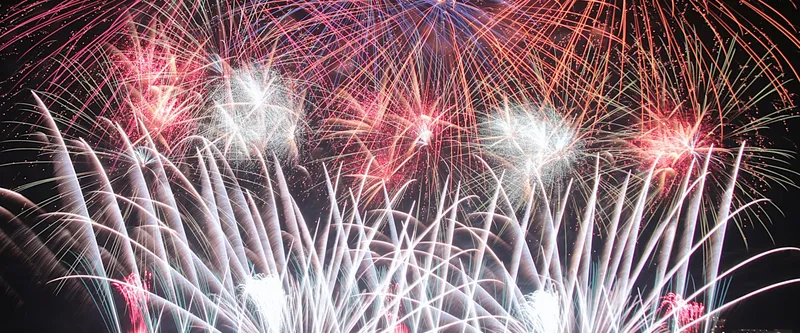
Atami Fireworks Festival

Tokyo & Around ・ Izu

Usually held a dozen or more times a year in spring (April–May), summer (July–August), autumn (September–November), and winter (December–February). Each show runs around 20:20–20:40 (from 20:15 in July and August)

Next show: Oct 25, 2026 (Sun), followed by Nov 8, Nov 23, Dec 6, Dec 25, and Feb 21, 2027 (all 20:20–20:40)

March

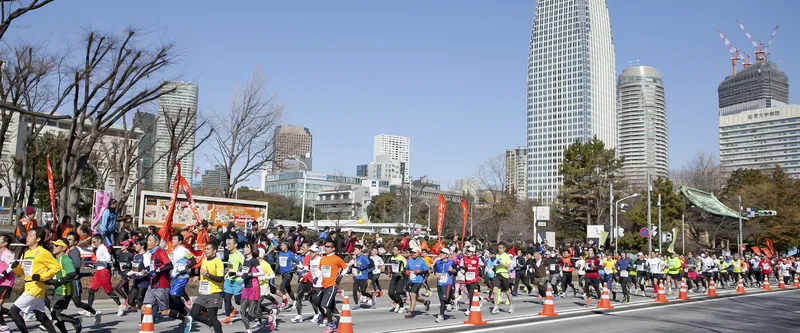
Tokyo Marathon

Tokyo & Around ・ Central Tokyo

Usually a Sunday in early March

2027: Mar 7 (Sun)

April–May

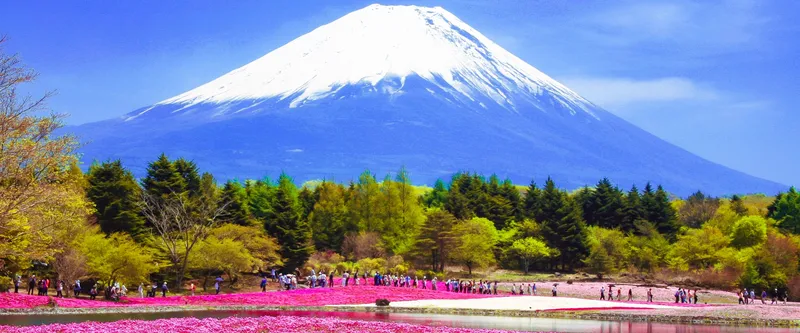
Fuji Shibazakura Festival

Tokyo & Around ・ Fuji Five Lakes

Usually mid-April to late May (April 11 – May 24 in 2026; may vary with bloom conditions)

Photo coming soonApril

Bunkyo Azalea Festival

Tokyo & Around ・ Central Tokyo

Usually around April 1–30 (the 55th festival was held April 1–30, 2026). Peak bloom is usually mid- to late April

August

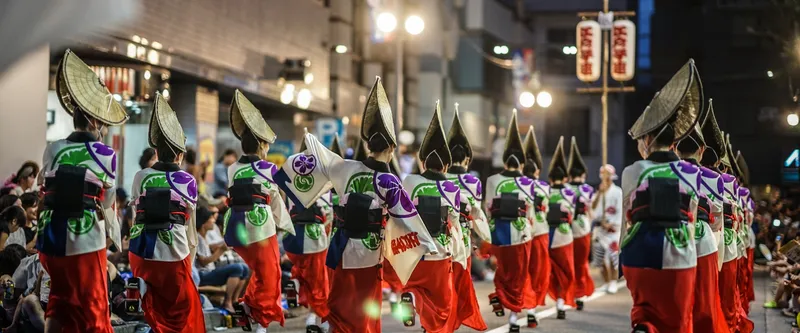
Tokyo Koenji Awa-Odori

Tokyo & Around ・ Central Tokyo

Usually the last Saturday and Sunday of August (around 17:00–20:00)

November

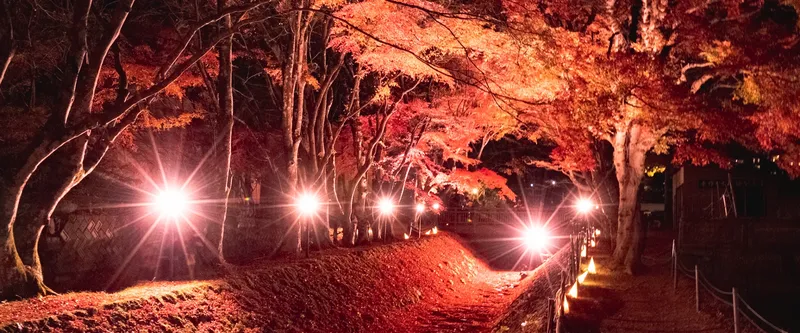
Fujikawaguchiko Autumn Leaves Festival

Tokyo & Around ・ Fuji Five Lakes

Usually early to late November (about 3–4 weeks). The leaves are usually at their best in early to mid-November

2026: Nov 7 (Sat) – Nov 29 (Sun)

November

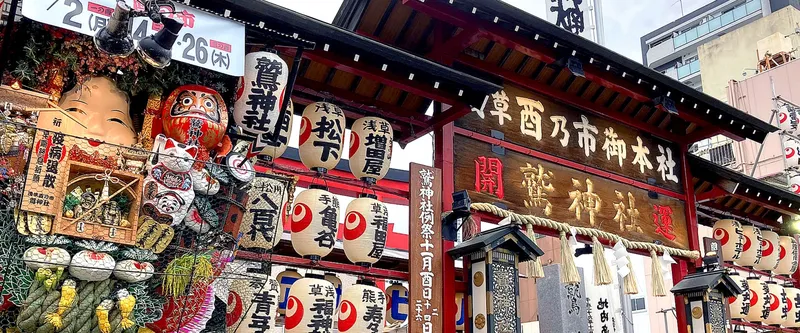
Tori-no-Ichi

Tokyo & Around ・ Central Tokyo

Usually on the Days of the Rooster in November (2–3 days, 12 days apart). At Otori Shrine in Asakusa, it runs from midnight to midnight (0:00–24:00) on each Rooster Day

2026: two days, Ichi-no-Tori on Nov 7 (Sat) and Ni-no-Tori on Nov 19 (Thu) (no market on the days in between)

November–February

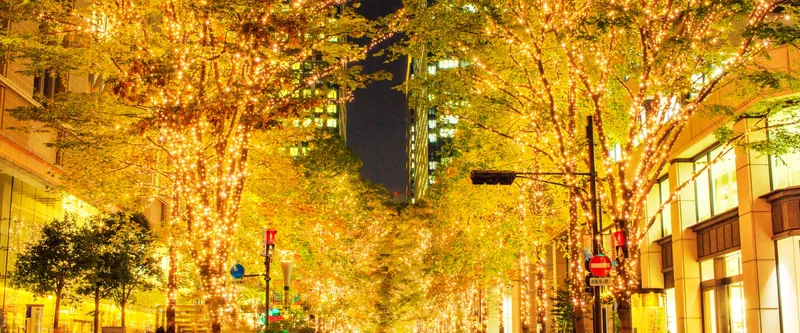
Marunouchi Illumination

Tokyo & Around ・ Central Tokyo

Usually mid-November to mid-February of the following year (about 3 months)

2026: Nov 12 (Thu) – Feb 14, 2027 (Sun)

December

Hagoita-ichi (Battledore Market)

Tokyo & Around ・ Central Tokyo

Every year December 17–19 (Senso-ji explicitly states "the three days from December 17 to 19")

2026: Dec 17 (Thu) – Dec 19 (Sat)

Dates, times and access are based on official and other primary sources. Only dates confirmed by official sources are shown as “Confirmed dates”; otherwise the usual timing is given.

Last checked: 2026-09-30