Event Guide · Tokyo & Around

Tsurugaoka Hachimangu Annual Grand Festival

SeptemberKamakura & EnoshimaEvery year September 14–16 (same dates in 2027)
Search by dates and destination
Overview

Overview

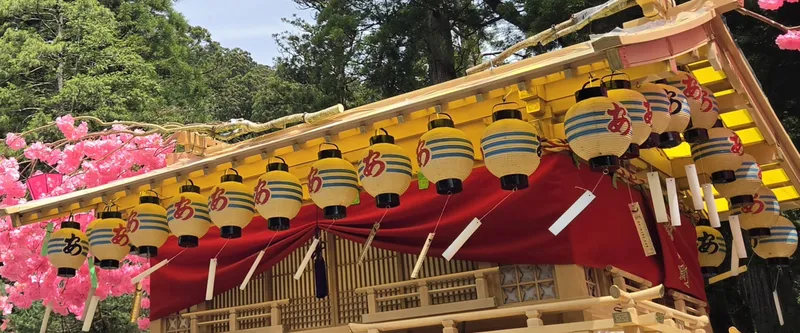
The most important festival of the year at Kamakura's Tsurugaoka Hachimangu, held over three days every year from September 14 to 16. On the 15th, three mikoshi (portable shrines) process along Wakamiya-oji in the Shinkosai procession, and on the 16th, archers in Kamakura-period dress shoot at targets from horseback in the ritual yabusame. Yabusame here is a tradition of about 800 years, dating back to the time of Minamoto no Yoritomo.

Highlights

Highlights

The main highlight is the ritual yabusame on the 16th. It's thrilling to watch archers in hunting dress hit three targets in quick succession from galloping horses. At the Shinkosai procession on the 15th, you can see the time-honored sight of mikoshi and a procession with Yaotome shrine-maiden dancers making their way along Wakamiya-oji.

Times

Times

Eve festival (September 14)From 18:00

2026 example. Japanese taiko drum performance from 19:00

Annual grand festival rite (September 15)From 10:00

2026 example. Held at the main hall

Shinkosai mikoshi procession (September 15)From 13:00

2026 example. Three mikoshi process along Wakamiya-oji to the Second Torii

Ritual yabusame (September 16)From 13:00

2026 example

Bell cricket release ceremony (September 16)From 17:00

2026 example

Times can change from year to year. Check the official website for the latest information.

Tips

Tips for travelers

  • ✓Yabusame is watched from along the course within the shrine grounds. Many people start waiting early in the morning for front-row spots, so give yourself plenty of time
  • ✓Areas near the targets are especially crowded. It's hard to see from behind the crowd, so arriving early is key
  • ✓The Shinkosai procession (15th, from 13:00) can be seen along Wakamiya-oji and is relatively easier to watch than yabusame
  • ✓Kamakura is still hot in mid-September. Bring a hat, drinks, and sunscreen for the wait
  • ✓Around Kamakura Station and Wakamiya-oji get very crowded during the festival. Go by train, not by car
Access

Getting there

Nearest stations
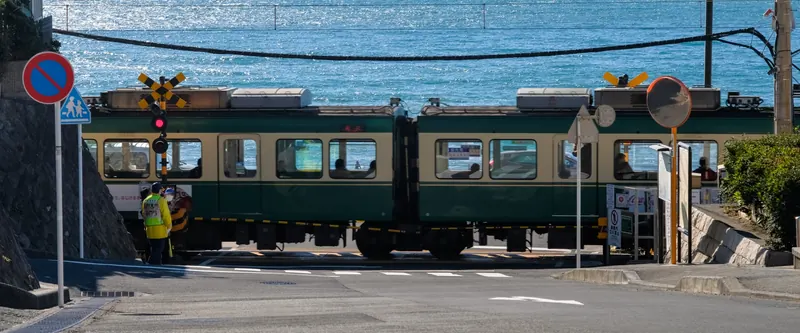
  • Kamakura Station (JR Yokosuka Line, Enoshima Electric Railway)About 10 min on footFrom the East Exit, head north along Wakamiya-oji and the raised Dankazura path, or along Komachi-dori
From major stations
  • Tokyo Station: JR Yokosuka Line (direct) to Kamakura Station (About 1 hour)
  • Yokohama Station: JR Yokosuka Line to Kamakura Station (About 25 min)
  • Shinjuku Station: JR Shonan-Shinjuku Line (bound for Zushi) to Kamakura Station (About 1 hour)
Extra buses & shuttles
None
IC cards (Suica etc.)
IC cards such as Suica and PASMO can be used on JR, the Enoshima Electric Railway, and route buses
Getting back
  • Kamakura Station gets crowded in the late afternoon when yabusame ends, and entry through the ticket gates may be restricted. Take a break on Komachi-dori to stagger your return
  • Roads around Wakamiya-oji are congested during the festival. Bus and taxi times are unpredictable, so walking and the train are the reliable options
Open in Google Maps ↗
Crowds

Crowds & best timing

Busiest times
The ritual yabusame on the 16th (early afternoon) and the Shinkosai procession on the 15th. Even more crowded in years when these fall on a weekend
Quieter times
Daytime on the 14th (tea offering ceremony, etc.) and the hours before and after each ritual
Saving a spot
For a front-row view of yabusame, aim to be along the course several hours before the 13:00 start
Time needed
Yabusame takes about 1–1.5 hours. The Shinkosai procession takes several hours from the mikoshi's departure to their return
Weather

Weather & what to wear

Evening temperatures
In mid-September around Kamakura, night temperatures are generally around 21–23°C (a reference value based on JMA normals from a nearby observation point). Daytime can approach 30°C
What to wear
Summer clothes are fine, but the sun is strong, so bring a hat, sunscreen, and drinks. If you're staying for the evening bell cricket release ceremony, bring a light layer
Rain, snow & typhoons
Rituals are usually held even in light rain, but the ritual yabusame has been canceled for weather or safety reasons in the past (cancellation notices have been posted on the official website)
Where to check for cancellations
Tsurugaoka Hachimangu official website (news section), Tsurugaoka Hachimangu (0467-22-0315)
Etiquette

Local rules & etiquette

  • !Take your trash home
  • !Never enter the yabusame course. Flash photography and loud voices startle the horses, so avoid them and follow staff instructions
  • !Do not block the path of the mikoshi procession or rituals
  • !Bow once before the torii gate and avoid walking down the center of the approach. Purify your hands at the water basin, then pray (two bows, two claps, one bow)
  • !Avoid using selfie sticks and tripods in crowds. Do not fly drones without permission
  • !Kamakura City asks people not to smoke while walking or on the street. Smoke only in designated areas
  • !Public trash bins are rare in Japan. Bring a small bag and take your trash with you.
  • !Smoking while walking is banned in many cities. Use designated smoking areas.
Facilities

Facilities

Toilets
Public toilets are available on the shrine grounds and around Kamakura Station. They get crowded just before yabusame
Lockers & luggage
Coin lockers are available at Kamakura Station. Leave large luggage at the station before you go
Paying at food stalls
Many shops on Komachi-dori accept cards, but stalls and small shops may be cash only, so bring cash
ATMs
Convenience store ATMs (Seven Bank, etc.) around Kamakura Station and on Komachi-dori
Seven Bank ATMs (inside 7-Eleven stores) usually accept cards issued overseas.
Wheelchairs & strollers
The grounds have gravel paths and stone steps up to the main shrine. The yabusame viewing area is very crowded, so watching from a wheelchair or with a stroller is difficult
Food

Food

Local favorites
Shirasu-don (whitebait rice bowl)Hato Sable (dove-shaped butter cookies)Street food along Komachi-doriDishes made with Kamakura vegetables
Vegetarian & halal
Kamakura has vegetarian-friendly restaurants using local Kamakura vegetables, as well as restaurants serving shojin ryori (Buddhist vegetarian cuisine). Stalls rarely show halal labels
Tours & tickets for this eventPR
Where to Stay · Agoda

Places to Stay near Tsurugaoka Hachimangu Annual Grand FestivalPR

Prices and availability are shown on Agoda.

Attractions

Attractions in Kamakura & Enoshima

Aquarium

Enoshima Aquarium

Tokyo & Around ・ Kamakura & Enoshima

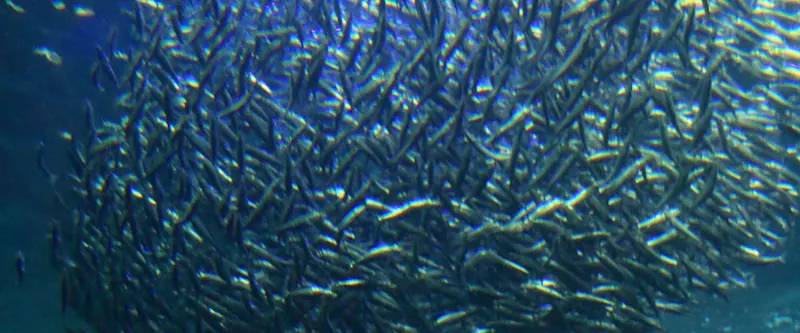
An aquarium on Katase Beach in Shonan. Centered on zones introducing the creatures of Sagami Bay, it features jellyfish, deep-sea creatures, dolphin shows, and more. It's just a 3-minute walk from Katase-Enoshima Station on the Odakyu Line, making it easy to combine with sightseeing in Enoshima and Kamakura.
Events

Events & festivals in Tokyo & Around

February–March

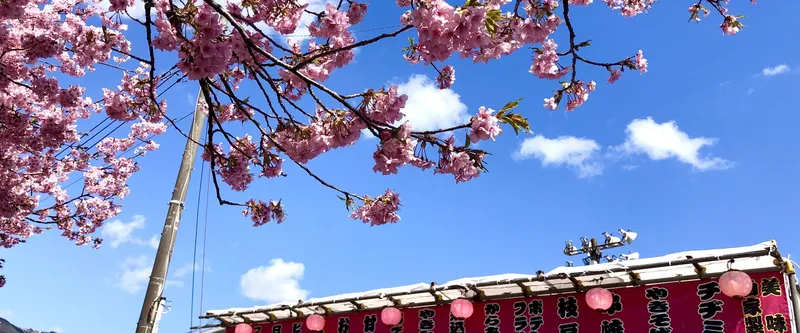
Kawazu Cherry Blossom Festival

Tokyo & Around ・ Izu

Usually early February to early March (about one month). Peak bloom is usually mid- to late February

February–December

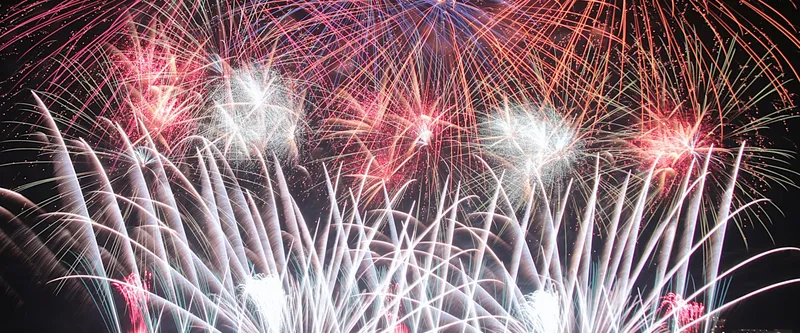
Atami Fireworks Festival

Tokyo & Around ・ Izu

Usually held a dozen or more times a year in spring (April–May), summer (July–August), autumn (September–November), and winter (December–February). Each show runs around 20:20–20:40 (from 20:15 in July and August)

Next show: Oct 25, 2026 (Sun), followed by Nov 8, Nov 23, Dec 6, Dec 25, and Feb 21, 2027 (all 20:20–20:40)

March

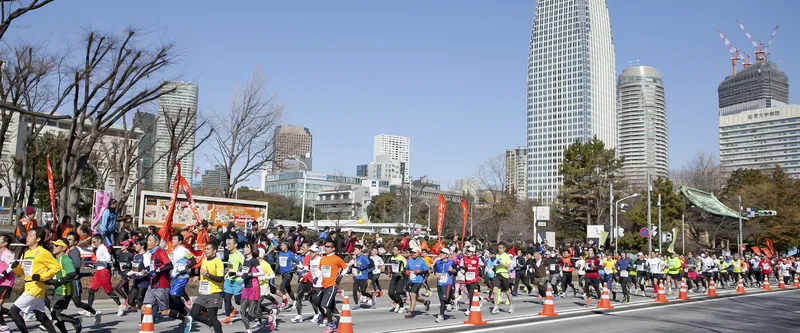
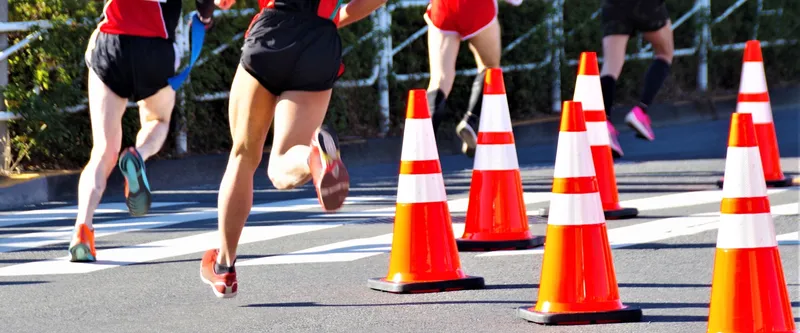
Tokyo Marathon

Tokyo & Around ・ Central Tokyo

Usually a Sunday in early March

2027: Mar 7 (Sun)

April–May

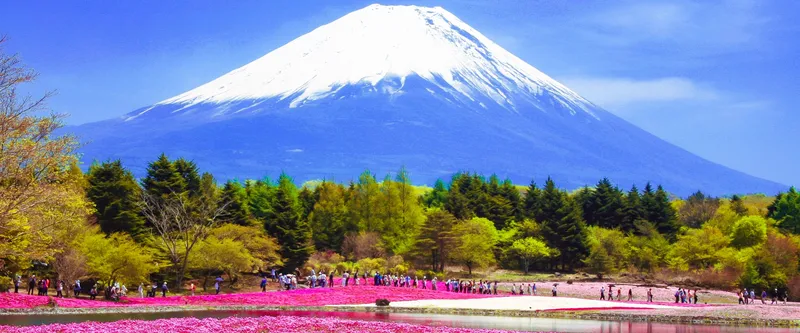
Fuji Shibazakura Festival

Tokyo & Around ・ Fuji Five Lakes

Usually mid-April to late May (April 11 – May 24 in 2026; may vary with bloom conditions)

Photo coming soonApril

Bunkyo Azalea Festival

Tokyo & Around ・ Central Tokyo

Usually around April 1–30 (the 55th festival was held April 1–30, 2026). Peak bloom is usually mid- to late April

May

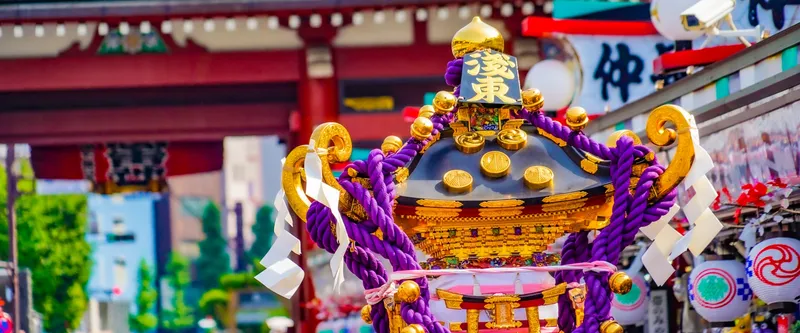
Sanja Matsuri

Tokyo & Around ・ Central Tokyo

Usually mid-May, on the Friday, Saturday, and Sunday around the third Saturday of May (May 15–17 in 2026, with the ceremony to install the deities in the mikoshi on the Thursday evening before)

August

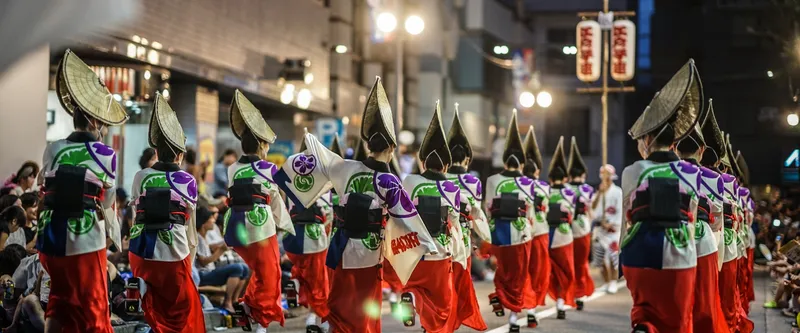
Tokyo Koenji Awa-Odori

Tokyo & Around ・ Central Tokyo

Usually the last Saturday and Sunday of August (around 17:00–20:00)

November

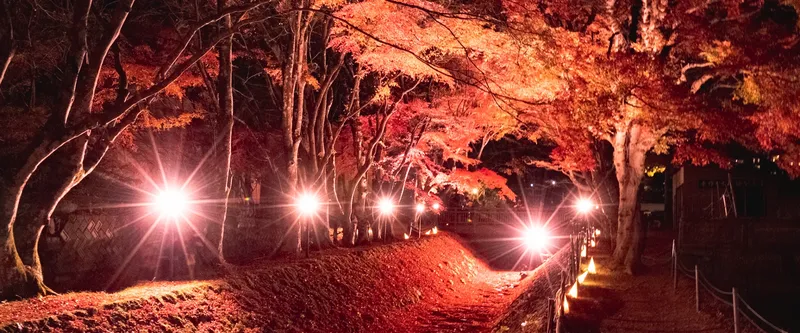
Fujikawaguchiko Autumn Leaves Festival

Tokyo & Around ・ Fuji Five Lakes

Usually early to late November (about 3–4 weeks). The leaves are usually at their best in early to mid-November

2026: Nov 7 (Sat) – Nov 29 (Sun)

November

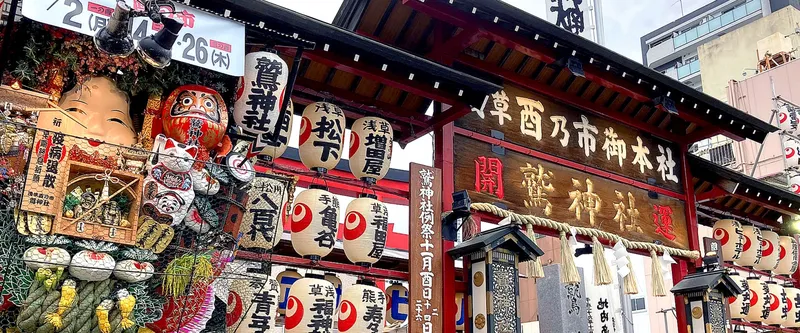
Tori-no-Ichi

Tokyo & Around ・ Central Tokyo

Usually on the Days of the Rooster in November (2–3 days, 12 days apart). At Otori Shrine in Asakusa, it runs from midnight to midnight (0:00–24:00) on each Rooster Day

2026: two days, Ichi-no-Tori on Nov 7 (Sat) and Ni-no-Tori on Nov 19 (Thu) (no market on the days in between)

November–February

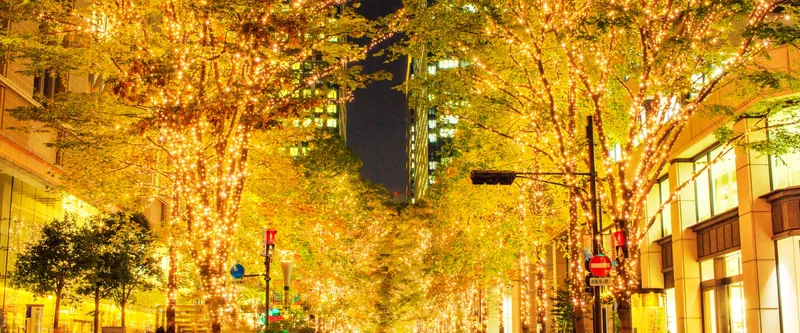
Marunouchi Illumination

Tokyo & Around ・ Central Tokyo

Usually mid-November to mid-February of the following year (about 3 months)

2026: Nov 12 (Thu) – Feb 14, 2027 (Sun)

December

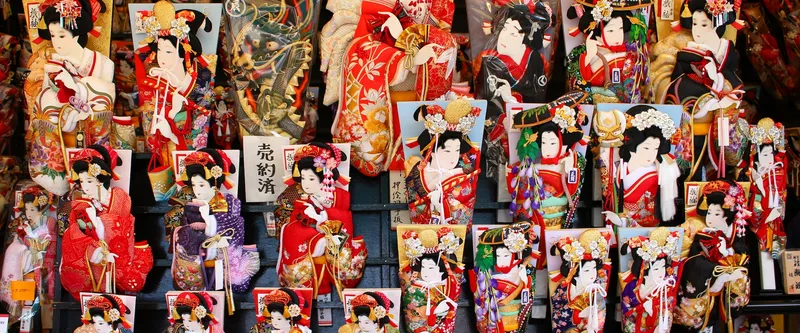
Hagoita-ichi (Battledore Market)

Tokyo & Around ・ Central Tokyo

Every year December 17–19 (Senso-ji explicitly states "the three days from December 17 to 19")

2026: Dec 17 (Thu) – Dec 19 (Sat)

Dates, times and access are based on official and other primary sources. Only dates confirmed by official sources are shown as “Confirmed dates”; otherwise the usual timing is given.

Last checked: 2026-09-30