
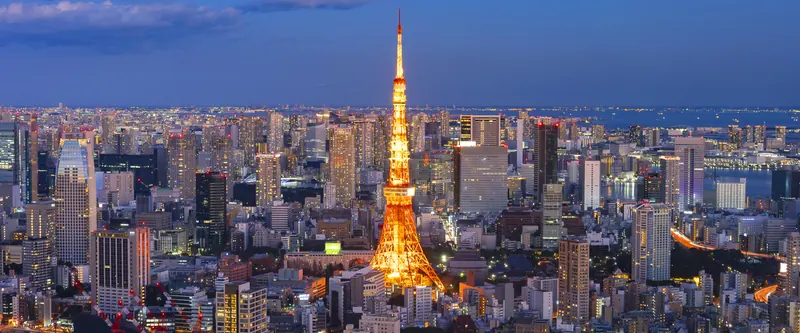
Central Tokyo→
Station: TokyoShinjuku, Shibuya, Asakusa, Ginza
High
23.6℃
Low
14.6℃
- Precip.
- 139.7mm
- Sunshine
- 180h
- Sunset
- 18:38
Sunny and comfortable. Asakusa's Sanja Matsuri in mid-May
May in Tokyo brings lots of sunny days and is the most comfortable season of the year. Central Tokyo's high is 23.6°C, with mornings around 15°C. The city's trees turn a vivid green, and the fresh greenery in Nikko, Hakone and Karuizawa is beautiful too. The sun is as strong as in midsummer, though, so don't forget UV protection. Golden Week in early May is crowded.
Temperature, precipitation, snow and sunshine are climate normals (1991-2020). Sunset is for May 15.
Shinjuku, Shibuya, Asakusa, Ginza
Sunny and comfortable. Asakusa's Sanja Matsuri in mid-May
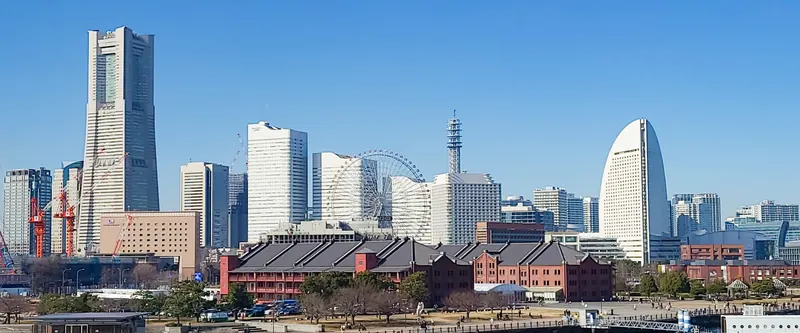
Minato Mirai, Chinatown, Red Brick Warehouse
Highs around 23°C. Roses at Yamashita Park are in full bloom
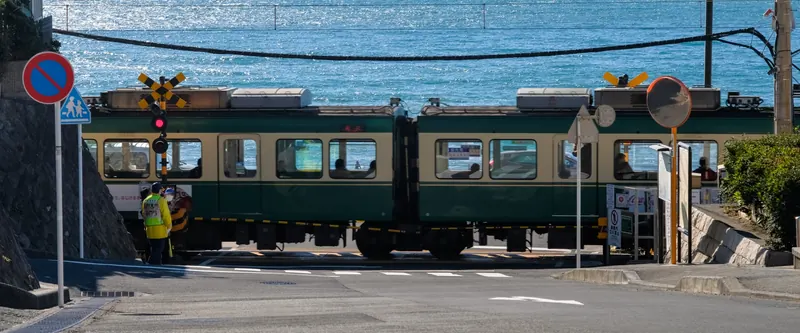
Kamakura, Enoshima, Shonan
Beautiful fresh greenery. Early-summer vibes around Enoshima
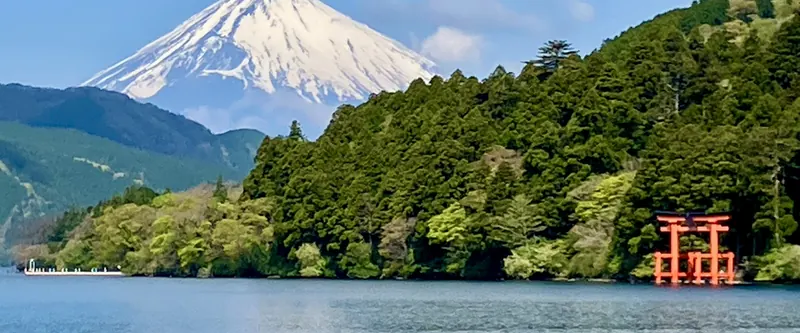
Hakone-Yumoto, Gora, Lake Ashi, Owakudani
Highs around 21°C. Fresh greenery and Lake Ashi cruises are a delight
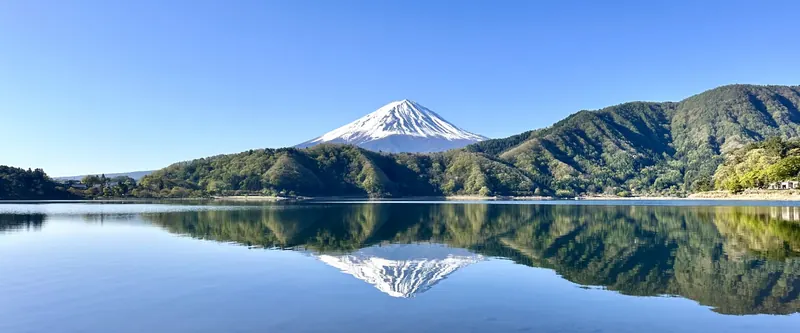
Lake Kawaguchi, Lake Yamanaka, Oshino Hakkai
Mornings around 9°C. The Fuji Shibazakura Festival runs until late May
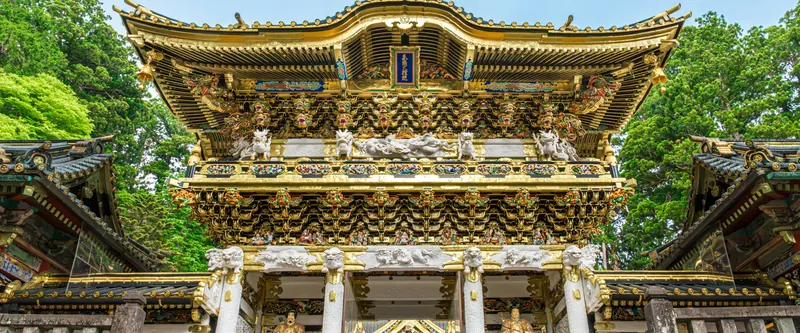
Nikko, Lake Chuzenji, Kegon Falls, Kinugawa Onsen
Oku-Nikko's high is around 15°C, and spring has finally arrived. Fresh greenery in Nikko town
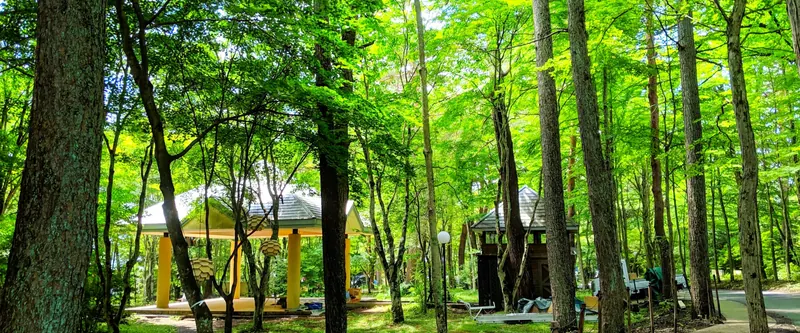
Karuizawa, Kyu-Karuizawa, Shiraito Falls
Highs around 19°C. Perfect for walks in the fresh green forest
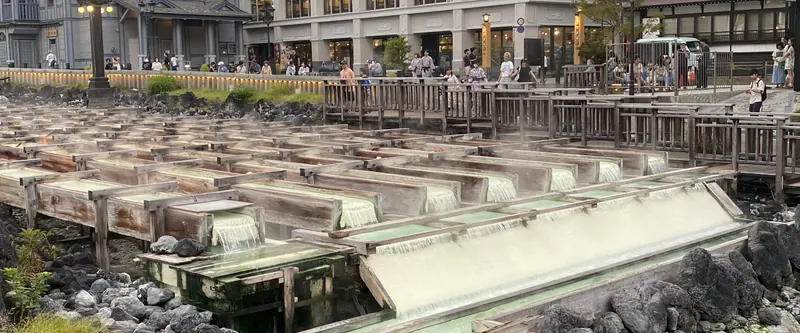
Kusatsu, Yubatake, Sainokawara
The snow has melted, and spring hiking is possible. Mornings around 6°C
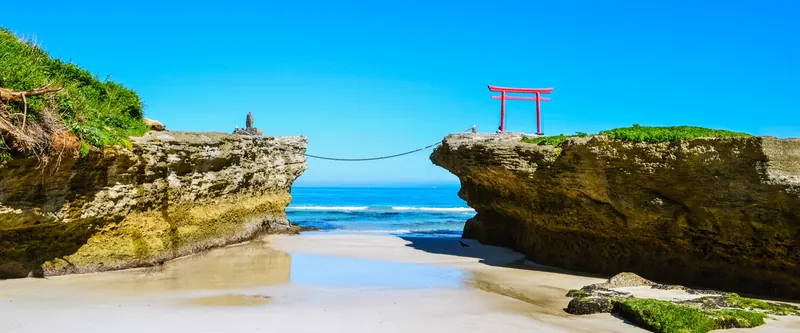
Atami, Ito, Jogasaki Coast
Highs around 23°C. Coastal drives are a pleasure
In Nikko, Karuizawa and Kusatsu, mornings and evenings drop to about 5–6°C. A fleece or light down jacket is a good idea.
In May, UV is strong for the temperature. On days you'll be walking outdoors for a long time, use a hat and sunscreen.
From mid-May, once the holidays are over, tourist spots calm down and accommodation is easier to book. The weather is settled too — the most recommended time to travel.
Late in the month, some days top 25°C. Remember to stay hydrated.
Cloudy and rainy days start to increase toward the end of the month. A folding umbrella is handy.
The grand festival of Asakusa Shrine. Nearly 100 mikoshi (portable shrines) are paraded through Asakusa — one of Tokyo's signature festivals.
Read the guide:Sanja Matsuri →PRKlookKimono Rental Experience at Rental Kimono first, AsakusaKimono rental at a shop in Asakusa with over 1,000 kimono to choose from. Hair styling and photo shoot options availableView on KlookPRKlookKimono Rental with Hair Styling (by Ai Wafuku Asakusa Store No. 2, Tokyo)Kimono rental in Asakusa with over 600 kimono to choose from. Free storage for large suitcasesView on KlookOn the 18th, the Procession of 1,000 Samurai (Hyakumono-zoroe Sennin Musha Gyoretsu) takes place, with more than 1,000 people parading in samurai dress.
Read the guide:Nikko Toshogu Shrine Grand Spring Festival →PRKlookNikko Toshogu Shrine and Kegon Falls Day Tour (from Tokyo)A day bus tour with an English/Chinese-speaking guide, visiting Toshogu, the Irohazaka road, Lake Chuzenji, and Kegon Falls (lunch included)View on KlookPRKlookNikko Day Tour from Tokyo: World Heritage Toshogu Shrine, Kegon Falls & Lake Chuzenji (with Japanese Lunch)An approximately 10-hour day tour visiting Toshogu, Kegon Falls, and Lake ChuzenjiView on KlookThe mountain areas enter fresh greenery season from May. Perfect for walks in the cool highlands.
A fireworks show over the sea that began in 1952 and is held more than ten times a year in Atami Bay. Surrounded by mountains on three sides, the bowl-shaped bay makes the sound echo, giving it the impact of a stadium. Shows are held in spring, summer, autumn, and winter, with about 5,000 shells launched in summer and about 3,000 in other seasons.
Read the guide:Atami Fireworks Festival →PRKlookHakone & Atami Fireworks Day Tour from Tokyo: Mt. Fuji, Hakone Shrine & Lakeside Torii, Lake Ashi Stroll, Atami Sun Beach & Atami Fireworks FestivalA bus tour from Tokyo covering Hakone sightseeing and the Atami fireworks in one day (view from the beach or a sightseeing boat)View on KlookPRKlookFireworks Days Only | Atami & Kamakura Fireworks Day Tour from TokyoA day tour from Tokyo combining sightseeing in Kamakura and Enoshima with the Atami fireworksView on KlookA spring flower festival at Fuji Motosuko Resort near Lake Motosu at the foot of Mt. Fuji. About 500,000 shibazakura (moss phlox) plants — one of the largest displays in the Tokyo region — carpet the grounds, letting you see Mt. Fuji and a sea of pink flowers together.
Read the guide:Fuji Shibazakura Festival →Dates change every year. Please check the official websites before you go.
On average, the high is 23.6°C and the low is 14.6°C. Some days are warm enough for short sleeves during the day.
With lots of sunny days and weather that's neither too hot nor too cold, it's one of the best times of the year. To avoid the Golden Week crowds, aim for mid-May or later.
Average rainfall for the month is about 140 mm. Most days are sunny, but rainy days increase late in the month as a prelude to the rainy season.
Source: Japan Meteorological Agency (climate normals 1991-2020). Compiled by tripuuu.log. Temperatures are from a representative station in each area; actual weather varies from year to year.