About

About this power spot

Set right in the middle of Namba in Osaka, this shrine has long been known as "Namba Shimo-no-Miya," the guardian shrine of the Namba area. It is famous for its Lion Hall, shaped like a giant lion's head about 12 m tall, and the Osaka Convention & Tourism Bureau introduces it as a popular power spot known for blessings of protection from misfortune and luck in competition.

History

History

The enshrined deities are Susanoo-no-Mikoto, Kushinadahime-no-Mikoto and the eight children deities. No records survive of exactly when the shrine was founded, but it is said to have enshrined Gion Gozu Tenno since the Enkyu era of the Heian period. The shrine buildings were lost in an air raid in 1945, and the current main sanctuary was completed in May 1974.

Highlights

Highlights

✨ Lion Hall (Shishi-den)

A stage (ema hall) shaped like a giant lion's head, about 12 m tall. Its huge mouth is said to call in victory and swallow evil spirits, bringing good fortune in competition and business. It was completed together with the main sanctuary in 1974.

✨ Main sanctuary

The main sanctuary enshrines Susanoo-no-Mikoto and the other deities. Prayer requests are handled at the shrine office on its west side.

✨ Auxiliary shrines

Shinoyama Shrine, Inari Shrine, Sanbo Kojin Shrine, Ichikishimahime Shrine and Kotai Shrine stand on the grounds.

✨ Tsunahiki ritual

A tug-of-war ritual held on the morning of the third Sunday of January. It was the first to be designated an Intangible Folk Cultural Property by Osaka City, and is said to be linked to Susanoo's defeat of the eight-headed serpent Yamata-no-Orochi.

🙏 Known for

The Lion Hall is said to swallow evil spirits and bring luck in competition and business, and the shrine is known for protection from misfortune and luck in winning. The shrine also offers prayers for academic success, passing exams, finding work, business prosperity and company growth.

Based on information from the shrine or temple and official tourism sites.

Etiquette

Etiquette & things to know

  • ✓Bow once before passing through the torii, and avoid walking down the center of the approach.
  • ✓Purify your hands and mouth at the temizu fountain before praying.
  • ✓The Lion Hall is a popular photo spot, so take turns and avoid getting in the way of worshippers.
Tips

Tips for your visit

  • •Worship hours are 9:00–16:50 (gates open 6:00–17:00), open every day (per the Osaka Convention & Tourism Bureau).
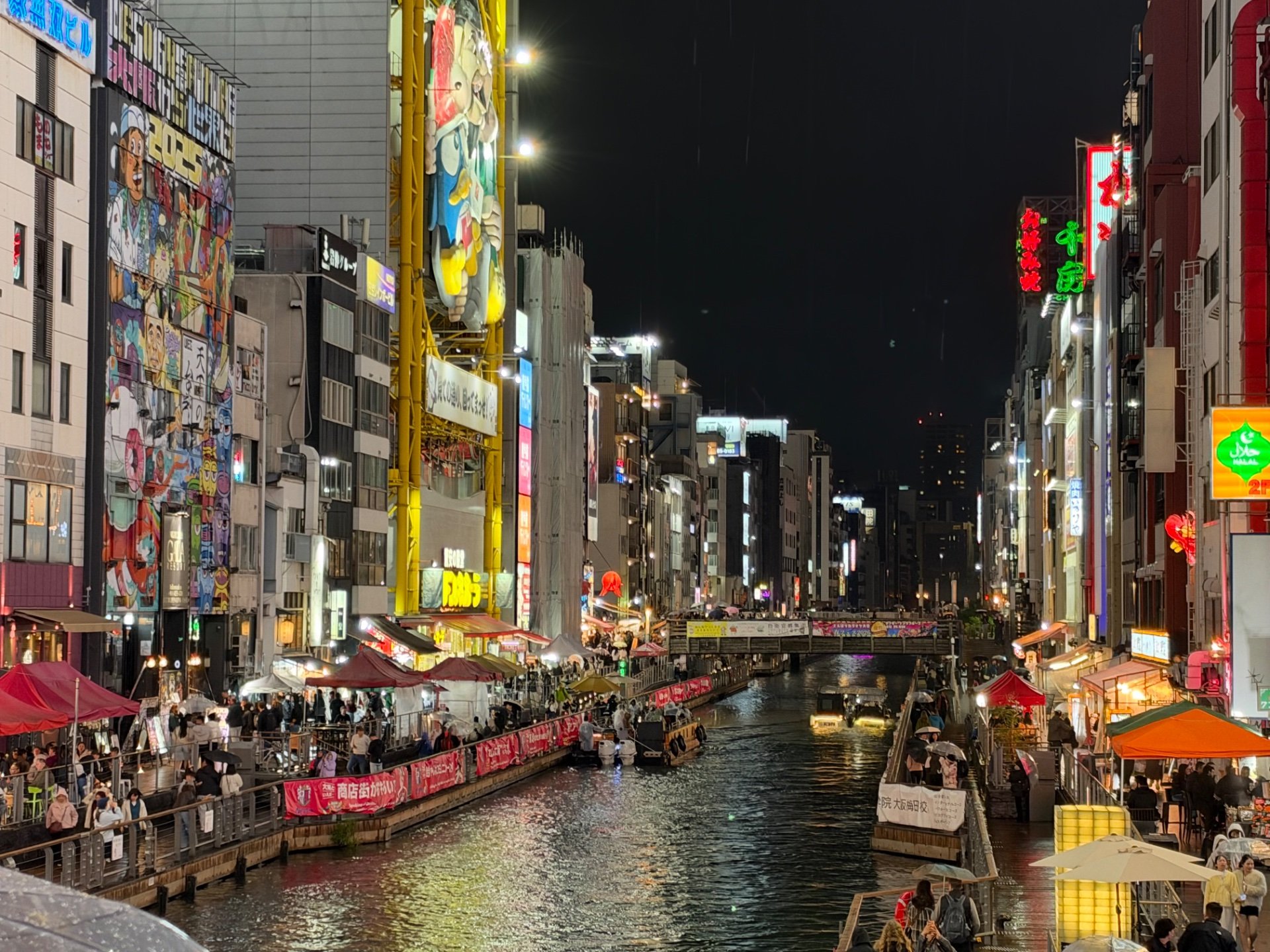
  • •It is about a 6-minute walk from Namba Station on the Osaka Metro and Nankai lines, so it is easy to combine with Dotonbori and the Namba area.
  • •During the summer festival on July 13–14, a boat procession is held on the Dotonbori River on the day of the eve festival.
  • •Prayer ceremonies are by reservation; call the shrine office in advance if you wish to have one.
Map

Map

🗺 Map ↗
Nearby guides
Plan your trip

Plan your trip

Nearby

Nearby spots around Namba Yasaka Shrine

Spots within about 20 km that are worth visiting at this time of year.

📍 Find more nearby on the map →
Where to Stay · Agoda

Places to Stay near Namba Yasaka ShrinePR

Prices and availability are shown on Agoda.

Travel Logs

Travel logs from Namba Yasaka Shrine

Travel logs are written in Japanese.

Power Spots

More power spots for “Good fortune & protection”

⛩️ Shrine

Kabushima Shrine

Tohoku ・ Hachinohe, Aomori

💰 Prosperity & business🍀 Good fortune & protection🛡️ Safe travels

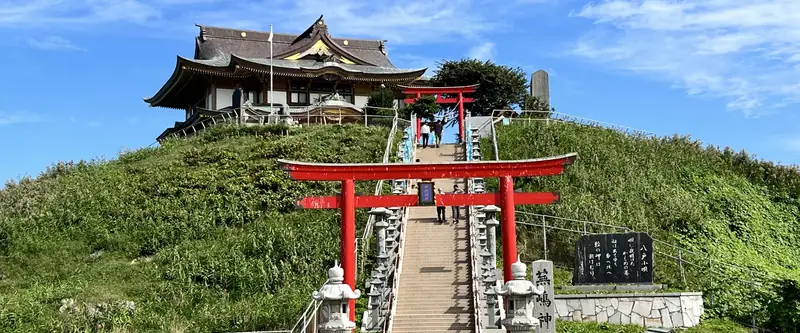
A shrine on the top of Kabushima Island, a breeding ground for black-tailed gulls designated a national Natural Monument. Aomori Prefecture's official tourism site introduces it as a power spot associated with blessings for good luck and wealth.
⛩️ Shrine

Towada Shrine

Tohoku ・ Towada, Aomori

🍀 Good fortune & protection⛰️ Nature power spots

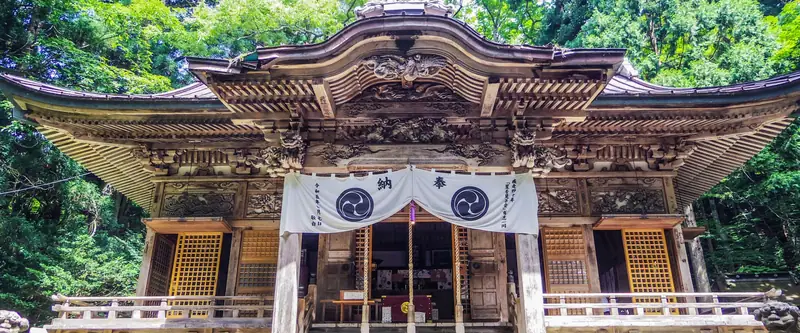
An ancient shrine standing among cedar trees at the base of the Nakayama Peninsula, which juts out into Lake Towada. It was once worshipped as a sacred site on a par with Osorezan, and Aomori Prefecture's official tourism site introduces it as one of the leading power spots in Tohoku.

⛩️ Shrine

Nikko Toshogu

Tokyo & Around ・ Nikko, Tochigi

🍀 Good fortune & protection🛡️ Safe travels

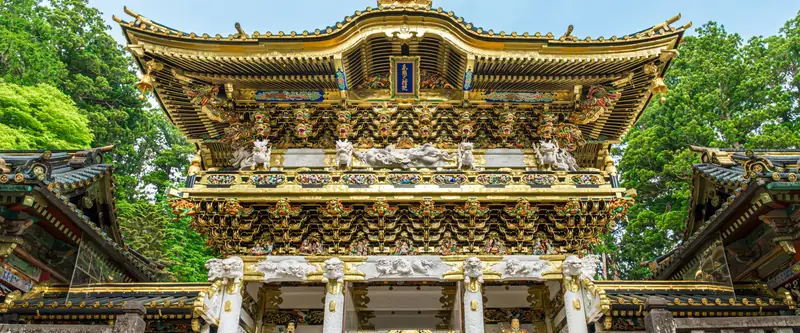
A shrine dedicated to Tokugawa Ieyasu, representative of the "Shrines and Temples of Nikko" World Heritage Site. It is famous for its lavishly decorated buildings, and Tochigi Prefecture's tourism site notes that several powerful power spots are said to lie on the grounds and in the surrounding area, such as the path beyond the Sleeping Cat leading to the Okumiya (inner shrine) and the approach leading to Nikko Futarasan Shrine.

⛩️ Shrine

Haruna Shrine

Tokyo & Around ・ Takasaki, Gunma

🍀 Good fortune & protection💰 Prosperity & business

A shrine on the slopes of Mount Haruna, its grounds surrounded by strange rock formations and ancient trees. Takasaki City's official tourism site introduces it as a power spot filled with a sacred atmosphere, and Gunma Prefecture's tourism site calls it "one of the leading power spots in the Kanto region."

⛩️ Shrine

Kashima Jingu

Tokyo & Around ・ Kashima, Ibaraki

🍀 Good fortune & protection

A shrine dedicated to Takemikazuchi no Okami, known as a deity of the founding of Japan and of the martial arts. Ibaraki Prefecture's tourism feature "Power Spots of Ibaraki" describes it as a place where you can feel the strength of a warrior deity who drives away obstacles and moves forward, and as a place that can make a difference at life's turning points.

⛩️ Shrine

Katori Jingu

Tokyo & Around ・ Katori, Chiba

🍀 Good fortune & protection🛡️ Safe travels

The head shrine of the Katori shrines found across Japan, mainly in the Kanto region, and the Ichinomiya (highest-ranking shrine) of the former Shimousa Province. Chiba Prefecture's official tourism site features it on a model "power spot tour" together with Kashima Jingu, and its highlights include the legendary Kanameishi stone and the Okumiya (inner shrine).

Power Spots

More power spots in Kansai

🛕 Temple

Kurama-dera Temple

Kansai ・ Sakyo Ward, Kyoto

⛰️ Nature power spots

A temple spread across Mount Kurama in northern Kyoto, famous as the setting of the legend in which the young Ushiwakamaru (Minamoto no Yoshitsune) trained with tengu (mountain goblins). The official site of the Kyoto City Tourism Association introduces the "Kinone-michi" (tree-root path), the mountain trail running from Kurama-dera to Kifune Shrine, as a popular power spot.

⛩️ Shrine

Ikuta Shrine

Kansai ・ Chuo Ward, Kobe, Hyogo

💞 Love & relationships

An ancient shrine in the heart of Sannomiya, Kobe, said to be the origin of the name "Kobe." Hyogo Prefecture's official tourism site introduces it as "Kobe's foremost power spot," and many people visit it as a shrine for matchmaking (enmusubi).

⛩️ Shrine

Omiwa Shrine

Kansai ・ Sakurai, Nara

💞 Love & relationships🌿 Health & longevity

A shrine that worships Mount Miwa itself as its sacred body, regarded as one of the oldest shrines in Japan. Nara Prefecture's official tourism site introduces it with phrases such as "Power Spot Miwa" and "all of Mount Miwa is a power spot."

⛩️ Shrine

Ise Jingu

Kansai ・ Ise, Mie

💰 Prosperity & business

A shrine centered on two main sanctuaries, the Naiku (Kotai Jingu, the Inner Shrine) and the Geku (Toyouke Daijingu, the Outer Shrine), long famous as the destination of the "Oise-mairi" pilgrimage. Mie Prefecture's official tourism site presents the Geku and Naiku, standing in vast and mystical forests, as the heart of a power spot tour.

⛩️ Shrine

Kumano Hongu Taisha

Kansai ・ Hongu, Tanabe, Wakayama

⛰️ Nature power spots

One of the Kumano Sanzan (Three Grand Shrines of Kumano), regarded as the head shrine of all Kumano shrines in Japan. Wakayama Prefecture's official tourism site introduces it as a destination on a "power spot tour" from Ise Jingu to the Kumano Sanzan, and notes that Oyunohara, the shrine's former site, is also popular as a power spot.

⛩️ Shrine

Kumano Nachi Taisha (Nachi Falls)

Kansai ・ Nachikatsuura, Higashimuro District, Wakayama

💞 Love & relationships⛰️ Nature power spots🌿 Health & longevity

One of the Kumano Sanzan (Three Grand Shrines of Kumano), which can be visited together with its separate shrine, Hiro Shrine, whose sacred body is Nachi Falls, one of Japan's three most famous waterfalls. Wakayama Prefecture's official tourism site introduces it as a destination on a "power spot tour" of the Kumano Sanzan.

History and what each place is known for are based on the shrine or temple’s official site and on local government and tourism association information. Opening hours, fees and limited-time items are not listed — please check the official site before you go.

Sources

Checked: 2026-11-23