
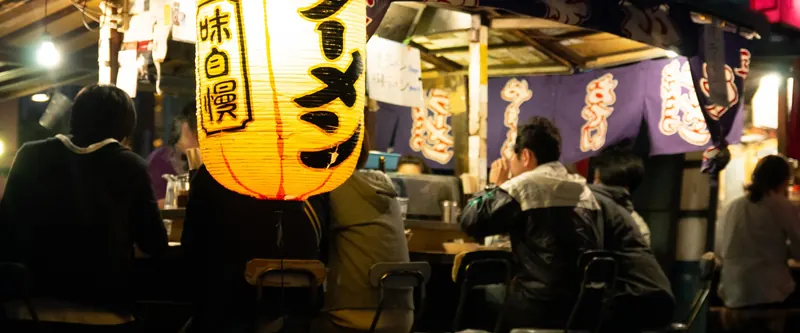
Fukuoka & Dazaifu→
Station: FukuokaFukuoka, Hakata, Tenjin, Dazaifu Tenmangu
High
31.2℃
Low
24.6℃
- Precip.
- 299.1mm
- Sunshine
- 172h
- Sunset
- 19:30
The Hakata Gion Yamakasa runs from the 1st to the 15th, with decorative floats on display around the city
In July, summer arrives in earnest in Kyushu as the rainy season ends. It usually ends around July 15 in southern Kyushu and around July 19 in northern Kyushu. Fukuoka's high is 31.2°C, and muggy days continue, with nights only dropping to around 25°C. The Hakata Gion Yamakasa runs from the 1st to the 15th, and beaches open around the region from early in the month. Early July is still quite rainy, so don't forget rain gear.
Temperature, precipitation, snow and sunshine are climate normals (1991-2020). Sunset is for July 15.
Fukuoka, Hakata, Tenjin, Dazaifu Tenmangu
The Hakata Gion Yamakasa runs from the 1st to the 15th, with decorative floats on display around the city
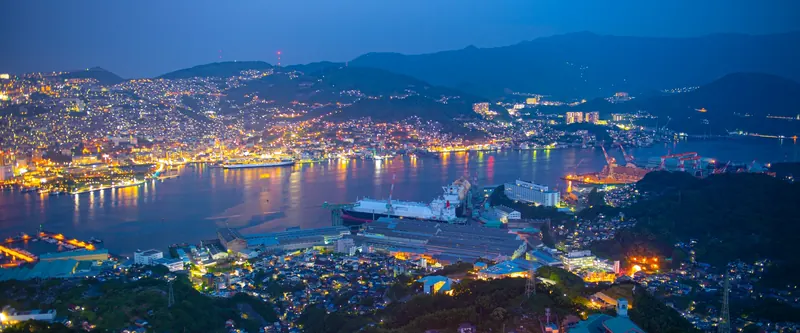
Nagasaki, Mt. Inasa, Glover Garden, Meganebashi Bridge
Highs around 30°C. The Peiron Championship is held in Nagasaki Port late in the month
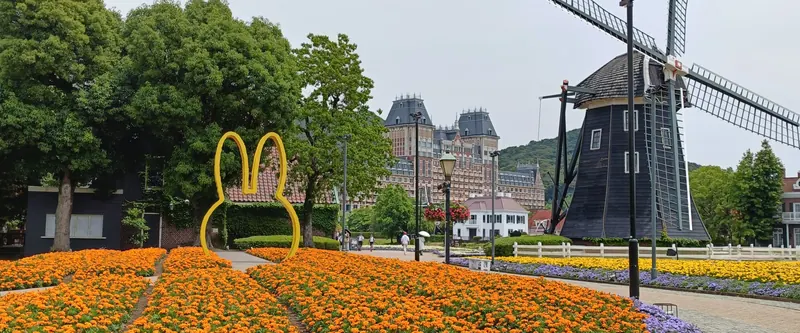
Sasebo, Huis Ten Bosch, Kujukushima Islands
Highs around 30°C. The season when the Kujukushima sea sparkles
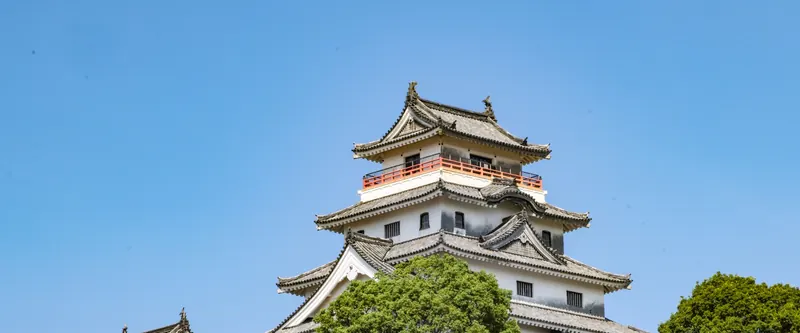
Ureshino Onsen, Karatsu, Arita, Imari
Lots of rain early in the month, at 400.6 mm. Highs of 30.5°C
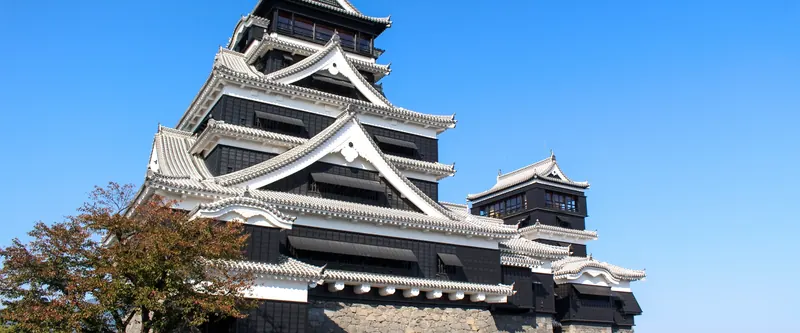
Kumamoto, Kumamoto Castle, Aso, Kurokawa Onsen
Kumamoto highs around 32°C. Aso is cooler than the city
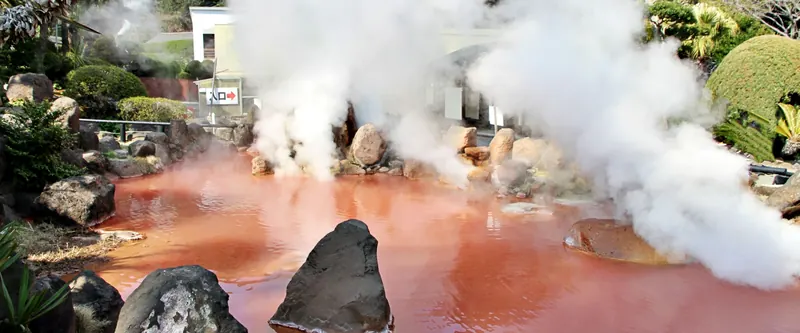
Beppu, Yufuin, Beppu Hells Tour, Mt. Yufu
Highs around 31°C. Stroll among the steam in the cooler mornings and evenings
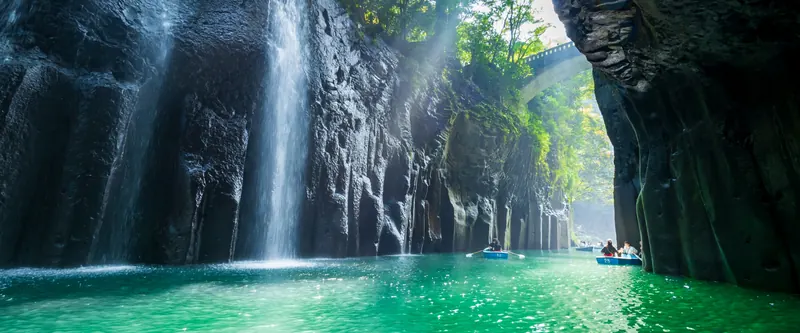
Takachiho, Takachiho Gorge, Takachiho Shrine, Amanoiwato Shrine
Highs around 30°C, mornings 21°C. The gorge feels cooler than town
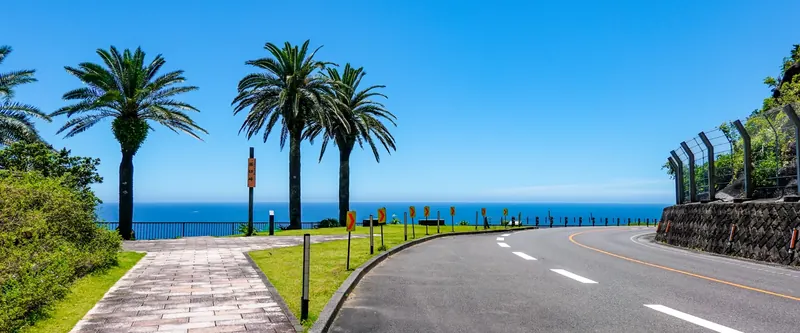
Miyazaki, Aoshima, Nichinan Coast, Udo Jingu
Highs around 31°C. Aoshima Beach opens for swimming
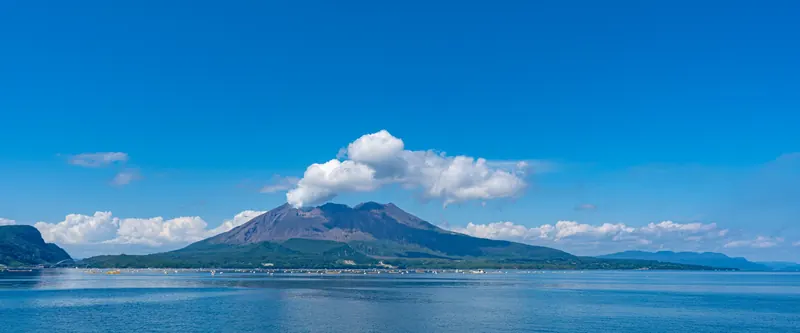
Kagoshima, Sakurajima, Ibusuki, Sengan-en
Highs around 32°C. The rainy season ends earliest here in Kyushu
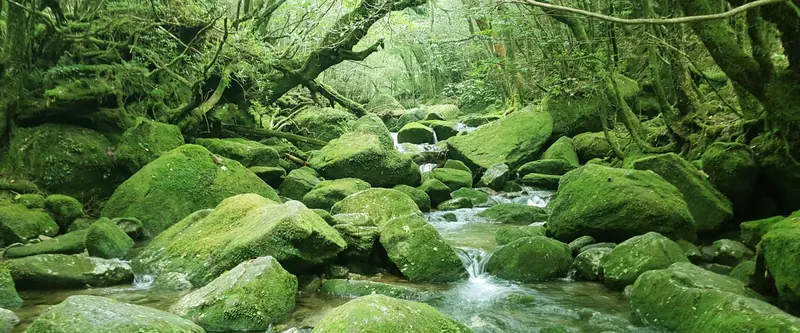
Yakushima, Shiratani Unsuikyo, Jomon Sugi, Yakusugi Land
After the rainy season ends, sunny days increase, with 209.9 hours of sunshine
Some temples and shrines frown on revealing clothing. Carrying a light shirt or stole is a good idea.
Kyushu summers are very humid, and temperatures don't drop much at night. Drink water and replenish salt regularly, and keep outdoor sightseeing during the day short.
The Oiyama race of the Hakata Gion Yamakasa starts at 4:59 a.m. on the 15th. If you want to watch, it's best to stay nearby.
Toward the end of the rainy season, heavy downpours can occur. On days you head near mountains or rivers, check the Japan Meteorological Agency's information.
From July, typhoons approach Kyushu more often. Flights and ferries can be canceled when a typhoon approaches, so check the weather forecast regularly.
A festival of Kushida Shrine, with lavish decorative floats on display around the city. Early on the 15th comes the Oiyama, in which teams of men race through the streets of Hakata carrying the floats.
Read the guide:Hakata Gion Yamakasa →PRKlookFukuoka City Subway 1-Day PassUnlimited rides for a day on the Airport, Hakozaki and Nanakuma lines. Handy for touring the decorative floatsView on KlookPRKlookHakata River Boat Ride (Fukuoka)A river cruise departing from in front of Hakata Riverain, where a decorative float is also displayedView on KlookA race of hand-paddled boats held in Nagasaki Port. Shouts, gongs and drums echo around the harbor in this classic Nagasaki summer tradition.
Seaside Momochi Beach Park (Momochihama) in Fukuoka City is usually open from early July to early September, and Miyazaki's Aoshima Beach from early July to around the end of August. Dates vary by year.
Dates change every year. Please check the official websites before you go.
On average, the high is 31.2°C and the low is 24.6°C. Humidity is high, and it feels muggy.
It usually ends around July 15 in southern Kyushu and around July 19 in northern Kyushu. It can come earlier or later depending on the year.
Early in the morning of July 15 every year. The festival runs from July 1 to 15, and you can see the decorative floats around the city throughout.
Source: Japan Meteorological Agency (climate normals 1991-2020). Compiled by tripuuu.log. Temperatures are from a representative station in each area; actual weather varies from year to year.