
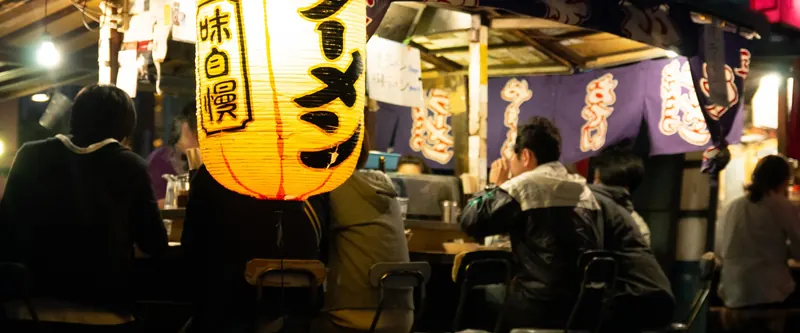
Fukuoka & Dazaifu→
Station: FukuokaFukuoka, Hakata, Tenjin, Dazaifu Tenmangu
High
11.6℃
Low
4.4℃
- Precip.
- 69.8mm
- Sunshine
- 124h
- Sunset
- 18:02
Highs around 12°C. Dazaifu Tenmangu's plum blossoms peak from mid-month
February in Kyushu is still mostly cold, following on from January. Fukuoka's high is 11.6°C and mornings are around 4°C. Even so, plum blossoms begin to open at Dazaifu Tenmangu and peak from mid-month. In Nagasaki, about 15,000 lanterns light up the city for the Nagasaki Lantern Festival, and in Aso, controlled burning of the grasslands begins: a run of winter events unique to Kyushu. Miyazaki is lively with professional baseball spring training camps.
Temperature, precipitation, snow and sunshine are climate normals (1991-2020). Sunset is for February 15.
Fukuoka, Hakata, Tenjin, Dazaifu Tenmangu
Highs around 12°C. Dazaifu Tenmangu's plum blossoms peak from mid-month
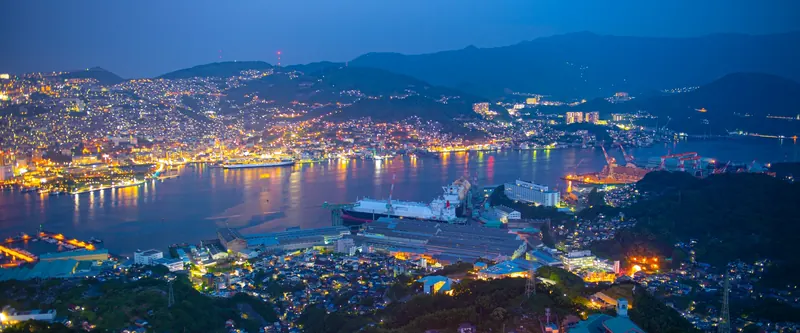
Nagasaki, Mt. Inasa, Glover Garden, Meganebashi Bridge
Highs around 12°C. The whole city is lively with the Lantern Festival
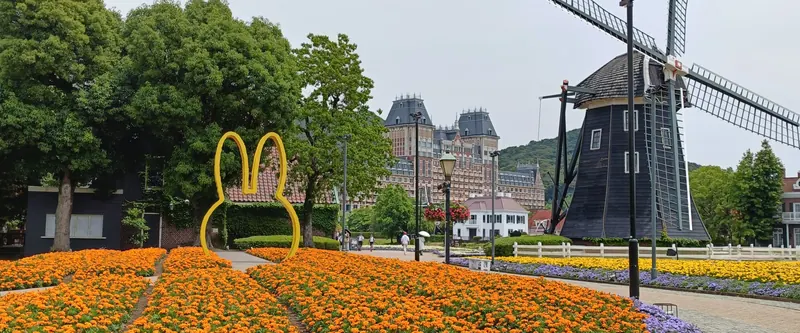
Sasebo, Huis Ten Bosch, Kujukushima Islands
Mornings around 4°C. Tulips begin to bloom at Huis Ten Bosch
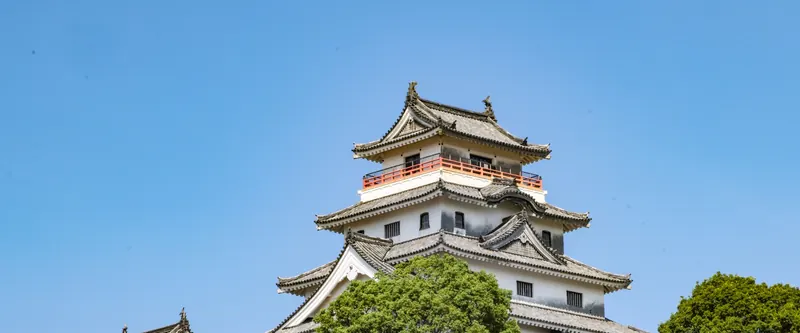
Ureshino Onsen, Karatsu, Arita, Imari
Ureshino mornings around 1°C. Relax with hot springs and Ureshino tea
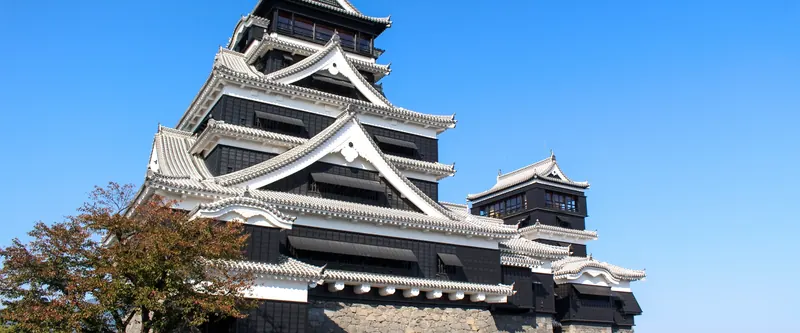
Kumamoto, Kumamoto Castle, Aso, Kurokawa Onsen
Kumamoto highs around 12°C. Controlled burning takes place in Aso, and roads may be closed
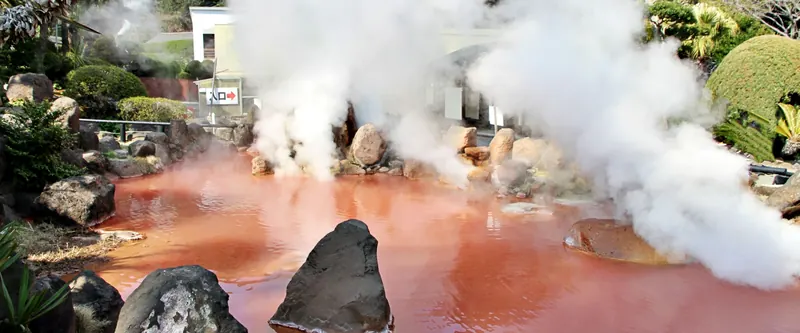
Beppu, Yufuin, Beppu Hells Tour, Mt. Yufu
Oita mornings around 3°C. A season when the hot spring steam is especially visible
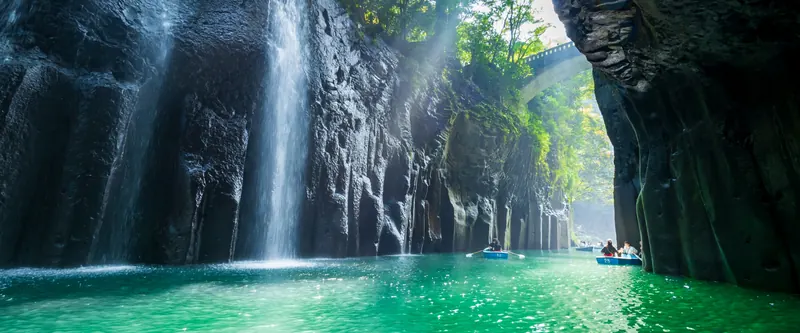
Takachiho, Takachiho Gorge, Takachiho Shrine, Amanoiwato Shrine
Mornings around 0°C. Yokagura continues until around early February
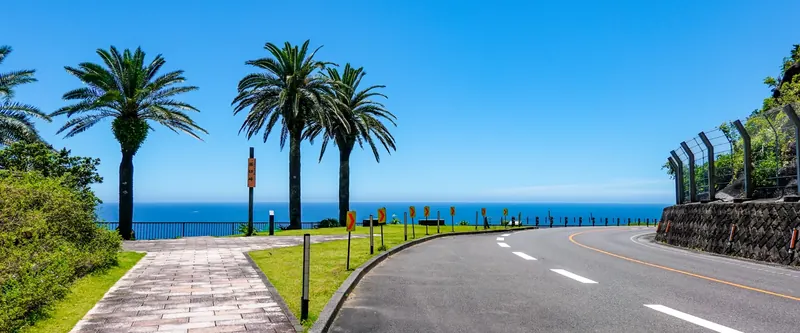
Miyazaki, Aoshima, Nichinan Coast, Udo Jingu
Highs around 14°C. Professional baseball spring training season
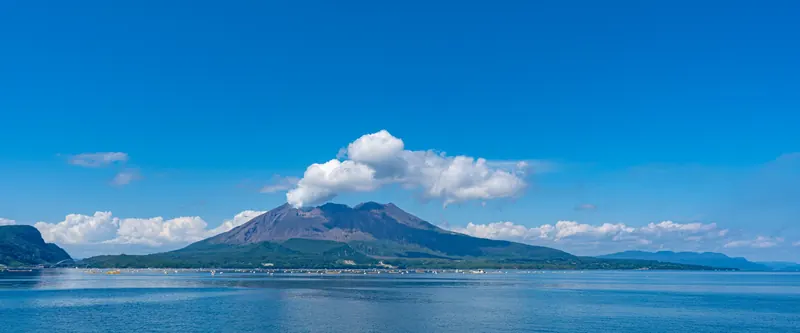
Kagoshima, Sakurajima, Ibusuki, Sengan-en
Highs around 15°C, on the warm side for the Kyushu mainland. Ibusuki's rapeseed blossoms last until around early in the month
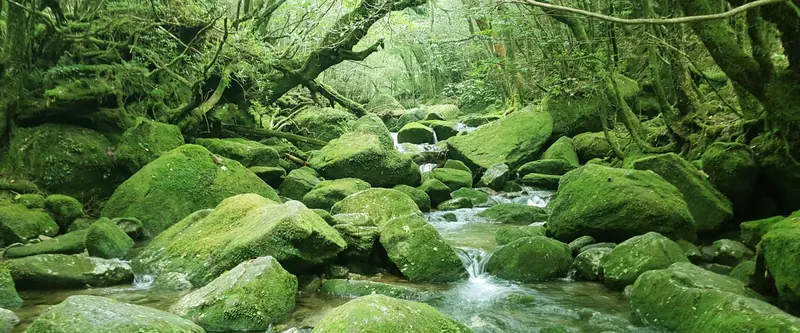
Yakushima, Shiratani Unsuikyo, Jomon Sugi, Yakusugi Land
Mornings around 9°C on the coast. Lots of rain. Snow and ice in the mountains call for winter mountain gear
The Lantern Festival and plum blossom viewing mean long walks outdoors. It gets especially cold at night, so gloves and kairo heat packs will keep you comfortable.
The lanterns light up from the evening. Nagasaki Shinchi Chinatown and the area around Meganebashi Bridge get crowded, so book your accommodation early.
On burning days, some roads in Aso are closed. The schedule changes with the weather, so check the latest information from Aso City or Kumamoto Prefecture.
In February, professional baseball spring training camps are held around Miyazaki Prefecture. On weekends, the areas around the camps and accommodation get crowded.
Cedar pollen starts flying around mid-February. If you have hay fever, bring masks and medication.
It began as a Spring Festival celebration of the Chinese Lunar New Year. About 15,000 lanterns are lit, and there's an Emperor's Parade and a Mazu procession.
Read the guide:Nagasaki Lantern Festival →About 6,000 plum trees of some 200 varieties bloom. The sacred Tobiume tree to the right of the main hall is known as the first to bloom in the shrine grounds.
Aso's early spring scene, in which the mountain slopes are burned to preserve the grasslands. The schedule changes with the weather, and roads are closed during burning.
A winter light event at Huis Ten Bosch, a theme park recreating a Dutch townscape. The illumination, which has won first place in the Illumination Awards’ overall entertainment category for 13 consecutive years, is being renewed for the first time in 16 years for the 2026–27 season and will appear as ‘The Starlight Million.’ Events themed on a European Christmas are held at the same time.
Read the guide:Huis Ten Bosch Winter Illumination →A winter Shinto ritual held from mid-November to early February the following year in about 20 villages in Takachiho Town. A private home or community hall becomes the kagura-yado (kagura venue), the local guardian deity is welcomed, and 33 kagura dances are performed through the night as an offering. It was designated a National Important Intangible Folk Cultural Property in 1978. Dates are set by each village and are usually announced around October.
Read the guide:Takachiho Yokagura (Night Kagura) →PRKlookMiyazaki Day Tour: Takachiho Gorge & Kamishikimi Kumanoimasu Shrine (from Fukuoka)A day tour visiting Takachiho Gorge, Amano Iwato Shrine and more. Aso and boating options availableView on KlookPRKlookAso, Kusasenri & Takachiho Gorge Day Tour (from Hakata Station)Kusasenri and Takachiho Gorge in one day. Takachiho Gorge rowboat rental option availableView on KlookDates change every year. Please check the official websites before you go.
On average, the high is 11.6°C and the low is 4.4°C. It's about as cold as January, and you'll need a winter coat.
Usually from mid-February to early March. Blooming times vary from year to year, so check the bloom status before you go.
From 2026 onward, it runs for 17 days from the first Friday of February. The lanterns are lit from the evening.
Source: Japan Meteorological Agency (climate normals 1991-2020). Compiled by tripuuu.log. Temperatures are from a representative station in each area; actual weather varies from year to year.