Cherry Blossoms · Tohoku

Tsurugajo Castle (Aizu-Wakamatsu Castle)

Aizu-Wakamatsu & Ouchi-jukuCastle🌸 Typical peak: Mid Apr – Late Apr✦ Night sakura
Search by dates and destination
Overview

Overview

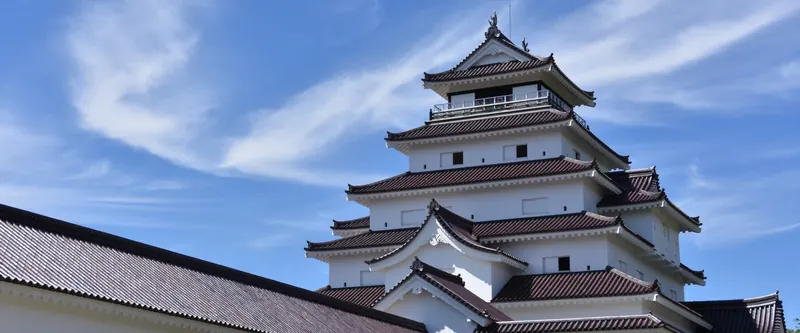
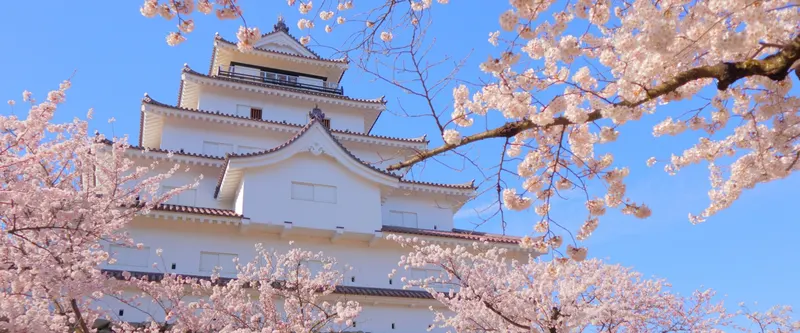
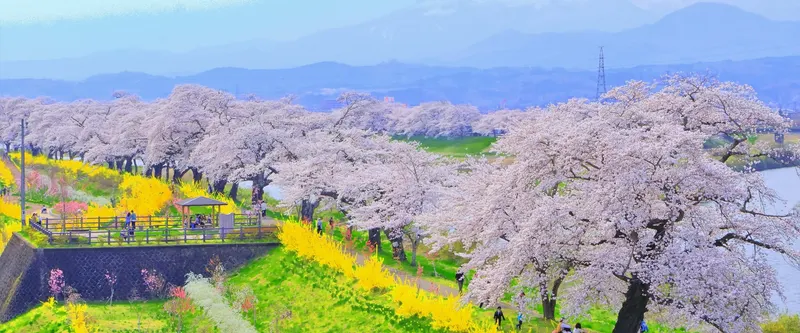
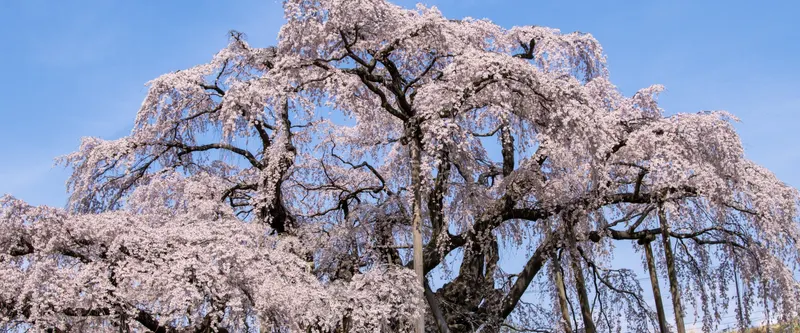
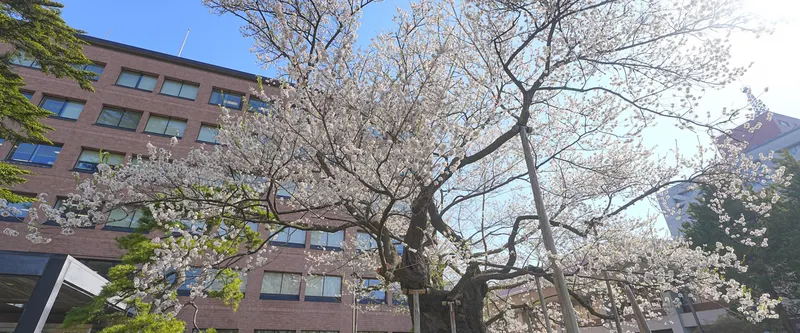
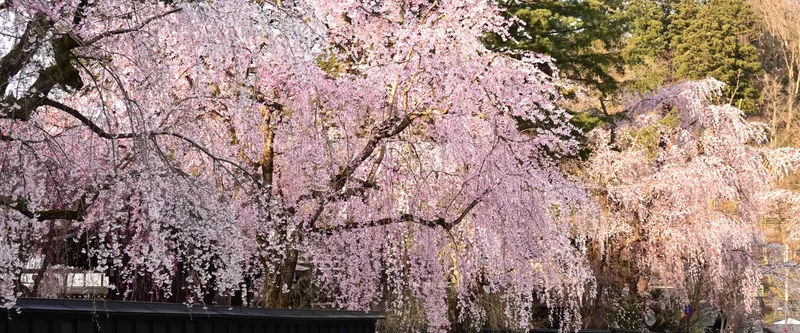
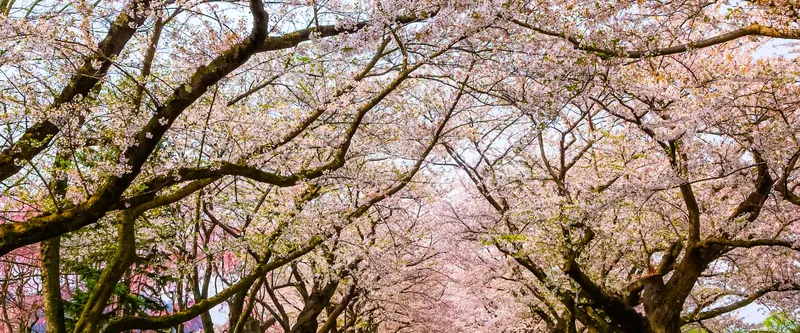
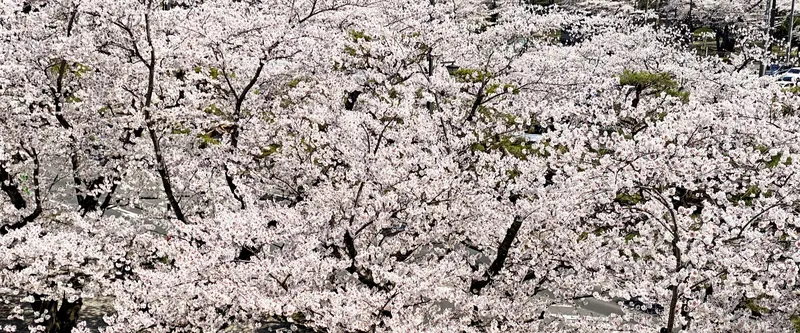
Around 1,000 cherry trees bloom in the castle park of Tsurugajo, the symbol of Aizu-Wakamatsu and one of Japan’s Top 100 Cherry Blossom Spots. The blossoms usually peak from mid to late April, when you can enjoy views of the castle keep framed by sakura.

Peak Time

When to See the Blossoms

Typical peakUsually mid to late April
March
April
May

Bloom dates shift with each year’s temperatures. Check the bloom updates on the Tsurugajo official website for the latest conditions

Peak times are typical guides. Blooming and full bloom shift with each year’s temperatures.

Highlights

Highlights

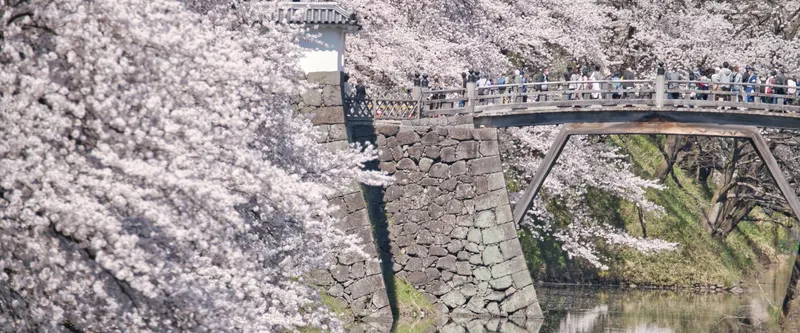
Somei-yoshino are the main variety, along with double-flowered yaezakura and Kohigan-zakura given by Takato in Nagano Prefecture. Highlights include the avenue of cherry trees at Kitademaru, the Kurogane Gate where you can see the keep, the connecting corridor and the blossoms together, the Tsukimi Yagura ruins (a photo spot recommended by the volunteer guides), and the Roka-bashi Bridge with its red railings. During the cherry blossom festival, the whole historic site is lit up in one of the largest illuminations in eastern Japan.

📷 Best views
Kitademaru

An entrance lined with a magnificent avenue of cherry trees

Kurogane Gate

See the castle keep, the corridor and the blossoms together

Tsukimi Yagura ruins

A photo spot recommended by the volunteer guides, looking at the castle keep through the blossoms

Roka-bashi Bridge

A bridge with red railings and cherry trees along the inner moat

Illumination

Night illumination

Period
Usually during the Tsurugajo Cherry Blossom Festival (Apr 1–May 6 in 2026)

The entire historic site is lit up in one of the largest illuminations in eastern Japan

Tips

Tips for travelers

  • ✓For photos of the castle keep with cherry blossoms, the areas around the Kurogane Gate and the Tsukimi Yagura ruins are recommended
  • ✓At night you can enjoy the illuminated castle keep and blossoms, so it’s worth visiting both during the day and after dark
Access

Getting there

Nearest station / bus stop
  • Tsurugajo Iriguchi bus stop (Haikara-san town loop bus)About a 5 min walk
From major stations & airports
  • Aizu-Wakamatsu Station (JR Ban-etsu West Line): Haikara-san town loop bus to Tsurugajo Iriguchi
Open in Google Maps ↗
Crowds

Crowds & best times

Busiest
Weekends during peak bloom
Weather

Temperature & what to wear

Typical temperatures
April normals in Wakamatsu (Aizu-Wakamatsu): high 16.6°C, low 4.3°C (JMA)
What to wear & bring
The city sits in a basin, so mornings and evenings get cold. Bring a heavy jacket for night sakura
Where to Stay · Agoda

Places to Stay near Tsurugajo Castle (Aizu-Wakamatsu Castle)PR

Prices and availability are shown on Agoda.

Attractions

Attractions in Aizu-Wakamatsu & Ouchi-juku

Aquarium

Aquamarine Fukushima

Tohoku ・ Iwaki, Fukushima

An environmental aquarium at Onahama Port in Iwaki. It showcases a wide range of waterside nature and wildlife, from the rivers and sea of Fukushima to the Shiome no Umi, where the Kuroshio and Oyashio currents meet, as well as northern seas and coral reefs. It's open year-round, and a visit typically takes 1.5 to 3 hours.

Experience

Spa Resort Hawaiians

Tohoku ・ Iwaki, Fukushima

A hot spring and pool leisure complex in Iwaki, Fukushima Prefecture. A single admission ticket gives access to the Water Park's pools and water slides, the Spring Park hot spring area, the open-air bath Edo Jowa Yoichi, and more. Polynesian shows run from midday into the night, so you can enjoy it on a day trip or an overnight stay.

Cherry Blossoms

Cherry Blossoms in Tohoku

Famous single tree

Miharu Takizakura

Tohoku ・ Miharu, Fukushima

🌸 Typical peak: Mid Apr – Late Apr

✦ Night sakura
Park

Ashino Park

Tohoku ・ Goshogawara

🌸 Typical peak: Late Apr – Early May

✦ Night sakura

Peak periods, hours, prices and access are based on official sources such as the spot’s own website, local governments and tourism associations. Bloom conditions and event details can change, so check the official website before you go.

Last checked: 2026-10-06