
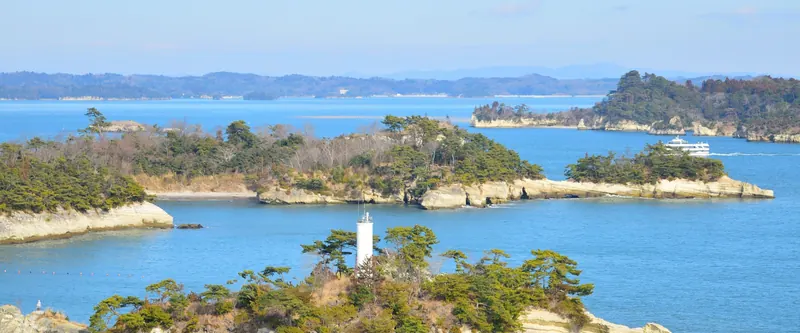
Sendai & Matsushima→
Station: SendaiSendai, Matsushima, Zuihoden, Akiu Onsen
High
6.5℃
Low
−1.1℃
- Precip.
- 33.9mm
- Max snow depth
- 10cm
- Sunset
- 17:13
Highs of 6.5°C, mornings around -1°C. Lots of sunny, dry days
February in Tohoku continues the midwinter cold of January. Sendai's high is 6.5°C and mornings drop to around -1°C. This is the snowiest time of year: the average maximum snow depth reaches 149 cm in Obanazawa (Ginzan Onsen) and 100 cm in Kakunodate. Snow-themed events are held across the region, including the Hirosaki Castle Snow Lantern Festival, Yokote's kamakura snow huts and the Ouchi-juku Snow Festival, and it's the season when Zao's snow monsters grow to their largest.
Temperature, precipitation, snow and sunshine are climate normals (1991-2020). Sunset is for February 15.
Sendai, Matsushima, Zuihoden, Akiu Onsen
Highs of 6.5°C, mornings around -1°C. Lots of sunny, dry days
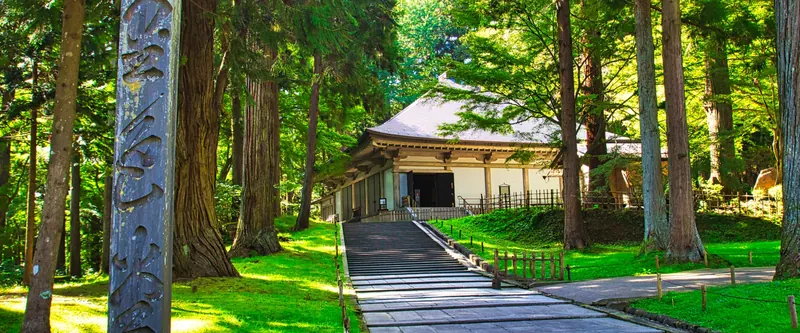
Hiraizumi, Chusonji, Motsuji, Geibikei Gorge
Highs of 5.1°C, mornings around -3°C. Shaded roads ice over easily
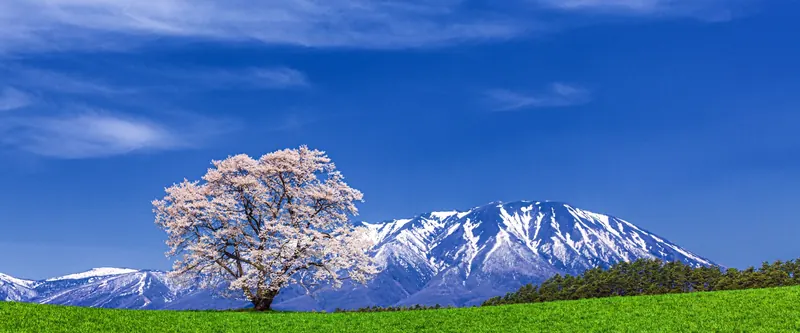
Morioka, Koiwai Farm, Mt. Iwate, Tsunagi Onsen
Highs of 3.2°C, mornings around -5°C. Average maximum snow depth is 32 cm
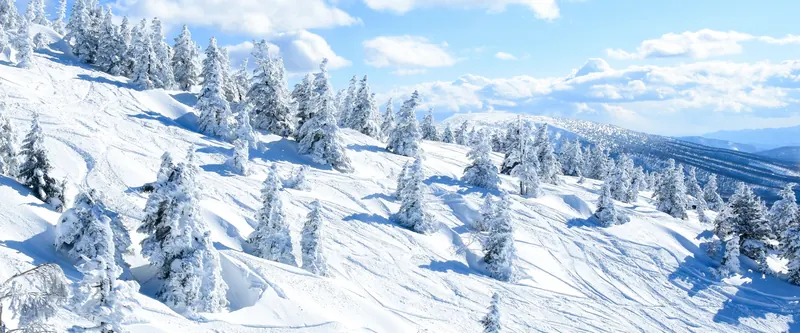
Aomori, Hakkoda, Sukayu Onsen, Sannai-Maruyama Site
Average maximum snow depth is 97 cm. Sukayu in Hakkoda is buried under an average of 373 cm of snow
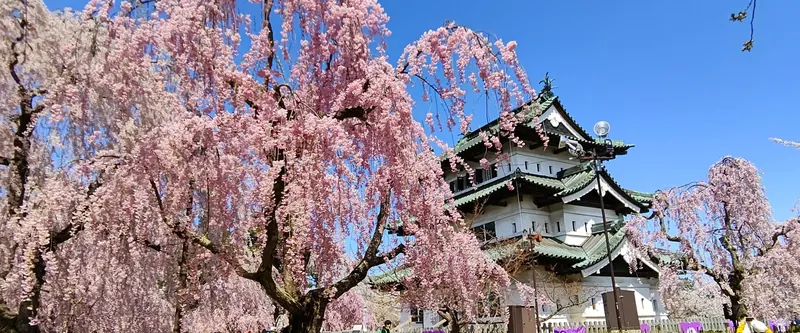
Hirosaki, Hirosaki Castle, Mt. Iwaki, Hirosaki Park
Mornings around -5°C. Hirosaki Castle Snow Lantern Festival in early to mid-February
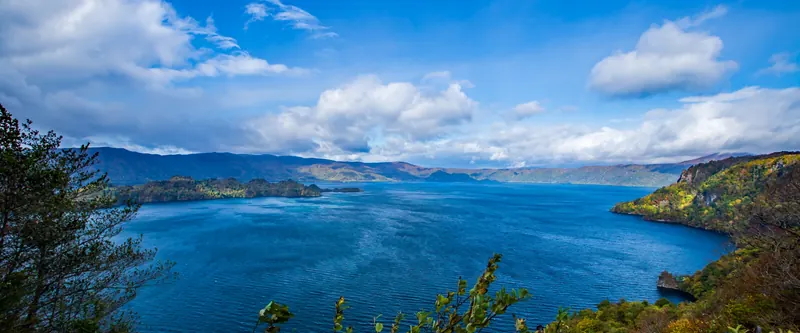
Oirase Stream, Lake Towada, Yasumiya, Yakeyama
Highs of -0.4°C at Yasumiya, mornings around -7°C. Below freezing even in the daytime
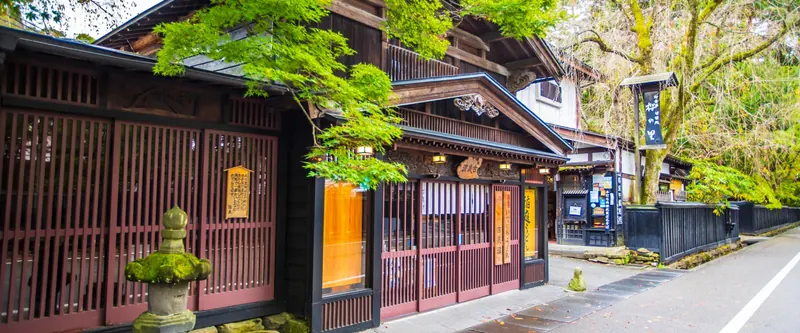
Kakunodate, Samurai District, Lake Tazawa, Nyuto Onsen
Average maximum snow depth is 100 cm. The snowy samurai district and snow-view baths at Nyuto Onsen
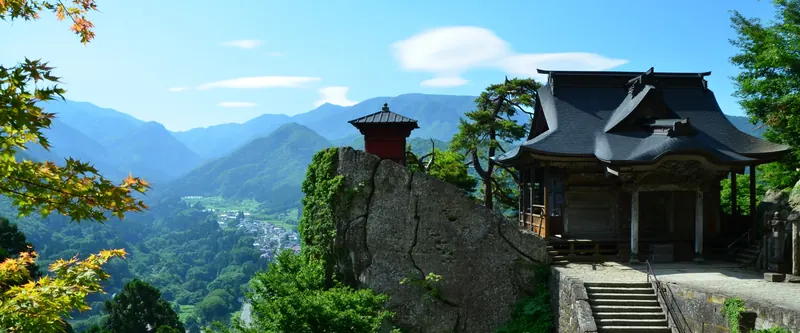
Yamagata, Zao, Yamadera, Zao Onsen
Yamagata's high is 4.4°C. The time when Zao's snow monsters are at their largest
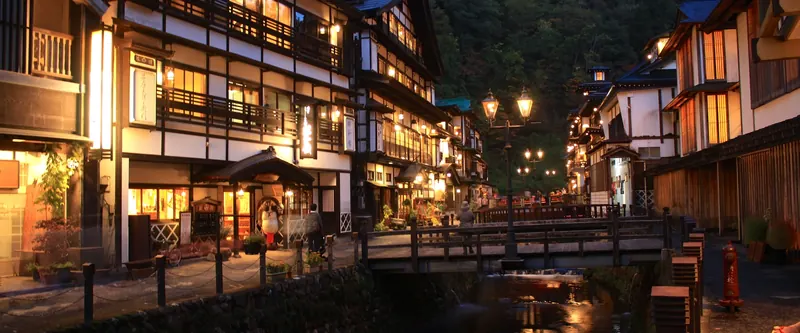
Ginzan Onsen, Obanazawa, Oishida
Obanazawa's average maximum snow depth is 149 cm, the deepest snow of the year
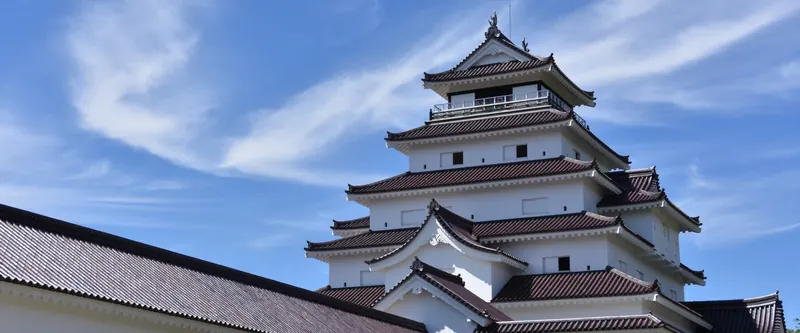
Aizu-Wakamatsu, Tsuruga Castle, Ouchi-juku, Higashiyama Onsen
Highs of 4.0°C, mornings at -3.5°C. The season for the Ouchi-juku Snow Festival
The highlight of the snow festivals is the evening illumination, and it gets even colder after dark. When you're outdoors for a long time, keep your feet and hands warm with kairo heat packs and thick socks.
The Hirosaki Castle Snow Lantern Festival, the Ouchi-juku Snow Festival and Yokote's kamakura are all at their most beautiful once the lights come on after dark. Nights are freezing, so dress very warmly.
Accommodation fills up on snow festival dates and on weekends when the snow monsters are at their best. Book as soon as your dates are set.
Heavy snow and blizzards can delay or cancel trains and buses. Leave some slack in your return schedule too, just in case.
If you use a rental car, winter tires are a must. If you're not used to driving on snow, we recommend trains, buses or tours.
About 200 snow lanterns and snow sculptures line the park, along with about 300 mini kamakura snow huts lit with candles. The illuminated, snow-covered Hirosaki Castle and projection mapping on snow sculptures are also highlights.
An event with about 450 years of history. Some 80 large kamakura snow huts and countless mini kamakura decorate the town. A water deity is enshrined at the back of each kamakura.
Read the guide:Yokote Kamakura Festival →A snow festival held in the post town of thatched-roof houses. After dark, snow lanterns are lit and fireworks go up.
Zao’s juhyo (rime-covered trees) form in sub-zero conditions when supercooled droplets of fog and cloud are carried by the wind, strike the trees and freeze. They are also known as “snow monsters.” On certain winter nights, the juhyo around the summit station, reached by ropeway, are lit up in colorful lights.
Read the guide:Zao Snow Monsters Light-up →PRKlookGinzan Onsen & Zao Ropeway Snow Monsters Day Tour from SendaiA winter-only plan to see the snow monsters from the Zao Ropeway and stroll around Ginzan OnsenView on KlookPRKlookZao Snow Monsters, Ginzan Onsen & Fox Village Tour from SendaiA bus tour from Sendai with options including a Zao snow monster day plan (ropeway fare paid on site)View on KlookDates change every year. Please check the official websites before you go.
On average, the high is 6.5°C and the low is -1.1°C. It's midwinter cold, about the same as January.
It used to be held on the fixed dates of February 15 and 16, but it's now held on a Friday and Saturday in mid-February (the second Friday and Saturday until 2029). Check that year's dates with the Yokote City Tourism Association.
You'll need a warm winter coat such as a down jacket, gloves, a hat, a scarf and waterproof, non-slip boots. If you're going to a snow festival at night, kairo heat packs are a good idea too.
Source: Japan Meteorological Agency (climate normals 1991-2020). Compiled by tripuuu.log. Temperatures are from a representative station in each area; actual weather varies from year to year.