
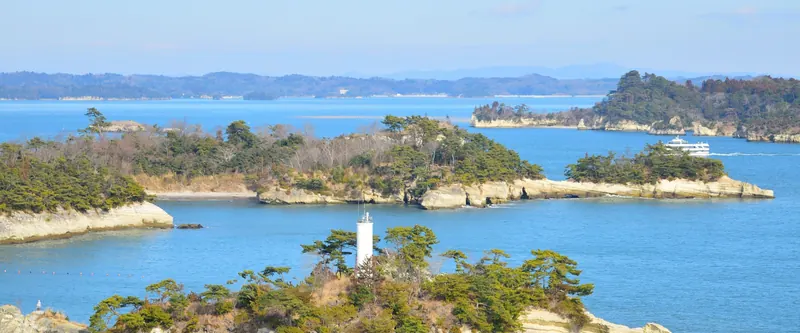
Sendai & Matsushima→
Station: SendaiSendai, Matsushima, Zuihoden, Akiu Onsen
High
5.6℃
Low
−1.3℃
- Precip.
- 42.3mm
- Max snow depth
- 10cm
- Sunset
- 16:38
Highs of 5.6°C, mornings around -1°C. Lots of sunny, dry days
January is the coldest month of the year in Tohoku. Sendai's high is 5.6°C and mornings drop to around -1°C. Sendai, on the Pacific side, has lots of sunny, dry days, while the Sea of Japan side and inland areas such as Aomori, Hirosaki, Kakunodate and Ginzan Onsen see snow day after day, with Aomori's average maximum snow depth reaching 83 cm. Snow monsters form on Zao and Hakkoda, and it's a great season for hot springs with snow views.
Temperature, precipitation, snow and sunshine are climate normals (1991-2020). Sunset is for January 15.
Sendai, Matsushima, Zuihoden, Akiu Onsen
Highs of 5.6°C, mornings around -1°C. Lots of sunny, dry days
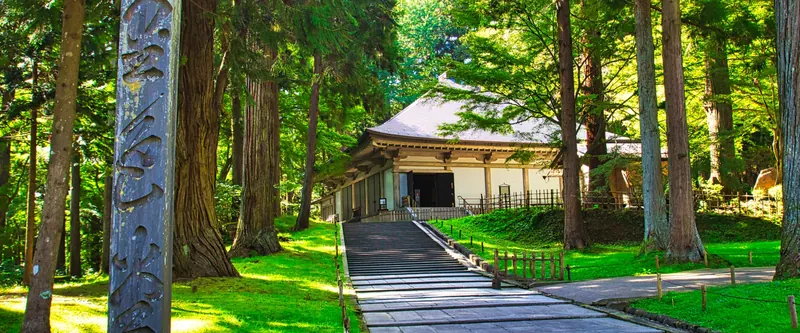
Hiraizumi, Chusonji, Motsuji, Geibikei Gorge
Highs around 4°C, mornings around -4°C. You may see Chusonji dusted with snow
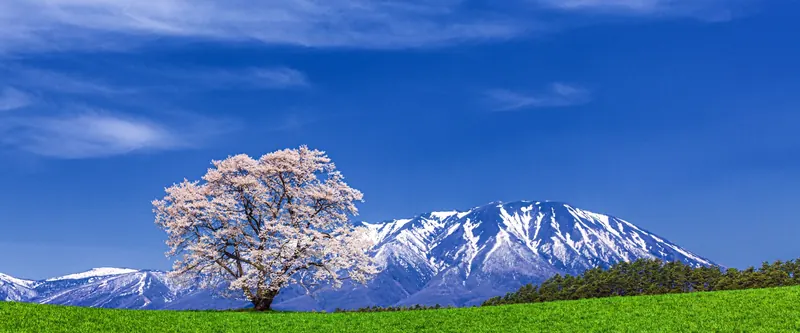
Morioka, Koiwai Farm, Mt. Iwate, Tsunagi Onsen
Highs of 2.0°C, mornings around -5°C. Watch out for icy roads
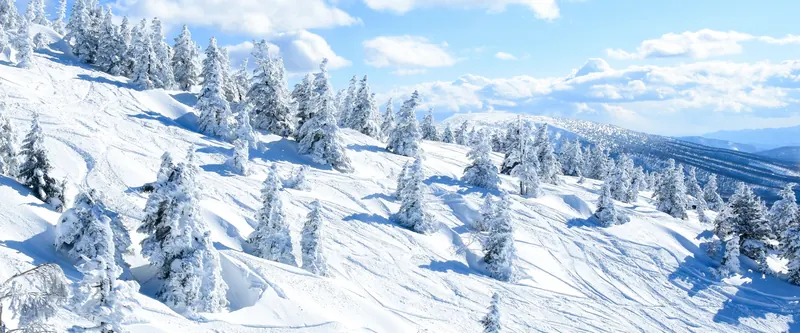
Aomori, Hakkoda, Sukayu Onsen, Sannai-Maruyama Site
Highs around 2°C; average maximum snow depth is 83 cm. Snow monster season in Hakkoda
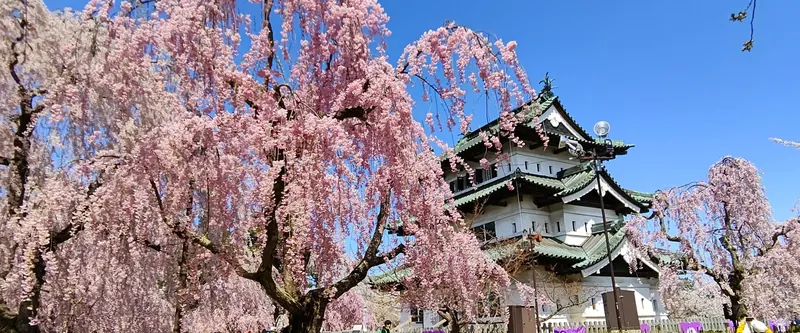
Hirosaki, Hirosaki Castle, Mt. Iwaki, Hirosaki Park
Mornings around -5°C. Lots of snow, with only around 44 hours of sunshine in the month
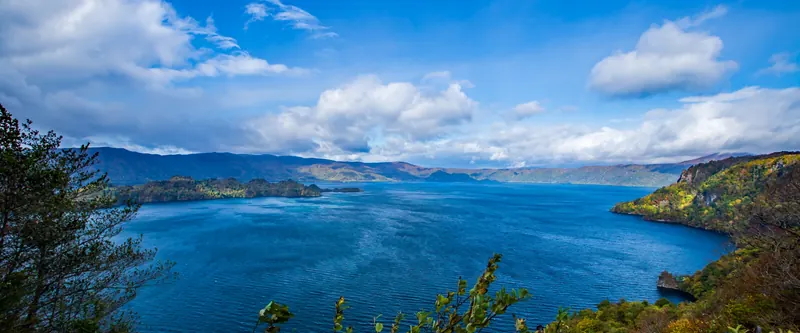
Oirase Stream, Lake Towada, Yasumiya, Yakeyama
Highs around -1°C at Yasumiya, mornings around -7°C. Bitterly cold, below freezing even in the daytime
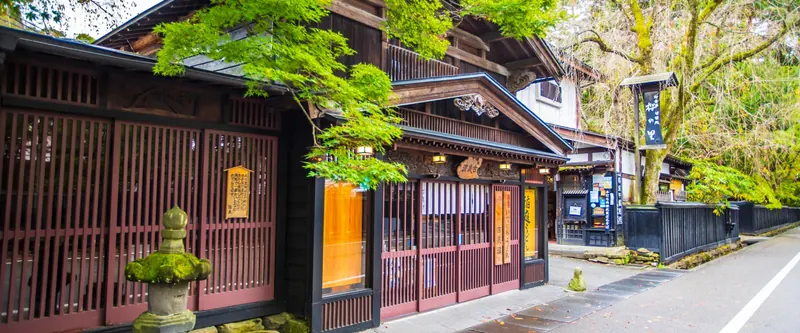
Kakunodate, Samurai District, Lake Tazawa, Nyuto Onsen
Average maximum snow depth is 81 cm. The season for the snow-covered samurai district and Nyuto Onsen
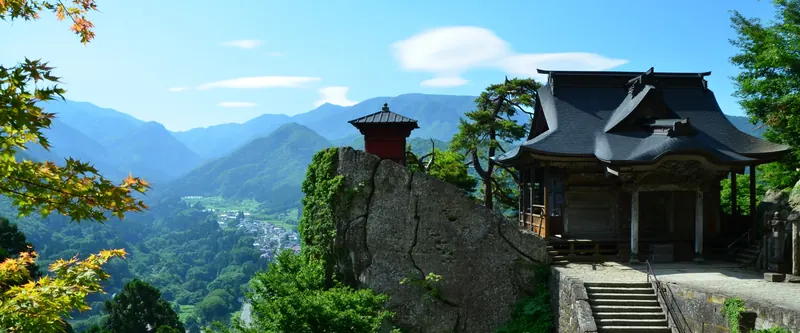
Yamagata, Zao, Yamadera, Zao Onsen
Yamagata's high is 3.3°C. The time when Zao's snow monsters grow
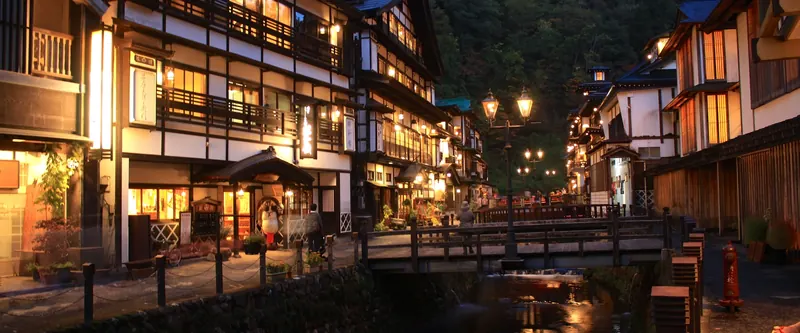
Ginzan Onsen, Obanazawa, Oishida
Obanazawa's average maximum snow depth is 129 cm. A snowy hot spring town lit by gas lamps
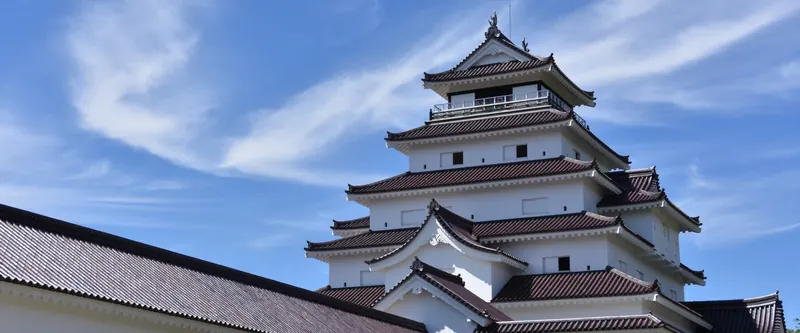
Aizu-Wakamatsu, Tsuruga Castle, Ouchi-juku, Higashiyama Onsen
Highs around 3°C, mornings around -3°C. Ouchi-juku is blanketed in snow
In snowy areas, icy roads get slippery. Choose winter boots with treaded soles and take small steps to stay safe.
In places like Aomori, Hirosaki, Kakunodate and Ginzan Onsen, sidewalks are covered with snow and ice. Wear non-slip shoes and allow plenty of time to get around.
January sunshine is around 149 hours in Sendai, compared with 48.5 hours in Aomori. Even when it's sunny in Sendai, it may keep snowing on the Sea of Japan side and inland, across the mountains.
Heavy snow and blizzards can delay or cancel trains and buses. Build some slack into your itinerary and check service information.
In winter, snow narrows the roads at Ginzan Onsen, and the shared parking lot in the hot spring town is closed. For day trips, use the parking lots and shuttle buses designated by Obanazawa City.
A ritual in which New Year decorations are burned in a bonfire to pray for good health through the year. You can also see the hadaka-mairi procession, in which participants dressed in white walk in silence while ringing bells.
Juhyo (snow monsters) form when Maries' firs are coated in snow and ice. You can see them by taking the Zao Ropeway. On certain days from late December to late February, they are also lit up at night.
Read the guide:Zao Snow Monsters Light-up →PRKlookGinzan Onsen & Zao Ropeway Snow Monsters Day Tour from SendaiA winter-only plan to see the snow monsters from the Zao Ropeway and stroll around Ginzan OnsenView on KlookPRKlookZao Snow Monsters, Ginzan Onsen & Fox Village Tour from SendaiA bus tour from Sendai with options including a Zao snow monster day plan (ropeway fare paid on site)View on KlookFrom the Hakkoda Ropeway, you can view the snow monsters as if taking a walk through the sky above them.
Dates change every year. Please check the official websites before you go.
On average, the high is 5.6°C and the low is -1.3°C. It's the coldest month of the year, with mornings dropping below freezing.
It varies greatly by area. Sendai's average maximum snow depth is 10 cm, but it's 83 cm in Aomori and 129 cm in Obanazawa (Ginzan Onsen), so the Sea of Japan side and inland areas get much more snow.
You'll need a warm winter coat such as a down jacket, plus gloves, a hat and a scarf. If you're heading to snowy areas, bring waterproof, non-slip boots.
Source: Japan Meteorological Agency (climate normals 1991-2020). Compiled by tripuuu.log. Temperatures are from a representative station in each area; actual weather varies from year to year.