
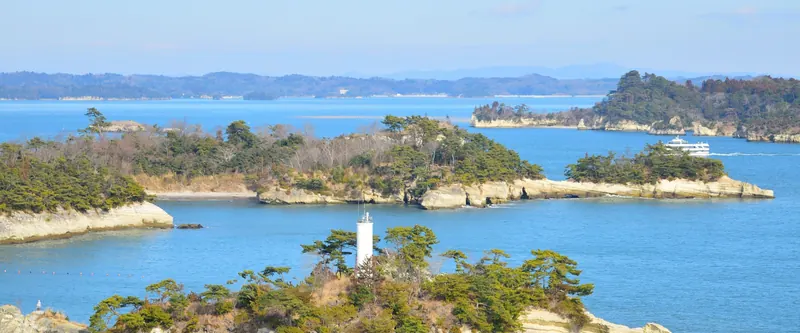
Sendai & Matsushima→
Station: SendaiSendai, Matsushima, Zuihoden, Akiu Onsen
High
26.6℃
Low
20.2℃
- Precip.
- 178.4mm
- Sunshine
- 126h
- Sunset
- 19:00
Highs around 27°C. Yamase winds can bring cool days
July in Tohoku moves from the second half of the rainy season into summer. The rainy season usually ends around July 24 in southern Tohoku and around July 28 in northern Tohoku. Until then there are lots of rainy days, and Kakunodate's precipitation of 273.6 mm makes it the wettest month of the year there. Sendai's high is 26.6°C, while inland Yamagata and Aizu reach around 29°C. Tohoku's summer festivals start at the end of the month.
Temperature, precipitation, snow and sunshine are climate normals (1991-2020). Sunset is for July 15.
Sendai, Matsushima, Zuihoden, Akiu Onsen
Highs around 27°C. Yamase winds can bring cool days
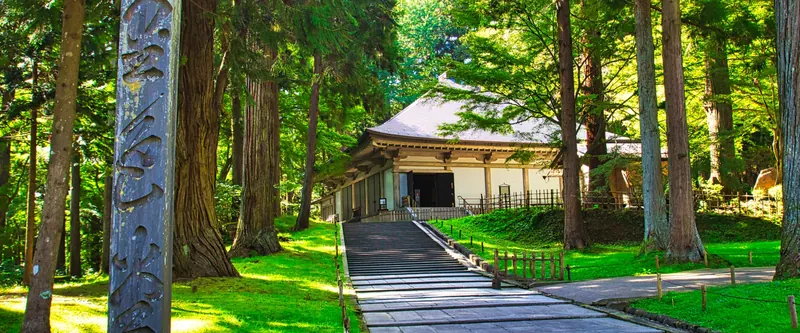
Hiraizumi, Chusonji, Motsuji, Geibikei Gorge
Highs around 28°C. The cedar-lined approach to Chusonji offers shade from the sun
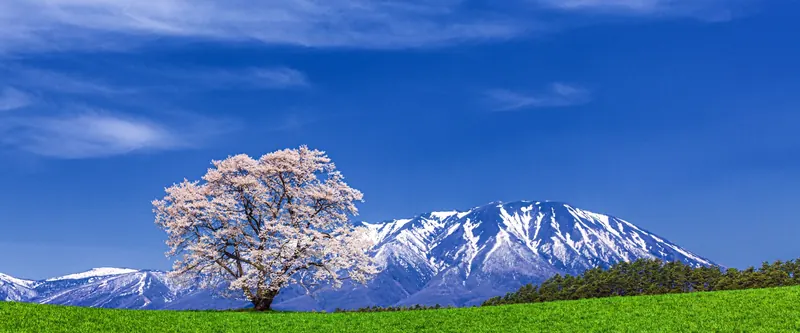
Morioka, Koiwai Farm, Mt. Iwate, Tsunagi Onsen
Highs around 27°C, mornings around 19°C. A rainy month
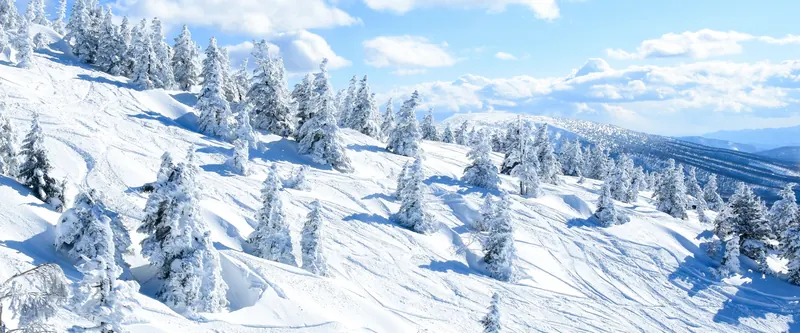
Aomori, Hakkoda, Sukayu Onsen, Sannai-Maruyama Site
Highs around 26°C. The city starts to buzz ahead of the Nebuta Matsuri in August
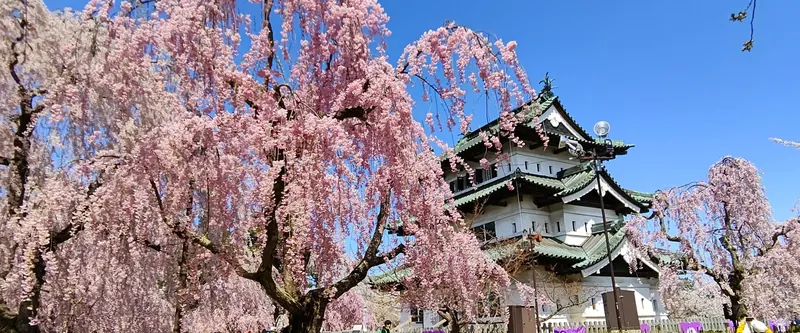
Hirosaki, Hirosaki Castle, Mt. Iwaki, Hirosaki Park
Highs around 27°C. Good for drives toward Mt. Iwaki and the Shirakami Mountains
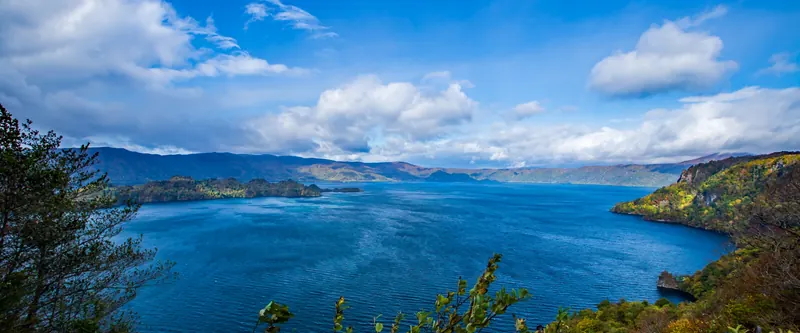
Oirase Stream, Lake Towada, Yasumiya, Yakeyama
Cool, with highs around 24°C. It rains a lot, so watch your footing
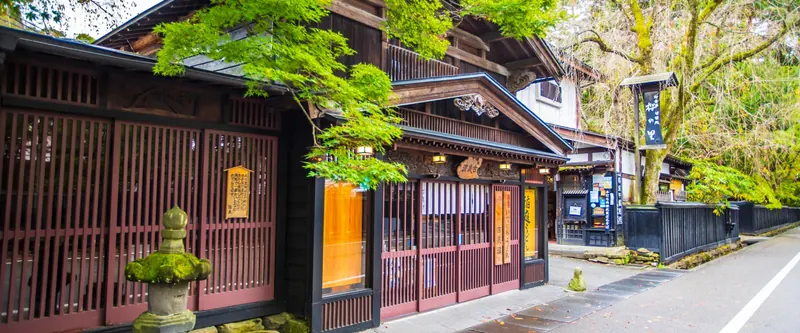
Kakunodate, Samurai District, Lake Tazawa, Nyuto Onsen
The rainiest month of the year. Lake Tazawa is lovely after the rainy season ends
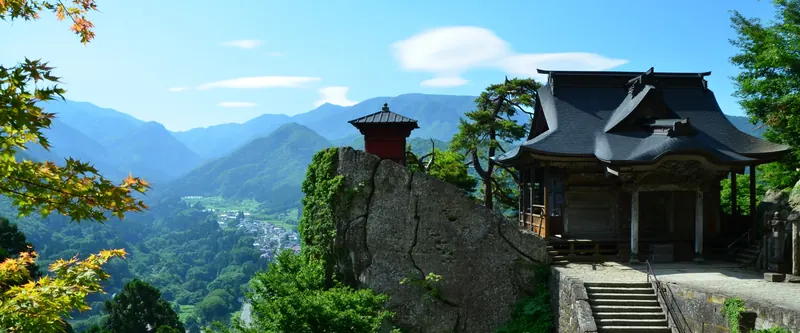
Yamagata, Zao, Yamadera, Zao Onsen
Highs around 29°C. Picking Benishuho cherries until early July
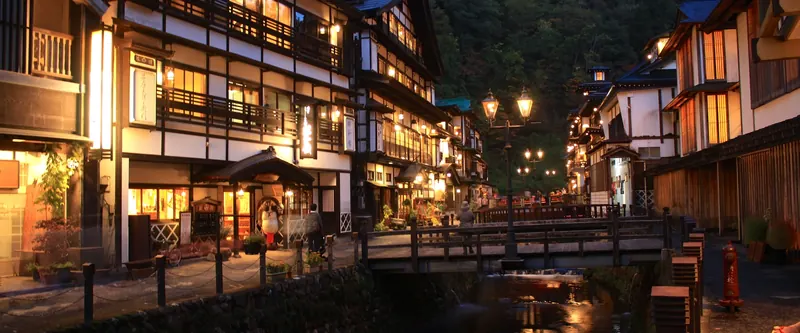
Ginzan Onsen, Obanazawa, Oishida
Highs around 27°C. Stroll the hot spring town as the gas lamps light up in the evening
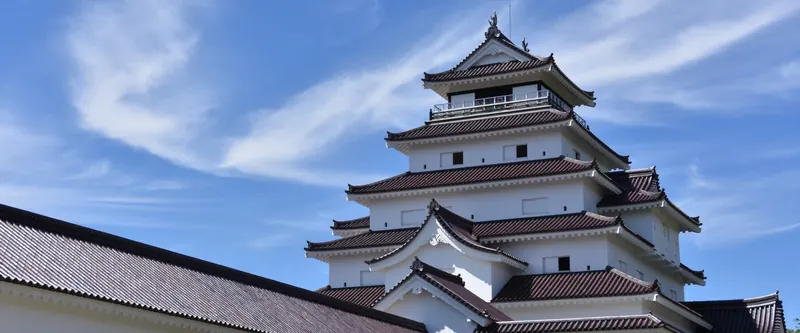
Aizu-Wakamatsu, Tsuruga Castle, Ouchi-juku, Higashiyama Onsen
Humid, with highs around 29°C. Take precautions against the heat at Tsuruga Castle during the day
At Lake Towada, mornings drop to 16.5°C, and high-elevation spots such as Zao's Okama crater lake are cooler still. Bring a long-sleeved layer.
Toward the end of the rainy season, there can be heavy rain. On days you head into the mountains or along streams, check the weather forecast and road information.
Yamagata and Aizu, west of the Ou Mountains, heat up easily, while Sendai on the Pacific side can have cool days thanks to yamase. Adjust your clothing for each destination.
During the summer festivals in early August in Aomori, Akita, Yamagata, Sendai and elsewhere, accommodation gets extremely busy. Booking in July will give you peace of mind.
After the rainy season ends, there are more hot, humid days inland. Drink water and take in salt frequently.
The season for Benishuho, a large and especially sweet variety. Cherry picking season lasts until early July.
An emerald-green crater lake. From the Yamagata side, you can drive up close to the summit of Mt. Katta via the Zao Echo Line and Zao High Line. On some days fog hides the lake, so check the weather before you go.
As soon as July ends, Tohoku's summer festivals begin. Sansa Odori is recognized by Guinness World Records for the world's largest simultaneous performance of Japanese taiko drums.
Read the guide:Morioka Sansa Odori →Dates change every year. Please check the official websites before you go.
On average, the high is 26.6°C and the low is 20.2°C. Before the rainy season ends, there are many cloudy and rainy days.
On average, around July 24 in southern Tohoku and around July 28 in northern Tohoku.
At Lake Towada (Yasumiya), the high is 23.6°C and the low is 16.5°C, so it's cooler than the cities.
Source: Japan Meteorological Agency (climate normals 1991-2020). Compiled by tripuuu.log. Temperatures are from a representative station in each area; actual weather varies from year to year.