
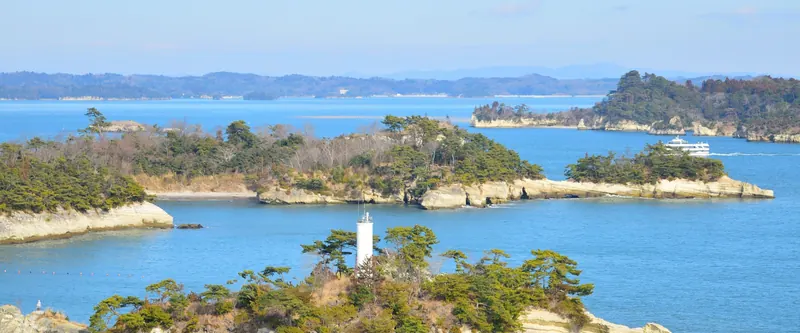
Sendai & Matsushima→
Station: SendaiSendai, Matsushima, Zuihoden, Akiu Onsen
High
10.0℃
Low
1.4℃
- Precip.
- 74.4mm
- Sunshine
- 179h
- Sunset
- 17:43
Highs of 10.0°C, mornings around 1°C. More sunny, spring-like days
March in Tohoku is the season of transition from winter to spring. Sendai's high is 10.0°C and mornings are around 1°C, with more and more days when the sunshine feels like spring. Still, there's plenty of snow: the average maximum snow depth is 114 cm in Obanazawa (Ginzan Onsen), 80 cm in Kakunodate and 70 cm in Aomori. At Sukayu in Hakkoda it averages 372 cm, so the mountains still look like midwinter. Go dressed for winter.
Temperature, precipitation, snow and sunshine are climate normals (1991-2020). Sunset is for March 15.
Sendai, Matsushima, Zuihoden, Akiu Onsen
Highs of 10.0°C, mornings around 1°C. More sunny, spring-like days
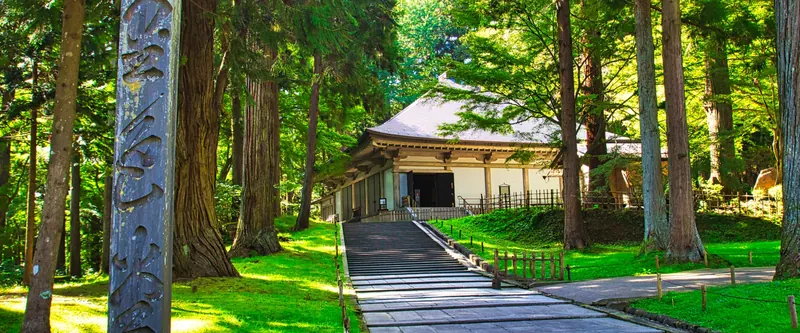
Hiraizumi, Chusonji, Motsuji, Geibikei Gorge
Highs of 9.5°C, mornings around -1°C. The snow gradually decreases
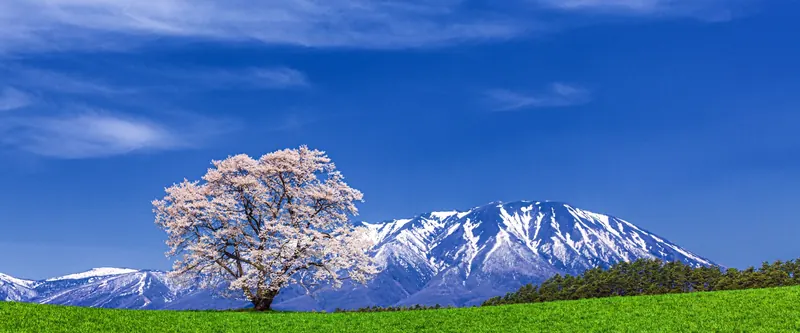
Morioka, Koiwai Farm, Mt. Iwate, Tsunagi Onsen
Highs of 7.5°C, mornings around -2°C. Average maximum snow depth is 21 cm
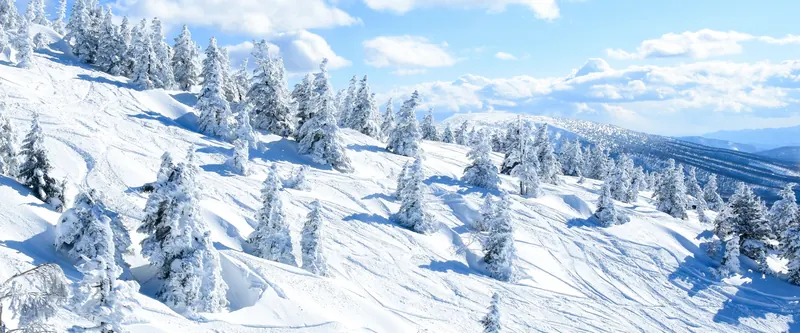
Aomori, Hakkoda, Sukayu Onsen, Sannai-Maruyama Site
Average maximum snow depth is 70 cm. Sukayu in Hakkoda still has an average of 372 cm of snow
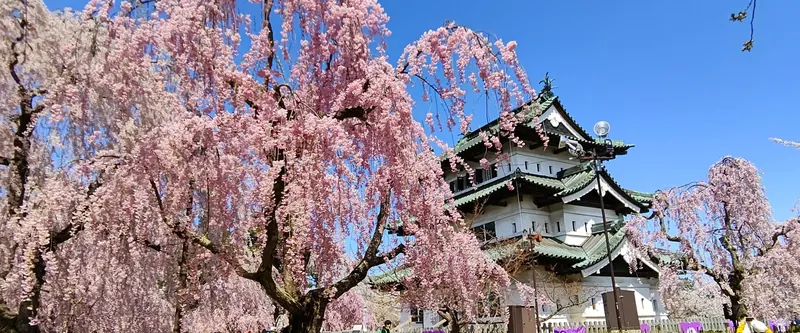
Hirosaki, Hirosaki Castle, Mt. Iwaki, Hirosaki Park
Highs around 7°C, mornings around -2°C. Lots of snow still remains
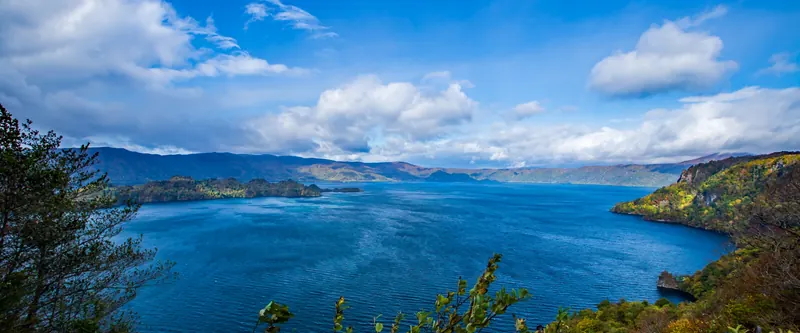
Oirase Stream, Lake Towada, Yasumiya, Yakeyama
Highs around 3°C at Yasumiya, mornings around -4°C. Still winter-cold
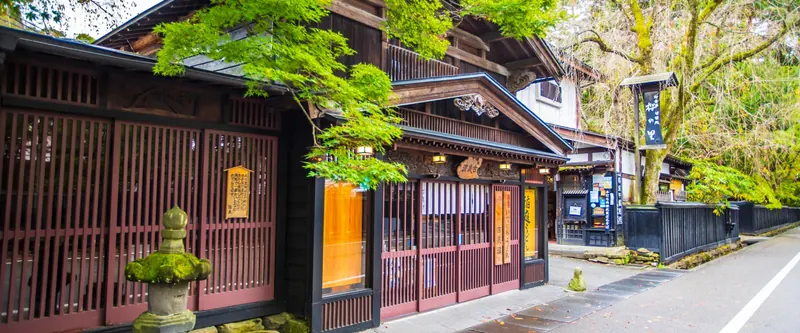
Kakunodate, Samurai District, Lake Tazawa, Nyuto Onsen
Average maximum snow depth is 80 cm. The samurai district is still under snow
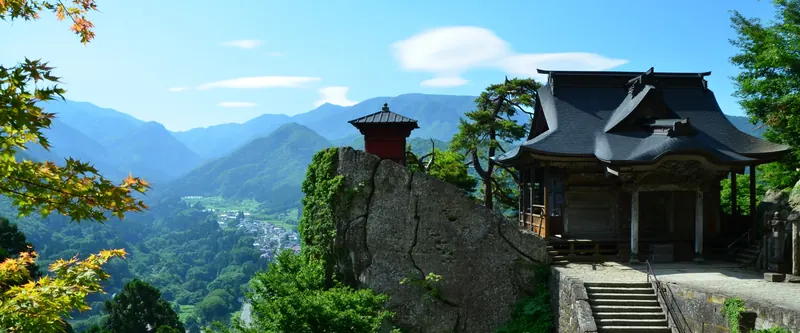
Yamagata, Zao, Yamadera, Zao Onsen
Yamagata's high is 9.1°C. The time when Zao's snow monsters shrink
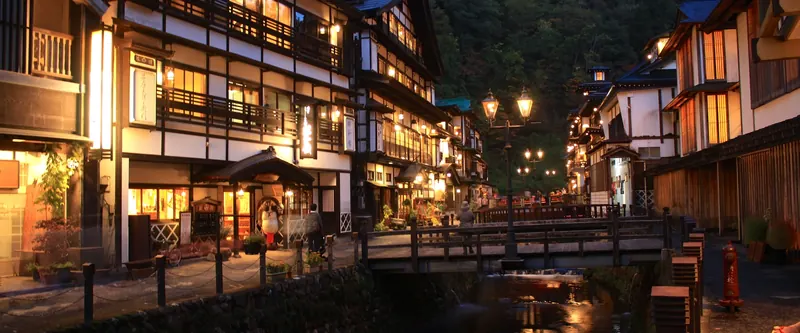
Ginzan Onsen, Obanazawa, Oishida
Obanazawa's average maximum snow depth is 114 cm. You can still enjoy the snowy hot spring town
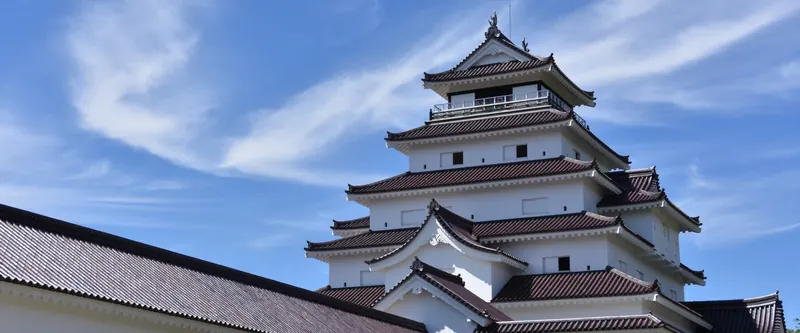
Aizu-Wakamatsu, Tsuruga Castle, Ouchi-juku, Higashiyama Onsen
Highs of 8.9°C. The snow melts steadily toward the end of the month
On the Pacific side, including Sendai, days gradually get warmer, but mornings and evenings are cold. On days you head to the Sea of Japan side or into the mountains, it's safest to wear the same gear as in midwinter.
Even when spring is in the air in Sendai, lots of snow still remains in Aomori, Hirosaki, Kakunodate and Ginzan Onsen. Adjust your clothing for each destination.
Snow melts during the day and freezes again in the morning and evening. Waterproof, non-slip shoes make walking easier.
In March, Zao's snow monsters shrink with rising temperatures and rain, and eventually collapse. If you want to see big ones, go by February.
Spring break begins late in the month, and hot spring resorts and tourist spots start to get crowded. Book accommodation early.
As temperatures rise, the snow monsters gradually shrink. It's the last chance to see this remnant of winter.
Obanazawa's average maximum snow depth is still 114 cm in March. You can still enjoy the hot spring town with its snow and gas lamps.
Dates change every year. Please check the official websites before you go.
On average, the high is 10.0°C and the low is 1.4°C. Days start to feel like spring, but mornings and evenings are cold.
Lots of it remains on the Sea of Japan side and inland. Average maximum snow depth is 114 cm in Obanazawa, 80 cm in Kakunodate and 70 cm in Aomori. Sendai's is 6 cm, and there's hardly any snow in the city.
You'll still need a winter coat. If you're heading to snowy areas, bring gloves and waterproof, non-slip shoes too.
Source: Japan Meteorological Agency (climate normals 1991-2020). Compiled by tripuuu.log. Temperatures are from a representative station in each area; actual weather varies from year to year.