
 January–February
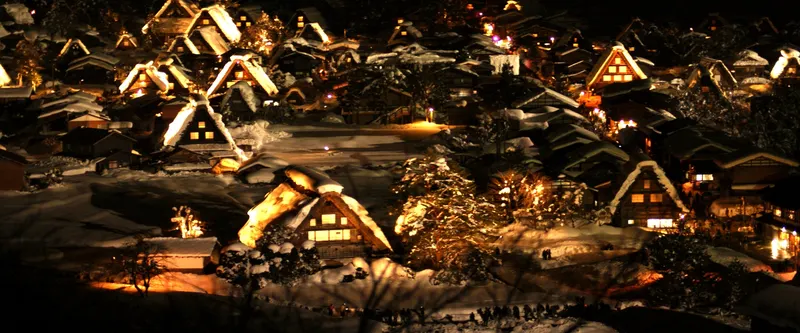
Shirakawa-go Winter Light-up
Chubu & Hokuriku ・ Shirakawa-go
Usually a few days in January–February (fully reservation-only)
2027 (41st): 4 days, Jan 11 (Mon, holiday), Jan 17 (Sun), Jan 24 (Sun) & Jan 31 (Sun)
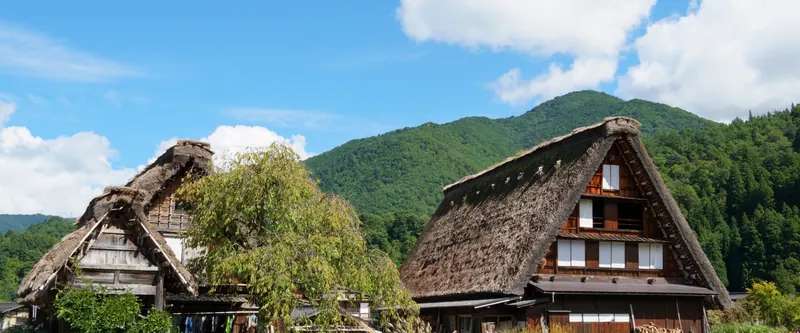
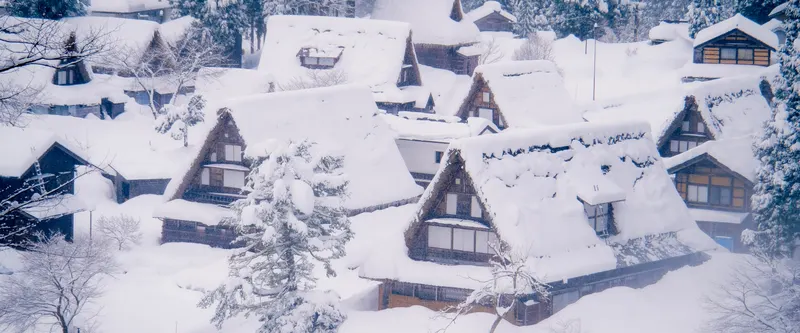
Ainokura in Nanto, Toyama, is one of Gokayama’s gassho-zukuri (thatched farmhouse) villages, inscribed as a World Heritage Site together with Shirakawa-go. The village keeps 20 gassho-zukuri houses, and in winter their thatched roofs stand in a pure white snowy landscape.
 PRKlookShirakawa-go & Gokayama / Hida-Takayama Bus Tour from KanazawaDeparts from Kanazawa Station. A day bus tour with a selectable course visiting the gassho-zukuri villages of Shirakawa-go and Gokayama (check the product page for which Gokayama village is visited)View on KlookPRKlookShirakawa-go, Gokayama & Inami Day Tour from KanazawaDeparts from Kanazawa Station. A guided tour visiting the woodcarving town of Inami, washi papermaking in Gokayama, and Shirakawa-goView on Klook
Snowfall varies greatly with each year’s weather. Check the official website for the latest snow and road information
Seasons are typical guides. Snow, ice and drift ice depend heavily on each year’s weather.
January brings fresh snow, and in February the snow reaches about 100–200 cm deep, so you can see gassho-zukuri houses that look almost buried in snow. The village is smaller than Shirakawa-go, and its charm is the quiet atmosphere of a mountain hamlet. On selected days in winter, the village is also illuminated.
Walk among snow-covered gassho-zukuri houses and see them up close
In 2026, held February 21 and 22 from dusk until 20:00. On illumination days, you walk about 400 m from the parking lot to the village
Medium bus ¥3,000, large bus ¥5,000, motorcycle ¥300
Prices may change. Check the official website before you go.
 PR8.8
 PR8.1
 PR9.7
Prices and availability are shown on Agoda.
January–FebruaryChubu & Hokuriku ・ Shirakawa-go
Usually a few days in January–February (fully reservation-only)
2027 (41st): 4 days, Jan 11 (Mon, holiday), Jan 17 (Sun), Jan 24 (Sun) & Jan 31 (Sun)
 Mountain & highland
 Mountain & highland
 Park & nature
Chubu & Hokuriku ・ Nagano / Yudanaka-Shibu Onsen
❄ Best season: Mid Dec – Late Feb
 Park & nature
Chubu & Hokuriku ・ Kanazawa
❄ Best season: Mid Dec – Late Feb
 Mountain & highland
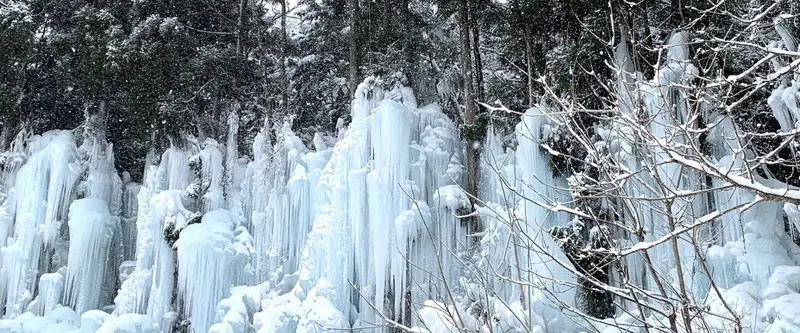 Frozen waterfall & icicles
Chubu & Hokuriku ・ Okuhida, Gifu
❄ Best season: Late Dec – Late Feb
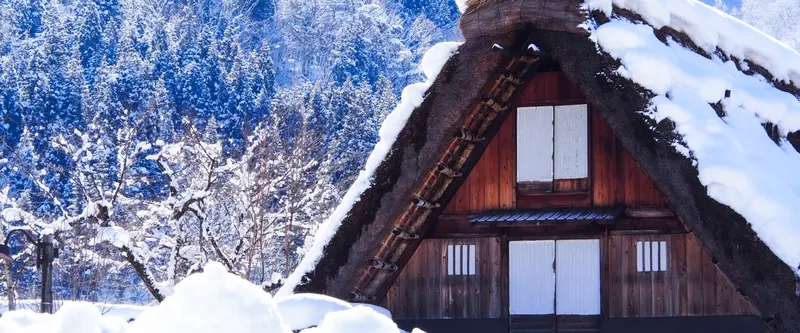 Snowy village
Chubu & Hokuriku ・ Shirakawa-go
❄ Best season: Late Dec – Early Mar
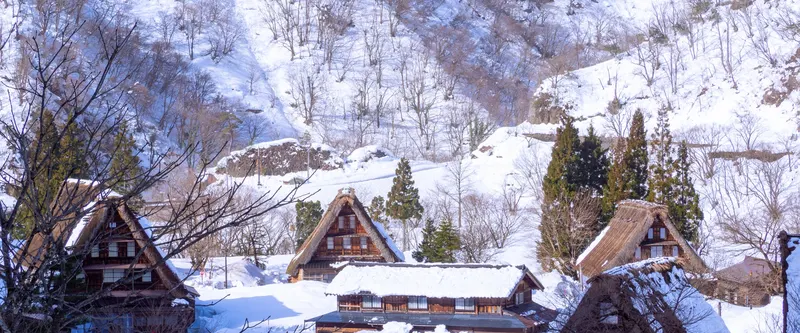 Snowy village
Chubu & Hokuriku ・ Gokayama, Toyama
❄ Best season: Early Jan – Late Feb
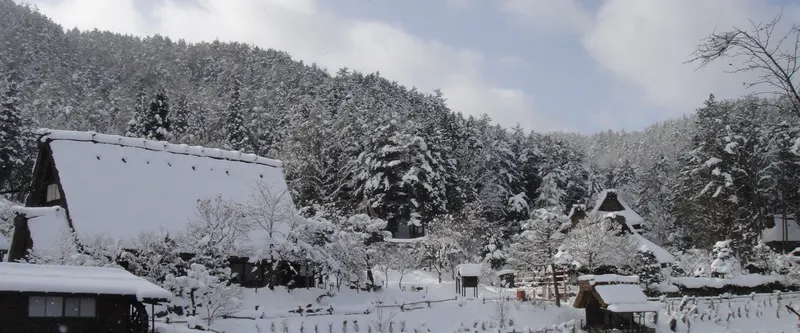 Snowy village
Chubu & Hokuriku ・ Takayama
❄ Best season: Mid Jan – Late Feb
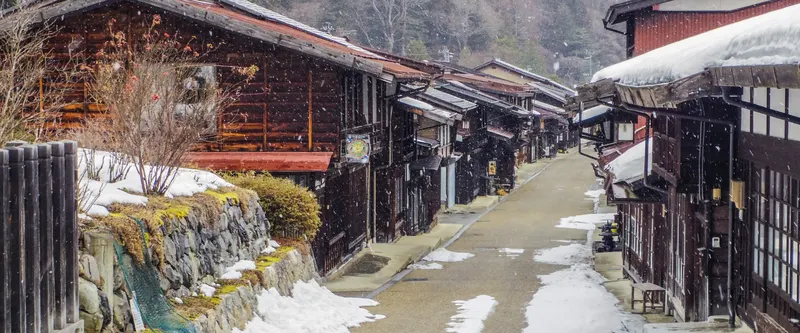 Old town
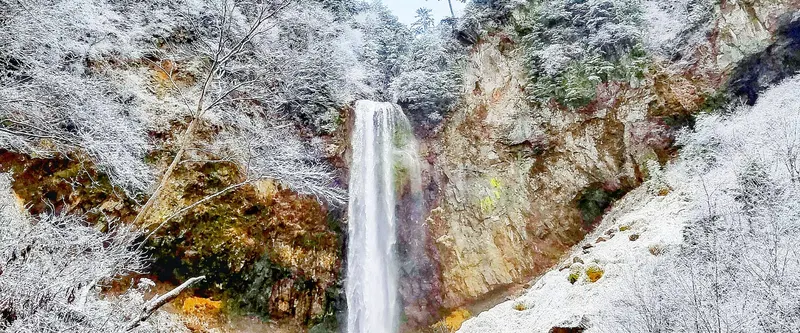 Frozen waterfall & icicles
Seasons, hours, prices and access are based on official sources such as the spot’s own website, local governments and tourism associations. Winter weather often causes suspensions and road closures, so check the official website before you go.
Last checked: 2026-10-06