
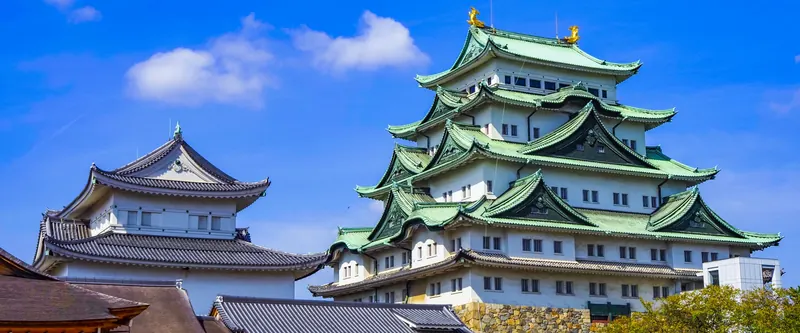
Nagoya→
Station: NagoyaNagoya, Nagoya Castle, Atsuta Jingu, Inuyama
High
33.2℃
Low
24.7℃
- Precip.
- 139.5mm
- Sunshine
- 201h
- Sunset
- 18:43
Highs around 33°C, mornings around 25°C. Focus sightseeing on indoor attractions and mornings and evenings
August is the hottest month of the year in Chubu & Hokuriku. Nagoya's high is 33.2°C, nights only drop to around 25°C, and days over 35°C are not unusual. Kanazawa and Toyama on the Sea of Japan side also get hot, with highs around 31°C. To escape the heat, head to Hakuba, with highs around 28°C, or to high-altitude mountain areas like Kamikochi and Tateyama. The Gero Onsen Festival runs August 1–4, and Matsumoto Bonbon is on the first Saturday. Transport gets crowded around Obon, and typhoons sometimes approach.
Temperature, precipitation, snow and sunshine are climate normals (1991-2020). Sunset is for August 15.
Nagoya, Nagoya Castle, Atsuta Jingu, Inuyama
Highs around 33°C, mornings around 25°C. Focus sightseeing on indoor attractions and mornings and evenings
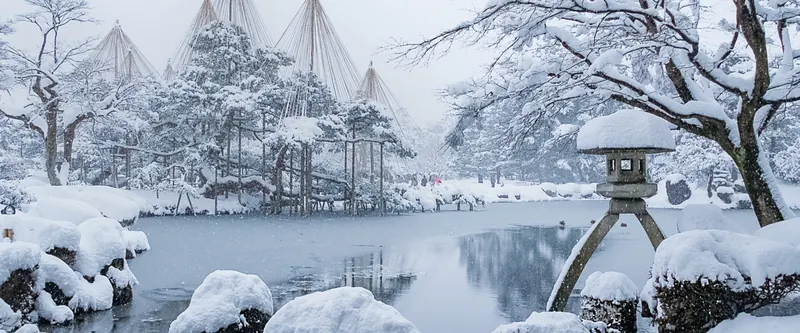
Kanazawa, Kenrokuen, Higashi Chaya District, 21st Century Museum
Highs around 31°C. Mix in indoor sights like the 21st Century Museum
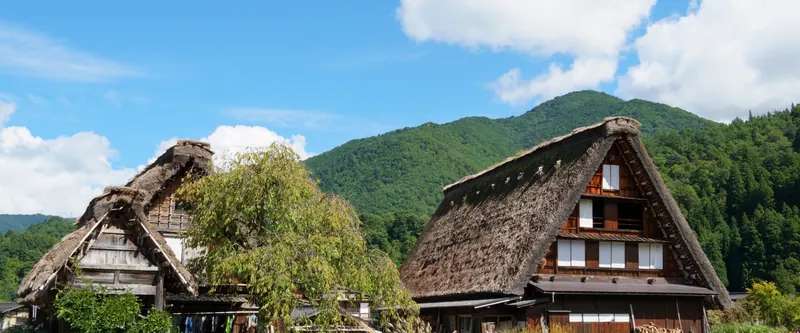
Shirakawa-go, Gassho-zukuri Farmhouses, Ogimachi Observatory, Gokayama
Highs around 30°C, mornings around 19°C. Protect yourself from the sun when strolling the village in the daytime
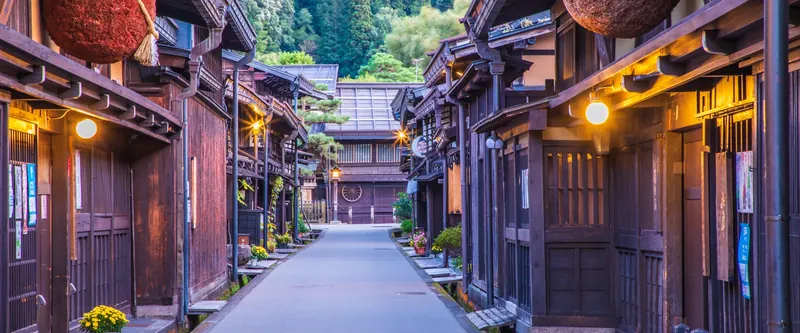
Takayama, Sanmachi, Miyagawa Morning Market, Okuhida Onsen
Highs around 31°C, mornings around 20°C. Visit the morning markets while it's still cool
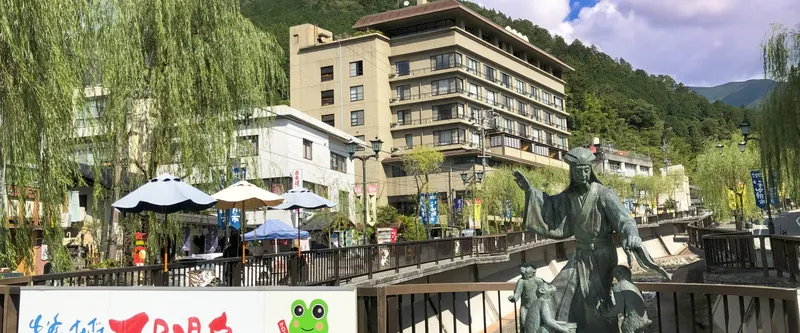
Gero Onsen, Hida River, Gassho Village
Highs around 31°C. Fireworks light up the Gero Onsen Festival on August 1–4
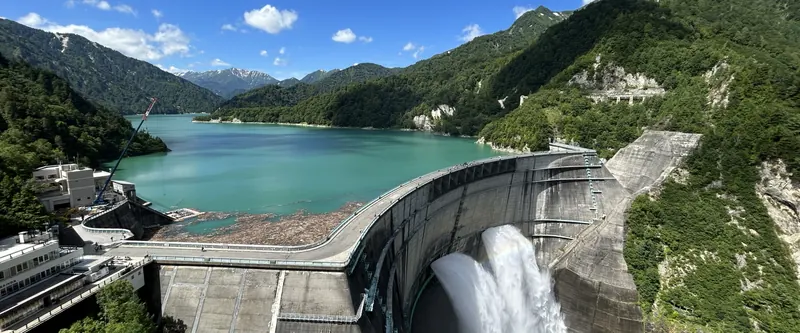
Toyama, Tateyama Kurobe Alpine Route, Kurobe Dam, Unazuki Onsen
Highs around 31°C in Toyama City. Murodo, at 2,450 m, is much cooler than the city
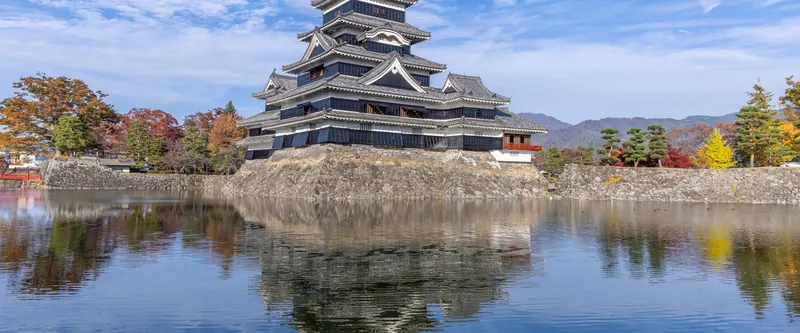
Matsumoto, Matsumoto Castle, Kamikochi, Norikura Highlands
Highs around 31°C in Matsumoto. Matsumoto Bonbon on the first Saturday. Kamikochi is crowded around Obon
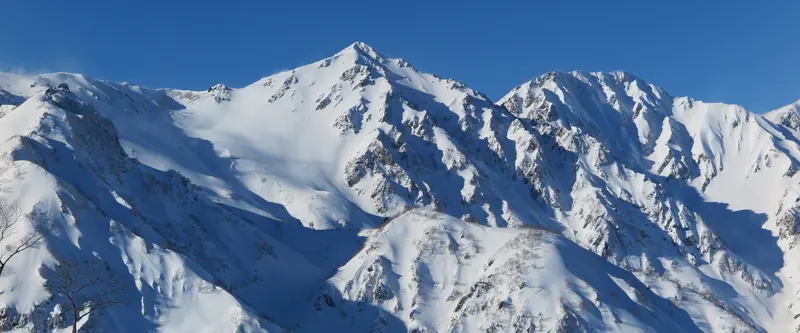
Hakuba, Happo-one, Tsugaike Kogen, Hakuba Goryu
Highs around 28°C. A summer retreat where you can enjoy the cool highland air
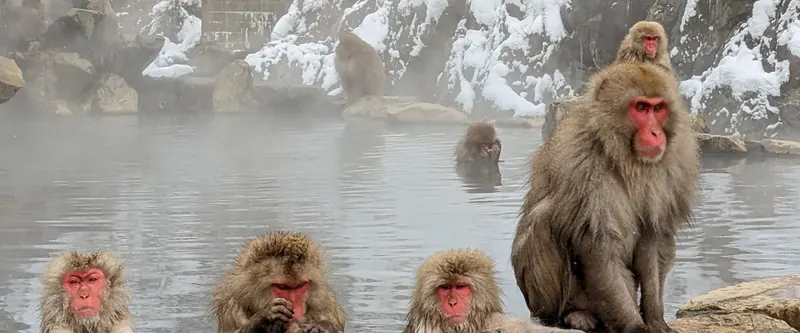
Nagano, Zenkoji, Jigokudani Monkey Park, Shibu Onsen, Shiga Kogen
Highs around 31°C. Shiga Kogen is cooler than the city; combine it with Yudanaka and Shibu Onsen
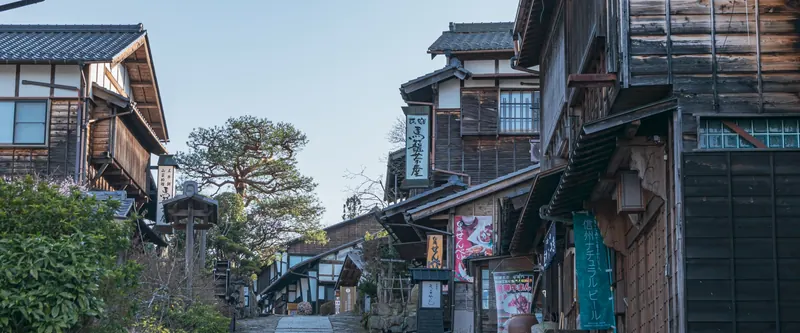
Tsumago-juku, Magome-juku, Narai-juku
Highs around 30°C. Walk the post towns in the cooler mornings and evenings
You'll sweat, so carrying a change of clothes keeps you comfortable. Kamikochi and Murodo on Tateyama are much cooler than the cities even in midsummer, so bring a long-sleeved jacket and rainwear.
Nagoya's high is 33.2°C, and even mornings are around 25°C. We recommend planning outdoor sightseeing for the mornings and evenings, and spending the daytime indoors at museums or hot springs.
Around Obon, the shinkansen and expressways are crowded, and so is Kamikochi. Book accommodation and transport early.
When a typhoon approaches, trains and mountain routes may be suspended. In the mountains, also watch out for afternoon thunderstorms, and check weather information often.
Summer festivals like the Gero Onsen Festival and Matsumoto Bonbon are held across the region. Strolling a hot spring town in a yukata is a pleasure unique to this season.
Gero Onsen's biggest summer festival, held over four days with the Ryujin Fire Festival, Gero Odori dancing, a fireworks musical and more.
Read the guide:Gero Onsen Matsuri →PRKlookGero Onsen Day Tour from TakayamaA day tour with a stroll through the onsen town, Gero Onsen Gassho Village, the Hot Spring Museum and a soak in the bathsView on KlookPRKlookTakayama, Shirakawa-go & Gero Onsen Private Custom Tour from NagoyaAn approx. 10-hour private car tour with Nagoya hotel pickup and your choice of destinationsView on KlookA Matsumoto summer tradition in which huge numbers of dancers dance to the Matsumoto Bonbon song through the city center, from the east side of Matsumoto Station to Matsumoto Castle.
Read the guide:Matsumoto Bonbon →PRKlookMatsumoto Castle and Castle Town Half-Day Guided Walking TourAbout 3 hours from Matsumoto Station, visiting Matsumoto Castle, Nawate-dori and Nakamachi-dori with an English-speaking guideView on KlookPRKlookMatsumoto Castle & Kamikochi One-Day Custom TourA private tour from Tokyo or Nagano with an English-speaking driver to Matsumoto Castle and KamikochiView on KlookA popular summer holiday spot. The discharge may be canceled depending on the weather and other conditions.
Dates change every year. Please check the official websites before you go.
On average, the high is 33.2°C and the low is 24.7°C. It's the hottest month of the year, and you must watch out for heatstroke.
Among places with observation stations, Hakuba is relatively cool with a high of 28.4°C. Mountain areas such as Kamikochi and Murodo on Tateyama are cooler still.
It's held every year on August 1–4. The fireworks musical takes place on the third day.
Back to the Chubu & Hokuriku Weather Guide (all months & areas) →
Source: Japan Meteorological Agency (climate normals 1991-2020). Compiled by tripuuu.log. Temperatures are from a representative station in each area; actual weather varies from year to year.