
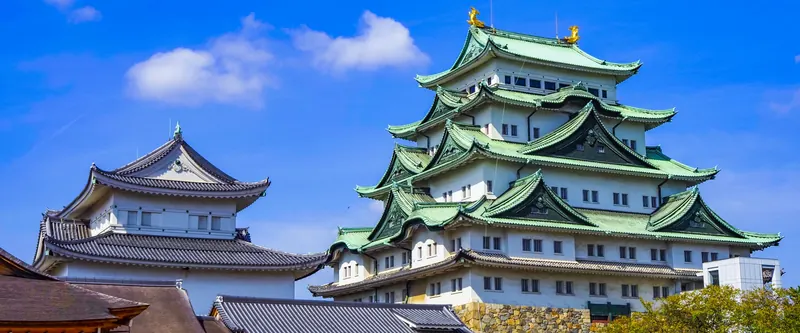
Nagoya→
Station: NagoyaNagoya, Nagoya Castle, Atsuta Jingu, Inuyama
High
9.3℃
Low
1.1℃
- Precip.
- 50.8mm
- Sunshine
- 175h
- Sunset
- 17:02
Highs around 9°C, mornings around 1°C. Lots of sunny, dry days
January is the coldest month of the year in Chubu & Hokuriku. Nagoya's high is 9.3°C and mornings drop to around 1°C. Nagoya on the Pacific side gets lots of sunny, dry days, while Kanazawa on the Sea of Japan side and Shirakawa-go, Takayama and Hakuba in the mountains are in snow season. Shirakawa-go's high is around 3°C with mornings around -4°C, and its gassho-zukuri village is wrapped in deep snow. Enjoy sights you can only see in winter, like the Shirakawa-go illumination in the snow and the monkeys bathing in the hot spring at Jigokudani.
Temperature, precipitation, snow and sunshine are climate normals (1991-2020). Sunset is for January 15.
Nagoya, Nagoya Castle, Atsuta Jingu, Inuyama
Highs around 9°C, mornings around 1°C. Lots of sunny, dry days
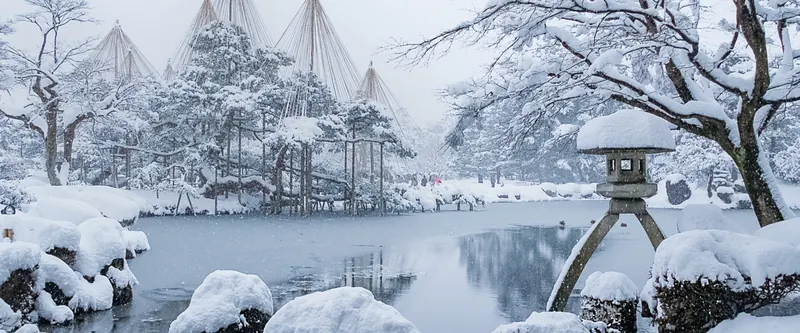
Kanazawa, Kenrokuen, Higashi Chaya District, 21st Century Museum
Highs around 7°C. Many snowy or rainy days; Kenrokuen's yukitsuri snow ropes are at their best
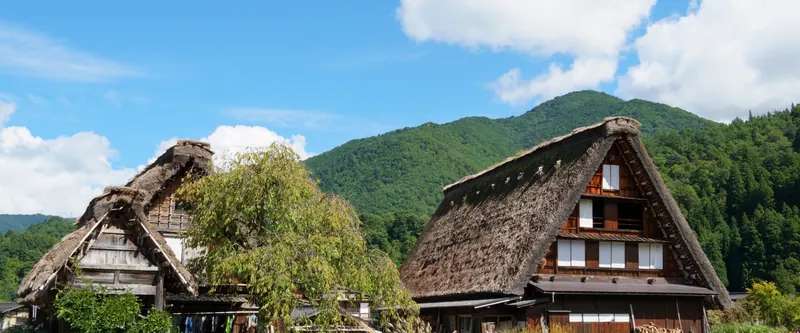
Shirakawa-go, Gassho-zukuri Farmhouses, Ogimachi Observatory, Gokayama
Highs around 3°C, mornings around -4°C. The gassho-zukuri village sits in deep snow
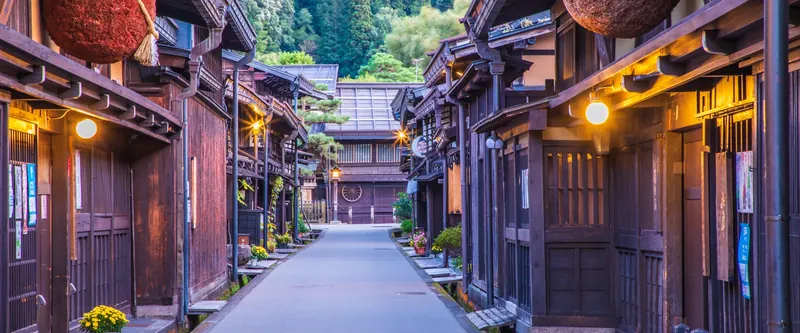
Takayama, Sanmachi, Miyagawa Morning Market, Okuhida Onsen
Mornings drop to around -5°C. Sanmachi looks beautiful under snow
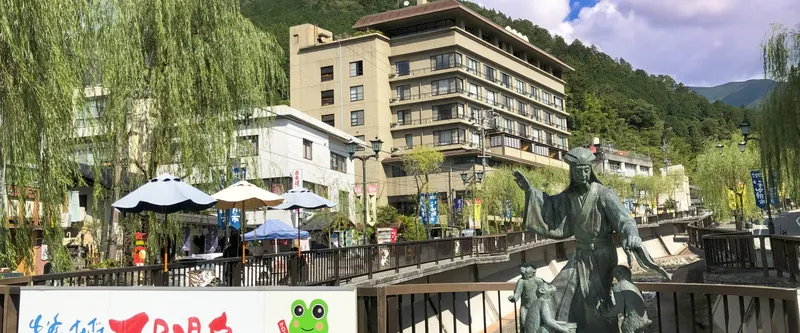
Gero Onsen, Hida River, Gassho Village
Mornings around -3°C. Enjoy winter fireworks every Saturday and the hot springs
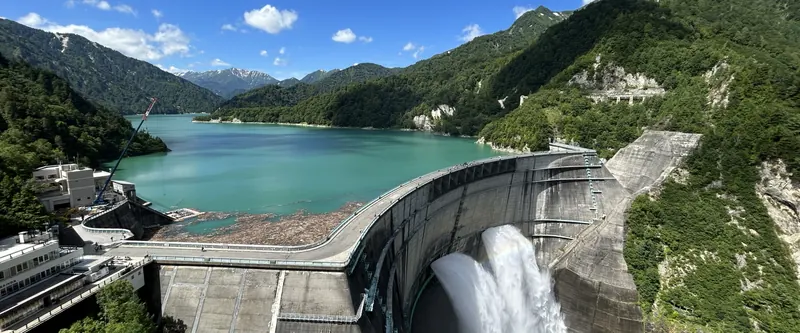
Toyama, Tateyama Kurobe Alpine Route, Kurobe Dam, Unazuki Onsen
Highs around 6°C. Many snowy days. The Alpine Route is closed for winter
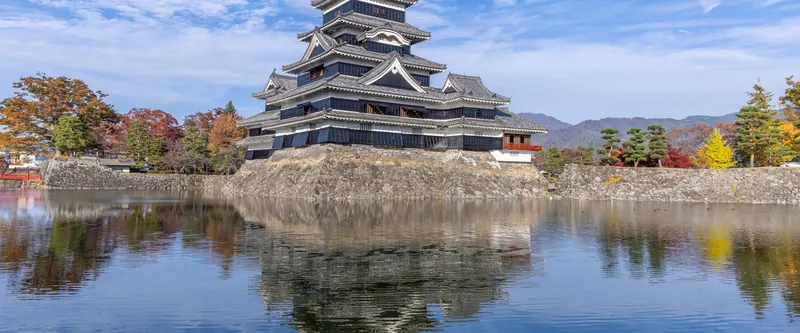
Matsumoto, Matsumoto Castle, Kamikochi, Norikura Highlands
Lots of sunny days, but mornings around -5°C. Kamikochi is closed for winter
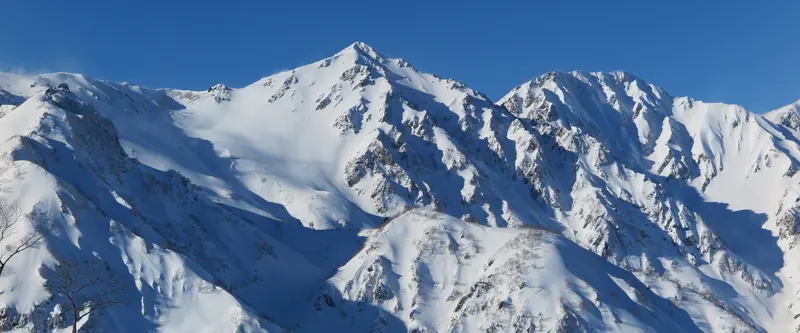
Hakuba, Happo-one, Tsugaike Kogen, Hakuba Goryu
Highs around 1°C, mornings around -7°C. Peak ski season
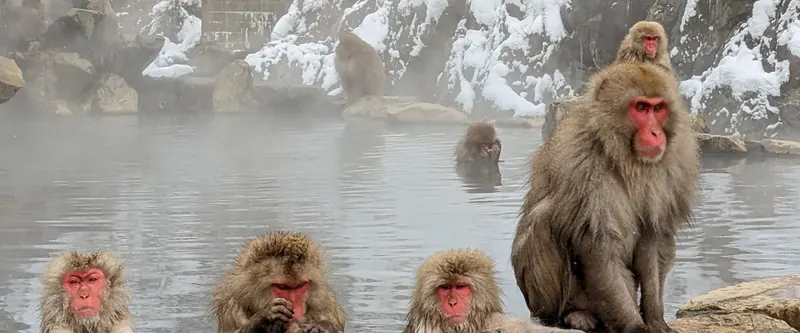
Nagano, Zenkoji, Jigokudani Monkey Park, Shibu Onsen, Shiga Kogen
Mornings around -4°C. See monkeys bathing in the hot spring at Jigokudani Monkey Park
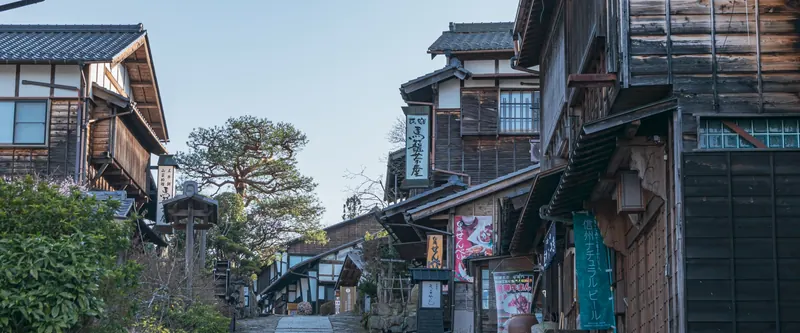
Tsumago-juku, Magome-juku, Narai-juku
Highs around 5°C. Mornings drop below freezing; watch for ice on the post towns' stone paving
Snow settles and roads freeze in places like Shirakawa-go, Takayama and Hakuba. Waterproof boots with treaded soles or slip-on traction cleats for your shoes will keep you steady.
In Kanazawa, Shirakawa-go, Takayama, Nagano and elsewhere, you may have to walk on packed, frozen snow. Choose shoes with non-slip soles and walk slowly.
Outside Nagoya, in the mountains and on the Sea of Japan side, you'll be driving on snowy and icy roads. Book a car with winter tires, and if you're not used to driving in snow, we recommend taking buses or trains instead.
On days of heavy snow, buses may be canceled, expressways closed and trains delayed. Leave plenty of slack in your plans on travel days.
The Tateyama Kurobe Alpine Route is closed for winter, and so is Kamikochi. Both reopen in spring.
The snow-covered gassho-zukuri village is lit up at night. Reservations are required, and the dates change from year to year, so check the official information.
Read the guide:Shirakawa-go Winter Light-up →PRKlook2027 Shirakawa-go Winter Light-up & Hida Takayama Small-Group Tour (from Nagoya)Stroll Takayama’s old town, then see the Shirakawa-go light-up at night. Runs on January 11, 17, 24 and 31, 2027View on KlookPRKlookShirakawa-go Light-up Small-Group Tour from NagoyaA day tour visiting Takayama Jinya, the Miyagawa Morning Market and Hie Shrine, then the Shirakawa-go light-upView on KlookYou can watch wild Japanese macaques bathing in the hot spring. In the coldest months of January and February, the area is covered in more than 1 m of snow.
Fireworks light up the winter night sky for about 10 minutes from the banks of the Hida River. Easy to enjoy from the hot spring town.
Dates change every year. Please check the official websites before you go.
On average, the high is 9.3°C and the low is 1.1°C. It's the coldest month of the year, with lots of sunny, dry days.
The average maximum snow depth is 148 cm, and the village is wrapped in deep snow. Highs are around 3°C, with mornings dropping to around -4°C.
You'll need a winter coat such as a down jacket, plus gloves and a knit hat. If you're heading to Kanazawa, Shirakawa-go, Takayama or Hakuba, bring non-slip waterproof shoes.
Back to the Chubu & Hokuriku Weather Guide (all months & areas) →
Source: Japan Meteorological Agency (climate normals 1991-2020). Compiled by tripuuu.log. Temperatures are from a representative station in each area; actual weather varies from year to year.