
Nagoya→
Station: NagoyaNagoya, Nagoya Castle, Atsuta Jingu, Inuyama
High
14.5℃
Low
4.6℃
- Precip.
- 116.2mm
- Sunshine
- 200h
- Sunset
- 17:59
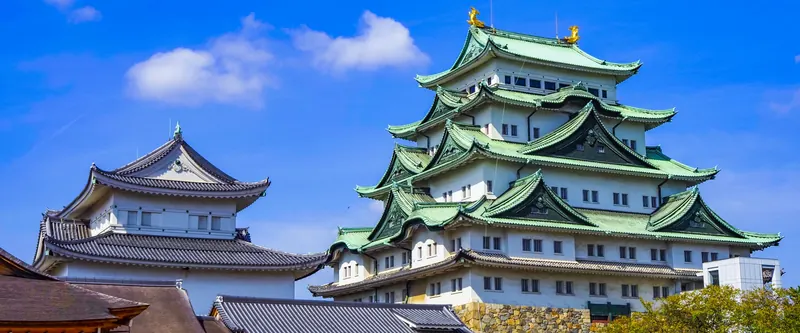
Highs of 14.5°C. Cherry blossoms start to open at Nagoya Castle and elsewhere late in the month
March in Chubu & Hokuriku is the season of change from winter to spring. Nagoya's high is 14.5°C and mornings are around 5°C. Late in the month, cherry blossoms start to open at Nagoya Castle and elsewhere. In the mountains, though, the snowy scenery continues, with average maximum snow depths of 125 cm in Shirakawa-go and 70 cm in Hakuba. Mornings in Takayama and Nagano also drop close to freezing, so it's important to dress for your destination.
Temperature, precipitation, snow and sunshine are climate normals (1991-2020). Sunset is for March 15.
Nagoya, Nagoya Castle, Atsuta Jingu, Inuyama
Highs of 14.5°C. Cherry blossoms start to open at Nagoya Castle and elsewhere late in the month
Kanazawa, Kenrokuen, Higashi Chaya District, 21st Century Museum
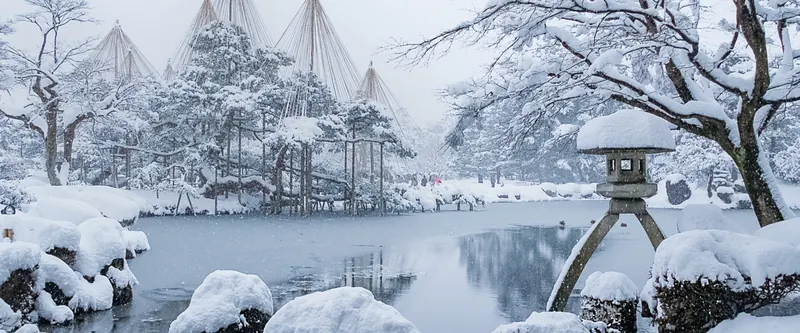
Highs around 12°C. Kenrokuen's yukitsuri snow ropes stay up until around mid-month
Shirakawa-go, Gassho-zukuri Farmhouses, Ogimachi Observatory, Gokayama
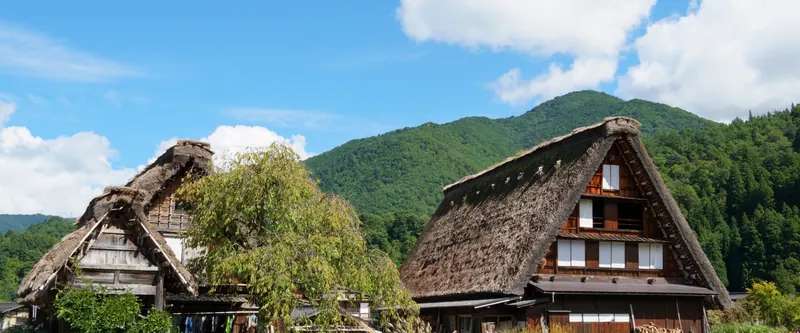
Highs around 8°C, mornings around -2°C. Snow still lingers in the village
Takayama, Sanmachi, Miyagawa Morning Market, Okuhida Onsen
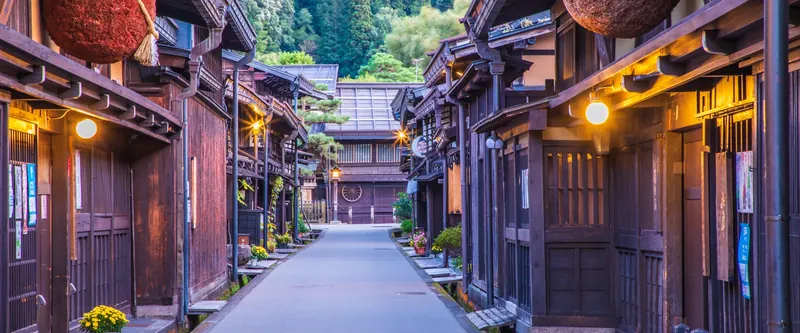
Highs around 10°C, mornings around -2°C. Dress for winter
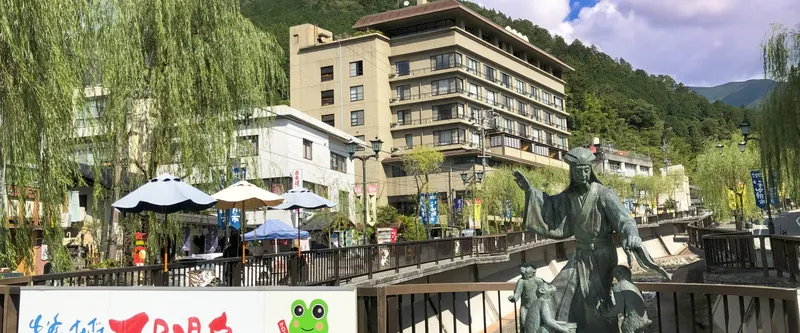
Gero Onsen, Hida River, Gassho Village
Highs around 11°C. The Saturday night winter fireworks run through March
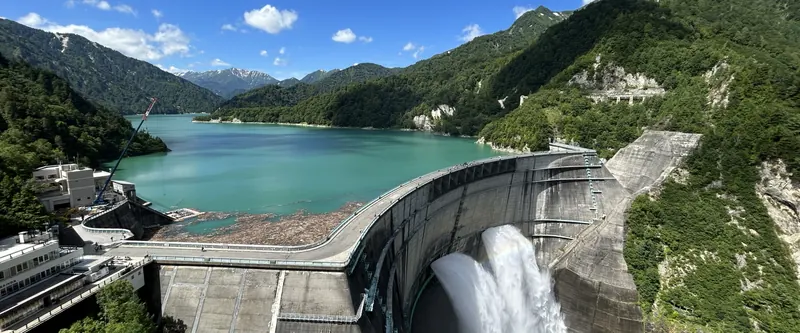
Toyama, Tateyama Kurobe Alpine Route, Kurobe Dam, Unazuki Onsen
Highs around 12°C. The Alpine Route is getting ready to open in April
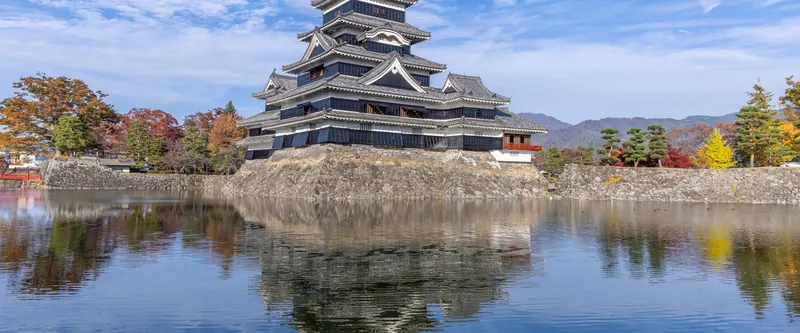
Matsumoto, Matsumoto Castle, Kamikochi, Norikura Highlands
Highs around 11°C, mornings around -1°C. Lots of sunny days
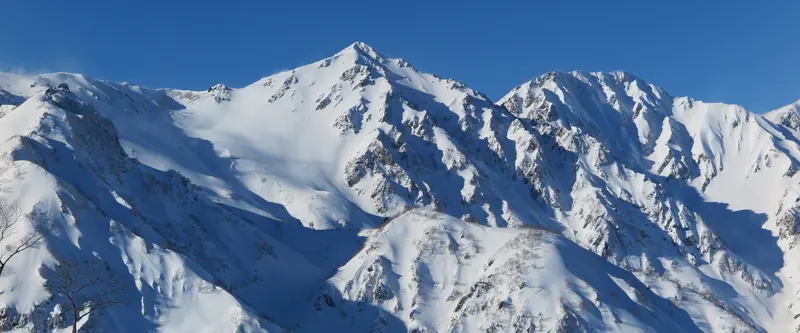
Hakuba, Happo-one, Tsugaike Kogen, Hakuba Goryu
Highs around 7°C, mornings around -4°C. Snow lingers, and spring skiing is on
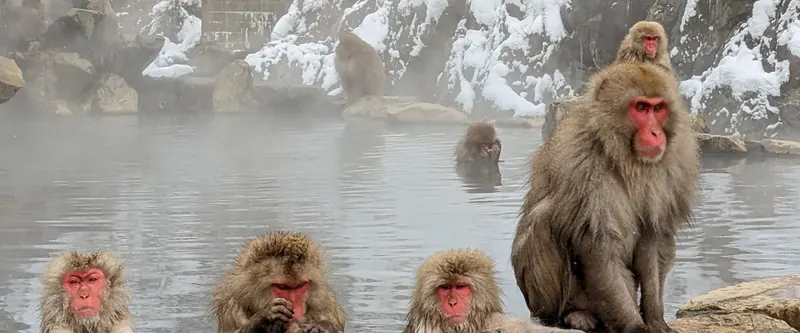
Nagano, Zenkoji, Jigokudani Monkey Park, Shibu Onsen, Shiga Kogen
Highs around 10°C. Some mornings drop below freezing
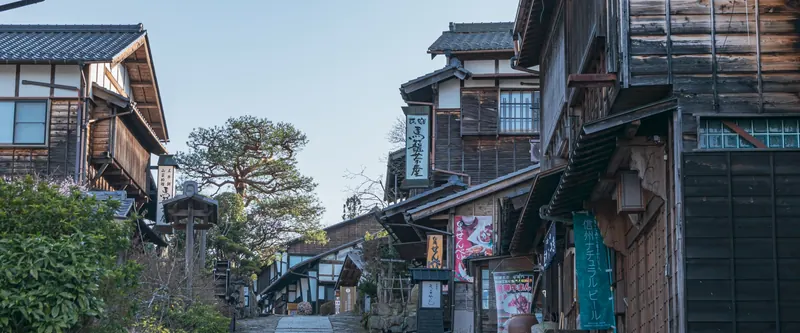
Tsumago-juku, Magome-juku, Narai-juku
Highs around 11°C, mornings around -1°C. Bundle up for strolling the post towns
Nagoya and Shirakawa-go or Hakuba feel more than a month apart in season. On days you head into the mountains, bring a winter coat and non-slip shoes.
Even as spring arrives in Nagoya, snow still lingers in Shirakawa-go, Takayama and Hakuba. If you're visiting several areas on one trip, dress in layers you can adjust.
Snow that melts during the day freezes again in the mornings and evenings, making roads slippery. Take care on morning walks in the mountains.
Late March is spring break, and tourist spots and the shinkansen get crowded. Book accommodation around Nagoya early for cherry blossom season.
March is a heavy time for cedar pollen. If you have hay fever, bring a mask and medication.
Held at Nagoya Castle, a famous cherry blossom spot. Opening hours are extended, and the blossoms are illuminated at night.
A winter tradition in which ropes are strung in a cone shape to protect pine branches from the weight of snow. They can be seen until around mid-March.
Fireworks light up the night sky for about 10 minutes from the banks of the Hida River. March is your last chance this season.
Dates change every year. Please check the official websites before you go.
On average, the high is 14.5°C and the low is 4.6°C. Days feel like spring, but mornings and evenings are still cold.
Yes. The average maximum snow depth is 125 cm, and snow still lingers in the village. Highs are around 8°C, with mornings around -2°C.
They usually start to open in late March and can be enjoyed until around early April. Nagoya Castle usually holds its cherry blossom festival at this time.
Back to the Chubu & Hokuriku Weather Guide (all months & areas) →
Source: Japan Meteorological Agency (climate normals 1991-2020). Compiled by tripuuu.log. Temperatures are from a representative station in each area; actual weather varies from year to year.