
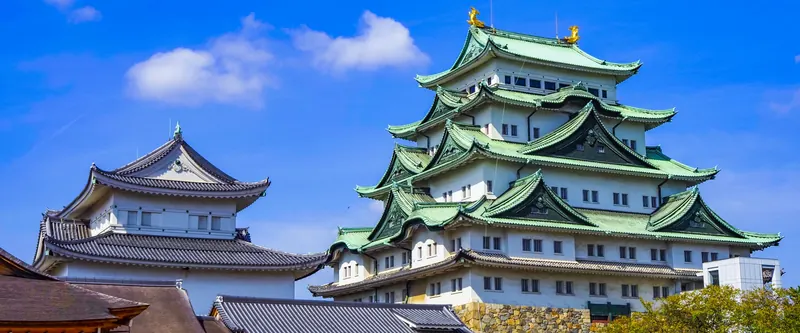
Nagoya→
Station: NagoyaNagoya, Nagoya Castle, Atsuta Jingu, Inuyama
High
17.3℃
Low
8.6℃
- Precip.
- 79.1mm
- Sunshine
- 167h
- Sunset
- 16:48
Highs around 17°C. Enjoy autumn leaves at Korankei in Toyota City
November in Chubu & Hokuriku is the season when autumn deepens and preparations for winter begin. Nagoya's high is 17.3°C, and you can enjoy autumn leaves near Nagoya at places like Korankei (Toyota City). Kanazawa enters a rainy period, with 250.8 mm of rain. At Kenrokuen, the yukitsuri snow ropes start going up on November 1, and Hokuriku's crab season opens on November 6. Mornings in Takayama and Hakuba drop to around 1–3°C, Kamikochi closes for the season on November 15, and the Tateyama Kurobe Alpine Route ends operations on November 30.
Temperature, precipitation, snow and sunshine are climate normals (1991-2020). Sunset is for November 15.
Nagoya, Nagoya Castle, Atsuta Jingu, Inuyama
Highs around 17°C. Enjoy autumn leaves at Korankei in Toyota City
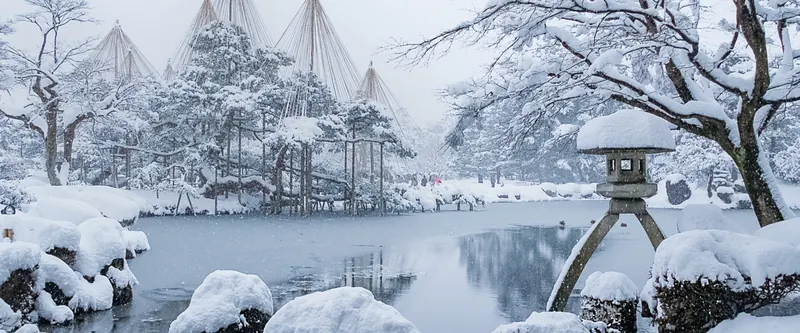
Kanazawa, Kenrokuen, Higashi Chaya District, 21st Century Museum
Kenrokuen's yukitsuri snow ropes from November 1. The rainy period begins
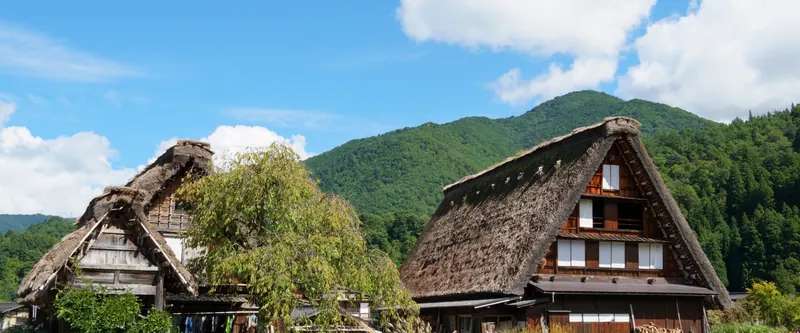
Shirakawa-go, Gassho-zukuri Farmhouses, Ogimachi Observatory, Gokayama
Mornings around 3°C. It may snow late in the month
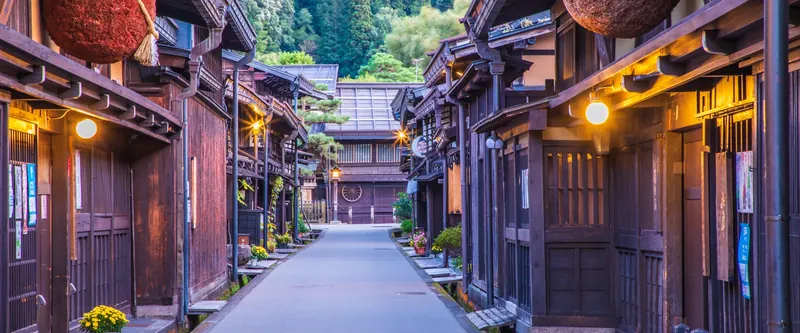
Takayama, Sanmachi, Miyagawa Morning Market, Okuhida Onsen
Highs around 13°C, mornings around 3°C. Bring a winter jacket
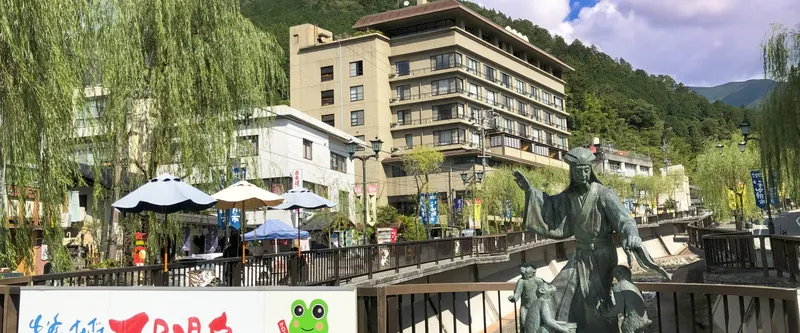
Gero Onsen, Hida River, Gassho Village
Highs around 14°C, mornings around 4°C. The season for autumn leaves and hot springs
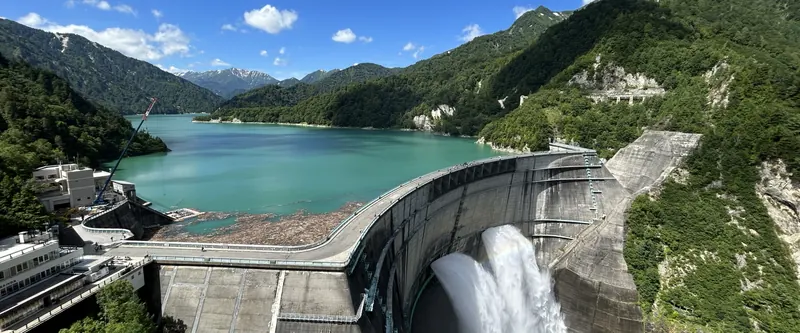
Toyama, Tateyama Kurobe Alpine Route, Kurobe Dam, Unazuki Onsen
Highs around 16°C in Toyama City. The Alpine Route ends operations on November 30
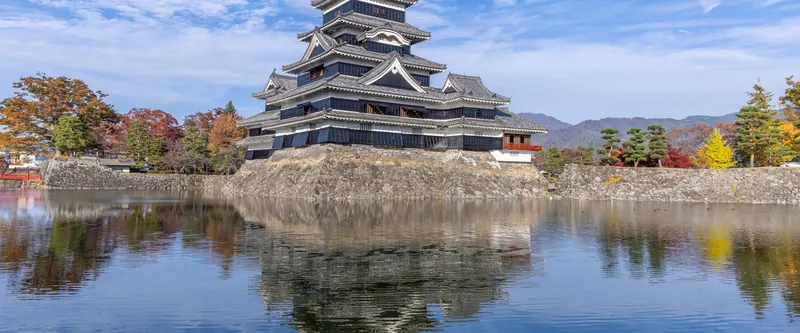
Matsumoto, Matsumoto Castle, Kamikochi, Norikura Highlands
Matsumoto mornings around 3°C. Kamikochi's season ends with the closing ceremony on November 15
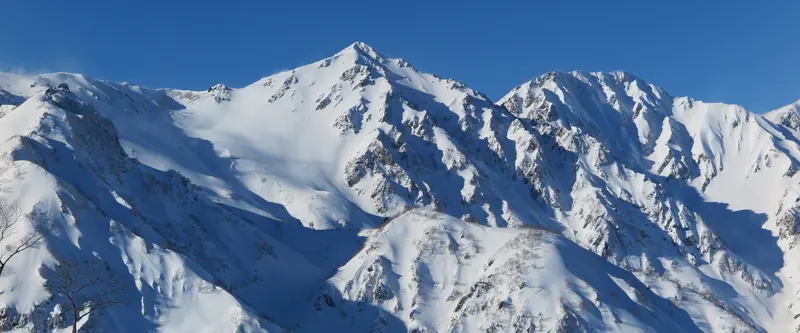
Hakuba, Happo-one, Tsugaike Kogen, Hakuba Goryu
Highs around 12°C, mornings around 1°C. Time for the first snow
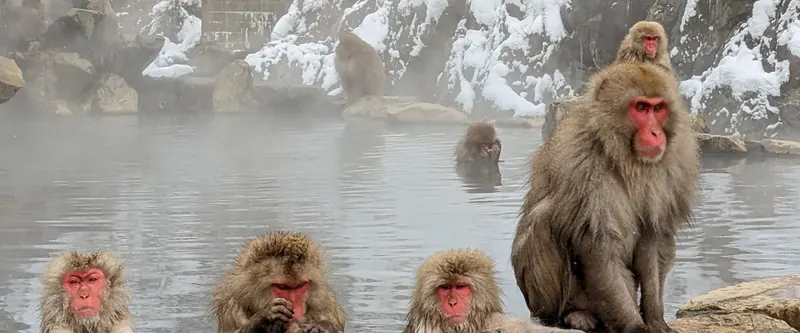
Nagano, Zenkoji, Jigokudani Monkey Park, Shibu Onsen, Shiga Kogen
Highs around 13°C, mornings around 3°C. Ski areas at Shiga Kogen usually start opening in November
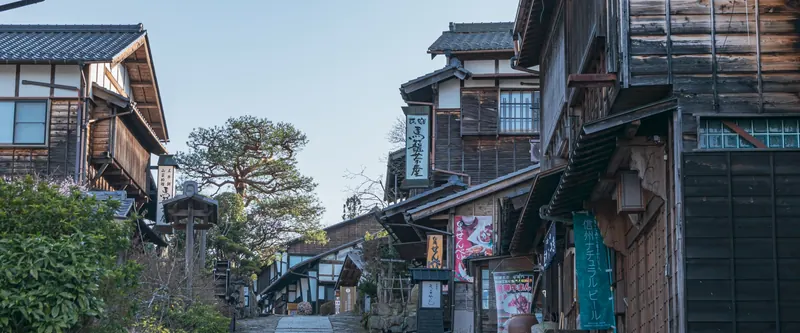
Tsumago-juku, Magome-juku, Narai-juku
Highs around 14°C, mornings around 3°C. Time for autumn leaves in the post towns
An autumn coat is enough in Nagoya, but in Takayama, Hakuba, Matsumoto and elsewhere mornings drop to around 1–3°C, and you'll need winter clothing. Rainy days increase in Kanazawa and Toyama, so don't forget an umbrella.
Kamikochi closes for winter after its closing ceremony on November 15, and the Tateyama Kurobe Alpine Route ends operations on November 30. If you're going in November, check the dates.
In November in Hokuriku, even a sunny day can suddenly turn to rain or hail. Always carry a folding umbrella.
Late in the month, it can snow in Takayama, Shirakawa-go, Hakuba and elsewhere. If you're driving, you'll need winter tires.
Ishikawa Prefecture's snow crab season opens on November 6, and you can enjoy crab at restaurants and markets in Kanazawa.
A winter preparation in which ropes are strung on the pines so their branches don't break under the weight of snow. The work begins with the Karasaki Pine, and the ropes can be seen until mid-March.
A famous autumn leaf spot near Nagoya, where about 3,000 maple trees turn red and yellow. They are also illuminated at night.
Fishing begins for the male Kano crab and the female kobako crab. The season for kobako crab is fairly short, running until December 29.
A ceremony that brings Kamikochi's season to a close. From the next day, it's closed for winter until spring.
Dates change every year. Please check the official websites before you go.
On average, the high is 17.3°C and the low is 8.6°C. An autumn coat or jacket is a good idea.
Kamikochi is open until it closes on November 15, and the Tateyama Kurobe Alpine Route operates until November 30. It's winter-cold up in the mountains, so dress warmly.
Ishikawa Prefecture's snow crab season opens on November 6. The season runs until December 29 for the female kobako crab and until March 20 for the male Kano crab.
Back to the Chubu & Hokuriku Weather Guide (all months & areas) →
Source: Japan Meteorological Agency (climate normals 1991-2020). Compiled by tripuuu.log. Temperatures are from a representative station in each area; actual weather varies from year to year.