
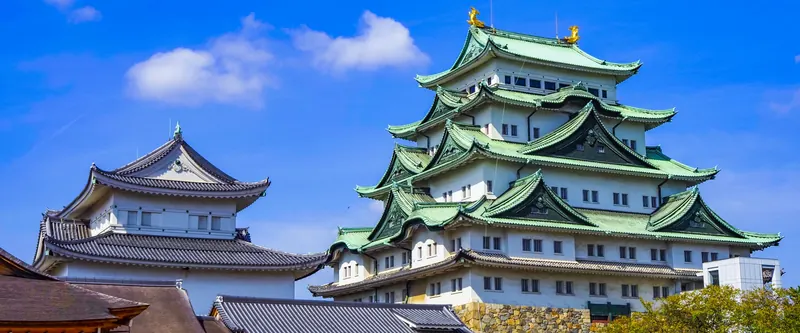
Nagoya→
Station: NagoyaNagoya, Nagoya Castle, Atsuta Jingu, Inuyama
High
27.6℃
Low
19.4℃
- Precip.
- 186.5mm
- Sunshine
- 152h
- Sunset
- 19:08
Highs around 28°C. Atsuta Matsuri on the 5th, and Kiso River cormorant fishing begins in Inuyama
June is rainy season in Chubu & Hokuriku. On average, the rainy season starts around June 6 in Tokai, around June 7 in Kanto-Koshin (Nagano Prefecture) and around June 11 in Hokuriku. Nagoya's high is 27.6°C, with more humid, muggy days. Mountain areas like Hakuba and Takayama, by contrast, are comfortable with mornings around 13–15°C, and Kamikochi's fresh greenery lasts into early June. Kanazawa's Hyakumangoku Matsuri takes place in early June, and the Kiso River cormorant fishing in Inuyama starts on June 1.
Temperature, precipitation, snow and sunshine are climate normals (1991-2020). Sunset is for June 15.
Nagoya, Nagoya Castle, Atsuta Jingu, Inuyama
Highs around 28°C. Atsuta Matsuri on the 5th, and Kiso River cormorant fishing begins in Inuyama
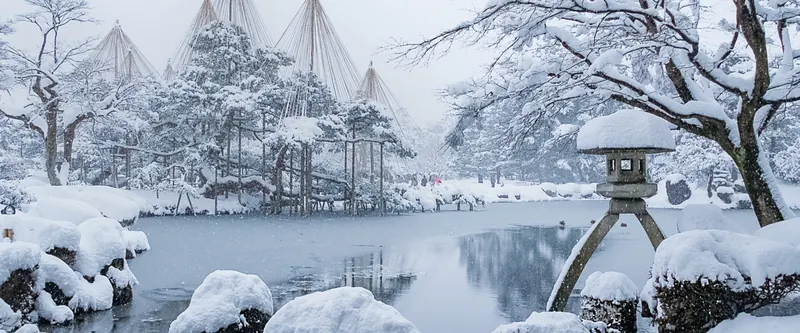
Kanazawa, Kenrokuen, Higashi Chaya District, 21st Century Museum
Highs around 26°C. Lively with the Hyakumangoku Matsuri in early June
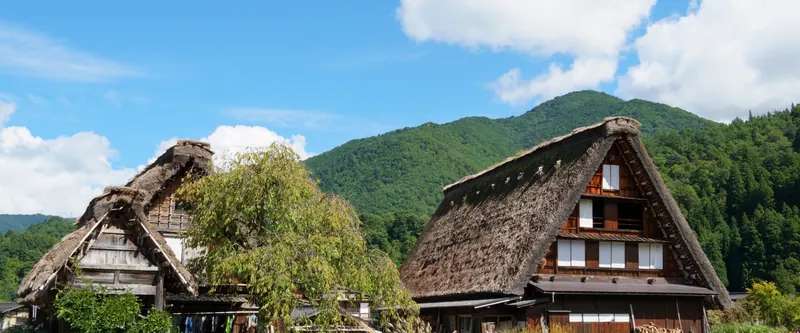
Shirakawa-go, Gassho-zukuri Farmhouses, Ogimachi Observatory, Gokayama
Highs around 25°C. The gassho-zukuri village looks beautiful surrounded by green
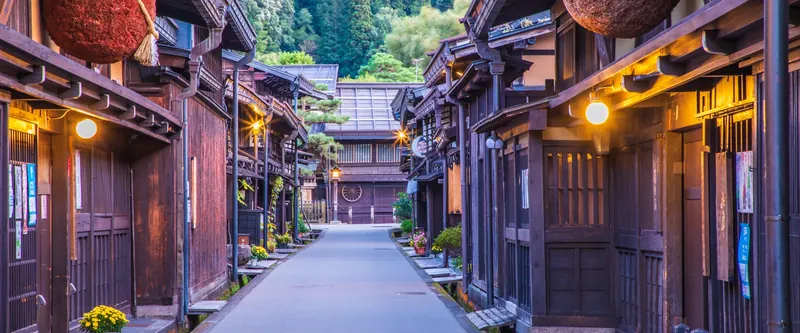
Takayama, Sanmachi, Miyagawa Morning Market, Okuhida Onsen
Highs around 26°C, mornings around 15°C. On rainy days, tour the merchant houses and museums
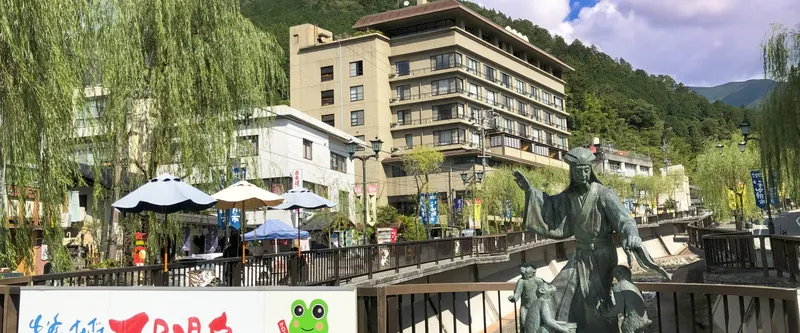
Gero Onsen, Hida River, Gassho Village
A wet month, with 292.5 mm of rain. On rainy days, relax in the hot springs
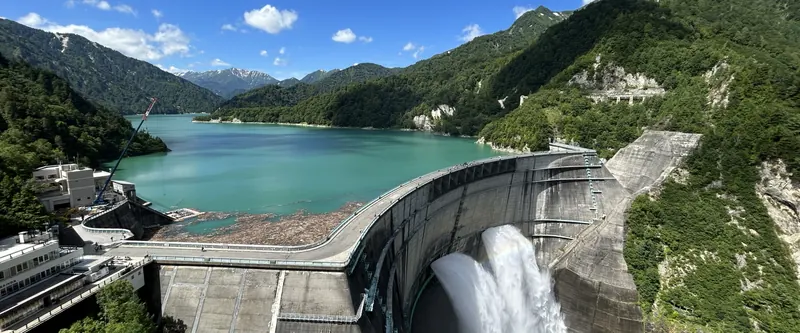
Toyama, Tateyama Kurobe Alpine Route, Kurobe Dam, Unazuki Onsen
Highs around 26°C in Toyama City. Kurobe Dam's sightseeing water discharge usually starts on June 26
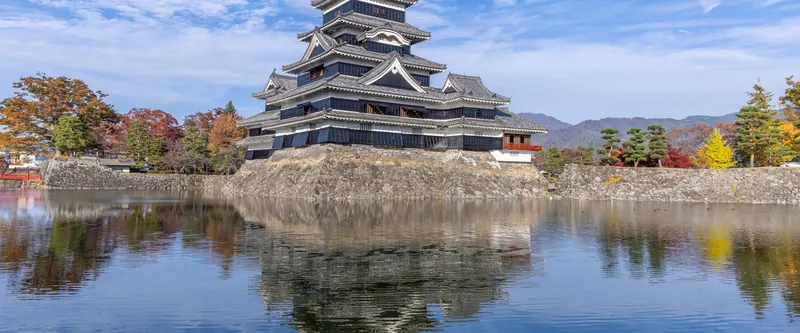
Matsumoto, Matsumoto Castle, Kamikochi, Norikura Highlands
Highs around 26°C in Matsumoto. Kamikochi's fresh greenery is beautiful into early June
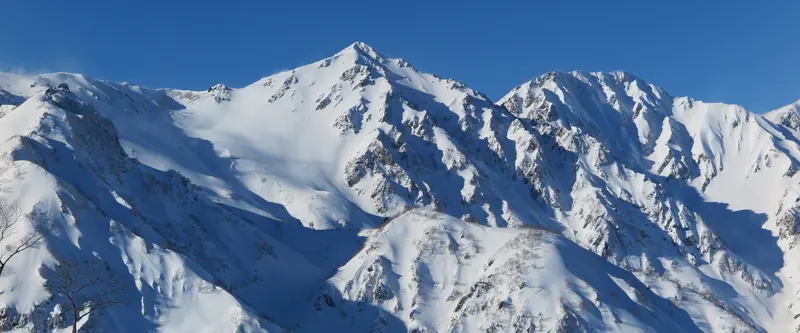
Hakuba, Happo-one, Tsugaike Kogen, Hakuba Goryu
Highs around 24°C, mornings around 13°C. The Happo-one gondola starts summer operations
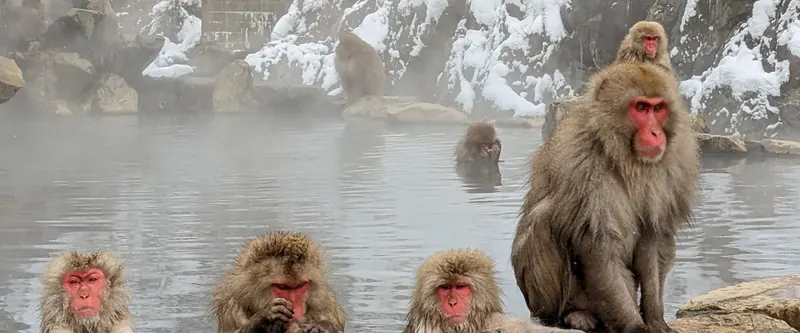
Nagano, Zenkoji, Jigokudani Monkey Park, Shibu Onsen, Shiga Kogen
Highs around 26°C. Time for a visit to Zenkoji or hopping between Shibu Onsen's public baths
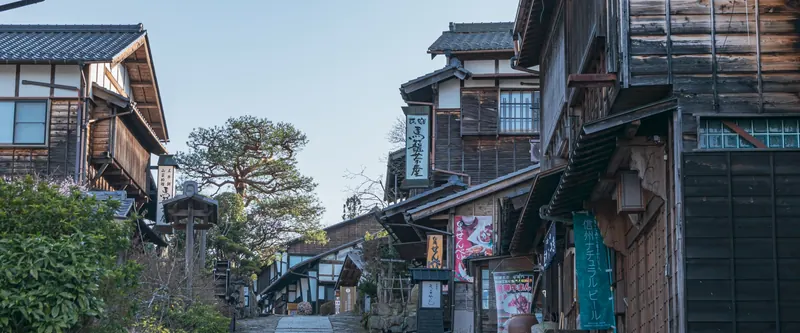
Tsumago-juku, Magome-juku, Narai-juku
A wet month, with 298.9 mm of rain. The stone paving gets slippery, so watch your step
Mornings drop to around 13°C in Hakuba and around 15°C in Takayama and Matsumoto. Kamikochi and Murodo on Tateyama are much colder than the cities, so bring a long-sleeved jacket and rain gear.
It's a season of many rainy and cloudy days. If you plan to walk in Kamikochi or Hakuba, rainwear that leaves your hands free is more convenient than an umbrella.
Kamikochi is said to get relatively little rain even in June, and it's a quieter time there. Building high-altitude areas into your trip is a good way to avoid Nagoya's muggy heat.
Nagoya and Kanazawa are humid, and buildings and trains are strongly air-conditioned. A light layer to throw on will help keep you from feeling unwell.
Heavy rain can occur toward the end of the rainy season. On days you're traveling through mountain areas like the Kiso Valley or Hida, check train service updates and weather information.
A festival commemorating the entry into Kanazawa Castle of Maeda Toshiie, founder of the Kaga domain. With the Hyakumangoku Parade and the Hyakumangoku Odori dance procession, it's the liveliest time of year in Kanazawa.
Read the guide:Kanazawa Hyakumangoku Matsuri →PRKlookVASARA Kimono & Yukata Rental (Kanazawa)Rent a kimono or yukata, with dressing, at a shop near Kanazawa Castle and KenrokuenView on KlookPRKlookKanazawa Kenrokuen & Kanazawa Castle Historical Walking TourAn approx. 2-hour tour with an English-speaking guide, including admission to Kenrokuen and Kanazawa CastleView on KlookThe most important festival at Atsuta Jingu. In the evening, makiwara lantern towers are lit and fireworks go up — a festival that heralds the arrival of summer in Nagoya.
A traditional fishing method in which cormorant masters handle cormorants to catch sweetfish on the Kiso River below Inuyama Castle. You can watch up close from viewing boats.
A signature spring event that begins with the full opening of the Tateyama Kurobe Alpine Route. Near Murodo, at about 2,450 m above sea level, you can walk between the towering walls of snow, the ‘Yuki no Otani,’ on both sides of the cleared road. The height of the walls varies from year to year and can exceed 20 m (up to 12 m in 2026).
Read the guide:Yuki no Otani Snow Wall Walk (Tateyama Kurobe Alpine Route) →Dates change every year. Please check the official websites before you go.
Based on Japan Meteorological Agency averages, it runs from around June 6 to around July 19 in Tokai, from around June 7 to around July 19 in Kanto-Koshin (Nagano Prefecture), and from around June 11 to around July 23 in Hokuriku. The dates vary from year to year.
On average, the high is 27.6°C and the low is 19.4°C. It's humid, with more days that feel muggy.
It's held over three days centered on the first Saturday of June. The day of the main Hyakumangoku Parade is especially crowded, so book accommodation early.
Back to the Chubu & Hokuriku Weather Guide (all months & areas) →
Source: Japan Meteorological Agency (climate normals 1991-2020). Compiled by tripuuu.log. Temperatures are from a representative station in each area; actual weather varies from year to year.