
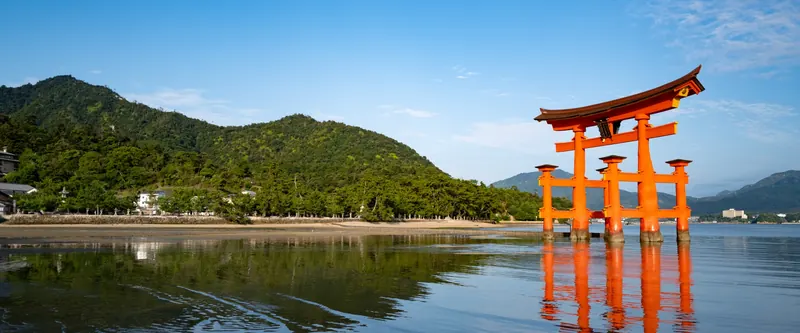
Hiroshima & Miyajima→
Station: HiroshimaHiroshima, Miyajima, Itsukushima Shrine, Atomic Bomb Dome
High
32.8℃
Low
25.1℃
- Precip.
- 131.4mm
- Sunshine
- 207h
- Sunset
- 18:59
Highs around 33°C. Explore Miyajima in the cool of the morning
August is the hottest month of the year in Chugoku & Shikoku. Hiroshima's high is 32.8°C and Okayama's 33.3°C, and nights only drop to around 25°C, so you need to be on guard against heatstroke. In Shikoku, summer festivals follow one after another: Kochi's Yosakoi Festival on the 9th–12th and Tokushima's Awa Odori on the 12th–15th. During Obon, transport gets crowded, and typhoons sometimes approach.
Temperature, precipitation, snow and sunshine are climate normals (1991-2020). Sunset is for August 15.
Hiroshima, Miyajima, Itsukushima Shrine, Atomic Bomb Dome
Highs around 33°C. Explore Miyajima in the cool of the morning
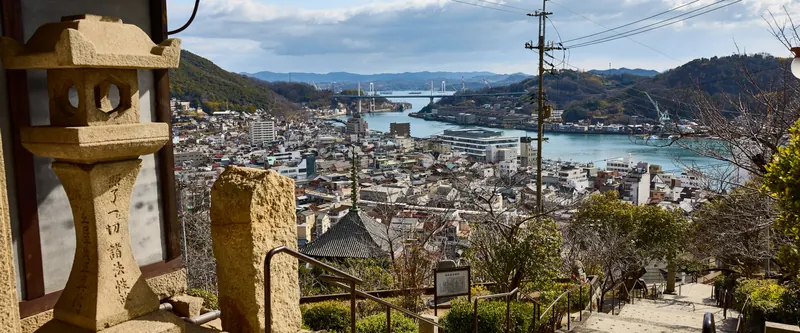
Onomichi, Shimanami Kaido, Ikuchijima, Imabari
Highs around 32°C. Start cycling early in the morning and stay hydrated
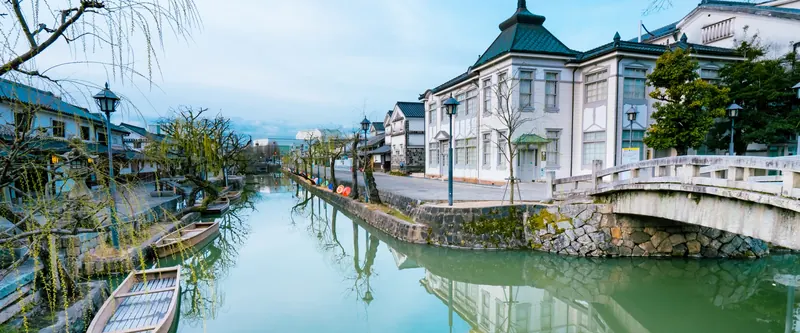
Okayama, Kurashiki Bikan Historical Quarter, Okayama Korakuen, Okayama Castle
Highs around 33°C. An evening stroll in the Kurashiki Bikan Historical Quarter is recommended
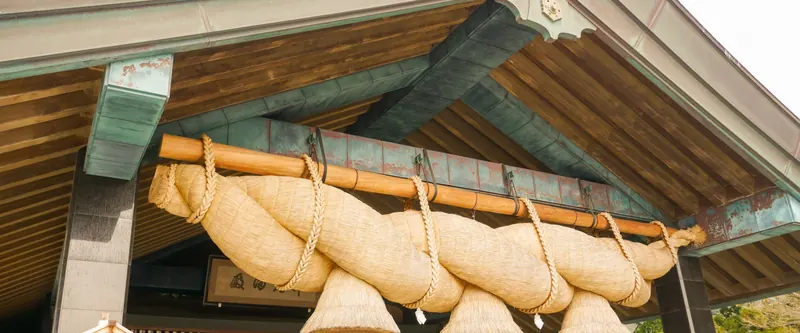
Matsue, Izumo Taisha, Matsue Castle, Lake Shinji
Highs around 32°C. Good for sunsets and cool evenings by Lake Shinji
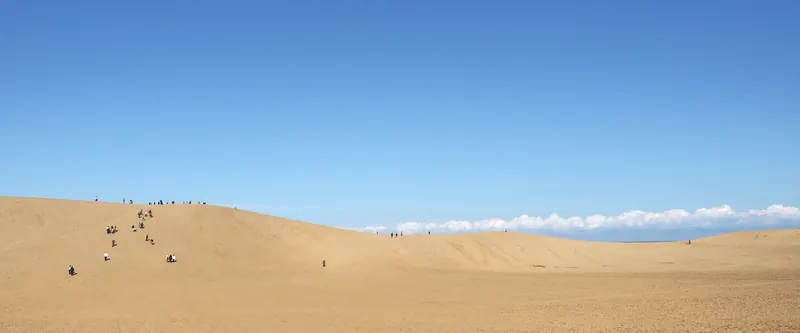
Tottori, Tottori Sand Dunes, Uradome Coast, Mt. Daisen
Highs around 33°C. Visit the dunes in the morning or evening. The sand is hot, so shoes are a must
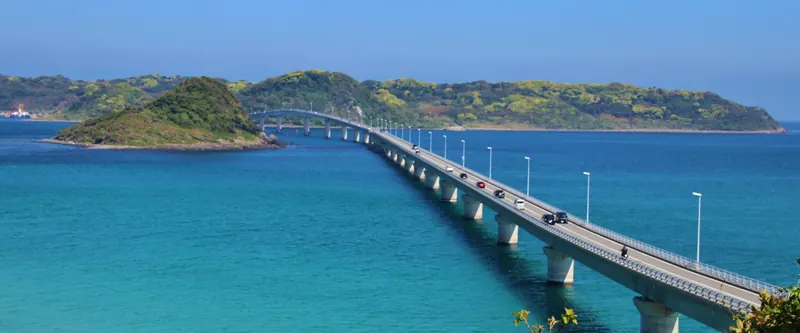
Hagi, Tsunoshima, Akiyoshidai, Kintaikyo Bridge
Peak beach season at Tsunoshima. Hagi highs around 31°C
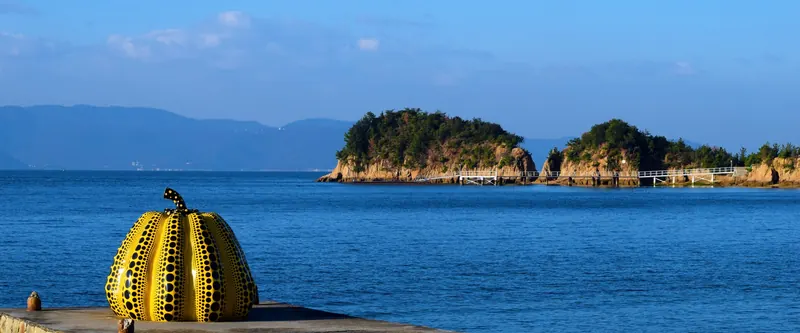
Takamatsu, Naoshima, Shodoshima, Kotohiragu, Ritsurin Garden
Highs around 33°C. Take good sun precautions when traveling between islands
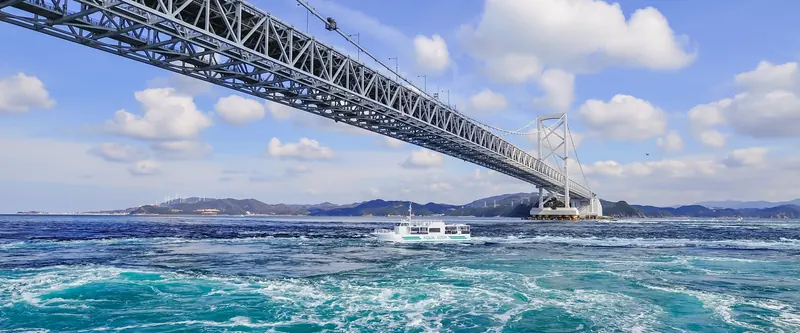
Tokushima, Naruto Whirlpools, Iya Vine Bridge, Oboke
Awa Odori on the 12th–15th. Iya highs around 30°C, mornings 19°C
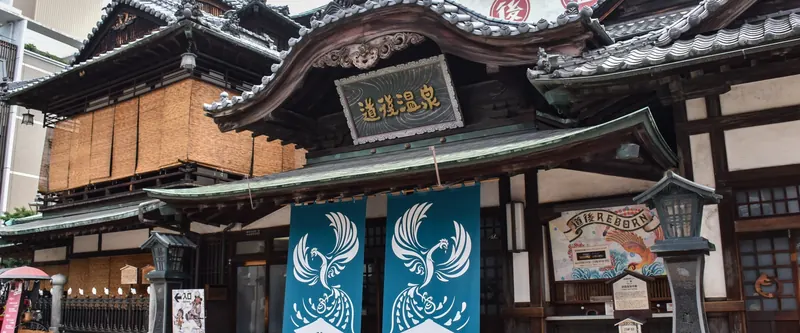
Matsuyama, Dogo Onsen, Matsuyama Castle, Uchiko
Highs around 33°C. Lively with the Matsuyama Yakyuken Odori
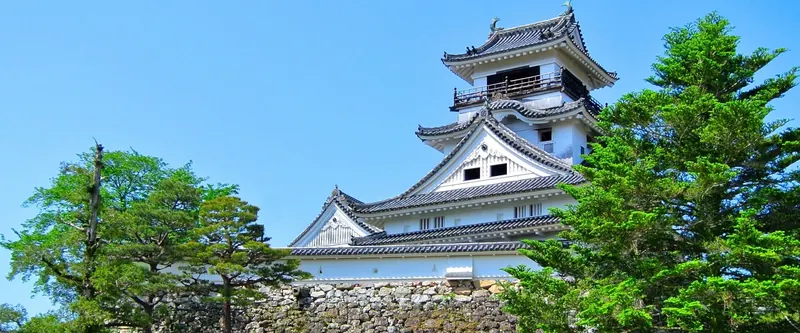
Kochi, Katsurahama Beach, Kochi Castle, Shimanto River
Yosakoi Festival on the 9th–12th. Keep an eye on typhoon information
Watching festivals means spending hours in crowds. You'll sweat, so carry a change of clothes and plenty to drink.
Avoid spending long periods outdoors during the day, and take in water and salt frequently. If you start to feel unwell, rest in a cool place right away.
During the Awa Odori and Yosakoi Festival and the Obon holidays, accommodation and transport are both extremely crowded. Book your stay and travel early.
Typhoons can approach in August and September. Ferries and flights may be suspended and bridges closed, so check the weather forecast during your trip.
The dunes have no shade, and the sand gets very hot in strong sun. Go in the cool of the morning or in the evening, when you can watch the sun set over the Sea of Japan.
Kochi's summer festival, danced with naruko clappers in hand. Around 200 teams and some 20,000 dancers perform at venues around the city.
Read the guide:Yosakoi Festival →PRKlookKochi Hirome Market 1.5-Hour Private Food TourExplore Hirome Market with an English-speaking guide and sample Kochi flavorsView on KlookPRKlookKochi Castle & Makino Botanical Garden Half-Day History and Culture TourA guided tour meeting at Harimaya Bridge, visiting Kochi Castle, the Makino Botanical Garden and moreView on KlookA summer festival held in Tokushima City. Enjoy the dancing of the ren dance troupes at paid and free performance venues and dance plazas.
Read the guide:Awa Odori →PRKlookNaruto Whirlpools, Awaji Island & Awa Odori Experience Day Tour (from Osaka)See the Naruto whirlpools and Awaji Island, and enjoy a dance performance at the Awa Odori KaikanView on KlookPRKlookUzu-no-Michi & Onaruto Bridge Memorial Museum Eddy Admission Ticket (Tokushima)Look down on the Naruto whirlpools through a glass floor about 45 m above the seaView on KlookMatsuyama's summer festival, in which ren dance troupes dance to the rhythm of yakyuken around Okaido, Shiroyama Park and elsewhere.
The largest Shinto ritual of Itsukushima Shrine, said to have been started by Taira no Kiyomori, who built the shrine. It is a sea procession in which a gozabune boat carrying the mikoshi portable shrine crosses the water while kangen (court music) is played aboard at various spots, and it is counted among Japan’s three great boat festivals. It is held on the 17th day of the 6th month of the lunar calendar, so the date changes every year.
Read the guide:Kangensai Festival at Itsukushima Shrine →PRKlookHiroshima & Miyajima Full-Day Private Guided TourVisit Peace Memorial Park and Shukkeien Garden, then take the ferry to Miyajima’s Grand Torii and Itsukushima ShrineView on KlookPRKlookHave Fun in Hiroshima PassA pass that lets you choose 3 Hiroshima sights and experiences. Includes a discount coupon for the high-speed boat between Hiroshima Port and Miyajima PortView on KlookA summer festival starring the Shan-Shan Kasa Odori, an umbrella dance adapted from the Inaba Kasa Odori of eastern Tottori Prefecture so that anyone can dance it. It began in 1961 as the Tottori Festival and has been held under its current name since 1965. At the 50th festival (2014) it set a world record for the largest umbrella dance, and every year more than 4,000 dancers dance in unison holding brightly colored umbrellas with bells.
Read the guide:Tottori Shan-Shan Festival →Dates change every year. Please check the official websites before you go.
On average, the high is 32.8°C and the low is 25.1°C. It's the hottest month of the year.
Iya, in the mountains of Tokushima Prefecture, has highs around 30°C and mornings around 19°C, cooler than Tokushima City.
The Yosakoi Festival is every year on August 9–12, and the Awa Odori usually on August 12–15. Book accommodation early.
Back to the Chugoku & Shikoku Weather Guide (all months & areas) →
Source: Japan Meteorological Agency (climate normals 1991-2020). Compiled by tripuuu.log. Temperatures are from a representative station in each area; actual weather varies from year to year.