
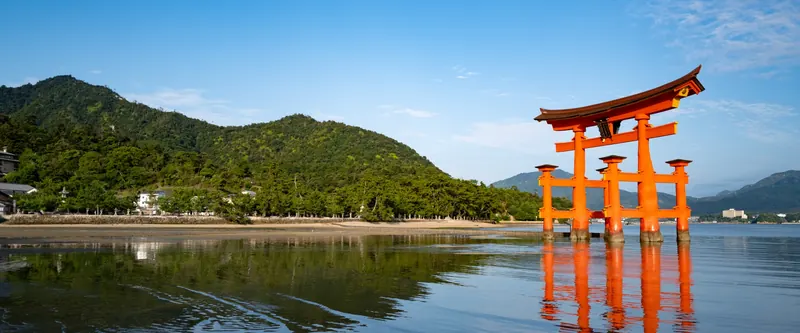
Hiroshima & Miyajima→
Station: HiroshimaHiroshima, Miyajima, Itsukushima Shrine, Atomic Bomb Dome
High
12.1℃
Low
4.0℃
- Precip.
- 54mm
- Sunshine
- 141h
- Sunset
- 17:01
Oyster season. Miyajima's Chinkasai on New Year's Eve
December marks the real start of winter in Chugoku & Shikoku. Hiroshima's high is 12.1°C and mornings are around 4°C. The Seto Inland Sea side gets lots of sunny days, while San'in on the Sea of Japan side sees more cloudy, rainy and snowy days, with snowfall of 27cm in Tottori and 11cm in Matsue. It's the season to enjoy winter delicacies like Hiroshima oysters and Tottori's matsuba crab. Late in the month the Mt. Daisen ski resort opens, and on New Year's Eve Miyajima holds the Chinkasai fire festival.
Temperature, precipitation, snow and sunshine are climate normals (1991-2020). Sunset is for December 15.
Hiroshima, Miyajima, Itsukushima Shrine, Atomic Bomb Dome
Oyster season. Miyajima's Chinkasai on New Year's Eve
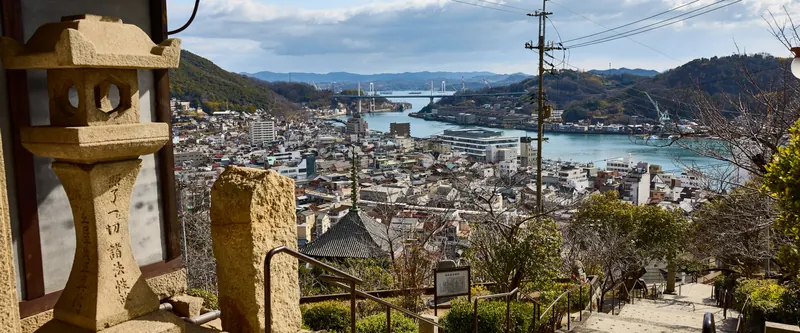
Onomichi, Shimanami Kaido, Ikuchijima, Imabari
Highs around 12°C. The sea wind is cold, so dress warmly for cycling
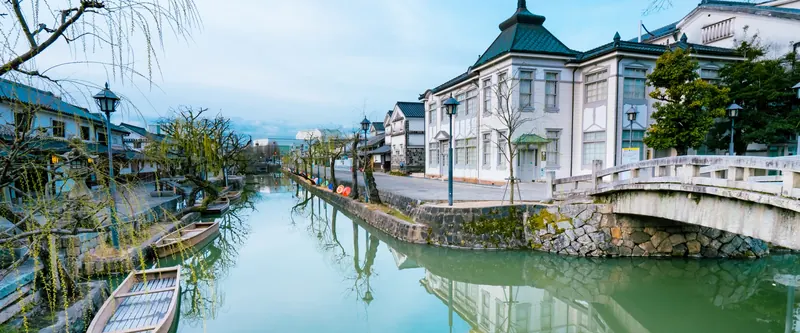
Okayama, Kurashiki Bikan Historical Quarter, Okayama Korakuen, Okayama Castle
Mornings around 2°C. Lots of sunny days
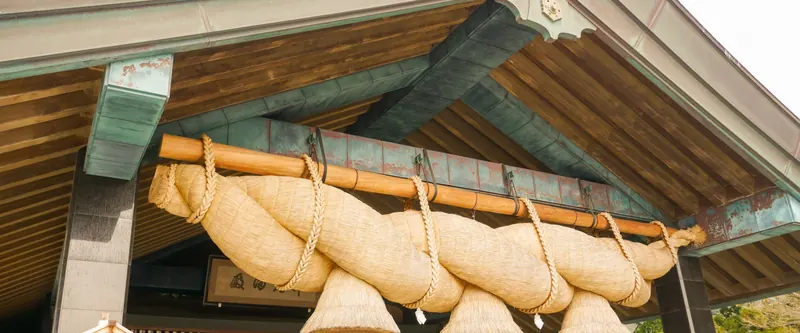
Matsue, Izumo Taisha, Matsue Castle, Lake Shinji
11cm of snowfall. Many cloudy, rainy and snowy days, with 78.8 hours of sunshine
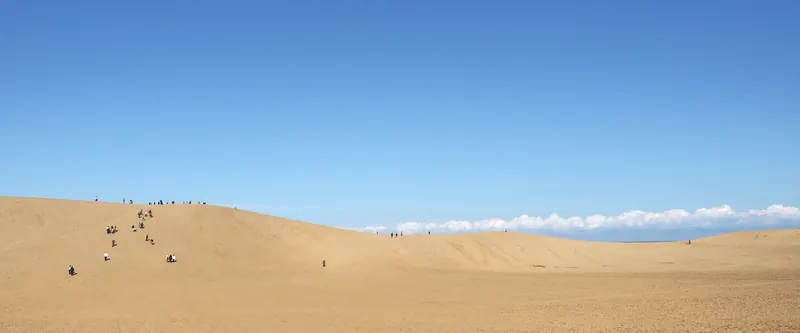
Tottori, Tottori Sand Dunes, Uradome Coast, Mt. Daisen
27cm of snowfall. The Mt. Daisen ski resort opens late in the month
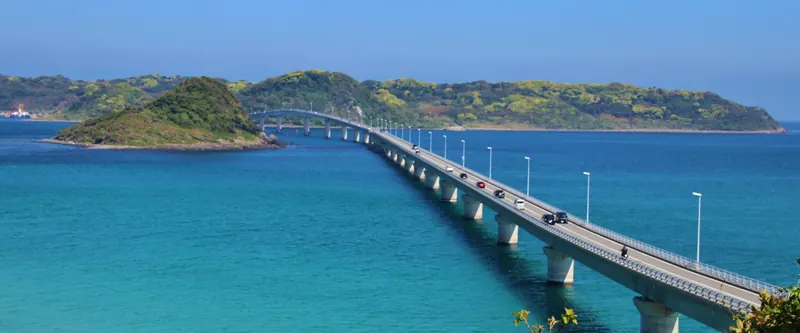
Hagi, Tsunoshima, Akiyoshidai, Kintaikyo Bridge
Hagi highs around 12°C. More cloudy days on the Sea of Japan side
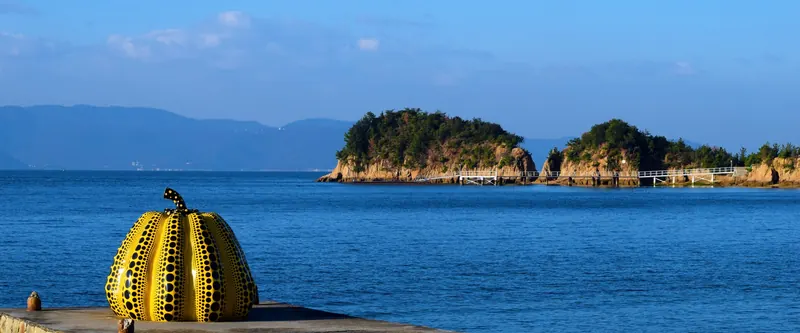
Takamatsu, Naoshima, Shodoshima, Kotohiragu, Ritsurin Garden
Highs around 12°C. Mornings around 4°C
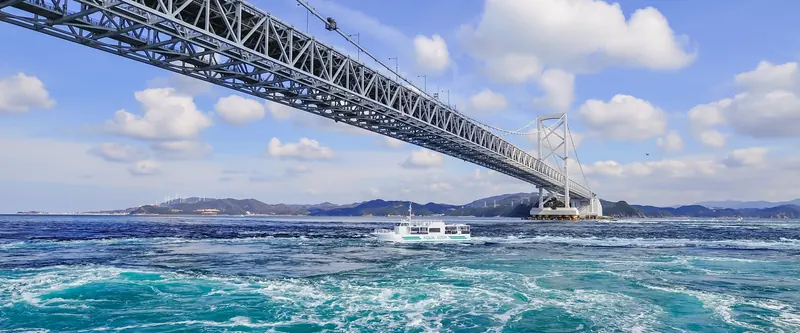
Tokushima, Naruto Whirlpools, Iya Vine Bridge, Oboke
Tokushima mornings around 5°C. Mountainous Iya gets much colder than the plains
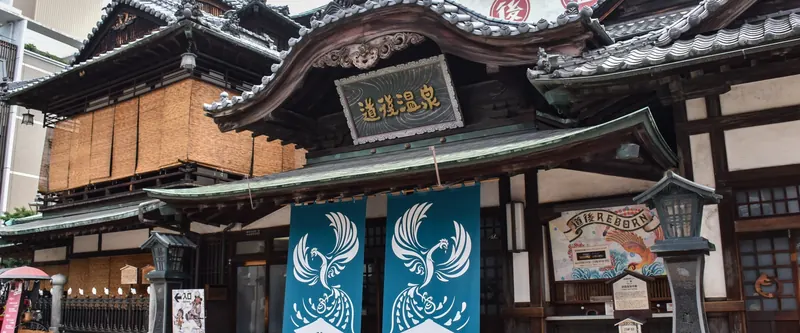
Matsuyama, Dogo Onsen, Matsuyama Castle, Uchiko
Highs around 13°C. The season when Dogo Onsen feels wonderful in winter
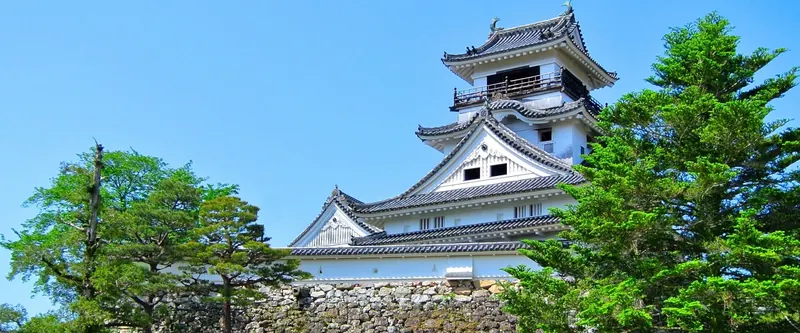
Kochi, Katsurahama Beach, Kochi Castle, Shimanto River
Highs around 14°C, on the warm side. Lots of sunny days, with 184.6 hours of sunshine
If you're heading to San'in or mountainous areas like Mt. Daisen and Iya, bring non-slip shoes you can walk on snowy roads in. For nighttime outdoor events like Miyajima's Chinkasai, dress warmly.
From around December 29 to around January 3, museums and some shops are closed. Check the opening days of places you want to visit.
In late December, shinkansen and flights are crowded with people heading home. Book your travel early.
It can snow in Tottori and Matsue, and snow may settle on Mt. Daisen and on mountain passes in the Chugoku Mountains. If you're driving, you'll need winter tires.
The Seto Inland Sea side, including Hiroshima, Okayama and Takamatsu, gets lots of sunny days and is easy to tour even in winter. When combining it with San'in, check the weather forecast.
The matsuba crab fishing season that opened in November continues, and you can enjoy winter crab dishes.
The Chugoku region's signature ski resort. The opening date varies with snow conditions.
A festival to ward off fire, held on the evening of New Year's Eve, when people carrying torches large and small gather on Mikasa-no-hama Beach in front of Itsukushima Shrine.
Dates change every year. Please check the official websites before you go.
On average, the high is 12.1°C and the low is 4.0°C. You'll need a winter coat, gloves and a scarf.
In Tottori and Matsue, snow begins to fall in December. Average snowfall is 27cm in Tottori and 11cm in Matsue.
They are shipped from October to May and are at their most delicious in January and February. You can enjoy oyster dishes in December too.
Back to the Chugoku & Shikoku Weather Guide (all months & areas) →
Source: Japan Meteorological Agency (climate normals 1991-2020). Compiled by tripuuu.log. Temperatures are from a representative station in each area; actual weather varies from year to year.