
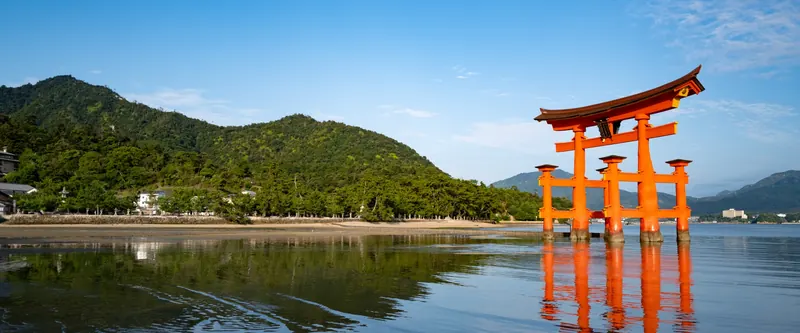
Hiroshima & Miyajima→
Station: HiroshimaHiroshima, Miyajima, Itsukushima Shrine, Atomic Bomb Dome
High
10.9℃
Low
2.4℃
- Precip.
- 64mm
- Sunshine
- 140h
- Sunset
- 17:52
Highs around 11°C. Oyster season, with oyster festivals around the area
Like January, February in Chugoku & Shikoku brings many cold days. Hiroshima's high is 10.9°C and mornings are around 2°C. Plum blossoms peak at Okayama Korakuen and Ritsurin Garden, bringing the first hints of spring. In Tottori in San'in, the average maximum snow depth is 28cm, the snowiest time of the year. In Okayama, the Saidaiji Eyo (Naked Festival) is held.
Temperature, precipitation, snow and sunshine are climate normals (1991-2020). Sunset is for February 15.
Hiroshima, Miyajima, Itsukushima Shrine, Atomic Bomb Dome
Highs around 11°C. Oyster season, with oyster festivals around the area
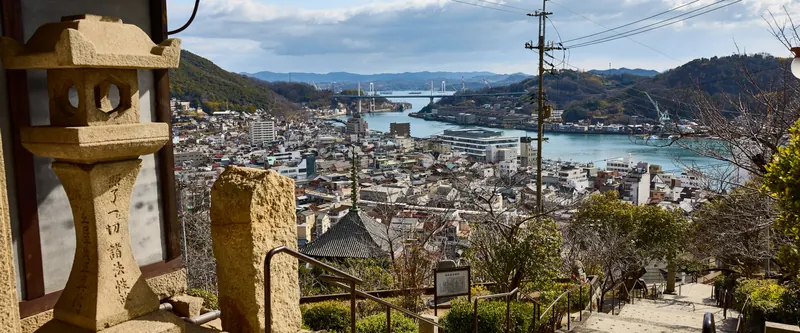
Onomichi, Shimanami Kaido, Ikuchijima, Imabari
Highs around 10°C, mornings around 1°C. Lots of sunny days, but the wind is cold
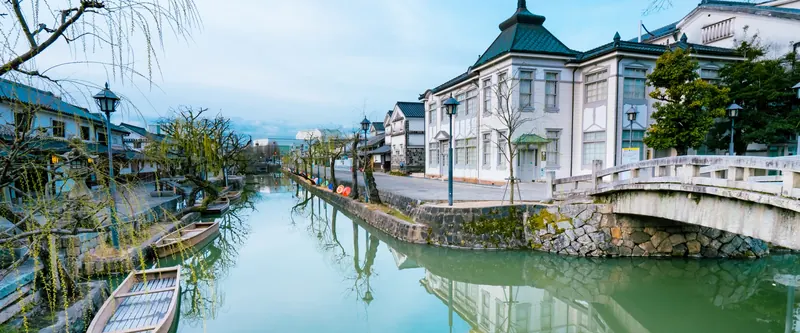
Okayama, Kurashiki Bikan Historical Quarter, Okayama Korakuen, Okayama Castle
Plum blossoms peak at Korakuen. Mornings are a chilly 0.5°C
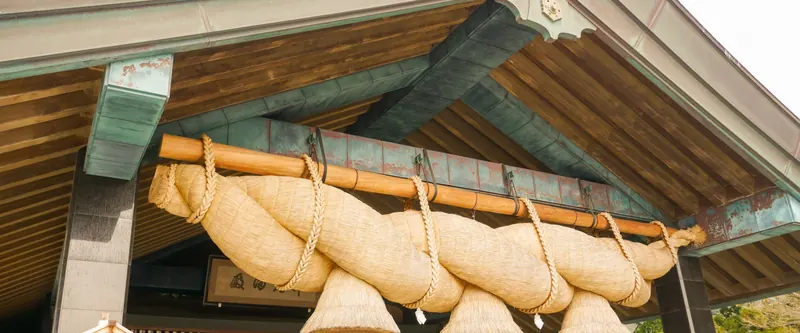
Matsue, Izumo Taisha, Matsue Castle, Lake Shinji
Highs around 9°C. Some snowy days, and still the depths of winter
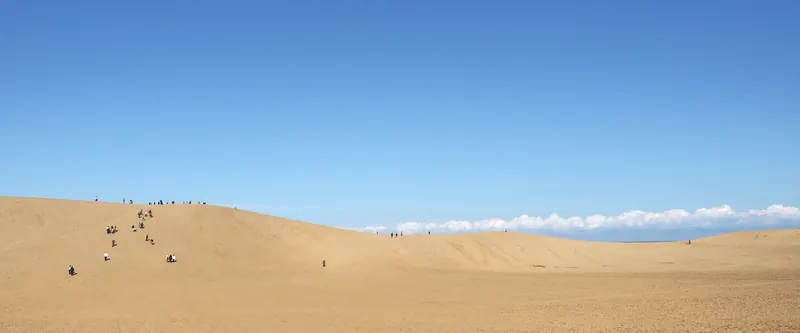
Tottori, Tottori Sand Dunes, Uradome Coast, Mt. Daisen
Average maximum snow depth of 28cm. You may see the dunes under snow
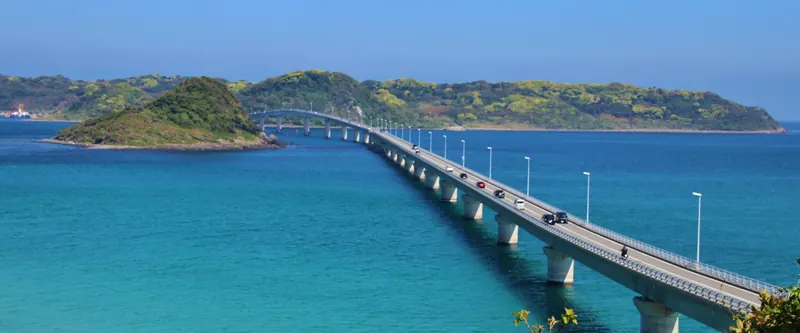
Hagi, Tsunoshima, Akiyoshidai, Kintaikyo Bridge
Hagi highs around 10°C, mornings 2.5°C
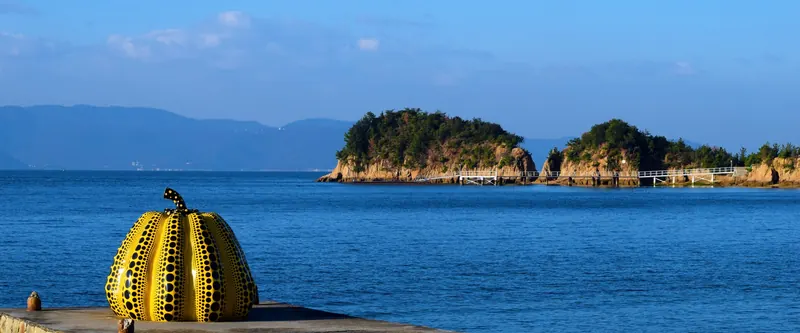
Takamatsu, Naoshima, Shodoshima, Kotohiragu, Ritsurin Garden
Plum blossoms peak at Ritsurin Garden. Highs of 10.5°C
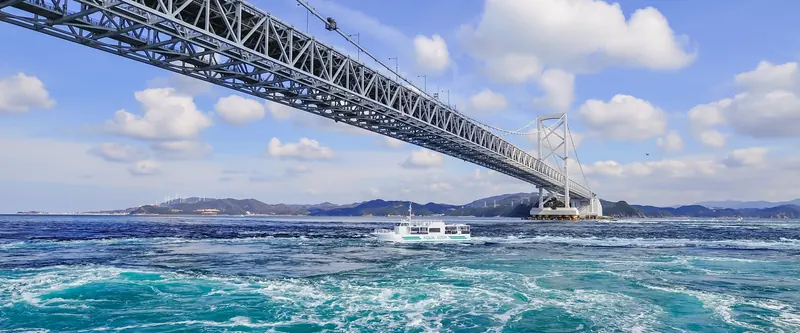
Tokushima, Naruto Whirlpools, Iya Vine Bridge, Oboke
Tokushima highs around 11°C. In the mountains of Iya, watch out for snow and icy roads
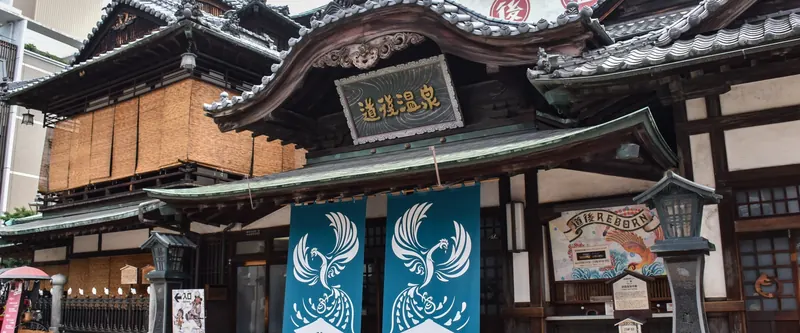
Matsuyama, Dogo Onsen, Matsuyama Castle, Uchiko
Highs around 11°C, mornings around 3°C. Good for strolling the hot spring town
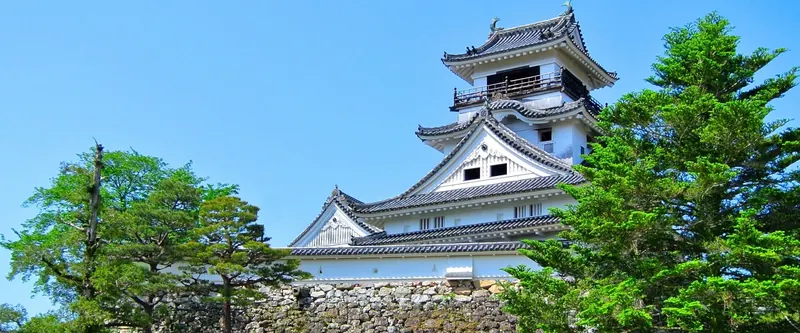
Kochi, Katsurahama Beach, Kochi Castle, Shimanto River
Highs around 13°C. Lots of sunshine, the warmest in the region
Touring plum gardens means a lot of walking outdoors. Even when the sun is out, the wind is cold, so warm layers that are easy to take on and off are recommended.
Snow is most likely to settle in Tottori in February. Rental cars need winter tires, and leave room in your plans for train delays.
February is a relatively quiet month for tourism. You can take your time exploring Miyajima, the Kurashiki Bikan Historical Quarter and Naoshima.
Plum blossoms are at their best at Okayama Korakuen from early February to early March, and at Ritsurin Garden from late January to early March.
The climax of the Saidaiji Eyo is the throwing of the sacred shingi sticks at 10pm. It gets extremely crowded on the day, and the night is cold, so dress warmly.
A nationally designated Important Intangible Folk Cultural Property with over 500 years of history. Around 10,000 men in loincloths scramble for 2 sacred shingi sticks thrown from the Gofuku window of the main hall.
Red and white plum blossoms bloom in the plum grove of Okayama Korakuen, one of Japan's three great gardens. Daffodils can also be seen from mid-January to early March.
Events held in the prefecture's oyster-producing areas during oyster season, with tastings and sales of in-season oysters. Whether and when they are held varies from year to year.
Dates change every year. Please check the official websites before you go.
On average, the high is 10.9°C and the low is 2.4°C. It stays about as cold as January.
We recommend Okayama Korakuen (early February to early March) and Ritsurin Garden in Takamatsu (late January to early March).
February is when snow is most likely to settle in Tottori, and the dunes are sometimes covered in snow. Bring non-slip shoes and warm clothing.
Back to the Chugoku & Shikoku Weather Guide (all months & areas) →
Source: Japan Meteorological Agency (climate normals 1991-2020). Compiled by tripuuu.log. Temperatures are from a representative station in each area; actual weather varies from year to year.