
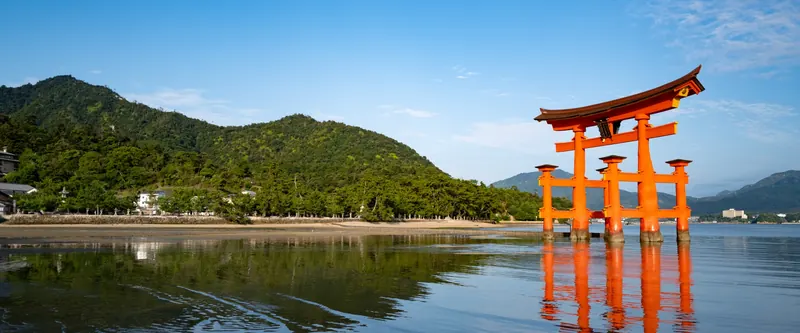
Hiroshima & Miyajima→
Station: HiroshimaHiroshima, Miyajima, Itsukushima Shrine, Atomic Bomb Dome
High
30.9℃
Low
24.1℃
- Precip.
- 279.8mm
- Sunshine
- 173h
- Sunset
- 19:24
Miyajima's Kangensai on the 17th day of the 6th lunar month. Highs around 31°C
In Chugoku & Shikoku, the first half of July is rainy season, and the second half turns to full summer as it ends. On average, the rainy season ends around July 19 in the Chugoku region and around July 17 in the Shikoku region. Hiroshima's high is 30.9°C, and mornings only drop to around 24°C. Watch out for heavy rain in the first half and heatstroke after the rainy season ends. Miyajima holds the Kangensai on the 17th day of the 6th lunar month, and from mid-July beaches like Tsunoshima get busy.
Temperature, precipitation, snow and sunshine are climate normals (1991-2020). Sunset is for July 15.
Hiroshima, Miyajima, Itsukushima Shrine, Atomic Bomb Dome
Miyajima's Kangensai on the 17th day of the 6th lunar month. Highs around 31°C
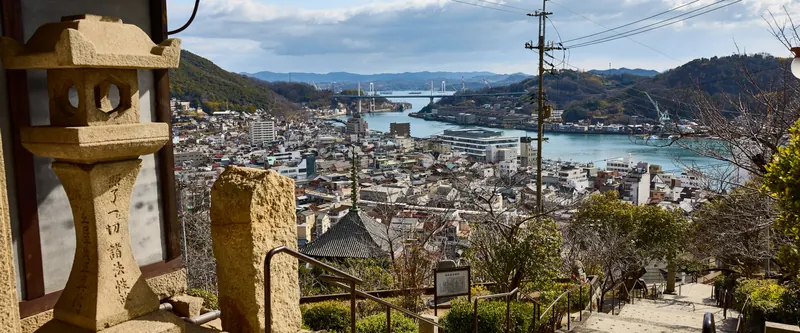
Onomichi, Shimanami Kaido, Ikuchijima, Imabari
Highs of 30.0°C. Cycle in the cool of the morning
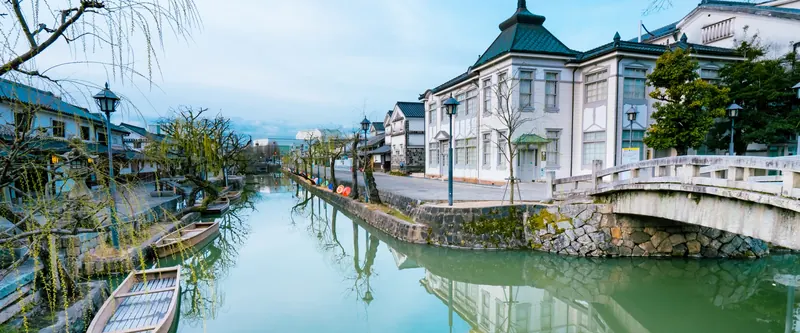
Okayama, Kurashiki Bikan Historical Quarter, Okayama Korakuen, Okayama Castle
Highs around 32°C. Kurashiki Tenryo Summer Festival late in the month
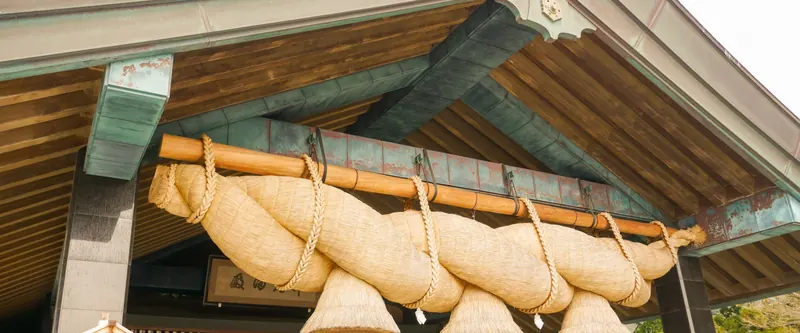
Matsue, Izumo Taisha, Matsue Castle, Lake Shinji
Highs around 30°C. A season of beautiful sunsets over Lake Shinji
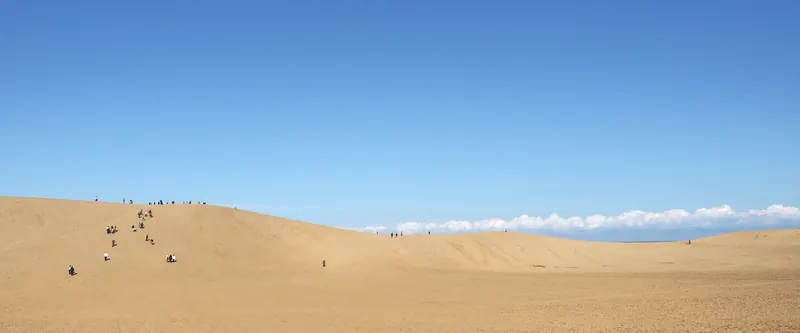
Tottori, Tottori Sand Dunes, Uradome Coast, Mt. Daisen
Highs around 31°C. The Tottori Sand Dunes have no shade, so watch out for heatstroke
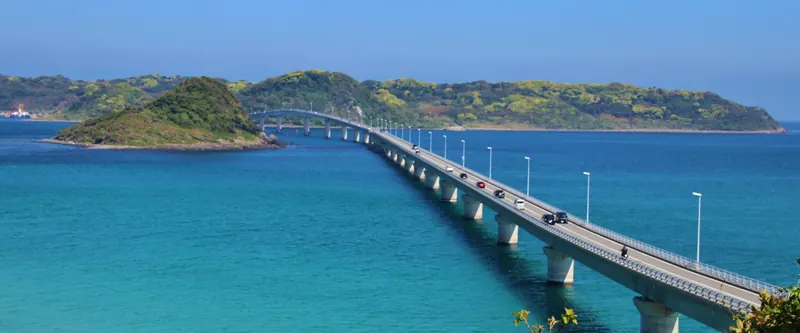
Hagi, Tsunoshima, Akiyoshidai, Kintaikyo Bridge
Tsunoshima Ohama Beach opens in mid-July. Hagi highs around 30°C
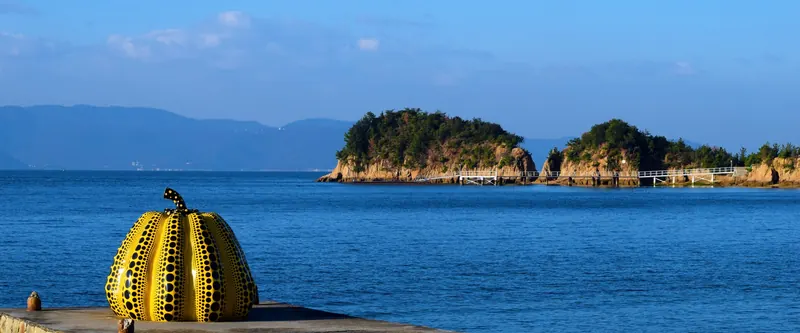
Takamatsu, Naoshima, Shodoshima, Kotohiragu, Ritsurin Garden
Highs around 32°C. Take good sun precautions when island hopping
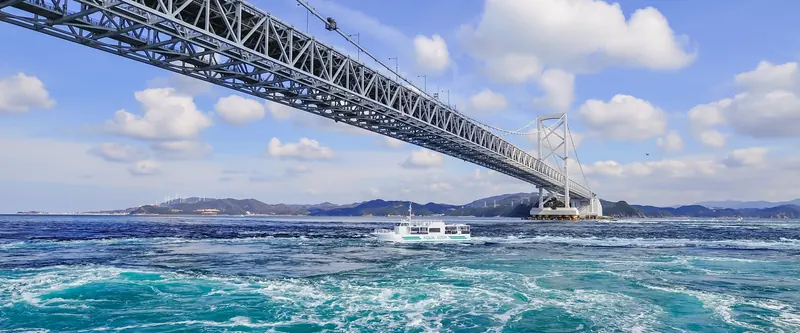
Tokushima, Naruto Whirlpools, Iya Vine Bridge, Oboke
Highs around 31°C. The riverside scenery of the Iya and Oboke gorges looks refreshingly cool
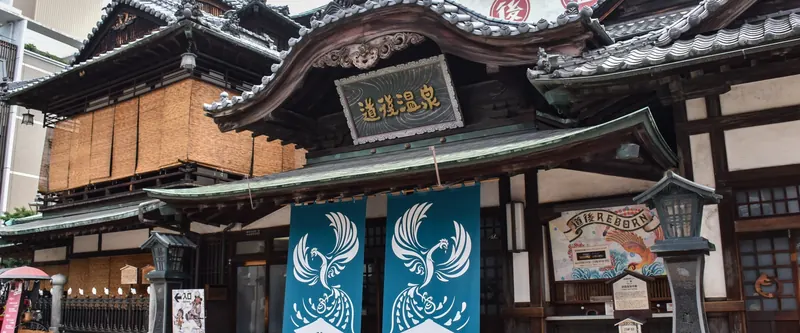
Matsuyama, Dogo Onsen, Matsuyama Castle, Uchiko
Highs around 31°C. Strolling Dogo Onsen is best from early evening
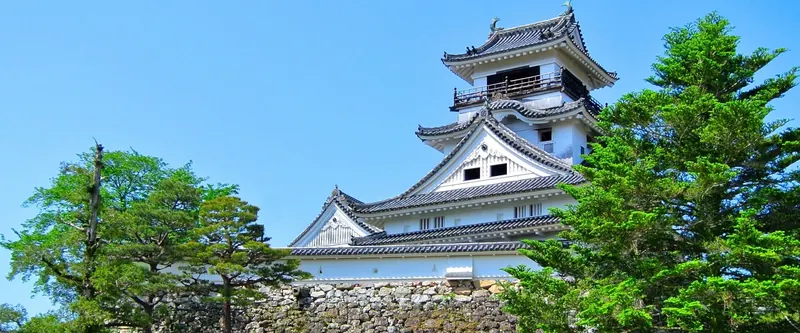
Kochi, Katsurahama Beach, Kochi Castle, Shimanto River
Rainy, with 357.3mm of rain in the month. The sun is strong when it clears
On the Tottori Sand Dunes, the sand gets hot in strong sun, and you risk burns barefoot or in sandals. Walk in socks and shoes.
Heavy rain can occur toward the end of the rainy season. Hiroshima's July precipitation is 279.8mm, the most of any month, so check the weather forecast often.
Avoid spending long periods outdoors during the day, and take in water and salt frequently. Be especially careful in places with little shade, like the Tottori Sand Dunes and the Shimanami Kaido.
Typhoons can approach from July. Ferries, sightseeing boats and bridges may be closed, so check service information and the weather forecast during your trip.
It's more comfortable to split your plans by time of day: art museums and indoor sights in the heat of the day, strolling and observation decks in the morning and evening.
Counted among Japan's three great boat festivals. A royal barge carrying the mikoshi crosses the sea while kangen court music is played on board.
Read the guide:Kangensai Festival at Itsukushima Shrine →PRKlookHiroshima & Miyajima Full-Day Private Guided TourVisit Peace Memorial Park and Shukkeien Garden, then take the ferry to Miyajima’s Grand Torii and Itsukushima ShrineView on KlookPRKlookHave Fun in Hiroshima PassA pass that lets you choose 3 Hiroshima sights and experiences. Includes a discount coupon for the high-speed boat between Hiroshima Port and Miyajima PortView on KlookKurashiki's traditional summer event, held around Kurashiki Station and enlivened by Kurashiki Tenryo taiko drumming, Daikan-bayashi dancing and more.
A beach of cobalt-blue sea and white sand, boasting some of the clearest water in Japan.
Dates change every year. Please check the official websites before you go.
On average, around July 19 in the Chugoku region and around July 17 in the Shikoku region.
On average, the high is 30.9°C and the low is 24.1°C. After the rainy season ends, it's midsummer heat.
It's held on the 17th day of the 6th month of the lunar calendar, so the date changes each year. Check Itsukushima Shrine's announcements for each year's schedule.
Back to the Chugoku & Shikoku Weather Guide (all months & areas) →
Source: Japan Meteorological Agency (climate normals 1991-2020). Compiled by tripuuu.log. Temperatures are from a representative station in each area; actual weather varies from year to year.