Chugoku & Shikoku Weather in March: What to Wear & Expect
March in Chugoku & Shikoku is the season when winter turns to spring. Hiroshima's high is 14.5°C and mornings are around 5°C, with warm and cold days alternating. The average cherry blossom opening dates are March 22 in Kochi, the 24th in Matsuyama and the 25th in Hiroshima, so the blossoms open first in southern Shikoku and move north. The spring tides make this the season when the Naruto whirlpools grow bigger. In Matsue and Tottori in San'in, it can still snow in early March.
Hiroshima high
14.5℃
Hiroshima low
5.1℃
Hiroshima rainfall
118.3mm
Hiroshima sunset
18:17
Overview
Chugoku & Shikoku in March: Key Points
✓Hiroshima's high is 14.5°C, with mornings around 5°C. Big temperature swings
✓Average cherry blossom opening dates: Kochi March 22, Matsuyama the 24th, Hiroshima the 25th
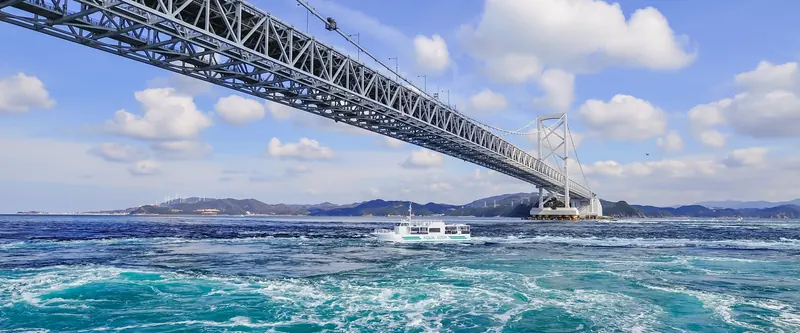
✓The Naruto whirlpools grow bigger during the spring tides
✓It can still snow in Matsue and Tottori in early March
By Area
March Weather by Area
Temperature, precipitation, snow and sunshine are climate normals (1991-2020). Sunset is for March 15.
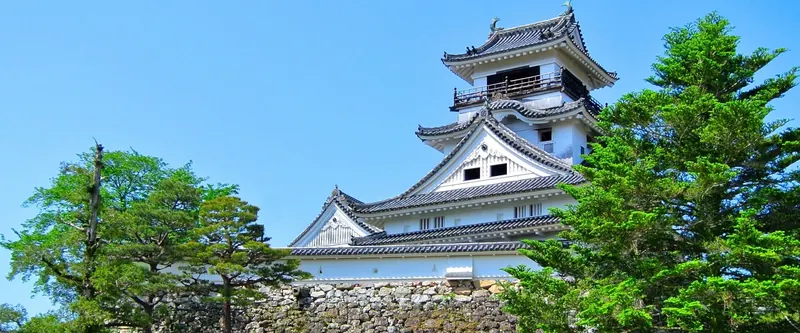
Kochi, Katsurahama Beach, Kochi Castle, Shimanto River
High
16.3℃
Low
6.4℃
Precip.
174.8mm
Sunshine
192h
Sunset
18:13
Average cherry blossom opening date of March 22, the earliest in the region. Highs around 16°C
What to Wear
What to Wear in Chugoku & Shikoku in March
Base layer
Long-sleeved underwear; thermal on cold days
Tops
A long-sleeved shirt with a light knit
Outerwear
A winter coat in early March, a light coat or jacket late in the month
Bottoms
Long pants
Shoes
Comfortable sneakers
Accessories
A stole or light gloves. Dress warmly for evening cherry blossom viewing
Whirlpool sightseeing boats and cycling the Shimanami Kaido leave you chilled by the sea wind. Bring a windproof jacket.
Good to Know
Good to Know
Big temperature swings
Temperatures vary a lot from day to day. Layers you can adjust are recommended.
Timing matters for the whirlpools
The Naruto whirlpools grow bigger when the tidal current is fastest, and can't be seen when the tide is slack. Check a tide table for the times before you go.
Cherry blossoms open from the south
The average opening dates are Kochi March 22, Matsuyama the 24th, Hiroshima the 25th, Okayama the 28th, and Matsue and Tottori the 29th. At the end of the month, aim for the blossoms in Shikoku and along the Seto Inland Sea.
Spring break crowds begin
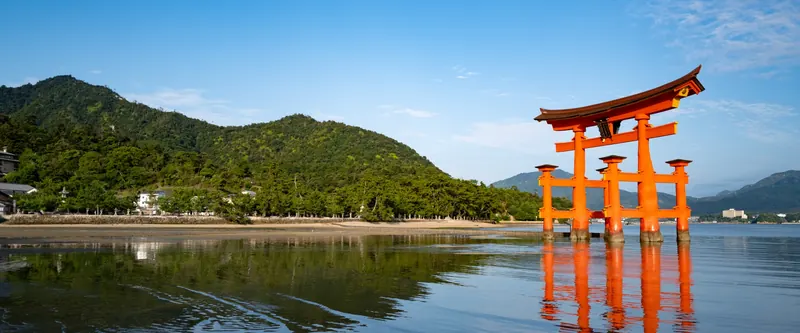
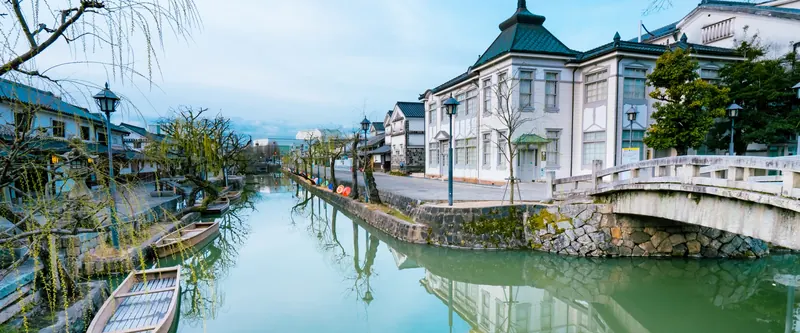
From late March it's spring break, and popular sights like Miyajima and the Kurashiki Bikan Historical Quarter start to get busy.
Events
March Events & Highlights
Naruto Whirlpools (Spring Tides)
Naruto, TokushimaAround the spring tides
The whirlpools of the Naruto Strait are at their largest during the spring tides in spring and autumn, and can reach 20–30m in diameter. You can see them up close from sightseeing boats and more.
Cherry Blossoms Open
Across Shikoku and the Seto Inland SeaLate March (average dates)
The Japan Meteorological Agency's average opening dates are Kochi March 22, Matsuyama the 24th, Hiroshima the 25th, Takamatsu the 27th, Okayama and Tokushima the 28th, and Matsue and Tottori the 29th.
Cherry Blossoms at Kintaikyo Bridge
Iwakuni, YamaguchiUsually late March–Early April
Around 1500 cherry trees bloom around Kintaikyo Bridge. Nighttime illumination begins on the day the blossoms are officially declared open.
Dates change every year. Please check the official websites before you go.
On average, the high is 14.5°C and the low is 5.1°C. Warm and cold days alternate.
Q. When do cherry blossoms bloom in Chugoku & Shikoku?+
According to the Japan Meteorological Agency's average opening dates, Kochi is the earliest on March 22, followed by Matsuyama on the 24th, Hiroshima on the 25th, and Matsue and Tottori on the 29th.
Q. When is the best time to see the Naruto whirlpools?+
They are at their largest during the spring tides in spring and autumn. Within a day, aim for the time when the tidal current is fastest, so check a tide table.
Source: Japan Meteorological Agency (climate normals 1991-2020). Compiled by tripuuu.log. Temperatures are from a representative station in each area; actual weather varies from year to year.