
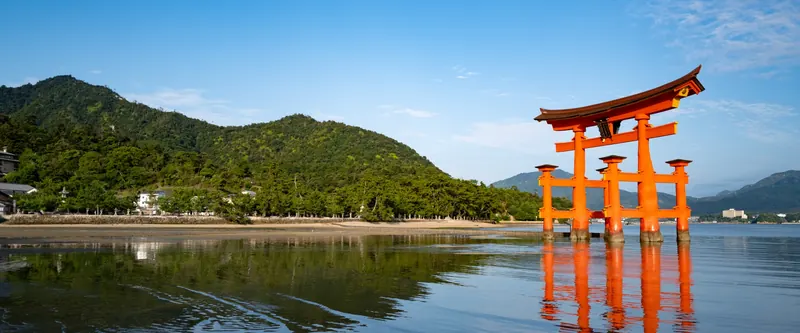
Hiroshima & Miyajima→
Station: HiroshimaHiroshima, Miyajima, Itsukushima Shrine, Atomic Bomb Dome
High
9.9℃
Low
2.0℃
- Precip.
- 46.2mm
- Sunshine
- 139h
- Sunset
- 17:21
Highs around 10°C, mornings around 2°C. Oyster season, at its best in winter
January is the coldest month of the year in Chugoku & Shikoku. Hiroshima's high is 9.9°C and mornings drop to around 2°C. Hiroshima, Okayama, Takamatsu and Matsuyama along the Seto Inland Sea get lots of sunny, dry days, while Matsue and Tottori on the Sea of Japan side see many cloudy and snowy days, with Tottori's 201.2mm of precipitation more than 4 times Hiroshima's. It's a season full of winter-only pleasures, from Hiroshima oysters and San'in's matsuba crab, both at their best in winter, to Dogo Onsen.
Temperature, precipitation, snow and sunshine are climate normals (1991-2020). Sunset is for January 15.
Hiroshima, Miyajima, Itsukushima Shrine, Atomic Bomb Dome
Highs around 10°C, mornings around 2°C. Oyster season, at its best in winter
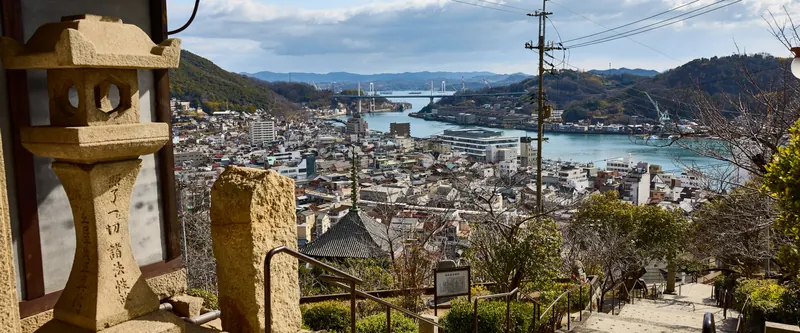
Onomichi, Shimanami Kaido, Ikuchijima, Imabari
Highs of 9.5°C, mornings around 2°C. Cold winds on the bridges between the islands
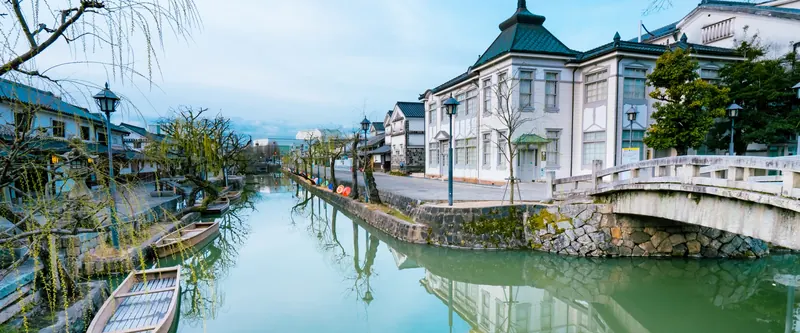
Okayama, Kurashiki Bikan Historical Quarter, Okayama Korakuen, Okayama Castle
Lots of sunny days, but mornings drop to around 0°C
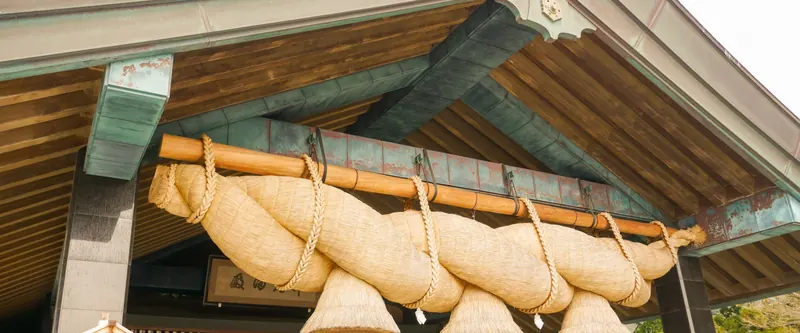
Matsue, Izumo Taisha, Matsue Castle, Lake Shinji
Highs around 8°C. About half as much sunshine as Hiroshima, with many snowy days
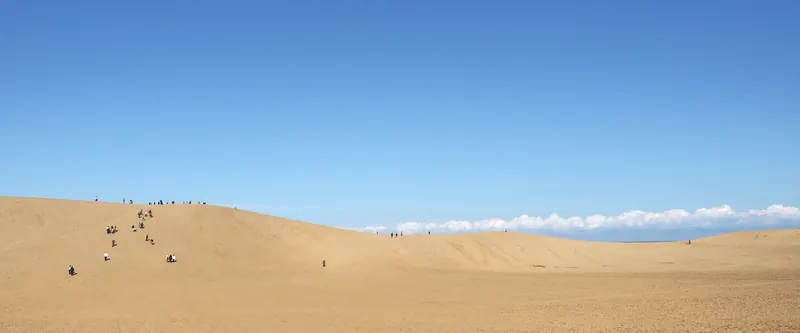
Tottori, Tottori Sand Dunes, Uradome Coast, Mt. Daisen
Highs around 8°C. Snow often settles, sometimes covering the dunes. Matsuba crab season
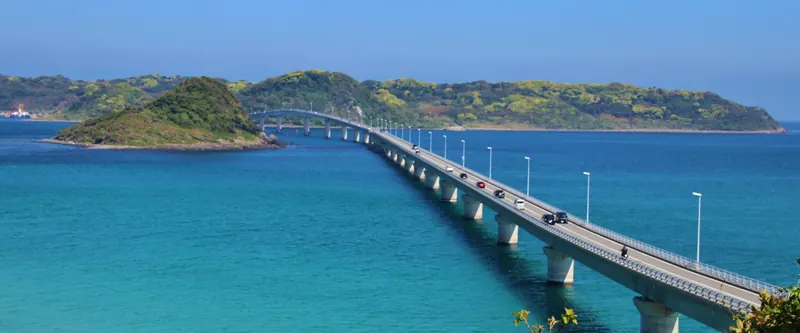
Hagi, Tsunoshima, Akiyoshidai, Kintaikyo Bridge
Hagi highs around 9°C. Many cloudy days on the Sea of Japan side
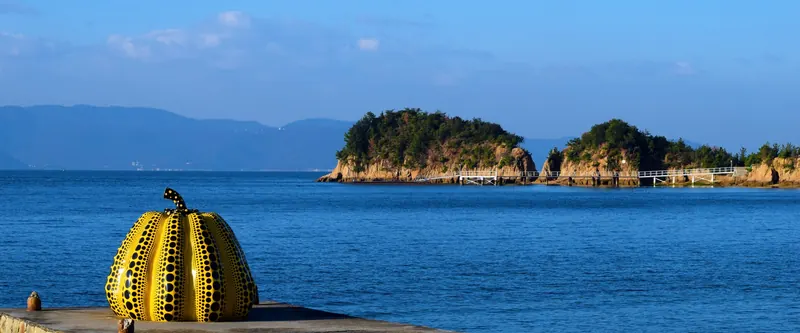
Takamatsu, Naoshima, Shodoshima, Kotohiragu, Ritsurin Garden
Highs around 10°C. Plum blossoms start to open at Ritsurin Garden late in the month
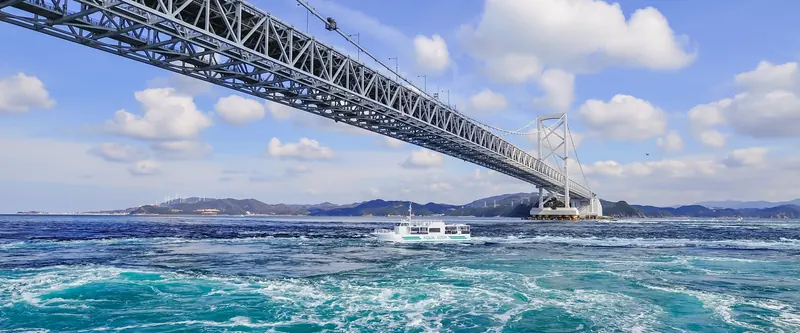
Tokushima, Naruto Whirlpools, Iya Vine Bridge, Oboke
Tokushima highs around 10°C. In the mountains, Iya mornings drop to around -2°C
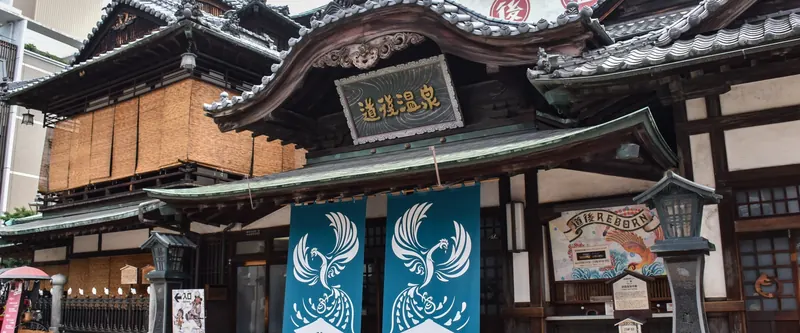
Matsuyama, Dogo Onsen, Matsuyama Castle, Uchiko
Highs around 10°C, mornings around 3°C. The season to warm up at Dogo Onsen
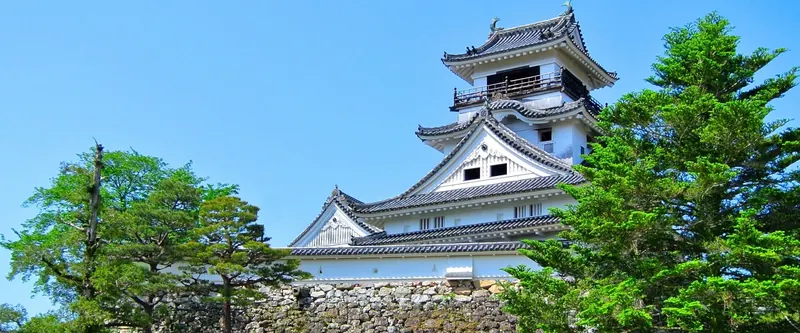
Kochi, Katsurahama Beach, Kochi Castle, Shimanto River
Highs around 12°C, the warmest in the region. Lots of sunny days
Coastal spots like Miyajima and the Shimanami Kaido are windy and feel colder than the numbers suggest. A scarf to protect your neck will keep you comfortable.
Matsue and Tottori see many snowy days in January, and snow often settles in Tottori. If you're driving a rental car, you'll need winter tires.
Even when it's sunny in Hiroshima or Okayama, it's often snowing or raining over the mountains in Matsue and Tottori. On days when you visit both, check the forecast for each.
From about January 1 to 3, museums and some shops and restaurants are closed. Check the closing days of the art museums on Naoshima too.
Hiroshima oysters and San'in matsuba crab are in season in winter. Popular restaurants get busy, so we recommend booking early.
Hiroshima is famous for its oysters. The harvest begins in October–November, and they are said to get tastier as the cold deepens. Oyster festivals are held around the prefecture in January–February.
Tottori Prefecture's snow crab fishing season runs from early November to March. Landed at ports like Tottori Port and Sakaiminato, it is the signature taste of winter in San'in.
Ritsurin Garden, a Special Place of Scenic Beauty, has around 150 red and white plum trees, which start to bloom around late January.
Dates change every year. Please check the official websites before you go.
On average, the high is 9.9°C and the low is 2.0°C. It's the coldest month of the year, and some mornings drop close to 0°C.
There are many snowy days, and snow often settles in Tottori at this time of year. The average maximum snow depth is 25cm in Tottori and 13cm in Matsue. Wear non-slip shoes when you head out.
You'll need a winter coat such as a down jacket, plus gloves and a scarf. If you're going to San'in, also bring waterproof shoes and an umbrella.
Back to the Chugoku & Shikoku Weather Guide (all months & areas) →
Source: Japan Meteorological Agency (climate normals 1991-2020). Compiled by tripuuu.log. Temperatures are from a representative station in each area; actual weather varies from year to year.