Goshuin

How to Get Goshuin

Goshuin are written and stamped records you receive at Japanese shrines and temples as proof of your visit. Here is how to receive them and the etiquette to follow, even on your first try.

What is Goshuin

What are goshuin?

A goshuin is the name of the shrine or temple and the date of your visit written in ink, with red seals stamped on the page, given as proof that you prayed there.

They are said to have started as receipts for sutras offered at temples, and today both shrines and temples offer them.

A goshuin is not a souvenir stamp but a record of your visit. Always pray first, then ask for one.

How to Receive

How to receive goshuin

  1. 1

    Pray first

    Pass through the gate, rinse your hands and mouth at the water basin, then pray at the main hall.

  2. 2

    Go to the counter

    Goshuin are given at the amulet counter or shrine office (juyosho, shamusho, goshuin-sho or nokyo-sho). Follow the signs, as it differs at each site.

  3. 3

    Hand over your open book

    Open your goshuin book to a blank page, remove any cover and hand it over. Saying “Goshuin, please” is enough.

  4. 4

    Make the offering

    Each shrine or temple sets its own amount. Having small change ready keeps things smooth.

  5. 5

    Wait for it to be written

    On busy days you may get a number ticket. Collect your book when called, check it and say thank you.

Written or Pre-written

Written directly vs. pre-written

Written directly (jikagaki)

The goshuin is written in your goshuin book on the spot.

Pre-written (kakioki)

You receive a goshuin already written on a sheet of paper and paste it into your book later. Some sites offer only this, or switch to it on busy days.

Etiquette

Etiquette to know

  • Receive goshuin after you have prayed.
  • Hours differ at each site and the counter may close before the gates do. Allow plenty of time.
  • Wait quietly, and avoid filming or photographing while your goshuin is being written.
  • Some sites may decline to write a shrine goshuin and a temple goshuin in the same book. Keeping separate books is the safe choice.
  • Many sites do not send goshuin by mail. Think of them as something you receive in person.
Goshuin Book

About goshuin books

  • Many shrines and temples offer their own original goshuin books. Getting your first book at a site you visit is a nice way to start.
  • You can also buy them at stationery shops and bookstores. Most are folded accordion style.
  • If you forget your book, some sites offer pre-written goshuin on paper.
Where to Get Goshuin

Power spots where you can get goshuin

Each page lists the counter, hours, offering and more, based on official information.

⛩️ Shrine

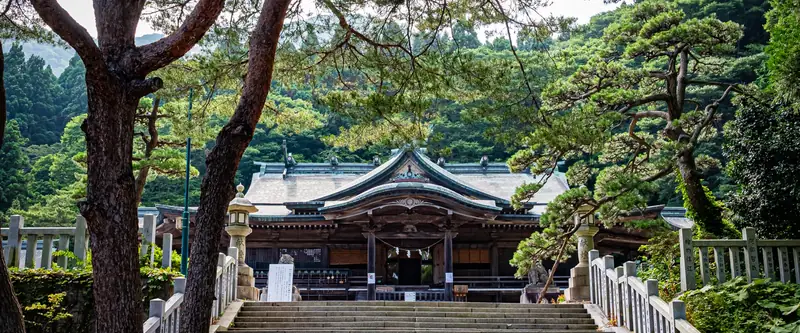
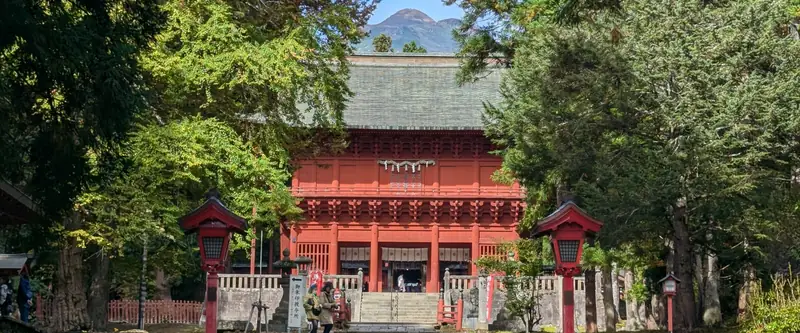
Hokkaido Jingu

Hokkaido ・ Chuo Ward, Sapporo, Hokkaido

⛰️ Nature power spots

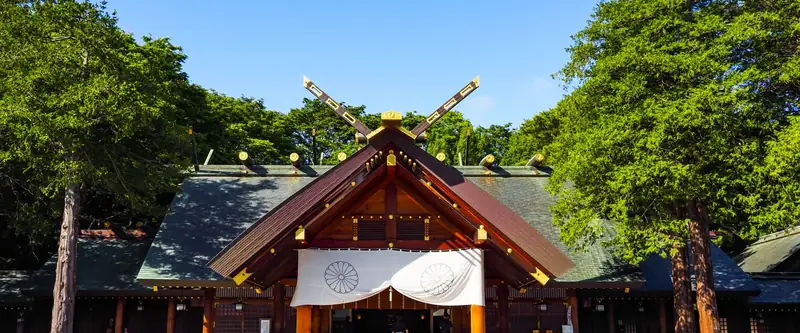
Set in a vast forest next to Maruyama Park in Sapporo, this is the chief guardian shrine of Hokkaido. Hokkaido's official tourism site describes it as a place where the energy from Mount Moiwa and Mount Teine is said to meet, and introduces it as one of the leading power spots in Sapporo.
⛩️ Shrine

Hakodate Hachimangu

Hokkaido ・ Hakodate, Hokkaido

🛡️ Safe travels

A shrine on high ground at the foot of Mount Hakodate, surrounded by a forest of Yezo spruce and other trees. Locals affectionately call it "Hachiman-san," and Hakodate's tourism guide introduces it as "one of Hakodate's leading power spots, filled with crisp, dignified air."

⛩️ Shrine

Iwakiyama Shrine

Tohoku ・ Hirosaki, Aomori

💞 Love & relationships💰 Prosperity & business

A shrine at the foot of Mount Iwaki, known as "Tsugaru Fuji," affectionately called "Oiwaki-sama" or "Oyama" by locals. Aomori Prefecture's official tourism site introduces it as a power spot rooted in mountain worship.

⛩️ Shrine

Towada Shrine

Tohoku ・ Towada, Aomori

🍀 Good fortune & protection⛰️ Nature power spots

An ancient shrine standing among cedar trees at the base of the Nakayama Peninsula, which juts out into Lake Towada. It was once worshipped as a sacred site on a par with Osorezan, and Aomori Prefecture's official tourism site introduces it as one of the leading power spots in Tohoku.

⛩️ Shrine

Dewa Sanzan (Mount Haguro)

Tohoku ・ Tsuruoka, Yamagata

💰 Prosperity & business🛡️ Safe travels💞 Love & relationships

Together with Mount Gassan and Mount Yudono, Mount Haguro forms the "Dewa Sanzan" (Three Mountains of Dewa), a sacred site of mountain worship long known as a center of Shugendo ascetic practice. Tsuruoka City's tourism site introduces it as a power spot, and at the Sanjin Gosaiden hall on the summit you can pay respects to the deities of all three mountains at once.

⛩️ Shrine

Shiogama Shrine

Tohoku ・ Shiogama, Miyagi

🛡️ Safe travels💰 Prosperity & business

Standing on Mount Ichimori overlooking the town of Shiogama, this shrine, affectionately known as "Shiogama-sama," is a guardian of the Tohoku region and the Ichinomiya (highest-ranking shrine) of the former Mutsu Province. Miyagi Prefecture's tourism site introduces it as "one of Miyagi's top power spots," and Shiwahiko Shrine is enshrined on the same grounds.

🛕 Temple

Yamadera (Hojusan Risshaku-ji Temple)

Tohoku ・ Yamagata, Yamagata

📚 Study & exams

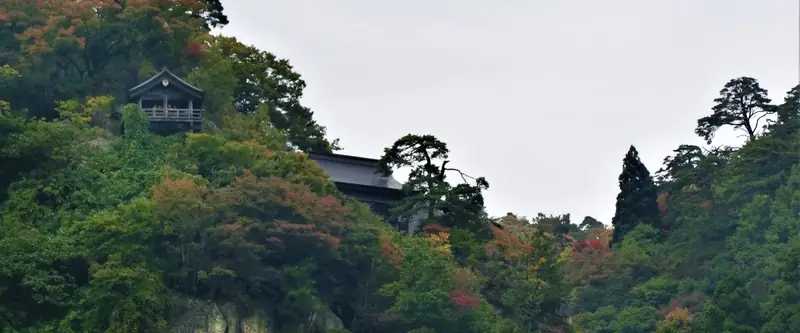
An ancient Tendai Buddhist temple with halls dotted across a steep rocky mountain, affectionately known as "Yamadera" (Mountain Temple). Yamagata Prefecture's official tourism site lists it first among places to visit on a spiritual journey, and a superb view awaits at the top of its 1,015 stone steps.

⛩️ Shrine

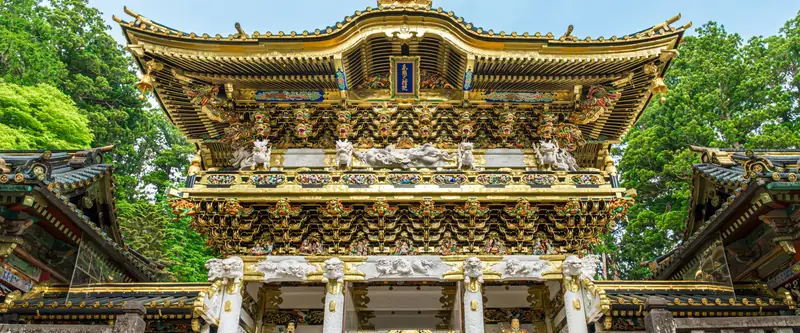
Nikko Toshogu

Tokyo & Around ・ Nikko, Tochigi

🍀 Good fortune & protection🛡️ Safe travels

A shrine dedicated to Tokugawa Ieyasu, representative of the "Shrines and Temples of Nikko" World Heritage Site. It is famous for its lavishly decorated buildings, and Tochigi Prefecture's tourism site notes that several powerful power spots are said to lie on the grounds and in the surrounding area, such as the path beyond the Sleeping Cat leading to the Okumiya (inner shrine) and the approach leading to Nikko Futarasan Shrine.

⛩️ Shrine

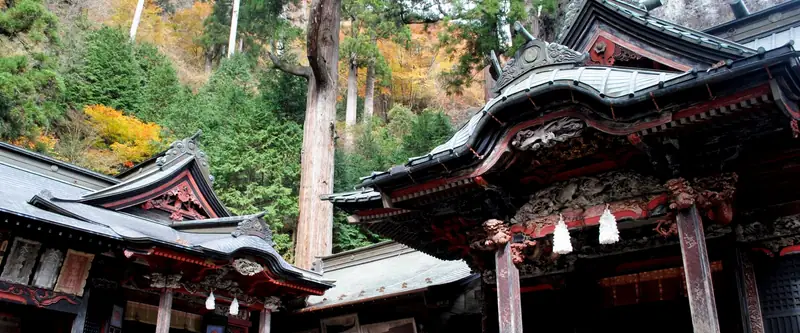
Haruna Shrine

Tokyo & Around ・ Takasaki, Gunma

🍀 Good fortune & protection💰 Prosperity & business

A shrine on the slopes of Mount Haruna, its grounds surrounded by strange rock formations and ancient trees. Takasaki City's official tourism site introduces it as a power spot filled with a sacred atmosphere, and Gunma Prefecture's tourism site calls it "one of the leading power spots in the Kanto region."

⛩️ Shrine

Kashima Jingu

Tokyo & Around ・ Kashima, Ibaraki

🍀 Good fortune & protection

A shrine dedicated to Takemikazuchi no Okami, known as a deity of the founding of Japan and of the martial arts. Ibaraki Prefecture's tourism feature "Power Spots of Ibaraki" describes it as a place where you can feel the strength of a warrior deity who drives away obstacles and moves forward, and as a place that can make a difference at life's turning points.

⛩️ Shrine

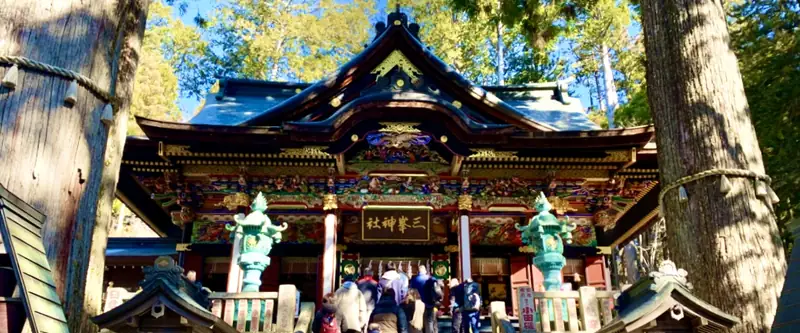
Mitsumine Shrine

Tokyo & Around ・ Chichibu, Saitama

⛰️ Nature power spots

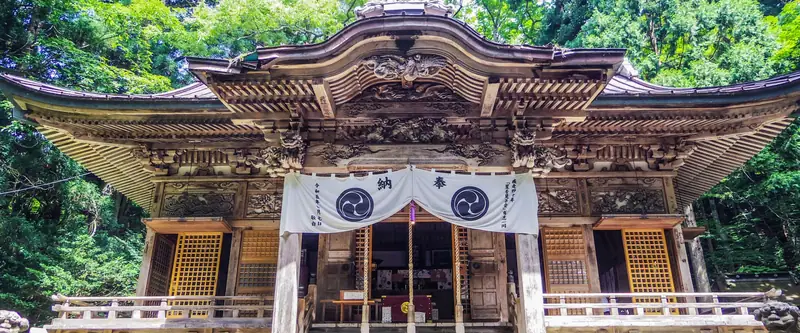
One of the Three Shrines of Chichibu, standing on Mount Mitsumine deep in the Chichibu mountains. Saitama Prefecture's website introduces it as "one of the leading power spots in the Kanto region," and it is also known for its rare triple torii gate and mountaintop views of seas of clouds and sunrises.

⛩️ Shrine

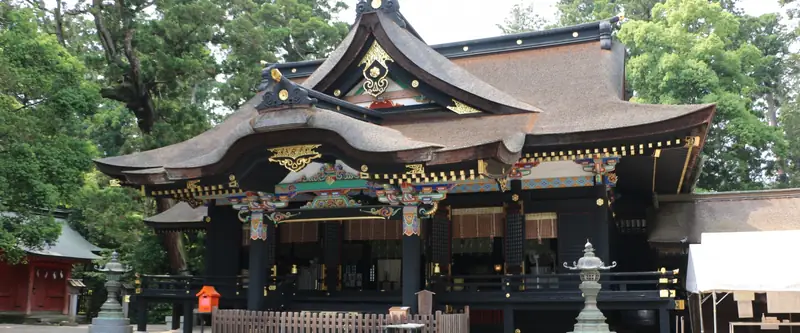
Katori Jingu

Tokyo & Around ・ Katori, Chiba

🍀 Good fortune & protection🛡️ Safe travels

The head shrine of the Katori shrines found across Japan, mainly in the Kanto region, and the Ichinomiya (highest-ranking shrine) of the former Shimousa Province. Chiba Prefecture's official tourism site features it on a model "power spot tour" together with Kashima Jingu, and its highlights include the legendary Kanameishi stone and the Okumiya (inner shrine).

⛩️ Shrine

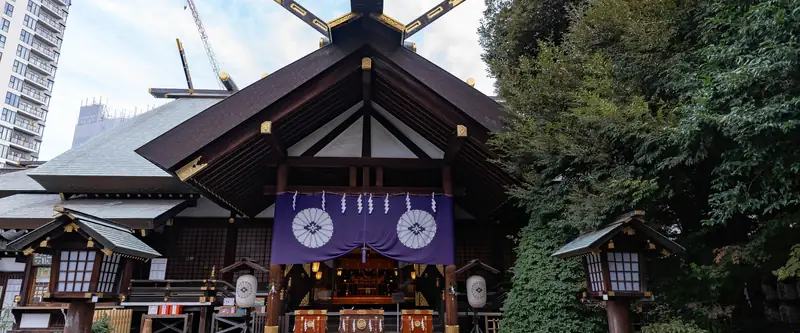
Tokyo Daijingu

Tokyo & Around ・ Chiyoda, Tokyo

💞 Love & relationships🍀 Good fortune & protection

A shrine near Iidabashi Station that enshrines the deities of Ise Jingu. It is known for blessings of matchmaking, and the official website of the Chiyoda City Tourism Association introduces it as a "Chiyoda power spot" bustling with visitors hoping for a good match.

⛩️ Shrine

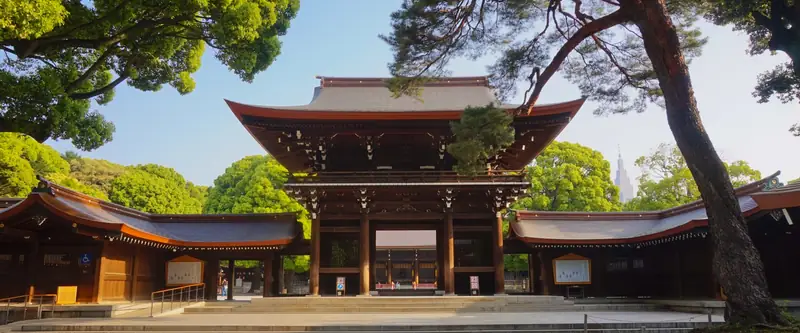
Meiji Jingu

Tokyo & Around ・ Shibuya, Tokyo

⛰️ Nature power spots

A shrine dedicated to Emperor Meiji and Empress Shoken, spreading out right next to Harajuku Station in Tokyo. It is wrapped in a deep forest that is hard to believe exists in the city center, and the Japan National Tourism Organization (JNTO) introduces Kiyomasa's Well (Kiyomasa-no-ido) in the Inner Garden as a power spot visited by people seeking energy to heal body and mind.

⛩️ Shrine

Samukawa Shrine

Tokyo & Around ・ Samukawa, Koza District, Kanagawa

🍀 Good fortune & protection

A shrine with a long history as the Ichinomiya (highest-ranking shrine) of the former Sagami Province, known as the only guardian deity of "happo-yoke" (protection from misfortune in all eight directions) in Japan. Kanagawa Prefecture's website notes that it has also drawn attention in recent years as a power spot.

⛩️ Shrine

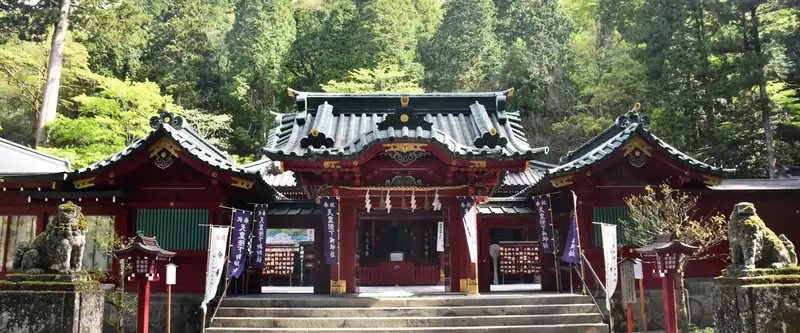
Hakone Shrine

Tokyo & Around ・ Hakone, Ashigarashimo District, Kanagawa

🍀 Good fortune & protection🛡️ Safe travels💞 Love & relationships

Standing on the shore of Lake Ashi, this shrine has long been revered as "Kanto Soumoju Hakone Daigongen," the guardian deity of the Kanto region. Kanagawa Prefecture's tourism site introduces it as "Hakone's foremost power spot," surrounded by Lake Ashi, an avenue of old cedars and a pure stand of Japanese stewartia trees designated a Natural Monument.

⛩️ Shrine

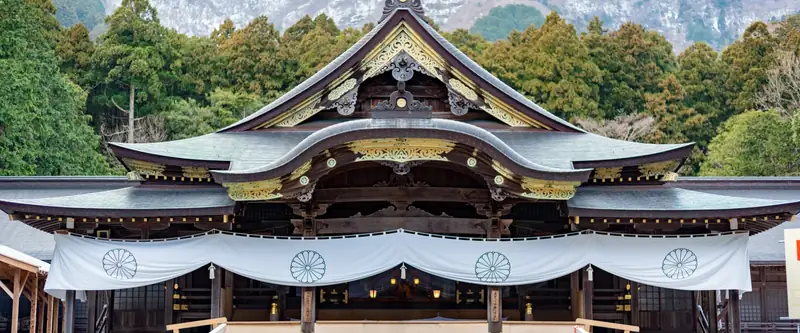
Yahiko Shrine

Chubu & Hokuriku ・ Yahiko Village, Niigata

💞 Love & relationships

The Ichinomiya (highest-ranking shrine) of the former Echigo Province, standing in a deep forest with Mount Yahiko behind it, affectionately known as "Oyahiko-sama." Niigata Prefecture's official tourism site introduces it as "one of the prefecture's top power spots," and because it enshrines a married couple of deities, it is also popular as a power spot for love.

⛩️ Shrine

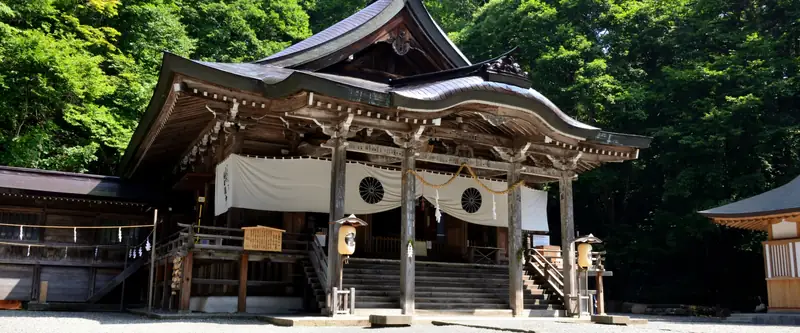
Togakushi Shrine

Chubu & Hokuriku ・ Nagano, Nagano

🍀 Good fortune & protection📚 Study & exams💞 Love & relationships

A shrine made up of five shrines, Okusha, Chusha, Hokosha, Kuzuryusha and Hinomikosha, scattered at the foot of the sacred Mount Togakushi. Connected to the Ama-no-Iwato myth, it is introduced on the official tourism sites of Nagano City and Nagano Prefecture as "a power spot of myth and faith." The "Five Shrines Pilgrimage," walking along cedar-lined approaches to visit all five, is well known.

⛩️ Shrine

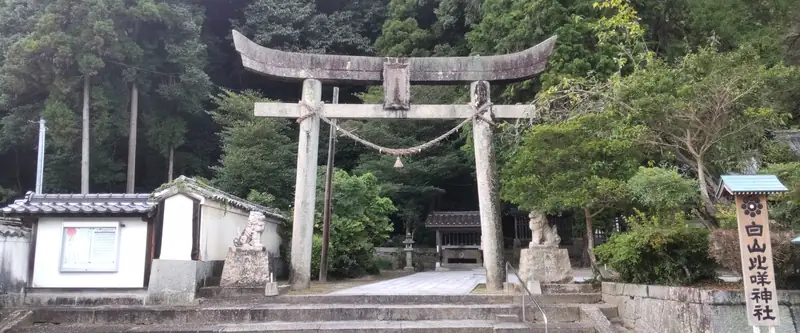
Shirayama Hime Shrine

Chubu & Hokuriku ・ Hakusan, Ishikawa

💞 Love & relationships🍀 Good fortune & protection🛡️ Safe travels

The head shrine of some three thousand Hakusan shrines across Japan, worshipping the sacred Mount Hakusan as its sacred body. Locals affectionately call it "Shirayama-san," and Ishikawa Prefecture's official tourism site introduces it, together with the shrine town of Tsurugi, as "the most powerful power spot in Hokuriku." The pure air of the main approach, surrounded by giant trees, is a big part of its appeal.

⛩️ Shrine

Hotaka Shrine

Chubu & Hokuriku ・ Azumino, Nagano

🛡️ Safe travels🍀 Good fortune & protection⛰️ Nature power spots

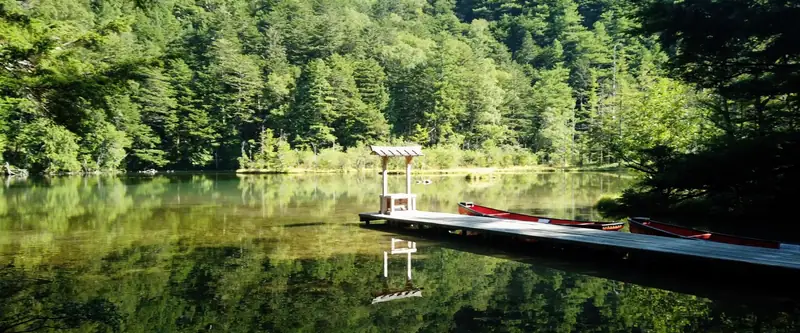
Made up of the main shrine in Azumino, the Okumiya (inner shrine) on the shore of Myojin Pond in Kamikochi, and the Minemiya (summit shrine) on the peak of Mount Okuhotaka, this shrine is known as the "chief guardian of the Japan Alps." Nagano Prefecture's official tourism site introduces it as a power spot, and the shrine's official website also describes the Myojin Pond area as a power spot. It is a place where the nature of the Northern Alps and faith are closely intertwined.

⛩️ Shrine

Fujisan Hongu Sengen Taisha

Chubu & Hokuriku ・ Fujinomiya, Shizuoka

🛡️ Safe travels

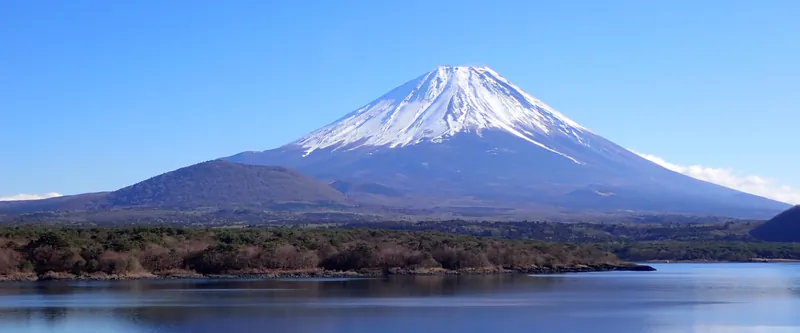
Standing at the foot of Mount Fuji, this is the head shrine of all Sengen shrines in Japan. It worships Mount Fuji itself as its sacred body, and Shizuoka Prefecture's official tourism site introduces it as a power spot. On the grounds, such as at Wakutama Pond where Fuji's spring water wells up, you can feel the blessings of the mountain up close.

⛩️ Shrine

Atsuta Jingu

Chubu & Hokuriku ・ Nagoya, Aichi

🍀 Good fortune & protection🛡️ Safe travels

An ancient shrine in the leafy "Forest of Atsuta" in southern Nagoya, affectionately known to locals as "Atsuta-san." It enshrines the Kusanagi sword, one of the Three Sacred Treasures of Japan, and Nagoya's official tourism site features it on a model power spot route. A deep forest spreads out here that feels far removed from the surrounding city.

⛩️ Shrine

Kinomiya Shrine

Chubu & Hokuriku ・ Atami, Shizuoka

🌿 Health & longevity🍀 Good fortune & protection

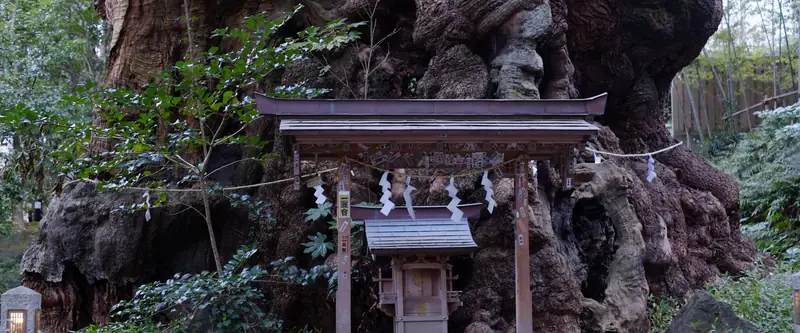
A shrine long worshipped as the guardian deity of the land of Atami, known as a "deity of incoming fortune and good omens." Beside the main hall towers a sacred giant camphor tree designated a national Natural Monument, and the Atami City Tourism Association introduces the shrine as a power spot.

⛩️ Shrine

Ikuta Shrine

Kansai ・ Chuo Ward, Kobe, Hyogo

💞 Love & relationships

An ancient shrine in the heart of Sannomiya, Kobe, said to be the origin of the name "Kobe." Hyogo Prefecture's official tourism site introduces it as "Kobe's foremost power spot," and many people visit it as a shrine for matchmaking (enmusubi).

⛩️ Shrine

Omiwa Shrine

Kansai ・ Sakurai, Nara

💞 Love & relationships🌿 Health & longevity

A shrine that worships Mount Miwa itself as its sacred body, regarded as one of the oldest shrines in Japan. Nara Prefecture's official tourism site introduces it with phrases such as "Power Spot Miwa" and "all of Mount Miwa is a power spot."

⛩️ Shrine

Ise Jingu

Kansai ・ Ise, Mie

💰 Prosperity & business

A shrine centered on two main sanctuaries, the Naiku (Kotai Jingu, the Inner Shrine) and the Geku (Toyouke Daijingu, the Outer Shrine), long famous as the destination of the "Oise-mairi" pilgrimage. Mie Prefecture's official tourism site presents the Geku and Naiku, standing in vast and mystical forests, as the heart of a power spot tour.

⛩️ Shrine

Kumano Hongu Taisha

Kansai ・ Hongu, Tanabe, Wakayama

⛰️ Nature power spots

One of the Kumano Sanzan (Three Grand Shrines of Kumano), regarded as the head shrine of all Kumano shrines in Japan. Wakayama Prefecture's official tourism site introduces it as a destination on a "power spot tour" from Ise Jingu to the Kumano Sanzan, and notes that Oyunohara, the shrine's former site, is also popular as a power spot.

⛩️ Shrine

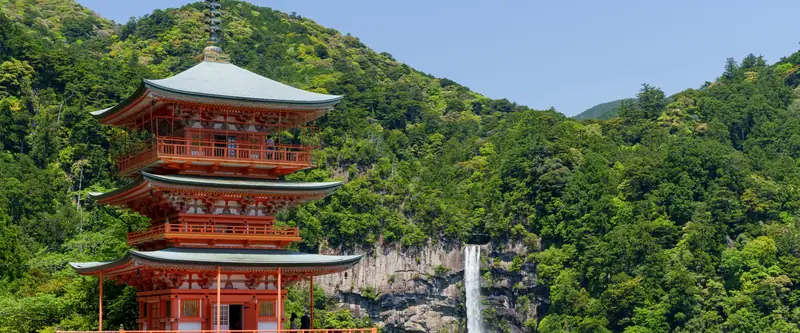
Kumano Nachi Taisha (Nachi Falls)

Kansai ・ Nachikatsuura, Higashimuro District, Wakayama

💞 Love & relationships⛰️ Nature power spots🌿 Health & longevity

One of the Kumano Sanzan (Three Grand Shrines of Kumano), which can be visited together with its separate shrine, Hiro Shrine, whose sacred body is Nachi Falls, one of Japan's three most famous waterfalls. Wakayama Prefecture's official tourism site introduces it as a destination on a "power spot tour" of the Kumano Sanzan.

⛩️ Shrine

Izumo Taisha

Chugoku & Shikoku ・ Izumo, Shimane

💞 Love & relationships

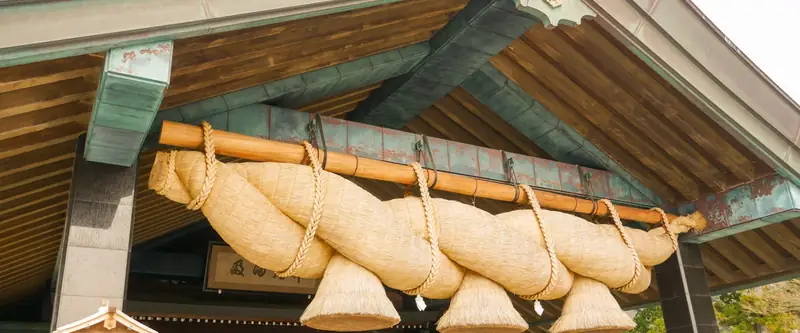
An ancient shrine representative of Izumo, dedicated to Okuninushi no Okami, known as the deity of matchmaking (enmusubi). Shimane Prefecture's official tourism site introduces it as the top stop on a tour of the prefecture's good-fortune and power spots.

⛩️ Shrine

Motonosumi Shrine

Chugoku & Shikoku ・ Nagato, Yamaguchi

🍀 Good fortune & protection

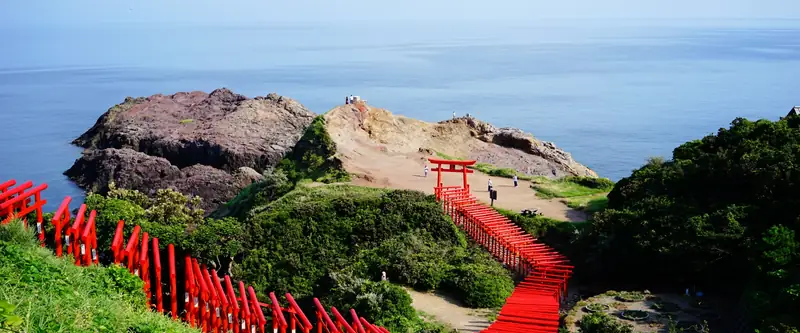
A seaside shrine in Nagato where red torii gates line up with the Sea of Japan behind them. Yamaguchi Prefecture's official tourism site introduces it as one of the power spots associated with "fuku" (happiness), for those praying for good fortune.

⛩️ Shrine

Kotohiragu (Konpira-san)

Chugoku & Shikoku ・ Kotohira, Nakatado District, Kagawa

🛡️ Safe travels💰 Prosperity & business🌿 Health & longevity

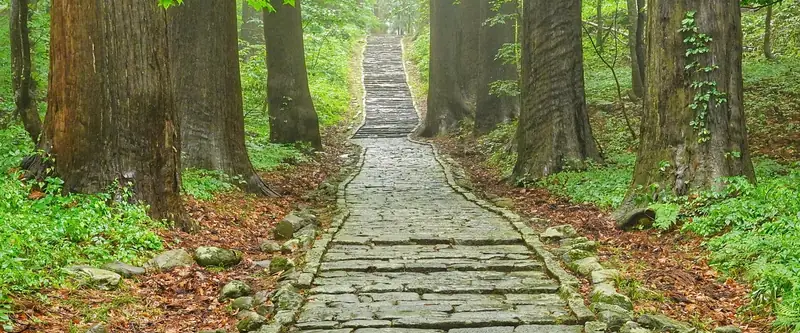
A shrine to the deity of the sea on the slopes of Mount Zozu, affectionately known as "Konpira-san." It is famous as a shrine you reach by climbing a long flight of stone steps one by one, and the official site of the Kagawa Prefecture Tourism Association introduces it as one of Kagawa's power spots.

⛩️ Shrine

Miyajidake Shrine

Kyushu ・ Fukutsu, Fukuoka

🍀 Good fortune & protection💰 Prosperity & business

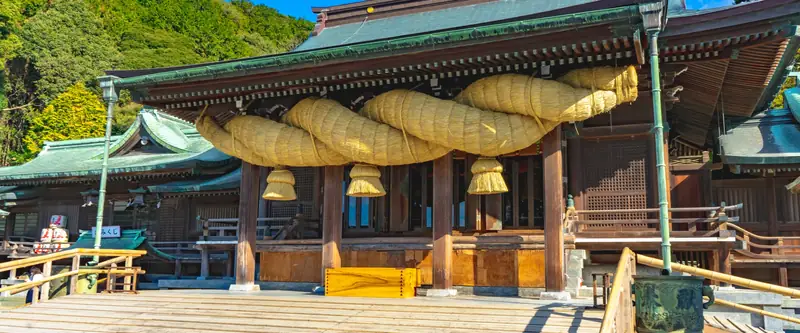
A shrine in Fukutsu, famous across Japan for the "Path of Light," when the setting sun sinks into the sea straight ahead of the approach. Fukuoka Prefecture's official tourism site introduces it as a Fukuoka power spot that invites happiness.

⛩️ Shrine

Usa Jingu

Kyushu ・ Usa, Oita

📚 Study & exams💰 Prosperity & business💞 Love & relationships

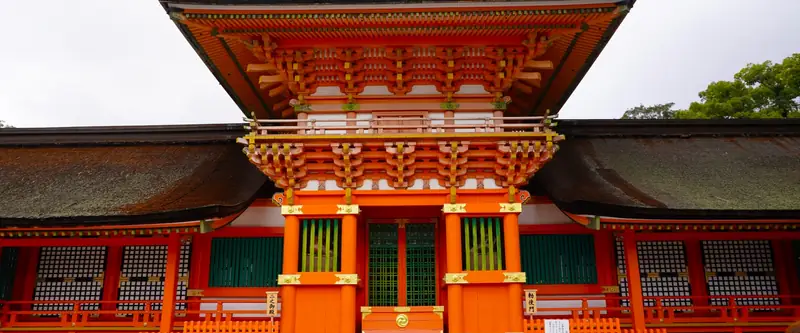
Regarded as the head shrine of all Hachiman shrines in Japan, this is Oita Prefecture's most representative shrine. Oita Prefecture's official tourism site introduces it as a power spot, and spots associated with blessings are scattered across its spacious grounds.

⛩️ Shrine

Dazaifu Tenmangu

Kyushu ・ Dazaifu, Fukuoka

📚 Study & exams🍀 Good fortune & protection

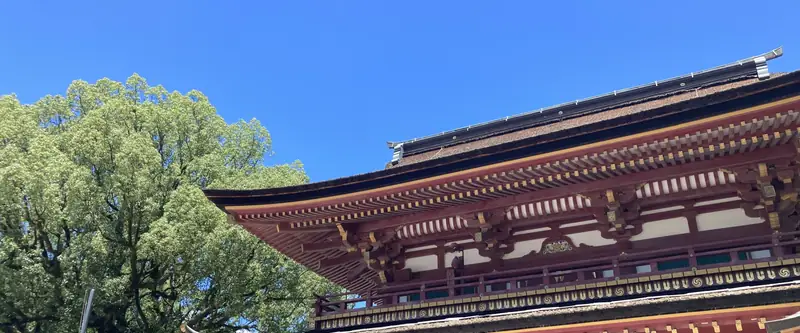
Considered the head shrine of all Tenmangu shrines in Japan, it enshrines Sugawara no Michizane, revered as the deity of learning, culture and the arts. Fukuoka Prefecture's official tourism site introduces it as a must-visit power spot in Fukuoka.

⛩️ Shrine

Amanoiwato Shrine

Kyushu ・ Takachiho, Nishiusuki District, Miyazaki

⛰️ Nature power spots

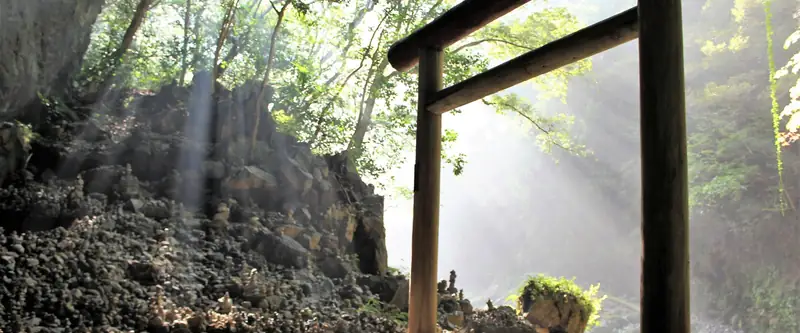
This shrine is set in the landscape of the Ama-no-Iwato myth, and its object of worship is the Ama-no-Iwato, the cave where the sun goddess Amaterasu is said to have hidden herself. Miyazaki Prefecture's tourism site introduces it as one of Japan's leading power spots, and the Amano-Yasugawara cave along the Iwato River is also a popular stop.

⛩️ Shrine

Kirishima Jingu

Kyushu ・ Kirishima, Kagoshima

💰 Prosperity & business

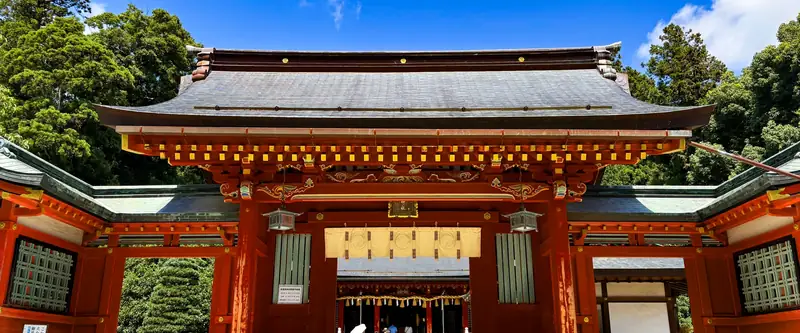
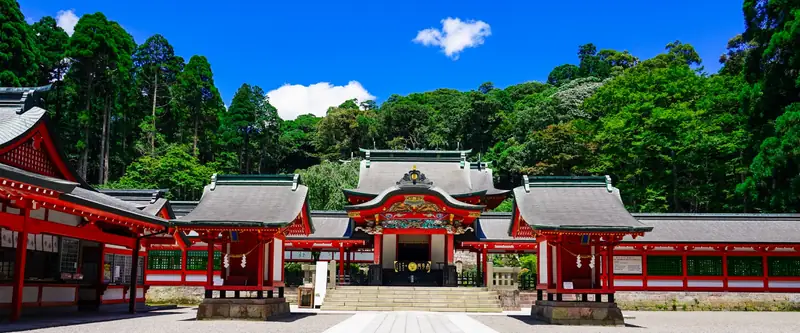
A shrine with beautiful vermilion buildings at the foot of the Kirishima Mountains, where the myth of the descent of the grandson of the sun goddess (Tenson Korin) is told. Kagoshima Prefecture's official tourism site introduces it as "one of the leading power spots in Kirishima."

⛩️ Shrine

Naminoue Shrine

Okinawa ・ Naha, Okinawa

🛡️ Safe travels

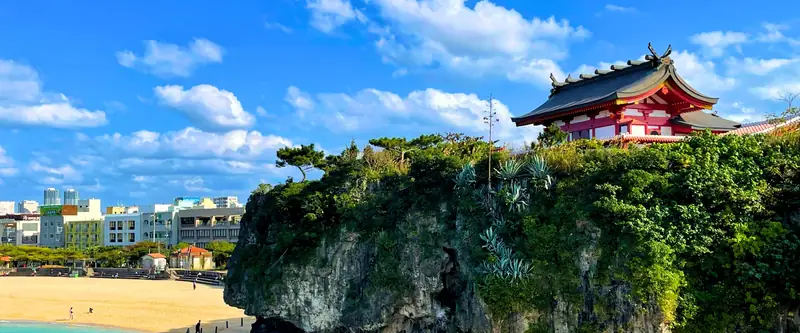
A shrine on a cliff overlooking the sea in Naha, regarded as the foremost of the Eight Shrines of Ryukyu. The Naha City Tourism Association's website introduces it as the starting point of a tour of the Eight Shrines of Ryukyu, which are said to be power spots.

Details for each site are based on the official websites of the shrines and temples and on local government and tourism association information. What is offered and the hours can change, so check official information before you go.