
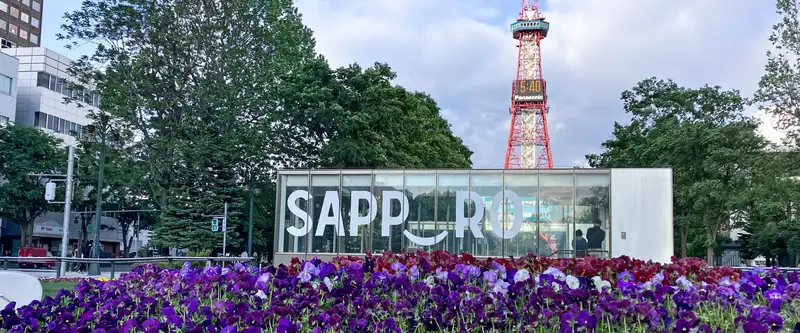
Sapporo→
Station: SapporoSapporo
High
−0.4℃
Low
−6.4℃
- Precip.
- 108.4mm
- Max snow depth
- 76cm
- Sunset
- 16:23
Days below freezing and snow keeps piling up. The underground walkways make getting around easier
January is the coldest time of year in Hokkaido. Even in Sapporo, the average high is -0.4°C, and many days stay below freezing all day. Snow falls almost every day, and ski resorts like Niseko are at the peak of powder season. It's the best time to enjoy classic Hokkaido winter scenery.
Temperature, precipitation, snow and sunshine are climate normals (1991-2020). Sunset is for January 15.
Sapporo
Days below freezing and snow keeps piling up. The underground walkways make getting around easier
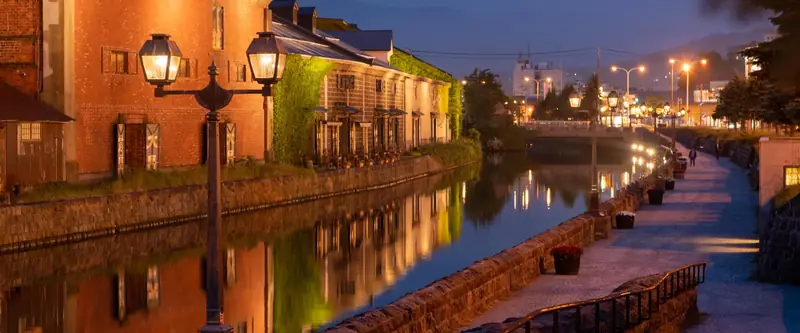
Otaru, Shakotan
Lots of snow and steep streets — watch your step. The snowy canal is beautiful
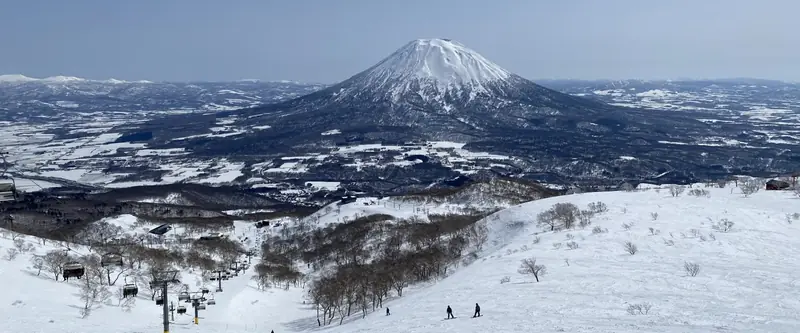
Niseko, Kutchan, Rusutsu
2.5 m of snowfall a month. Peak of its world-famous powder snow
Asahikawa, Biei, Mt. Asahidake, Sounkyo
Mornings around -12°C. Penguin walk season at Asahiyama Zoo
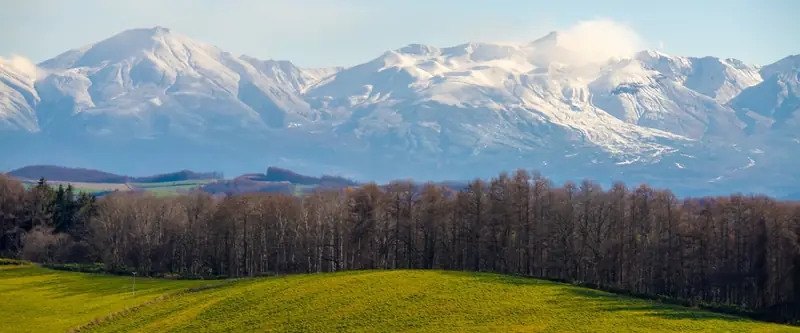
Furano, Tomamu
Mornings around -14°C, among the coldest in Hokkaido. You may even see diamond dust
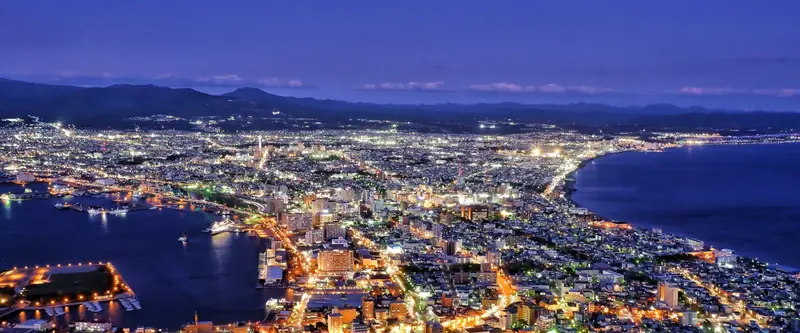
Hakodate, Onuma
Relatively warm for Hokkaido. The night view and churches in the snow are beautiful
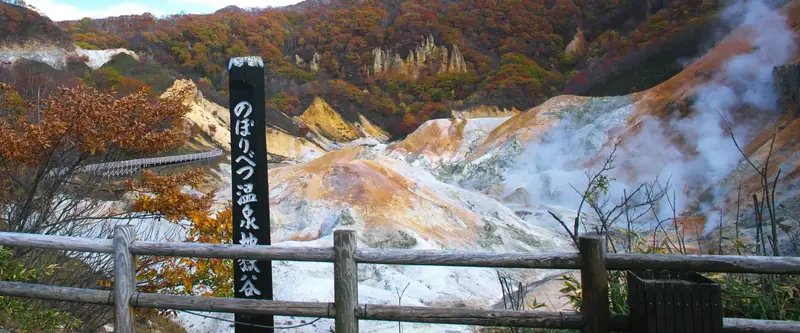
Noboribetsu, Lake Toya, Muroran, Shiraoi
Little snow and mild weather. Perfect for hot springs with a snowy view
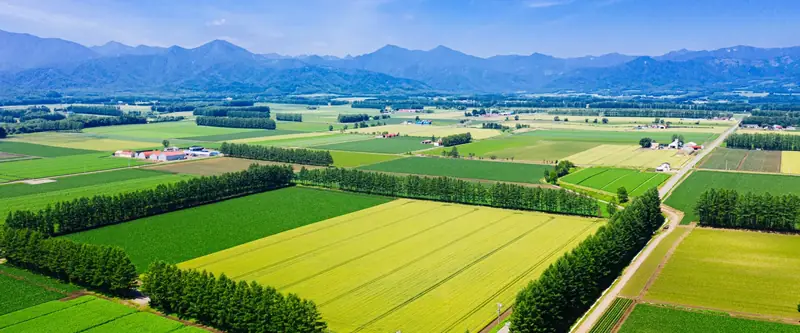
Obihiro, Tokachigawa Onsen
Mostly sunny, but mornings drop to around -13°C
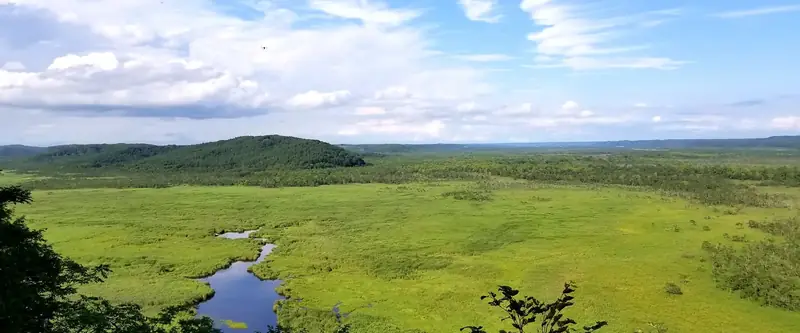
Kushiro, Kushiro Wetland, Lake Akan
Mostly sunny with little snow. A good season to see red-crowned cranes
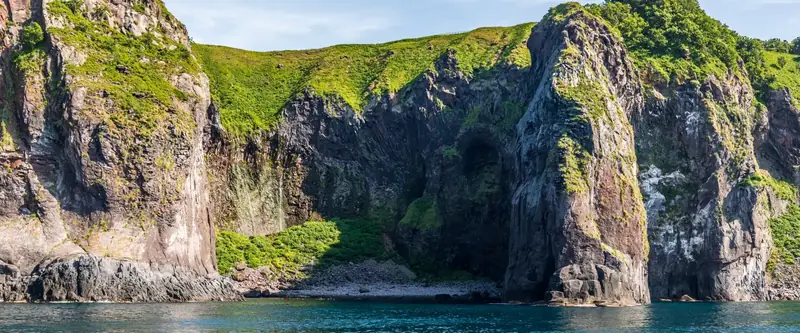
Abashiri, Shiretoko, Utoro
Drift ice starts approaching in late January. Bitterly cold
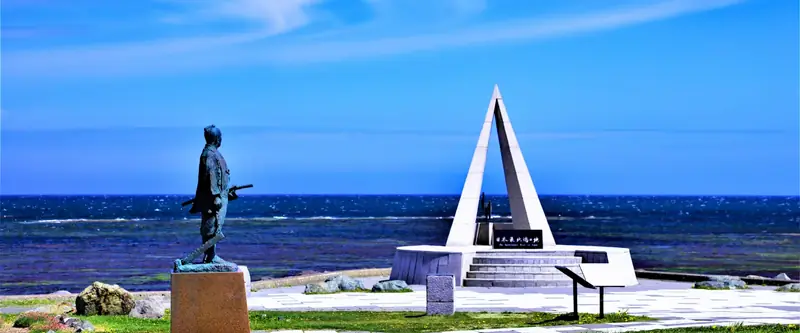
Wakkanai, Rishiri Island, Rebun Island
Strong winds and very few sunny breaks. Feels much colder than the thermometer says
If you plan to ski or snowboard, you'll need separate waterproof ski wear. Rentals are available locally.
City sidewalks are covered in packed snow and ice and get very slippery. Slip-on shoe spikes (sold at konbini/convenience stores and drugstores) help a lot. Take small steps and land with your whole foot.
Around January 1–3, many small independent restaurants and some facilities close. Large shopping centers and tourist spots are usually open, but it's worth checking in advance.
In mid-January, the sun sets around 4:20 pm in Sapporo and just after 4 pm in Kushiro to the east. Plan to finish sightseeing and travel while it's still light.
Blizzards can cause JR train suspensions and flight cancellations at New Chitose Airport. Build slack into travel days — for example, stay near the airport the night before your flight home.
Icy roads and poor visibility in blizzards make driving risky for anyone without snow-driving experience. JR trains, buses and tours are the safer choice.
Hotels, restaurants and underground malls can be over 20°C. Layers that are easy to take off are the most comfortable.
The shrine with the most visitors in Hokkaido. Making your first shrine visit of the year in the snow is a uniquely Hokkaido experience.
Blue ice sculptures made from Lake Shikotsu's water. The evening illuminations are magical.
Read the guide:Chitose-Lake Shikotsu Ice Festival →A winter event in the hot spring town, with ice tunnels and domes.
Read the guide:Sounkyo Onsen Ice Waterfall Festival →King penguins parade across the snow — a winter-only event.
Read the guide:Asahiyama Zoo Penguin Walk →In winter, red-crowned cranes — a Special Natural Monument of Japan — gather at feeding grounds and can be seen dancing on the snowfields.
Drift ice begins to appear offshore. The main viewing season starts in February.
One of Japan's oldest illumination events, which began in Odori Park in 1981 with about 1,000 light bulbs. Light sculptures brighten central Sapporo in winter; the main Odori Site stays lit until December 25, while sites such as Ekimae-dori and Minami 1-jo-dori stay lit until February–March of the following year. 2026 marks its 46th edition.
Read the guide:Sapporo White Illumination →Dates change every year. Please check the official websites before you go.
On average, the high is -0.4°C and the low is -6.4°C. It's the coldest month of the year, and most days stay below freezing even during the day.
Temperatures are almost the same. February has more events like the Snow Festival and drift ice, while January is less crowded. For skiing, both are peak season.
Noboribetsu & Lake Toya (Muroran), Kushiro and Hakodate have less snow on the ground. Kushiro and Obihiro also get lots of sunny days.
Source: Japan Meteorological Agency (climate normals 1991-2020). Compiled by tripuuu.log. Temperatures are from a representative station in each area; actual weather varies from year to year.