Sapporo→
Station: SapporoSapporo
High
4.5℃
Low
−2.4℃
- Precip.
- 77.6mm
- Max snow depth
- 82cm
- Sunset
- 17:40
The thaw begins; sidewalks are a mix of slush and ice
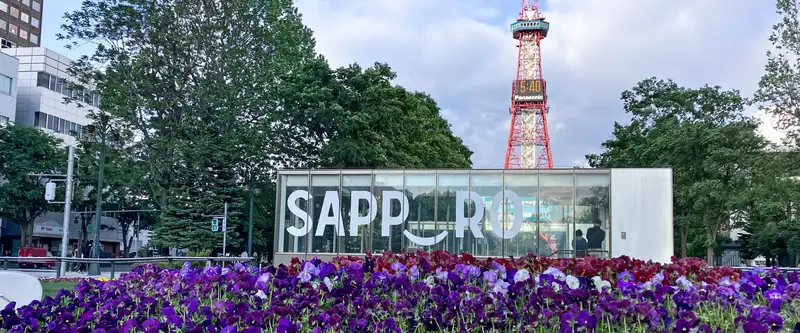
March may be spring on the calendar, but Hokkaido still looks like winter. Sapporo's high rises to 4.5°C, but mornings are below freezing and plenty of snow remains in the city. Snow that melts during the day refreezes at night, making it the hardest time of year to walk around. On the other hand, the ski slopes still have plenty of snow, and more sunny days make it spring-skiing season.
Temperature, precipitation, snow and sunshine are climate normals (1991-2020). Sunset is for March 15.
Sapporo
The thaw begins; sidewalks are a mix of slush and ice
Otaru, Shakotan
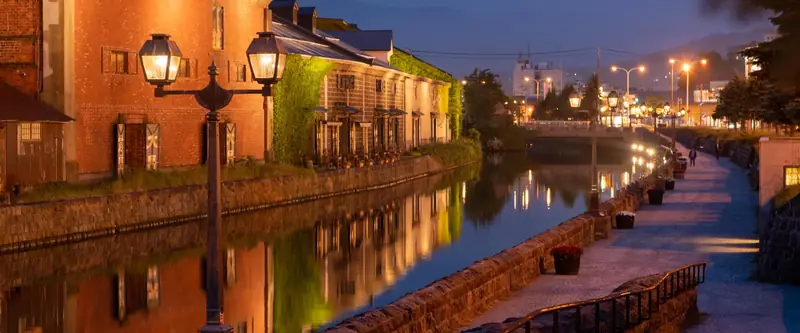
About 1 m of snow remains. Watch your step on the slopes
Niseko, Kutchan, Rusutsu
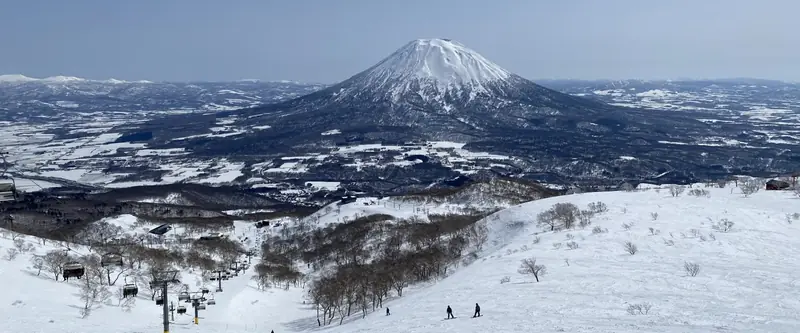
About 1.7 m of snow. More sunny days — ideal for spring skiing
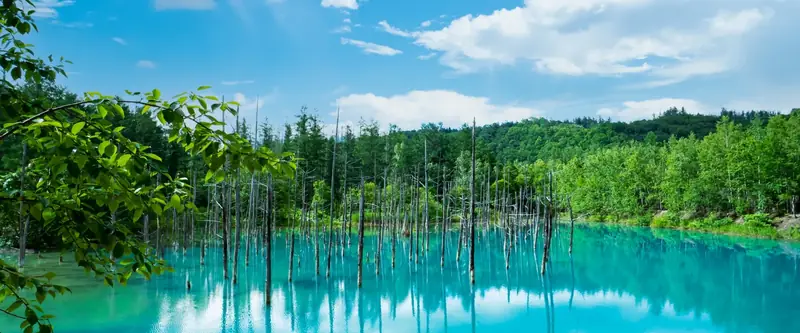
Asahikawa, Biei, Mt. Asahidake, Sounkyo
Mornings around -6°C, still wintry. Snowfield scenery remains
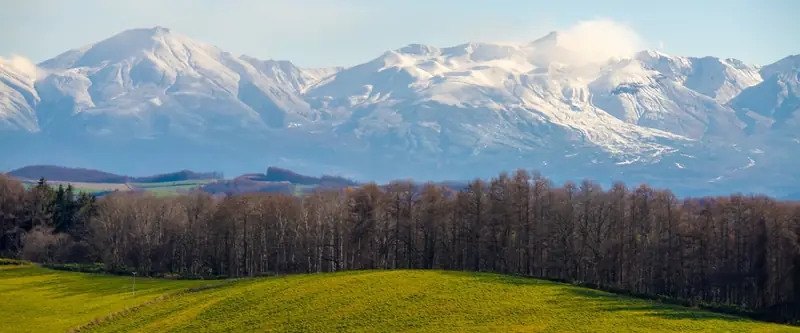
Furano, Tomamu
Mornings around -8°C. The ski slopes still have plenty of snow
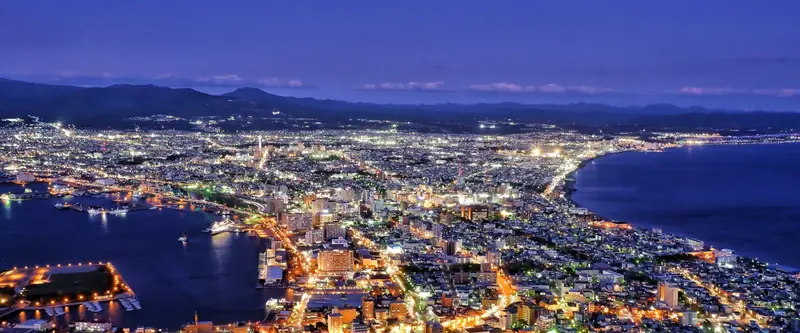
Hakodate, Onuma
Warm for Hokkaido, and the snow melts early. Highs around 6°C
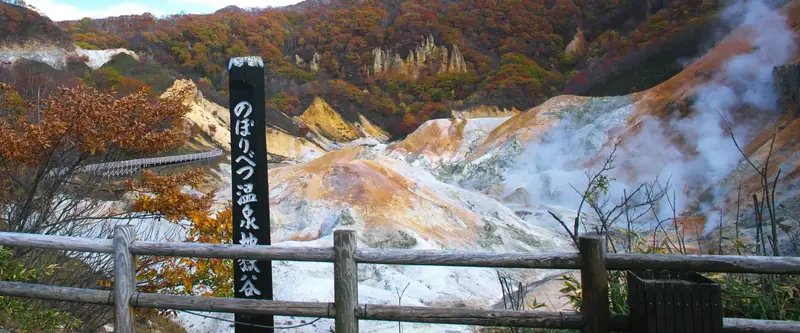
Noboribetsu, Lake Toya, Muroran, Shiraoi
Almost no snow; you can already feel spring
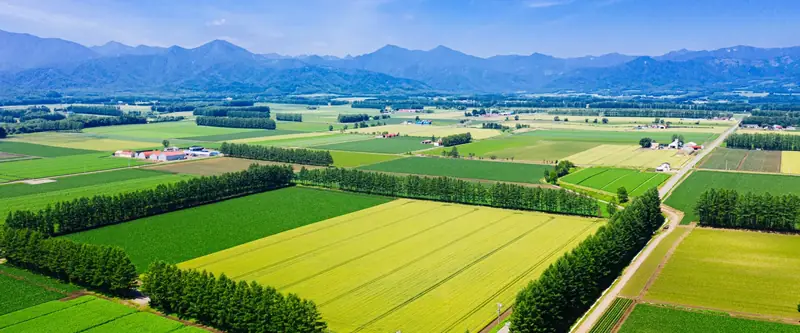
Obihiro, Tokachigawa Onsen
Among the sunniest places in Hokkaido. Mornings are still very cold
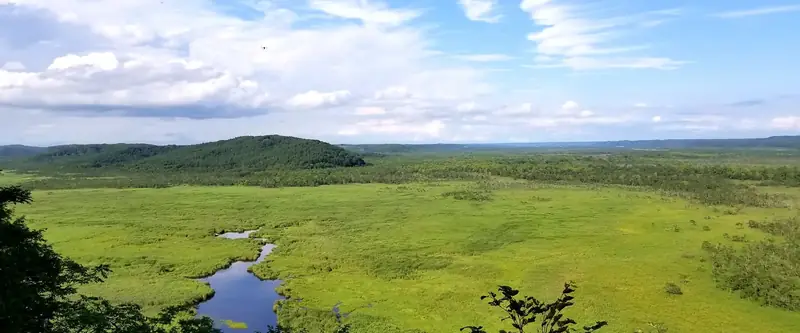
Kushiro, Kushiro Wetland, Lake Akan
Mostly sunny with little snow. Red-crowned cranes visit feeding grounds until around March
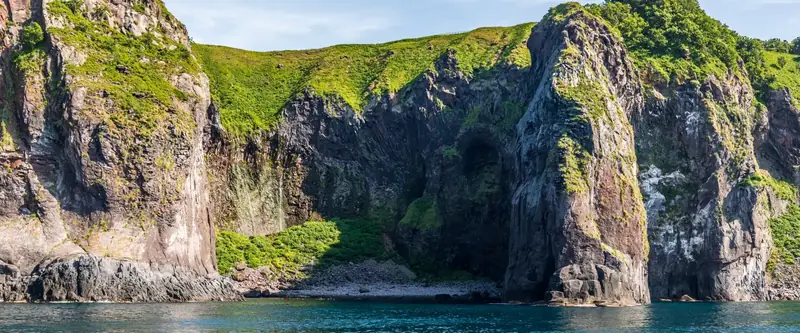
Abashiri, Shiretoko, Utoro
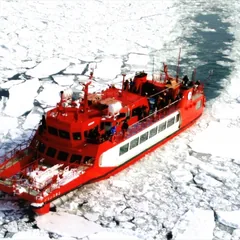
Drift ice can often still be seen until early March
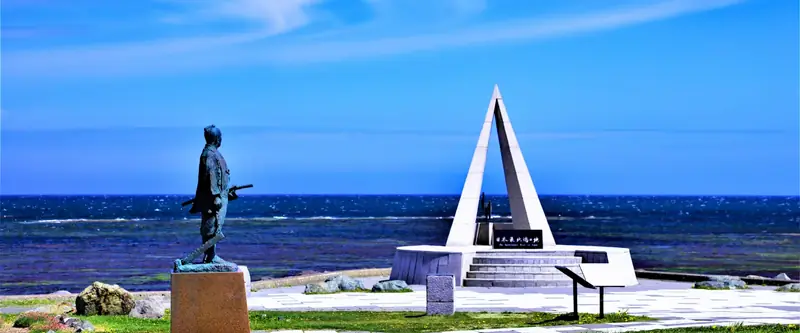
Wakkanai, Rishiri Island, Rebun Island
Highs around 2°C — still close to midwinter
Spring-skiing sun is strong, so bring sunscreen and goggles or sunglasses.
Snow melts into slush during the day and refreezes from night to morning. Waterproof shoes and slip-on spikes will help.
Meltwater pools along the roadside. If you walk on the road side of the sidewalk, passing cars may splash you.
There's still plenty of snow, with more sunny, warmer days. You can ski without worrying so much about the cold, so it's great for beginners too.
Even when daytime temperatures are above zero, mornings and evenings are below freezing. Adjust with easy-to-remove layers.
The drift ice gradually moves away in March. If you want to see it, aim for early March. Conditions depend on each year's weather.
A winter event in the hot spring town, with ice tunnels and domes.
Read the guide:Sounkyo Onsen Ice Waterfall Festival →With deep snow remaining and more sunny days, March is the season for skiing under blue skies.
Red-crowned cranes can usually be seen at the feeding grounds until around March.
One of Japan's oldest illumination events, which began in Odori Park in 1981 with about 1,000 light bulbs. Light sculptures brighten central Sapporo in winter; the main Odori Site stays lit until December 25, while sites such as Ekimae-dori and Minami 1-jo-dori stay lit until February–March of the following year. 2026 marks its 46th edition.
Read the guide:Sapporo White Illumination →A signature winter event at Asahiyama Zoo, where king penguins and others waddle in a line along the snow-covered paths. It helps the penguins get exercise in winter and is inspired by the habit of wild king penguins heading to the sea in groups. It takes place only when there is snow on the ground.
Read the guide:Asahiyama Zoo Penguin Walk →Dates change every year. Please check the official websites before you go.
On average, the high is 4.5°C and the low is -2.4°C. Daytime temperatures rise above 0°C, but mornings and evenings are below freezing.
Yes. Even in Sapporo, the average maximum snow depth is 82 cm, so lots of snow remains. In Niseko (Kutchan), it's about 170 cm.
It can often be seen in Abashiri & Shiretoko until around early March. However, it varies a lot from year to year, so check drift ice reports before you go.
Source: Japan Meteorological Agency (climate normals 1991-2020). Compiled by tripuuu.log. Temperatures are from a representative station in each area; actual weather varies from year to year.