
 January
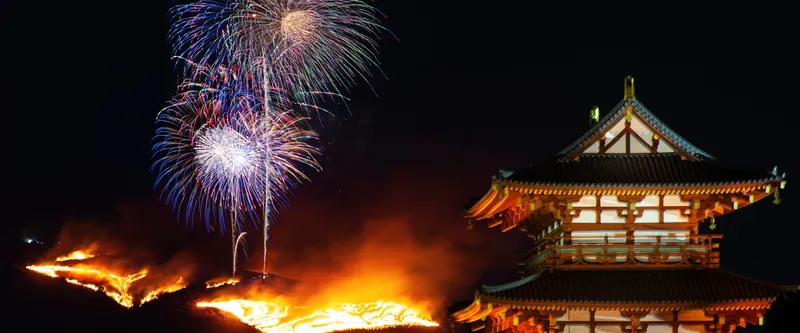
Wakakusa Yamayaki
Kansai ・ Nara
Usually the fourth Saturday of January (fireworks from around 18:15 in the evening, ignition around 18:30)
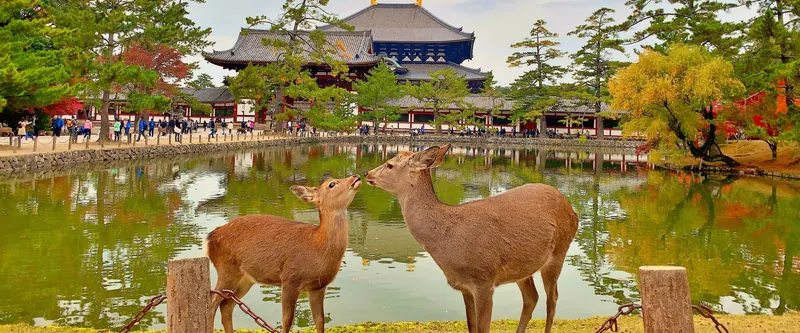
A Buddhist rite at Todai-ji's Nigatsu-do Hall that has continued without a single break since the Nara period. For two weeks from March 1 to 14, monks known as rengyoshu repent on behalf of the people and pray for peace and prosperity. It is best known for the Otaimatsu, when huge torches are carried onto the hall's balcony each night to light the monks' way, and in the late night of the 12th (early hours of the 13th) the Omizutori ritual of drawing sacred water from the Wakasa well takes place.
 PRKlookNara Todai-ji Omizutori Half-Day Cultural TourAn evening tour walking with a guide from Kintetsu Nara Station to watch the Otaimatsu at Nigatsu-doView on KlookPRKlookNara Kimono Rental & Photo Experience | Kimono Rental Misaki3 minutes' walk from Kintetsu Nara Station. Stroll Nara Park and Todai-ji in a kimonoView on Klook
Young attendants race along the corridor of Nigatsu-do carrying giant torches, shaking showers of sparks from the balcony railing. Being showered by the sparks is said to bring a year of good health, and you can watch up close from the plaza below the hall.
March 1–11 and 13. 10 torches, about 20 minutes (Todai-ji official)
11 torches, about 45 minutes. General viewing is heavily restricted (Todai-ji official)
10 torches go up one after another and it ends in about 10 minutes (Todai-ji official)
Sacred water is drawn at the Akaiya well house late on the 12th (early on the 13th). The inside of the well house is not open to the public
Times can change from year to year. Check the official website for the latest information.
PRKlookNara Todai-ji Omizutori Half-Day Cultural TourAn evening tour walking with a guide from Kintetsu Nara Station to watch the Otaimatsu at Nigatsu-doView on KlookPRKlookNara Kimono Rental & Photo Experience | Kimono Rental Misaki3 minutes' walk from Kintetsu Nara Station. Stroll Nara Park and Todai-ji in a kimonoView on KlookHotels in Nara city fill up easily on the 12th and on weekends. If you don't want to travel after the evening viewing, book early
 PR9.3
 PR8.6
 PR9.0
 PR8.8
 PR9.1
 PR8.2
Prices and availability are shown on Agoda.
JanuaryKansai ・ Nara
Usually the fourth Saturday of January (fireworks from around 18:15 in the evening, ignition around 18:30)
 January–February
Kansai ・ Kobe & Arima Onsen
Usually about 10 days from late January to early February (lit from dusk to around 21:30)
2027 (32nd): Jan 29 – Feb 7
 February
Kansai ・ Kyoto City
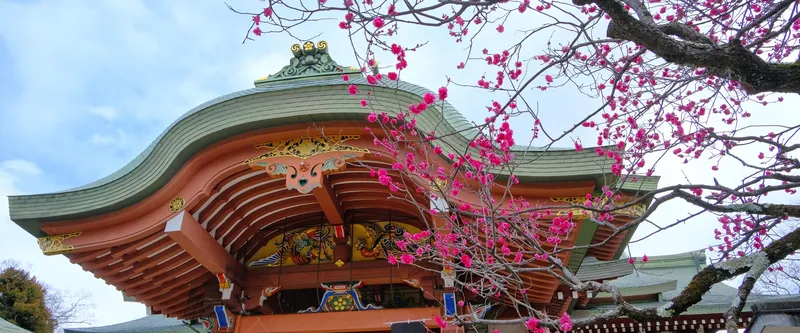
Every year on February 25 (outdoor tea ceremony 10:00–15:00)
Every year on February 25 (Feb 25 in 2027)
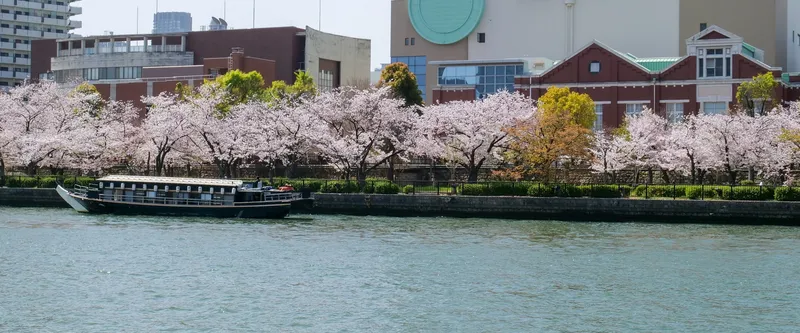 April
Kansai ・ Osaka
Usually 7 days in early to mid-April (dates set according to the bloom)
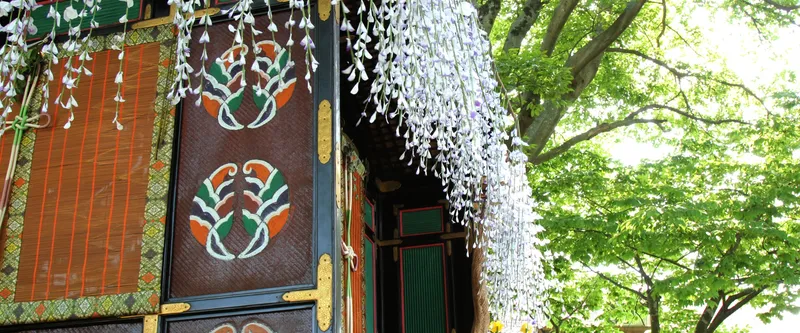 May
Kansai ・ Kyoto City
Every year on May 15 (postponed to the 16th if it rains; if it also rains on the 16th, the procession is canceled). Preliminary rites such as Yabusame horseback archery (May 3) and the Saio-dai purification ceremony (May 4) are held in early May
2027: May 15 (held every year on May 15; postponed to the 16th if it rains)
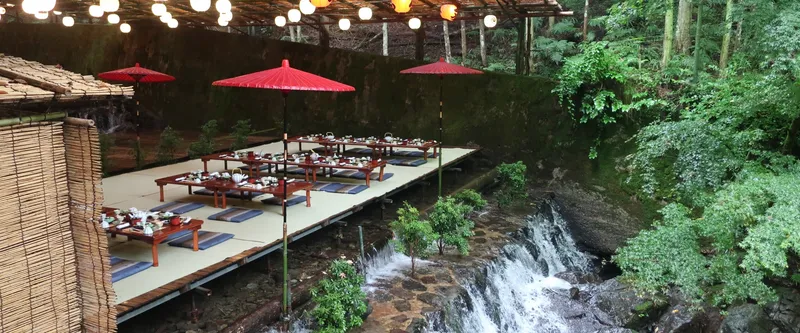 May–October
Kansai ・ Kyoto City
Kamogawa Noryo Yuka usually runs May 1 – October 15, and Kibune Kawadoko usually runs May 1 – September 30 (season and hours vary by restaurant). In 2026, Kamogawa Noryo Yuka runs until October 15
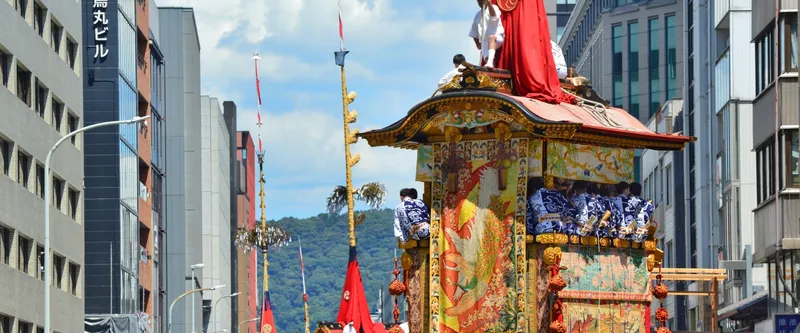 July
Kansai ・ Kyoto City
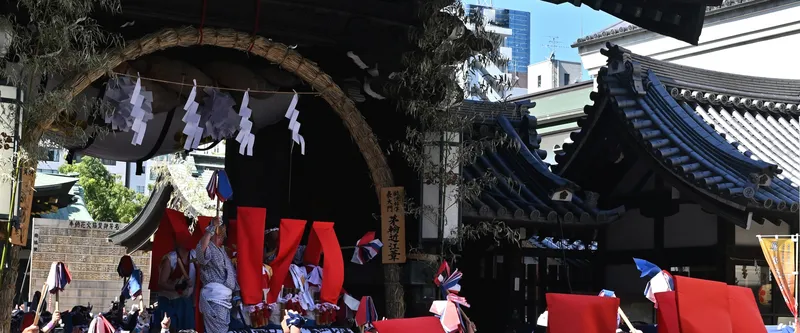
Usually July 1–31 (Yamahoko procession: Saki Matsuri July 17, Ato Matsuri July 24; Yoiyama eves: Saki Matsuri July 14–16, Ato Matsuri July 21–23)
 July
Kansai ・ Osaka
Every year on July 24 (Yoimiya) and 25 (Hongu). Related events from late June
2027: Jul 24 (Yoimiya) & Jul 25 (Hongu) (held on the same dates every year)
JulyKansai ・ Shirahama & Nanki
Every year on July 14 (held during the day; Yoimiya offering events are also held the day before, on the 13th)
2027: Jul 14 (held every year on July 14)
 August
Kansai ・ Kyoto City
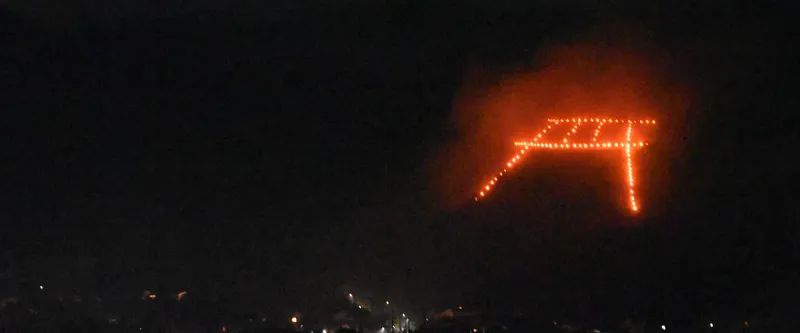
Every year on August 16 (from 20:00)
2027: Aug 16 (Mon)
 August
Kansai ・ Koyasan
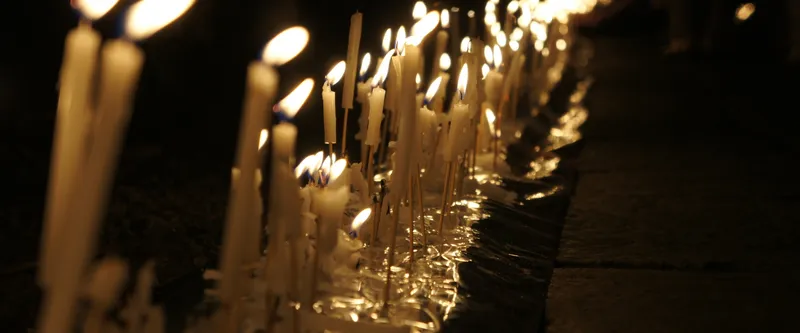
Every year on August 13 (the candle festival runs from evening into the night; the Mando Kuyo-e memorial service starts at 20:00)
2027: Aug 13 (held every year on August 13)
 August
Kansai ・ Lake Biwa
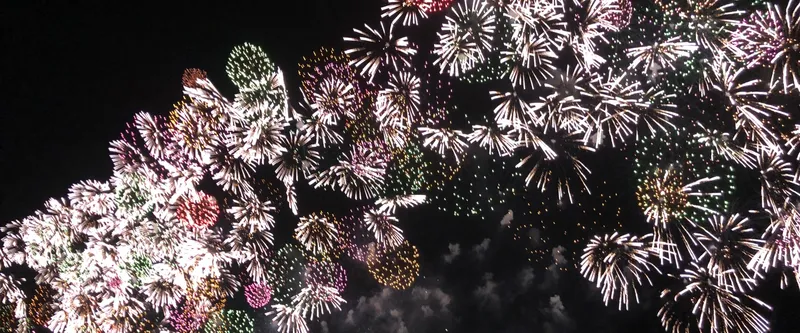
Usually a weekday evening in early August (about 1 hour)
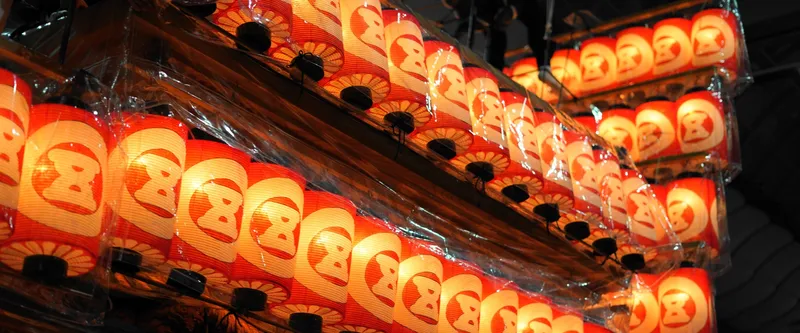 September–October
Kansai ・ Osaka
The September festival is usually on a weekend in mid- to late September, and the October festival on a weekend in early to mid-October (2 days each)
Next: 2026 October festival (Higashi-Kishiwada district and others), Oct 10 – Oct 11. The 2026 September festival was held Sep 19 – Sep 20
OctoberKansai ・ Kyoto City
Every year on October 22 (postponed to the 23rd if it rains)
2026: Oct 22 (Thu). Postponed to Oct 23 if it rains
October–NovemberKansai ・ Nara
Usually late October to early November (about 2–3 weeks)
2026 (78th): Oct 24 – Nov 9, open every day during the exhibition
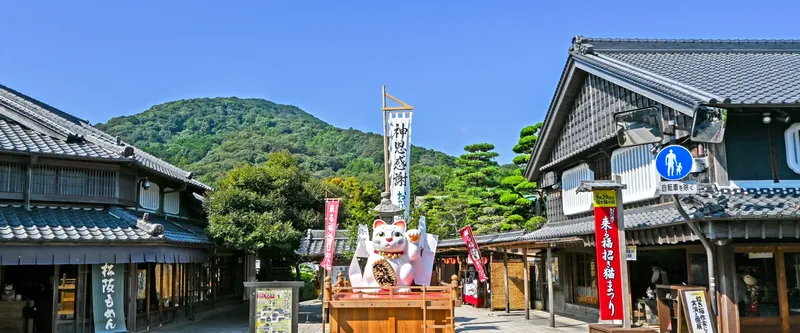 October
Kansai ・ Ise & Shima
Usually October 15–17 (Geku first, then Naiku). Hatsuhobiki is usually on October 15 and 16
2026: Oct 15 – Oct 17 (Geku: night of Oct 15 – Oct 16; Naiku: night of Oct 16 – Oct 17)
DecemberKansai ・ Nara
Usually December 15–18 (the Owatari-shiki starts at noon on December 17)
2026: Dec 15 (Tue) – Dec 18 (Fri); Owatari-shiki on Dec 17 (Thu)
Dates, times and access are based on official and other primary sources. Only dates confirmed by official sources are shown as “Confirmed dates”; otherwise the usual timing is given.
Last checked: 2026-09-30