Event Guide · Kansai

Aoi Matsuri

MayKyoto City2027: May 15 (held every year on May 15; postponed to the 16th if it rains)
Search by dates and destination
Overview

Overview

The annual festival of Shimogamo Shrine (Kamo-mioya Jinja) and Kamigamo Shrine (Kamo-wakeikazuchi Jinja), and one of Kyoto's three great festivals, with origins about 1,500 years ago. In the Roto no Gi procession on May 15, more than 500 people dressed as Heian-period aristocrats, along with 36 horses and 4 ox-drawn carriages, travel about 8 km from the Kyoto Imperial Palace via Shimogamo Shrine to Kamigamo Shrine.

When
Every year on May 15 (postponed to the 16th if it rains; if it also rains on the 16th, the procession is canceled). Preliminary rites such as Yabusame horseback archery (May 3) and the Saio-dai purification ceremony (May 4) are held in early May
Confirmed dates: 2027: May 15 (held every year on May 15; postponed to the 16th if it rains)
Venue
Kyoto Imperial Palace (Kyoto Gyoen) – Shimogamo Shrine – Kamigamo Shrine
Highlights

Highlights

The highlights are the Saio-dai, wearing layered court robes similar to the junihitoe and riding in a palanquin (oyoyo), and the ox carriages and costumes decorated with aoi-katsura (hollyhock and katsura leaves). The procession is a living picture scroll of the Heian court, and was even the setting for the "carriage quarrel" in The Tale of Genji.

Times

Times

Roto no Gi procession departs Kyoto Imperial Palace10:30

Official information from the Kyoto City Tourism Association (2026). The procession takes about 1 hour to pass from head to tail

Arrives at Shimogamo Shrine11:40

Departs Shimogamo Shrine at 14:20. 2026 official information

Arrives at Kamigamo Shrine15:30

2026 official information

Postponement decisionAround 18:00 the day before

Whether it goes ahead or is postponed is decided and announced around 6 pm the day before (May 14)

Yabusame horseback archery (Shimogamo Shrine, preliminary rite)Around 13:00 – around 15:00

May 3. Shimogamo Shrine official (2026)

Times can change from year to year. Check the official website for the latest information.

Tips

Tips for travelers

  • ✓The procession leaves the Kyoto Imperial Palace at 10:30 am. If you want a seat, buy a paid viewing seat from the Kyoto City Tourism Association in advance (Kyoto Gyoen or the Shimogamo Shrine approach; in 2026 general seats cost 5,000–6,500 yen, sold online from April 1)
  • ✓The "Royal Seats" in Kyoto Gyoen come with commentary by a dedicated Japanese/English lecturer (as of 2026). Commentary at the Shimogamo Shrine approach seats is in Japanese only
  • ✓Paid seat holders must enter by 10:00 for the Kyoto Gyoen seats and by 11:00 for the Shimogamo Shrine approach seats. Latecomers cannot enter and there are no refunds
  • ✓The afternoon procession (leaving Shimogamo Shrine at 14:20, arriving at Kamigamo Shrine at 15:30) runs along the Kamo River and is often more relaxed to watch than in the morning
  • ✓Preliminary rites such as Yabusame on May 3 are also well worth seeing, so combine them if your schedule allows
Access

Getting there

Nearest stations
  • Marutamachi Station (Subway Karasuma Line)About a 5 min walk (Kyoto Gyoen)Entrances ① Ainomachi-guchi and ② Demizu-guchi are convenient for the viewing seats
  • Demachiyanagi Station (Keihan Main Line / Eizan Railway)About a 10 min walk (Shimogamo Shrine)Exit 5 is convenient for the Shimogamo Shrine approach seats
  • Kitaoji Station (Subway Karasuma Line)Transfer to a city bus (toward Kamigamo Shrine)Kamigamo Shrine is far from the station, so most people take a bus or taxi
From major stations
  • Kyoto Station: Subway Karasuma Line to Marutamachi Station (About 7 min)
  • Osaka (Yodoyabashi Station): Keihan Main Line (Limited Express) to Demachiyanagi Station (About 50 min)
IC cards (Suica etc.)
IC cards such as ICOCA and Suica can be used on the subway, Keihan and city buses
Getting back
  • Marutamachi and Demachiyanagi stations get crowded right after the procession passes. Consider waiting a little or walking to the next station
  • Traffic is restricted along the procession route, so buses and taxis are often delayed. The subway and Keihan are the most reliable
Open in Google Maps ↗
Crowds

Crowds & best timing

Busiest times
The morning of May 15 (from the departure at the Imperial Palace to arrival at Shimogamo Shrine). Even busier in years when it falls on a weekend
Quieter times
The route between Shimogamo Shrine and Kamigamo Shrine in the afternoon (along the Kamo River)
Saving a spot
To get a front-row spot along the free route, arrive about an hour before the procession passes. With a paid seat, there's no need to claim a spot
Time needed
Watching from one spot, the procession takes about 1 hour to pass. Following the entire route takes half a day
Weather

Weather & what to wear

Evening temperatures
Kyoto's May normals are highs of about 25°C and lows of about 15°C (reference values based on JMA normals). Days feel like early summer, while mornings and evenings are a little cool
What to wear
Short sleeves to light long sleeves are fine during the day. The sun is strong, so bring a hat, sunscreen and a drink. A light layer for mornings and evenings is handy
Rain, snow & typhoons
If it rains (or the weather is stormy) on May 15, the procession is postponed to the 16th; if it also rains on the 16th, it is canceled. The decision is made around 18:00 the day before
Where to check for cancellations
Kyoto City Official Travel Guide (Kyoto City Tourism Association) https://ja.kyoto.travel/event/major/aoi/ and the Shimogamo Shrine official website
Etiquette

Local rules & etiquette

  • !Do not step into the procession's path or touch participants or horses. Do not use flash photography near the horses
  • !Take your trash home
  • !The viewing seats in Kyoto Gyoen are on gravel. Refrain from using tripods and selfie sticks along the crowded route
  • !Smoking on the street is restricted in designated areas under Kyoto city ordinance
  • !At shrines, bow once before the torii gate and avoid walking down the center of the approach. To pray, bow twice, clap twice and bow once more
  • !Public trash bins are rare in Japan. Bring a small bag and take your trash with you.
Facilities

Facilities

Toilets
There are toilets in Kyoto Gyoen and on the Shimogamo Shrine grounds, but they are crowded on the day
Lockers & luggage
It is best to leave suitcases in coin lockers at Kyoto Station or elsewhere before coming
Paying at food stalls
There are few shops along the route, and some are cash only, so bring cash
ATMs
Convenience store ATMs (Seven Bank, etc.) around Marutamachi Station and Demachiyanagi Station
Seven Bank ATMs (inside 7-Eleven stores) usually accept cards issued overseas.
Wheelchairs & strollers
The Kyoto Gyoen seats can be used by wheelchair users, but the gravel paths may be hard to move on. The Shimogamo Shrine approach seats have ditches and slopes, making wheelchair viewing difficult (official FAQ)
Food

Food

Local favorites
Mitarashi dango, a Shimogamo Shrine specialtyMame-mochi from Demachi FutabaKyoto cuisine and obanzai (home-style Kyoto dishes)
Vegetarian & halal
Vegetarian and halal labels are rare, so check with each restaurant in advance
Tours & tickets for this eventPR
🏨 Where to stay during the event

Mid-May is peak tourist season in Kyoto and accommodation fills up. Booking early is recommended, especially in years when the festival falls on a weekend

Where to Stay · Agoda

Places to Stay near Aoi MatsuriPR

Prices and availability are shown on Agoda.

Attractions

Attractions in Kyoto City

Aquarium

Kyoto Aquarium

Kansai ・ Kyoto City

An inland aquarium in Umekoji Park, within walking distance of Kyoto Station. Its exhibits explore Kyoto's waterside nature and how it connects, from the "Kyoto River" to the "Kyoto Sea." With a dolphin stadium and jellyfish displays, it's an easy stop between Kyoto sightseeing spots.

Zoo

Kyoto City Zoo

Kansai ・ Okazaki, Kyoto

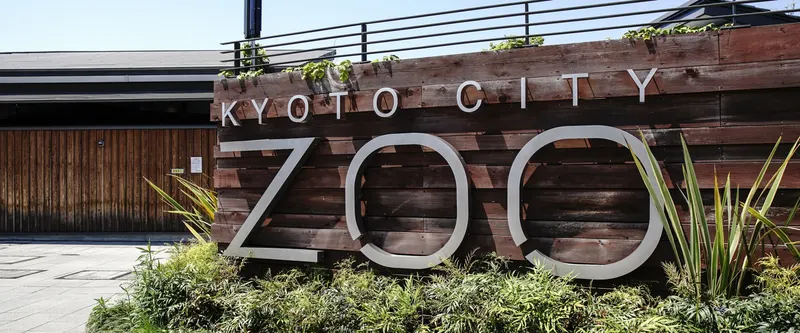
A city-run zoo inside Okazaki Park, home to Heian Shrine and several art museums. In its compact grounds you can see elephants, gorillas, and wild animals from Kyoto's forests. Admission is free for junior high students and younger, and just ¥750 for adults.

Photo coming soonExperience

Nintendo Museum

Kansai ・ Uji

A museum in Uji, Kyoto, that displays Nintendo's products through the years and lets you play hands-on exhibits. Tickets are date- and time-specific and must be reserved in advance, through a monthly lottery or first-come, first-served sales of slots that open up. If you want to include it in your itinerary, applying from the lottery 3 months before your visit is the surest way.

☂ Mostly indoors · rain-friendlyAdvance, date-specific tickets required
Photo coming soonTheme park

UZUMASA KYOTO VILLAGE

Kansai ・ Uzumasa

Toei Kyoto Studio Park, a samurai-drama theme park that opened in 1975, reopened on March 28, 2026 as UZUMASA KYOTO VILLAGE after the first phase of its renewal. It is now an immersive park for adults built around the concept of wandering into Kyoto in the Edo period, with the second phase scheduled to open in spring 2027. It stays open until 21:00.

Events

Events & festivals in Kansai

January

Wakakusa Yamayaki

Kansai ・ Nara

Usually the fourth Saturday of January (fireworks from around 18:15 in the evening, ignition around 18:30)

Photo coming soonJanuary–February

Kobe Luminarie

Kansai ・ Kobe & Arima Onsen

Usually about 10 days from late January to early February (lit from dusk to around 21:30)

2027 (32nd): Jan 29 – Feb 7

February

Baikasai (Plum Blossom Festival)

Kansai ・ Kyoto City

Every year on February 25 (outdoor tea ceremony 10:00–15:00)

Every year on February 25 (Feb 25 in 2027)

May–October

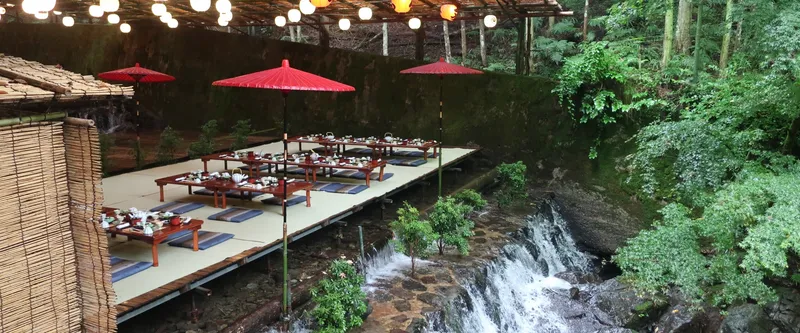
Noryo Yuka / Kawadoko (Kamogawa & Kibune)

Kansai ・ Kyoto City

Kamogawa Noryo Yuka usually runs May 1 – October 15, and Kibune Kawadoko usually runs May 1 – September 30 (season and hours vary by restaurant). In 2026, Kamogawa Noryo Yuka runs until October 15

July

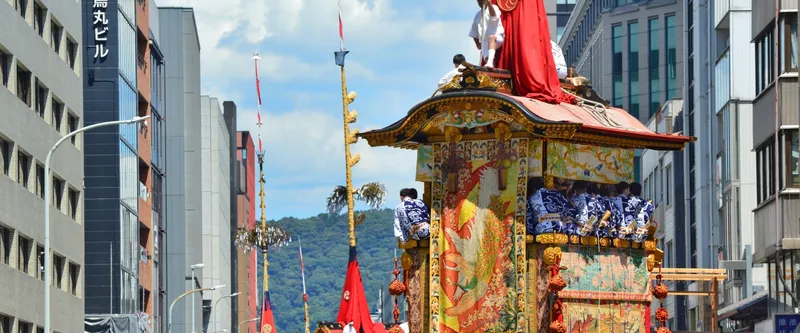
Gion Matsuri

Kansai ・ Kyoto City

Usually July 1–31 (Yamahoko procession: Saki Matsuri July 17, Ato Matsuri July 24; Yoiyama eves: Saki Matsuri July 14–16, Ato Matsuri July 21–23)

July

Tenjin Matsuri

Kansai ・ Osaka

Every year on July 24 (Yoimiya) and 25 (Hongu). Related events from late June

2027: Jul 24 (Yoimiya) & Jul 25 (Hongu) (held on the same dates every year)

Photo coming soonJuly

Nachi Fire Festival (Nachi no Ogi Matsuri)

Kansai ・ Shirahama & Nanki

Every year on July 14 (held during the day; Yoimiya offering events are also held the day before, on the 13th)

2027: Jul 14 (held every year on July 14)

August

Koyasan Candle Festival (Mando Kuyo-e)

Kansai ・ Koyasan

Every year on August 13 (the candle festival runs from evening into the night; the Mando Kuyo-e memorial service starts at 20:00)

2027: Aug 13 (held every year on August 13)

September–October

Kishiwada Danjiri Festival

Kansai ・ Osaka

The September festival is usually on a weekend in mid- to late September, and the October festival on a weekend in early to mid-October (2 days each)

Next: 2026 October festival (Higashi-Kishiwada district and others), Oct 10 – Oct 11. The 2026 September festival was held Sep 19 – Sep 20

Photo coming soonOctober–November

Annual Exhibition of Shōsōin Treasures

Kansai ・ Nara

Usually late October to early November (about 2–3 weeks)

2026 (78th): Oct 24 – Nov 9, open every day during the exhibition

October

Kanname-sai

Kansai ・ Ise & Shima

Usually October 15–17 (Geku first, then Naiku). Hatsuhobiki is usually on October 15 and 16

2026: Oct 15 – Oct 17 (Geku: night of Oct 15 – Oct 16; Naiku: night of Oct 16 – Oct 17)

Photo coming soonDecember

Kasuga Wakamiya On-matsuri Festival

Kansai ・ Nara

Usually December 15–18 (the Owatari-shiki starts at noon on December 17)

2026: Dec 15 (Tue) – Dec 18 (Fri); Owatari-shiki on Dec 17 (Thu)

Dates, times and access are based on official and other primary sources. Only dates confirmed by official sources are shown as “Confirmed dates”; otherwise the usual timing is given.

Last checked: 2026-09-30