Event Guide · Kansai

Gozan Okuribi (Kyoto Five Mountains Bonfires)

AugustKyoto City2027: Aug 16 (Mon)
Search by dates and destination
Overview

Overview

A traditional Kyoto event that sends off the spirits of ancestors welcomed home during Obon. Every year on the night of August 16, fire characters and shapes — Daimonji, Myo and Ho, Funagata (boat), Hidari Daimonji, and Toriigata (torii gate) — are lit one after another on five mountains surrounding the Kyoto basin. Along with the Gion Matsuri, it is one of Kyoto's signature summer events.

When
Every year on August 16 (from 20:00)
Confirmed dates: 2027: Aug 16 (Mon)
Venue
Various locations across Kyoto (suggested viewing: the Kamogawa Delta near Demachiyanagi, looking toward the Daimonji)
Highlights

Highlights

Starting with the Daimonji at 20:00, the five fires are lit at 5-minute intervals, and the characters and shapes glowing on the dark mountainsides create a magical scene. Since you can't see all the mountains from one spot, the key is to decide which one you want to see and choose your location accordingly.

Times

Times

Daimonji (Mt. Nyoigatake, Higashiyama) lit20:00

Each fire burns for about 30 minutes

Matsugasaki Myoho (Myo and Ho) lit20:05
Funagata Mando-ro (Mt. Funayama, Nishigamo) lit20:10
Hidari Daimonji (Mt. Okitayama, Kinugasa) lit20:15
Toriigata Taimatsu (Mt. Mandarayama, Saga) lit20:20

Times may shift due to rain, strong wind, or other weather conditions

Requested switch-off of neon and advertising lights19:50–20:50

Kyoto City asks for lights to be temporarily turned off across the city (except Yamashina and Fushimi wards)

Times can change from year to year. Check the official website for the latest information.

Tips

Tips for travelers

  • ✓You can't see all five fires from one place. Main viewing spots: for Daimonji, the banks of the Kamo River (Marutamachi Bridge to Misono Bridge) or Kyoto Gyoen; for Myoho, around Kitayama-dori and the Takano River; for Funagata, the Kamo River (Kitayama Ohashi Bridge to Nishigamo Bridge); for Hidari Daimonji, Nishioji-dori (Emmachi to Kinkakuji); for Toriigata, around Togetsukyo Bridge, Matsuo Bridge, and Hirosawa Pond.
  • ✓The Okuribi is not fireworks or a festival but a religious ceremony to send off ancestral spirits. Some people quietly put their hands together in prayer, so please watch calmly without making noise.
  • ✓Climbing the mountains is prohibited on the day of the lighting. You cannot watch from Mt. Daimonji or the other mountains.
  • ✓To avoid crowds and the risk of heatstroke, Kyoto City also encourages watching via TV broadcasts or online streams.
  • ✓Okuribi viewing from the Nidec Kyoto Tower observation deck requires a special ticket allocated by advance lottery (2026: 4,900 yen, 160 people); regular admission tickets are not valid.
Access

Getting there

Nearest stations
  • Demachiyanagi Station (Keihan / Eizan Electric Railway)Right outside (Kamogawa Delta)Classic area for viewing the Daimonji. Very crowded at night
  • Imadegawa Station / Marutamachi Station (Subway Karasuma Line)About 10–15 min on foot toward Kyoto Gyoen and the Kamo RiverTimes are approximate
From major stations
  • Kyoto Station: Subway Karasuma Line to Imadegawa or Marutamachi Station, or Keihan (from Shichijo or Gion-Shijo Station) to Demachiyanagi Station
Extra buses & shuttles
No dedicated shuttle. The Kyoto City Transportation Bureau runs extra city buses (around 20:00–21:00, toward Kyoto Station) and temporarily reroutes buses around Kamigamo, Demachiyanagi, and Arashiyama (around 18:50–21:00) (2025 arrangements; check the Kyoto City Transportation Bureau for the latest schedule)
IC cards (Suica etc.)
IC transit cards (ICOCA, Suica, etc.) can be used on major transport such as city buses, the subway, and Keihan
Getting back
  • After the fires go out (around 20:30–21:00), everyone heads to stations and bus stops at once, so Demachiyanagi Station and major bus stops get extremely crowded.
  • City buses are prone to reroutes and delays, so trains such as the subway and Keihan are recommended.
  • Subway staff are stationed at Matsugasaki, Kitaoji, Marutamachi, Karasuma-Oike, Shijo, and Kyoto stations to guide passengers (2025 arrangements).
  • Taxis are hard to catch due to traffic restrictions and congestion on nearby roads.
Open in Google Maps ↗
Crowds

Crowds & best timing

Busiest times
19:00–21:00 on August 16, especially the Kamogawa Delta (Demachiyanagi), the Kamo River banks, and around Togetsukyo Bridge
Quieter times
To avoid crowds, Kyoto City recommends watching via TV or online streams
Saving a spot
For a good spot at popular places like the Kamo River banks, aim to arrive before sunset (by around 18:00–19:00)
Time needed
About 30 minutes per mountain (from lighting until it burns out). Allow 1–2 hours including travel
Weather

Weather & what to wear

Evening temperatures
Kyoto's August normals are a low of about 25°C and a high of around 34°C (reference values based on JMA normals). Nights are hot and humid too
What to wear
Breathable summer clothes or a yukata. Comfortable shoes, drinks, a sweat towel, and insect repellent are handy. Kyoto City urges frequent hydration and salt intake to prevent heatstroke
Rain, snow & typhoons
Lighting times may shift in rain or strong wind (official). No clear cancellation criteria are published, so check the official website and Kyoto City announcements on the day.
Where to check for cancellations
Kyoto Gozan Okuribi Association official website (https://www.gozan-okuribi.com/), Kyoto City official website
Etiquette

Local rules & etiquette

  • !Take your trash home
  • !Drone flights are prohibited (Kyoto City also asks sightseeing helicopters and drones to refrain)
  • !Climbing the mountains is prohibited on the day of the lighting
  • !Avoid the riverbanks at night where possible, as it is dark underfoot and there is a risk of falling. Access is restricted when the water level is high
  • !Avoid using your smartphone while walking in crowds, as it can cause collisions and falls
  • !Watch quietly, as this is a religious ceremony
  • !When viewing from rooftops and similar places, follow the instructions of each facility
  • !Public trash bins are rare in Japan. Bring a small bag and take your trash with you.
  • !Smoking while walking is banned in many cities. Use designated smoking areas.
Facilities

Facilities

Toilets
There are no event toilets, so it's best to use toilets at stations, nearby shopping facilities, or convenience stores beforehand
Lockers & luggage
There are no lockers in the viewing areas. Leave your luggage in a coin locker at Kyoto Station or elsewhere before heading out (suitcases are dangerous in crowds)
Paying at food stalls
There are no official food stalls at this event, so use convenience stores and similar shops
ATMs
Convenience store ATMs (Seven Bank, etc.) around Demachiyanagi and Imadegawa
Seven Bank ATMs (inside 7-Eleven stores) usually accept cards issued overseas.
Wheelchairs & strollers
Viewing spots are extremely crowded, and the riverbanks have steps and poor lighting, making viewing with a wheelchair or stroller difficult
Food

Food

Vegetarian & halal
No food or drink is provided as part of the event, so use nearby restaurants or convenience stores. Vegetarian and halal options vary by shop
Tours & tickets for this eventPR
🏨 Where to stay during the event

August 16 is the last day of Obon, and accommodation in Kyoto gets busy. Hotels with a view of the Okuribi in particular need to be booked early.

Where to Stay · Agoda

Places to Stay near Gozan Okuribi (Kyoto Five Mountains Bonfires)PR

Prices and availability are shown on Agoda.

Attractions

Attractions in Kyoto City

Aquarium

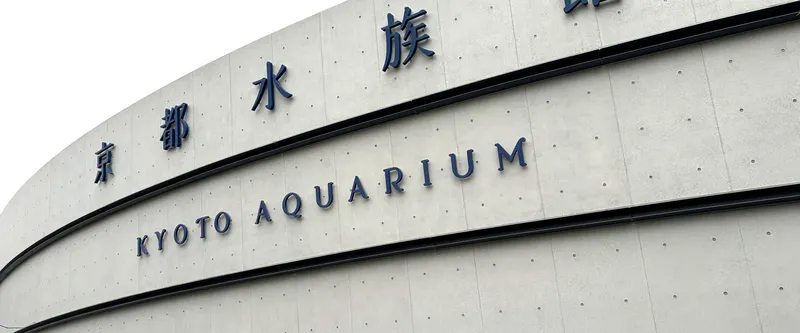
Kyoto Aquarium

Kansai ・ Kyoto City

An inland aquarium in Umekoji Park, within walking distance of Kyoto Station. Its exhibits explore Kyoto's waterside nature and how it connects, from the "Kyoto River" to the "Kyoto Sea." With a dolphin stadium and jellyfish displays, it's an easy stop between Kyoto sightseeing spots.

Zoo

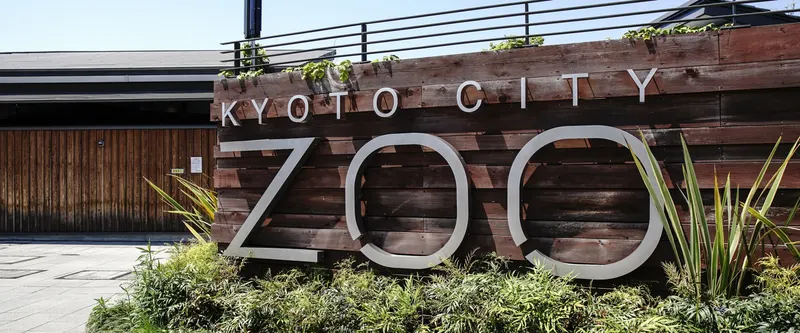
Kyoto City Zoo

Kansai ・ Okazaki, Kyoto

A city-run zoo inside Okazaki Park, home to Heian Shrine and several art museums. In its compact grounds you can see elephants, gorillas, and wild animals from Kyoto's forests. Admission is free for junior high students and younger, and just ¥750 for adults.

Photo coming soonExperience

Nintendo Museum

Kansai ・ Uji

A museum in Uji, Kyoto, that displays Nintendo's products through the years and lets you play hands-on exhibits. Tickets are date- and time-specific and must be reserved in advance, through a monthly lottery or first-come, first-served sales of slots that open up. If you want to include it in your itinerary, applying from the lottery 3 months before your visit is the surest way.

☂ Mostly indoors · rain-friendlyAdvance, date-specific tickets required
Photo coming soonTheme park

UZUMASA KYOTO VILLAGE

Kansai ・ Uzumasa

Toei Kyoto Studio Park, a samurai-drama theme park that opened in 1975, reopened on March 28, 2026 as UZUMASA KYOTO VILLAGE after the first phase of its renewal. It is now an immersive park for adults built around the concept of wandering into Kyoto in the Edo period, with the second phase scheduled to open in spring 2027. It stays open until 21:00.

Events

Events & festivals in Kansai

January

Wakakusa Yamayaki

Kansai ・ Nara

Usually the fourth Saturday of January (fireworks from around 18:15 in the evening, ignition around 18:30)

Photo coming soonJanuary–February

Kobe Luminarie

Kansai ・ Kobe & Arima Onsen

Usually about 10 days from late January to early February (lit from dusk to around 21:30)

2027 (32nd): Jan 29 – Feb 7

February

Baikasai (Plum Blossom Festival)

Kansai ・ Kyoto City

Every year on February 25 (outdoor tea ceremony 10:00–15:00)

Every year on February 25 (Feb 25 in 2027)

May

Aoi Matsuri

Kansai ・ Kyoto City

Every year on May 15 (postponed to the 16th if it rains; if it also rains on the 16th, the procession is canceled). Preliminary rites such as Yabusame horseback archery (May 3) and the Saio-dai purification ceremony (May 4) are held in early May

2027: May 15 (held every year on May 15; postponed to the 16th if it rains)

May–October

Noryo Yuka / Kawadoko (Kamogawa & Kibune)

Kansai ・ Kyoto City

Kamogawa Noryo Yuka usually runs May 1 – October 15, and Kibune Kawadoko usually runs May 1 – September 30 (season and hours vary by restaurant). In 2026, Kamogawa Noryo Yuka runs until October 15

July

Gion Matsuri

Kansai ・ Kyoto City

Usually July 1–31 (Yamahoko procession: Saki Matsuri July 17, Ato Matsuri July 24; Yoiyama eves: Saki Matsuri July 14–16, Ato Matsuri July 21–23)

July

Tenjin Matsuri

Kansai ・ Osaka

Every year on July 24 (Yoimiya) and 25 (Hongu). Related events from late June

2027: Jul 24 (Yoimiya) & Jul 25 (Hongu) (held on the same dates every year)

Photo coming soonJuly

Nachi Fire Festival (Nachi no Ogi Matsuri)

Kansai ・ Shirahama & Nanki

Every year on July 14 (held during the day; Yoimiya offering events are also held the day before, on the 13th)

2027: Jul 14 (held every year on July 14)

August

Koyasan Candle Festival (Mando Kuyo-e)

Kansai ・ Koyasan

Every year on August 13 (the candle festival runs from evening into the night; the Mando Kuyo-e memorial service starts at 20:00)

2027: Aug 13 (held every year on August 13)

September–October

Kishiwada Danjiri Festival

Kansai ・ Osaka

The September festival is usually on a weekend in mid- to late September, and the October festival on a weekend in early to mid-October (2 days each)

Next: 2026 October festival (Higashi-Kishiwada district and others), Oct 10 – Oct 11. The 2026 September festival was held Sep 19 – Sep 20

Photo coming soonOctober–November

Annual Exhibition of Shōsōin Treasures

Kansai ・ Nara

Usually late October to early November (about 2–3 weeks)

2026 (78th): Oct 24 – Nov 9, open every day during the exhibition

October

Kanname-sai

Kansai ・ Ise & Shima

Usually October 15–17 (Geku first, then Naiku). Hatsuhobiki is usually on October 15 and 16

2026: Oct 15 – Oct 17 (Geku: night of Oct 15 – Oct 16; Naiku: night of Oct 16 – Oct 17)

Photo coming soonDecember

Kasuga Wakamiya On-matsuri Festival

Kansai ・ Nara

Usually December 15–18 (the Owatari-shiki starts at noon on December 17)

2026: Dec 15 (Tue) – Dec 18 (Fri); Owatari-shiki on Dec 17 (Thu)

Dates, times and access are based on official and other primary sources. Only dates confirmed by official sources are shown as “Confirmed dates”; otherwise the usual timing is given.

Last checked: 2026-09-30