
 January
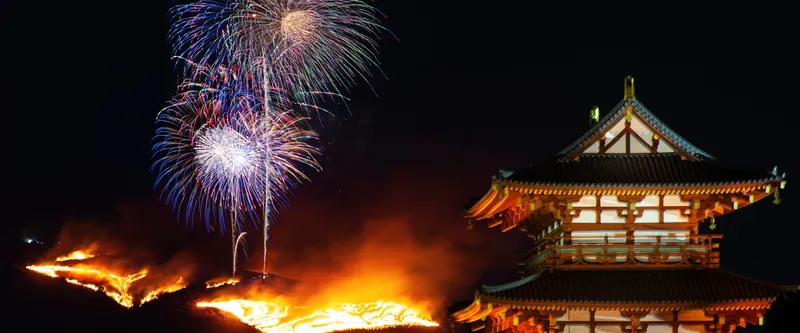
Wakakusa Yamayaki
Kansai ・ Nara
Usually the fourth Saturday of January (fireworks from around 18:15 in the evening, ignition around 18:30)
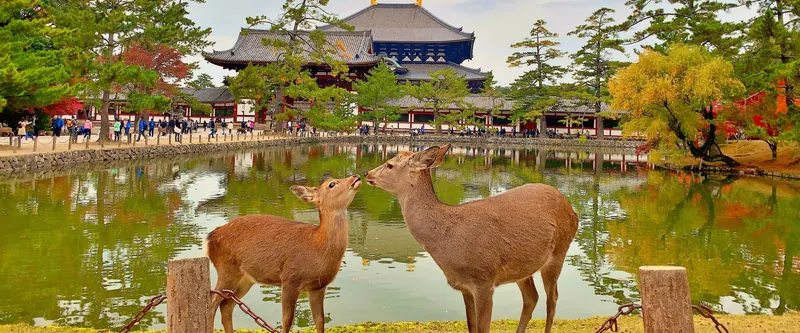
The annual festival of Wakamiya Shrine, an auxiliary shrine of Kasuga Taisha, said to have been started in 1136 by the regent Fujiwara no Tadamichi. Rituals and performing arts continue from December 15 to 18. On the 17th, the Wakamiya deity is welcomed to the Otabisho (temporary shrine), and in the Owatari-shiki, a historical procession of about 1,000 people and around 50 horses in costumes from the Heian to Edo periods parades through Nara. The Owatari-shiki and the ritual performing arts offered at the festival are designated as a national Important Intangible Folk Cultural Property.
 PRKlookBest of Kyoto and Nara: Kiyomizu-dera, Nara Park, Todai-ji and MoreA day bus tour visiting Nara Park, Todai-ji and Kasuga Taisha on Course A (English, Chinese and Korean guides)View on KlookPRKlookKyoto & Nara Day TourA tour covering Fushimi Inari, Kinkaku-ji, Arashiyama, Nara Park and Todai-ji in one dayView on KlookPRKlookKyoto & Nara Full-Day Private Guided Tour with TransfersA private tour by dedicated vehicle with an English-speaking guide, visiting Nara Park, Todai-ji and moreView on Klook
The Owatari-shiki, with 12 groups including shrine maidens, Seinoo dancers, sarugaku, dengaku, yabusame horseback archers and a daimyo procession, is a "moving historical picture scroll" showing customs from the Heian through Edo periods all at once. At the midnight Senko no Gi, you can witness the solemn sight of the deity moving along the pitch-dark approach amid incense smoke and the sound of gagaku court music.
A midnight rite transferring the Wakamiya deity to the Otabisho. It takes place in sacred darkness with every light along the approach extinguished, and even flashlights are not allowed. From the event guide on the official website (no year specified)
Proceeds from in front of the Nara Prefectural Office → in front of Kintetsu Nara Station → Sanjo-dori → the Otabisho. In 2025 it ran from 12:00 to around 14:30, with the Matsu-no-shita-shiki along the way at around 13:00 (Nara City Tourism Association)
Performing arts such as kagura, bugaku and dengaku are offered on the turf stage at the Otabisho until night
The rite in which the deity returns to Wakamiya Shrine. As with the Senko no Gi, lights are strictly forbidden
Held on a special sumo ring on the south side of the Otabisho and on the Otabisho turf stage. 2025 example (Nara City Tourism Association / Nanto Kanko)
Times can change from year to year. Check the official website for the latest information.
PRKlookBest of Kyoto and Nara: Kiyomizu-dera, Nara Park, Todai-ji and MoreA day bus tour visiting Nara Park, Todai-ji and Kasuga Taisha on Course A (English, Chinese and Korean guides)View on KlookPRKlookKyoto & Nara Day TourA tour covering Fushimi Inari, Kinkaku-ji, Arashiyama, Nara Park and Todai-ji in one dayView on KlookPRKlookKyoto & Nara Full-Day Private Guided Tour with TransfersA private tour by dedicated vehicle with an English-speaking guide, visiting Nara Park, Todai-ji and moreView on KlookMid-December comes after the autumn leaves season, so booking is relatively easy, but if you plan to attend the midnight Senko no Gi, secure accommodation within walking distance (around Kintetsu Nara Station) early for peace of mind
 PR9.3
 PR8.6
 PR9.0
 PR8.8
 PR9.1
 PR8.2
Prices and availability are shown on Agoda.
JanuaryKansai ・ Nara
Usually the fourth Saturday of January (fireworks from around 18:15 in the evening, ignition around 18:30)
 January–February
Kansai ・ Kobe & Arima Onsen
Usually about 10 days from late January to early February (lit from dusk to around 21:30)
2027 (32nd): Jan 29 – Feb 7
 February
Kansai ・ Kyoto City
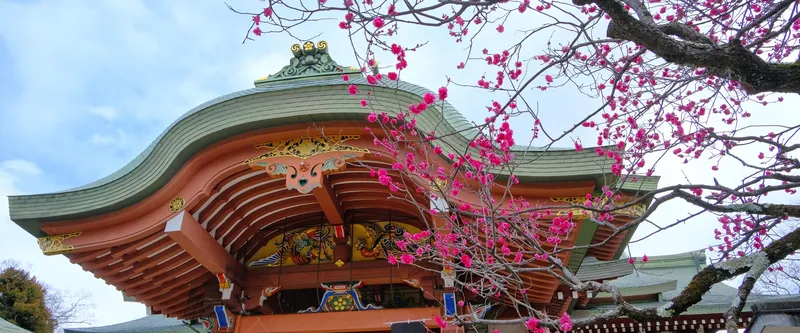
Every year on February 25 (outdoor tea ceremony 10:00–15:00)
Every year on February 25 (Feb 25 in 2027)
 March
Kansai ・ Nara
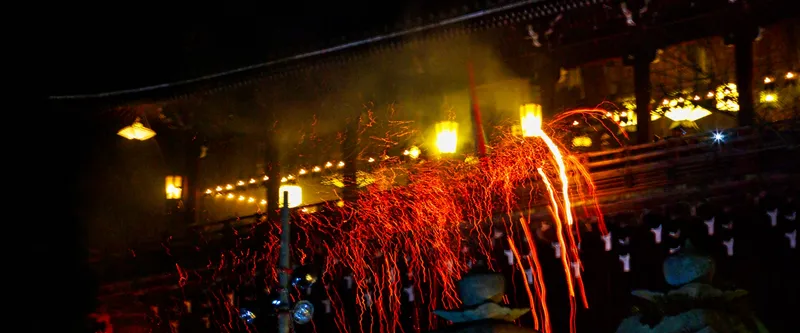
Every year, March 1–14 (Otaimatsu nightly around 19:00; 19:30 on the 12th, 18:30 on the 14th)
2027 (the 1,276th): Mar 1 – Mar 14
 April
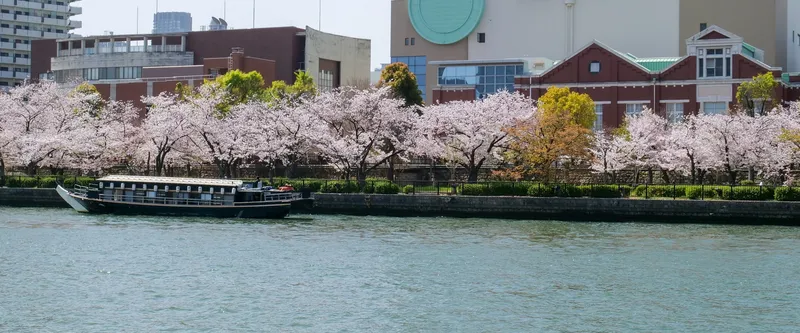
Kansai ・ Osaka
Usually 7 days in early to mid-April (dates set according to the bloom)
 May
Kansai ・ Kyoto City
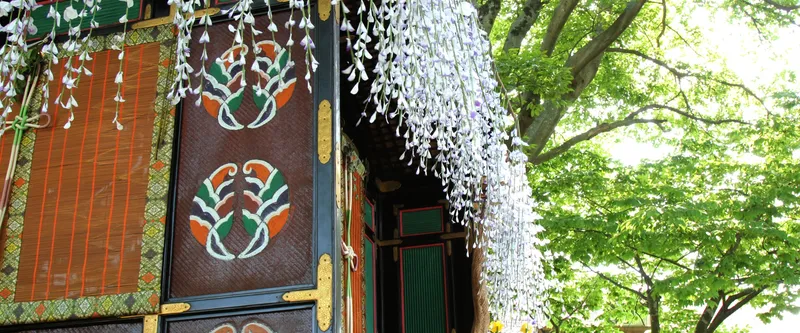
Every year on May 15 (postponed to the 16th if it rains; if it also rains on the 16th, the procession is canceled). Preliminary rites such as Yabusame horseback archery (May 3) and the Saio-dai purification ceremony (May 4) are held in early May
2027: May 15 (held every year on May 15; postponed to the 16th if it rains)
 May–October
Kansai ・ Kyoto City
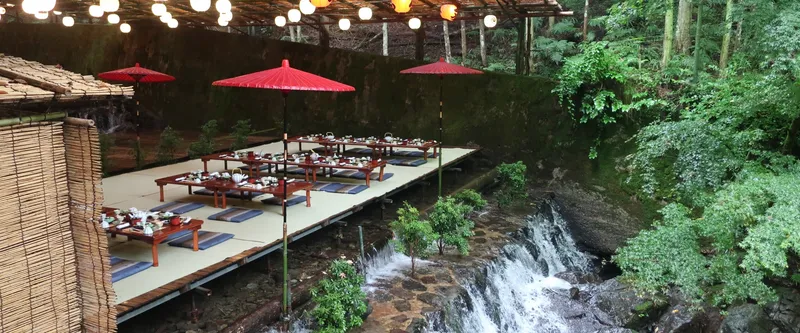
Kamogawa Noryo Yuka usually runs May 1 – October 15, and Kibune Kawadoko usually runs May 1 – September 30 (season and hours vary by restaurant). In 2026, Kamogawa Noryo Yuka runs until October 15
 July
Kansai ・ Kyoto City
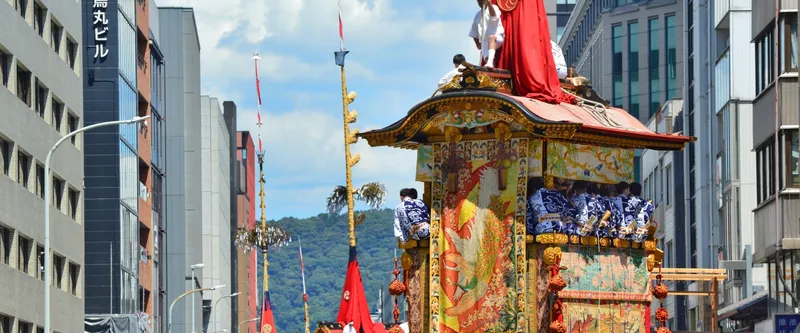
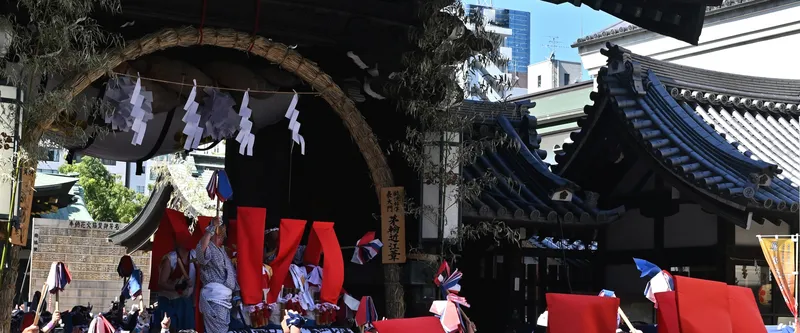
Usually July 1–31 (Yamahoko procession: Saki Matsuri July 17, Ato Matsuri July 24; Yoiyama eves: Saki Matsuri July 14–16, Ato Matsuri July 21–23)
 July
Kansai ・ Osaka
Every year on July 24 (Yoimiya) and 25 (Hongu). Related events from late June
2027: Jul 24 (Yoimiya) & Jul 25 (Hongu) (held on the same dates every year)
JulyKansai ・ Shirahama & Nanki
Every year on July 14 (held during the day; Yoimiya offering events are also held the day before, on the 13th)
2027: Jul 14 (held every year on July 14)
 August
Kansai ・ Kyoto City
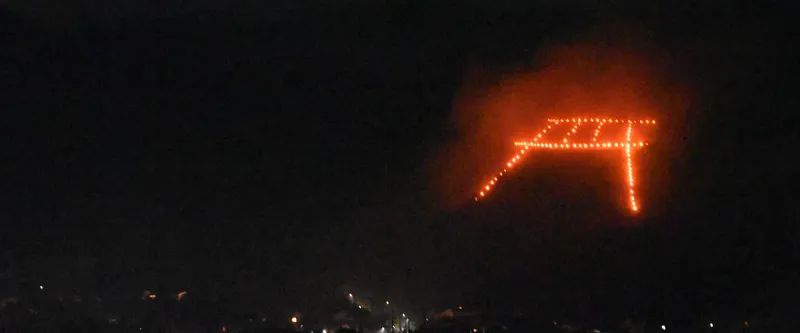
Every year on August 16 (from 20:00)
2027: Aug 16 (Mon)
 August
Kansai ・ Koyasan
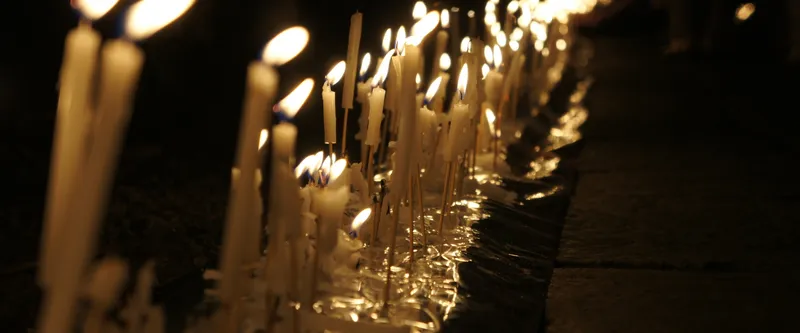
Every year on August 13 (the candle festival runs from evening into the night; the Mando Kuyo-e memorial service starts at 20:00)
2027: Aug 13 (held every year on August 13)
 August
Kansai ・ Lake Biwa
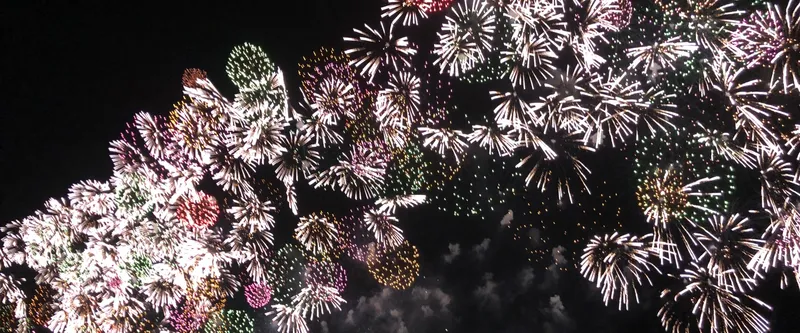
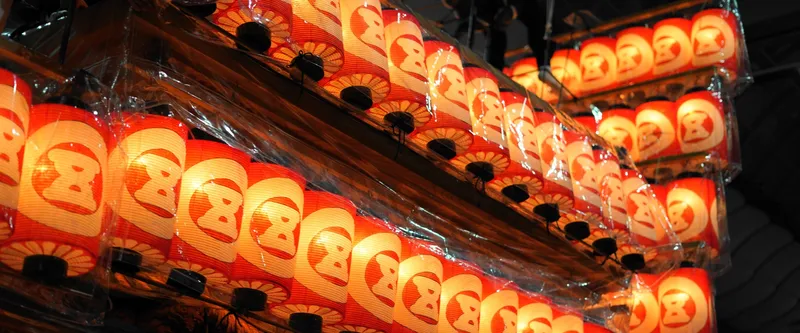
Usually a weekday evening in early August (about 1 hour)
 September–October
Kansai ・ Osaka
The September festival is usually on a weekend in mid- to late September, and the October festival on a weekend in early to mid-October (2 days each)
Next: 2026 October festival (Higashi-Kishiwada district and others), Oct 10 – Oct 11. The 2026 September festival was held Sep 19 – Sep 20
OctoberKansai ・ Kyoto City
Every year on October 22 (postponed to the 23rd if it rains)
2026: Oct 22 (Thu). Postponed to Oct 23 if it rains
October–NovemberKansai ・ Nara
Usually late October to early November (about 2–3 weeks)
2026 (78th): Oct 24 – Nov 9, open every day during the exhibition
 October
Kansai ・ Ise & Shima
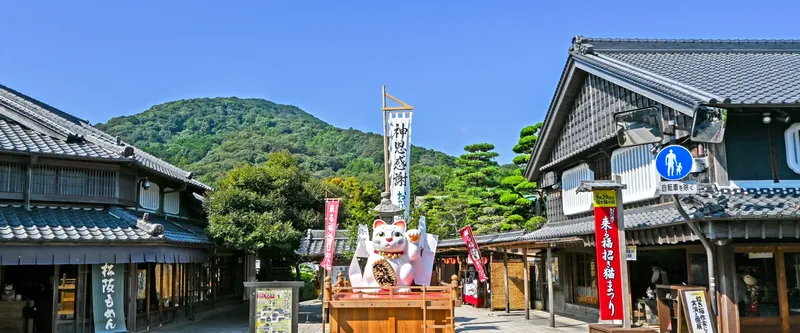
Usually October 15–17 (Geku first, then Naiku). Hatsuhobiki is usually on October 15 and 16
2026: Oct 15 – Oct 17 (Geku: night of Oct 15 – Oct 16; Naiku: night of Oct 16 – Oct 17)
Dates, times and access are based on official and other primary sources. Only dates confirmed by official sources are shown as “Confirmed dates”; otherwise the usual timing is given.
Last checked: 2026-09-30