Naha→
Station: NahaNaha, Kokusai-dori, Shurijo Castle, Naminoue Shrine
High
19.8℃
Low
14.9℃
- Precip.
- 101.6mm
- Sunshine
- 93h
- Sunset
- 17:58
Highs around 20°C. Naminoue Shrine is busy with New Year visitors
January is Okinawa's coolest month of the year. Even so, Naha's high is 19.8°C, mornings are around 14.9°C, and it never snows. However, strong northerly winds and frequent cloudy days make it feel chillier than the numbers suggest. From mid-month, deep pink kanhizakura (Taiwan cherry blossoms) start to bloom in the north of the main island, and it's whale watching season for humpback whales around the Kerama Islands and Naha. The sea is too cold for swimming, but there are relatively few tourists and accommodation is easy to book.
Temperature, precipitation and sunshine are climate normals (1991-2020). Sunset is for January 15.
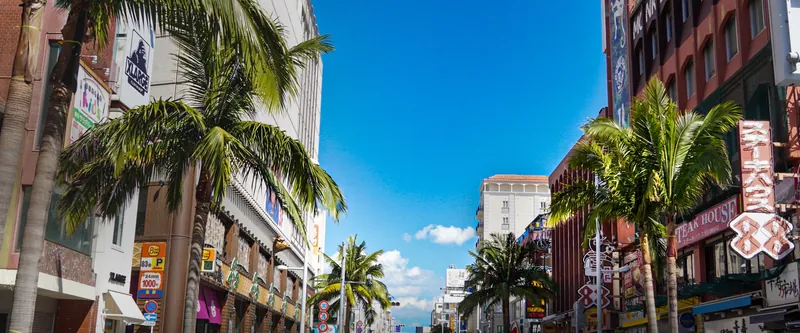
Naha, Kokusai-dori, Shurijo Castle, Naminoue Shrine
Highs around 20°C. Naminoue Shrine is busy with New Year visitors
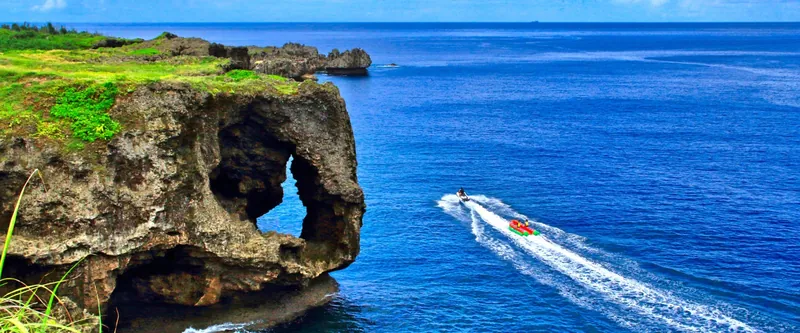
Onna, Cape Manzamo, Blue Cave, Chatan
Northerly winds are strong on the coast. Make use of resort pools and indoor attractions
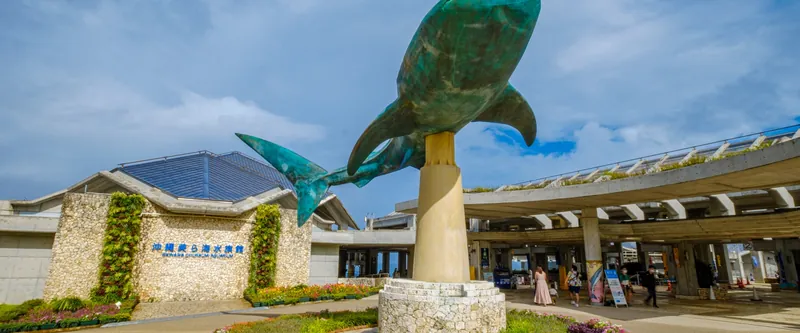
Churaumi Aquarium, Kouri Island, Sesoko Island, Nago
Kanhizakura at Mt. Yaedake peak late in the month. Churaumi Aquarium is popular in winter too
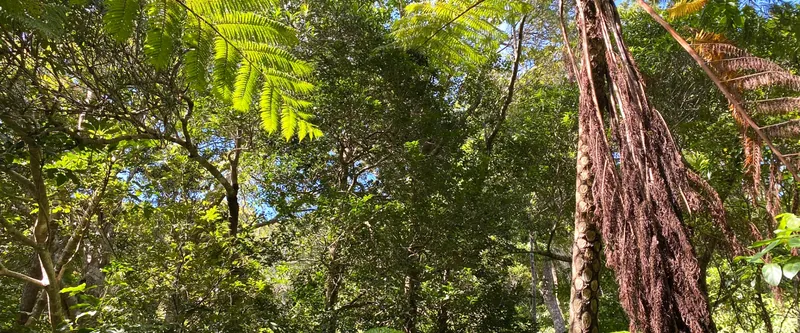
Kunigami, Cape Hedo, Daisekirinzan, Hiji Falls
Highs around 17°C, the coolest on the main island. Bring a jacket for forest walks
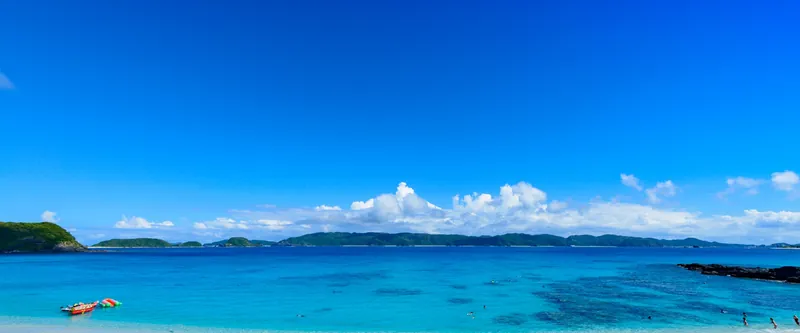
Tokashiki Island, Zamami Island, Aka Island
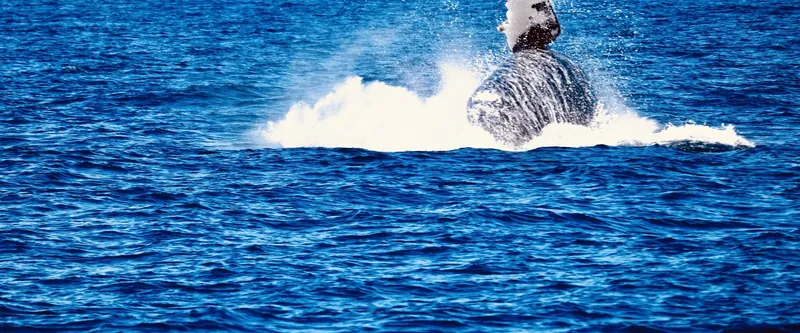
Humpback whale season. A base for whale watching
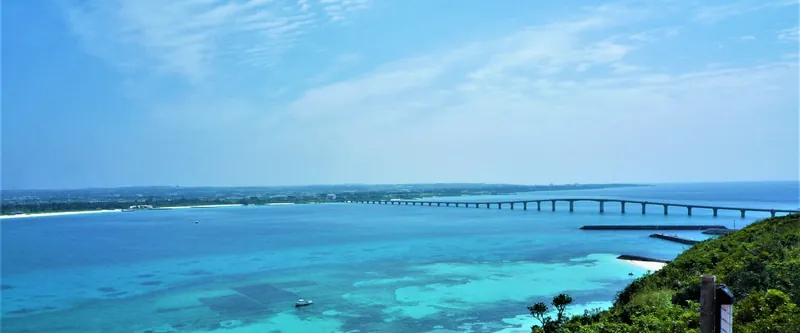
Yonaha Maehama Beach, Irabu Bridge, Cape Higashi-Hennazaki
Highs around 21°C. The sea is cold, with many windy days
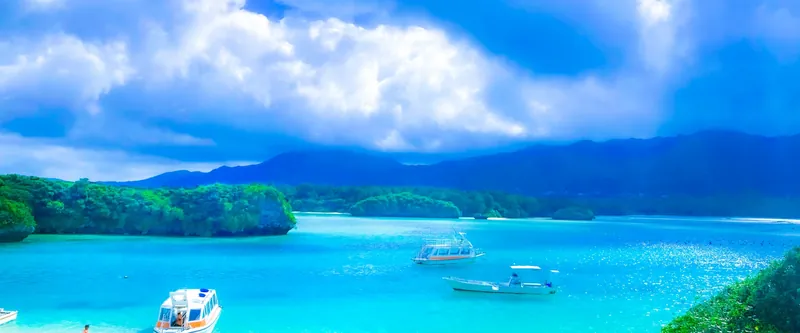
Kabira Bay, Ishigaki Port, Cape Tamatorizaki
Highs around 22°C, one of Okinawa's warmer areas. Sunny spells are great for exploring
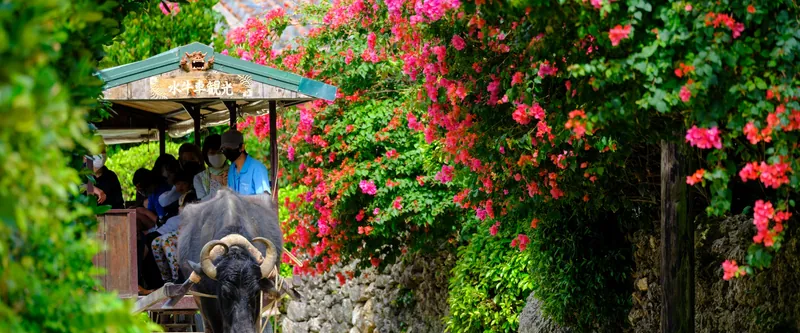
Iriomote, Taketomi, Yubu Island, Urauchi River
Cloudy and rainy days are common. Jungle walks are cool and easy going
If you're coming from mainland Japan, you'll only need your winter down coat as far as the airport. In Okinawa, layer a light jacket or hoodie to adjust.
In winter, Okinawa gets strong northerly winds, and on the coast it feels colder than the numbers suggest. A windproof outer layer keeps you comfortable.
The water has cooled and is too cold for swimming. For marine activities, choose tours that lend you a wetsuit.
Unlike on mainland Japan, Okinawa's kanhizakura start blooming in the cooler north. Mt. Yaedake in Motobu and Nago are among the earliest spots to peak.
From after New Year through February, there are relatively few tourists, and accommodation and flights are easy to book.
Okinawa's cherry blossoms, with deep pink flowers that hang facing downward. Cherry blossom festivals are held at Mt. Yaedake and Nago Castle Park.
See humpback whales from a boat as they come to Okinawa's waters to raise their calves.
The Japanese custom of visiting a shrine at the start of the new year. Naha's Naminoue Shrine stands on a clifftop overlooking the sea.
Dates change every year. Please check the official websites before you go.
In Naha, the average high is 19.8°C and the low is 14.9°C. Northerly winds are strong, so it feels colder than the numbers suggest.
The water is cool and too cold for swimming. For snorkeling and the like, join a tour that lends you a wetsuit.
We recommend long sleeves with a light jacket or hoodie layered on top. You won't need a thick winter coat.
Source: Japan Meteorological Agency (climate normals 1991-2020). Compiled by tripuuu.log. Temperatures are from a representative station in each area; actual weather varies from year to year.