Naha→
Station: NahaNaha, Kokusai-dori, Shurijo Castle, Naminoue Shrine
High
20.2℃
Low
15.1℃
- Precip.
- 114.5mm
- Sunshine
- 93h
- Sunset
- 18:21
Highs around 20°C. Good for strolling Kokusai-dori and the Shuri area
February in Okinawa is about as cool as January. Naha's high is 20.2°C, with mornings around 15°C. Kanhizakura cherry blossoms last until early in the month, and whale watching for humpback whales is at its best. Pro baseball teams hold spring training camps around the islands, drawing fans who come to watch practice. Late in the month there are more warm days, and you can gradually feel spring on the way.
Temperature, precipitation and sunshine are climate normals (1991-2020). Sunset is for February 15.
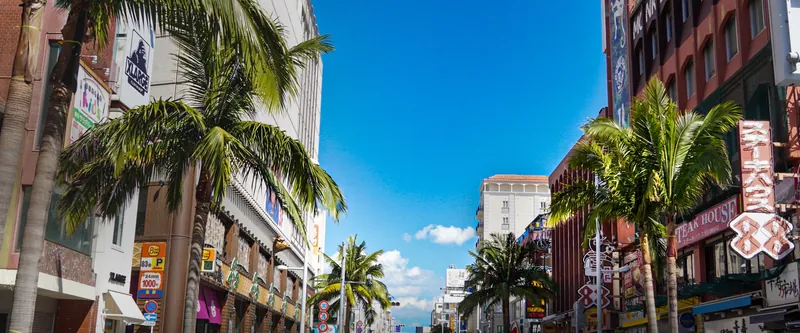
Naha, Kokusai-dori, Shurijo Castle, Naminoue Shrine
Highs around 20°C. Good for strolling Kokusai-dori and the Shuri area
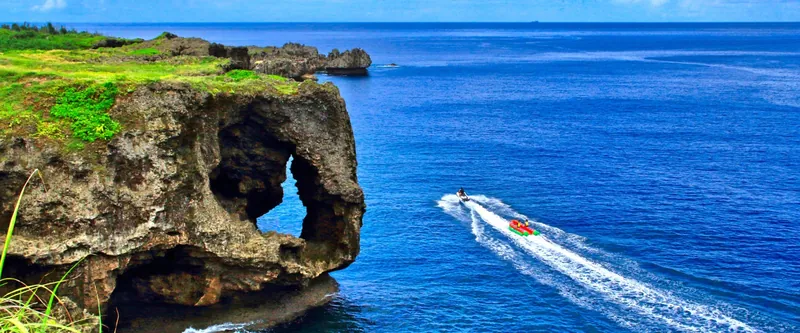
Onna, Cape Manzamo, Blue Cave, Chatan
Walks by the sea are lovely on sunny days. Some days are windy
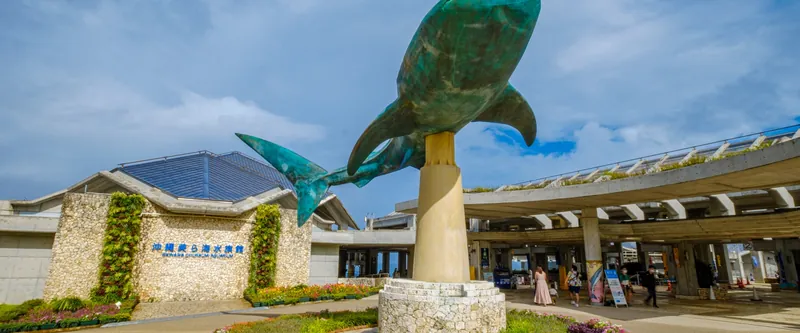
Churaumi Aquarium, Kouri Island, Sesoko Island, Nago
Kanhizakura until early in the month. Visit Churaumi Aquarium and tour Kouri Island
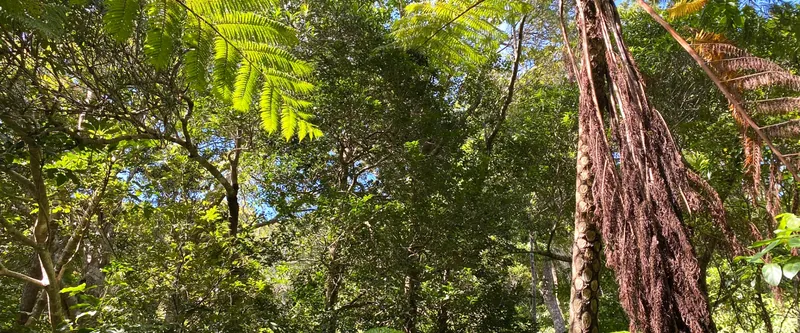
Kunigami, Cape Hedo, Daisekirinzan, Hiji Falls
Highs around 18°C. A good season for trekking in the Yanbaru forest
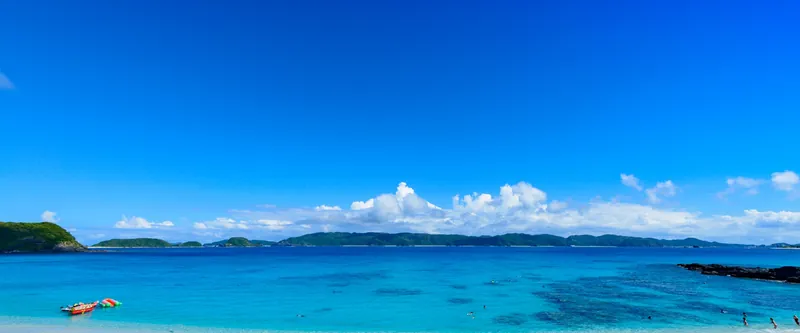
Tokashiki Island, Zamami Island, Aka Island
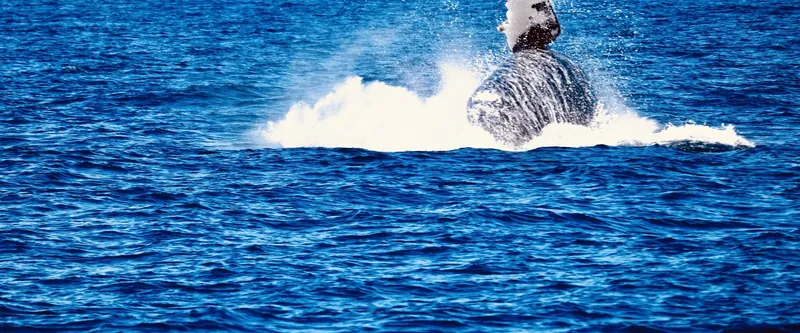
Peak whale watching season. A chance to meet humpback whales
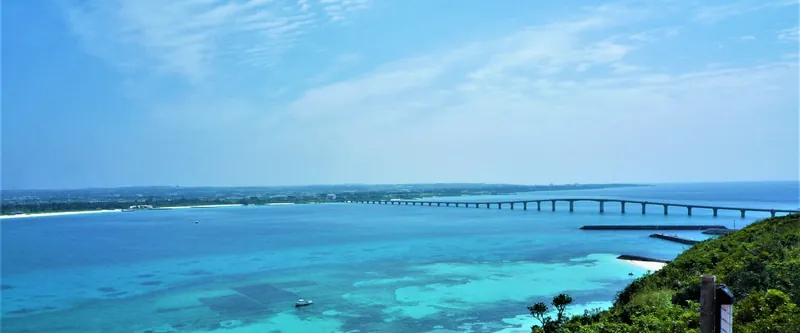
Yonaha Maehama Beach, Irabu Bridge, Cape Higashi-Hennazaki
Highs around 21°C. On sunny days, drive across Irabu Bridge
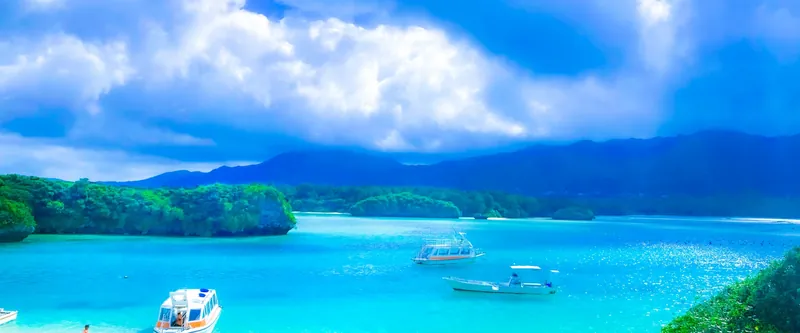
Kabira Bay, Ishigaki Port, Cape Tamatorizaki
Highs around 22°C. On warm days, short sleeves can be enough
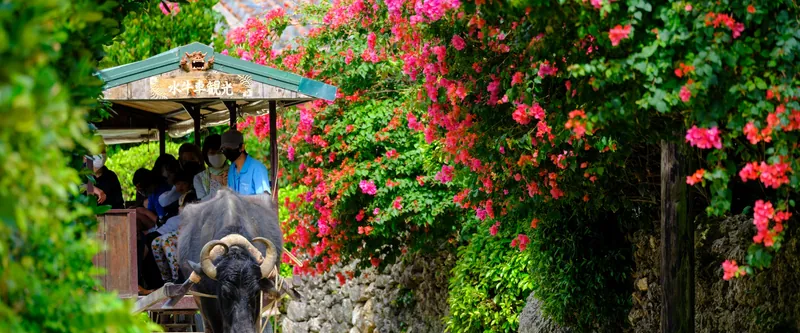
Iriomote, Taketomi, Yubu Island, Urauchi River
Pleasant weather for strolling Taketomi and riding the water-buffalo carts to Yubu Island
Temperatures vary from day to day. Wear layers you can adjust to stay comfortable.
In February, accommodation near pro baseball training camps can get crowded. Book early.
The winter sea can be rough on some days. If you're joining a whale watching tour, bring motion sickness medicine to be safe.
Around Lunar New Year (usually late January to mid-February), more tourists arrive from other parts of Asia and popular sights get crowded.
UV levels in Okinawa are fairly high even in winter. Bring a hat and sunscreen for sightseeing on sunny days.
Many professional baseball teams hold spring training camps in Okinawa, and you can watch them practice.
Read the guide:Okinawa Pro Baseball Spring Camp →PRKlookYui Rail 1-Day Digital Ticket (Okinawa)Unlimited rides for one day, handy for getting between Naha Airport and Onoyama-koen Station (Cellular Stadium Naha)View on KlookPRKlookAirport Limousine Bus Ticket (Naha Airport (OKA) ⇔ Hotels on Okinawa Main Island)A bus linking the airport with hotels in the Ginowan, Chatan, Onna and Nago areas (a good base for watching camps in central and northern Okinawa)View on KlookFebruary is one of the best times to see the most humpback whales.
The blossoms peak first in the north of the main island and can be enjoyed until around early February.
Dates change every year. Please check the official websites before you go.
In Naha, the average high is 20.2°C and the low is 15.1°C. On warm days, short sleeves can be enough.
The season usually runs from January to March, and February is when your chances of seeing whales are high.
Long sleeves with a light outer layer is the basic outfit. Some days are warm in the daytime, so adjust with layers.
Source: Japan Meteorological Agency (climate normals 1991-2020). Compiled by tripuuu.log. Temperatures are from a representative station in each area; actual weather varies from year to year.