
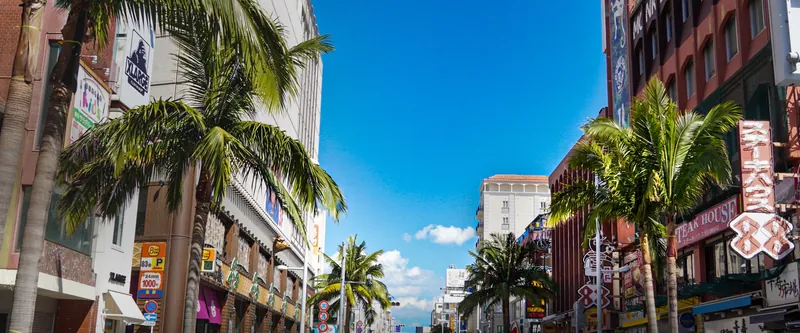
Naha→
Station: NahaNaha, Kokusai-dori, Shurijo Castle, Naminoue Shrine
High
31.8℃
Low
26.8℃
- Precip.
- 240mm
- Sunshine
- 206h
- Sunset
- 19:07
Highs around 32°C. Around Kyu-Bon, Eisa michijunee street processions pass through town
August is the height of summer in Okinawa. Naha's high is 31.8°C, with nights around 27°C. There are many sunny days with a beautiful sea, but it's also when typhoons are most likely to approach; when one hits, you may be unable to go in the sea for several days, and flights may be grounded. During Kyu-Bon (Obon on the lunar calendar; around mid-August to early September, varying by year), the drums of Eisa dances, performed to send off the spirits of ancestors, echo across the islands. With the summer holidays, this is the busiest time for tourists.
Temperature, precipitation and sunshine are climate normals (1991-2020). Sunset is for August 15.
Naha, Kokusai-dori, Shurijo Castle, Naminoue Shrine
Highs around 32°C. Around Kyu-Bon, Eisa michijunee street processions pass through town
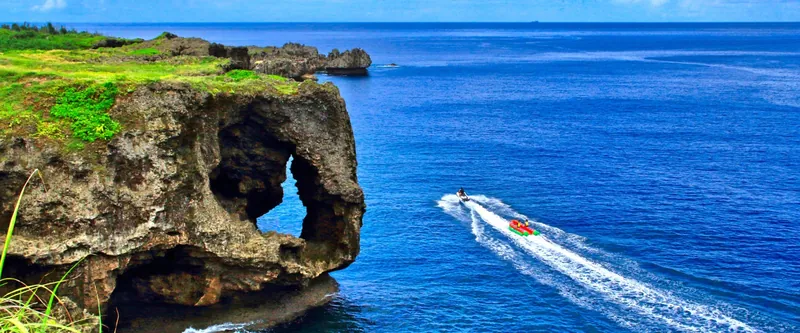
Onna, Cape Manzamo, Blue Cave, Chatan
Peak beach time. Waves can be high after a typhoon
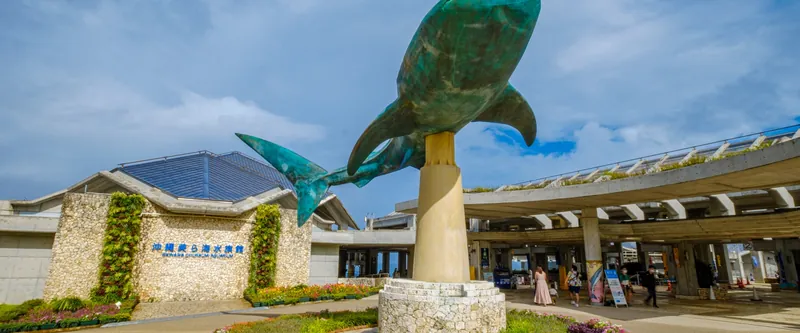
Churaumi Aquarium, Kouri Island, Sesoko Island, Nago
Highs around 32°C. Churaumi Aquarium is also a refuge from the heat and rain
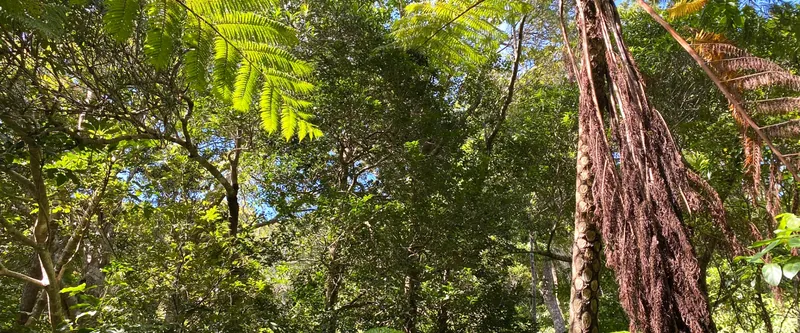
Kunigami, Cape Hedo, Daisekirinzan, Hiji Falls
Highs around 30°C. Cool off with river play or canoeing in the forest
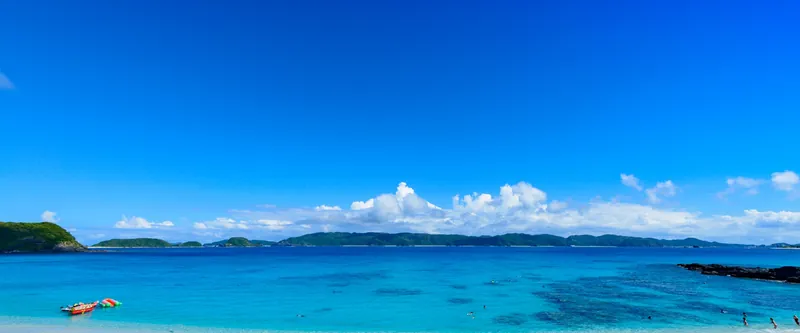
Tokashiki Island, Zamami Island, Aka Island
Highs around 29°C. Check ferry schedules before and after typhoons
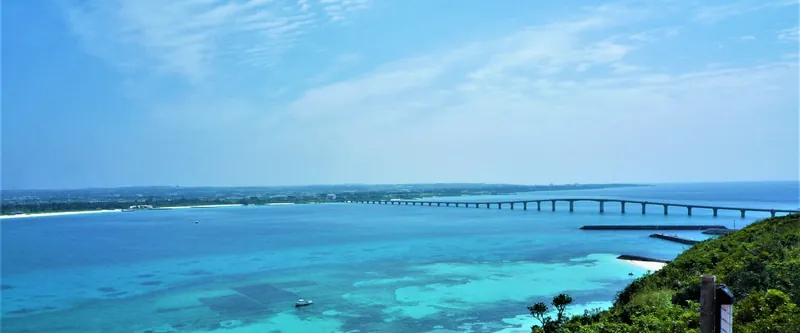
Yonaha Maehama Beach, Irabu Bridge, Cape Higashi-Hennazaki
Highs around 31°C. The island often lies in the path of typhoons
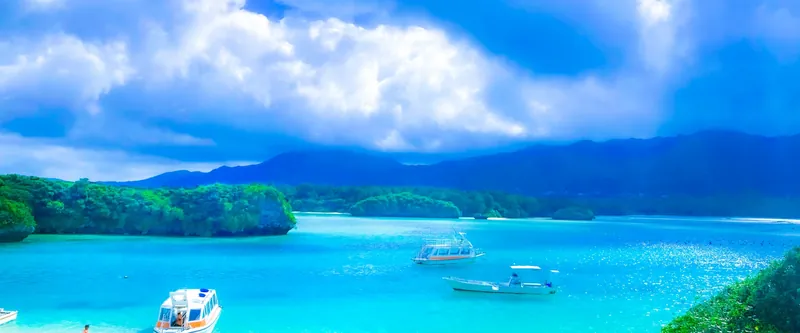
Kabira Bay, Ishigaki Port, Cape Tamatorizaki
Highs around 32°C. Boats to outlying islands may stop during typhoons
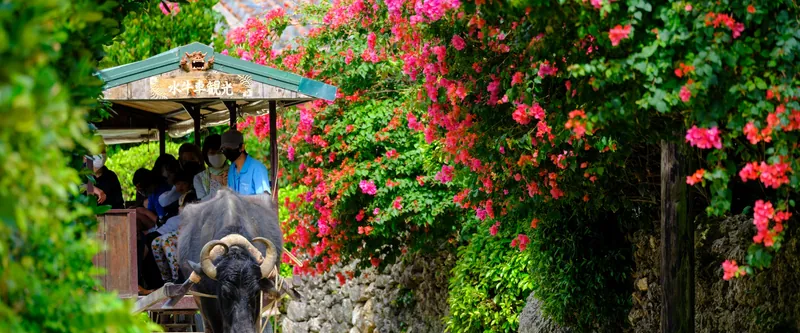
Iriomote, Taketomi, Yubu Island, Urauchi River
The wettest month of the year. On sunny days, head for the sea and waterfalls
Sudden squall-like downpours happen too. Quick-drying clothes and a folding umbrella keep you prepared.
August and September are when typhoons are most likely to approach. Travel insurance and flights or accommodation that allow date changes give you peace of mind.
When a typhoon approaches, buses and shops may shut down. Stock up on drinks and food so you can stay put at your hotel.
During Kyu-Bon, local shops and facilities may close or shorten their hours.
It's so humid you sweat even standing still. Drink water often and take regular breaks.
A traditional Okinawan performing art in which dancers beat drums and dance their way through the neighborhood to send off the spirits of ancestors during lunar Obon.
Okinawa's biggest Eisa festival, where youth groups from all over Okinawa gather to perform.
Read the guide:Okinawa Zento Eisa Matsuri → PRKlookAirport Limousine Bus Ticket (Naha Airport ⇔ Hotels on Okinawa Island)Shared limousine bus connecting Naha Airport with hotels in the Ginowan/Chatan, Onna Village, and Nago areasView on KlookPRKlookRyukyu Mura Admission TicketTheme park in Onna Village where you can see eisa and other traditional Okinawan performing arts shows even outside the festival periodView on Klook
On typhoon-free days, it's the perfect season to enjoy the blue sea and white sand beaches to the full.
Dates change every year. Please check the official websites before you go.
In Naha, the average high is 31.8°C and the low is 26.8°C. Highs are lower than in mainland Japan's cities, but the heat comes with strong sun and humidity.
August and September are when typhoons are most likely to approach. During your trip, check typhoon tracks and leave some slack in your schedule.
It's performed around the islands during Obon on the lunar calendar (around mid-August to early September). The Kyu-Bon dates change from year to year.
Source: Japan Meteorological Agency (climate normals 1991-2020). Compiled by tripuuu.log. Temperatures are from a representative station in each area; actual weather varies from year to year.